
Technical Contents
Engineering Guide: Silicone Black
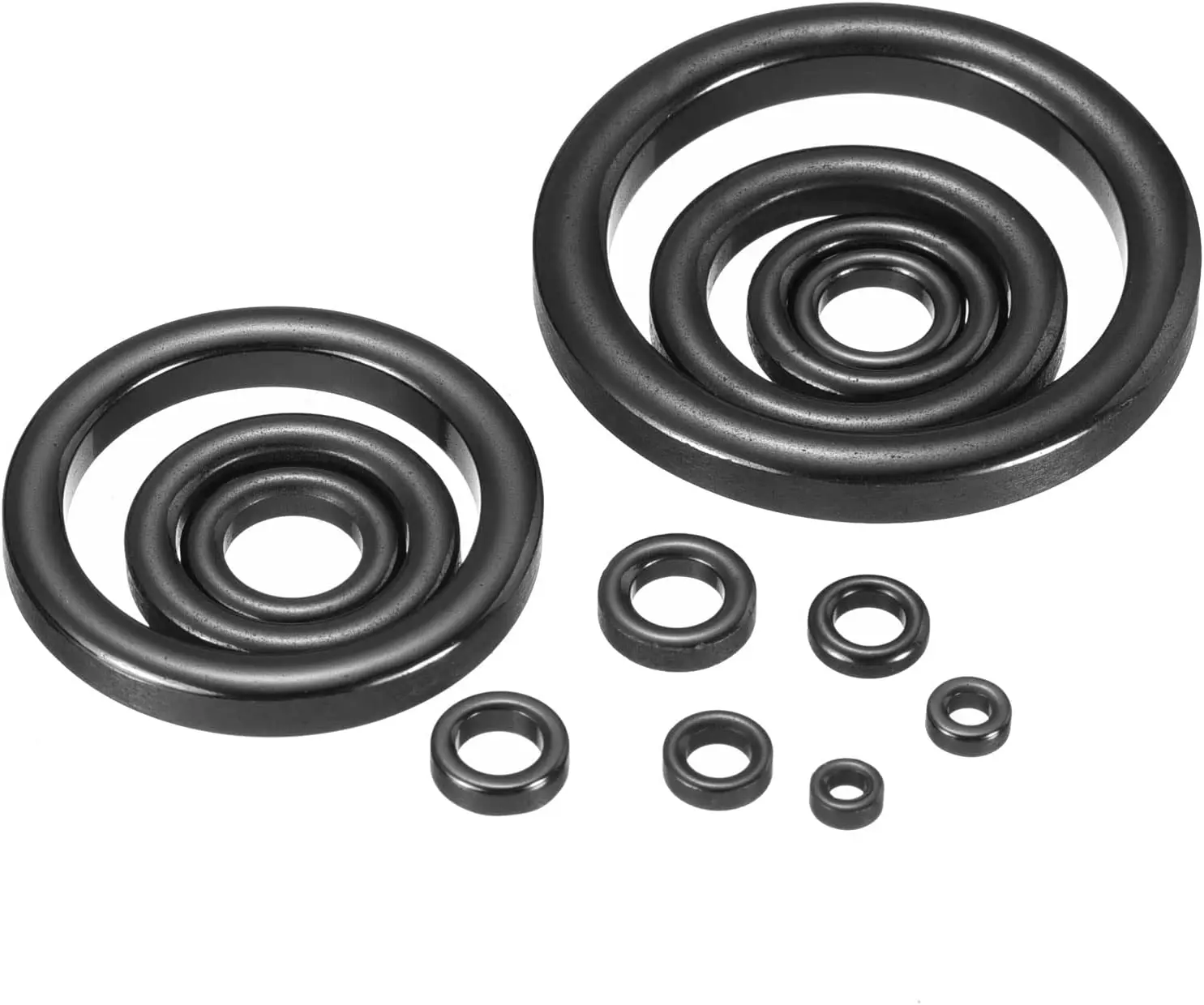
Engineering Insight: Silicone Black Material Selection Imperatives
Industrial applications demand precision-engineered elastomers where generic silicone black compounds frequently underperform, leading to premature failure and significant operational costs. Off-the-shelf solutions, while economical initially, often lack the tailored polymer backbone architecture and reinforcement critical for specific service environments. Standard formulations prioritize broad compatibility over targeted performance, resulting in inadequate resistance to compression set under continuous load, insufficient thermal stability at elevated temperatures, or vulnerability to aggressive chemical exposure. This mismatch manifests as seal leakage, gasket hardening, or catastrophic part degradation – consequences far exceeding the marginal cost difference of a purpose-built compound. The core issue lies in the oversimplification of silicone as a uniform material class; critical variables like phenyl group concentration, filler surface treatment, and platinum cure system optimization dictate real-world viability. Engineers must specify beyond basic color and durometer.
Material failure analysis consistently reveals that standard silicone black compounds fail due to unaddressed application stressors. For instance, automotive under-hood sensors exposed to intermittent 200°C temperatures and ozone require exceptional thermal-oxidative stability – a property unattainable with conventional vinyl-methyl silicone formulations lacking phenyl modification. Similarly, medical device seals subjected to repeated autoclaving cycles demand ultra-low compression set values (<15% per ASTM D395) to maintain sealing force, a benchmark standard compounds rarely achieve. The cost of field failures – including downtime, warranty claims, and reputational damage – dwarfs the investment in application-specific material science. Suzhou Baoshida Trading Co., Ltd. addresses this through OEM partnership, leveraging proprietary formulation databases and application-specific validation testing to define the precise balance of properties required.
The following table contrasts critical performance parameters between generic and engineered silicone black compounds:
| Property | Standard Silicone Black | Engineered Silicone Black | Industrial Requirement Threshold |
|---|---|---|---|
| Compression Set (22h/150°C) | 35-45% | ≤18% | <20% (Sealing applications) |
| Thermal Stability (Air, 200°C) | 500-800 hrs to 50% property loss | 2000+ hrs to 50% property loss | >1500 hrs for continuous service |
| Low-Temperature Flexibility (Tg) | -60°C | -75°C to -85°C | ≤-70°C (Arctic equipment) |
| Tensile Strength (MPa) | 5.0-6.5 | 7.0-9.0 | >7.5 MPa (Dynamic seals) |
| Fluid Resistance (IRMOG 7056, 70°C) | Moderate swelling (25-35%) | Low swelling (<15%) | <20% volume change critical |
Achieving these specifications requires meticulous control over raw material selection, including high-purity precipitated silica with tailored surface chemistry and optimized platinum catalyst systems. Crucially, consistent batch-to-batch performance hinges on rigorous in-process quality control – a capability inherent to specialized compounders but absent in commodity suppliers. Suzhou Baoshida Trading Co., Ltd. implements ISO 9001-certified protocols ensuring every batch meets the stringent tolerances demanded by aerospace, medical, and energy sector OEMs. Material selection is not a procurement exercise; it is a foundational engineering decision. Partnering with a technical compounder possessing deep formulation expertise and application insight transforms silicone black from a generic component into a reliable, high-performance system element, mitigating risk and maximizing product lifecycle value. The true cost of silicone lies not in the raw material, but in the consequences of inadequate specification.
Material Specifications
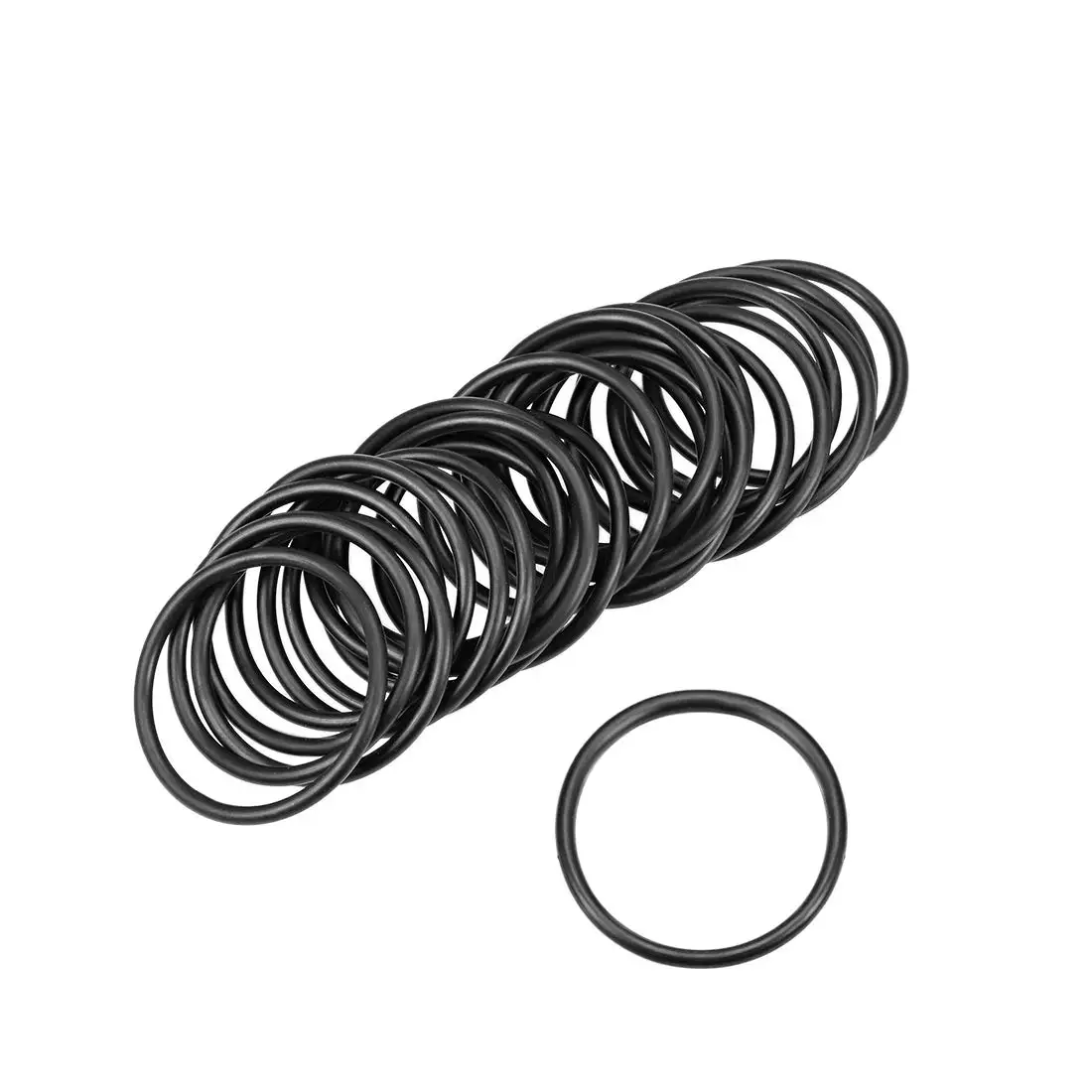
Silicone black is a high-performance elastomer widely utilized in industrial applications requiring thermal stability, chemical resistance, and long-term durability. At Suzhou Baoshida Trading Co., Ltd., we specialize in precision-engineered rubber solutions, delivering consistent quality across critical sealing and insulation applications. Our silicone black formulations are optimized for environments exposed to extreme temperatures, UV radiation, and ozone degradation. This material exhibits excellent electrical insulation properties and low compression set, making it ideal for use in automotive, aerospace, medical devices, and semiconductor manufacturing sectors.
In comparison to other industrial elastomers such as Viton and Nitrile, silicone black demonstrates superior performance in high-temperature operations, maintaining integrity from -60°C up to 230°C continuously, with short-term exposure tolerance exceeding 300°C. Unlike hydrocarbon-based rubbers, silicone does not support microbial growth and remains stable under prolonged UV and weathering conditions. However, it exhibits lower tensile strength and abrasion resistance than Nitrile or Viton, necessitating careful design considerations in dynamic mechanical applications.
Viton, a fluorocarbon-based rubber, offers exceptional resistance to fuels, oils, and aggressive chemicals, making it the preferred choice for aerospace and petrochemical sealing systems. It operates effectively between -20°C and 200°C, with intermittent exposure up to 250°C. While more expensive than Nitrile, Viton delivers unmatched performance in harsh chemical environments. Nitrile (NBR), by contrast, provides excellent resistance to aliphatic hydrocarbons, hydraulic fluids, and greases at a lower cost, functioning reliably from -30°C to 105°C. It is commonly used in hydraulic seals, O-rings, and fuel system components where moderate temperature and chemical resistance are required.
Each material presents distinct advantages depending on the operational demands. Selection must consider temperature range, media exposure, mechanical loading, and regulatory compliance. Silicone black remains the optimal solution when thermal stability and dielectric performance are paramount, particularly in static sealing and electrical insulation roles.
The following table summarizes key physical and chemical properties of Viton, Nitrile, and Silicone black for comparative evaluation:
| Property | Viton (FKM) | Nitrile (NBR) | Silicone (VMQ) – Black |
|---|---|---|---|
| Temperature Range (°C) | -20 to 200 (up to 250 intermittent) | -30 to 105 | -60 to 230 (up to 300 intermittent) |
| Tensile Strength (MPa) | 15–20 | 10–25 | 6–10 |
| Elongation at Break (%) | 200–300 | 250–500 | 200–600 |
| Hardness (Shore A) | 60–90 | 50–90 | 30–80 |
| Resistance to Oils/Fuels | Excellent | Good to Excellent | Poor |
| Resistance to Ozone/UV | Excellent | Good | Excellent |
| Compression Set Resistance | Excellent | Good | Good |
| Electrical Insulation | Good | Fair | Excellent |
| Common Applications | Aerospace seals, chemical gaskets | Fuel hoses, hydraulic seals | High-temp seals, medical tubing, insulators |
Material selection directly impacts system reliability and service life. Suzhou Baoshida Trading Co., Ltd. supports OEMs with technical data, sample validation, and custom compounding to meet exacting industrial standards.
Manufacturing Capabilities
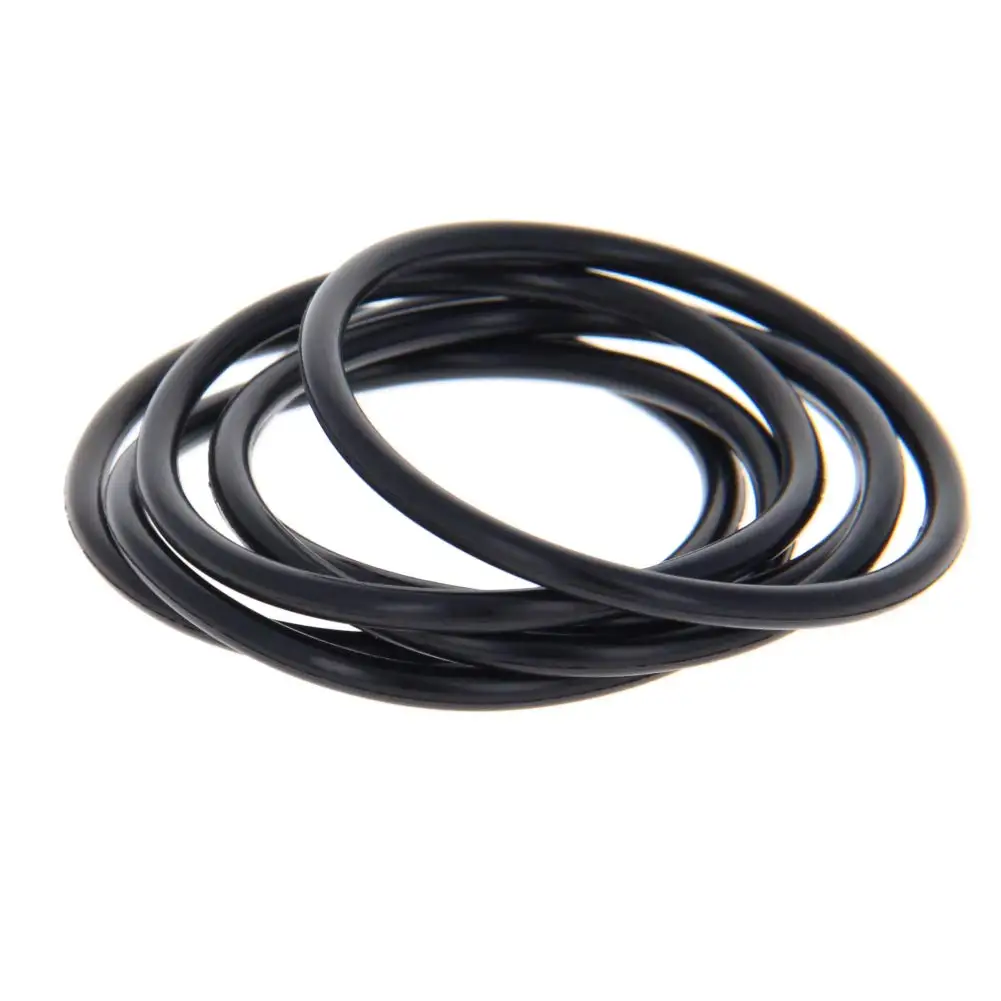
Engineering Capability: Precision Silicone Black Formulation and OEM Execution
Suzhou Baoshida Trading Co., Ltd. leverages a dedicated team of seven specialized engineers—five Mould Engineers and two Formula Engineers—to deliver rigorously optimized silicone black compounds for demanding industrial applications. This integrated technical structure ensures seamless alignment between material science and production engineering, eliminating common cross-departmental inefficiencies. Our Formula Engineers focus exclusively on silicone polymer chemistry, tailoring viscosity, thermal stability, and pigment dispersion to meet exact client specifications while maintaining regulatory compliance (REACH, RoHS). Concurrently, Mould Engineers validate tooling compatibility through finite element analysis (FEA), optimizing gate design, cooling channels, and ejection systems to prevent defects like flash or incomplete curing in complex geometries.
Critical to our silicone black performance is the proprietary balance of reinforcing fillers, platinum catalysts, and carbon-based pigments. Standard formulations achieve consistent jet-black aesthetics without compromising mechanical integrity, but true differentiation emerges in custom development. We systematically adjust siloxane backbone length, crosslink density, and filler surface treatment to target specific durometer ranges, elongation requirements, or chemical resistance profiles. Every compound undergoes accelerated aging tests (150°C for 72 hours), compression set validation (ASTM D395), and dynamic mechanical analysis (DMA) to guarantee longevity under operational stress.
The following table details typical properties of our base silicone black formulation versus client-customized variants:
| Property | Standard Formulation | Custom Formulation Range |
|---|---|---|
| Hardness (Shore A) | 50 ± 3 | 30–80 |
| Tensile Strength (MPa) | 8.5 | 6.0–12.0 |
| Elongation at Break (%) | 650 | 400–800 |
| Compression Set (22h/150°C) | ≤20% | ≤15% (optimized grades) |
| Thermal Stability Range (°C) | -60 to +230 | -75 to +250 (specialty) |
| Specific Gravity | 1.15 | 1.10–1.25 |
OEM manufacturing is executed under stringent process controls, with full traceability from raw material lot tracking to final part certification. Our engineers implement Design for Manufacturing (DFM) protocols during the quoting phase, identifying potential production risks—such as undercuts or thin-wall sections—and proposing iterative design refinements. This proactive collaboration reduces time-to-market by up to 30% compared to conventional supplier models. Production runs utilize 50–2000T hydraulic presses with closed-loop temperature control (±1°C), ensuring repeatability across batches exceeding 500,000 units. Statistical process control (SPC) monitors key parameters like cure time and post-demold shrinkage in real time, with all data archived for client audit access.
Suzhou Baoshida’s dual-engineer framework transforms silicone black from a commodity material into a precision-engineered solution. By embedding formula expertise within the OEM workflow, we resolve material-process interdependencies before tooling fabrication begins—delivering parts that consistently meet dimensional tolerances (±0.15mm) and performance criteria critical for automotive seals, medical device components, and industrial gaskets. This capability positions us as a technical extension of your R&D team, not merely a contract manufacturer.
Customization Process
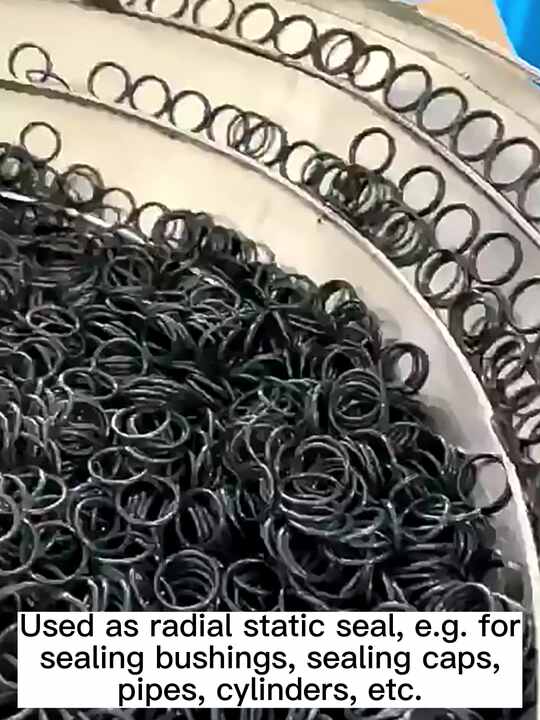
Drawing Analysis: Precision Engineering for Silicone Black Components
At Suzhou Baoshida Trading Co., Ltd., the customization process for silicone black rubber components begins with rigorous drawing analysis. This foundational step ensures dimensional accuracy, functional compatibility, and adherence to OEM specifications. Our engineering team evaluates technical drawings provided by clients, focusing on critical tolerances, geometric complexity, and intended application environment. We assess factors such as sealing requirements, compression set resistance, thermal exposure, and mechanical stress to determine design feasibility. Any discrepancies or optimization opportunities are communicated through formal engineering feedback, ensuring alignment before progression. This phase is essential for preventing downstream manufacturing issues and ensuring the final product performs reliably under real-world conditions.
Formulation: Tailoring Silicone Black for Performance
Following drawing validation, our Rubber Formula Engineers develop a customized silicone rubber compound tailored to the operational demands of the application. Silicone black is not a standardized material; its performance is heavily influenced by polymer base selection, filler type, curing system, and additive package. We utilize high-purity vinyl-functional polydimethylsiloxane (PDMS) as the base polymer, combined with reinforcing fumed silica to enhance tensile strength and elongation. Carbon black is precisely dosed to achieve consistent jet-black pigmentation while maintaining electrical insulation and UV resistance. Critical additives include platinum catalysts for addition-cure systems, scorch inhibitors for processing safety, and heat stabilizers for long-term thermal endurance up to 250°C. Each formulation is documented under controlled batch records, ensuring full traceability and repeatability across production cycles.
Prototyping: Validation Through Physical Testing
Once the formulation is finalized, we proceed to prototyping using precision compression, transfer, or injection molding techniques based on part geometry and volume requirements. Prototypes are manufactured under controlled conditions that simulate mass production parameters. These sample parts undergo comprehensive testing, including hardness (Shore A), tensile strength, elongation at break, compression set (ASTM D395), and thermal aging (per ASTM D573). Dimensional inspection is performed using coordinate measuring machines (CMM) to verify conformity with original drawings. Client feedback and test data are analyzed to refine tooling or formulation if necessary, ensuring optimal performance prior to scale-up.
Mass Production: Industrial-Scale Consistency
Upon prototype approval, we transition to mass production using automated molding lines with real-time process monitoring. Each batch is subject to in-process quality checks and final inspection per ISO 9001 standards. Our facility supports high-volume output with consistent material homogeneity and minimal defect rates.
| Property | Test Method | Typical Value |
|---|---|---|
| Hardness (Shore A) | ASTM D2240 | 40–80 ±5 |
| Tensile Strength | ASTM D412 | ≥8.0 MPa |
| Elongation at Break | ASTM D412 | ≥400% |
| Compression Set (22h, 150°C) | ASTM D395 | ≤20% |
| Operating Temperature | — | -60°C to +250°C |
This structured approach ensures Suzhou Baoshida delivers silicone black components that meet exacting industrial standards, from concept to full-scale manufacturing.
Contact Engineering Team
Contact Suzhou Baoshida: Precision Silicone Black Solutions Engineered for Your Success
As Rubber Formula Engineers and OEM Managers at Suzhou Baoshida Trading Co., Ltd., we understand the critical role material consistency plays in high-performance industrial applications. Generic silicone black compounds often fail to meet stringent operational demands, leading to premature part failure, production delays, and compromised safety margins. Our proprietary silicone black formulations are engineered at the molecular level to deliver unmatched thermal stability, mechanical resilience, and chemical resistance—specifically tailored to your manufacturing requirements. We do not supply off-the-shelf commodities; we develop mission-critical material solutions validated through rigorous QC protocols and real-world performance testing.
Industrial clients across automotive sealing, aerospace fluid handling, and medical device manufacturing rely on our expertise to solve complex material challenges. Our OEM partnership model ensures seamless integration into your production workflow, with dedicated formula optimization, batch-to-batch repeatability within ±2% tolerance, and full traceability from raw material sourcing to finished compound. Unlike competitors, we maintain ISO 9001-certified production facilities with in-house rheology and aging labs, enabling rapid iteration and validation of custom specifications. This precision engineering approach minimizes your R&D risk and accelerates time-to-market for next-generation components.
The table below summarizes the baseline technical profile of our standard high-performance silicone black compound. Note that all parameters are adjustable through our collaborative engineering process to align precisely with your application’s environmental stressors and regulatory framework.
| Property | Test Method | Typical Value |
|---|---|---|
| Hardness (Shore A) | ASTM D2240 | 50 ± 3 |
| Tensile Strength | ASTM D412 | 8.5 MPa min |
| Elongation at Break | ASTM D412 | 450% min |
| Compression Set (22h/175°C) | ASTM D395 | 25% max |
| Operating Temperature Range | – | -60°C to +230°C |
| Specific Gravity | ASTM D297 | 1.18 ± 0.02 |
Material selection is not a procurement exercise—it is a strategic engineering decision with direct implications for product lifecycle and liability exposure. Our team provides comprehensive technical documentation including full material safety data sheets (MSDS), RoHS/REACH compliance certificates, and aging performance curves under customer-specified conditions. We actively collaborate during prototyping phases to validate material behavior in your actual assembly environment, preventing costly redesigns downstream.
To initiate a technical consultation or request a custom formulation proposal, contact Mr. Boyce directly. As your dedicated OEM Manager, he will coordinate our engineering resources to analyze your application requirements, provide sample material for validation testing, and establish a scalable supply agreement with guaranteed lead times. Do not compromise on material integrity when system reliability is non-negotiable.
Contact Mr. Boyce today at [email protected] to schedule a technical review. Include your target specifications, volume requirements, and application context for a prioritized engineering assessment. Suzhou Baoshida Trading Co., Ltd.—where molecular precision meets industrial performance.
⚖️ O-Ring Weight Calculator
Estimate rubber O-ring weight (Approx).