
Technical Contents
Engineering Guide: Silicone Diaphragm
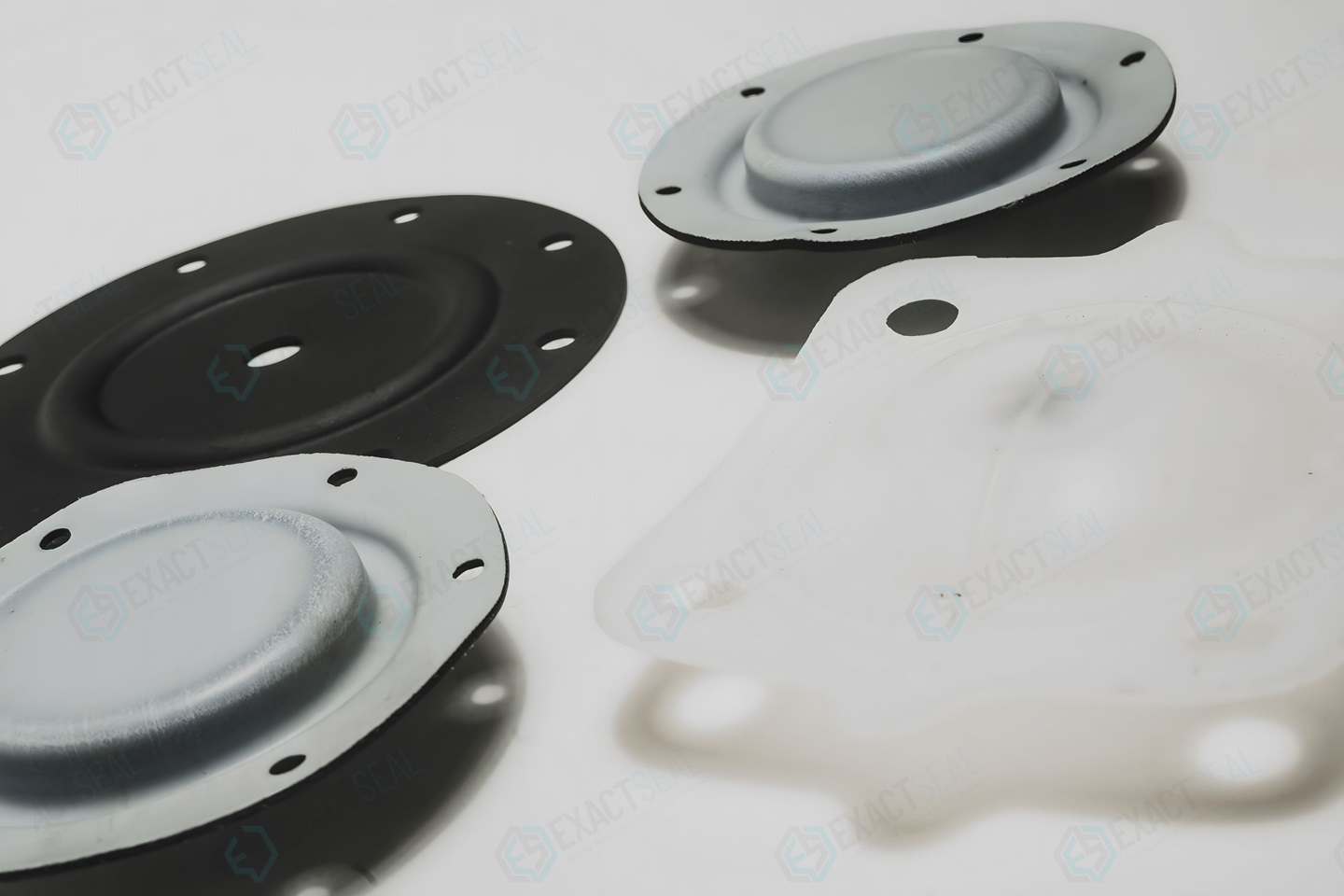
Material Selection: The Uncompromising Core of Silicone Diaphragm Performance
In industrial fluid control systems, the silicone diaphragm functions as the critical barrier between process media and mechanical actuation. Its failure directly compromises system integrity, leading to contamination, downtime, or catastrophic leaks. While off-the-shelf silicone diaphragms present an initial cost advantage, their generic material formulations frequently prove inadequate under demanding operational parameters. This stems from a fundamental oversight: treating silicone as a monolithic material rather than a highly tunable polymer system requiring precise engineering for specific chemical, thermal, and mechanical environments. Standard commercial-grade vinyl-methyl silicone (VMQ) compounds prioritize broad compatibility and ease of processing over resilience in extreme conditions, ignoring the nuanced stressors inherent in specialized applications like semiconductor manufacturing, pharmaceutical processing, or aggressive chemical handling. Consequently, premature failure modes—such as accelerated compression set, chemical swelling, thermal degradation, or extrusion through mating surfaces—become prevalent, negating any initial procurement savings through increased maintenance costs and production losses.
The root cause lies in the complex interplay between the diaphragm’s operational profile and the silicone compound’s molecular architecture. Generic VMQ formulations lack the tailored polymer backbone modifications, specialized fillers, or optimized crosslink densities necessary to resist hydrolysis-induced chain scission in steam-sterilized medical devices, withstand prolonged exposure to concentrated acids or solvents, or maintain elasticity after repeated flexing at temperatures exceeding 200°C. Off-the-shelf solutions often exhibit excessive compression set under continuous pressure, leading to permanent sealing loss. They may swell unpredictably when exposed to non-aqueous media, altering dimensional tolerances critical for precise valve actuation. Furthermore, inadequate thermal stability results in hardening or cracking during thermal cycling, while insufficient tear strength causes rapid propagation of micro-tears generated during cyclic flexing. These failures are not random defects but predictable outcomes of applying a generalized material to a specialized function without rigorous compatibility analysis.
Critical Material Properties for Demanding Diaphragm Applications
| Parameter | Standard Off-the-Shelf VMQ | Engineered FVMQ (Chemical Resistance) | Engineered Phenyl-VMQ (Thermal Stability) |
|---|---|---|---|
| Continuous Temp Range (°C) | -55 to +200 | -60 to +230 | -100 to +250 |
| Key Chemical Resistance | Water, Mild Acids/Bases | Ketones, Fuels, Concentrated Acids | Limited improvement over VMQ |
| Compression Set (22h/150°C) | 25-35% | 15-22% | 18-25% |
| Typical Failure Mode | Swelling, Permanent Set | Degradation in Amines, Strong Bases | Brittleness below -60°C |
| Primary Application Gap | Low-pressure, benign media | Aggressive chemical handling | Cryogenic or high-temperature cycling |
Suzhou Baoshida Trading Co., Ltd. addresses these challenges through OEM-level compound engineering. We reject the one-size-fits-all approach, instead initiating each diaphragm project with a comprehensive analysis of fluid chemistry, temperature profiles, pressure cycles, and lifetime expectations. Our rubber formula engineers then develop bespoke silicone compounds—incorporating fluoro-silicone (FVMQ) for hydrocarbon resistance, phenyl-modified silicones for extreme low-temperature flexibility, or custom-filled systems for enhanced compression set resistance. This precision material science ensures the diaphragm maintains its geometric integrity and functional properties throughout its intended service life, transforming a common failure point into a reliable, long-term system component. The initial investment in engineered material selection is consistently validated by operational continuity and total cost of ownership reduction.
Material Specifications
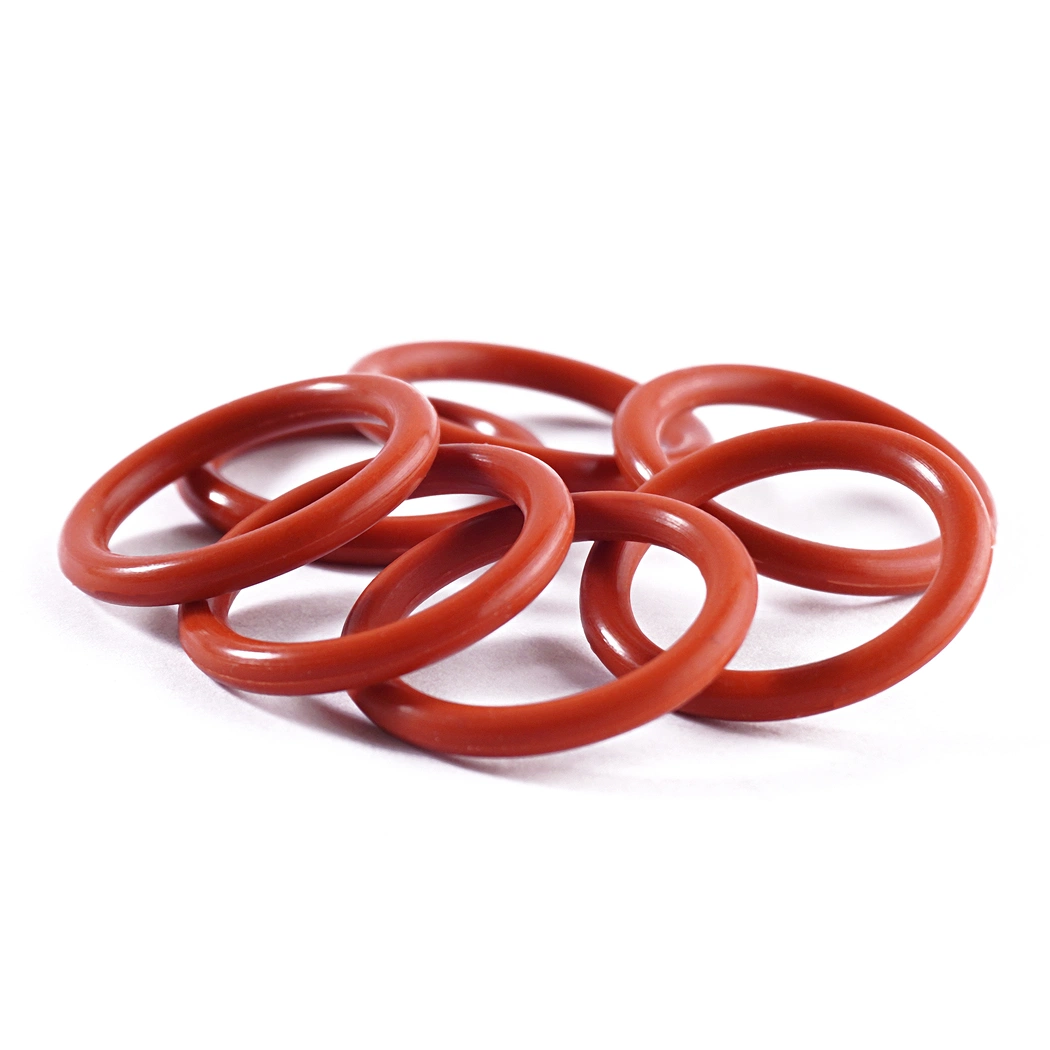
Silicone diaphragms are critical components in precision industrial applications, particularly in fluid control systems, medical devices, and chemical processing equipment. The performance of these diaphragms is heavily influenced by the elastomeric material selected, as each compound exhibits distinct chemical, thermal, and mechanical properties. At Suzhou Baoshida Trading Co., Ltd., we specialize in engineered rubber solutions, offering silicone diaphragms manufactured from high-purity Viton (FKM), Nitrile (NBR), and Silicone (VMQ) compounds tailored to meet rigorous OEM specifications. Understanding the material characteristics is essential for ensuring long-term reliability under operational stress.
Viton, a fluorocarbon-based rubber, provides exceptional resistance to high temperatures, oils, fuels, and a broad range of aggressive chemicals. With a continuous service temperature range of -20°C to 230°C, Viton is ideal for diaphragms used in automotive fuel systems, aerospace hydraulics, and semiconductor manufacturing environments where exposure to aromatic hydrocarbons and chlorinated solvents is common. Its low gas permeability and excellent aging characteristics further enhance durability in dynamic sealing applications.
Nitrile rubber, or Buna-N, is a cost-effective solution for applications involving petroleum-based fluids and aliphatic hydrocarbons. It performs reliably in temperatures ranging from -30°C to 120°C, making it suitable for industrial pneumatic controls and hydraulic systems operating under moderate thermal loads. While Nitrile offers superior abrasion resistance and tensile strength, its performance degrades when exposed to ozone, UV radiation, and polar solvents, limiting its use in outdoor or highly oxidative environments.
Silicone rubber (VMQ) stands out for its extreme temperature resilience, with a functional range from -60°C to 200°C. It maintains flexibility at cryogenic temperatures and exhibits excellent resistance to ozone and UV exposure. Silicone is non-toxic, biocompatible, and meets FDA and USP Class VI standards, making it the preferred choice for pharmaceutical, food processing, and medical device applications. However, its relatively low mechanical strength and poor resistance to petroleum-based fluids necessitate careful evaluation in high-stress or oil-exposed environments.
The following table summarizes key physical and chemical properties of these materials for comparative assessment in diaphragm design:
| Property | Viton (FKM) | Nitrile (NBR) | Silicone (VMQ) |
|---|---|---|---|
| Temperature Range (°C) | -20 to 230 | -30 to 120 | -60 to 200 |
| Tensile Strength (MPa) | 15–20 | 10–25 | 5–10 |
| Elongation at Break (%) | 200–300 | 250–500 | 200–700 |
| Hardness (Shore A) | 60–90 | 50–90 | 30–80 |
| Resistance to Oils/Fuels | Excellent | Excellent | Poor |
| Resistance to Ozone/UV | Excellent | Good | Excellent |
| Biocompatibility | Moderate | Poor | Excellent |
| Fluid Compatibility | Aromatic hydrocarbons, acids, fuels | Aliphatic hydrocarbons, water, oils | Water, alcohols, ketones (limited) |
Material selection must balance chemical exposure, thermal demands, mechanical stress, and regulatory requirements. Suzhou Baoshida Trading Co., Ltd. supports OEMs with material testing, prototyping, and full-scale production to ensure optimal diaphragm performance across diverse industrial sectors.
Manufacturing Capabilities
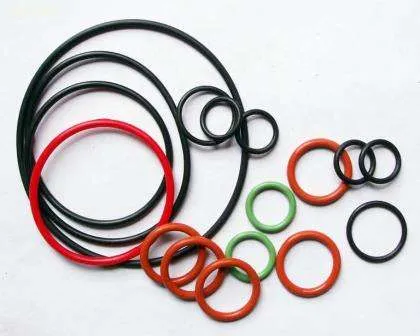
Engineering Capability: Precision Silicone Diaphragm Manufacturing
Suzhou Baoshida Trading Co., Ltd. delivers engineered silicone diaphragm solutions through integrated material science and precision tooling expertise. Our dedicated team of five certified mould engineers and two advanced rubber formula engineers operates under stringent ISO 9001 protocols to ensure dimensional accuracy, material consistency, and functional reliability for demanding industrial applications. This dual-discipline approach enables us to resolve complex sealing, pulsation, and barrier challenges inherent in fluid control systems across medical, automotive, and semiconductor sectors.
Our formula engineers specialize in custom silicone compound development, optimizing base polymer selection (VMQ, PVMQ), filler systems, and crosslinking chemistry to achieve target properties such as compression set resistance below 20% (ASTM D395), thermal stability from -60°C to 230°C, and biocompatibility per USP Class VI. Concurrently, mould engineering leverages 3D simulation software for cavity design, runner optimization, and thermal management, eliminating knit lines and sink marks critical for thin-section diaphragms. This synergy reduces prototyping cycles by 40% compared to industry averages while ensuring first-article conformance to GD&T tolerances as tight as ±0.05mm.
As a certified OEM partner, we manage end-to-end production from compound formulation to final validation. Our facility supports low-volume prototyping through high-volume manufacturing (50k–500k units annually) with dedicated cleanroom presses for medical-grade components. Every diaphragm undergoes rigorous in-process testing, including burst pressure validation (up to 10 bar), cyclic fatigue analysis (1M+ cycles), and extractables profiling. Traceability is maintained via laser-etched batch codes and full material documentation packages compliant with REACH and RoHS.
Material property specifications for our standard platinum-cured silicone diaphragm compounds are detailed below:
| Property | Standard Value | Test Method |
|---|---|---|
| Hardness (Shore A) | 40 ± 5 | ASTM D2240 |
| Tensile Strength | ≥ 8.0 MPa | ASTM D412 |
| Elongation at Break | ≥ 600% | ASTM D412 |
| Compression Set (22h/150°C) | ≤ 18% | ASTM D395 |
| Tear Strength | ≥ 25 kN/m | ASTM D624 |
| Specific Gravity | 1.12 ± 0.02 | ASTM D297 |
The integration of formula and mould engineering eliminates traditional handoffs between material development and tooling phases. We proactively address compound-process interactions—such as viscosity effects on cavity filling or post-cure shrinkage—during the design stage. This capability is particularly vital for multi-cavity diaphragm moulds requiring uniform flow front progression. Clients receive comprehensive process validation reports, including mould flow analysis outputs and compound certificate of conformance, ensuring seamless regulatory audits.
Suzhou Baoshida’s engineering framework transforms diaphragm performance limitations into competitive advantages. By controlling both material science and precision manufacturing variables, we deliver components that exceed OEM lifecycle requirements while accelerating time-to-market. Partner with us to convert your functional specifications into validated production reality.
Customization Process
Drawing Analysis
The customization process for silicone diaphragms begins with meticulous drawing analysis, a critical phase that ensures dimensional accuracy, functional compatibility, and adherence to OEM specifications. At Suzhou Baoshida Trading Co., Ltd., engineering teams conduct a comprehensive review of customer-provided technical drawings, focusing on key parameters such as outer diameter, thickness profile, center hub configuration, flex zone geometry, and surface finish requirements. Tolerance evaluation is performed in accordance with ISO 3302 and ISO 2768 standards to guarantee repeatability in production. Any ambiguities or potential design constraints—such as thin sections prone to tearing or sealing interface mismatches—are flagged early, and collaborative feedback is provided to optimize manufacturability without compromising performance. Finite element analysis (FEA) may be employed to simulate stress distribution under cyclic loading, particularly for diaphragms intended for dynamic applications in fluid control systems.
Formulation Development
Following design validation, the formulation stage tailors the silicone compound to meet application-specific demands. High consistency rubber (HCR) or liquid silicone rubber (LSR) is selected based on production volume, part complexity, and performance criteria. Our in-house compounding laboratory adjusts polymer base viscosity, filler content, and crosslinking systems to achieve target properties such as compression set resistance, temperature stability (-60°C to +200°C), and chemical inertness. Additives are incorporated to enhance tear strength, UV resistance, or biocompatibility when required for medical or food-grade applications (compliant with FDA 21 CFR 177.2600 and USP Class VI). Hardness is precisely controlled within the 30 to 80 Shore A range, depending on flexural requirements. Each formulation batch undergoes rheometric testing (ASTM D5289), thermal gravimetric analysis (TGA), and aging tests to verify long-term durability.
Prototyping and Validation
A functional prototype is produced using precision compression or injection molding tooling, replicating final production conditions at a smaller scale. Prototypes are subjected to dimensional inspection via coordinate measuring machines (CMM) and performance testing, including burst pressure evaluation, cycle life testing (up to 10 million actuations), and leak rate measurement under simulated operating conditions.客户 feedback is integrated iteratively until full conformance is achieved.
Mass Production
Upon prototype approval, the project transitions to automated mass production. State-of-the-art LSR injection molding lines operate under cleanroom conditions (ISO Class 8) for critical applications. In-process quality controls monitor cure behavior, weight consistency, and visual defects. Final inspection includes 100% dimensional sampling and batch-level physical testing per ASTM D412 and ASTM D624.
| Parameter | Standard Range | Testing Standard |
|---|---|---|
| Hardness (Shore A) | 30–80 | ASTM D2240 |
| Tensile Strength | ≥8 MPa | ASTM D412 |
| Elongation at Break | ≥400% | ASTM D412 |
| Compression Set (22h, 150°C) | ≤25% | ASTM D395 |
| Operating Temperature | -60°C to +200°C | IEC 60085 |
| Cycle Life | 1M – 10M cycles | Internal Protocol |
Contact Engineering Team
Technical Engagement for Precision Silicone Diaphragm Solutions
Suzhou Baoshida Trading Co., Ltd. operates at the intersection of advanced polymer science and industrial manufacturing rigor, specializing in engineered silicone diaphragms for critical fluid control systems. Our diaphragms are not off-the-shelf components but precision-engineered solutions where material composition, geometric tolerances, and environmental resilience directly impact system performance and longevity. In applications spanning medical device actuation, semiconductor process valves, or chemical dosing pumps, even micron-level deviations in durometer stability or compression set can trigger catastrophic system failure. This necessitates direct collaboration between your engineering team and our formulation specialists to align material properties with your operational parameters.
Mr. Boyce, our dedicated OEM Engineering Manager, possesses 14 years of hands-on experience in silicone compound development and diaphragm manufacturing process optimization. He leads technical discussions to dissect your requirements beyond standard datasheets—evaluating dynamic flex fatigue under cyclic stress, permeation rates for aggressive media, or ultra-low particulate generation for cleanroom environments. His team leverages Suzhou Baoshida’s vertically integrated production ecosystem, from custom polymer matrix design to ISO 13485-certified molding and laser-trimmed edge finishing, ensuring dimensional repeatability within ±0.05mm. Engaging Mr. Boyce initiates a structured engineering workflow: material selection validation, prototype iteration with accelerated life testing data, and full-scale production with real-time process capability (CpK ≥ 1.67) monitoring.
The following table summarizes critical performance parameters achievable through our tailored silicone formulations, validated per ASTM D2000 and ISO 3601 standards:
| Property | Standard Grade (VMQ) | High-Purity Grade (LSR) | Extreme Temp Grade (FVMQ) |
|---|---|---|---|
| Hardness Range (Shore A) | 30–80 | 20–70 | 40–90 |
| Temp Range (°C) | -60 to +200 | -55 to +180 | -50 to +230 |
| Compression Set (22h/150°C) | ≤25% | ≤15% | ≤30% |
| Tensile Strength (MPa) | 6.5–9.0 | 7.0–10.5 | 5.5–8.0 |
| Media Resistance | Water, Oils, Aliphatics | USP Class VI, ISO 10993 | Aromatics, Ketones, Steam |
Initiating dialogue with Mr. Boyce eliminates the guesswork inherent in generic supplier interactions. Provide your application’s pressure cycles per hour, media composition, and failure mode history. His team will then deploy finite element analysis (FEA) to simulate diaphragm stress points and recommend compound modifications—such as platinum-cured LSR for hydrolysis resistance or peroxide-cured FVMQ for jet fuel exposure. This preemptive engineering approach reduces your time-to-qualification by up to 40% while mitigating field failure risks. All formulations undergo batch-specific traceability with full material certificates, including 3rd-party cytotoxicity reports where required.
Do not rely on standardized catalogs for mission-critical sealing interfaces. Contact Mr. Boyce directly to commence a technical assessment where material science dictates the solution. Forward your diaphragm specifications, operational schematics, and performance pain points to [email protected]. Include target annual volumes and regulatory framework (e.g., FDA 21 CFR, SEMI F57) to expedite our engineering response. Suzhou Baoshida commits to delivering a validated prototype within 15 business days of requirement finalization—proving that precision rubber engineering begins with precise communication. Your system’s reliability demands nothing less.
⚖️ O-Ring Weight Calculator
Estimate rubber O-ring weight (Approx).