
Technical Contents
Engineering Guide: Silicone Door Seal Strip
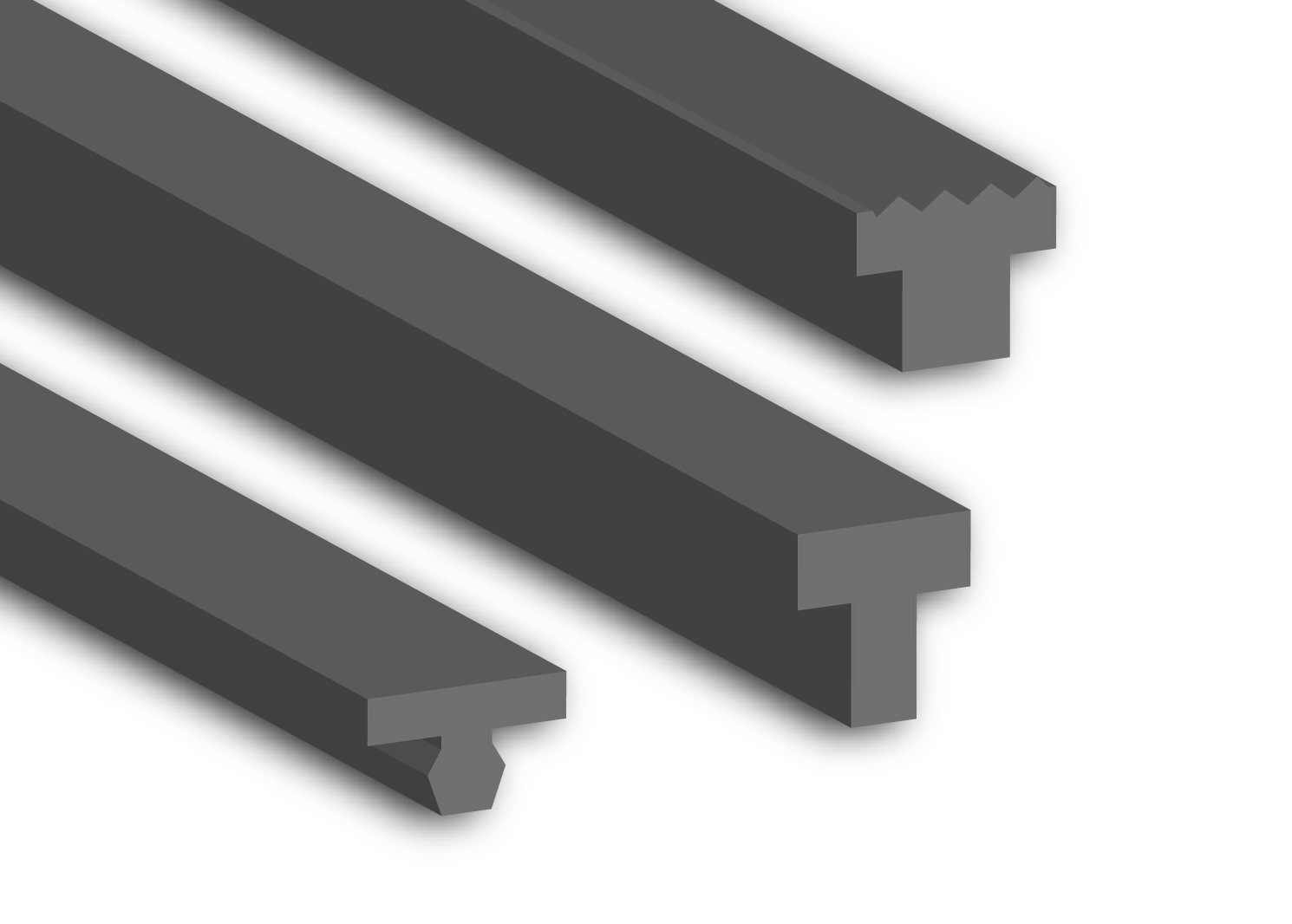
Engineering Insight: Material Selection Imperatives for Silicone Door Seal Strips
The performance longevity of silicone door seal strips is fundamentally dictated by polymer formulation precision, not mere dimensional conformity. Off-the-shelf generic silicone profiles frequently fail in demanding applications due to inadequate material science alignment with operational stressors. Standard commercial grades prioritize initial cost reduction over sustained functional integrity, neglecting critical factors like compression set resistance, thermal cycling stability, and chemical exposure tolerance inherent in automotive, appliance, or architectural environments. These compromises manifest as premature hardening, permanent deformation, or loss of sealing force, directly causing fluid ingress, noise leakage, and costly field failures. Silicone elastomers are not monolithic; their molecular architecture—determined by polymer chain length, vinyl content, filler type/loading, and crosslink density—dictates real-world behavior far beyond basic hardness (Shore A) specifications.
Generic suppliers often utilize high-ash precipitated silica fillers and non-optimized platinum catalyst systems to minimize raw material expenditure. This results in inferior resilience under continuous compression, particularly at elevated temperatures common near engines or in sun-exposed enclosures. The critical metric here is compression set: generic silicones may exhibit 40-50% set after 70 hours at 150°C, meaning the seal permanently loses half its ability to recover and maintain contact pressure. Simultaneously, inadequate thermal stability accelerates embrittlement during repeated thermal cycling, while insufficient purity invites degradation from ozone, UV radiation, or cleaning agents. These failures are not random defects but predictable outcomes of substandard formulation choices.
Suzhou Baoshida Trading Co., Ltd. employs engineered silicone compounds where every component serves a functional purpose. We specify high-purity fumed silica for optimal reinforcement, tailored vinyl functionalization for controlled crosslinking, and proprietary stabilizer packages. This targeted approach ensures the seal maintains elastic recovery across the required lifecycle, resisting permanent deformation even under extreme compression and temperature extremes. The table below illustrates the performance divergence between generic and engineered solutions:
| Performance Parameter | Generic Silicone Seal Strip | Baoshida Engineered Seal Strip | Critical Impact |
|---|---|---|---|
| Compression Set (70h/150°C) | 45% – 55% | ≤ 15% | Maintains sealing force; prevents leaks |
| Operating Temperature Range | -50°C to +200°C | -60°C to +230°C | Survives extreme thermal cycling |
| Tear Strength (ASTM D624) | 18 – 22 kN/m | ≥ 30 kN/m | Resists installation damage & abrasion |
| Shore A Hardness Tolerance | ±5 points | ±2 points | Ensures consistent sealing force profile |
| Fluid Resistance (Ozone/UV) | Moderate degradation | Excellent resistance | Prevents cracking & hardening in service |
Material selection is an engineering decision, not a commodity purchase. While generic strips present a lower initial acquisition cost, their accelerated failure rates incur substantially higher total costs through warranty claims, assembly line downtime, and brand reputation damage. Precision-engineered silicone compounds, developed through rigorous application analysis and compound optimization, deliver the dimensional stability, resilience, and environmental resistance essential for mission-critical sealing. Suzhou Baoshida Trading Co., Ltd. partners with OEMs to translate operational requirements into validated material specifications, ensuring seal performance matches product lifecycle expectations. The true cost of a seal strip is measured not at purchase, but over its functional service life.
Material Specifications
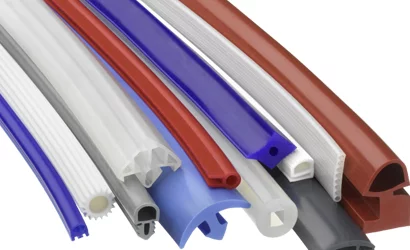
Material Specifications for Silicone Door Seal Strip
The performance and longevity of a silicone door seal strip are fundamentally determined by the elastomeric material selected for its construction. Suzhou Baoshida Trading Co., Ltd. offers precision-engineered sealing solutions utilizing three primary rubber compounds: Viton (FKM), Nitrile (NBR), and Silicone (VMQ). Each material exhibits distinct chemical, thermal, and mechanical properties, making them suitable for specific industrial environments and operational demands. Selection must be based on exposure conditions, including temperature extremes, fluid contact, compression set resistance, and regulatory compliance.
Viton, a fluorocarbon-based elastomer, provides exceptional resistance to high temperatures, oils, fuels, and a broad range of aggressive chemicals. It maintains integrity in continuous service up to 230°C and demonstrates low gas permeability, making it ideal for aerospace, automotive, and chemical processing applications where reliability under extreme conditions is critical. However, Viton exhibits higher material cost and reduced flexibility at low temperatures compared to alternative compounds.
Nitrile rubber, or acrylonitrile butadiene rubber (NBR), is widely used for its excellent resistance to aliphatic hydrocarbons, oils, and fuels. With a service temperature range of -30°C to 100°C (up to 120°C intermittently), NBR offers a balanced performance profile for cost-sensitive industrial sealing applications such as hydraulic systems, machinery enclosures, and automotive gaskets. It provides good abrasion resistance and tensile strength but is less effective in ozone, UV, and polar solvent environments without specialized compounding.
Silicone rubber (VMQ) is selected for its outstanding thermal stability, operating effectively from -60°C to 200°C. It exhibits excellent resistance to UV radiation, ozone, and weathering, along with low toxicity and high biocompatibility. These traits make silicone ideal for medical, food-grade, and outdoor electronic enclosures where cleanliness and long-term environmental resistance are paramount. While silicone demonstrates poor resistance to petroleum-based fluids and lower tensile strength than NBR or Viton, its consistent performance across extreme temperatures and compliance with FDA and USP Class VI standards ensure its dominance in regulated industries.
The following table summarizes the comparative technical specifications of these elastomers for informed material selection in silicone door seal strip applications.
| Property | Viton (FKM) | Nitrile (NBR) | Silicone (VMQ) |
|---|---|---|---|
| Base Polymer | Fluorocarbon | Acrylonitrile Butadiene | Vinyl Methyl Siloxane |
| Temperature Range (°C) | -20 to 230 | -30 to 100 (120 intermittent) | -60 to 200 |
| Tensile Strength (MPa) | 15–20 | 10–25 | 5–8 |
| Hardness (Shore A) | 60–90 | 50–90 | 30–80 |
| Compression Set (22h, 150°C) | Excellent | Good | Good |
| Resistance to Oils & Fuels | Excellent | Excellent | Poor |
| Resistance to Ozone/UV | Excellent | Fair | Excellent |
| Fluid Compatibility | Acids, fuels, aromatics | Aliphatic oils, water, hydraulic fluids | Water, polar solvents, oxidizing chemicals |
| Regulatory Compliance | FDA, USP Class VI (selected grades) | Limited FDA options | FDA, USP Class VI, RoHS |
Material selection directly impacts sealing efficiency, service life, and system safety. Suzhou Baoshida Trading Co., Ltd. provides full technical support to match material properties with application requirements for optimal performance in precision rubber seal applications.
Manufacturing Capabilities
Engineering Capability: Precision Formulation and Mold Design for Silicone Door Seal Strips
Suzhou Baoshida Trading Co., Ltd. leverages deep technical expertise in rubber science and precision tooling to deliver mission-critical silicone door seal strips for global OEMs. Our dedicated engineering team—comprising five specialized mold engineers and two advanced formula engineers—ensures every component meets stringent industrial performance benchmarks. This integrated approach eliminates siloed development, enabling seamless translation of material properties into geometrically complex, production-ready profiles.
Our formula engineers specialize in VMQ (vinyl-methyl silicone) compounds engineered for extreme environmental resilience. Through rigorous molecular optimization, we achieve precise control over compression set (≤20% per ASTM D395), thermal stability (-60°C to +200°C continuous exposure), and Shore A hardness (40–80 range). Each formulation undergoes accelerated aging tests per ISO 188 and fluid resistance validation against automotive fluids, ozone, and UV exposure. Critical additives—including platinum catalysts for peroxide-free curing and nano-silica reinforcements—are calibrated to balance elongation (≥250%) with recovery kinetics, ensuring long-term sealing integrity in dynamic door mechanisms.
Concurrently, our mold engineering team executes precision tooling solutions for complex cross-sections, including multi-cavity layouts and co-extruded dual-durometer profiles. Utilizing 3D flow analysis (Moldflow®) and DFM (Design for Manufacturability) protocols, we minimize weld lines, optimize gate placement for uniform curing, and achieve tight tolerances of ±0.15mm on critical sealing surfaces. All molds undergo thermal mapping to ensure consistent vulcanization across production runs, directly impacting dimensional stability under thermal cycling.
This synergy between material science and tooling design enables our OEM partnership model. We co-engineer solutions from concept to量产, providing full documentation: material datasheets, PPAP packages, and 3D tooling validation reports. Clients receive not just components but validated engineering outcomes—reducing NPI timelines by 30% and eliminating field failures linked to material-tooling mismatches.
Key Silicone Door Seal Strip Specifications
| Parameter | Standard Performance | Custom Engineering Capability | Test Standard |
|---|---|---|---|
| Hardness (Shore A) | 50 ±5 | 40–80 range | ASTM D2240 |
| Tensile Strength | ≥7.0 MPa | ≥10.0 MPa achievable | ASTM D412 |
| Elongation at Break | ≥300% | ≥450% with reinforcement | ASTM D412 |
| Compression Set (22h/150°C) | ≤25% | ≤15% optimized | ASTM D395 Method B |
| Operating Temperature | -60°C to +200°C | -75°C to +230°C stabilized | ISO 188 |
| Dimensional Tolerance | ±0.25mm | ±0.15mm on critical surfaces | ISO 2768-mK |
Suzhou Baoshida’s engineering framework transforms material limitations into competitive advantages. By embedding formula and mold expertise within a single OEM workflow, we guarantee that every silicone door seal strip exceeds functional requirements while accelerating time-to-market for automotive, appliance, and industrial enclosure systems. Partner with us for engineered sealing solutions where precision is non-negotiable.
Customization Process
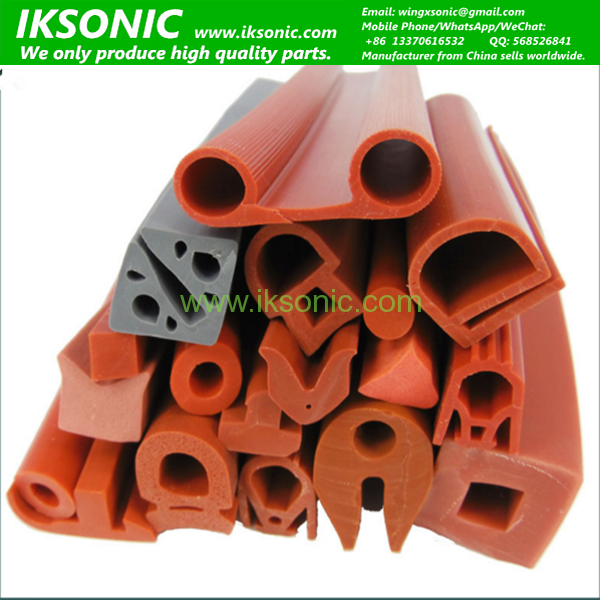
Drawing Analysis
The customization process for silicone door seal strips begins with a comprehensive drawing analysis. At Suzhou Baoshida Trading Co., Ltd., we evaluate customer-provided technical drawings to verify dimensional accuracy, tolerance specifications, and functional geometry. Our engineering team reviews cross-sectional profiles, length tolerances, corner radii, and installation clearances to ensure the design aligns with both performance requirements and manufacturing feasibility. Critical features such as bulb geometry, lip sealing edges, and mounting base dimensions are scrutinized for compliance with OEM standards. Where necessary, we provide design-for-manufacturability (DFM) feedback to optimize tooling efficiency and reduce material waste. This stage is essential to prevent downstream issues in tooling and assembly.
Formulation Development
Following drawing validation, our rubber formula engineers develop a customized silicone compound tailored to the application environment. Silicone is selected for its thermal stability, UV resistance, and low compression set—critical for door seals exposed to fluctuating temperatures and weathering. We adjust the formulation based on required hardness (Shore A), tensile strength, elongation at break, and fluid resistance. Additives may be incorporated to enhance flame retardancy (e.g., UL94 ratings) or improve surface finish for aesthetic applications. Each formulation is documented under strict batch control and tested for rheological behavior during curing. Our in-house lab conducts aging tests per ASTM standards to predict long-term performance. The final compound is approved through a customer-submitted QAP (Quality Assurance Plan), ensuring full traceability.
Prototyping and Validation
Once the formulation is locked, we proceed to prototyping using precision extrusion and vulcanization techniques. Short-run samples are produced with matched metal tooling to simulate production conditions. These prototypes undergo dimensional inspection via coordinate measuring machines (CMM) and are tested for compression deflection force, sealing integrity, and fitment on mating components. We perform environmental exposure tests including thermal cycling (-50°C to +200°C), humidity aging, and ozone resistance as per ISO 1817 and ASTM D2000. Feedback from customer trials is integrated into final adjustments before tooling sign-off. This iterative phase ensures functional reliability and reduces risk in full-scale production.
Mass Production and Quality Assurance
After prototype approval, we transition to mass production using automated extrusion lines with real-time dimensional monitoring. Each batch is subject to first-article inspection and ongoing statistical process control (SPC). Final products are packaged per customer logistics requirements, with full material certifications (RoHS, REACH, FDA if applicable). Suzhou Baoshida maintains ISO 9001 and IATF 16949 compliance across all manufacturing stages.
| Property | Standard Test Method | Typical Value Range |
|---|---|---|
| Hardness (Shore A) | ASTM D2240 | 40 – 70 |
| Tensile Strength | ASTM D412 | 6 – 9 MPa |
| Elongation at Break | ASTM D412 | 250% – 450% |
| Compression Set (22h, 150°C) | ASTM D395 | ≤20% |
| Operating Temperature | — | -50°C to +200°C |
| Color Options | — | Black, White, Custom (Pantone Match) |
Contact Engineering Team
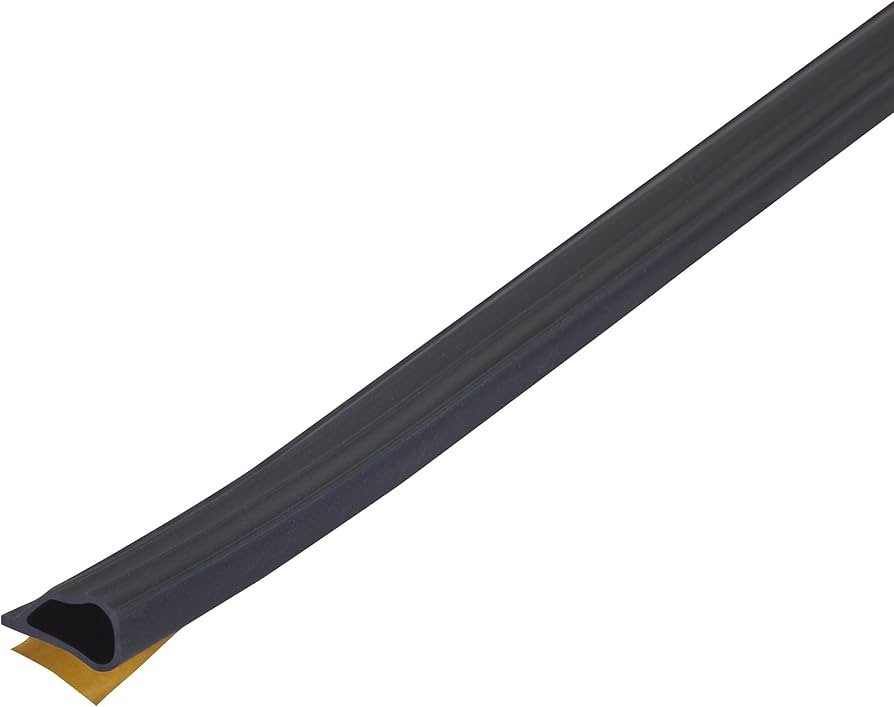
Contact Suzhou Baoshida for Precision Silicone Door Seal Strip Solutions
Suzhou Baoshida Trading Co., Ltd. stands at the forefront of engineered rubber sealing solutions, specializing in high-performance silicone door seal strips for demanding industrial applications. Our expertise transcends standard manufacturing; we deliver precision-engineered components critical for leakage prevention, thermal management, acoustic insulation, and structural integrity in automotive, aerospace, construction, and appliance sectors. When failure is not an option, our scientifically formulated silicone compounds and rigorous OEM processes ensure seals that withstand extreme temperature cycling, UV exposure, chemical degradation, and compression set over extended service life. Partnering with us mitigates supply chain risk and directly enhances your end-product reliability through material science excellence.
The technical specifications below represent our baseline high-temperature vulcanized (HTV) silicone formulations, engineered for optimal door seal performance. All parameters are subject to precise customization based on your dimensional tolerances, environmental exposure profiles, and functional requirements.
| Specification Parameter | Standard Value Range | Test Method | Significance for Door Seals |
|---|---|---|---|
| Material Grade | VMQ (Methyl Vinyl Silicone) | ASTM D2000 | Base polymer for thermal/chemical resistance |
| Hardness (Shore A) | 40 – 70 | ASTM D2240 | Balances sealing force & ease of door operation |
| Tensile Strength (MPa) | ≥ 6.0 | ASTM D412 | Resists tearing during installation/use |
| Elongation at Break (%) | ≥ 300 | ASTM D412 | Accommodates door flexure & misalignment |
| Compression Set (22h/150°C) | ≤ 25% | ASTM D395 | Maintains sealing force after thermal cycling |
| Temperature Range (°C) | -60 to +230 (continuous) | ISO 188 | Ensures function in extreme climates |
| Density (g/cm³) | 1.15 – 1.25 | ASTM D297 | Optimizes material cost & weight |
Our value proposition is rooted in collaborative engineering. We do not merely supply extruded profiles; we co-develop solutions. Our rubber formula engineers work directly with your design and production teams to refine cross-section geometry, optimize durometer gradients, and select fillers or additives for specific challenges—such as low-temperature flexibility for arctic environments or enhanced flame retardancy for transportation safety standards. Our Suzhou-based manufacturing facility implements ISO 9001-certified processes with inline dimensional monitoring (±0.1mm tolerance) and batch traceability, ensuring every meter of seal strip meets your exact technical dossier. This precision minimizes field failures and costly warranty claims for your end customers.
Initiate a tailored engineering consultation today to resolve your specific sealing challenges. Contact Mr. Boyce, our dedicated OEM Account Manager, who possesses 12 years of specialized experience in silicone extrusion and automotive sealing systems. He will coordinate immediate technical support, provide detailed material compliance documentation (including RoHS, REACH, and UL certifications), and facilitate rapid prototyping for validation testing. Email Boyce directly at [email protected] with your project specifications, target volumes, and performance requirements. Expect a comprehensive technical response within 12 business hours, outlining proposed formulations, feasibility assessment, and a clear path to production. Suzhou Baoshida is committed to becoming your strategic partner in sealing innovation—where material science precision meets uncompromising manufacturing execution. Your next-generation door seal solution begins with this contact.
⚖️ O-Ring Weight Calculator
Estimate rubber O-ring weight (Approx).