
Technical Contents
Engineering Guide: Silicone Door Sealing Strip
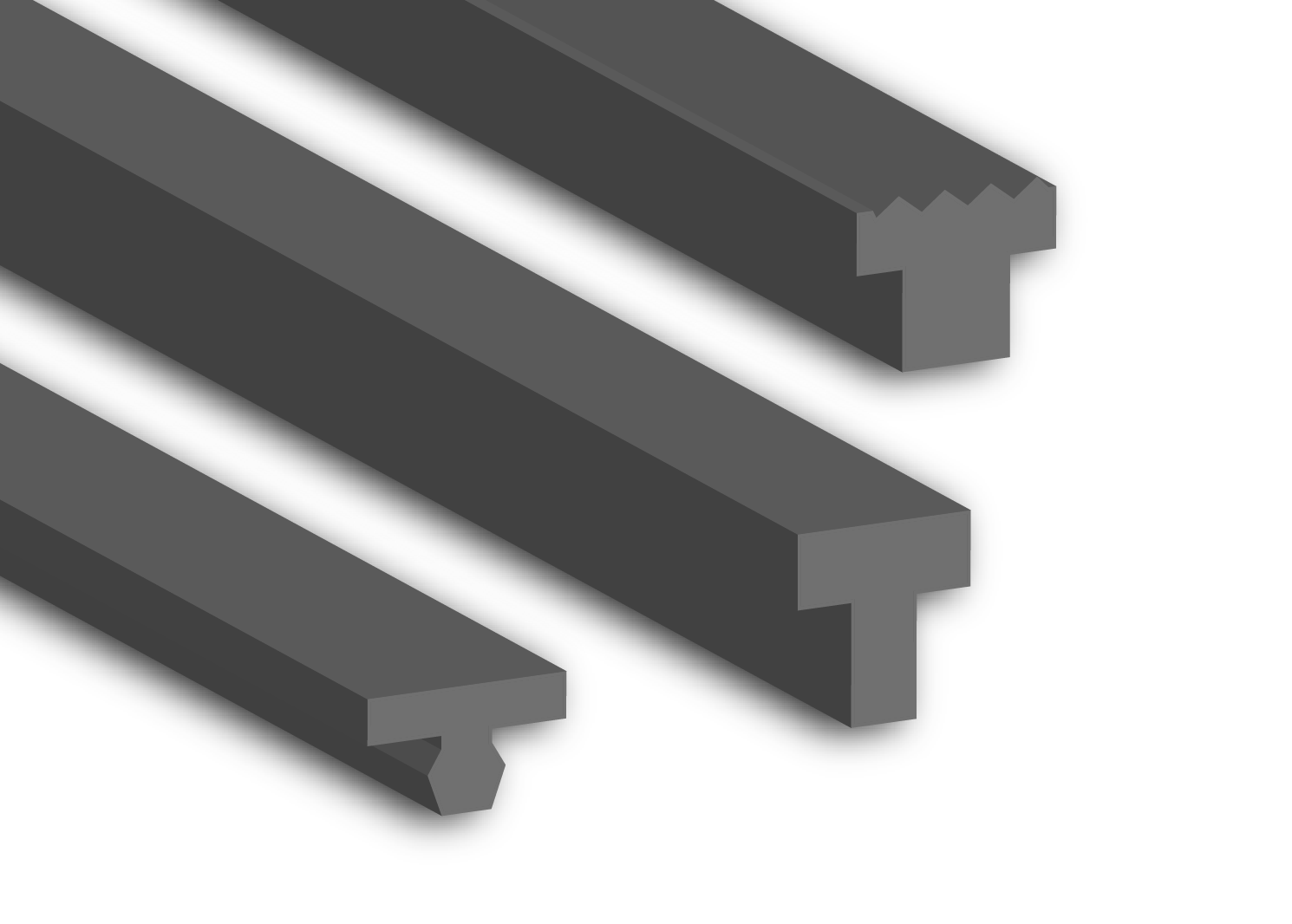
Engineering Insight: Silicone Door Sealing Strip Material Selection Imperatives
Material selection constitutes the foundational engineering decision determining the operational lifespan and functional reliability of silicone door sealing strips. Treating these components as generic commodities invites catastrophic field failures, particularly in demanding industrial, transportation, and architectural applications where environmental stressors are severe. Off-the-shelf silicone formulations frequently lack the tailored polymer architecture required to withstand the specific synergistic challenges of dynamic door interfaces. Standard grades often exhibit insufficient resistance to compression set under continuous deflection, leading to permanent deformation and loss of sealing force within months. This manifests as air leakage, moisture ingress, and compromised thermal or acoustic insulation – directly impacting system efficiency and end-user safety. Furthermore, generic silicones frequently fail under combined thermal cycling and UV exposure, where surface cracking initiates due to inadequate stabilizer packages. The critical flaw lies in the assumption that basic silicone properties equate to suitability; door seals endure cyclic mechanical stress, chemical exposure (oils, cleaners), and extreme temperature gradients simultaneously. A formulation optimized for static gasketing will rapidly degrade in a high-cycle door application due to insufficient tear strength and resilience. Material failure is rarely due to a single factor but results from unaddressed cumulative stress interactions inherent to the operational profile.
The performance divergence between generic and engineered silicone is quantifiable through rigorous material testing against application-specific parameters. Standard commercial silicones prioritize cost over longevity in dynamic sealing roles, sacrificing critical properties essential for door functionality. Below is a comparative analysis of key specifications relevant to high-performance door sealing strips:
| Critical Property | Generic Silicone Seal (Off-the-Shelf) | Engineered Door Seal (Suzhou Baoshida) | Performance Impact for Door Applications |
|---|---|---|---|
| Hardness Range (Shore A) | 40-70 | 55-65 (Tight Tolerance ±3) | Prevents excessive deformation under load while maintaining sealing force retention; avoids binding or insufficient closure. |
| Continuous Use Temp Range | -50°C to +200°C | -60°C to +230°C | Ensures dimensional stability in extreme climates (arctic cold, engine bays) without hardening or softening. |
| Compression Set (ASTM D395, 22h @ 150°C) | 35-50% | ≤15% | Critical for maintaining sealing force after years of compression; low value prevents permanent deformation and gap formation. |
| Tensile Strength (ASTM D412) | 5.0-7.0 MPa | ≥8.5 MPa | Resists tearing during repeated door operation and installation; withstands mechanical abrasion. |
| Tear Strength (ASTM D624) | 15-20 kN/m | ≥25 kN/m | Prevents nick propagation during handling and operation; essential for long-term durability. |
Suzhou Baoshida Trading Co., Ltd. rejects the commoditization of critical sealing components. Our engineering process begins with a comprehensive analysis of the door system’s operational environment, cycle count, mating surfaces, and regulatory requirements. We formulate custom silicone compounds utilizing premium-grade polymers, specialized reinforcing fillers, and proprietary additive systems targeting the precise stressors identified. This includes optimizing crosslink density for resilience, incorporating advanced thermal stabilizers for extended high-temperature integrity, and enhancing surface chemistry for adhesion and abrasion resistance. The result is a sealing strip engineered not merely to meet baseline specifications, but to deliver predictable, decade-long performance under the specific duress of the application. Material selection is not a cost line item; it is the primary determinant of system integrity and total cost of ownership. Partnering with a technical manufacturer focused on polymer science, not just extrusion, is non-negotiable for mission-critical sealing performance.
Material Specifications
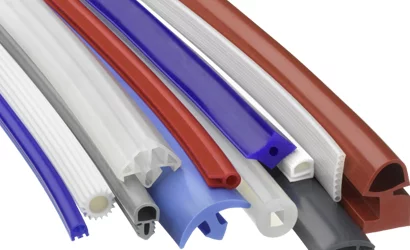
Material selection is a critical factor in the performance and longevity of silicone door sealing strips, particularly in demanding industrial and commercial environments. At Suzhou Baoshida Trading Co., Ltd., we specialize in precision-engineered rubber seals designed to meet exacting OEM standards. Our silicone door sealing strips are available in three primary elastomers: Silicone, Viton (FKM), and Nitrile (NBR). Each material offers distinct advantages depending on temperature range, chemical exposure, compression set resistance, and mechanical durability requirements.
Silicone rubber is widely selected for its exceptional thermal stability and flexibility across extreme temperatures, typically ranging from -60°C to +230°C. It exhibits excellent resistance to UV radiation, ozone, and weathering, making it ideal for outdoor applications or environments with high exposure to sunlight and atmospheric elements. Silicone also maintains consistent sealing force over time and demonstrates low outgassing properties, which is crucial in cleanroom and medical applications. However, it has relatively lower tensile strength and abrasion resistance compared to other elastomers, necessitating careful evaluation in high-wear scenarios.
Viton, a fluorocarbon-based rubber, provides superior resistance to oils, fuels, acids, and many industrial chemicals. With an operational temperature range of -20°C to +200°C, Viton excels in high-temperature environments involving aggressive media, such as engine compartments, chemical processing equipment, and semiconductor manufacturing. Its low gas permeability and excellent compression set resistance ensure long-term sealing integrity under continuous stress. While Viton offers outstanding performance, it is more expensive than alternative materials and may not be cost-effective for non-critical applications.
Nitrile rubber, also known as Buna-N, is a cost-efficient solution for applications involving petroleum-based oils and hydraulic fluids. It operates effectively between -30°C and +100°C, with some formulations extending to +120°C for short durations. Nitrile provides good abrasion resistance and mechanical strength, making it suitable for dynamic sealing applications where physical wear is a concern. However, its performance degrades under prolonged exposure to ozone, UV light, and extreme heat, limiting its use in outdoor or high-temperature settings.
The following table summarizes key physical and chemical properties of these materials for comparative evaluation:
| Property | Silicone | Viton (FKM) | Nitrile (NBR) |
|---|---|---|---|
| Temperature Range (°C) | -60 to +230 | -20 to +200 | -30 to +100 (+120 short-term) |
| Tensile Strength (MPa) | 6–8 | 12–18 | 10–20 |
| Elongation at Break (%) | 250–400 | 150–300 | 200–500 |
| Compression Set (22 hrs, 150°C) | 15–25% | 10–20% | 20–40% |
| Resistance to Oils/Fuels | Low | Excellent | Good to Excellent |
| Resistance to Ozone/UV | Excellent | Excellent | Poor |
| Resistance to Acids/Bases | Moderate | Excellent | Moderate |
| Typical Hardness (Shore A) | 40–80 | 60–90 | 50–90 |
Selection of the appropriate material must be based on a comprehensive assessment of the operational environment, regulatory requirements, and lifecycle cost. Suzhou Baoshida Trading Co., Ltd. supports OEM clients with material testing, custom formulation, and compliance documentation to ensure optimal performance of silicone door sealing strips across diverse industrial applications.
Manufacturing Capabilities
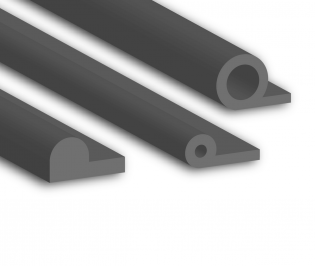
Engineering Capability: Precision Silicone Door Sealing Strip Development
Suzhou Baoshida Trading Co., Ltd. leverages deep technical expertise in thermoset polymer science and precision tooling to deliver mission-critical silicone door sealing solutions for global OEMs. Our core strength resides in the integrated collaboration between 5 dedicated Mould Engineers and 2 specialized Rubber Formula Engineers, ensuring seamless alignment from material formulation to cavity-level production optimization. This cross-functional synergy eliminates traditional silos between compound development and tooling design, directly translating client performance requirements into robust, manufacturable sealing systems.
Our Formula Engineering team focuses exclusively on silicone elastomer science, developing custom compounds that meet stringent automotive, aerospace, and industrial enclosure demands. Through precise control of polymer architecture, filler dispersion, and crosslink density, we achieve exceptional compression set resistance (<20% per ASTM D395), thermal stability (-60°C to +230°C continuous), and fluid resistance without compromising extrusion processability. Every formulation undergoes rigorous accelerated aging and dynamic sealing validation in our in-house lab, simulating 10+ years of service life under operational stressors. Crucially, we optimize cure kinetics to match client production line speeds, eliminating post-mold shrinkage defects that compromise sealing integrity.
The Mould Engineering division applies computational fluid dynamics (CFD) and finite element analysis (FEA) to design tooling that guarantees micron-level dimensional repeatability. We implement cavity pressure monitoring and adaptive temperature zoning to counteract silicone’s high thermal expansion coefficient, ensuring consistent cross-section geometry across production runs. This precision engineering directly minimizes assembly force variability and prevents premature seal failure at door closure interfaces.
Silicone Door Seal Performance Specifications
| Parameter | Standard Platinum-Cured Silicone | Baoshida Custom Formulation (Typical) | Test Standard |
|---|---|---|---|
| Hardness (Shore A) | 50 ± 5 | 40–80 (Client-Specified) | ASTM D2240 |
| Tensile Strength (MPa) | ≥ 8.0 | ≥ 10.5 | ASTM D412 |
| Elongation at Break (%) | ≥ 400 | ≥ 550 | ASTM D412 |
| Compression Set (70°C/22h) | ≤ 25% | ≤ 15% | ASTM D395 Method B |
| Temp Range (Continuous) | -55°C to +200°C | -60°C to +230°C | ISO 188 |
As a certified OEM partner, we provide end-to-end engineering ownership from CAD-based tolerance stack analysis through PPAP documentation. Our OEM framework includes joint failure mode analysis during design phase, dedicated production cells with real-time SPC tracking, and IP-protected material libraries tailored to client-specific environmental exposure profiles. We integrate directly with client PLM systems to synchronize engineering changes, reducing time-to-market by 30% versus industry benchmarks. Suzhou Baoshida’s technical team doesn’t just manufacture seals—we engineer sealing performance into every meter of extruded profile, ensuring zero leakage under the most demanding operational conditions. This commitment to scientific precision defines our role as a strategic engineering partner, not merely a component supplier.
Customization Process
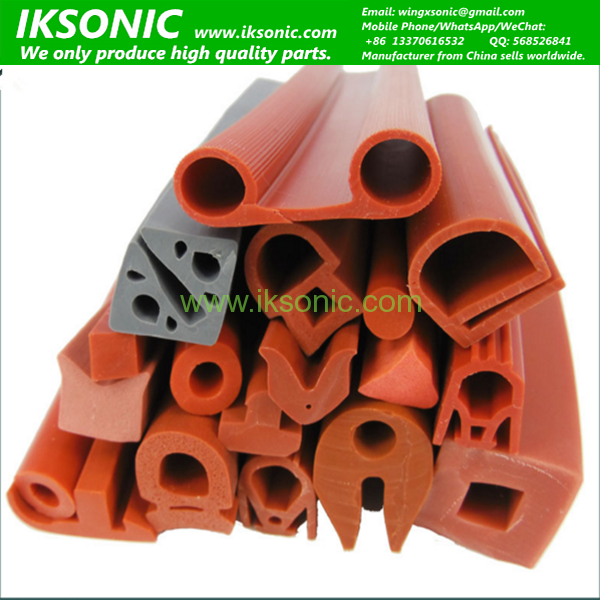
Customization Process for Silicone Door Sealing Strips
At Suzhou Baoshida Trading Co., Ltd., we specialize in precision-engineered silicone door sealing strips tailored to meet the exact performance and dimensional requirements of industrial and commercial applications. Our structured customization process ensures consistency, reliability, and compliance with OEM standards. The journey from concept to mass production is methodical, beginning with drawing analysis and culminating in scalable manufacturing.
The process initiates with comprehensive drawing analysis. Customers submit technical drawings specifying cross-sectional geometry, linear dimensions, tolerance ranges, and installation conditions. Our engineering team evaluates these parameters for manufacturability, identifying potential challenges such as complex profiles, thin walls, or tight tolerances. We verify compliance with international standards (e.g., ISO 3302, ISO 2768) and assess sealing force, compression set behavior, and mating surface interaction. Any discrepancies or optimization opportunities are communicated for joint resolution prior to formulation.
Following approval, we proceed to formulation development. Silicone rubber is selected based on operational environment—whether exposure to extreme temperatures, UV radiation, ozone, or chemical agents is expected. Our in-house compounding lab adjusts the base polymer (VMQ or PVMQ) with reinforcing fillers, cross-linking agents, and additives to achieve target properties. Key considerations include hardness (Shore A 40–80), thermal stability (-60°C to +200°C), and aging resistance. Each formulation is documented and archived for batch traceability.
Once the compound is finalized, prototyping commences. Using precision extrusion or injection molding techniques, we produce sample lengths of the sealing profile. Prototypes undergo rigorous physical testing, including tensile strength, elongation at break, compression deflection, and dynamic fatigue under simulated service conditions. Dimensional verification is performed using optical comparators and coordinate measuring machines (CMM). Samples are submitted to the customer for fit, function, and durability validation. Iterative refinements are made if required.
Upon customer sign-off, the project transitions to mass production. We deploy automated extrusion lines with laser-based diameter control and continuous vulcanization (hot air or microwave) to ensure uniform curing. In-line inspection systems monitor profile consistency, while batch testing confirms material properties. All strips are cut to specified lengths, tagged with lot numbers, and packaged per client logistics requirements. Our quality management system adheres to ISO 9001:2015, with full documentation provided for each shipment.
Below are typical technical specifications achievable for customized silicone door sealing strips:
| Parameter | Standard Range | Test Method |
|---|---|---|
| Hardness (Shore A) | 40 – 80 | ASTM D2240 |
| Tensile Strength | ≥ 6.0 MPa | ASTM D412 |
| Elongation at Break | ≥ 250% | ASTM D412 |
| Operating Temperature | -60°C to +200°C | ASTM D573 |
| Compression Set (22h, 150°C) | ≤ 25% | ASTM D395 |
| Linear Tolerance (extruded) | ±0.2 mm (standard grade) | ISO 3302, ISO 2768 |
| Color Options | Black, White, Grey, Custom (Pantone) | Visual Comparison |
Our end-to-end customization ensures that every silicone door sealing strip meets the functional demands of modern assembly, environmental sealing, and long-term reliability.
Contact Engineering Team
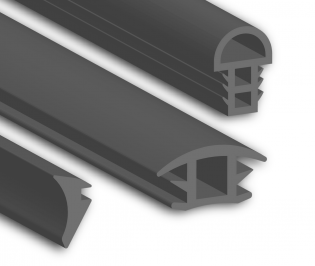
Contact Suzhou Baoshida for Precision Silicone Door Sealing Solutions
Silicone door sealing strips represent a critical interface in demanding applications across automotive, aerospace, medical devices, and high-end appliances. Achieving optimal performance—resisting compression set, maintaining elasticity across extreme temperatures, and ensuring long-term environmental sealing—requires material science expertise and precision manufacturing. Suzhou Baoshida Trading Co., Ltd. delivers engineered rubber solutions where standard off-the-shelf products fail. Our silicone formulations are rigorously validated for OEM integration, ensuring compliance with ISO 10993, FDA 21 CFR 177.2600, and UL 94 HB standards. We specialize in custom cross-sections, durometers (30–80 Shore A), and co-extruded profiles with integrated metal inserts or fabric reinforcements, all produced under IATF 16949-certified processes.
The technical superiority of our silicone sealing strips is quantifiable. Below is a comparative specification overview highlighting key performance metrics against typical industry baselines:
| Property | Baoshida Standard Silicone Seal | Typical Industry Baseline |
|---|---|---|
| Compression Set (70h/150°C) | ≤ 15% | ≤ 25% |
| Temperature Range | -60°C to +230°C (continuous) | -50°C to +200°C |
| Tensile Strength (MPa) | ≥ 8.5 | ≥ 6.0 |
| Elongation at Break (%) | ≥ 450 | ≥ 350 |
| Shore A Hardness Tolerance | ±2 points | ±5 points |
| Dimensional Tolerance | ±0.1 mm (critical sections) | ±0.3 mm |
These specifications are not theoretical; they are consistently achieved through our closed-loop manufacturing process. We utilize liquid silicone rubber (LSR) injection molding with real-time rheology monitoring and post-cure stabilization protocols that eliminate batch variability. For door sealing applications requiring flame resistance, low outgassing, or bio-compatibility, our R&D team develops proprietary additives without compromising base polymer integrity. Every production run undergoes 100% inline dimensional verification via laser micrometry and batch-level ASTM D2000 testing.
Initiate contact with Mr. Boyce, our dedicated OEM Manager, to resolve your specific sealing challenge. Provide your cross-section drawings, environmental requirements (e.g., exposure to ozone, hydraulic fluids, or sterilization cycles), and volume forecasts. Mr. Boyce will coordinate our engineering team to deliver a validated material recommendation within 72 hours—not generic datasheets, but a protocol for sample validation against your functional test criteria. Specify your target compression load deflection (CLD) curve, service life expectancy, and regulatory certifications required. Our technical team will then propose tooling strategies, including rapid prototyping via CNC-machined aluminum molds for accelerated validation.
Do not compromise on sealing performance due to inadequate material selection or inconsistent production. Suzhou Baoshida operates from a 12,000 m² facility equipped with 25+ LSR and HTV molding presses, guaranteeing scalability from 1,000-meter pilot runs to 500,000-meter annual contracts. Contact Mr. Boyce directly at [email protected] with subject line “Silicone Door Seal Technical Inquiry – [Your Company Name]”. Include your target specifications and project timeline. For urgent requirements, reference this guide to expedite engineering review. We respond to all technical inquiries within one business day with actionable next steps. Your precision sealing solution begins with an engineer-to-engineer discussion—contact us to define the exact parameters of your success.
⚖️ O-Ring Weight Calculator
Estimate rubber O-ring weight (Approx).