
Technical Contents
Engineering Guide: Silicone Et Plastique
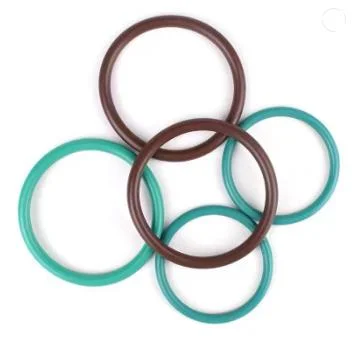
Engineering Insight: Material Selection Imperatives for Silicone and Plastic in Demanding Applications
Generic elastomer and thermoplastic components present significant, often underestimated, risks in critical industrial systems. Off-the-shelf silicone or plastic solutions frequently fail prematurely because they lack the tailored molecular architecture required to withstand the specific synergistic stresses of real-world operation. Standard formulations prioritize broad market appeal and cost reduction over the precise chemical, thermal, and mechanical resilience demanded by specialized OEM environments. This fundamental mismatch manifests as catastrophic seal extrusion under high-pressure thermal cycling, rapid degradation from unexpected fluid interactions, or unacceptable compression set leading to leakage paths within months of service. The consequences extend beyond part replacement costs to include production downtime, warranty liabilities, and reputational damage – risks far exceeding the initial savings of a non-optimized material.
Material failure analysis consistently reveals root causes tied to unaddressed application parameters. A standard platinum-cured silicone may exhibit adequate baseline temperature resistance but lack the necessary filler system to resist compression set at 150°C under continuous load in an automotive turbocharger gasket. Conversely, a common polypropylene (PP) housing might meet initial chemical resistance checks against coolants but succumb to hydrolysis and embrittlement when exposed to hot, oxygenated glycol blends over extended periods. Plasticizer migration from off-the-shelf PVC tubing into sensitive medical fluids exemplifies another critical failure mode, where regulatory compliance is compromised due to inadequate formulation stability. These scenarios underscore that material properties are not static; they dynamically interact with the operational environment. Ignoring factors like dynamic stress profiles, trace contaminants, or long-term aging kinetics guarantees suboptimal performance.
The following comparative analysis highlights critical property divergences where off-the-shelf materials often fall short for engineered solutions:
| Critical Parameter | Standard Silicone (Off-the-Shelf) | Standard Plastic (e.g., PP, PVC) | Requirement for Critical OEM Applications |
|---|---|---|---|
| Continuous Use Temp (°C) | -50 to 200 | -20 to 80 (PP); -10 to 60 (PVC) | -60 to 230+ (Silicone); -40 to 150+ (Specialty Plastics) |
| Fluid Resistance (Hot Glycol) | Moderate (swell >15%) | Poor (PP: severe degradation) | Swell <5%; Zero extraction; Hydrolysis resistance |
| Dynamic Compression Set (22h/150°C) | 35-45% | N/A (Rigid) / >60% (Flexible PVC) | <20% for reliable sealing under load |
| Extractables (USP <381>) | Moderate (Non-optimized) | High (PVC: phthalates) | Ultra-low; Certified biocompatibility |
True engineering value emerges from proactive material science collaboration. At Suzhou Baoshida, we move beyond catalog specifications. Our formula engineering process begins with deep OEM application interrogation – mapping pressure cycles, fluid chemistry, thermal transients, and lifecycle expectations. This data directly informs custom polymer synthesis: selecting specific silicone backbone structures (VMQ, PVMQ, FVMQ), optimizing filler dispersion and crosslink density, or engineering high-performance thermoplastics (PPS, PEEK, PVDF) with stabilized additives. The result is a material solution where properties like compression set, fluid compatibility, and thermal stability are precisely calibrated to exceed the operational envelope, not merely meet nominal industry standards. Partnering early in the design phase transforms material selection from a cost center into a strategic enabler of product reliability and market differentiation. Generic solutions compromise performance; engineered elastomers and plastics deliver it.
Material Specifications

Suzhou Baoshida Trading Co., Ltd. provides high-performance industrial rubber solutions tailored for demanding applications across automotive, aerospace, chemical processing, and fluid handling industries. Our expertise in elastomer engineering enables precise material selection based on operational parameters such as temperature, chemical exposure, mechanical stress, and environmental durability. Among the most widely specified elastomers in industrial applications are Viton, Nitrile (NBR), and Silicone (VMQ). Each material offers a distinct performance profile, making proper selection critical for long-term reliability and safety.
Viton, a fluorocarbon-based rubber (FKM), is renowned for its exceptional resistance to high temperatures, aggressive chemicals, oils, and fuels. With continuous service capabilities up to 230°C and intermittent exposure tolerance beyond 260°C, Viton is the preferred choice in extreme environments such as engine sealing, refinery equipment, and aerospace components. Its low gas permeability and excellent aging characteristics further enhance performance in dynamic sealing applications. However, Viton is less flexible at low temperatures and carries a higher material cost compared to alternatives.
Nitrile rubber (NBR) remains one of the most widely used elastomers due to its excellent balance of oil resistance, abrasion resistance, and mechanical strength at a competitive price. It performs reliably in hydraulic systems, fuel delivery components, and industrial seals exposed to aliphatic hydrocarbons. NBR typically operates between -30°C and 120°C, with some specialty grades extending performance at both ends. While it offers strong resistance to oils and fuels, it is less effective against ozone, weathering, and polar solvents, limiting its use in outdoor or highly oxidative environments.
Silicone rubber (VMQ) excels in extreme temperature applications, with a functional range from -60°C to 200°C, and short-term resistance up to 250°C. It is highly valued for its thermal stability, UV resistance, and biocompatibility, making it ideal for medical devices, food processing, and outdoor electrical insulation. Silicone also offers excellent electrical insulation properties and low toxicity. However, it has relatively low tensile strength and poor resistance to oils, fuels, and solvents, requiring careful evaluation in chemically aggressive settings.
The following table summarizes key physical and chemical properties for comparative selection:
| Property | Viton (FKM) | Nitrile (NBR) | Silicone (VMQ) |
|---|---|---|---|
| Temperature Range (°C) | -20 to 230 | -30 to 120 | -60 to 200 |
| Tensile Strength (MPa) | 15–20 | 10–25 | 5–10 |
| Elongation at Break (%) | 150–300 | 200–500 | 200–600 |
| Hardness (Shore A, 70–90) | 70–90 | 60–90 | 30–80 |
| Resistance to Oils & Fuels | Excellent | Excellent | Poor |
| Resistance to Ozone/UV | Excellent | Fair | Excellent |
| Compression Set Resistance | Excellent | Good | Good |
| Electrical Insulation | Good | Fair | Excellent |
| Common Applications | Aerospace seals, chemical gaskets | Fuel hoses, O-rings, hydraulic seals | Medical tubing, food-grade seals, insulation |
Material selection must be driven by application-specific requirements. Suzhou Baoshida Trading Co., Ltd. supports OEMs and industrial partners with technical consultation, custom formulation, and precision manufacturing to ensure optimal performance across diverse operating conditions.
Manufacturing Capabilities
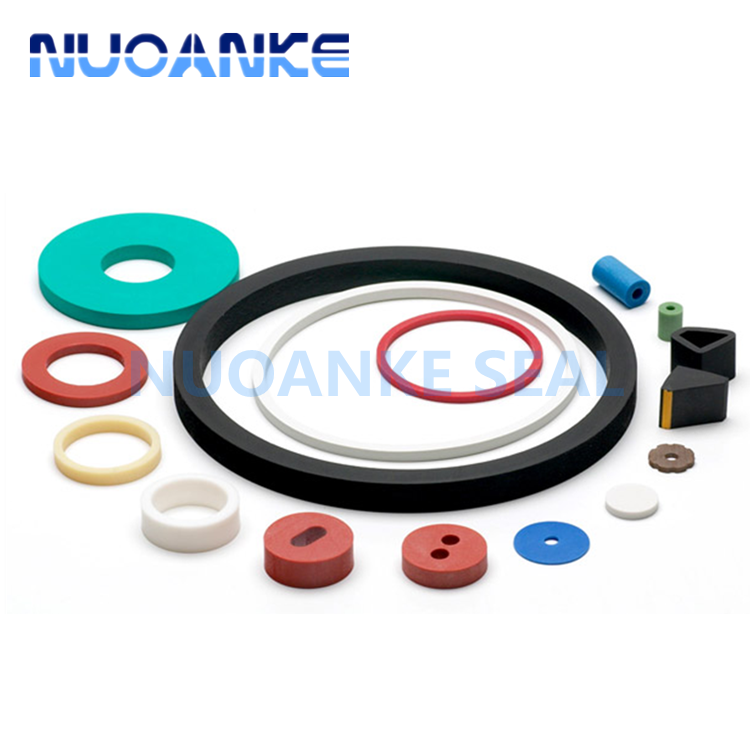
Engineering Capability: Precision Material Science and Mould Innovation for Silicone and Thermoplastic Elastomers
Suzhou Baoshida Trading Co., Ltd. delivers engineered elastomer solutions where material science and precision tooling converge. Our dedicated team of 5 Mould Engineers and 2 Rubber Formula Engineers operates as an integrated unit to solve complex challenges in silicone rubber and thermoplastic elastomer (TPE/TPV) manufacturing. This structure eliminates siloed workflows, ensuring material formulations are intrinsically compatible with mould design from concept through production. Clients benefit from reduced prototyping cycles, elimination of adhesion or flow defects, and accelerated time-to-market for mission-critical components in automotive, medical, and industrial automation sectors.
Our Formula Engineers specialize in custom compound development for extreme environments. Utilizing FTIR, DSC, and rheometry, they optimize cure kinetics, filler dispersion, and additive synergies to achieve target properties such as low compression set (<20% per ASTM D395), ultra-low outgassing, or bio-compatibility (ISO 10993-5). Concurrently, Mould Engineers deploy Moldflow simulation to resolve knit lines, sink marks, and venting issues specific to high-viscosity liquid silicone rubber (LSR) or shear-sensitive TPEs. This parallel workflow ensures that material rheology directly informs gate placement, cooling channel geometry, and ejection systems—preventing costly tool rework.
Critical performance parameters are rigorously validated against client specifications. The table below outlines key capabilities where our engineering synergy delivers measurable advantage:
| Property | Standard Range | Custom Capability | Relevance to Industrial Applications |
|---|---|---|---|
| Hardness (Shore A) | 10–90 | 5–95 (LSR) / 20–85 (TPE) | Sealing integrity under dynamic loads |
| Temperature Resistance | -60°C to +250°C (VMQ) | -75°C to +300°C (Custom FVMQ) | Aerospace & downhole equipment |
| Tensile Strength | 5–12 MPa | Up to 18 MPa | High-stress mechanical components |
| Compression Set (22h/150°C) | <25% | <15% | Long-term seal reliability |
| Biocompatibility | USP Class VI compliant | ISO 10993-10 cytotoxicity | Medical device housings & fluid paths |
As an OEM partner, we manage the entire value chain under ISO 9091-certified processes. Projects commence with CAD analysis of client drawings, followed by empirical validation of material-mould interaction via 3D-printed soft tooling. Full-scale production leverages 50–1,500T injection presses with in-mould sensors for real-time cavity pressure monitoring. Every batch undergoes traceable lot testing, with raw material certificates and PPAP documentation provided. This closed-loop system ensures zero deviations in critical dimensions (±0.05mm tolerance) and consistent physical properties across volumes from 1,000 to 1,000,000+ units.
By unifying formula chemistry with precision tooling expertise, Suzhou Baoshida transforms material limitations into engineered advantages—delivering elastomer components that perform reliably in the world’s most demanding applications.
Customization Process
Customization Process for Industrial Rubber Components at Suzhou Baoshida Trading Co., Ltd.
At Suzhou Baoshida Trading Co., Ltd., our industrial rubber solutions are engineered to meet the exact performance, environmental, and mechanical demands of our clients. The customization process is a structured, precision-driven workflow that ensures every component—whether silicone or plastic-based—delivers consistent reliability under operational stress. Our four-phase approach integrates material science with manufacturing excellence, beginning with drawing analysis and culminating in scalable mass production.
The process initiates with Drawing Analysis, where technical blueprints and 3D models are rigorously evaluated for dimensional accuracy, tolerance specifications, and functional intent. Our engineering team collaborates with OEMs to validate design feasibility, identify potential molding challenges, and recommend structural optimizations. This phase ensures alignment between the client’s application requirements and manufacturability, minimizing downstream iterations.
Following design validation, the Formulation stage determines the optimal compound composition. For silicone-based products, we assess thermal stability, electrical insulation, and compression set resistance. For plastic-rubber hybrids, compatibility, UV resistance, and chemical durability are prioritized. Our in-house polymer lab tailors formulations by adjusting filler content, cross-linking density, and additive packages—such as flame retardants or pigments—to meet industry-specific standards including ISO 10993 for biocompatibility and UL94 for flammability.
Once the compound is finalized, Prototyping commences using precision compression, transfer, or injection molding techniques. Prototypes are subjected to rigorous physical and environmental testing, including tensile strength, elongation at break, hardness (Shore A/D), and aging under elevated temperatures or aggressive media. This phase allows for real-world validation and minor design or material refinements before tooling investment.
Upon client approval, we transition to Mass Production, leveraging automated molding lines and statistical process control (SPC) to maintain consistency across large batches. Each production run undergoes 100% visual inspection and random sampling per AQL Level II. Our facility supports annual volumes from 10,000 to over 5 million units, with traceability maintained through batch coding and material certificates.
The table below outlines key technical parameters monitored throughout the customization process:
| Parameter | Test Method | Typical Range (Silicone) | Typical Range (Plastic-Rubber Blend) |
|---|---|---|---|
| Hardness (Shore A) | ASTM D2240 | 30–80 | 50–90 |
| Tensile Strength | ASTM D412 | 6–10 MPa | 8–14 MPa |
| Elongation at Break | ASTM D412 | 200–600% | 150–400% |
| Operating Temperature | ISO 1817 | -60°C to +230°C | -40°C to +150°C |
| Compression Set (22h/70°C) | ASTM D395 | ≤20% | ≤30% |
This systematic approach ensures that every customized component meets the highest standards of performance, durability, and compliance, reinforcing Suzhou Baoshida’s role as a trusted partner in advanced industrial rubber solutions.
Contact Engineering Team
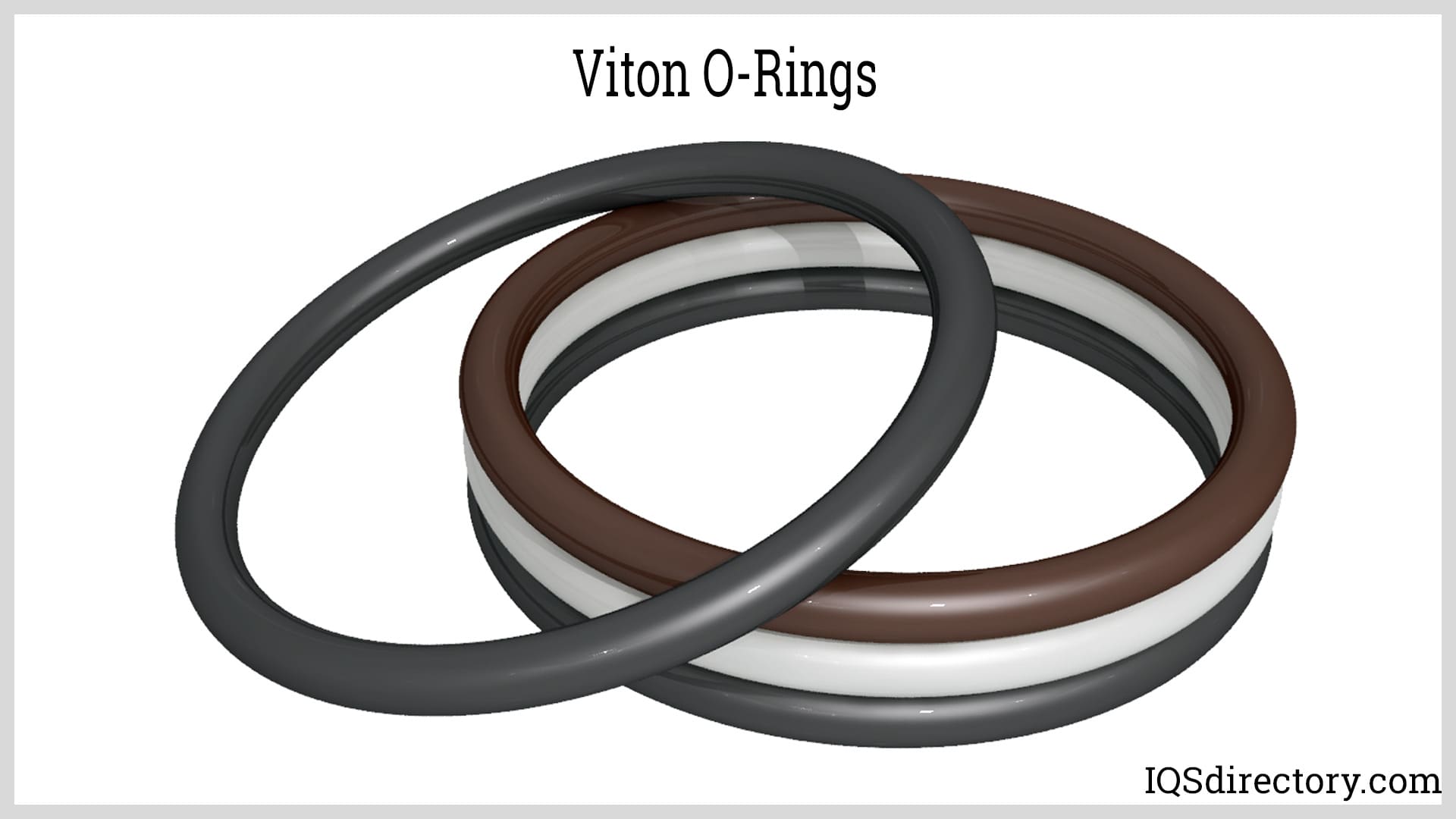
Contact Suzhou Baoshida for Precision Rubber and Plastic Solutions
Material selection and formulation for demanding industrial applications require more than off-the-shelf compounds. Challenges in thermal stability, chemical resistance, mechanical fatigue, or regulatory compliance often stem from suboptimal polymer matrix design or inadequate processing parameters. At Suzhou Baoshida Trading Co., Ltd., our engineering team specializes in resolving these complexities through data-driven material science. We do not merely supply elastomers and thermoplastics; we co-engineer solutions where performance margins are non-negotiable. Our OEM partnerships begin with rigorous analysis of your operational environment, failure modes, and lifecycle requirements, ensuring the final compound—whether silicone, EPDM, FKM, or custom-engineered thermoplastic—delivers exacting performance under real-world stress.
Our technical consultation process integrates laboratory validation with production-scale feasibility. Every formulation originates from precise control over monomer selection, cross-link density, filler dispersion, and vulcanization kinetics. This scientific rigor minimizes prototyping iterations and accelerates time-to-market for critical components in automotive sealing, medical device housings, or industrial fluid handling systems. Crucially, we align material properties with your manufacturing constraints, whether injection molding, extrusion, or compression molding, to eliminate post-production defects.
Below outlines the core parameters we evaluate during technical consultation to match your application’s demands:
| Technical Consultation Parameter | Silicone Focus | Thermoplastic Focus |
|---|---|---|
| Operating Temperature Range | -100°C to +300°C | -40°C to +150°C (standard grades) |
| Hardness (Shore A/D) | 10A to 80D | 40D to 100D |
| Tensile Strength (MPa) | 4.0–12.0 | 20.0–70.0 |
| Elongation at Break (%) | 150–800 | 10–600 |
| Key Regulatory Compliance | USP Class VI, ISO 10993 | FDA, UL94, REACH |
Engaging Suzhou Baoshida means accessing direct collaboration with formulation scientists who understand that a 5% deviation in compression set or a 10°C gap in continuous service temperature can redefine product reliability. We prioritize supply chain continuity through dual-sourced raw materials and ISO 9001-certified production oversight, ensuring batch-to-batch consistency for high-volume OEM programs.
Initiate your technical partnership by contacting Mr. Boyce, our dedicated OEM Solutions Manager. Forward your technical dossier—including material specifications, environmental exposure data, and performance failure criteria—to [email protected]. Include details on annual volume requirements and target cost structure to enable our team to develop a validated proposal within 72 business hours. Do not settle for generic material datasheets; leverage our engineering expertise to transform material limitations into competitive advantages. Suzhou Baoshida operates at the intersection of polymer chemistry and industrial pragmatism—where your application’s toughest challenges meet scientifically precise resolution. Contact Mr. Boyce today to commence a consultation grounded in measurable outcomes, not marketing claims.
⚖️ O-Ring Weight Calculator
Estimate rubber O-ring weight (Approx).