
Technical Contents
Engineering Guide: Silicone Membrane
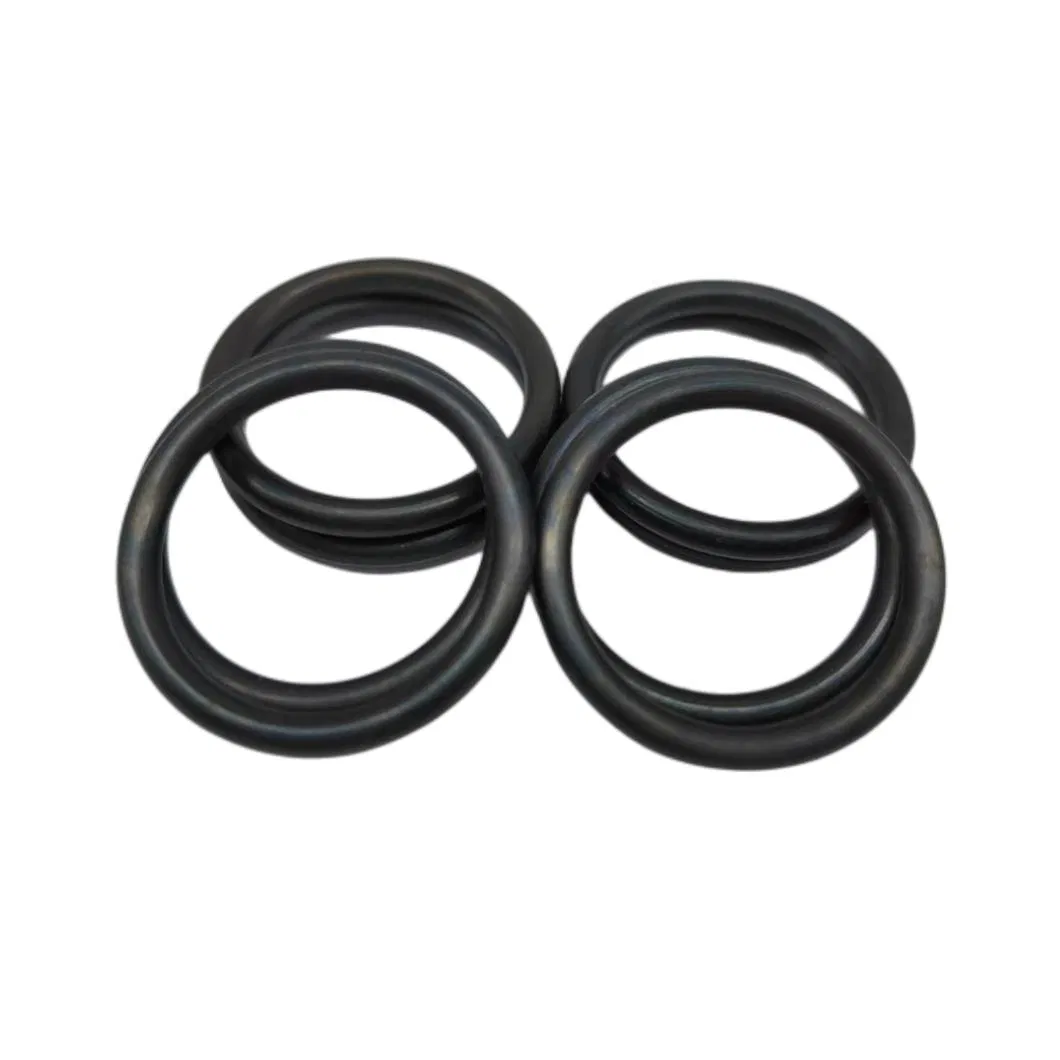
Engineering Insight: The Critical Role of Material Selection in Silicone Membrane Performance
In industrial rubber solutions, silicone membranes serve as vital components across demanding applications including medical devices, automotive sensors, and precision fluid control systems. While silicone rubber is inherently valued for its thermal stability, biocompatibility, and flexibility across extreme temperatures, the assumption that any silicone formulation will suffice leads to premature failure and system inefficiency. Off-the-shelf silicone membranes often fail not due to inherent material limitations, but because of mismatched formulation parameters relative to operational demands.
Silicone is not a monolithic material. It encompasses a spectrum of formulations—high consistency rubber (HCR), liquid silicone rubber (LSR), and fluorosilicone variants—each with distinct mechanical, chemical, and rheological behaviors. General-purpose membranes, typically molded from standard LSR grades, are optimized for cost and processability, not performance under stress. When subjected to aggressive media such as fuels, ozone, or polar solvents, these membranes exhibit swelling, compression set, or cracking. Similarly, in dynamic sealing applications, inadequate tear strength or low resilience leads to fatigue failure within cycles.
The root cause lies in the additive package and polymer architecture. Platinum-cured LSRs offer superior purity and thermal resistance, critical in medical or food-contact environments, whereas peroxide-cured HCRs provide higher mechanical strength for industrial diaphragms. Fillers such as fumed silica influence tensile strength and elongation, while functional groups (e.g., phenyl or vinyl content) modify low-temperature flexibility and cure kinetics. A membrane designed for a pneumatic valve in an arid desert climate requires different crosslink density and UV stabilization than one deployed in a sub-zero refrigeration seal.
Furthermore, dimensional stability under continuous flexing or pressure differentials demands precise durometer control and anisotropy management during molding. Standard catalogs rarely account for directional stress profiles or long-term compression set data, leading to seal leakage or actuator lag.
At Suzhou Baoshida Trading Co., Ltd., we engineer silicone membranes through application-specific compounding. By aligning polymer base, cure system, filler type, and processing method with the operational envelope, we ensure reliability beyond generic equivalents.
The following table outlines key formulation variables and their performance impact:
| Property | Standard Off-the-Shelf Silicone | Engineered Silicone Membrane | Performance Impact |
|---|---|---|---|
| Base Polymer | General-purpose LSR | HCR or specialty LSR | Improved tear strength, lower compression set |
| Cure System | Peroxide | Platinum | Higher purity, no byproducts, better for medical use |
| Filler Type | Standard silica | Surface-treated fumed silica | Enhanced tensile, reduced hysteresis |
| Durometer (Shore A) | 40–50 | 30–80 (application-tuned) | Optimal sealing force vs. flexibility |
| Elongation at Break | ~450% | 500–700% | Greater dynamic range, reduced cracking |
| Thermal Range | -55°C to 200°C | -60°C to 230°C (phenyl-modified) | Stability in extreme environments |
| Fluid Resistance | Moderate (water, air) | High (fuels, oils, solvents) | Fluorosilicone variants for aggressive media |
Material selection is not a commodity decision—it is an engineering imperative. Off-the-shelf membranes may satisfy initial form and fit, but only a tailored formulation ensures long-term function, safety, and cost efficiency in critical systems.
Material Specifications
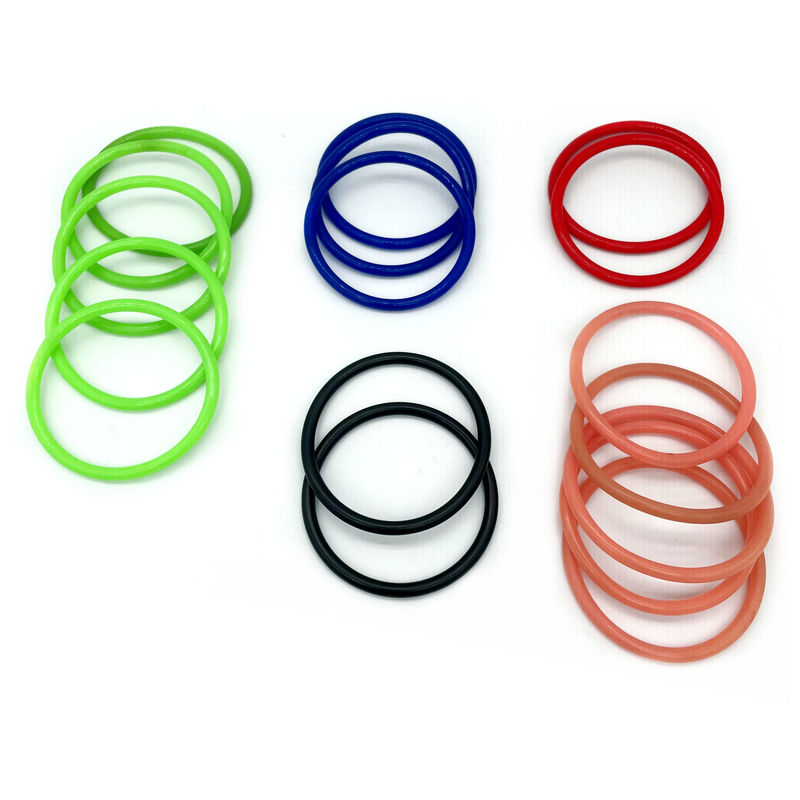
Material Specifications for Industrial Silicone Membranes
Silicone rubber membranes represent a critical component in demanding industrial applications requiring exceptional thermal stability, biocompatibility, and resilience against environmental stressors. At Suzhou Baoshida Trading Co., Ltd., our engineered silicone formulations prioritize purity, consistent durometer control, and long-term performance under dynamic conditions. While silicone excels in extreme temperature cycling and medical-grade applications, selecting the optimal elastomer requires rigorous comparison against alternatives like Viton® (FKM) and Nitrile (NBR) for specific operational demands. Each material exhibits distinct molecular characteristics that dictate suitability for fluid exposure, mechanical loading, and regulatory compliance.
Material selection hinges on quantifiable performance thresholds. Silicone maintains flexibility from -60°C to +230°C with minimal compression set, making it indispensable for aerospace seals and pharmaceutical diaphragm pumps where thermal excursions are severe. Viton dominates in aggressive chemical environments—particularly acids, fuels, and chlorinated solvents—but suffers from limited low-temperature flexibility below -20°C. Nitrile offers cost-effective resistance to petroleum-based oils and hydraulic fluids but degrades rapidly in ozone or steam conditions. Crucially, silicone’s inherent hydrophobicity and USP Class VI/FDA compliance support direct contact with sensitive biologics, whereas Viton and Nitrile require specialized additives to approach similar biocompatibility.
The comparative analysis below details key technical parameters per ASTM/ISO standards:
| Material Property | Silicone (VMQ) | Viton® (FKM) | Nitrile (NBR) |
|---|---|---|---|
| Temperature Range (°C) | -60 to +230 | -20 to +230 | -40 to +120 |
| Tensile Strength (MPa) | 6.0–8.5 | 12.0–18.0 | 15.0–25.0 |
| Fluid Resistance | Excellent for water, steam, alcohols; poor for concentrated acids | Exceptional for acids, fuels, oils; poor for ketones, amines | Excellent for oils, fuels; poor for ozone, polar solvents |
| Hardness Range (Shore A) | 30–80 | 60–90 | 50–90 |
| Key Industrial Applications | Medical devices, semiconductor seals, food processing | Automotive fuel systems, chemical processing gaskets | Hydraulic seals, oil field equipment, general industrial |
Suzhou Baoshida emphasizes that silicone membranes deliver unmatched performance where thermal stability, electrical insulation, and non-reactivity are paramount. However, Viton remains superior for high-pressure fuel systems, while Nitrile provides economical solutions for non-extreme oil exposure. All materials must undergo application-specific validation per ISO 3601 or SAE AS568 standards to address permeation rates, extrusion gaps, and dynamic fatigue. Our OEM engineering team collaborates with clients to model real-world stressors—including cyclic deformation and chemical immersion—ensuring membrane integrity over 10,000+ operational cycles. For mission-critical deployments, we recommend silicone with platinum-cure systems to eliminate peroxide residuals, enhancing purity in semiconductor or life science applications. Contact our technical division to initiate material compatibility testing against your fluid media and environmental profile.
Manufacturing Capabilities
Suzhou Baoshida Trading Co., Ltd. maintains a robust engineering foundation in the field of industrial rubber solutions, with specialized expertise in the design, formulation, and production of high-performance silicone membranes. Our engineering capability is anchored by a dedicated team of five certified mould engineers and two advanced rubber formula engineers, enabling end-to-end control over product development and manufacturing processes. This integrated technical team ensures that every silicone membrane is engineered for optimal performance, durability, and repeatability under demanding industrial conditions.
Our mould engineers bring extensive experience in precision tooling for silicone components, utilizing advanced CAD/CAM software and CNC machining techniques to develop high-tolerance moulds. They specialize in multi-cavity, cold-runner, and transfer moulding systems tailored to the unique flow and curing characteristics of silicone rubber. Each mould design undergoes rigorous simulation and validation to ensure consistent part quality, minimal flash, and extended tool life. This precision-driven approach supports both low-volume prototyping and high-volume OEM production with strict dimensional and functional requirements.
Complementing our mould engineering expertise are two dedicated rubber formulation engineers who focus exclusively on silicone material science. These specialists develop custom silicone compounds to meet specific customer requirements, including resistance to extreme temperatures (-60°C to 200°C), UV and ozone exposure, compression set, and biocompatibility (meeting FDA and USP Class VI standards where applicable). By controlling the formulation process in-house, we eliminate reliance on third-party material suppliers and ensure consistent batch-to-batch performance. Our formulation team also conducts ongoing R&D to improve tear strength, elongation, and electrical insulation properties in silicone membranes for specialized applications in medical devices, automotive sensors, and industrial controls.
As an OEM manufacturing partner, Suzhou Baoshida offers full design-for-manufacturability (DFM) support, rapid prototyping, and scalable production runs. We collaborate closely with clients from concept to commercialization, providing material selection guidance, 3D printing of functional prototypes, and first-article inspection reports. Our facility is equipped with fully automated silicone injection and compression moulding lines, in-line quality monitoring, and environmental testing chambers to validate long-term performance.
The following table outlines key technical capabilities and specifications relevant to our silicone membrane production:
| Parameter | Specification |
|---|---|
| Mould Design Capacity | Up to 48-cavity precision steel moulds |
| Material Types | High-consistency rubber (HCR), Liquid Silicone Rubber (LSR) |
| Hardness Range (Shore A) | 10 to 80 ±5 points |
| Dimensional Tolerance | ±0.05 mm (critical features) |
| Operating Temperature Range | -60°C to +200°C (continuous) |
| Regulatory Compliance | FDA 21 CFR, USP Class VI, RoHS, REACH |
| Production Capacity | Up to 500,000 units/month (per line) |
This combination of engineering depth, formulation control, and scalable manufacturing makes Suzhou Baoshida a trusted partner for OEMs requiring technically advanced silicone membranes with consistent quality and fast time-to-market.
Customization Process
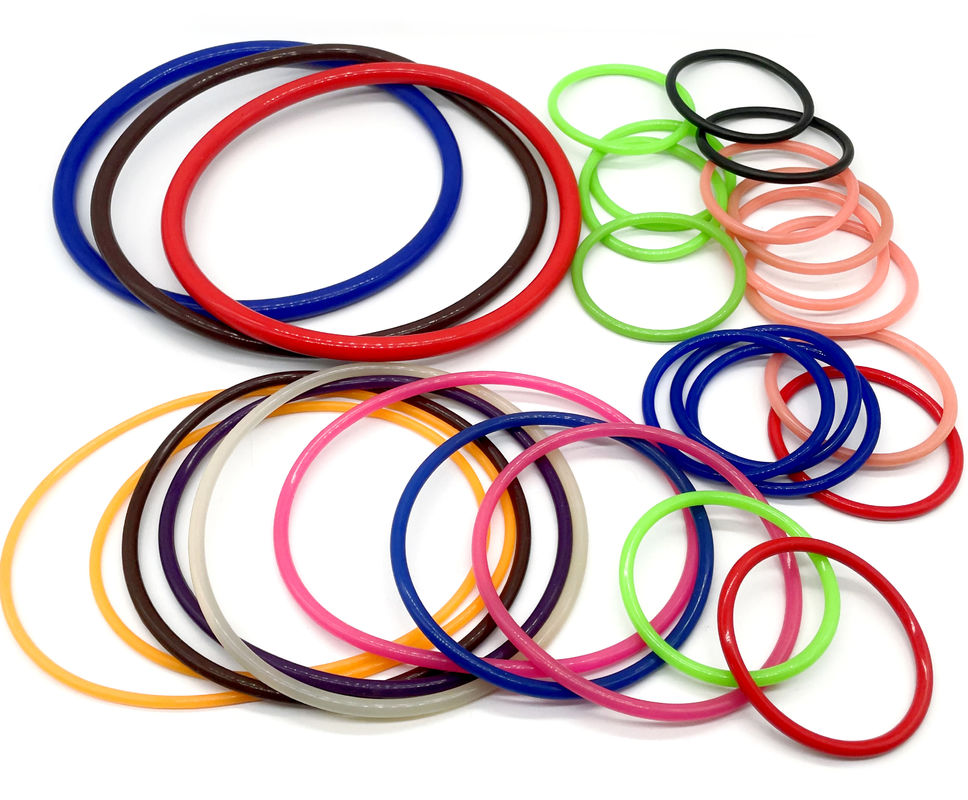
Silicone Membrane Customization Process: Precision Engineering Pathway
Suzhou Baoshida Trading Co., Ltd. executes a rigorously defined customization sequence for industrial silicone membranes, ensuring optimal performance and manufacturability from concept to volume output. This structured methodology eliminates ambiguity and guarantees adherence to stringent OEM requirements.
The process commences with comprehensive Drawing Analysis. Our engineering team meticulously reviews client-provided technical drawings and specifications, focusing on critical dimensions, tolerances (ISO 2768-mK standard minimum), surface finish requirements (Ra values), and functional interfaces. We assess geometric complexity for moldability, identify potential stress concentration points, and verify material suitability against the intended operating environment—temperature range, chemical exposure, pressure differentials, and biocompatibility needs (ISO 10993 where applicable). This phase includes collaborative dialogue with the client to resolve ambiguities and optimize the design for silicone’s unique flow and cure characteristics, preventing costly iterations later.
Subsequent Formulation Development leverages our deep expertise in silicone polymer science. Based on the environmental and mechanical demands identified, we select the appropriate base polymer type (e.g., high-consistency rubber HCR for robust membranes, liquid silicone rubber LSR for intricate geometries). Key properties are precisely engineered through controlled adjustment of filler systems (reinforcing silica types/levels), crosslink density, and catalyst systems (platinum-cure variants for purity and stability). Critical performance parameters are targeted, as exemplified in the typical property ranges below.
| Property | Test Standard | Typical Range (Medical/Industrial Grade) |
|---|---|---|
| Hardness (Shore A) | ASTM D2240 | 20 – 70 |
| Tensile Strength (MPa) | ASTM D412 | 5.0 – 12.0 |
| Elongation at Break (%) | ASTM D412 | 400 – 800 |
| Tear Strength (kN/m) | ASTM D624 B | 15 – 40 |
| Compression Set (%) | ASTM D395 B | < 20 (22h, 70°C) |
| Thermal Stability (°C) | ASTM D573 | -60 to +230 (continuous) |
Prototyping utilizes rapid tooling techniques, often aluminum molds for LSR or compression molds for HCR, to produce functional samples. These prototypes undergo rigorous validation: dimensional inspection via CMM, mechanical property testing per the formulated targets, and application-specific functional testing (e.g., burst pressure, cyclic fatigue, permeation rates). Client feedback on prototype performance is integral, driving any necessary micro-adjustments to the formulation or process parameters before final sign-off.
Upon prototype approval, Mass Production initiates under strict statistical process control. For LSR membranes, multi-cavity cold-runner systems ensure consistency; HCR membranes utilize precision compression or transfer molding. Real-time monitoring of temperature, pressure, and cure time is mandatory. Every production batch undergoes full material traceability and adheres to our certified quality management system (ISO 9001). Final membranes are subjected to 100% visual inspection and rigorous batch testing against the agreed specifications, including lot-specific certificates of conformance, ensuring seamless integration into the client’s assembly line. This end-to-end control guarantees repeatability and reliability at scale.
Contact Engineering Team
For industrial manufacturers and engineering teams seeking high-performance silicone membrane solutions, Suzhou Baoshida Trading Co., Ltd. delivers precision-engineered rubber components tailored to demanding applications. As a specialized provider in the industrial rubber solutions sector, we combine material science expertise with rigorous quality control to ensure every silicone membrane meets exacting performance standards. Whether your project involves medical device integration, pneumatic actuation, sensor protection, or chemical sealing, our engineered membranes offer superior elasticity, thermal stability, and long-term durability.
Silicone membranes produced by Suzhou Baoshida are formulated to withstand extreme temperature ranges from -60°C to +200°C while maintaining consistent mechanical properties. Our formulations comply with international standards including FDA 21 CFR 177.2600 for food and medical contact, USP Class VI for biocompatibility, and RoHS for environmental safety. We offer custom durometer options from 20 to 80 Shore A, enabling precise tuning of flexibility and response dynamics for sensitive control systems. All membranes are manufactured under controlled cleanroom conditions to minimize particulate contamination and ensure dimensional accuracy down to ±0.05 mm.
Our technical team works closely with OEMs and system integrators to optimize membrane geometry, bonding interfaces, and surface finishes. We support rapid prototyping using liquid silicone rubber (LSR) injection molding and high-precision compression molding techniques. Post-processing options include plasma treatment for improved adhesion, laser marking for traceability, and automated leak testing for critical sealing applications.
To ensure compatibility with your operational environment, we conduct comprehensive validation testing, including compression set analysis, accelerated aging, and dynamic cycle testing up to 1 million cycles. These protocols verify long-term reliability under real-world stress conditions, reducing field failure risks and extending service life.
The following table outlines key technical specifications for our standard silicone membrane offerings:
| Property | Value | Test Method |
|---|---|---|
| Hardness Range | 20–80 Shore A | ASTM D2240 |
| Tensile Strength | ≥6.0 MPa | ASTM D412 |
| Elongation at Break | ≥400% | ASTM D412 |
| Temperature Range | -60°C to +200°C | Internal |
| Compression Set (22 hrs, 150°C) | ≤20% | ASTM D395 |
| Specific Gravity | 1.10–1.15 | ASTM D792 |
| Dielectric Strength | ≥20 kV/mm | ASTM D149 |
| FDA/USP Compliance | Yes | 21 CFR 177.2600, USP Class VI |
For custom engineering support or material qualification dossiers, contact Mr. Boyce, OEM Manager and Rubber Formula Engineer at Suzhou Baoshida Trading Co., Ltd. Direct technical inquiries to [email protected]. Include application details such as operating environment, cycle requirements, and dimensional constraints to receive a targeted solution proposal within 48 hours. Our team provides full documentation packages, including material certifications, process FMEAs, and PPAP submissions upon request. Partner with Suzhou Baoshida for silicone membranes that perform under pressure—where precision, purity, and performance converge.
⚖️ O-Ring Weight Calculator
Estimate rubber O-ring weight (Approx).