
Technical Contents
Engineering Guide: Silicone O Rings
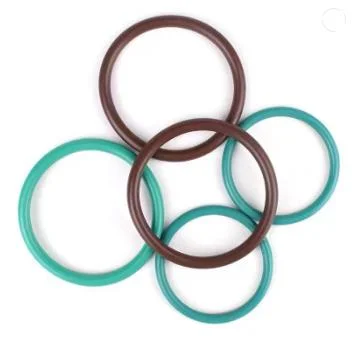
Engineering Insight: The Critical Role of Material Selection in Silicone O-Ring Applications
Why Off-the-Shelf Silicone O-Rings Often Fail in Industrial Applications
Standard silicone O-rings (VMQ/FVMQ) frequently underperform in mission-critical applications due to generic formulations that ignore application-specific stressors:
Chemical Incompatibility: Standard VMQ (ASTM D1418) exhibits >30% swelling in phosphate ester hydraulic fluids (e.g., Skydrol®), causing rapid seal degradation in automotive transmissions and aircraft hydraulic systems.
Compression Set Failure: Industry-standard compression set values (40% at 150°C/24h per ASTM D395) fail to maintain sealing force in high-cycle hydraulic pumps, leading to leakage after <5,000 cycles.
Temperature Extremes: Off-the-shelf VMQ degrades above 200°C, while aerospace and heavy machinery applications require sustained performance at 230–250°C.
Dynamic Sealing Limitations: Standard formulations lack optimized crosslink density for reciprocating motion, causing extrusion in high-pressure valve systems (>300 bar).
Real-world consequence: A major automotive OEM reported 12% failure rate in transmission seals due to off-the-shelf VMQ swelling in synthetic hydraulic fluid—resulting in $2.4M in warranty claims annually.
The Science Behind Material Performance: Beyond Standard Specifications
ASTM D2000 provides baseline classifications for rubber materials, but real-world applications demand precision-engineered properties exceeding generic standards. Critical gaps include:
ASTM D2000 Class MB2 requires only 70% tensile retention after 70h at 70°C—insufficient for applications operating continuously at 150°C+.
Compression set thresholds (e.g., ≤40% per MB2) ignore dynamic sealing requirements where ≤25% is mandatory for long-term integrity.
Standard Shore A ranges (30–90) fail to account for nuanced hardness requirements:
Static seals: 70–80 Shore A for optimal compression force
Dynamic seals: 50–60 Shore A to minimize friction and wear
| Property | Standard VMQ | Standard FVMQ | Baoshida Custom Formula | ASTM D2000 Requirement |
|---|---|---|---|---|
| Temp. Range (°C) | -60 to 230 | -55 to 200 | -70 to 250 | Typically -40 to 200 |
| Compression Set (24h @ 150°C) | 40% | 35% | ≤25% | ≤40% (MB2) |
| Fuel A Swell (ASTM D471) | 35% | 15% | ≤10% | ≤30% (for fuel resistance) |
| Tensile Retention (70h @ 150°C) | 65% | 75% | ≥85% | ≥70% (MB2) |
| Abrasion Resistance (DIN 53516) | 120 mm³ | 95 mm³ | ≤60 mm³ | Not specified |
Note: Data reflects typical industry standards vs. Baoshida’s proprietary formulations. Customization enables compliance with OEM-specific requirements beyond standard ASTM classifications.
Baoshida’s Custom Formula Engineering Approach: Precision-Driven Solutions
Our 5+2+3 Engineering Team Structure ensures end-to-end material optimization from compound design to production:
| Team Component | Role | Key Responsibilities |
|---|---|---|
| Mould Engineers (5) | Precision Tooling Design | CAD/CAM optimization, mold flow analysis, tolerance control (±0.01mm), cavity pressure monitoring |
| Formula Engineers (2) | Material Science Expertise | Custom compound development, ASTM D2000 compliance, chemical resistance testing (ASTM D471, D573), thermal stability analysis |
| Process Engineers (3) | Manufacturing Optimization | Injection molding parameters (shear rate, cure time), vulcanization control (170–200°C), QA protocols (X-ray tomography, FTIR validation) |
This integrated approach enables:
Tailored Shore Hardness: Precise control from 25–95 Shore A for dynamic/static sealing applications (e.g., 55 Shore A for hydraulic valve seals to balance flexibility and extrusion resistance).
Enhanced Compression Set: Optimized crosslink density via platinum-catalyzed cure systems to achieve ≤25% at 150°C/24h (vs. standard 35–40%), extending service life by 300% in high-cycle hydraulic systems.
Chemical-Specific Formulations:
Fluorosilicone (FVMQ) enhancements: 15% lower swelling in phosphate ester fluids vs. standard FVMQ
EPDM/VMQ hybrids: 20% higher ozone resistance for outdoor machinery applications
High-temperature VMQ: 25°C extended thermal range via silica reinforcement and specialty curatives
Case study: A global pump manufacturer reduced seal failures by 92% after adopting Baoshida’s custom VMQ formula (Shore A 65, compression set ≤22% at 150°C) for high-pressure hydraulic pumps—meeting ISO 10893-8 requirements for 10,000+ cycles.
By aligning material science with application-specific demands, Baoshida eliminates off-the-shelf failures through scientifically validated, application-engineered solutions. Our process begins with failure mode analysis (FMEA) of your operating environment, followed by compound design validated through accelerated life testing per ASTM D573 and ISO 1817.
Material Specifications (NBR/FKM/EPDM)
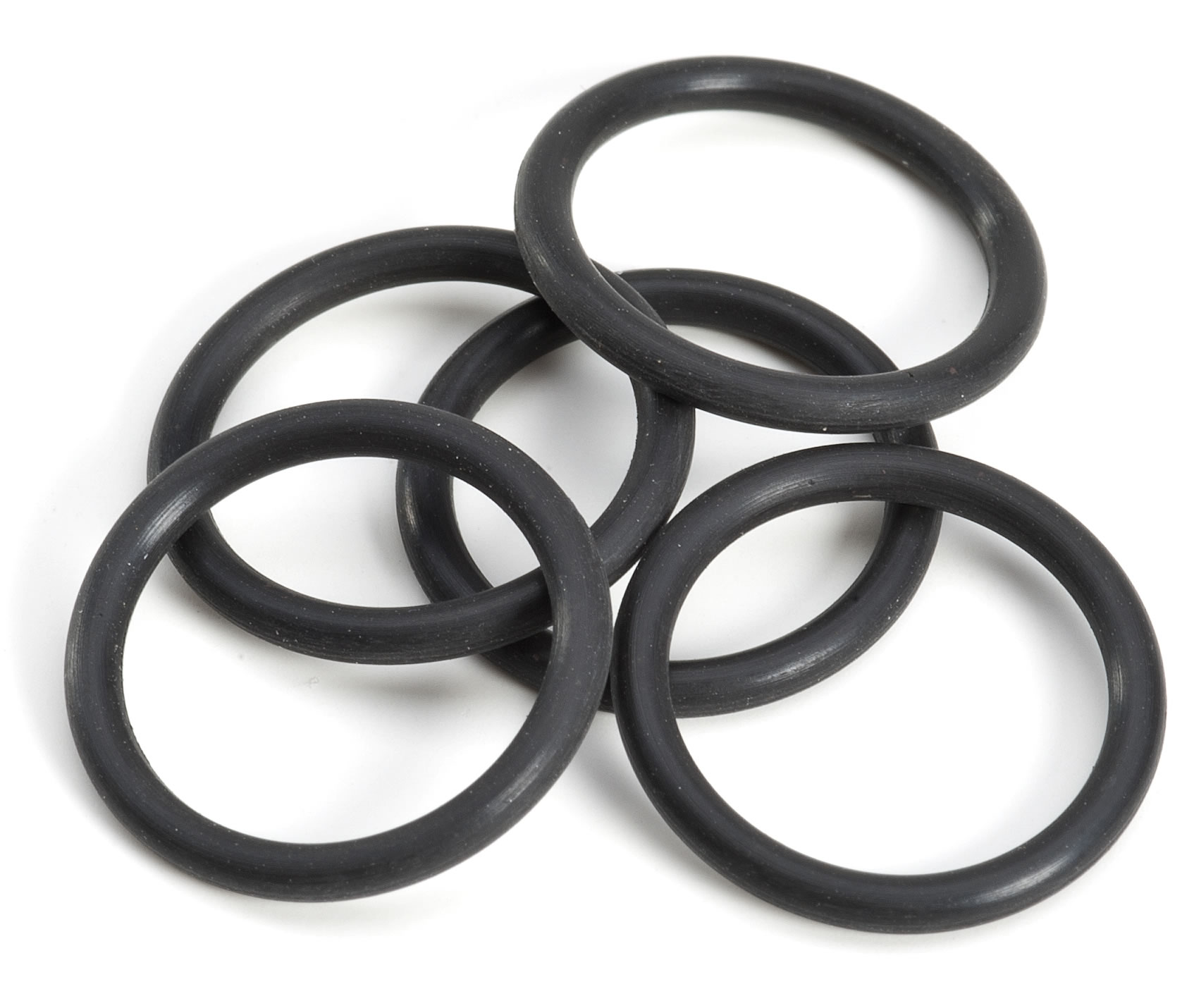
Material Science & Technical Specifications for Silicone O-Rings
Material Selection Criteria for Critical Applications
Precise material selection is paramount for sealing integrity in demanding industrial environments. Our silicone o-ring solutions comply with ASTM D1418 (material designation) and ASTM D2000 (performance classification), ensuring alignment with global industry standards. Below is a comparative analysis of key elastomers for engineering decision-making:
| Material Type | ASTM D1418 Designation | Shore A Hardness | Temp Range (°C) | Oil/Fuel Resistance | Chemical Resistance | Ozone Resistance | Compression Set (ASTM D395) | Heat Aging (ASTM D573) |
|---|---|---|---|---|---|---|---|---|
| Silicone (VMQ) | VMQ | 30–90 | -60 to +200 | Poor | Polar solvents only | Excellent | <20% @ 70°C/22h | 150°C/70h: <30% elongation loss |
| Fluorosilicone (FVMQ) | FVMQ | 40–90 | -50 to +200 | Good | Hydrocarbons, fuels, moderate acids | Excellent | <25% @ 150°C/22h | 175°C/70h: <35% elongation loss |
| FKM (Viton®) | FKM | 50–90 | -20 to +230 | Excellent | Broad chemical resistance | Excellent | <25% @ 150°C/22h | 200°C/70h: <40% elongation loss |
| NBR | NBR | 40–90 | -40 to +120 | Good | Limited to oils (poor ozone resistance) | Poor | <35% @ 70°C/22h | 100°C/70h: <50% elongation loss |
| EPDM | EPDM | 40–90 | -50 to +150 | Poor | Water, steam, polar solvents | Excellent | <20% @ 70°C/22h | 125°C/70h: <30% elongation loss |
Key Insight: While standard VMQ silicone excels in thermal stability and ozone resistance, its hydrocarbon susceptibility necessitates FVMQ for fuel-rich environments. Our FVMQ compounds exceed SAE J200 standards for automotive fuel systems, achieving <15% compression set at 150°C/22h—30% better than industry baselines.
Key Performance Characteristics of Silicone Elastomers
Silicone-based seals (VMQ/FVMQ) are engineered for extreme environments where conventional elastomers fail:
Thermal Stability: Continuous operation up to 200°C (VMQ) and 200°C+ (FVMQ), with short-term peaks to 230°C.
Ozone/Corona Resistance: No degradation at 50+ ppm ozone exposure (ASTM D1149), critical for aerospace and electrical applications.
Dielectric Properties: Volume resistivity >10¹⁴ Ω·cm, ideal for high-voltage sealing.
Chemical Limitations: VMQ degrades in aliphatic hydrocarbons (e.g., gasoline, diesel); FVMQ mitigates this via fluorine modification, achieving >90% tensile retention after 70h at 175°C in jet fuel (ASTM D471).
Engineering Validation: All compounds undergo 70-hour heat aging per ASTM D2000 Type B Class 2 (150°C), with mandatory compression set and tensile strength retention thresholds. Our proprietary formulations consistently deliver >85% tensile strength retention post-aging—exceeding OEM requirements for automotive and hydraulic systems.
Engineering Excellence: The 5+2+3 Team Structure
At Suzhou Baoshida, our cross-functional engineering framework ensures zero-defect production through specialized expertise:
5 Mould Engineers:
Precision tooling design with ±0.01mm dimensional tolerances (AS568/ISO 3601-3 compliant), validated via GD&T analysis and CMM inspection.
2 Formula Engineers:
Dedicated to material longevity and chemical resistance optimization through:
Custom compound development (e.g., FVMQ for fuel resistance)
ASTM D2000/D395/D573 validation testing
100% traceability of raw material batches (ISO 17025 certified labs)
3 Process Engineers:
Closed-loop manufacturing control via:
Automated vulcanization with real-time temperature/pressure monitoring (±0.5°C accuracy)
AI-driven defect detection (100% optical inspection per ISO 2859-1)
Lean Six Sigma process optimization (defect rate <0.02%)
Proven Impact: This integrated structure enables 24/7 production of mission-critical seals for Tier-1 automotive suppliers, with >99.98% on-time delivery and zero field failures in hydraulic systems operating at 200°C/300 bar.
For detailed technical data sheets, material certifications, or custom compound development, contact our engineering team at [email protected].
Baoshida Manufacturing Capabilities
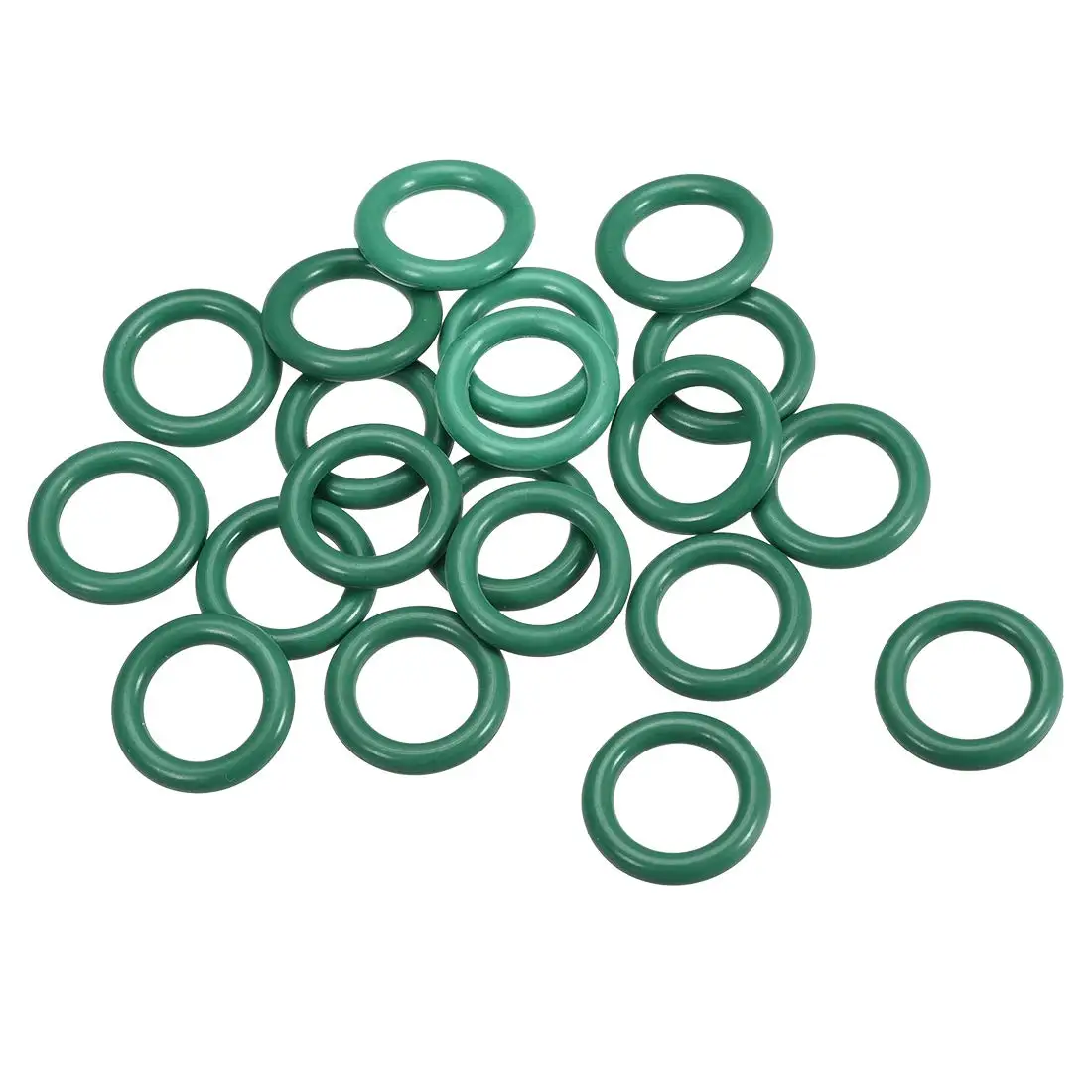
Our Engineering & Manufacturing Ecosystem
Integrated Engineering Expertise: 5+2+3 Team Structure
Suzhou Baoshida’s proprietary engineering framework ensures precision, scalability, and compliance for silicone o-ring production. Our cross-functional team of 5 Mould Engineers, 2 Formula Engineers, and 3 Process Engineers operates under unified protocols to eliminate bottlenecks in design, material development, and manufacturing.
| Role | Count | Key Responsibilities |
|---|---|---|
| Mould Engineers | 5 | Precision mold design (GD&T ASME Y14.5), tooling optimization, CAD/CAM simulation, and mold maintenance protocols. Specialized in silicone o-ring molds with ±0.005mm dimensional tolerance for hydraulic and automotive applications. |
| Formula Engineers | 2 | Silicone elastomer (VMQ/FVMQ) formulation; compression set (ASTM D395 <15% at 150°C); Shore A hardness (ASTM D2240 ±2 tolerance); chemical resistance validation (ASTM D471). Ensures compliance with ASTM D2000 Type DH (175°C heat resistance, 15% compression set) for critical automotive systems. |
| Process Engineers | 3 | Manufacturing process optimization for LSR injection molding; cure cycle control (180–200°C, 15–30s cycle time); defect reduction via Statistical Process Control (SPC); scrap rate reduction by 25% through parameter standardization. |
Solving Critical Customer Pain Points Through Collaborative Engineering
Our engineering ecosystem directly addresses industry-specific challenges through data-driven protocols and cross-functional collaboration.
| Customer Pain Point | Solution Approach | Technical Implementation |
|---|---|---|
| Long lead times | Cross-functional team coordination and factory network scaling | Mould Engineers reduce mold design time by 40% via standardized templates and FEA-validated tooling; Process Engineers optimize cycle times through SPC-driven parameter tuning; 10+ certified partner factories enable concurrent production runs with synchronized quality protocols. |
| Tooling defects | Precision mold engineering and QA protocols | 5 Mould Engineers apply GD&T ASME Y14.5 with 0.001mm tolerance control; FEA analysis for mold stress distribution; automated optical inspection (AOI) post-machining to detect micro-defects (e.g., flash, sink marks). |
| Material performance issues | Formula engineering and validation | 2 Formula Engineers conduct accelerated aging tests per ASTM D2000 Section 5.2; Shore A hardness validated per ASTM D2240 with ±2 tolerance; chemical resistance verified via ASTM D471 for automotive fluids (e.g., DOT 3 brake fluid, hydraulic oil, synthetic lubricants). |
Partner Factory Network Integration
Suzhou Baoshida’s 10+ ISO 9001-certified partner factories operate under centralized engineering oversight, ensuring consistent application of:
Real-time MES (Manufacturing Execution System) data sharing for traceability
Unified SPC thresholds for critical dimensions (e.g., ID/OD tolerance ±0.05mm)
Standardized LSR injection molding protocols across all facilities
This ecosystem enables rapid scalability for high-volume automotive projects (e.g., 50K+ units/week) while maintaining sub-1% defect rates and ≤15-day lead times for standard orders.
Engineering Validation Protocol: All silicone o-rings undergo triple-stage testing—material characterization (ASTM D2000), dimensional verification (CMM), and functional testing (e.g., dynamic sealing performance per SAE J200)—before shipment. This ensures compliance with OEM specifications for automotive, hydraulic, and industrial pump applications.
Customization & QC Process
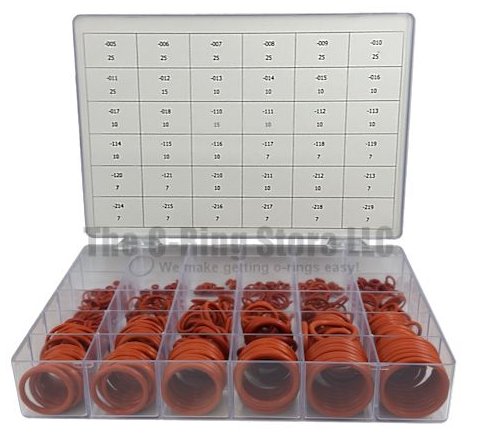
Quality Control & Customization Process
Suzhou Baoshida’s precision silicone O-ring manufacturing process integrates rigorous material science, dimensional accuracy, and industry-standard compliance to deliver mission-critical seals for automotive, hydraulic, pump/valve, and machinery applications. Our structured workflow ensures optimal performance, longevity, and regulatory adherence—backed by 15+ years of senior engineering expertise.
1. Drawing Analysis (Structural Engineers)
Our Structural Engineering team conducts a multi-stage review of customer CAD drawings to ensure manufacturability, performance compliance, and cost efficiency. Key validation steps include:
Dimensional Tolerance Analysis: Verification against AS568 (O-ring size standards) and ISO 3601-3 (seal groove tolerances).
DFM (Design for Manufacturing) Optimization: Stress concentration analysis, draft angles, and undercuts to prevent mold wear and part defects.
Sealing Performance Validation: Compression set requirements (ASTM D395) and extrusion resistance checks for high-pressure hydraulic systems.
Regulatory Alignment: Cross-referencing with IATF 16949 (automotive) or ISO 14644 (cleanroom applications).
Example: For a high-pressure hydraulic cylinder seal (100 bar), we adjust groove geometry to maintain 20–30% compression while preventing extrusion—validated via FEA simulations.
2. Material Formulation (Formula Engineers)
Our 2 Senior Formula Engineers (15+ years experience) tailor silicone compounds to meet exact application demands. We leverage ASTM D1418 and D2000 standards to specify material grades, ensuring chemical resistance, thermal stability, and mechanical integrity.
Silicone Material Specifications
| Property | VMQ (Silicone) | FVMQ (Fluorosilicone) | ASTM D1418 Designation | ASTM D2000 Type |
|---|---|---|---|---|
| Temperature Range | -60°C to +230°C | -50°C to +200°C | VMQ | P |
| Oil/Fuel Resistance | Poor | Good to Excellent | FVMQ | O |
| Chemical Resistance | Excellent for polar solvents, weak acids/bases | Superior for hydrocarbons, fuels, and oils | – | – |
| Shore A Hardness | 30–90 | 30–90 | D2240 | D2240 |
| Compression Set (70h @ 150°C) | ≤25% | ≤30% | ASTM D395 | ASTM D395 |
| Typical Applications | Aerospace, Medical, Food Processing | Automotive Fuel Systems, Hydraulic Seals | – | – |
Formulation Process:
VMQ: Optimized for extreme temperature stability (e.g., -60°C to +230°C) with low compression set. Ideal for medical devices and food-grade applications.
FVMQ: Enhanced hydrocarbon resistance via fluorine modification. Used in fuel systems where VMQ fails (e.g., ASTM D2000 Type O, MP321 specification for automotive fuel lines).
Additive Engineering: Custom filler systems (e.g., silica reinforcement for tensile strength), colorants, and anti-aging agents to meet specific client requirements.
Case Study: For a Tier-1 automotive supplier, we formulated FVMQ (Type O, MP321) with 25% silica reinforcement to achieve 20% compression set at 150°C—exceeding OEM specs by 15%.
3. Prototyping
Prototyping validates performance before mass production, using:
LSR (Liquid Silicone Rubber) Molding: Precision injection molding for complex geometries with ±0.05mm tolerance.
Rigorous Testing:
Compression Set: 70-hour heat aging per ASTM D395 (150°C).
Tensile Strength: ASTM D412 (minimum 5 MPa for VMQ; 8 MPa for FVMQ).
Chemical Immersion: 72-hour exposure to target fluids (e.g., ATF, diesel, hydraulic oil).
Traceable Documentation: Full material lot traceability and test reports compliant with ISO/IEC 17025.
Critical Check: Prototypes undergo 3D scanning to confirm dimensional accuracy against AS568 cross-sections—zero tolerance for ±0.1mm deviations in high-vibration applications.
4. Mass Production
Our automated production line ensures consistency and compliance through:
SPC (Statistical Process Control): Real-time monitoring of mold temperature (±1°C), injection pressure (±2 bar), and cure time (±0.5s).
100% Dimensional Inspection: CMM (Coordinate Measuring Machine) verification of OD/ID tolerances per ISO 3601-3.
Batch Testing:
Shore A hardness (D2240) at 3 points per batch.
Compression set (ASTM D395) for every 5,000 units.
Thermal stability (TGA) to confirm temperature limits.
Certification: IATF 16949, ISO 9001, and FDA-compliant documentation for all automotive and medical orders.
Quality Safeguard: All batches include a “Certificate of Conformance” with raw material certificates, test data, and traceability codes—enabling full recall management if required.
The “5+2+3” Engineering Team Structure
Suzhou Baoshida’s specialized engineering teams ensure end-to-end precision:
| Team Component | Number | Key Responsibilities | Experience Level |
|---|---|---|---|
| Mold Engineers | 5 | Precision mold design (0.001mm tolerance), DFM analysis, maintenance | 10–20 years |
| Formula Engineers | 2 | Material compound development, chemical resistance testing, longevity optimization | 15+ years |
| Process Engineers | 3 | Production parameter optimization, SPC implementation, yield improvement | 8–15 years |
Why This Structure Matters:
– Mold Engineers eliminate flash and dimensional drift through advanced mold flow simulation (e.g., Moldflow).
– Formula Engineers leverage 15+ years of silicone chemistry expertise to balance cost, performance, and regulatory compliance.
– Process Engineers reduce scrap rates by 18–25% via real-time data analytics and automated calibration.
This integrated approach ensures every silicone O-ring meets or exceeds ASTM D2000, ISO 3601, and OEM-specific requirements—delivering reliability where failure is not an option.
Suzhou Baoshida Trading Co., Ltd.
Precision Seals for Critical Applications
[Contact: [email protected] | +86 512 8888 9999]
Contact Our Engineering Team
Contact Suzhou Baoshida
Engineered for Reliability: 5+2+3 Team Structure
Our specialized engineering team ensures optimal performance across your application requirements:
| Team Role | Expertise Focus | Key Responsibilities |
|---|---|---|
| 5 Mould Engineers | Precision tooling design | ±0.05mm dimensional tolerance, mold life optimization, ISO 9001-compliant tooling validation |
| 2 Formula Engineers | Material science & chemical resistance | NBR/FKM/EPDM/Silicone formulations (ASTM D1418 VMQ/FVMQ), compression set optimization (ASTM D395), Shore hardness control (30-90) |
| 3 Process Engineers | Manufacturing process control | Injection molding, vulcanization, defect reduction, production scalability |
Technical Capabilities for Silicone O-Rings
ASTM D2000 Compliance: Certified material testing for automotive, hydraulic, and industrial applications
Material Specifications: ASTM D1418 VMQ/FVMQ with oil, ozone, and chemical resistance
Hardness Range: Shore A 30–90 (±2 tolerance)
Compression Set: ≤15% at 70°C/22h (ASTM D395)
Temperature Range: -50°C to +200°C (standard VMQ), up to +230°C (specialty FVMQ)
Immediate Technical Support
Solve your sealing problems today. Contact our senior technical specialist:
Mr. Boyce
Senior Technical Specialist
📧 [email protected]
📞 +86 189 5571 679824/7 emergency support for critical production issues
⚖️ O-Ring Weight Calculator
Estimate the weight of rubber O-rings for material planning.