
Technical Contents
Engineering Guide: Silicone Picking Pad
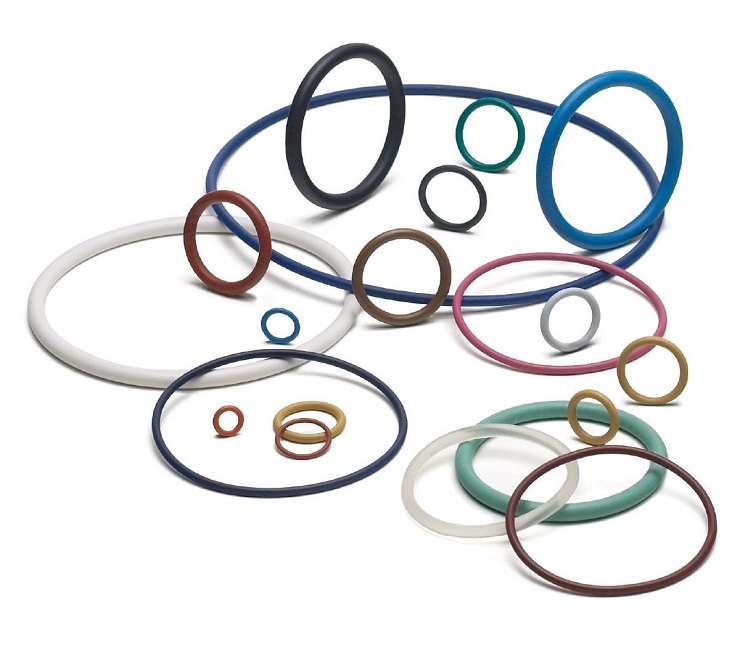
Engineering Insight: The Critical Role of Material Selection in Silicone Picking Pads
In automated handling systems, silicone picking pads serve as the primary interface between robotic actuators and delicate components. Their function—reliable, repeatable, non-damaging part transfer—depends critically on precise material engineering. While off-the-shelf silicone pads may appear cost-effective, they frequently fail in demanding industrial environments due to inadequate customization of mechanical and chemical properties.
Silicone rubber is not a uniform material. Its performance under vacuum, temperature extremes, abrasion, and repeated compression is determined by polymer architecture, filler content, crosslink density, and curing methodology. Generic pads often utilize standard-grade vinyl-methyl silicone compounds optimized for general sealing or low-stress applications. These formulations lack the tailored resilience, tensile strength, and outgassing resistance required for high-cycle pick-and-place operations in electronics, optics, or medical device assembly.
A key failure mode in non-engineered pads is surface degradation. Standard silicones may exhibit excessive compression set after 10,000 cycles, leading to seal leakage and loss of vacuum integrity. Additionally, unmodified formulations can shed particulates under shear stress, contaminating cleanroom environments. Off-the-shelf products also typically ignore substrate-specific adhesion profiles. For example, handling polished glass wafers demands a different surface energy and micro-texture than gripping polyimide films or fragile OLED panels.
At Suzhou Baoshida Trading Co., Ltd., we approach silicone picking pad development as a systems engineering challenge. Our formulations are adjusted at the molecular level to balance durometer, elongation at break, and thermal stability. Reinforced silicone composites with controlled filler dispersion enhance tear resistance without sacrificing conformability. Platinum-cure systems ensure consistent vulcanization, minimizing residual volatiles—a critical factor in semiconductor and display manufacturing.
Custom curing profiles and post-cure treatments further refine performance. For high-temperature applications exceeding 200°C, phenyl-modified silicones are employed to maintain elasticity and prevent embrittlement. Surface texturing via laser ablation or precision molding optimizes vacuum seal formation while minimizing contact pressure.
The following table illustrates performance differentials between standard and engineered silicone compounds under industrial conditions:
| Property | Standard Off-the-Shelf Silicone | Engineered Silicone (Baoshida) |
|---|---|---|
| Hardness (Shore A) | 40–50 | 30–70 (application-tuned) |
| Tensile Strength | 6–8 MPa | 9–12 MPa |
| Elongation at Break | 250–350% | 400–600% |
| Compression Set (22 hrs, 150°C) | 25–35% | <15% |
| Operating Temperature Range | -40°C to 200°C | -60°C to 250°C |
| Outgassing (TML, ASTM E595) | 0.50% | <0.10% |
| Cycle Life (vacuum grip) | ~50,000 cycles | >500,000 cycles |
Material selection is not a commodity decision—it is a precision engineering imperative. Generic silicone pads compromise system uptime, product yield, and total cost of ownership. By integrating application-specific formulation with rigorous testing, Suzhou Baoshida delivers silicone picking pads that perform reliably in the world’s most demanding automated assembly lines.
Material Specifications
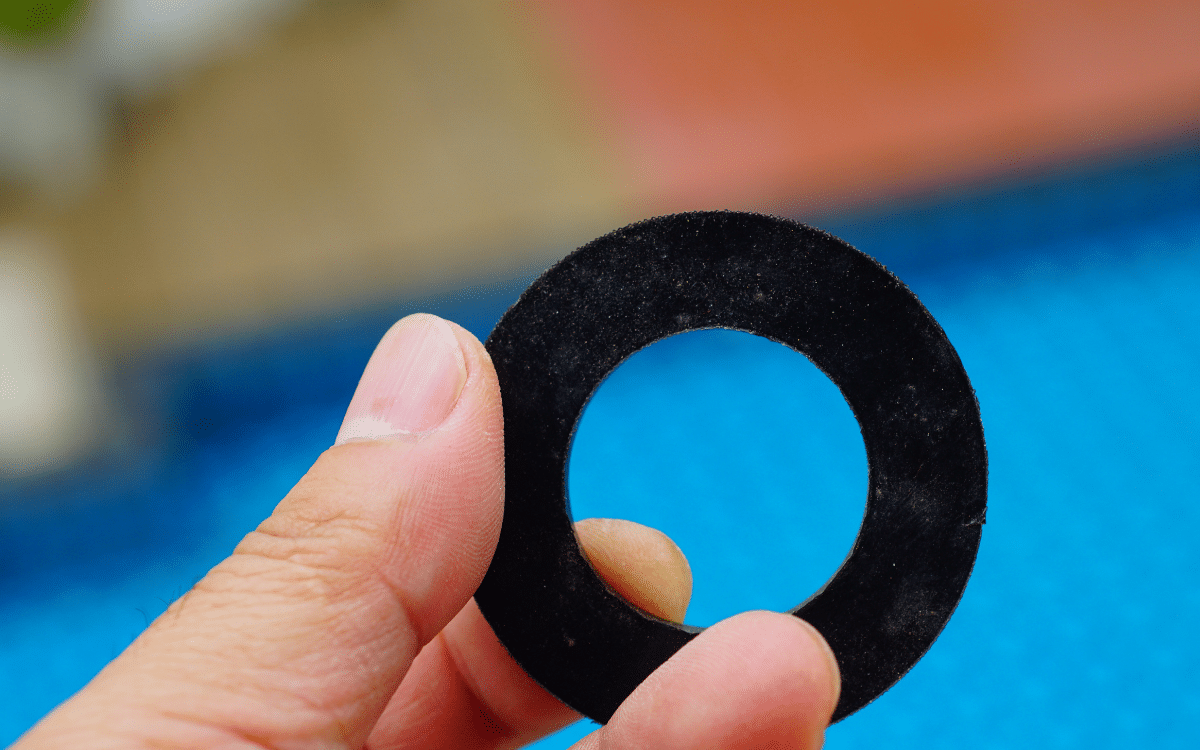
Material Specifications for Industrial Silicone Picking Pads
Selecting the optimal elastomer for silicone picking pads is critical in precision manufacturing environments, particularly within semiconductor, electronics assembly, and medical device production. These pads require exacting control over particle generation, chemical compatibility, thermal stability, and mechanical resilience to ensure zero contamination during delicate component handling. At Suzhou Baoshida Trading Co., Ltd., we engineer solutions based on rigorous OEM specifications, prioritizing material integrity under dynamic operational stresses. Our primary formulations—Viton (FKM), Nitrile (NBR), and Silicone (VMQ)—exhibit distinct performance profiles validated through ASTM D2000 and ISO 37 testing protocols.
Viton fluorocarbon compounds deliver unparalleled resistance to aggressive chemicals, including acids, amines, and plasma etching byproducts, making them indispensable in high-purity semiconductor fabrication. With continuous service temperatures up to 250°C and exceptional tensile strength (15–25 MPa), Viton maintains dimensional stability in extreme cleanroom conditions. However, its higher cost necessitates targeted application where chemical exposure justifies the investment. Nitrile rubber provides a cost-effective solution for general industrial use, excelling in resistance to oils, greases, and aliphatic hydrocarbons. Standard NBR formulations operate effectively between -30°C and 105°C, with shore A hardness adjustable from 50 to 90 for tailored grip dynamics. While vulnerable to ozone and ketones, NBR’s low compression set (<20% at 100°C) ensures long-term sealing integrity in automated pick-and-place systems. Silicone remains the benchmark for ultra-high-purity applications due to its inertness, biocompatibility, and thermal range spanning -60°C to 230°C. Critical for medical and optics manufacturing, medical-grade silicone (per USP Class VI) exhibits negligible extractables (<1 ppm ionic contaminants) and inherent flame resistance (UL 94 V-0). Its moderate tensile strength (6–10 MPa) is offset by superior elasticity, though reinforcement with fumed silica is essential for high-cycle fatigue resistance.
The comparative analysis below details key parameters for OEM qualification:
| Property | Viton (FKM) | Nitrile (NBR) | Silicone (VMQ) |
|---|---|---|---|
| Temperature Range (°C) | -20 to +250 | -30 to +105 | -60 to +230 |
| Tensile Strength (MPa) | 15–25 | 10–20 | 6–10 |
| Shore A Hardness Range | 60–90 | 50–90 | 30–80 |
| Compression Set (%)* | <15 (200°C/70h) | <20 (100°C/70h) | <20 (200°C/70h) |
| Key Chemical Resistance | Acids, Amines, Plasma | Oils, Greases, Water | Steam, Alcohols |
| Ionic Contamination | Moderate | High | Ultra-Low (<1 ppm) |
| Primary Industry Use | Semiconductor Etching | Automotive Assembly | Medical Devices |
*Tested per ASTM D395 Method B
Material selection must align with process-specific failure modes. Viton is non-negotiable for plasma-exposed lithography tools, while NBR suffices for non-critical handling of lubricated components. Silicone dominates when particle shedding or bio-incompatibility risks exceed 0.1 particles/cm². All compounds undergo Baoshida’s proprietary post-cure purification to eliminate volatile organic compounds (VOCs), ensuring compliance with SEMI F72 and ISO 14644-1 Class 1 standards. Partner with our engineering team to validate material performance against your operational parameters—precision begins with molecular integrity.
Manufacturing Capabilities
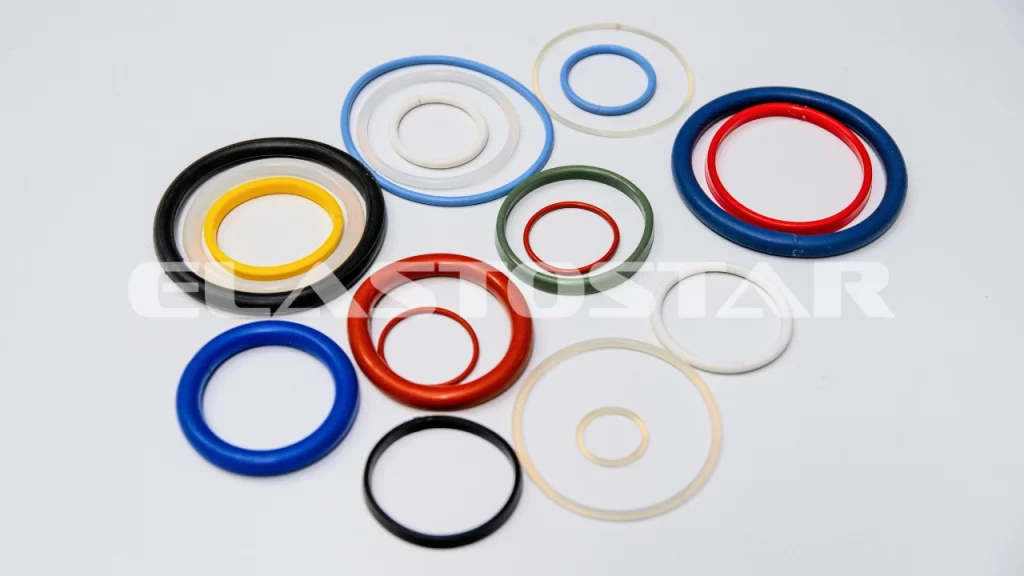
Engineering Capability: Precision-Driven Development for Silicone Picking Pads
At Suzhou Baoshida Trading Co., Ltd., our engineering capability forms the backbone of our industrial rubber solutions, particularly in the design and production of high-performance silicone picking pads. With a dedicated team comprising five experienced mould engineers and two specialized rubber formula engineers, we maintain full in-house control over material development, tooling design, and process optimization. This integrated technical structure enables us to deliver OEM solutions that meet exacting performance standards across semiconductor, electronics, and precision assembly applications.
Our formula engineers focus on tailoring silicone compounds to achieve precise mechanical, thermal, and surface properties. By adjusting polymer base selection, filler composition, cross-linking density, and additives, we develop custom formulations that balance tack force, compression set resistance, thermal stability (up to 250°C), and non-contaminating behavior. These formulations are validated through accelerated aging tests, Shore A hardness profiling, and adhesion cycle testing under controlled humidity and temperature conditions.
Complementing material science expertise, our five mould engineers specialize in high-precision steel and aluminum tooling for silicone compression, transfer, and injection moulding. They utilize advanced CAD/CAM software (SolidWorks, AutoCAD, UG NX) to design multi-cavity moulds with tight tolerances (±0.02 mm), optimized venting, and uniform heat distribution. Finite element analysis (FEA) is routinely applied to predict material flow and minimize defects such as voids or incomplete curing. All moulds undergo rigorous trial runs and dimensional validation before mass production.
We support full OEM service integration, from technical consultation and 3D prototyping to batch manufacturing and quality documentation. Our clients benefit from rapid turnaround on custom geometries, including micro-textured contact surfaces, stepped profiles, and multi-durometer constructions. Every project follows a structured New Product Introduction (NPI) process with Design Failure Mode and Effects Analysis (DFMEA) and Process Capability (Cp/Cpk) reporting.
The following table outlines key technical specifications achievable with our current engineering and production platform:
| Parameter | Standard Capability | Maximum Precision Range |
|---|---|---|
| Durometer Range (Shore A) | 20–80 | ±2 Shore units |
| Thickness Tolerance | ±0.1 mm | ±0.02 mm (with gauge control) |
| Operating Temperature | -40°C to +250°C | Intermittent up to 300°C |
| Dimensional Accuracy | ±0.15 mm | ±0.02 mm (CNC-machined moulds) |
| Cycle Life (Adhesion Retention) | >50,000 cycles | >100,000 cycles (optimized) |
| Surface Roughness (Ra) | 0.8–3.2 μm | 0.4 μm (polished mould) |
| Customization Lead Time (T1) | 15–25 days (design to prototype) | Based on complexity |
This engineering synergy between material formulation and precision tooling allows Suzhou Baoshida to deliver silicone picking pads that ensure repeatable pick-and-place performance, minimal particle generation, and extended service life. We remain committed to technical excellence and collaborative innovation in every OEM partnership.
Customization Process
Customization Process for Precision Silicone Picking Pads
At Suzhou Baoshida Trading Co., Ltd., our customization process for silicone picking pads begins with rigorous engineering collaboration to ensure absolute alignment with client specifications and application demands. This systematic approach guarantees functional reliability in high-precision environments such as semiconductor handling and optical assembly, where dimensional stability, chemical resistance, and particulate control are non-negotiable.
Drawing Analysis
Initial engagement focuses on dissecting client-provided technical drawings per ASME Y14.5 standards. Our engineering team scrutinizes geometric dimensioning and tolerancing (GD&T), surface finish requirements (Ra ≤ 0.8 µm), and critical feature callouts. We validate material compatibility against target substrates (e.g., silicon wafers, glass lenses) and operating environments, including exposure to solvents, UV radiation, or temperatures from -60°C to 230°C. Any ambiguities or potential manufacturability conflicts are resolved through direct consultation, ensuring design integrity before material selection.
Formulation Development
Leveraging our in-house polymer science expertise, we engineer bespoke silicone compounds tailored to the application’s mechanical and thermal demands. Base polymers are modified with precision-additive packages to achieve target properties: platinum-catalyzed addition curing for low compression set, fumed silica reinforcement for tensile strength, and ultra-pure fillers to meet ISO Class 5 cleanroom standards. Formulations are optimized for critical parameters such as Shore A hardness (40–80 durometer), elongation at break (≥400%), and outgassing performance (ASTM E595). This phase includes computational modeling of flow dynamics to ensure defect-free molding.
Prototyping & Validation
Short-run prototypes are produced using client-approved tooling under controlled cleanroom conditions (Class 10,000). Each unit undergoes stringent validation:
Dimensional verification via CMM (±0.05 mm tolerance)
Adhesion testing per ASTM D3330
Thermal cycling (-60°C to 200°C, 100 cycles)
Particle generation analysis (≥0.5 µm particles < 50/cm²)
Client feedback drives iterative refinements, with material adjustments documented in full traceability reports.
Mass Production
Upon prototype sign-off, we transition to scalable production with embedded quality gates. Automated molding presses operate under ISO 9001-certified protocols, with real-time monitoring of cure time, pressure, and temperature. Every batch undergoes first-article inspection and routine lot testing per AQL 1.0. Final packaging adheres to ESD-safe and moisture-barrier standards, with full material certifications (RoHS, REACH) supplied. Our process consistently delivers >99.5% yield rates at volumes from 1,000 to 500,000 units monthly.
Key performance specifications for custom formulations are summarized below:
| Parameter | Standard Spec | Custom Capability | Test Method |
|---|---|---|---|
| Hardness (Shore A) | 50 ±5 | 40–80 ±3 | ASTM D2240 |
| Tensile Strength | 8.0 MPa min | 6.0–12.0 MPa | ASTM D412 |
| Elongation at Break | 400% min | 300–600% | ASTM D412 |
| Compression Set | 20% max (22h, 150°C) | ≤15% | ASTM D395 |
| Thermal Range | -50°C to 200°C | -60°C to 230°C | ISO 376 |
This end-to-end methodology ensures silicone picking pads that maximize equipment uptime and product yield, underpinned by Suzhou Baoshida’s commitment to industrial-grade precision and OEM partnership.
Contact Engineering Team
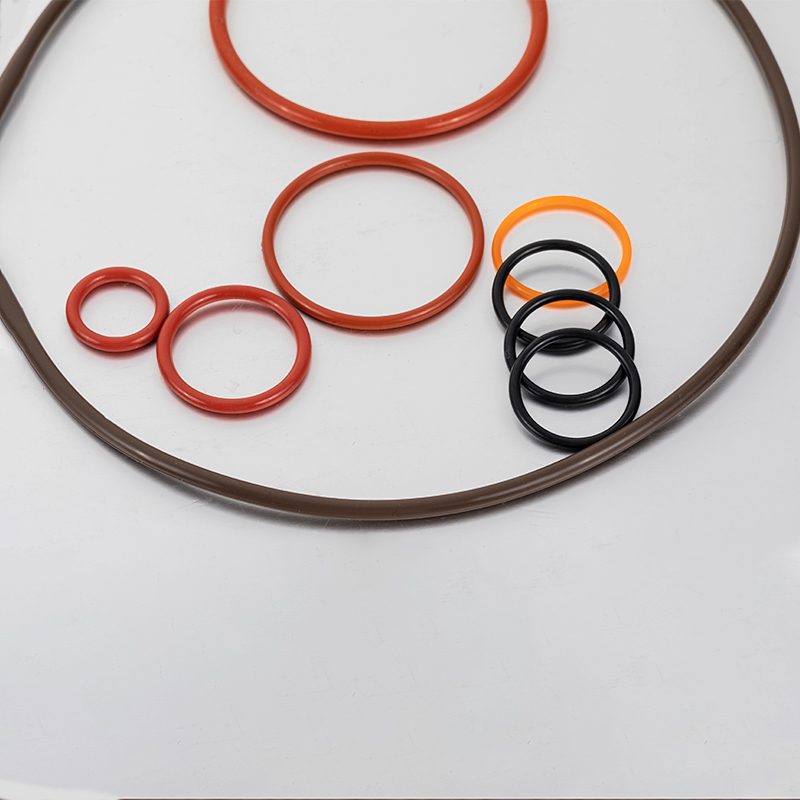
For precision-critical applications in automated handling and component placement, the performance of your silicone picking pad directly impacts yield, repeatability, and equipment uptime. At Suzhou Baoshida Trading Co., Ltd., we specialize in engineered industrial rubber solutions tailored to the exacting demands of semiconductor packaging, SMT assembly, die bonding, and precision optics handling. Our silicone picking pads are formulated for optimal tack, thermal stability, and mechanical resilience—ensuring reliable pick-and-place operations across thousands of cycles.
We understand that no two production environments are identical. Whether you are handling ultra-thin wafers, delicate LED dies, or high-temperature substrates, our technical team works closely with OEMs and end-users to customize durometer, surface finish, geometry, and adhesive backing to match your equipment and process parameters. Our formulations are tested under real-world conditions to deliver consistent vacuum integrity, minimal particle generation, and long service life—even in cleanroom environments rated ISO Class 5 and above.
To ensure seamless integration, we maintain strict process control from raw material selection to final inspection. Each silicone picking pad is manufactured using platinum-cured silicone rubber, offering superior purity, aging resistance, and dimensional stability compared to peroxide-cured alternatives. Our production capabilities support rapid prototyping, high-volume manufacturing, and full traceability per IATF 16949 and ISO 9001 standards.
Below are representative specifications for our standard silicone picking pad series. Custom configurations are available upon request.
| Parameter | Value/Range |
|---|---|
| Material | Platinum-cured silicone rubber |
| Hardness (Shore A) | 10–80 (customizable) |
| Temperature Resistance | -60°C to +250°C (short-term up to +300°C) |
| Tensile Strength | ≥6.0 MPa |
| Elongation at Break | ≥400% |
| Compression Set (22 hrs, 150°C) | ≤20% |
| Surface Finish | Smooth, matte, patterned, or custom etch |
| Adhesive Backing | Optional (acrylic or silicone-based) |
| Cleanroom Compatibility | ISO Class 5 and above |
| Electrical Properties | Insulative (volume resistivity >1×10¹⁴ Ω·cm) |
Partnering with Suzhou Baoshida means gaining access to deep materials expertise, responsive manufacturing, and dedicated technical support. We do not offer off-the-shelf compromises—we deliver engineered solutions aligned with your operational requirements.
For technical consultation, sample requests, or to discuss custom development, contact Mr. Boyce directly at [email protected]. Our engineering team is prepared to review your application data, provide material recommendations, and support qualification testing to ensure optimal performance. Response time for all inquiries is within 12 business hours. Let us help you enhance the reliability and efficiency of your automated handling systems with precision silicone picking pads built to perform.
⚖️ O-Ring Weight Calculator
Estimate rubber O-ring weight (Approx).