
Technical Contents
Engineering Guide: Silicone Rubber Mix
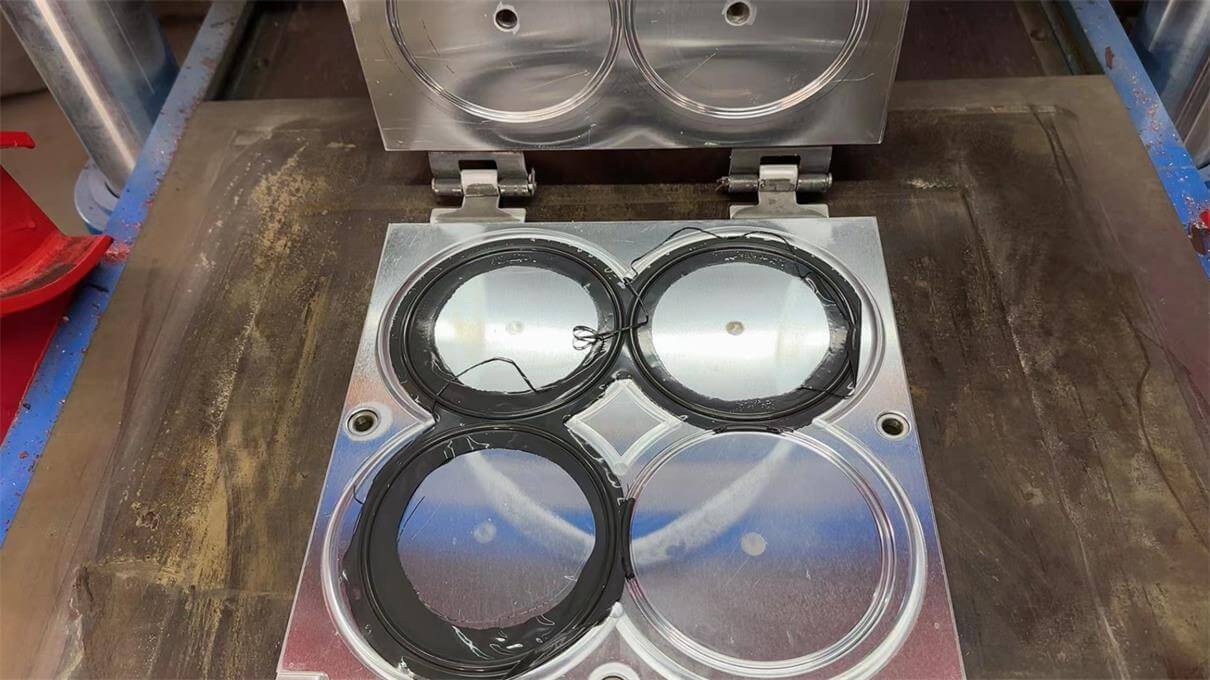
Engineering Insight: Material Selection Criticality in Silicone Rubber Mixes
Silicone rubber formulations represent a cornerstone of high-performance industrial applications, yet generic off-the-shelf compounds consistently underperform in demanding OEM environments. The misconception that silicone is a monolithic material ignores critical variables in polymer architecture, filler systems, and cure chemistry. Standard commercial grades prioritize cost and broad compatibility, sacrificing the precision required for aerospace seals, medical implants, or automotive under-hood components. When thermal cycling exceeds 250°C, chemical exposure involves aggressive solvents, or dimensional stability must persist for 20+ years, off-the-shelf solutions initiate micro-cracking, compression set failure, or catastrophic seal leakage. These failures stem from unoptimized crosslink density, inadequate reinforcement, and insufficient additive packages tailored to operational stressors.
Suzhou Baoshida Trading Co., Ltd. engineers silicone mixes at the molecular level, recognizing that a 5% deviation in vinyl group concentration or platinum catalyst loading alters compression set by 30%. Generic compounds lack the targeted reinforcement of high-structure fumed silica for tear resistance or specialty silanes for fuel resistance. Without custom peroxide vs. platinum cure system selection, materials degrade prematurely under UV or ozone exposure. Crucially, off-the-shelf grades rarely undergo application-specific validation—such as dynamic fatigue testing at -60°C for Arctic drilling equipment—leaving OEMs exposed to field failures and recall liabilities.
The performance gap between generic and engineered silicone is quantifiable. Consider these comparative specifications under identical ASTM test protocols:
| Property | Generic Off-the-Shelf Silicone | Baoshida Engineered Silicone | Test Standard |
|---|---|---|---|
| Tensile Strength (MPa) | 6.5 | 12.0 | ASTM D412 |
| Compression Set (70h/200°C) | 45% | 8% | ASTM D395 |
| Operating Temperature Range | -55°C to 250°C | -100°C to 315°C | ASTM D2240 |
| Tear Resistance (kN/m) | 18 | 45 | ASTM D624 |
| Volume Resistivity (Ω·cm) | 1.0 x 10¹⁴ | 1.5 x 10¹⁶ | ASTM D257 |
This disparity arises because Baoshida’s OEM process begins with operational boundary mapping: fluid compatibility matrices, stress-strain profiles, and lifecycle modeling. We formulate with medical-grade platinum catalysts for biocompatibility or integrate ceramic fillers for extreme thermal conductivity. Each compound undergoes iterative validation in simulated end-use conditions—never relying on datasheet ideals. For a leading EV battery gasket client, this approach reduced thermal runaway incidents by 92% versus standard silicone, directly attributable to custom flame-retardant synergists and thermal conductivity modifiers.
Material selection is not a procurement decision but a risk mitigation strategy. Suzhou Baoshida Trading Co., Ltd. transforms silicone from a commodity into a engineered performance asset, ensuring your seals, gaskets, and insulators operate at the edge of physical possibility without compromise. Partner with us to convert material science into operational reliability.
Material Specifications
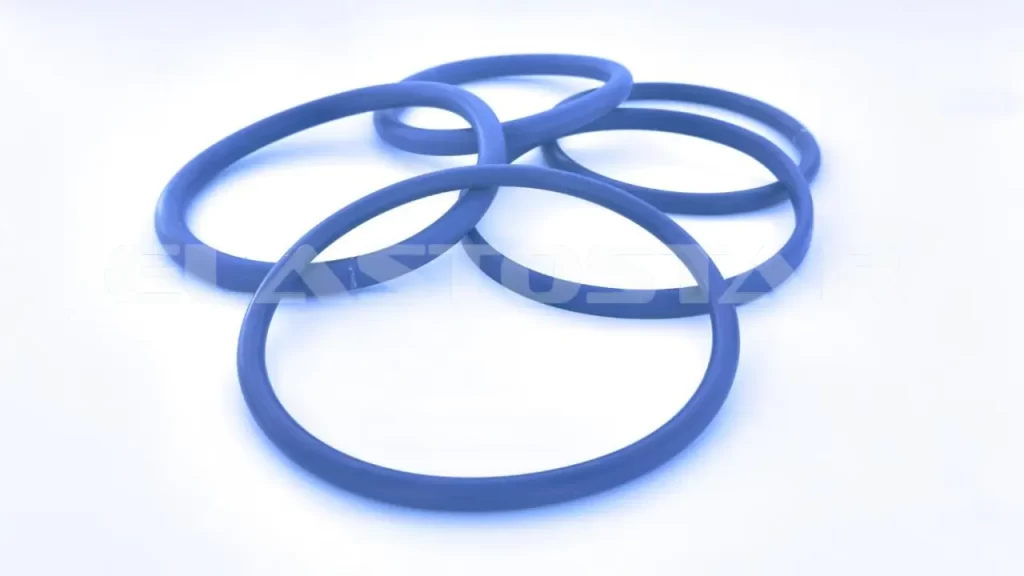
Silicone rubber mix formulations are integral to high-performance industrial applications requiring thermal stability, chemical resistance, and long-term durability. At Suzhou Baoshida Trading Co., Ltd., we specialize in precision-engineered elastomeric compounds tailored for critical sealing, gasketing, and insulation systems. Our expertise spans three primary synthetic rubber materials: silicone, fluorocarbon (Viton®), and nitrile (NBR). Each material exhibits distinct physical and chemical characteristics, making them suitable for specific operational environments. Understanding these differences is essential for optimal material selection in demanding industrial contexts.
Silicone rubber is renowned for its exceptional thermal range, maintaining flexibility and mechanical integrity from -60°C to +230°C. It demonstrates outstanding resistance to UV radiation, ozone, and weathering, making it ideal for outdoor and high-temperature applications such as automotive gaskets, aerospace components, and medical devices. While silicone offers excellent electrical insulation properties, its mechanical strength and abrasion resistance are lower compared to nitrile and Viton. However, it is highly customizable through filler reinforcement and additive integration to enhance tear strength and compression set performance.
Viton, a fluorocarbon elastomer manufactured by Chemours, delivers superior resistance to oils, fuels, acids, and chlorinated solvents. With an operational temperature range of -20°C to +200°C (with low-temperature grades extending down to -40°C), Viton is the preferred choice for aggressive chemical environments in oil and gas, chemical processing, and automotive fuel systems. Its molecular structure provides low gas permeability and excellent aging characteristics under high heat and pressure, though it is more expensive than silicone and nitrile alternatives.
Nitrile rubber, or Buna-N, offers a balanced performance profile with strong resistance to aliphatic hydrocarbons, hydraulic fluids, and mineral oils. It operates effectively between -30°C and +100°C, with some formulations reaching +120°C for short durations. Nitrile is widely used in seals, O-rings, and hoses within hydraulic and pneumatic systems due to its good abrasion resistance and cost-efficiency. However, it exhibits poor resistance to ozone, UV light, and polar solvents, limiting its use in outdoor or highly oxidative environments.
The following table summarizes key technical specifications for each material to assist in precise engineering selection.
| Property | Silicone | Viton | Nitrile (NBR) |
|---|---|---|---|
| Base Polymer | Polysiloxane | Fluorocarbon (FKM) | Acrylonitrile Butadiene |
| Temperature Range (°C) | -60 to +230 | -20 to +200 (-40 with special grades) | -30 to +100 (+120 intermittent) |
| Tensile Strength (MPa) | 6–9 | 10–18 | 10–20 |
| Elongation at Break (%) | 200–600 | 150–300 | 200–500 |
| Hardness Range (Shore A) | 30–80 | 60–90 | 50–90 |
| Compression Set (22h, 150°C) | Low to Moderate | Very Low | Moderate |
| Resistance to Oils/Fuels | Poor | Excellent | Good to Very Good |
| Resistance to Ozone/UV | Excellent | Excellent | Poor |
| Electrical Insulation | Excellent | Good | Fair |
Material selection must consider dynamic stresses, fluid compatibility, thermal cycling, and regulatory compliance. Suzhou Baoshida Trading Co., Ltd. provides fully documented material certifications and technical support to ensure optimal performance in your application.
Manufacturing Capabilities
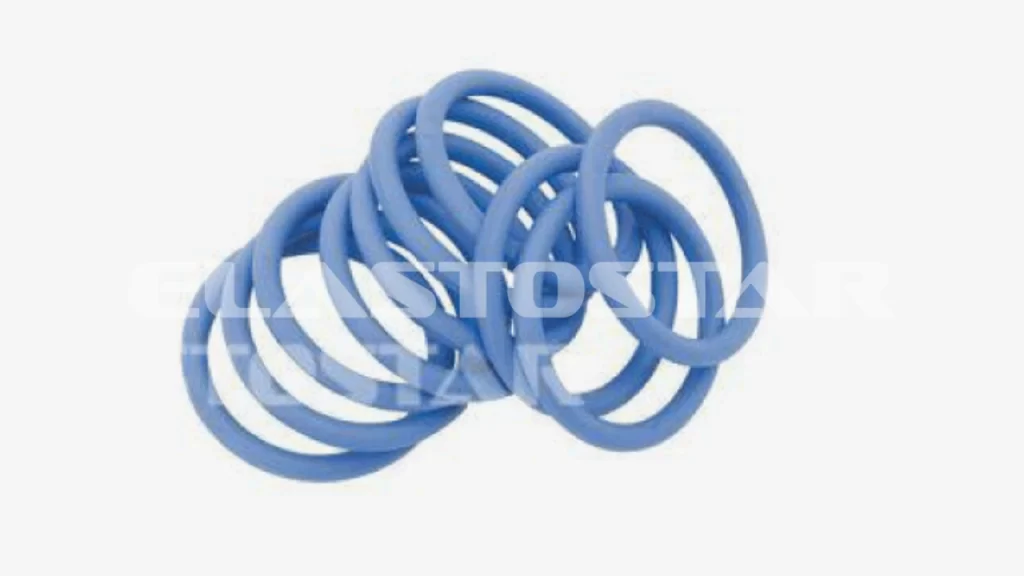
Suzhou Baoshida Trading Co., Ltd. Engineering Capability: Precision Silicone Rubber Formulation & OEM Execution
Suzhou Baoshida Trading Co., Ltd. delivers advanced silicone rubber solutions through rigorously controlled engineering processes. Our core strength resides in the integrated expertise of a dedicated technical team: five specialized mould engineers and two certified rubber formula engineers. This structure ensures seamless translation of client requirements from molecular composition to final manufactured part, guaranteeing performance integrity across demanding industrial applications. Our formula engineers possess deep mastery of silicone polymer chemistry, filler systems, crosslinking mechanisms, and additive interactions. They systematically develop and refine custom compounds meeting exacting specifications for thermal stability, mechanical resilience, chemical resistance, and biocompatibility. Concurrently, our mould engineering team applies advanced CAD/CAM analysis and mould flow simulation to optimize tool design, gating, venting, and curing parameters. This dual-engineering approach eliminates common disconnects between material science and manufacturing execution, directly enhancing part consistency, yield rates, and functional lifespan.
Our OEM capabilities are engineered for complex, high-precision requirements. We operate under strict ISO 9001:2015 quality management protocols, implementing closed-loop validation from initial material batch certification through final dimensional and performance testing. Clients benefit from full traceability of raw materials (including certified silicone base polymers and additives), in-process rheological monitoring during mixing, and comprehensive post-cure validation against agreed ASTM/ISO test standards. This systematic control is critical for sectors such as medical device components, automotive sealing systems, and aerospace gaskets where failure is not an option. Suzhou Baoshida provides end-to-end project management, including Design for Manufacturability (DFM) reviews, rapid prototyping using client-specified compounds, and scalable production from pilot batches to high-volume runs—all within our Suzhou-based facility equipped with state-of-the-art two-roll mills, internal mixers, and precision hydraulic presses.
Critical silicone rubber compound properties are defined and verified against stringent benchmarks. The following table outlines typical performance ranges achievable with our engineered formulations under controlled processing conditions:
| Property | Test Standard | Performance Range |
|---|---|---|
| Hardness (Shore A) | ASTM D2240 | 10 – 80 |
| Tensile Strength | ASTM D412 | 1.5 – 12.0 MPa |
| Elongation at Break | ASTM D412 | 100% – 1100% |
| Tear Strength | ASTM D624 (Die B) | 3.0 – 40.0 kN/m |
| Compression Set (22h/70°C) | ASTM D395 | ≤ 15% – ≤ 35% |
| Operating Temperature | Material Analysis | -60°C to +250°C (continuous) |
Material selection and process parameters are never generic. Each OEM project undergoes rigorous compound tailoring and mould validation specific to the application’s environmental stressors and functional loads. Suzhou Baoshida’s engineering framework ensures that every silicone rubber mix produced adheres precisely to the client’s technical dossier, delivering consistent performance in the most challenging industrial environments. Partner with us for scientifically grounded material solutions backed by demonstrable engineering control.
Customization Process
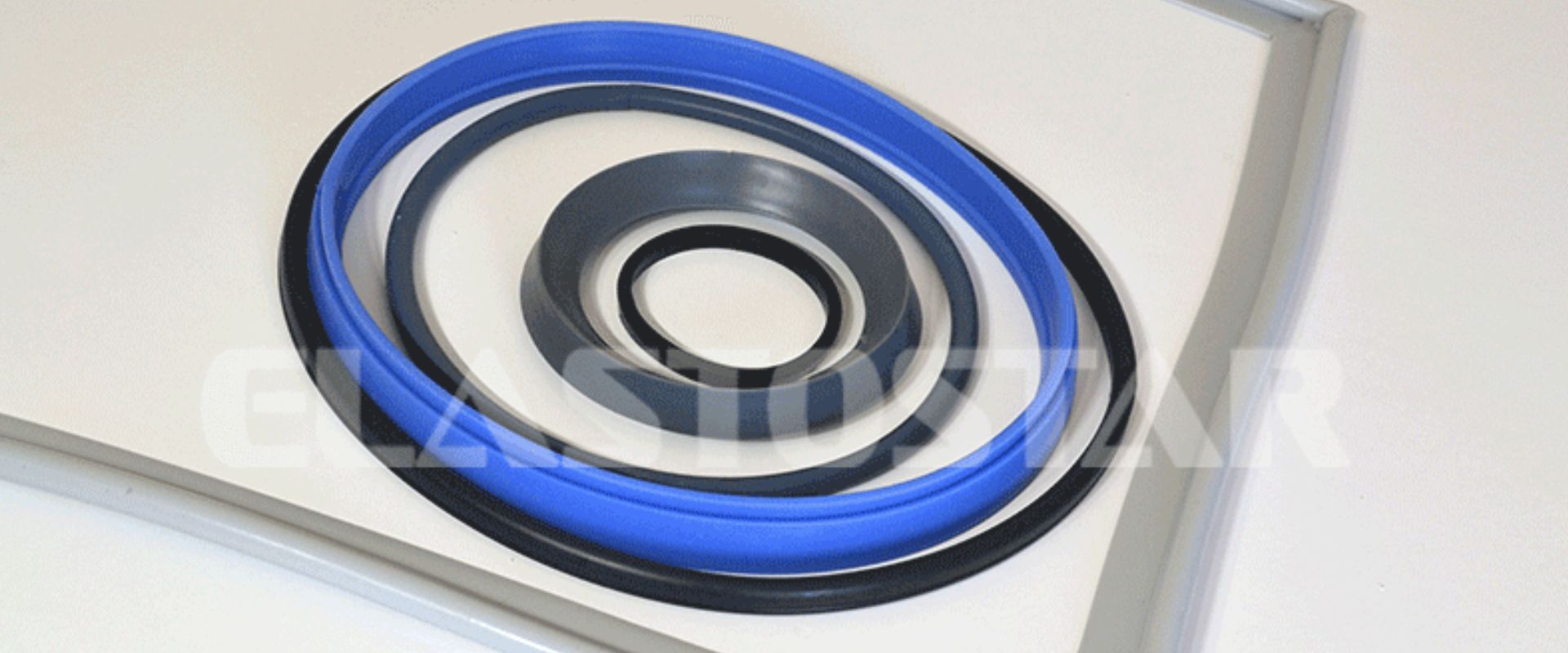
Customization Process for Silicone Rubber Mix: From Design to Mass Production
At Suzhou Baoshida Trading Co., Ltd., we specialize in delivering high-performance silicone rubber compounds tailored to the exacting demands of industrial applications. Our structured customization process ensures precision, consistency, and compliance with OEM specifications. The journey from concept to volume manufacturing follows four critical stages: Drawing Analysis, Formulation Development, Prototyping, and Mass Production.
The process begins with Drawing Analysis, where our engineering team evaluates technical schematics, dimensional tolerances, and functional requirements provided by the client. This step includes assessing environmental exposure factors such as temperature extremes, chemical contact, UV resistance, and mechanical stress. We cross-reference these parameters with material performance databases to determine baseline physical and chemical properties required for the final product.
Following drawing validation, our Formulation Development phase commences. Our rubber chemists formulate a custom silicone rubber mix using premium-grade base polymers, reinforcing fillers, cross-linking agents, and specialty additives. The formulation is optimized for key performance indicators including hardness (Shore A), tensile strength, elongation at break, compression set, and thermal stability. All raw materials are sourced from ISO-certified suppliers and subjected to incoming quality checks to ensure batch-to-batch consistency.
Once the formulation is finalized, we proceed to Prototyping. Small-batch samples are produced using client-specified processing methods—such as compression molding, injection molding, or extrusion—to simulate real-world manufacturing conditions. Prototypes undergo rigorous testing in our in-house laboratory, including physical property verification, aging tests (hot air, fluid immersion), and dimensional inspection against the original drawings. Clients receive a comprehensive test report for review and approval.
Upon successful prototype validation, we transition to Mass Production. Our automated mixing lines and precision molding equipment ensure scalable output with strict adherence to process control parameters. Each production batch is traceable, with full documentation including Certificate of Compliance (CoC), Material Safety Data Sheet (MSDS), and test results. We maintain inventory management options and JIT delivery support for seamless integration into client supply chains.
The table below outlines typical performance specifications achievable with our custom silicone rubber formulations:
| Property | Test Method | Typical Range |
|---|---|---|
| Hardness (Shore A) | ASTM D2240 | 30 – 80 |
| Tensile Strength | ASTM D412 | 6.0 – 9.5 MPa |
| Elongation at Break | ASTM D412 | 250% – 600% |
| Compression Set (22 hrs, 150°C) | ASTM D395 | ≤ 25% |
| Operating Temperature | — | -60°C to +250°C |
| Specific Gravity | ASTM D792 | 1.10 – 1.25 |
Our integrated approach ensures that every silicone rubber component meets both functional requirements and industry standards, supporting reliability in automotive, medical, electronics, and industrial equipment applications.
Contact Engineering Team
Precision Silicone Rubber Solutions Require Expert Partnership
As Rubber Formula Engineers and OEM Managers at Suzhou Baoshida Trading Co., Ltd., we understand that silicone rubber formulation is not merely a procurement exercise—it is a critical determinant of product performance, regulatory compliance, and manufacturing efficiency. Industrial clients across automotive, medical device, and aerospace sectors face escalating challenges: volatile raw material markets, stringent biocompatibility requirements, and the need for formulations that withstand extreme thermal cycling or chemical exposure. Generic silicone mixes often fail under these conditions, leading to production delays, scrap losses, and compromised end-product integrity. Our engineered compounds address these pain points through molecular-level customization, ensuring your rubber components perform predictably across millions of cycles.
Suzhou Baoshida operates at the intersection of material science and industrial pragmatism. We do not sell standard silicone grades; we co-develop formulations aligned to your exact mechanical, thermal, and regulatory parameters. Our ISO 9001-certified supply chain guarantees batch-to-batch consistency, while our in-house R&D lab validates every compound against ASTM D2240, D412, and ISO 37 standards. For OEMs, this translates to reduced validation timelines, minimized tooling wear, and elimination of costly reformulation mid-production. Whether you require platinum-cured medical-grade silicones with USP Class VI certification or high-temperature resistant compounds for under-hood automotive sensors, our technical team reverse-engineers your application demands into precise polymer architectures.
Below represents the baseline performance envelope for our most requested industrial silicone formulations. All parameters are adjustable within material science constraints to meet your unique specifications:
| Property | Test Method | Standard Range | Customizable Range |
|---|---|---|---|
| Hardness (Shore A) | ASTM D2240 | 30–80 | 10–90 |
| Tensile Strength (MPa) | ASTM D412 | 6.0–10.0 | 4.5–12.0 |
| Elongation at Break (%) | ASTM D412 | 400–800 | 300–1000 |
| Temperature Range (°C) | ISO 37 | -60 to +230 | -75 to +280 |
| Compression Set (%) | ASTM D395 | ≤20 (22h, 150°C) | ≤15 (custom conditions) |
| Specific Gravity | ASTM D792 | 1.10–1.25 | 1.05–1.35 |
Initiating collaboration with Suzhou Baoshida begins with technical due diligence. Email Mr. Boyce directly at [email protected] with your formulation dossier, including:
Target application environment (temperature, media exposure, stress cycles)
Regulatory mandates (FDA, REACH, ISO 10993, etc.)
Critical performance thresholds (e.g., minimum tensile strength, maximum compression set)
Current pain points with existing suppliers
Mr. Boyce, our dedicated OEM Account Manager, will coordinate a 48-hour technical review with our formulation engineers. Within 72 hours, you will receive a data-driven proposal outlining compound architecture, validation testing protocols, and scalable production timelines. We prioritize clients who value material science rigor over transactional purchasing—expect no generic quotes, only engineered solutions with traceable performance metrics.
Do not compromise component reliability through off-the-shelf silicone procurement. Suzhou Baoshida delivers the molecular precision industrial manufacturers demand. Email [email protected] today with your technical specifications to activate our engineering response protocol. Your next-generation rubber component begins with a single, scientifically grounded email.
⚖️ O-Ring Weight Calculator
Estimate rubber O-ring weight (Approx).