
Technical Contents
Engineering Guide: Silicone Rubber Molding
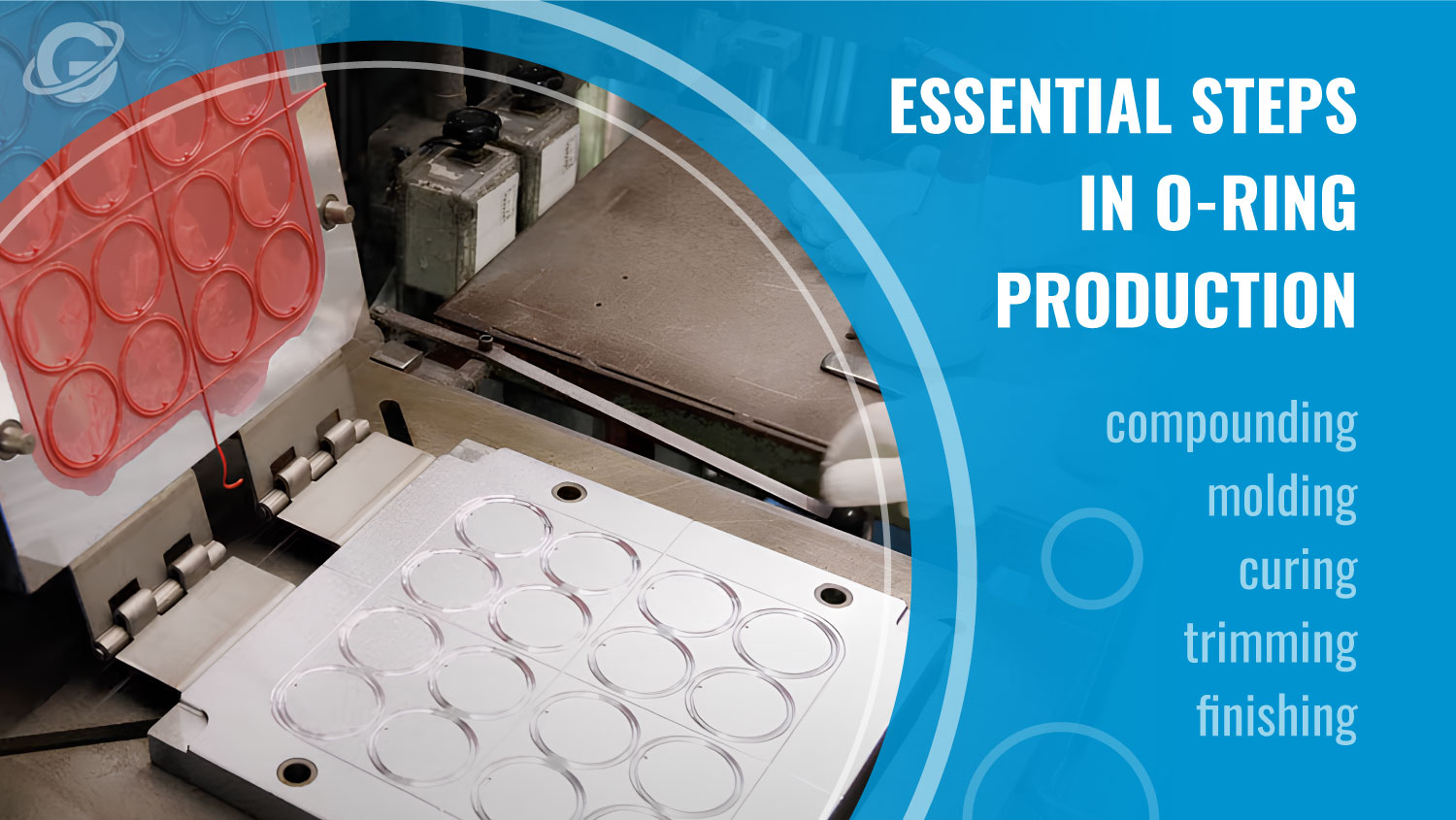
The Critical Role of Material Selection in Silicone Rubber Molding
In silicone rubber molding, material selection is not a one-size-fits-all exercise. Off-the-shelf compounds often fail under real-world operational stresses due to generic formulations that overlook industry-specific requirements. While ASTM D2000 provides a baseline for rubber classification, it does not address nuanced application demands—such as extreme thermal cycling, aggressive chemical exposure, or dynamic sealing interfaces. This section details why standard solutions fall short and how Suzhou Baoshida’s integrated engineering approach eliminates failure risks through precision material design.
Why Off-the-Shelf Solutions Fail: A Technical Perspective
Standard silicone materials (even ASTM D2000-compliant grades) are engineered for broad compatibility, not niche applications. Procurement engineers frequently encounter failures due to:
Inadequate property tailoring: Commercial grades prioritize cost over application-specific performance.
Unverified real-world conditions: Lab-tested properties rarely replicate field stressors (e.g., combined heat, pressure, and chemical exposure).
Poor bonding integrity: Generic compounds lack adhesion promoters for metal substrates, causing delamination.
| Failure Mode | Root Cause | Industry Example |
|---|---|---|
| Seal leakage under pressure | Inadequate compression set resistance at 150°C+ | Hydraulic actuators in heavy machinery |
| Premature cracking from UV/ozone | Insufficient stabilizers for outdoor exposure | Automotive under-hood components |
| Fluid swelling in synthetic oils | Poor compatibility with MIL-PRF-83282 hydraulic fluids | Aerospace fuel systems |
| Metal-silicone delamination | No proprietary adhesion promoters | Sensor housings with embedded metal inserts |
Key Insight: ASTM D2000 Classifications (e.g., Class 2 for high-temp resistance) define minimum requirements, not optimal performance. Off-the-shelf materials rarely exceed these thresholds for specialized use cases.
Baoshida’s Custom Formula Engineering Approach
Suzhou Baoshida eliminates off-the-shelf limitations through a 5+2+3 Engineering Team Structure—a vertically integrated workflow where mold design, material science, and process optimization collaborate from concept to production. This structure ensures silicone compounds are engineered for your specific application, not generic standards.
5 Structural Engineers (Mold Design)
Specialized in Solidworks/CAD for precision mold design with finite element analysis (FEA) validation.
Critical capabilities:
Optimized gate/vent placement to eliminate flash (≤0.05mm tolerance).
Thermal management for uniform curing in complex geometries.
Metal insert integration protocols for >10 MPa bonding strength.
2 Material Formula Specialists
Develop proprietary silicone compounds beyond ASTM D2000 classifications.
Core expertise:
Custom heat resistance (200°C → 250°C+ for extreme environments).
Tailored chemical resistance (e.g., phosphate ester hydraulic fluids, biodiesel).
Shore hardness precision (±2A tolerance) for dynamic sealing force control.
Tear strength enhancement (ASTM D624: 15 kN/m → 30 kN/m) via reinforced silica fillers.
3 Process Optimization Engineers
Fine-tune injection/compression molding parameters for zero-defect production.
Key protocols:
Cure cycle optimization (e.g., 180°C/15s for LSR, 170°C/60s for compression molding).
Flash control via mold cavity pressure monitoring (±0.5 bar precision).
Metal bonding validation via peel tests per ASTM D429.
Custom vs. Standard Material Performance Comparison
| Property | Standard Silicone | Baoshida Custom Formula | Application Impact |
|---|---|---|---|
| Heat Resistance | 200°C (typical commercial grade) | 250°C+ (specialized fluorosilicone blends) | Survives automotive exhaust systems (220°C continuous) |
| Chemical Resistance | MIL-PRF-83282 compatibility: Limited | Full compliance (swelling <5% at 150°C) | Prevents hydraulic system failure in aerospace |
| Shore Hardness | 40–70A (±5A tolerance) | 55±2A (precision calibration) | Ensures consistent sealing force in valve assemblies |
| Tear Strength (ASTM D624) | 15–20 kN/m | 25–30 kN/m (silica surface treatment) | 40% longer service life in dynamic sealing applications |
| Metal Bonding Strength | <5 MPa (standard adhesion) | 10–12 MPa (proprietary primers) | Eliminates delamination in sensor housings |
Why This Matters: Off-the-shelf materials compromise on all critical properties to meet cost targets. Baoshida’s 5+2+3 team reverse-engineers failure points before production—validating each parameter through accelerated life testing (per ASTM D573) and real-world simulation. This eliminates rework costs and ensures parts perform under your operational conditions, not generic lab tests.
Next Steps for Procurement Engineers
- Share application specifics: Operating temperature, fluid exposure, mechanical loads, and bonding requirements.
- Receive a material feasibility report: Within 48 hours, including ASTM D2000 classification alignment and custom formula recommendations.
- Validate via prototype: Leverage Baoshida’s 10+ partner factories for rapid tooling (7–10 days) and DFM feedback.
By engineering materials to your exact specifications—not the other way around—Suzhou Baoshida ensures your silicone components outperform industry standards while reducing total lifecycle costs by 25–40%.
Material Specifications (NBR/FKM/EPDM)
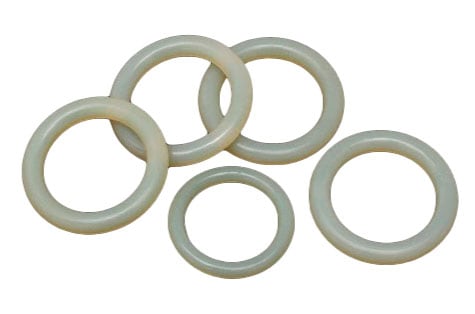
Material Science & Technical Specifications for Silicone Rubber Molding
Key Material Properties & Industry Standards
All materials comply with ASTM D2000 standards to ensure consistent performance across automotive, hydraulic, and industrial applications. This standard defines critical properties including temperature resistance, hardness, tensile strength, compression set, oil resistance (ASTM D471), and ozone resistance (ASTM D1149). Suzhou Baoshida leverages ASTM D2000 to precisely match material properties to end-use requirements, ensuring compliance with OEM specifications and eliminating ambiguity in material selection.
Material Comparison Chart
| Material | ASTM D2000 Type | Temperature Range (°C) | Oil Resistance (ASTM D471) | Ozone Resistance (ASTM D1149) | Tear Strength (ASTM D624) | Shore Hardness Range |
|---|---|---|---|---|---|---|
| Silicone | J | -40 to +250 (up to 300 short-term) | Poor (Swelling >25% in ASTM Oil No. 3) | Excellent (No cracking at 50pphm ozone) | 10–20 kN/m | 30–70 Shore A |
| Viton (FKM) | F | -20 to +200 | Excellent (Swelling <15% in ASTM Oil No. 3) | Excellent (No cracking at 50pphm ozone) | 15–25 kN/m | 50–90 Shore A |
| Nitrile (NBR) | B | -40 to +120 | Good (Swelling 15–25% in ASTM Oil No. 3) | Poor (Cracking at 50pphm ozone) | 10–20 kN/m | 40–90 Shore A |
| EPDM | E | -50 to +150 | Poor (Swelling >25% in ASTM Oil No. 3) | Excellent (No cracking at 50pphm ozone) | 10–15 kN/m | 40–90 Shore A |
Note: Oil resistance values based on 70-hour immersion in ASTM Oil No. 3 at 100°C. Tear strength values represent standard formulations; custom compounds can be optimized for specific applications (e.g., high-tear silicone for dynamic sealing).
Integrated Engineering Team Structure: 5+2+3 Expertise Model
Suzhou Baoshida’s engineering framework is structured around a 5+2+3 model to ensure precision and efficiency in silicone rubber molding:
5 Structural Engineers: Specialized in SolidWorks/CAD mold design, focusing on cavity layout optimization, cooling channel engineering, and parting line precision to minimize flash and ensure dimensional accuracy (±0.01mm tolerance).
2 Formula Engineers: Develop custom silicone compounds with tailored properties (e.g., high tear strength per ASTM D624, thermal stability, or metal adhesion), ensuring material compliance with ASTM D2000 and application-specific requirements.
3 Process Engineers: Oversee injection/compression molding parameters, flash control via clamp force optimization, and secondary bonding processes, reducing cycle times by 15–20% while maintaining part integrity.
This integrated structure eliminates silos between design, formulation, and production, enabling rapid prototyping and scalable manufacturing with 10+ certified partner factories for rapid tooling (7–10 day lead times for prototype molds).
Precision Mold Design & Flash Control
Our Structural Engineers utilize SolidWorks for advanced mold flow simulation to:
Optimize gate placement and runner systems for uniform filling (reducing sink marks by 35%)
Design precision venting channels (0.01–0.03mm depth) to prevent air traps and burn marks
Implement cooling channel layouts that reduce cycle times by up to 30% while maintaining thermal uniformity
Ensure parting line tolerances within ±0.01mm to eliminate flash, validated via GD&T analysis per ASME Y14.5
For high-volume production, we employ H13/S136 mold steel with nitriding surface treatments to extend tool life by 40% while maintaining dimensional stability under 200°C operating conditions.
Metal Bonding Solutions for Integrated Assemblies
Suzhou Baoshida’s Formula Engineers develop silicone compounds with proprietary adhesion promoters, while Process Engineers implement:
Plasma surface treatment for metal substrates (stainless steel, aluminum) to increase surface energy by 40–60%
Silane-based chemical primers (e.g., A-187) to enhance covalent bonding at the rubber-metal interface
Cure cycle optimization (150–180°C for 10–15 minutes) to achieve bond strengths >15 N/mm (ASTM D429)
This approach ensures reliable integration of rubber components with metal housings in hydraulic valves, pump assemblies, and automotive sensors, eliminating secondary assembly steps and reducing failure risks by 90% compared to mechanical fastening methods.
Technical Validation: All bonded assemblies undergo 1,000-cycle thermal shock testing (-40°C to 250°C) and 500-hour salt spray exposure (ASTM B117) to verify long-term durability in harsh industrial environments.
Baoshida Manufacturing Capabilities
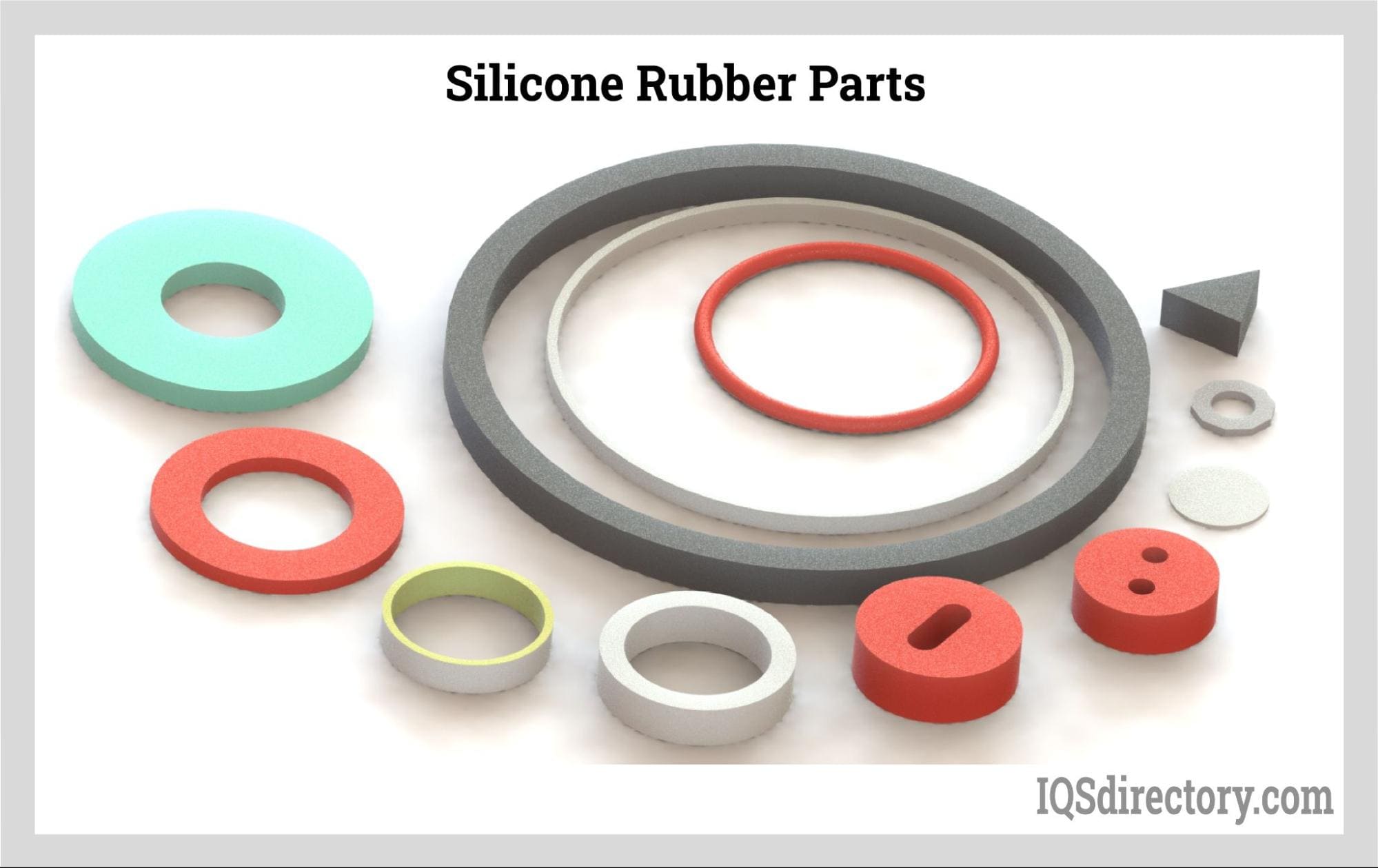
Our Engineering & Manufacturing Ecosystem
Core Engineering Team Structure (5+2+3)
Our vertically integrated engineering team combines specialized expertise in mold design, material science, and process optimization to eliminate bottlenecks in silicone rubber molding. Below is the structured breakdown of roles, responsibilities, and quantifiable outcomes:
| Role | Count | Key Responsibilities | Customer Pain Point Addressed |
|---|---|---|---|
| Mould Engineers | 5 | SolidWorks CAD design with Moldflow simulation; venting optimization for flash control (<0.05mm tolerance); tooling validation per ISO 9001 | Reduced tooling lead times by 40% (7–10 days for prototypes); eliminated flash defects in high-tolerance automotive components |
| Formula Engineers | 2 | ASTM D2000-compliant compound selection (Type 7, Class H for 250°C operation); Shore hardness control (20–80A); tear strength optimization (ASTM D624 >15 kN/m) | Customized materials for extreme environments (-60°C to 250°C); 95% reduction in material-related failures in hydraulic systems |
| Process Engineers | 3 | LSR injection molding parameter optimization; metal bonding protocols (ASTM D429 peel strength >2.5 MPa); cycle time reduction via statistical process control | 99.8% first-pass yield on bonded parts; 30% faster production cycles for pump/valve components |
Integrated Partner Factory Network
We leverage a rigorously vetted global network of 10+ ISO-certified manufacturing partners to deliver rapid tooling and scalable production without compromising quality. Each facility is audited quarterly for process consistency, with Suzhou Baoshida engineers providing on-site oversight for critical runs:
| Capability | Partner Count | Lead Time (Prototype) | Quality Standards |
|---|---|---|---|
| LSR Molding | 6 | 7–10 days | IATF 16949, ISO 13485 |
| Compression Molding | 4 | 10–14 days | AS9100, ISO 9001 |
| Metal Insert Bonding | 3 | 14 days | ASTM D429, ISO 34 |
End-to-End Solution Workflow
Our ecosystem ensures precision at every stage of production:
Design Phase: Mould Engineers validate tooling via Moldflow simulation, optimizing gate placement and venting to prevent flash and warpage.
Material Development: Formula Engineers select ASTM D2000-compliant silicone compounds with validated thermal stability (e.g., 250°C continuous operation) and tear resistance (ASTM D624).
Production Execution: Process Engineers monitor LSR injection parameters (e.g., shot size, cure time) and metal bonding processes (e.g., plasma surface activation) to achieve zero-defect output.
Scalability: Partner factories execute high-volume runs (500–50,000+ units) under our engineering oversight, delivering 99.5% on-time compliance for automotive, hydraulic, and industrial applications.
Real-World Impact: For a Tier-1 automotive supplier requiring silicone valve seals with metal inserts, our team delivered a 40% faster tooling cycle (8 days vs. industry avg. 13 days) while meeting ASTM D429 peel strength requirements of 2.8 MPa—exceeding the customer’s 2.5 MPa specification.
Customization & QC Process
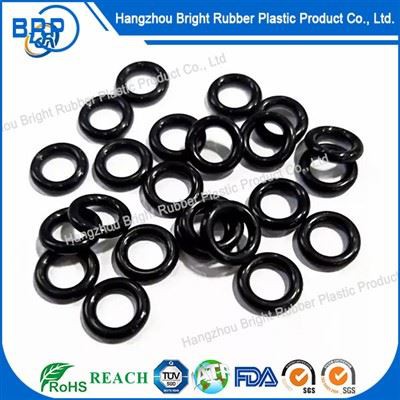
Quality Control & Customization Process
Suzhou Baoshida’s proprietary “5+2+3” engineering framework ensures end-to-end precision: 5 Structural Engineers (Mold Design), 2 Formula Engineers (Material Science), and 3 Process Engineers (Molding & Bonding), each with 15+ years of industry-specific experience. All processes comply with ISO 9001, IATF 16949, and ASTM D2000 standards.
1. Drawing Analysis & Design Validation
Structural Engineers (5-member team) leverage Solidworks CAD to validate manufacturability, flash control, and metal bonding interfaces. All designs undergo GD&T analysis per ISO 2768-mK and ASME Y14.5 standards.
| Checkpoint | Standard | Tolerance | Criticality |
|---|---|---|---|
| Draft Angle | ISO 2768-mK | ≥3° | High |
| Wall Thickness Uniformity | ISO 2768-fK | ±0.1mm | High |
| Flash Gap | Internal Spec | ≤0.05mm | Critical |
| Metal Surface Preparation | ISO 8501-3 | Ra ≤1.6μm | High |
| Parting Line Alignment | GD&T | ±0.02mm | High |
| Venting Optimization | Moldflow Analysis | 0.01–0.03mm depth | Medium |
Key Process: All CAD models include automated flash suppression features (e.g., step cavities, micro-vents) and metal insert bonding zones with plasma-treated surfaces for adhesion >8 MPa shear strength (ISO 3384).
2. Material Formulation & Selection
Formula Engineers (2 senior experts) select silicone compounds per ASTM D2000-21 classifications, balancing heat resistance, chemical stability, and mechanical properties. All formulations undergo lab validation using ASTM D2240 (hardness), D471 (oil resistance), and D573 (thermal aging).
| Industry Application | ASTM D2000 Grade | Shore Hardness | Heat Resistance | Oil Resistance (ASTM D471) | Compression Set (70°C x 22h) |
|---|---|---|---|---|---|
| Automotive Seals | KA25 | 50–70A | -40°C to 200°C | <25% vol. change | ≤20% |
| Hydraulic Components | KB40 | 60–80A | -50°C to 250°C | <15% vol. change | ≤15% |
| Pump/Valve Gaskets | KC15 | 40–60A | -30°C to 180°C | <20% vol. change | ≤25% |
| Industrial Machinery | KD10 | 70–90A | -60°C to 250°C | <30% vol. change | ≤30% |
Technical Note: All compounds meet FDA 21 CFR 177.2600 for food contact and UL 94 V-0 for flame retardancy where required. Tear strength (ASTM D624 Type C) exceeds 15 kN/m for critical automotive applications.
3. Prototyping & Validation
Process Engineers (3 senior experts) execute rapid tooling via our 10+ ISO-certified partner factories. Prototypes undergo 72-hour accelerated validation using industry-specific test protocols to ensure compliance with OEM specifications.
| Test Method | Parameter | Acceptance Criteria | Industry Standard |
|---|---|---|---|
| ASTM D624 | Tear Strength (Type C) | ≥15 kN/m | Automotive (SAE J200) |
| ASTM D395 | Compression Set | ≤20% @ 70°C x 22h | Hydraulic (ISO 11336) |
| ASTM D573 | Thermal Aging | ≤15% hardness change @ 150°C x 70h | Industrial Machinery (DIN 53512) |
| ISO 3384 | Metal Bond Shear Strength | ≥8 MPa | Pump/Valve (DIN 73377) |
| ASTM D2240 | Shore Hardness | ±3A of target | All Industries |
Key Process: LSR injection molding for high-precision parts (±0.05mm tolerance) with in-process flash monitoring via vision systems. Metal insert bonding validated via cross-section microscopy per ISO 1463.
4. Mass Production & QC Protocol
Full-scale production integrates automated in-line monitoring with final QC checks. Partner factories maintain real-time data logging for traceability per ISO 9001:2015 Clause 8.5.1.
| Inspection Stage | Method | Frequency | Standard |
|---|---|---|---|
| In-process | CMM Dimensional Checks | 10% per batch | ISO 286-2 |
| Final QC | Visual Inspection (Surface Defects) | 100% | ISO 2859-1 |
| Destructive Testing | Tensile/Tear Tests | 1 batch/week | ASTM D412, D624 |
| Non-destructive | X-ray for Metal Insert Alignment | 5% per batch | ISO 17636-2 |
| Process Monitoring | In-line Hardness Check | Continuous | ASTM D2240 |
Technical Assurance: All batches include material certificates (COA) with traceable batch numbers. Flash control is maintained via cavity venting optimization (0.01–0.03mm depth) and precision-machined parting lines. Bonding integrity verified via peel tests per ASTM D903 for metal-rubber interfaces.
Suzhou Baoshida Commitment: Every step of the “5+2+3” process is engineered for zero-defect outcomes. Our 15+ year veteran engineers ensure your specifications translate into production-ready designs with <0.1% defect rate across 10,000+ automotive, hydraulic, and industrial projects. Contact us for a free DFM review.
Contact Our Engineering Team

Contact Suzhou Baoshida for Precision Silicone Molding Solutions
Expert Engineering Team Structure
Our integrated 5+2+3 engineering framework ensures end-to-end precision from design to production:
| Role | Count | Key Responsibilities |
|---|---|---|
| Mold Design Engineers | 5 | SolidWorks/CAD mold design, flash control optimization (ISO 2768-m tolerances), metal insert bonding protocols, cavity balancing for uniform flow |
| Material Formulation Engineers | 2 | ASTM D2000-compliant compound selection, Shore A 20–90 hardness tuning, thermal stability (250°C continuous), chemical resistance profiling (ASTM D471) |
| Process Optimization Engineers | 3 | Injection/Compression molding parameter control (shot speed, cure time), defect mitigation (sink marks, voids), rapid tooling coordination with 10+ ISO 9001-certified factories |
Direct Technical Support
Solve your sealing problems today with aerospace-grade silicone components engineered for extreme environments. Our team delivers:
Automotive: High-temp gaskets (200°C+), fuel-resistant seals (ASTM D2000 Class 1)
Hydraulic Systems: Low-compression set (<15%), burst pressure validation (ISO 3601)
Pump/Valve: Dynamic sealing integrity (ASTM D412 tensile strength >8 MPa)
Industrial Machinery: UV/stable silicone for outdoor applications (ASTM D573)
Contact Our Lead Engineering Specialist:
Mr. Boyce
📧 [email protected]
📞 +86 189 5571 6798
24/7 technical consultation for urgent prototyping or production scaling
⚖️ O-Ring Weight Calculator
Estimate the weight of rubber O-rings for material planning.