
Technical Contents
Engineering Guide: Silicone Rubber Sealing Strip
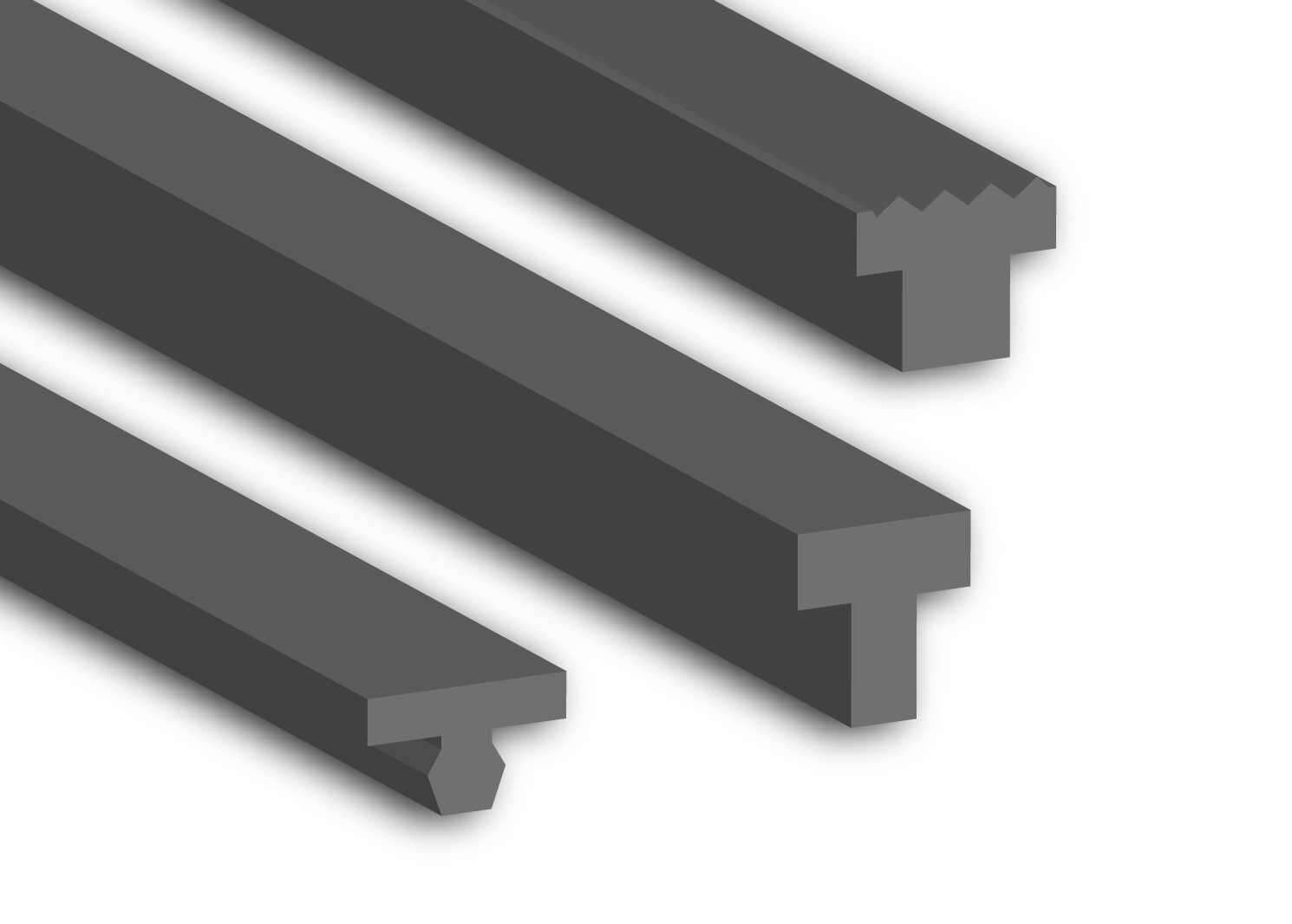
Engineering Insight: The Critical Role of Material Selection in Silicone Rubber Sealing Strips
In precision rubber sealing applications, the selection of raw material is not merely a procurement decision—it is a foundational engineering requirement. Silicone rubber sealing strips are deployed across aerospace, medical devices, automotive systems, and industrial enclosures where failure is not an option. While off-the-shelf silicone profiles may appear cost-effective, they frequently fall short in real-world performance due to unaddressed environmental stressors, mechanical loads, and chemical exposure. Generic solutions often assume uniformity in application, but in high-performance environments, even minor deviations in formulation can precipitate premature degradation, seal leakage, or system failure.
Silicone rubber, while inherently stable across a wide temperature range and resistant to UV and ozone, is not a monolithic material. Variations in polymer chain length, filler content, cross-link density, and additive packages profoundly influence compression set resistance, tensile strength, and outgassing behavior. For instance, a medical-grade platinum-cured silicone must meet ISO 10993 biocompatibility standards, whereas an automotive under-hood gasket may require resistance to prolonged exposure to hot oil and vibration. Using a general-purpose silicone in either case risks non-compliance and operational failure.
Furthermore, off-the-shelf strips are typically manufactured using standardized durometer ratings and cure systems optimized for volume, not performance. In dynamic sealing applications, such as reciprocating actuators or thermal cycling enclosures, a mismatch in elastic recovery can lead to permanent deformation and loss of sealing force. This is particularly critical in applications requiring sustained compression, where a high-quality, custom-formulated silicone with optimized filler dispersion and controlled cross-linking ensures minimal compression set over time.
At Suzhou Baoshida Trading Co., Ltd., we emphasize application-specific material engineering. Our silicone rubber sealing strips are formulated based on comprehensive environmental profiling, including temperature extremes, media exposure, mechanical stress cycles, and regulatory requirements. This approach ensures dimensional stability, long-term resiliency, and compliance with OEM specifications.
The table below illustrates key performance differences between standard and engineered silicone formulations under industrial conditions.
| Property | Standard Silicone Strip | Engineered Silicone Strip (Baoshida) |
|---|---|---|
| Temperature Range | -50°C to 200°C | -60°C to 250°C (short-term to 300°C) |
| Compression Set (22 hrs @ 200°C) | ≤30% | ≤12% |
| Tensile Strength | 6.0 MPa | 9.5 MPa |
| Elongation at Break | 250% | 450% |
| Hardness (Shore A) | 50 ±5 | Customizable: 30–80 ±2 |
| Cure System | Peroxide | Platinum or Peroxide (application-specific) |
| FDA / USP Class VI Compliance | Optional | Standard on request |
Material selection is the cornerstone of reliable sealing performance. Off-the-shelf silicone strips may satisfy initial dimensional requirements, but only engineered solutions deliver sustained integrity under operational duress. At Baoshida, we partner with OEMs to define material parameters that align with functional demands, ensuring every sealing strip performs as a precision-engineered component.
Material Specifications
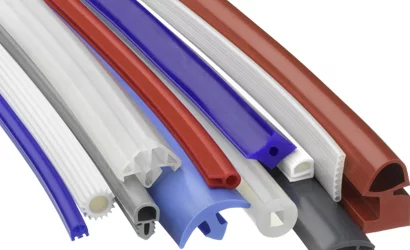
Material Specifications for Precision Silicone Rubber Sealing Strips
Selecting the optimal elastomer for sealing strips demands rigorous evaluation of operational parameters. At Suzhou Baoshida Trading Co., Ltd., we engineer sealing solutions to ASTM D2000 standards, prioritizing chemical resistance, thermal stability, and mechanical integrity. Viton (FKM), Nitrile (NBR), and Silicone (VMQ) represent industry-preferred materials, each excelling in distinct environments. Misalignment between material properties and application conditions directly compromises seal longevity and system safety.
Viton fluorocarbon rubber delivers unparalleled performance in extreme chemical and thermal exposure. Its fluorine-rich polymer backbone resists degradation from aggressive fuels, acids, and chlorinated solvents up to 250°C continuous service. Critical for aerospace hydraulic systems and semiconductor manufacturing, Viton maintains sealing force under prolonged stress with compression set values below 25% after 70 hours at 200°C. However, its high fluorine content increases cost and reduces low-temperature flexibility, limiting use below -20°C.
Nitrile butadiene rubber (NBR) remains the cost-effective solution for petroleum-based fluid sealing. With acrylonitrile content dictating oil resistance, high-ACN grades withstand hydraulic fluids and greases at temperatures spanning -40°C to 120°C. NBR achieves tensile strengths of 15–25 MPa and Shore A hardness from 50–90, making it ideal for automotive fuel lines and industrial hydraulics. Its susceptibility to ozone, weathering, and polar solvents necessitates protective additives for outdoor applications, though it remains vulnerable to brake fluids and ketones.
Silicone rubber (VMQ) dominates applications requiring extreme thermal stability and biocompatibility. Capable of continuous operation from -60°C to 230°C, it retains elasticity across 290°C differentials without hardening. Platinum-cured medical-grade silicone meets USP Class VI and FDA 21 CFR 177.2600 standards, enabling use in pharmaceutical processing and food-grade seals. While inherently resistant to UV and ozone, standard silicone exhibits poor tensile strength (5–8 MPa) and requires reinforcement for dynamic sealing. Its permeability to gases and susceptibility to concentrated acids limit use in vacuum systems.
The following comparative analysis distills critical specifications for informed material selection:
| Property | Viton (FKM) | Nitrile (NBR) | Silicone (VMQ) |
|---|---|---|---|
| Temperature Range (°C) | -20 to +250 | -40 to +120 | -60 to +230 |
| Tensile Strength (MPa) | 12–20 | 15–25 | 5–10 |
| Hardness Range (Shore A) | 60–90 | 50–90 | 30–80 |
| Compression Set (%) | ≤25 (200°C/70h) | ≤30 (100°C/70h) | ≤20 (200°C/70h) |
| Key Chemical Resistance | Fuels, acids, solvents | Petroleum oils, water | Water, alcohols, ozone |
| Limitations | Poor low-temp flex, high cost | Ozone/weathering sensitivity | Low tensile strength, acid vulnerability |
Suzhou Baoshida Trading Co., Ltd. validates all compounds through ISO 188 aging tests and ASTM D471 fluid immersion protocols. Material selection must account for simultaneous stressors—e.g., NBR seals in biodiesel require peroxide resistance modification. Consult our engineering team to match polymer chemistry to your operational envelope, ensuring zero-leakage performance across 10,000+ cycle lifespans. Precision sealing begins with molecular-level material intelligence.
Manufacturing Capabilities
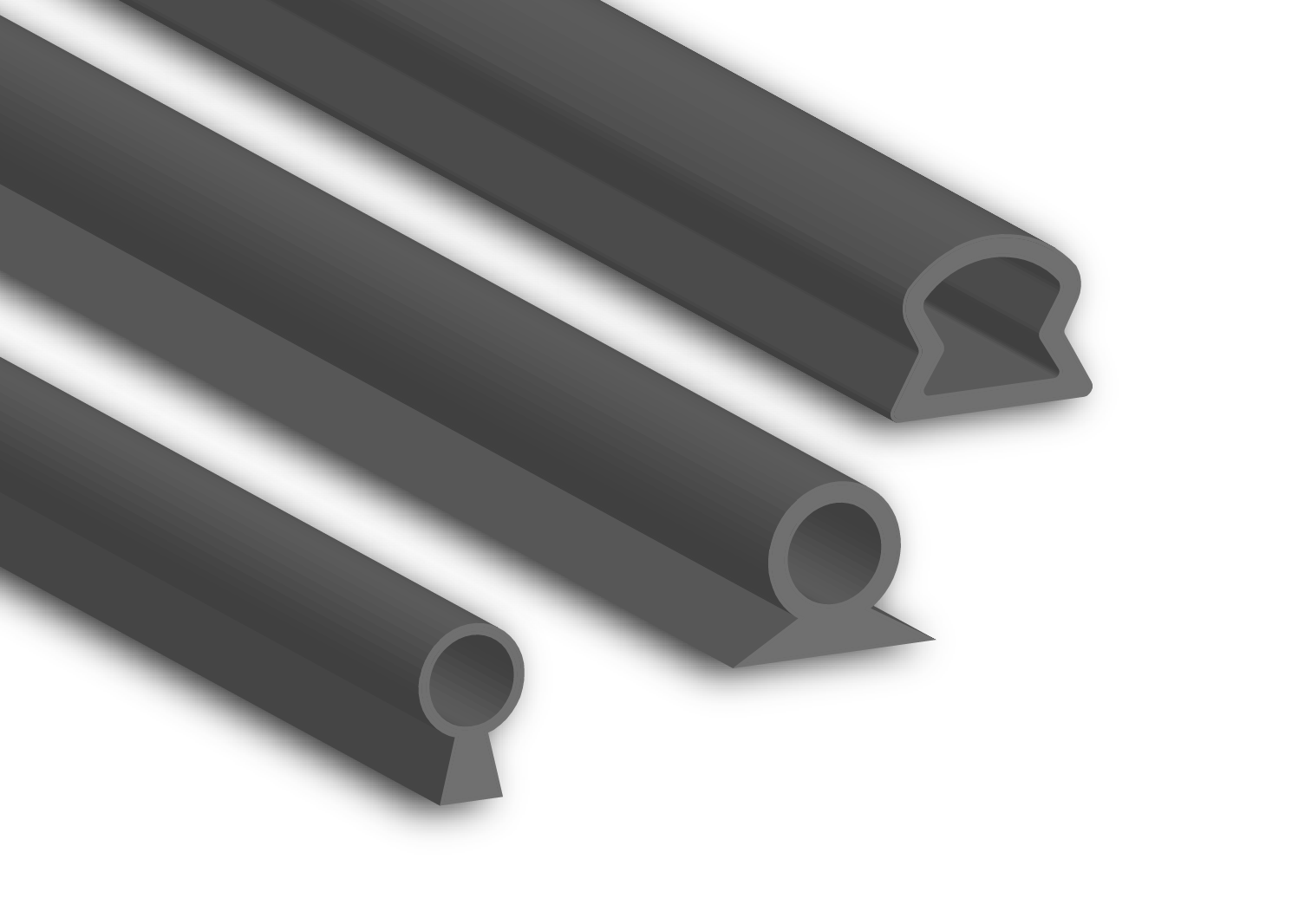
Engineering Capability: Precision Design and Material Science Integration
At Suzhou Baoshida Trading Co., Ltd., our engineering capability in the development of silicone rubber sealing strips is anchored in a specialized team of five dedicated mould engineers and two advanced formula engineers. This multidisciplinary structure enables us to deliver technically robust, application-specific sealing solutions under strict OEM requirements. Our integrated approach ensures that material formulation, tooling design, and manufacturing precision are fully synchronized from concept to production.
Our formula engineers possess deep expertise in silicone polymer chemistry, enabling precise customization of mechanical, thermal, and chemical resistance properties. They develop formulations tailored to operational environments such as extreme temperatures (–60°C to +200°C), exposure to UV/ozone, and contact with aggressive media including water, steam, and non-polar solvents. Through rigorous testing protocols, we validate compression set, tensile strength, elongation at break, and Shore A hardness to ensure compliance with international standards such as ASTM D2000 and ISO 3601.
Complementing material science, our five mould engineers specialize in precision tooling for continuous extrusion and custom cross-sectional profiles. Utilizing CAD/CAM software and CNC machining, they design and fabricate dies with tolerances as tight as ±0.1 mm, ensuring dimensional consistency across production batches. This precision is critical for sealing applications requiring reliable compression fit, such as in automotive HVAC systems, architectural glazing, and medical device enclosures.
We support full OEM service integration, including reverse engineering of legacy seals, 2D/3D design validation, rapid prototyping, and DFMEA (Design Failure Mode and Effects Analysis). Clients provide application parameters or physical samples, and our team delivers optimized sealing solutions with documented material traceability and process control. Our facility maintains ISO 9001-certified quality systems, ensuring repeatable output for both low-volume custom runs and high-volume production.
The synergy between formulation and mould engineering allows us to solve complex sealing challenges—such as multi-durometer strips, co-extruded conductive elements, or PTFE-reinforced variants—without outsourcing critical development stages. This vertical integration shortens lead times and enhances IP protection for our partners.
Below is a summary of standard technical specifications for our silicone rubber sealing strips, with customization options available upon request.
| Property | Standard Value | Test Method |
|---|---|---|
| Hardness Range (Shore A) | 30–80 ±5 | ASTM D2240 |
| Tensile Strength | ≥6.0 MPa | ASTM D412 |
| Elongation at Break | ≥250% | ASTM D412 |
| Compression Set (22 hrs, 150°C) | ≤25% | ASTM D395 |
| Operating Temperature | –60°C to +200°C | Internal |
| Dielectric Strength | ≥18 kV/mm | ASTM D149 |
| Color Options | Custom (RAL/Pantone) | Visual Match |
Our engineering team is available for technical consultation at every stage of product development, ensuring that every silicone rubber sealing strip meets the exact functional and regulatory demands of your application.
Customization Process
Customization Process for Silicone Rubber Sealing Strips
At Suzhou Baoshida Trading Co., Ltd., our silicone rubber sealing strip customization follows a rigorously defined engineering workflow to ensure dimensional accuracy, material performance, and compliance with OEM specifications. This process eliminates design ambiguities and material failures common in generic sealing solutions.
Drawing Analysis
Initial engagement begins with comprehensive GD&T (Geometric Dimensioning and Tolerancing) validation of the client’s technical drawings. Our engineering team cross-references critical features—profile geometry, cross-sectional tolerances (±0.1mm precision), and surface finish requirements—against ISO 3302-1 E2 standards. We identify potential extrusion or molding constraints early, such as wall thickness ratios below 1:3 that risk vulcanization inconsistencies. Client-supplied CAD files undergo finite element analysis (FEA) to simulate compression behavior under operational loads, ensuring the design accommodates thermal expansion coefficients of mating components.
Formulation Development
Material science drives the next phase. Based on application parameters—temperature exposure, chemical resistance, and dynamic stress—we engineer custom silicone compounds. Standard VMQ (vinyl-methyl silicone) formulations are modified with phenyl groups (PVMQ) for extreme low-temperature resilience or platinum-cured systems for medical-grade purity. Fillers like fumed silica (15–30 phr) optimize tensile strength without compromising flexibility. Each formulation undergoes iterative lab testing for compression set (ASTM D395), Shore A hardness variance, and outgassing properties per NASA ASTM E595. Critical additives, such as cerium oxide for UV stability, are dosed to ±0.5% accuracy.
Prototyping and Validation
Precision extrusion or injection molding produces functional prototypes using client-approved tooling inserts. Prototypes undergo accelerated life testing: 1,000-hour thermal aging at 200°C, dynamic compression cycling (500,000 cycles at 25% deflection), and fluid immersion per SAE AS568 standards. Dimensional reports from CMM (Coordinate Measuring Machine) scans validate profile conformity to ±0.05mm. Clients receive test data packets including stress-strain curves and permeation rates, enabling collaborative validation before tooling sign-off.
Mass Production and Quality Assurance
Final production leverages automated extrusion lines with inline laser micrometry for real-time diameter control. Each batch undergoes 100% visual inspection via AI-powered optical systems detecting surface defects >0.1mm. Statistical Process Control (SPC) monitors key variables: cure time (±2 seconds), durometer (±2 Shore A points), and elongation consistency. Traceability is maintained through serialized batch coding, with full material test reports (MTRs) archived for 10 years.
Critical Silicone Sealing Strip Specifications
| Parameter | Standard Range | Customizable Range | Test Standard |
|---|---|---|---|
| Hardness (Shore A) | 40–70 | 30–80 | ASTM D2240 |
| Temperature Range (°C) | -60 to +200 | -100 to +300 | ISO 188 |
| Tensile Strength (MPa) | 5.0–8.0 | 3.5–12.0 | ASTM D412 |
| Elongation at Break (%) | 250–450 | 150–600 | ASTM D412 |
| Compression Set (%) | ≤20 (22h/150°C) | ≤12 (client-defined) | ASTM D395 Method B |
This structured approach ensures Suzhou Baoshida delivers sealing strips meeting exact OEM functional demands while minimizing time-to-market. All phases integrate ISO 9001:2015 protocols, with engineering change orders requiring dual-signature approval to maintain specification integrity.
Contact Engineering Team
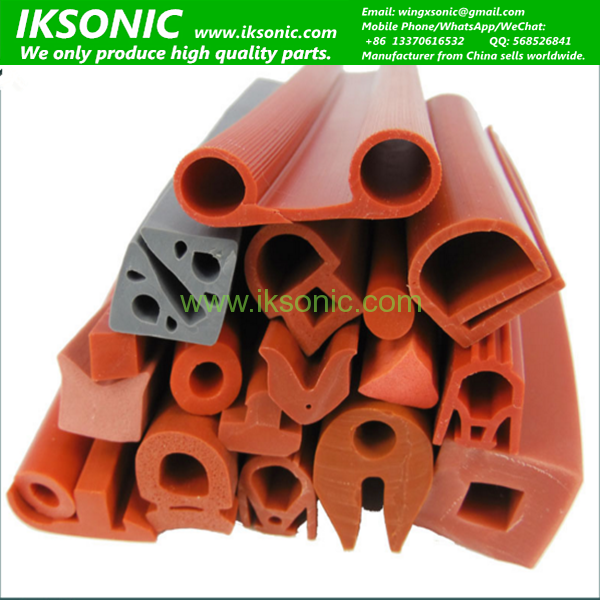
For industrial manufacturers and OEM partners seeking precision-engineered silicone rubber sealing strips, Suzhou Baoshida Trading Co., Ltd. delivers high-performance sealing solutions tailored to exact technical and environmental demands. As a specialized supplier in the precision rubber seals category, we combine advanced material science with rigorous quality control to ensure consistent product reliability across aerospace, automotive, medical devices, and industrial automation sectors. Our silicone rubber sealing strips are formulated for superior thermal stability, compression resistance, and long-term durability under dynamic operating conditions.
Our engineering team works directly with clients to customize formulations, cross-sectional profiles, durometer ratings, and production lengths to meet exact application requirements. Whether you require continuous strips for automated assembly lines or custom-cut segments for specialized enclosures, we support both prototyping and high-volume production runs with strict dimensional tolerances. All products are manufactured under ISO 9001-certified processes and undergo comprehensive testing for tensile strength, elongation, compression set, and resistance to ozone, UV, and extreme temperatures.
Below are standard technical specifications for our most commonly requested silicone rubber sealing strips. Custom modifications are available upon request.
| Property | Value | Test Method |
|---|---|---|
| Material Type | High-Purity Platinum-Cured Silicone | ASTM D2000 |
| Hardness (Shore A) | 40, 50, 60, 70 ±5 | ASTM D2240 |
| Tensile Strength | ≥8.0 MPa | ASTM D412 |
| Elongation at Break | ≥400% | ASTM D412 |
| Compression Set (22 hrs @ 175°C) | ≤20% | ASTM D395 |
| Operating Temperature Range | -60°C to +230°C | ISO 1817 |
| Color Options | Translucent, Black, Red, Blue, Custom | RAL/Pantone Matching |
| Standard Lengths | 1m, 2m, 5m, 10m, Continuous Rolls | Custom cuts available |
| Density | 1.15 ±0.05 g/cm³ | ASTM D792 |
To initiate a technical consultation or request a sample for evaluation, contact Mr. Boyce, OEM Account Manager and Rubber Formula Engineer at Suzhou Baoshida Trading Co., Ltd. Mr. Boyce specializes in material selection, sealing performance modeling, and production scalability for mission-critical applications. With over 12 years of experience in rubber compounding and industrial sealing systems, he provides direct engineering support to ensure your sealing solution meets all functional and regulatory requirements.
Reach out via email at [email protected] to discuss your project specifications, request technical data sheets, or schedule a virtual product review. We respond to all inquiries within 4 business hours and offer rapid prototyping services with turnaround times as fast as 7 working days. For time-sensitive projects, expedited shipping is available through our partnered logistics network with global delivery options.
Partner with Suzhou Baoshida for silicone rubber sealing strips that combine scientific precision with industrial robustness. Let our engineering expertise become an extension of your R&D and manufacturing team.
⚖️ O-Ring Weight Calculator
Estimate rubber O-ring weight (Approx).