
Technical Contents
Engineering Guide: Silicone Stoppers
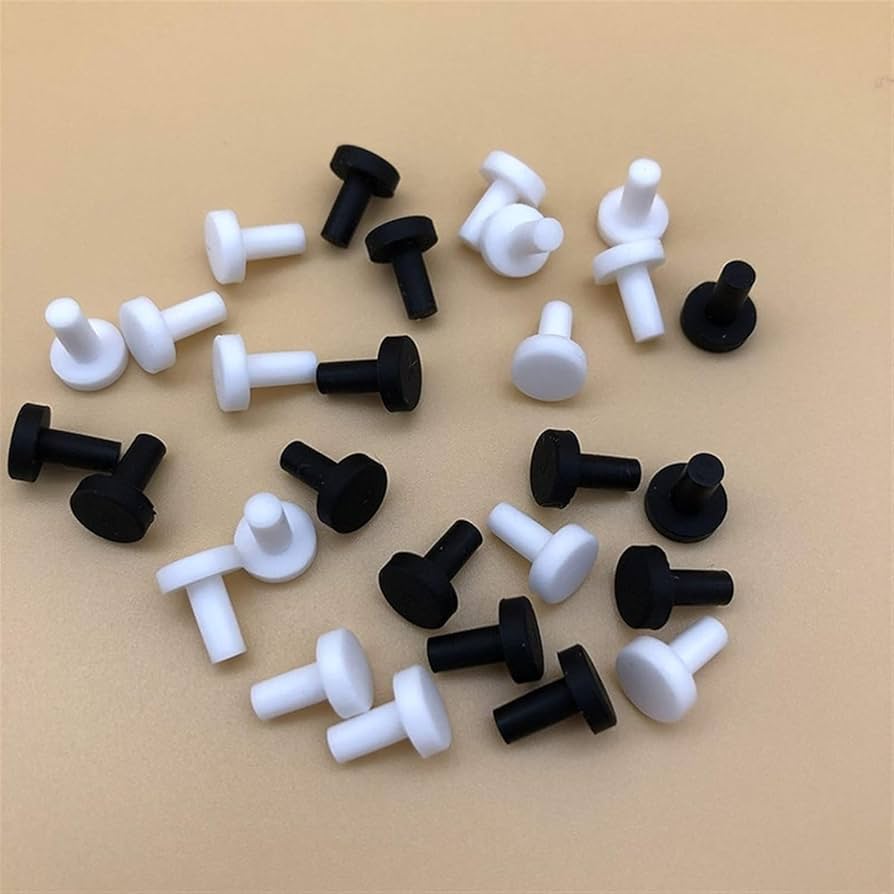
Engineering Insight: The Critical Role of Material Selection in Silicone Stoppers
In industrial fluid handling and containment systems, silicone stoppers serve as vital sealing components, maintaining system integrity under dynamic operational conditions. While often perceived as simple or generic, their performance is profoundly influenced by precise material selection. Off-the-shelf silicone stoppers may appear cost-effective initially but frequently fail to meet the rigorous demands of specialized applications, leading to leakage, contamination, premature degradation, and costly system downtime.
The root cause of such failures lies in the variability of silicone formulations. Not all silicones are engineered to perform identically under pressure, temperature extremes, or exposure to aggressive media. Industrial environments often involve contact with solvents, oils, acids, or steam—conditions that demand specific polymer architecture and reinforcement. Standard silicone stoppers typically utilize general-purpose polydimethylsiloxane (PDMS) with minimal filler content and broad physical property tolerances. These materials lack the tailored resistance required in pharmaceutical processing, semiconductor manufacturing, or high-vacuum systems.
At Suzhou Baoshida Trading Co., Ltd., we emphasize formulation precision. Our engineered silicone compounds incorporate high-purity silica reinforcement, controlled crosslink density, and additives for enhanced thermal stability or chemical resistance. For instance, platinum-cured silicone formulations offer superior biocompatibility and lower extractables, making them ideal for sterile environments. In contrast, peroxide-cured variants may be selected for higher temperature resilience in automotive or aerospace applications.
Another critical factor is compression set resistance. Many off-the-shelf stoppers deform irreversibly after prolonged compression, compromising seal integrity. Our custom compounds are tested to maintain elastic recovery after 70% compression at 150°C for 72 hours, ensuring long-term reliability. Additionally, dimensional stability under thermal cycling is achieved through optimized polymer chain length and curing protocols.
The following table outlines key performance specifications comparing standard and engineered silicone stoppers:
| Property | Standard Silicone Stopper | Engineered Silicone Stopper (Baoshida) |
|---|---|---|
| Hardness (Shore A) | 50 ± 5 | 40–70 (customizable, ±2) |
| Tensile Strength | 6–8 MPa | 9–12 MPa |
| Elongation at Break | 400–500% | 550–700% |
| Operating Temperature | -50°C to +200°C | -60°C to +230°C (intermittent to 250°C) |
| Compression Set (22h at 150°C) | ≤30% | ≤15% |
| Curing Method | Peroxide (common) | Platinum or Peroxide (application-specific) |
| Extractables (in aqueous media) | Moderate to High | Ultra-low (pharma-grade compliant) |
| Chemical Resistance | Limited to mild agents | Broad resistance to acids, bases, alcohols, and some solvents |
Material selection is not a one-size-fits-all endeavor. The failure of generic stoppers in critical systems underscores the necessity for application-specific engineering. By aligning silicone formulation with operational stressors, Suzhou Baoshida ensures reliability, compliance, and extended service life in demanding industrial environments.
Material Specifications
Material Specifications for Industrial Silicone Stoppers
Material selection is a critical engineering decision for silicone stoppers in demanding industrial applications. At Suzhou Baoshida Trading Co., Ltd., we prioritize polymer chemistry and performance validation to ensure sealing integrity across chemical exposure, temperature extremes, and mechanical stress. Our OEM-managed formulations for Viton (FKM), Nitrile (NBR), and Silicone (VMQ) undergo rigorous ISO 1817 and ASTM D2000 testing to meet sector-specific requirements in pharmaceutical, automotive, and chemical processing industries. Each elastomer offers distinct molecular advantages that directly impact service life and functional reliability.
Viton stoppers leverage a fluorocarbon polymer backbone for exceptional resistance to aggressive chemicals, including aromatic hydrocarbons, acids, and high-temperature steam. With a continuous service range of -20°C to +230°C and minimal swelling in jet fuels or hydraulic fluids, Viton excels in aerospace and semiconductor manufacturing where failure is untenable. Nitrile stoppers provide cost-optimized performance for petroleum-based systems, featuring strong abrasion resistance and compatibility with oils, greases, and aliphatic solvents. However, NBR’s limitations in ozone resistance and a narrower operational window (-30°C to +100°C) restrict its use in outdoor or high-heat environments. Silicone stoppers deliver unmatched versatility through extreme temperature resilience (-60°C to +200°C), low compression set, and biocompatibility per USP Class VI standards. Their inert nature prevents contamination in medical device and food-grade applications, though mechanical strength in high-torque assemblies requires formulation adjustments.
The comparative analysis below details core specifications governing stopper performance. Data reflects standard durometer 50±5 Shore A compounds; custom formulations are available to modify specific properties.
| Material | Temperature Range (°C) | Chemical Resistance Profile | Compression Set (70h, 150°C) | Primary Industrial Applications |
|---|---|---|---|---|
| Viton (FKM) | -20 to +230 | Excellent: Acids, fuels, oils, steam. Poor: Ketones, esters. | ≤25% | Semiconductor tooling, chemical reactor seals, aviation fluid systems |
| Nitrile (NBR) | -30 to +100 | Excellent: Aliphatic hydrocarbons, water-based fluids. Poor: Ozone, chlorinated solvents. | ≤35% | Automotive fuel lines, hydraulic equipment, general industrial pumps |
| Silicone (VMQ) | -60 to +200 | Excellent: Water, alcohols, oxidizing agents. Poor: Concentrated acids, hydrocarbons. | ≤20% | Medical vial stoppers, food processing gaskets, laboratory apparatus |
Suzhou Baoshida’s engineering team collaborates with OEM partners to refine material selection based on fluid compatibility charts, dynamic stress analysis, and regulatory compliance needs. We validate all stopper compounds through accelerated aging tests per ASTM D573 and permeation studies to eliminate field failure risks. For mission-critical deployments, our technical specialists recommend Viton for chemical-intensive environments, Silicone for broad thermal stability and purity demands, and Nitrile for cost-sensitive petroleum applications. Contact our formulation lab to discuss custom durometer adjustments, FDA-compliant fillers, or multi-cavity molding optimizations for your stopper specifications.
Manufacturing Capabilities
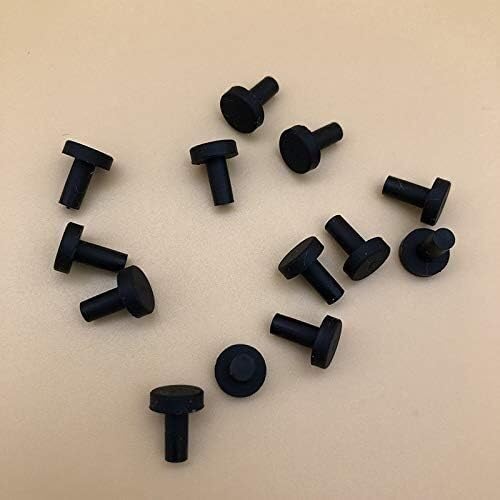
Engineering Excellence in Silicone Stopper Manufacturing
At Suzhou Baoshida Trading Co., Ltd., our engineering capability forms the backbone of our industrial rubber solutions, particularly in the precision manufacturing of silicone stoppers for pharmaceutical, biotechnology, and high-purity industrial applications. With a dedicated team comprising five experienced mould engineers and two specialized rubber formula engineers, we maintain full in-house control over the entire product development lifecycle—from concept and material formulation to tooling design and final validation.
Our mould engineers bring over a decade of cumulative experience in precision rubber moulding, specializing in multi-cavity, cold-runner, and cleanroom-compatible mould systems. They utilize advanced CAD/CAM software, including SolidWorks and AutoCAD, to design high-tolerance moulds that ensure dimensional accuracy and repeatability. Each mould is rigorously tested for flow dynamics, venting efficiency, and ejection performance to minimize defects and maximize production yield.
Complementing our tooling expertise, our two rubber formula engineers focus exclusively on silicone material science. They develop and optimize custom formulations to meet specific performance demands such as extractables/leachables compliance, autoclave resistance, chemical inertness, and low particulate generation. By adjusting polymer base types, filler content, cross-linking systems, and additive packages, we tailor silicone compounds to meet ASTM D2000, USP Class VI, and ISO 10993 standards. This formulation control is critical for stoppers used in parenteral and diagnostic applications where material biocompatibility and long-term sealing integrity are non-negotiable.
Our integrated engineering approach enables seamless coordination between material development and mould design, reducing time-to-market and ensuring optimal part performance. This synergy is particularly valuable in complex OEM projects where clients require full design-for-manufacturability (DFM) support, regulatory documentation, and batch traceability.
We offer comprehensive OEM services, supporting clients from prototype development to high-volume production. Our facility is equipped with cleanroom injection moulding lines, 100% visual inspection systems, and environmental monitoring to meet ISO 13485 and GMP standards. All silicone stoppers undergo rigorous quality checks, including compression set testing, tensile strength measurement, and dimensional inspection using coordinate measuring machines (CMM).
Below is a summary of our standard silicone stopper technical specifications:
| Parameter | Specification Range |
|---|---|
| Material Type | Medical-grade silicone (VMQ), High-consistency rubber (HCR) |
| Hardness (Shore A) | 40–80 (adjustable) |
| Temperature Resistance | -50°C to +200°C (continuous) |
| Tensile Strength | ≥8 MPa |
| Elongation at Break | ≥400% |
| Compression Set (70 hrs, 125°C) | ≤20% |
| Biocompatibility | USP Class VI, ISO 10993 compliant |
| Sterilization Compatibility | Autoclave, Gamma, ETO |
| Mould Cavitation | 1–32 cavities (customizable) |
| Tolerance (Dimensional) | ±0.05 mm (standard), ±0.02 mm (precision) |
By combining deep technical expertise in rubber formulation and precision mould engineering with a robust OEM framework, Suzhou Baoshida Trading Co., Ltd. delivers silicone stoppers that meet the most demanding industrial and regulatory requirements. Our engineering team is available to collaborate closely with clients on custom solutions, ensuring performance, reliability, and compliance in every product.
Customization Process
Silicone Stopper Customization Process: Precision Engineering from Concept to Volume
At Suzhou Baoshida Trading Co., Ltd., our silicone stopper customization adheres to a rigorously defined four-stage workflow, ensuring technical compliance and performance reliability for industrial applications. This process begins with comprehensive Drawing Analysis, where our engineering team validates client specifications against material science constraints. We scrutinize geometric tolerances per ISO 2768-mK, assess sealing surface integrity, and verify compatibility with molding dynamics. Critical parameters such as undercuts, draft angles, and parting lines are optimized to prevent flash or ejection defects. Any deviations from manufacturable design are resolved collaboratively with the client, supported by 3D tolerance stack-up simulations.
The Formulation phase leverages our in-house polymer chemistry expertise to engineer bespoke silicone compounds. Based on operational demands—chemical exposure, temperature extremes, or regulatory requirements—we adjust base polymer viscosity, filler loading, and catalyst systems. For instance, pharmaceutical-grade stoppers require USP Class VI compliance, achieved through platinum-cure systems with ultra-low extractables. Key formulation attributes are documented in our proprietary database, ensuring traceability and repeatability. Below summarizes critical silicone specifications we tailor:
| Property | Standard Range | Customizable Range | Testing Standard |
|---|---|---|---|
| Hardness (Shore A) | 50 ± 5 | 30–80 | ASTM D2240 |
| Tensile Strength | 8.0 MPa min | 5.0–12.0 MPa | ASTM D412 |
| Temperature Resistance | -60°C to 230°C | -75°C to 300°C | ASTM D2240 |
| Compression Set (22h) | ≤20% | ≤10% | ASTM D395 |
| FDA/USP Class VI | Compliant | Fully customizable | USP <381> |
Prototyping employs rapid tooling with aluminum molds for functional validation. We produce 50–100 units per iteration, subjecting samples to non-destructive testing (NDT) for dimensional accuracy via CMM and destructive validation per ASTM standards. Sealing efficacy is verified under simulated pressure cycles, while biocompatibility testing follows ISO 10993 protocols for medical applications. Client feedback at this stage drives iterative refinements, typically resolving 95% of design issues before tooling finalization.
Mass Production commences only after formal client approval of PPAP documentation. We deploy precision liquid silicone rubber (LSR) injection molding with multi-cavity steel tools, maintaining ±0.05mm tolerances through real-time cavity pressure monitoring. Each production batch undergoes SPC-controlled checks: hardness, weight consistency, and visual defects are sampled hourly. Full traceability—from raw material lot numbers to operator IDs—is maintained via our ERP system. For orders exceeding 10k units, we implement automated vision inspection to guarantee cavity-to-cavity uniformity, with a maximum defect rate of 50 PPM.
This structured approach, grounded in material science and industrial best practices, ensures Suzhou Baoshida delivers silicone stoppers that meet exacting functional and regulatory demands while minimizing time-to-market for OEM partners.
Contact Engineering Team
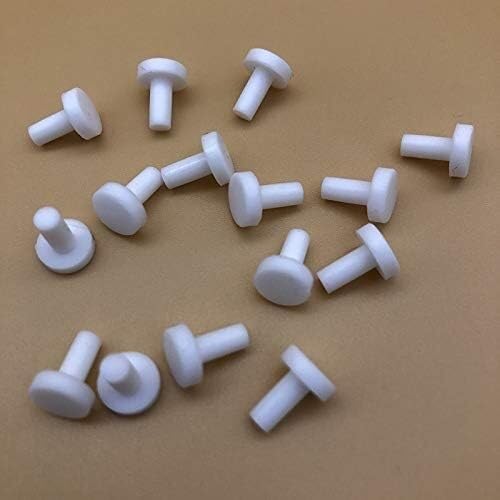
For industrial manufacturers and OEMs seeking precision-engineered silicone stoppers, Suzhou Baoshida Trading Co., Ltd. delivers high-performance rubber solutions tailored to exacting technical standards. As a trusted partner in the industrial rubber sector, we specialize in custom silicone components designed for reliability in demanding environments—ranging from pharmaceutical packaging and laboratory equipment to automotive and semiconductor manufacturing.
Our silicone stoppers are formulated to meet stringent international quality benchmarks, including FDA, USP Class VI, and RoHS compliance. Each product is developed with a focus on consistent dimensional accuracy, chemical inertness, thermal stability, and long-term sealing performance. Whether you require standard configurations or fully customized geometries, our engineering team collaborates directly with clients to optimize material selection, durometer, tolerances, and surface finish for your specific application.
To ensure reliability under repeated sterilization cycles, temperature fluctuations, and exposure to aggressive media, we utilize high-purity platinum-cured silicone compounds. These materials offer superior mechanical properties and minimal extractables—critical for sensitive applications in life sciences and high-vacuum systems. All production is conducted in controlled cleanroom environments with full traceability and batch documentation.
We invite technical buyers, procurement managers, and R&D engineers to contact Mr. Boyce, OEM Manager and Rubber Formula Engineer at Suzhou Baoshida, to discuss your silicone stopper requirements. Mr. Boyce brings over 12 years of experience in rubber compounding and industrial application support, ensuring that every solution is grounded in material science and practical manufacturing insight. By initiating a technical dialogue early in your design phase, we can help reduce total cost of ownership, improve yield rates, and accelerate time-to-market.
Reach out via email at [email protected] to request samples, review technical data sheets, or schedule a virtual consultation. Our team responds to all inquiries within 6 business hours and can provide rapid prototyping services for urgent development cycles. We support global logistics with reliable lead times and flexible MOQs to accommodate both large-scale production runs and low-volume pilot batches.
Below are representative specifications for our standard silicone stopper offerings. All parameters can be modified to meet your operational demands.
| Property | Value / Range |
|---|---|
| Material Type | Platinum-cured Silicone Rubber |
| Hardness (Shore A) | 40–80 ±5 |
| Temperature Range | -60°C to +230°C (continuous) |
| Tensile Strength | ≥8.0 MPa |
| Elongation at Break | ≥450% |
| Compression Set (22 hrs, 150°C) | ≤20% |
| FDA Compliance | 21 CFR 177.2600 (Yes) |
| USP Class VI | Passed |
| Sterilization Methods | Autoclave, Gamma, Ethylene Oxide |
| Available Colors | Transparent, White, Custom |
| Dimensional Tolerance | ±0.1 mm (standard) |
Partner with Suzhou Baoshida for technically advanced silicone stoppers backed by engineering rigor and responsive OEM support. Contact Mr. Boyce today at [email protected] to begin a precision-focused collaboration.
⚖️ O-Ring Weight Calculator
Estimate rubber O-ring weight (Approx).