
Technical Contents
Engineering Guide: Silicone Thermal Insulation
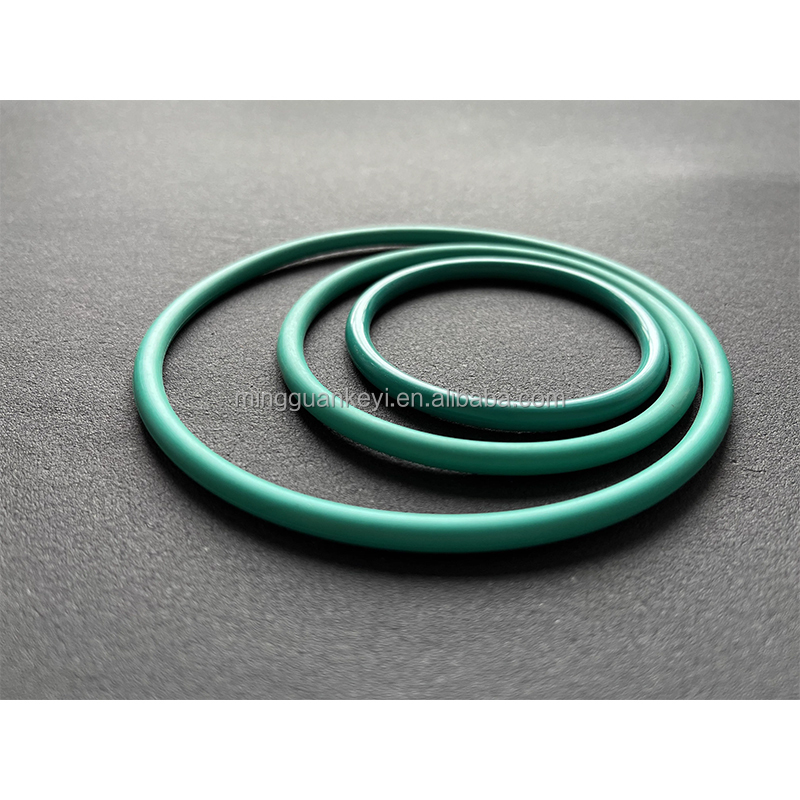
Engineering Insight: Silicone Thermal Insulation – The Critical Role of Material Selection
In high-performance industrial environments, thermal insulation is not merely a protective measure—it is a system-critical component that directly impacts operational safety, energy efficiency, and equipment longevity. Silicone rubber has emerged as a leading material for thermal insulation due to its exceptional thermal stability, flexibility, and resistance to environmental degradation. However, the assumption that all silicone-based insulation performs equally—especially off-the-shelf variants—can lead to premature system failure, safety hazards, and increased lifecycle costs.
Material selection in silicone thermal insulation must be driven by application-specific engineering parameters, not generalized performance claims. Off-the-shelf solutions are typically formulated for broad market appeal, sacrificing tailored performance under extreme or dynamic conditions. These standard-grade materials often exhibit inconsistent polymer chain structure, inadequate filler dispersion, and suboptimal cross-link density, resulting in compromised thermal resilience and mechanical integrity.
For instance, in applications involving continuous exposure to temperatures above 200°C, generic silicone insulation may experience rapid hardening, cracking, or outgassing—particularly in vacuum or high-humidity environments. This degradation not only reduces thermal efficiency but can also contaminate sensitive components in semiconductor manufacturing, aerospace systems, or medical equipment. Additionally, dynamic mechanical stress—such as vibration or repeated flexing—exposes weaknesses in non-reinforced or poorly cured silicone compounds, leading to delamination and insulation failure.
At Suzhou Baoshida Trading Co., Ltd., we emphasize engineered silicone formulations that integrate high-purity VMQ (vinyl-methyl silicone) polymers with precisely calibrated reinforcing fillers such as fumed silica and ceramic microspheres. These enhancements improve thermal conductivity control, mechanical strength, and long-term compression set resistance—critical for maintaining seal integrity in flanged joints or around high-temperature piping.
Custom curing protocols and post-cure treatments further ensure optimal cross-linking, minimizing volatile organic content and enhancing dimensional stability. Such precision is unattainable in mass-produced insulation rolls or pre-molded sleeves that prioritize cost and availability over performance fidelity.
The following table outlines key performance characteristics of engineered silicone thermal insulation versus standard off-the-shelf alternatives:
| Property | Engineered Silicone Insulation | Off-the-Shelf Silicone Insulation |
|---|---|---|
| Continuous Use Temperature | Up to 300°C | Typically ≤ 200°C |
| Tensile Strength | ≥ 8.0 MPa | 4.0–5.5 MPa |
| Elongation at Break | ≥ 250% | 150–200% |
| Thermal Conductivity (25°C) | 0.18–0.22 W/m·K | 0.25–0.30 W/m·K |
| Compression Set (225°C, 70h) | ≤ 20% | ≥ 40% |
| Dielectric Strength | ≥ 20 kV/mm | 12–15 kV/mm |
Engineered silicone thermal insulation is not a commodity—it is a performance enabler. In mission-critical systems, the cost of failure far exceeds the incremental investment in material optimization. By prioritizing formulation integrity, process control, and application-specific design, Suzhou Baoshida delivers insulation solutions that perform reliably under real-world industrial demands.
Material Specifications
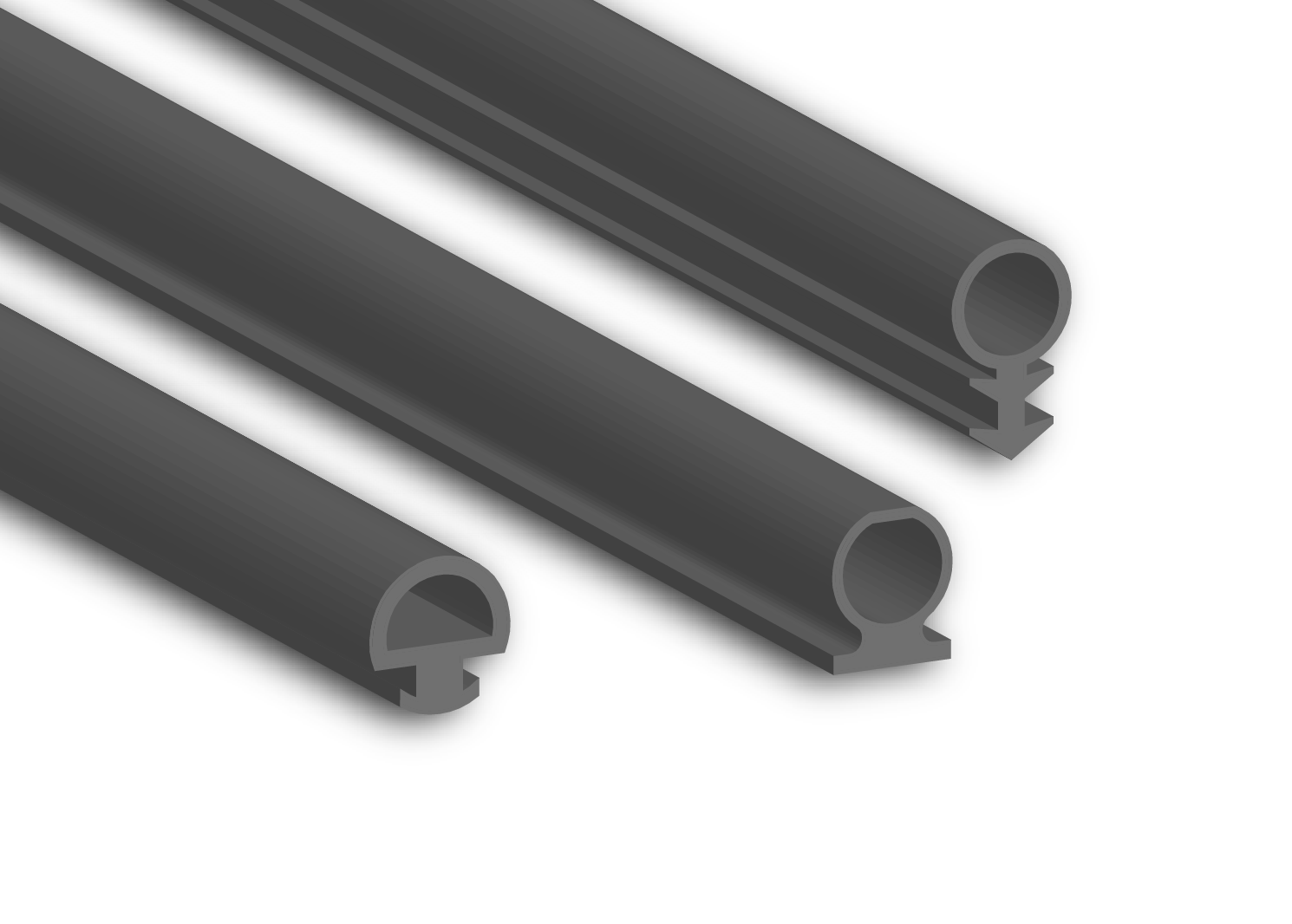
Material Specifications for Silicone Thermal Insulation Systems
Precise material selection is critical for thermal insulation performance in demanding industrial environments. At Suzhou Baoshida Trading Co., Ltd., we engineer elastomeric solutions where thermal stability, chemical resistance, and mechanical integrity must align with operational extremes. Silicone rubber remains the cornerstone for high-temperature insulation due to its inorganic silicon-oxygen backbone, yet Viton and Nitrile formulations serve vital roles in specialized applications. Understanding the nuanced specifications of each polymer ensures optimal lifecycle performance and cost efficiency.
Viton fluoroelastomers (FKM) deliver exceptional resistance to fuels, oils, and acids at elevated temperatures. Their molecular structure, rich in fluorine atoms, sustains continuous operation up to 250°C while maintaining seal integrity under aggressive chemical exposure. This makes Viton indispensable for aerospace and semiconductor manufacturing where thermal spikes exceed 200°C and fluid compatibility is non-negotiable. Nitrile rubber (NBR), a copolymer of butadiene and acrylonitrile, balances affordability with robust resistance to petroleum-based fluids. Its operational ceiling of 120°C suits automotive fuel systems and hydraulic seals, though oxidative degradation accelerates beyond this threshold. Silicone rubber (VMQ) dominates pure thermal insulation scenarios with unmatched flexibility from -60°C to 230°C. Its low thermal conductivity and minimal compression set retention ensure consistent insulating efficacy in electrical enclosures, industrial ovens, and renewable energy systems where thermal cycling is frequent.
The comparative analysis below details core specifications for informed material selection. All values reflect standard industrial grades per ASTM D2000 and ISO 188 testing protocols.
| Material Property | Viton (FKM) | Nitrile (NBR) | Silicone (VMQ) |
|---|---|---|---|
| Continuous Temp Range | -20°C to +250°C | -30°C to +120°C | -60°C to +230°C |
| Thermal Conductivity | 0.25 W/m·K | 0.15 W/m·K | 0.18–0.35 W/m·K |
| Key Chemical Resistances | Fuels, acids, ozone | Petroleum oils, water | Ozone, water, steam |
| Primary Industrial Applications | Jet engine seals, chemical processing gaskets | Fuel hoses, hydraulic seals | Electrical insulation, oven belts, medical tubing |
Thermal conductivity values are particularly decisive for insulation efficacy. Silicone’s moderate conductivity range allows controlled heat dissipation without thermal bridging, whereas Viton’s higher conductivity necessitates thicker cross-sections in pure insulating roles. Nitrile’s lower conductivity benefits fluid-handling components but its narrow temperature window restricts standalone insulation use. Crucially, silicone’s resilience to thermal aging—evidenced by <20% tensile loss after 72 hours at 200°C per ASTM D573—outperforms both alternatives in cyclic heating environments.
OEMs must weigh these specifications against application-specific stressors. For instance, silicone’s vulnerability to concentrated acids may warrant Viton overlays in chemical processing insulation, while NBR’s cost advantage drives adoption in non-critical automotive thermal barriers. Suzhou Baoshida Trading Co., Ltd. provides customized compound formulations to bridge performance gaps, such as phenyl-modified silicones for enhanced low-temperature flexibility or hydrogenated NBR (HNBR) for extended thermal stability. Rigorous validation against ISO 188 aging and ASTM D2240 hardness drift testing ensures every specification translates to field reliability. Partner with us to transform material science into engineered thermal management solutions.
Manufacturing Capabilities
Engineering Capability
At Suzhou Baoshida Trading Co., Ltd., our engineering capability forms the backbone of our industrial rubber solutions, particularly in the development and production of high-performance silicone thermal insulation materials. With a dedicated team of five certified mould engineers and two specialized rubber formula engineers, we maintain full in-house control over material formulation, tooling design, and process optimization. This integrated technical approach ensures precision, repeatability, and compliance with the most demanding industrial standards.
Our formula engineers hold advanced degrees in polymer science and possess extensive experience in silicone elastomer chemistry. They are responsible for tailoring silicone compounds to meet specific thermal, mechanical, and environmental requirements. Through systematic formulation design, they optimize key properties such as thermal conductivity, compression set resistance, dielectric strength, and long-term aging performance. Each formulation undergoes rigorous laboratory testing, including thermal cycling from -60°C to +250°C, Shore A hardness profiling, and ASTM-compliant aging studies, ensuring reliability under extreme operational conditions.
Complementing our material expertise, our five mould engineers bring deep proficiency in precision tooling for silicone compression, transfer, and injection molding. They utilize advanced CAD/CAM software (SolidWorks, AutoCAD, and Moldflow) to design and validate moulds that support tight tolerances (±0.1 mm) and complex geometries. All tooling is fabricated in collaboration with certified partners and subjected to comprehensive first-article inspection, including dimensional verification and flow analysis. This enables us to deliver consistent part quality across both prototyping and high-volume OEM production runs.
We offer comprehensive OEM services tailored to client-specific thermal management challenges. Our engineers work directly with client R&D teams to co-develop custom silicone insulation solutions, from concept to mass production. Whether the application involves battery thermal barriers in electric vehicles, heat shielding in industrial machinery, or insulation gaskets in aerospace systems, our team ensures technical alignment with functional, regulatory, and cost targets.
The synergy between our formulation and mould engineering teams allows for rapid iteration and problem resolution, reducing time-to-market and minimizing production risks. We maintain full documentation for all formulations and tooling designs, supporting traceability, IP protection, and regulatory compliance (including RoHS and REACH).
Below are representative technical specifications of our standard high-temperature silicone thermal insulation materials:
| Property | Test Method | Typical Value |
|---|---|---|
| Hardness (Shore A) | ASTM D2240 | 40 – 70 |
| Tensile Strength | ASTM D412 | ≥8.0 MPa |
| Elongation at Break | ASTM D412 | ≥250% |
| Thermal Conductivity | ASTM E1461 | 0.18 – 0.22 W/m·K |
| Operating Temperature Range | — | -60°C to +250°C |
| Compression Set (22 hrs at 200°C) | ASTM D395 | ≤25% |
| Dielectric Strength | ASTM D149 | ≥18 kV/mm |
| Flame Resistance | UL 94 | V-0 |
This robust engineering infrastructure positions Suzhou Baoshida as a trusted technical partner in the global supply chain for advanced silicone thermal insulation solutions.
Customization Process
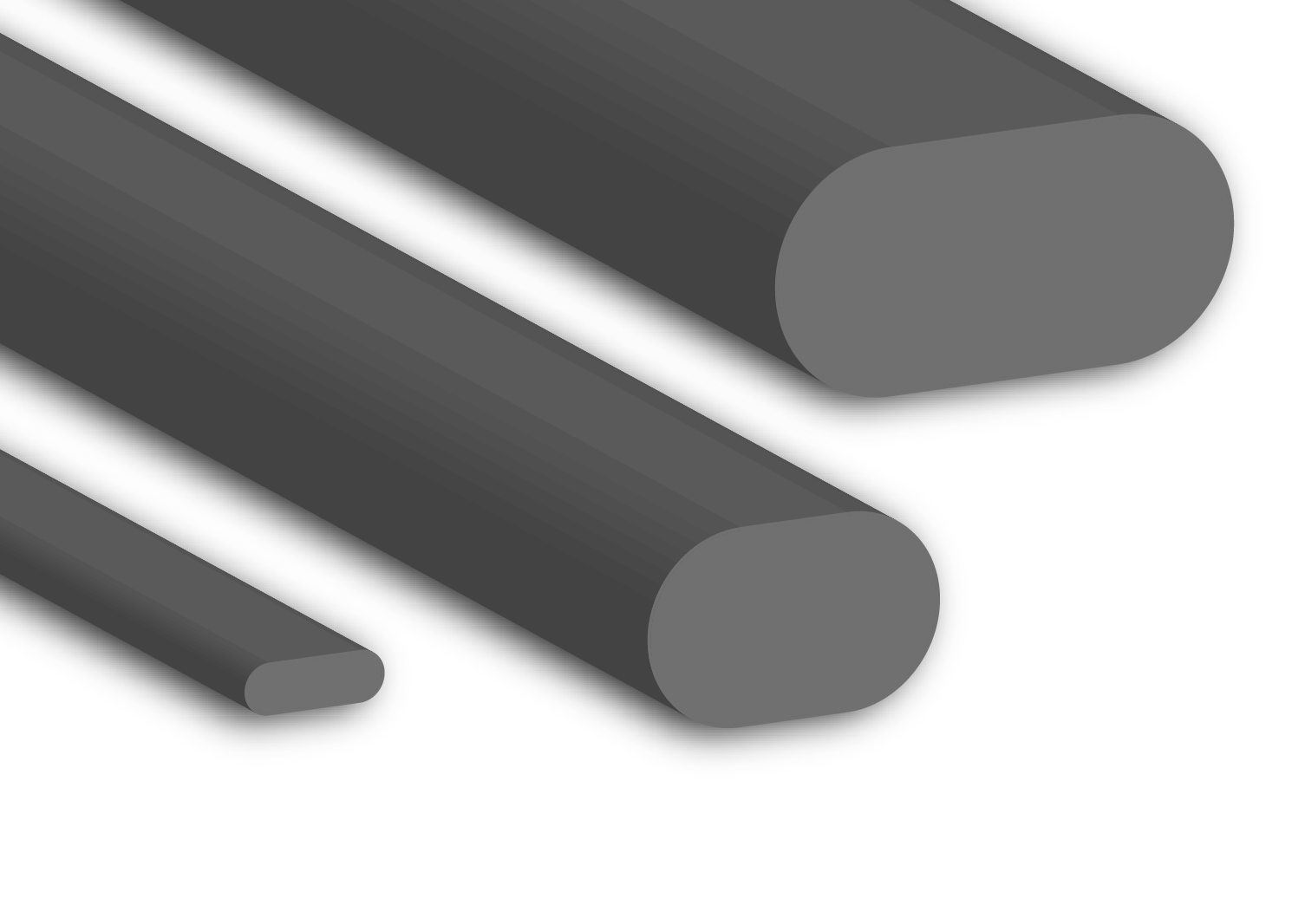
Silicone Thermal Insulation Customization Process
At Suzhou Baoshida Trading Co., Ltd., our silicone thermal insulation customization follows a rigorously defined engineering workflow to ensure dimensional accuracy, thermal performance, and material longevity. This process begins with comprehensive drawing analysis, where our engineering team validates client-provided CAD files against manufacturability constraints. Critical tolerances, geometric dimensioning and tolerancing (GD&T) callouts, and interface specifications are cross-referenced with ISO 2768 medium-precision standards. Any ambiguities in thermal expansion coefficients or surface finish requirements trigger immediate client consultation to prevent downstream deviations. This phase culminates in a formal Design for Manufacturability (DFM) report, explicitly outlining feasible modifications to optimize yield without compromising functional intent.
Material formulation constitutes the scientific core of customization. Based on operational temperature profiles and mechanical stress requirements from the DFM, our rubber compounders adjust silica filler loading, platinum catalyst ratios, and thermal stabilizer concentrations. For instance, aerospace-grade insulation targeting -60°C to 250°C service ranges necessitates fumed silica reinforcement at 35–40 phr to suppress compression set, whereas industrial HVAC applications may prioritize cost efficiency with precipitated silica at 25–30 phr. All formulations undergo predictive modeling via Mooney-Rivlin equations to simulate viscoelastic behavior before physical mixing. Crucially, we avoid proprietary “black box” additives; every component aligns with REACH and RoHS compliance, documented in full material disclosure (FMD) sheets.
Prototyping transitions theory into empirical validation. Using validated tooling, we produce 3–5 sample batches under controlled vulcanization conditions (170°C ± 2°C, 600s cure time). Each prototype undergoes accelerated aging per ASTM D573, thermal conductivity testing via ASTM C518 heat flow meter, and dynamic mechanical analysis (DMA) to map storage/loss moduli across temperature sweeps. Dimensional conformity is verified using CMM (Coordinate Measuring Machine) scans against original CAD data, with deviations exceeding ±0.15mm triggering iterative tool correction. Client sign-off requires passing all critical-to-quality (CTQ) metrics, including flame resistance per UL 94 V-0.
Mass production implements statistical process control (SPC) with real-time monitoring of key parameters. Every production lot undergoes 100% visual inspection for surface defects and batch-level testing for tensile strength (ASTM D412), elongation, and thermal conductivity. Raw material traceability is maintained via blockchain-secured batch logs, while vulcanization profiles are dynamically adjusted using closed-loop temperature sensors to counter ambient fluctuations. Final shipment includes a comprehensive quality dossier with PPAP Level 3 documentation, certifying adherence to ISO/TS 16949 protocols for automotive clients or AS9100 for aerospace partners.
Key Silicone Thermal Insulation Specifications
| Parameter | Unit | Typical Range | Test Standard | Notes |
|———————–|———–|———————|—————|——————————–|
| Thermal Conductivity | W/m·K | 0.18–0.25 | ASTM C518 | Measured at 25°C |
| Continuous Use Temp | °C | -60 to +250 | ASTM D573 | Non-flammable environment |
| Tensile Strength | MPa | 6.0–9.5 | ASTM D412 | Type A dumbbell |
| Hardness (Shore A) | — | 40–70 | ASTM D2240 | Customizable per application |
| Compression Set (22h) | % | ≤20 | ASTM D395 | At 150°C, 25% deflection |
This structured approach ensures Suzhou Baoshida delivers thermally stable, dimensionally precise silicone insulation solutions that meet the exacting demands of industrial OEMs while minimizing time-to-market.
Contact Engineering Team
Contact Suzhou Baoshida for Advanced Silicone Thermal Insulation Solutions
At Suzhou Baoshida Trading Co., Ltd., we specialize in delivering high-performance industrial rubber solutions tailored to the rigorous demands of modern manufacturing, energy systems, and thermal management applications. Our expertise in silicone thermal insulation materials positions us as a trusted partner for OEMs, engineering firms, and industrial suppliers seeking reliable, durable, and thermally efficient products. If your operation requires customized silicone-based insulation with proven resistance to extreme temperatures, ozone, UV exposure, and mechanical stress, we invite you to contact Mr. Boyce, our dedicated technical OEM manager, to discuss your project specifications and performance requirements.
Silicone thermal insulation is critical in applications ranging from automotive exhaust systems and industrial piping to aerospace components and renewable energy installations. Our formulations are engineered to maintain structural integrity and insulating efficiency across temperature ranges from -60°C to +260°C, with optional reinforcement for higher mechanical load environments. We offer a range of product forms including molded sleeves, extruded tubing, die-cut sheets, and custom laminates with fabric or fiberglass reinforcement. All materials are manufactured under strict quality control protocols, ensuring batch consistency, compliance with international standards, and long-term service life in demanding operational conditions.
To support your technical evaluation, the table below outlines key specifications of our standard high-temperature silicone insulation materials. These values represent typical performance metrics; custom formulations can be developed to meet specific dielectric, flame retardant, or compression set requirements.
| Property | Test Method | Value |
|---|---|---|
| Hardness (Shore A) | ASTM D2240 | 40 – 80 ±5 |
| Tensile Strength | ASTM D412 | ≥8.0 MPa |
| Elongation at Break | ASTM D412 | ≥250% |
| Operating Temperature Range | — | -60°C to +260°C |
| Thermal Conductivity | ASTM C168 | 0.18 – 0.22 W/m·K |
| Flame Resistance | UL94 | V-0 rated |
| Dielectric Strength | ASTM D149 | ≥18 kV/mm |
| Compression Set (22h at 200°C) | ASTM D395 | ≤25% |
Partnering with Suzhou Baoshida means gaining access to both advanced material science and responsive technical support. Mr. Boyce leads our OEM collaboration initiatives, providing direct engineering consultation, sample provisioning, and rapid prototyping services to accelerate your product development timeline. Whether you are upgrading an existing thermal management system or designing a new component requiring precise thermal barrier properties, we are equipped to deliver optimized silicone solutions.
To initiate a technical discussion or request material data sheets and samples, please contact Mr. Boyce directly at [email protected]. Include your application details, performance targets, and any dimensional or regulatory requirements. Our team responds to all inquiries within 24 business hours and supports global logistics with reliable lead times and documentation for import compliance. Let Suzhou Baoshida be your strategic partner in high-performance silicone thermal insulation.
⚖️ O-Ring Weight Calculator
Estimate rubber O-ring weight (Approx).