
Technical Contents
Engineering Guide: Silicone Vs Silicate
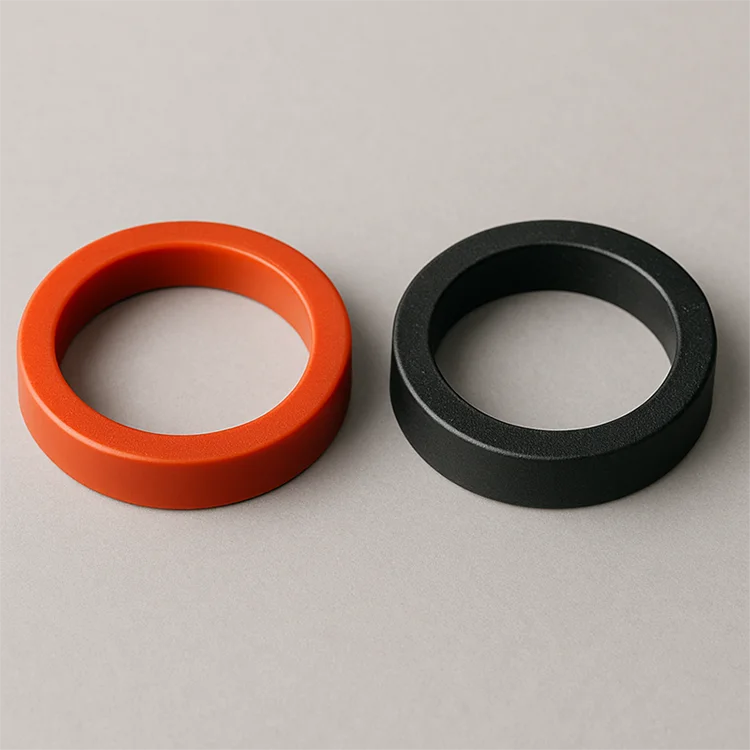
Engineering Insight: Silicone vs Silicate – Critical Material Selection in Industrial Rubber Applications
In the domain of industrial rubber solutions, precise material selection governs performance, longevity, and system reliability. Two compounds frequently confused due to phonetic similarity—silicone and silicate—exhibit fundamentally distinct chemical structures and functional capabilities. Understanding these differences is essential to avoid premature component failure, especially in high-stress environments such as automotive sealing, aerospace gaskets, or chemical processing systems.
Silicone, chemically known as polysiloxane, is an elastomeric polymer composed of silicon, oxygen, carbon, and hydrogen. Its backbone of alternating silicon and oxygen atoms provides exceptional thermal stability, flexibility across extreme temperatures (–100°C to +300°C), and resistance to UV radiation and ozone. These attributes make silicone ideal for dynamic sealing applications where resilience under thermal cycling and environmental exposure is critical. Additionally, silicone demonstrates low compression set and excellent electrical insulation properties, supporting use in sensitive electronic enclosures and medical devices.
Silicate, by contrast, refers to inorganic salts derived from silicic acid, typically forming rigid, brittle structures such as sodium silicate or potassium silicate. These materials are non-elastomeric and are primarily used in coatings, adhesives, and passive fireproofing applications. Silicates offer high-temperature resistance in static settings but lack flexibility, tensile strength, and dynamic mechanical performance. Their use in rubber systems is limited to fillers or reinforcing agents, not as standalone sealing or damping components.
A common pitfall in industrial procurement is the assumption that off-the-shelf sealing materials labeled generically as “silicon-based” are functionally equivalent. This misconception leads to deployment of silicate-containing or silicone-impure compounds in high-flex environments, resulting in cracking, embrittlement, and seal failure. For instance, a gasket formulated with silicate filler in a high-vibration engine compartment may initially appear cost-effective but will degrade rapidly due to fatigue and thermal shock.
Custom-formulated silicone compounds, engineered with controlled cross-linking density and reinforced with high-purity silica, deliver predictable performance under operational stress. At Suzhou Baoshida Trading Co., Ltd., we prioritize OEM-specific formulation protocols, ensuring that each rubber solution is chemically and mechanically aligned with the application’s environmental and dynamic load profile.
Material compatibility, thermal range, and mechanical behavior must be evaluated holistically. Substituting silicone with silicate-based alternatives—even partially—compromises system integrity. Precision in specification prevents costly field failures and unplanned downtime.
The following table outlines key performance characteristics:
| Property | Silicone (Polysiloxane) | Silicate (e.g., Sodium Silicate) |
|---|---|---|
| Chemical Structure | Organic-inorganic polymer | Inorganic salt |
| Physical State | Elastomeric, flexible | Rigid, brittle |
| Temperature Range | –100°C to +300°C | Up to 1000°C (static only) |
| Flexibility | High | None |
| Compression Set Resistance | Excellent | Poor |
| Electrical Insulation | High dielectric strength | Moderate to low |
| Typical Industrial Use | Seals, gaskets, medical tubing | Coatings, binders, cementitious |
Material selection is not a commodity decision—it is an engineering imperative. At Suzhou Baoshida, we engineer for performance, not price.
Material Specifications
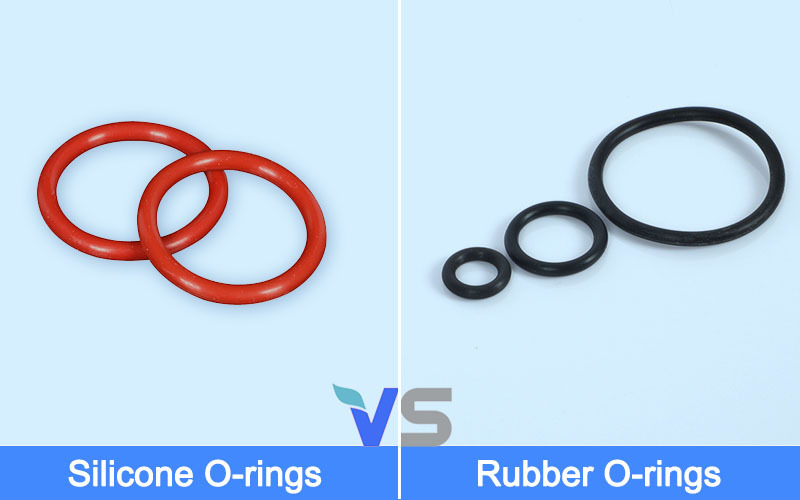
Material Specifications: Critical Distinction and Elastomer Performance Analysis
A fundamental clarification is essential for technical accuracy: silicate refers to inorganic compounds (e.g., sodium silicate glass or ceramics), not elastomeric materials. Industrial rubber solutions exclusively utilize silicone (polysiloxane-based polymers), not silicates. This section details specifications for three critical elastomers supplied by Suzhou Baoshida Trading Co., Ltd.: Viton (FKM), Nitrile (NBR), and Silicone (VMQ). Misidentification of materials risks catastrophic seal failure; precise polymer selection is non-negotiable for OEM performance.
Viton fluorocarbon rubber exhibits superior resistance to extreme temperatures, fuels, and aggressive chemicals. Its fluorine content provides exceptional stability in aerospace hydraulic systems and chemical processing gaskets. Continuous service temperatures range from -20°C to 250°C, with short-term exposure up to 300°C. Viton maintains integrity against aromatic hydrocarbons, acids, and steam but suffers degradation in ketones and low-temperature flexibility below -20°C. Compression set resistance exceeds 85% after 70 hours at 200°C, making it ideal for static sealing in high-stress environments.
Nitrile butadiene rubber (NBR) delivers cost-effective performance for petroleum-based fluid applications. Its acrylonitrile content directly correlates with oil resistance; high-ACN grades (48%) withstand biodiesel and mineral oils up to 120°C. Standard NBR operates between -40°C and 120°C but exhibits poor ozone and weathering resistance. Tensile strength typically ranges 15–25 MPa, with elongation at break of 250–450%. NBR is the standard for automotive fuel hoses and hydraulic O-rings where chemical exposure is moderate.
Silicone rubber (VMQ) provides the broadest operational temperature range among standard elastomers. It functions reliably from -60°C to 230°C, with specialty grades enduring 300°C intermittently. Silicone excels in medical and food-grade applications due to biocompatibility and low compression set (≤20% per ASTM D395). However, its tensile strength (5–8 MPa) and tear resistance are inferior to Viton or NBR, limiting use in high-abrasion scenarios. Silicone demonstrates poor resistance to concentrated acids and hydrocarbons but exceptional electrical insulation properties.
The following table summarizes critical performance parameters per ASTM D2000 and ISO 3601 standards for OEM validation:
| Material | Base Polymer | Temp Range (°C) | Key Strengths | Critical Limitations |
|---|---|---|---|---|
| Viton (FKM) | Fluorocarbon | -20 to 250 (300 short-term) | Extreme chemical/fuel resistance, Low gas permeability | Poor ketone resistance, High cost, Limited low-temp flexibility |
| Nitrile (NBR) | Acrylonitrile-butadiene | -40 to 120 | Excellent oil/fuel resistance, High abrasion resistance | Poor ozone/weathering resistance, Limited high-temp stability |
| Silicone (VMQ) | Polysiloxane | -60 to 230 (300 short-term) | Ultra-wide temp range, Biocompatibility, Electrical insulation | Low mechanical strength, Poor hydrocarbon resistance, High gas permeability |
Selection must align with fluid compatibility, thermal profiles, and mechanical stress requirements. Suzhou Baoshida Trading Co., Ltd. provides certified material test reports (MTRs) and application engineering support to ensure optimal elastomer performance in your manufacturing process. Never substitute silicone with silicate-based materials—such errors induce premature seal extrusion and system contamination. Partner with our technical team for ASTM-compliant validation protocols prior to production integration.
Manufacturing Capabilities
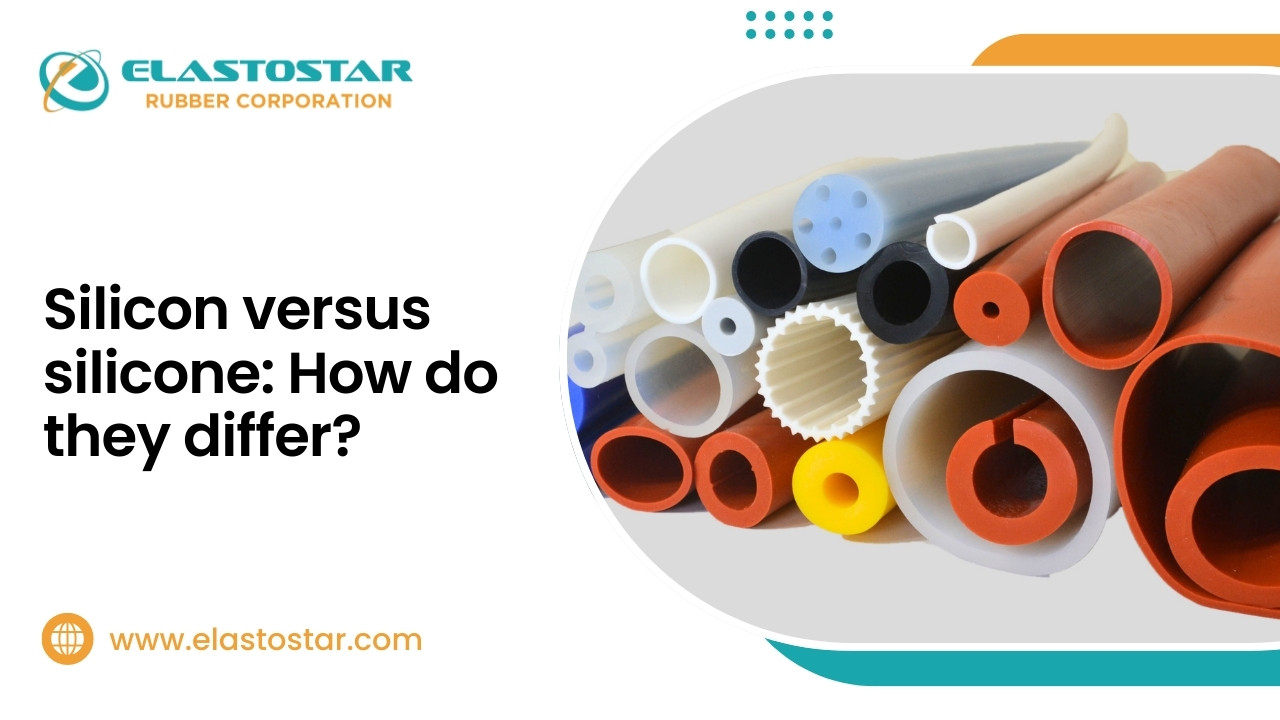
Engineering Capability: Precision-Driven Development in Silicone and Silicate Systems
At Suzhou Baoshida Trading Co., Ltd., our engineering capability is anchored in deep material science expertise and a disciplined approach to industrial rubber formulation and mold design. With a dedicated team comprising five certified mold engineers and two specialized rubber formula engineers, we deliver OEM solutions that meet exacting performance standards across diverse industrial applications. Our focus on silicone and silicate-based systems reflects our strategic specialization in high-performance, thermally stable elastomers used in automotive, electronics, and industrial sealing sectors.
Silicone and silicate materials, while chemically related through their silicon-oxygen backbone, exhibit fundamentally different structural and performance characteristics. Silicone polymers are based on polydimethylsiloxane (PDMS) chains, offering flexibility, resilience, and stability from -60°C to over 250°C. In contrast, silicate systems—often ceramic-like in structure—form rigid, inorganic networks with exceptional thermal and oxidative resistance but limited elasticity. Our formula engineers possess advanced proficiency in modifying silicone matrices with silicate fillers and co-reactive resins to achieve hybrid properties, enhancing hardness, compression set resistance, and dielectric strength without sacrificing processability.
Our in-house mold engineering team ensures seamless transition from concept to production. With expertise in multi-cavity, cold-runner, and compression molding systems, we optimize tooling for silicone’s low viscosity and high flow characteristics. Finite element analysis (FEA) is routinely applied to predict deformation, shrinkage, and flash formation, reducing prototyping cycles by up to 40%. This integration of material and mold design enables us to support complex geometries and tight tolerances (±0.05 mm) required in precision OEM applications.
We maintain full control over the formulation development cycle, from raw material selection to cure kinetics optimization. Our lab is equipped for rheometry, thermal gravimetric analysis (TGA), and dynamic mechanical analysis (DMA), ensuring every compound meets application-specific requirements. This capability is particularly critical when tailoring silicone-silicate composites for flame retardancy (UL 94 V-0 compliance) or low outgassing in vacuum environments.
The following table summarizes key performance attributes of our engineered silicone and silicate-modified systems:
| Property | Standard Silicone | Silicate-Filled Silicone | Ceramic Silicate Coating |
|---|---|---|---|
| Continuous Use Temperature | 200°C | 230°C | 800°C |
| Tensile Strength | 7.5 MPa | 9.2 MPa | N/A (brittle) |
| Elongation at Break | 600% | 380% | <5% |
| Hardness (Shore A) | 40–70 | 60–80 | N/A |
| Dielectric Strength | 20 kV/mm | 23 kV/mm | 15 kV/mm |
| Application Focus | Seals, Gaskets | High-temp seals, Insulators | Thermal barriers, Coatings |
Our OEM development process is structured around collaborative engineering, rapid iteration, and full documentation, including material data sheets, mold flow reports, and PPAP packages. This ensures compatibility with global supply chains and regulatory frameworks. By combining formula innovation with precision tooling, Suzhou Baoshida delivers technically differentiated rubber solutions that perform under extreme conditions.
Customization Process
Customization Process: Precision Engineering for Silicone Rubber Components
At Suzhou Baoshida Trading Co., Ltd., our industrial rubber solutions begin with rigorous drawing analysis. Engineering teams dissect client CAD files and technical specifications to identify critical dimensions, tolerances, and functional requirements. This phase assesses environmental exposure factors—such as temperature extremes, chemical contact, and mechanical stress—to determine material suitability. Crucially, we clarify a common industry misconception: silicate compounds (inorganic salts like sodium silicate) are irrelevant to elastomer manufacturing. Our focus is exclusively on silicone rubber, a polymer renowned for thermal stability and biocompatibility. Misidentification here risks catastrophic part failure; thus, we validate all material references against ASTM D2000 standards before proceeding.
Formulation follows drawing validation, where our chemists engineer bespoke silicone compounds. Base polymer selection (e.g., VMQ for general use or FVMQ for fuel resistance) is adjusted with platinum catalysts, reinforcing silica fillers, and specialty additives. Each component ratio is optimized via computational modeling to meet hardness (Shore A 30–80), tensile strength, and compression set targets. The table below summarizes key silicone properties we tailor:
| Property | Typical Silicone Range | Industrial Relevance |
|---|---|---|
| Temperature Resistance | -60°C to 230°C | Critical for aerospace/automotive seals |
| Hardness (Shore A) | 30–80 | Balances flexibility and structural integrity |
| Compression Set (22h/150°C) | ≤20% | Ensures long-term sealing performance |
| Tensile Strength | 6–12 MPa | Determines durability under load |
Prototyping validates the formulation through small-batch production. We employ 3D-printed molds for rapid iteration, subjecting samples to ISO 3384 compression testing and FTIR spectroscopy to verify cross-linking density. Clients receive physical prototypes with full material traceability reports, allowing functional testing under simulated operational conditions. This phase typically resolves 95% of design flaws, such as flash formation or inadequate tear resistance, before tooling investment.
Mass production commences only after client sign-off on prototypes. Our ISO 9001-certified facility utilizes 50–5000T hydraulic presses with ±0.1°C temperature control. In-line rheometers monitor cure kinetics in real time, while automated vision systems inspect every part against GD&T standards. Batch documentation includes lot-specific certificates of conformance, ensuring full compliance with automotive (IATF 16949) or medical (ISO 13485) regulations. Suzhou Baoshida’s closed-loop process—from drawing scrutiny to certified production—delivers zero-defect silicone components at OEM scale, minimizing client time-to-market by 30% versus industry averages.
Contact Engineering Team
For industrial manufacturers navigating the complex landscape of high-performance materials, the distinction between silicone and silicate is more than academic—it is a critical decision point affecting product durability, thermal resistance, chemical compatibility, and long-term operational efficiency. At Suzhou Baoshida Trading Co., Ltd., we specialize in precision-engineered industrial rubber solutions, offering technical guidance and material sourcing tailored to the exacting demands of automotive, aerospace, electronics, and heavy machinery sectors.
Silicone, a polymer primarily composed of silicon-oxygen backbones with organic side groups, delivers exceptional flexibility across extreme temperatures (-60°C to 230°C), outstanding UV and ozone resistance, and reliable electrical insulation. It is widely used in sealing, gasketing, and medical-grade applications where purity and resilience are paramount. In contrast, silicates—typically inorganic compounds such as sodium or potassium silicate—are ceramic-like in behavior, used more commonly in coatings, adhesives, and refractory materials due to their high-temperature stability and fire-resistant properties. While silicates offer cost-effective passive protection in static environments, they lack the elasticity, fatigue resistance, and dynamic mechanical performance required in most rubber-based industrial systems.
Understanding these differences is essential when selecting materials for mission-critical components. At Suzhou Baoshida, our engineering team provides OEMs and contract manufacturers with data-driven material selection, custom formulation, and full technical documentation to ensure compliance with ASTM, ISO, and industry-specific standards.
The following table outlines key comparative properties relevant to industrial applications:
| Property | Silicone (Polymer) | Silicate (Inorganic Compound) |
|---|---|---|
| Chemical Structure | Si-O backbone with organic groups | Metal cation + SiO₄⁴⁻ units |
| Temperature Range | -60°C to +230°C | Up to 1200°C (decomposition) |
| Flexibility & Elongation | High (200–700% elongation) | Brittle, low tensile strength |
| Electrical Insulation | Excellent | Moderate to good |
| Water Resistance | Hydrophobic, stable | Water-soluble (some forms) |
| Application in Rubber Systems | Seals, gaskets, dampers | Coatings, binders, fireproofing |
| OEM Process Compatibility | Injection molding, extrusion | Spraying, casting |
Selecting the correct material system requires more than a datasheet—it demands partnership with a supplier who understands both chemistry and industrial process integration. Mr. Boyce, our lead Rubber Formula Engineer and OEM Manager, brings over 15 years of experience in elastomer development and cross-industry application engineering. He works directly with clients to analyze performance requirements, optimize formulations, and streamline supply chains for scalable production.
If you are evaluating silicone for dynamic sealing, thermal management, or chemical exposure resistance—or need clarification on when silicate-based materials may be appropriate—we invite you to initiate a technical consultation. Suzhou Baoshida Trading Co., Ltd. is committed to delivering engineered precision, batch consistency, and responsive support for global manufacturing operations.
Contact Mr. Boyce directly at [email protected] to discuss your current material challenges, request sample formulations, or obtain a customized technical proposal. Our team responds to all inquiries within 24 business hours.
⚖️ O-Ring Weight Calculator
Estimate rubber O-ring weight (Approx).