
Technical Contents
Engineering Guide: Silicone Washers
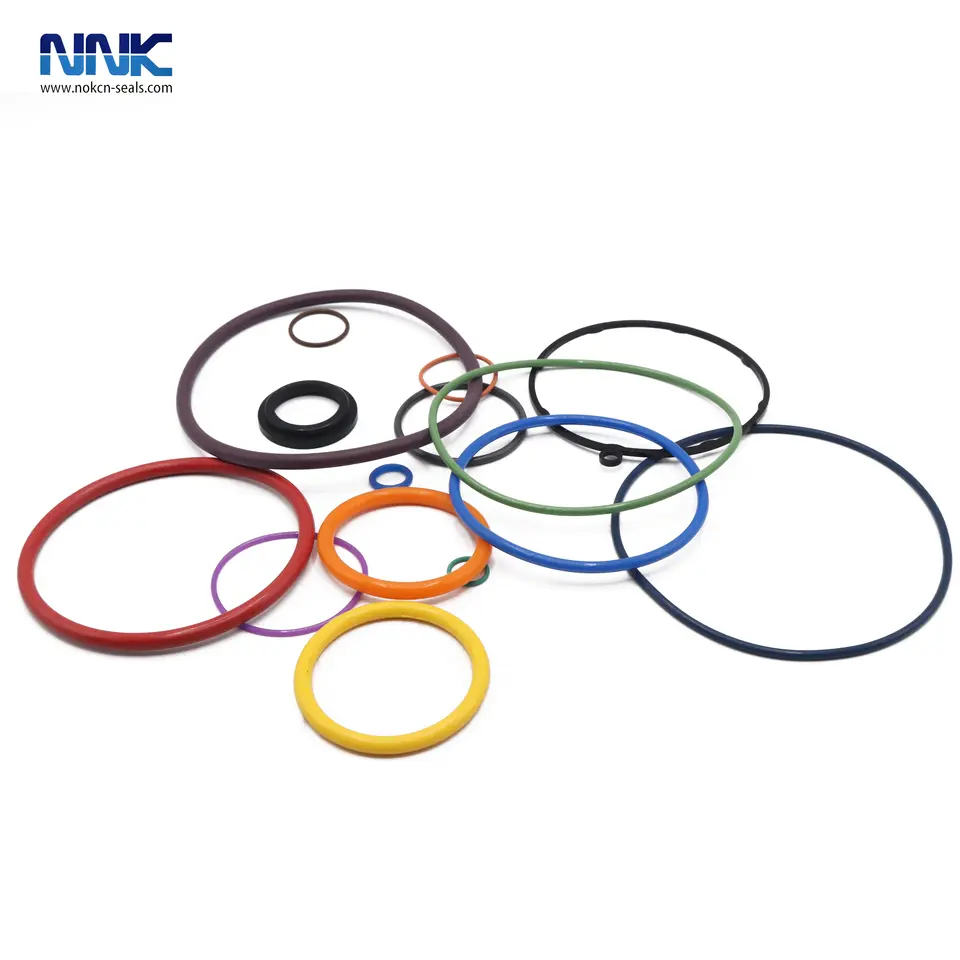
Engineering Insight Silicone Washers Material Selection Decisive Factor in Performance
Silicone washers appear deceptively simple components yet their functional integrity hinges entirely on precise material formulation. Off-the-shelf silicone washers frequently fail in demanding industrial applications because they prioritize cost reduction over application-specific engineering. Generic suppliers often utilize standard platinum-cured silicone compounds with broad but shallow performance profiles. These formulations lack the tailored molecular architecture required to withstand complex stress combinations such as simultaneous thermal cycling chemical exposure and dynamic compression. Consequently premature extrusion seal leakage or catastrophic hardening occurs when deployed in critical systems like aerospace hydraulic manifolds or semiconductor manufacturing equipment.
Material failure analysis consistently reveals that off-the-shelf washers compromise on three non-negotiable parameters. First insufficient filler optimization leads to poor compression set resistance causing permanent deformation under sustained load. Second inadequate thermal stabilizer packages result in chain scission at elevated temperatures common in automotive turbocharger assemblies. Third generic formulations omit critical additives for chemical resistance leading to swelling when exposed to biofuels or cleaning solvents. These deficiencies manifest not as immediate failure but as gradual performance decay that disrupts precision machinery calibration and increases total cost of ownership through unplanned downtime.
The critical distinction lies in engineered versus commoditized silicone. At Suzhou Baoshida we develop application-specific formulations where every additive serves a documented functional purpose. Our OEM-grade compounds undergo rigorous accelerated life testing replicating actual service conditions rather than merely meeting baseline ASTM D2000 specifications. This approach ensures dimensional stability across extreme temperature excursions from -60°C to 300°C and resistance to aggressive media including phosphate ester hydraulic fluids and concentrated acids. The following comparative analysis demonstrates why engineered silicone outperforms standard alternatives in critical applications.
| Property | Standard Silicone Washer | Baoshida Engineered Silicone | Critical Impact |
|---|---|---|---|
| Tensile Strength (MPa) | 6.0 – 7.5 | 9.0 – 11.0 | Prevents extrusion under high pressure |
| Compression Set (B) | 25% – 35% | 8% – 12% | Maintains sealing force over 10,000+ cycles |
| Temp Range (°C) | -50 to 230 | -65 to 315 | Eliminates thermal degradation in extreme env |
| Chemical Resistance | Limited oils | Full fuel/biofuel/solvent | Prevents swelling in chemical processing |
| FDA Compliance | Often non-compliant | USP Class VI certified | Mandatory for medical/pharma applications |
Material science must precede mechanical design in washer specification. An OEM-grade silicone washer is not a commodity but a precisely calibrated interface engineered to translate mechanical load into reliable sealing performance. Suzhou Baoshida Trading Co., Ltd. collaborates with clients during the design phase to analyze stress vectors fluid compatibility and lifecycle requirements. This proactive formulation strategy prevents the false economy of off-the-shelf solutions where initial cost savings are obliterated by field failures. In precision sealing applications the washer material is never incidental—it is the functional cornerstone of system integrity.
Material Specifications
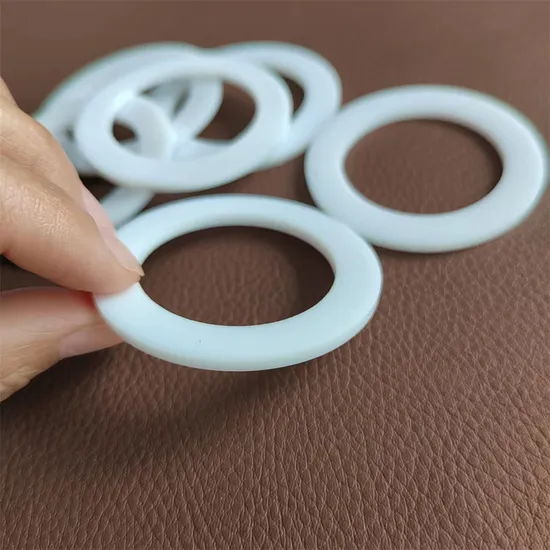
Silicone washers are critical components in precision sealing applications across industries such as automotive, aerospace, pharmaceuticals, and electronics. At Suzhou Baoshida Trading Co., Ltd., we specialize in high-performance rubber seals engineered to meet rigorous operational demands. The selection of base material directly influences the washer’s performance under thermal, chemical, and mechanical stress. Among the most widely used elastomers in our production line are Viton (FKM), Nitrile (NBR), and Silicone (VMQ). Each material offers distinct advantages tailored to specific environmental conditions and functional requirements.
Viton is a fluorocarbon-based synthetic rubber renowned for its exceptional resistance to high temperatures, oils, fuels, and a broad range of aggressive chemicals. With continuous service capability up to 230°C and intermittent resistance even higher, Viton washers are ideal for sealing applications in engine systems, chemical processing equipment, and aerospace components. Its low gas permeability and excellent aging characteristics further enhance reliability in critical environments.
Nitrile rubber, also known as Buna-N or NBR, is a copolymer of acrylonitrile and butadiene. It exhibits superior resistance to aliphatic hydrocarbons, mineral oils, and greases, making it a preferred choice for hydraulic systems, fuel handling, and industrial machinery. Nitrile washers offer good abrasion resistance and mechanical strength, with a typical operating temperature range of -40°C to +120°C. While not as thermally stable as Viton or silicone, NBR provides an optimal balance of performance and cost for general-purpose sealing tasks.
Silicone rubber (VMQ) is valued for its outstanding thermal stability across extreme temperature ranges, typically from -60°C to +200°C. It maintains flexibility at low temperatures and resists degradation at elevated ones. Silicone is highly resistant to ozone, UV radiation, and weathering, making it suitable for outdoor, medical, and food-grade applications. However, it has lower tensile strength and abrasion resistance compared to NBR and FKM, and it swells in the presence of hydrocarbons. Its biocompatibility and low toxicity further support its use in healthcare and sanitary environments.
The following table summarizes key physical and chemical properties of these materials to aid in material selection for silicone washer applications.
| Property | Viton (FKM) | Nitrile (NBR) | Silicone (VMQ) |
|---|---|---|---|
| Base Polymer | Fluorocarbon | Acrylonitrile-Butadiene | Vinyl-Methyl Siloxane |
| Temperature Range (°C) | -20 to +230 | -40 to +120 | -60 to +200 |
| Tensile Strength (MPa) | 15–20 | 10–25 | 5–10 |
| Elongation at Break (%) | 200–300 | 250–500 | 200–600 |
| Hardness (Shore A) | 60–90 | 50–90 | 30–80 |
| Resistance to Oils/Fuels | Excellent | Excellent | Poor |
| Resistance to Ozone/UV | Excellent | Good | Excellent |
| Water Resistance | Excellent | Good | Excellent |
| Compression Set Resistance | Excellent | Good | Good |
| FDA Compliance Available | Yes (specific grades) | Limited | Yes (specific grades) |
Material selection must consider not only chemical exposure and temperature but also mechanical loading, sealing force, and regulatory compliance. At Suzhou Baoshida, we support OEMs with material testing, custom formulations, and precision molding to ensure optimal performance in your application.
Manufacturing Capabilities
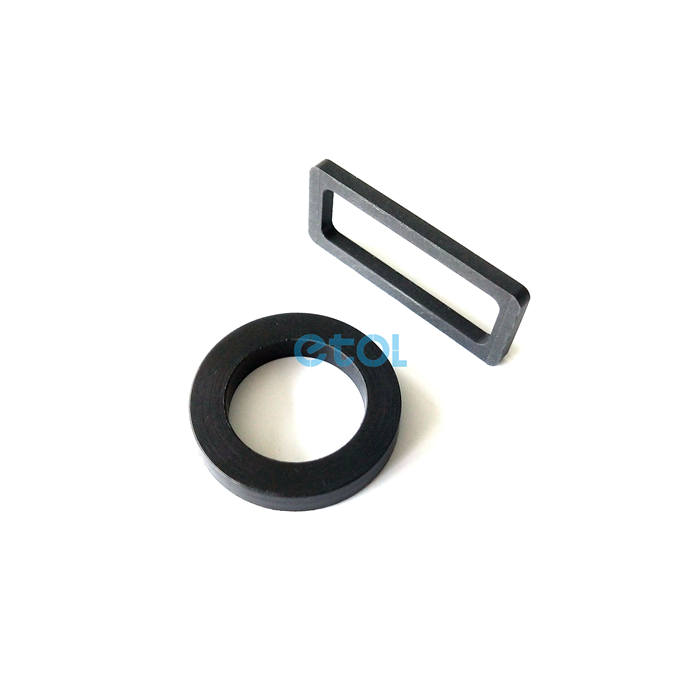
Engineering Capability: Precision Silicone Washer Development at Suzhou Baoshida
Suzhou Baoshida Trading Co., Ltd. leverages deep technical expertise to deliver mission-critical silicone washers for demanding industrial applications. Our core strength resides in a dedicated engineering team comprising five specialized Mould Engineers and two advanced Rubber Formula Engineers. This integrated structure ensures seamless translation of client specifications into high-performance, production-ready components. Unlike commodity suppliers, we control the entire value chain from molecular formulation to precision tooling, eliminating critical handoff risks that compromise seal integrity.
Our Formula Engineers focus on optimizing silicone’s molecular architecture for specific operational environments. This involves precise manipulation of polymer backbone chemistry, filler dispersion, and crosslink density to achieve target properties such as compression set resistance, thermal stability, and chemical inertness. For instance, aerospace-grade washers require formulations exceeding -60°C to 250°C continuous service, while medical device seals demand ultra-low extractables and biocompatibility per USP Class VI. We develop custom VMQ, PVMQ, and FVMQ compounds in-house, avoiding off-the-shelf compromises. Rigorous DOE-driven validation ensures every formulation meets ASTM D2000 or client-specific material specifications before tooling commencement.
The Mould Engineering team executes precision tooling strategies aligned with these formulations. Utilizing 3D flow simulation (Moldflow), we preempt knit lines, weld marks, and non-uniform curing—common failure points in thin-section washers. Critical tolerances down to ±0.05mm are consistently achieved through hardened steel molds with micro-venting systems, minimizing flash without sacrificing material integrity. All tooling adheres to ISO 13001 standards, with cavity pressure monitoring ensuring batch-to-batch consistency. This synergy between material science and precision manufacturing directly translates to washer performance: reduced leakage paths, extended service life, and zero in-field failures in validated applications.
Our OEM capabilities extend beyond production to full technical partnership. Clients receive comprehensive DFM support during prototyping, accelerated material qualification dossiers, and real-time process data via IoT-enabled presses. We maintain dedicated production cells for low-volume/high-mix programs, ensuring traceability from raw material lot to finished part. All processes are certified under ISO 9001:2015, with PPAP documentation provided per AIAG standards.
Key silicone washer performance specifications achievable through our engineering workflow include:
| Property | Standard Range | Precision Capability | Test Standard |
|---|---|---|---|
| Hardness (Shore A) | 30–80 | ±2 points | ASTM D2240 |
| Continuous Temp Range | -60°C to 230°C | Up to 250°C (short-term) | ASTM D573 |
| Compression Set (70h/150°C) | ≤25% | ≤15% | ASTM D395 Method B |
| Tensile Strength | 5.0–9.0 MPa | ≥8.5 MPa | ASTM D412 |
| Dimensional Tolerance | ±0.15mm | ±0.05mm (critical axes) | ISO 3301 |
This engineering rigor ensures Suzhou Baoshida delivers silicone washers that perform reliably under extreme compression, thermal cycling, and chemical exposure—transforming material science into operational certainty for global OEMs.
Customization Process
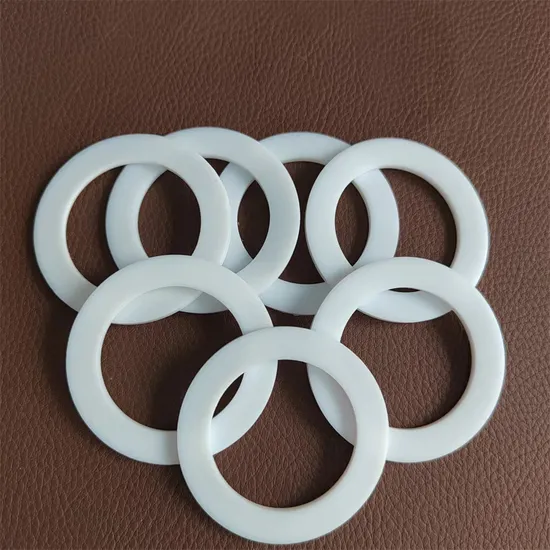
Drawing Analysis: The Foundation of Precision
The customization process for silicone washers begins with rigorous drawing analysis, where engineering specifications are meticulously reviewed to ensure alignment with application requirements. At Suzhou Baoshida Trading Co., Ltd., our technical team evaluates client-provided CAD drawings or sketches to confirm dimensional tolerances, geometric complexity, surface finish, and critical sealing zones. This phase includes verification of industry standards compliance—such as ISO 3601 for fluid power systems or AS568 for aerospace applications—and identifies potential manufacturability challenges. We assess outer diameter (OD), inner diameter (ID), thickness, concentricity, and any special features like chamfers or grooves. Our engineers also validate environmental exposure data, including temperature range, media contact, and compression set expectations, which directly influence the next stage: material formulation.
Formulation: Tailoring Silicone to Performance Demands
Once dimensional and functional parameters are confirmed, our rubber formula engineers develop a customized silicone compound engineered for the intended operating environment. Standard high-temperature vulcanizing (HTV) silicone may be modified with additives to enhance tear strength, compression resistance, or chemical inertness. For applications exposed to aviation fuels or aggressive solvents, we formulate fluorosilicone blends. For medical or food-grade washers, we utilize FDA-compliant, platinum-cured silicone with ultra-low extractables. Electrical insulation requirements may necessitate dielectric-enhancing fillers, while dynamic sealing applications demand optimized elongation at break and resilience. Every formulation is documented under strict batch traceability protocols, ensuring repeatability and compliance with ISO 9001 and IATF 16949 standards.
Prototyping: Validating Design and Material Synergy
Prior to mass production, prototype tooling is fabricated using precision CNC-machined aluminum molds, enabling rapid iteration at reduced cost. Silicone washers are produced via compression or transfer molding, depending on part geometry and tolerance demands. Prototypes undergo dimensional inspection using optical comparators and coordinate measuring machines (CMM), followed by functional testing such as compression deflection analysis, leak testing under simulated conditions, and accelerated aging per ASTM standards. Clients receive a comprehensive test report and physical samples for field validation. Feedback from this phase drives design or material refinements, ensuring optimal performance before tooling transition.
Mass Production: Consistency at Scale
Upon prototype approval, production shifts to hardened steel molds for durability and long-run consistency. Automated molding lines with controlled cure cycles ensure uniform cross-linking and minimal flash. Each batch undergoes in-process quality checks, including hardness testing (Shore A), visual inspection, and random sampling for dimensional conformance. Final packaging is customized per client logistics needs, with options for anti-static bags, desiccant inclusion, or ISO-cleanroom packaging.
The following table outlines typical customizable parameters and achievable specifications:
| Parameter | Standard Range | Precision Capability | Testing Standard |
|---|---|---|---|
| Inner Diameter (ID) | 5 – 150 mm | ±0.05 mm (tight tolerance) | ISO 3302 |
| Outer Diameter (OD) | 10 – 200 mm | ±0.08 mm | ISO 3302 |
| Thickness | 0.5 – 10 mm | ±0.03 mm | ASTM D395 |
| Hardness | 30 – 80 Shore A | ±5 Shore A | ASTM D2240 |
| Temperature Resistance | -60°C to +230°C (up to +300°C intermittent) | Material-dependent | ASTM D573 |
| Tensile Strength | 5 – 9 MPa | Up to 12 MPa (reinforced) | ASTM D412 |
| Compression Set (22h, 150°C) | ≤20% | ≤10% (optimized formulation) | ASTM D395 |
Contact Engineering Team
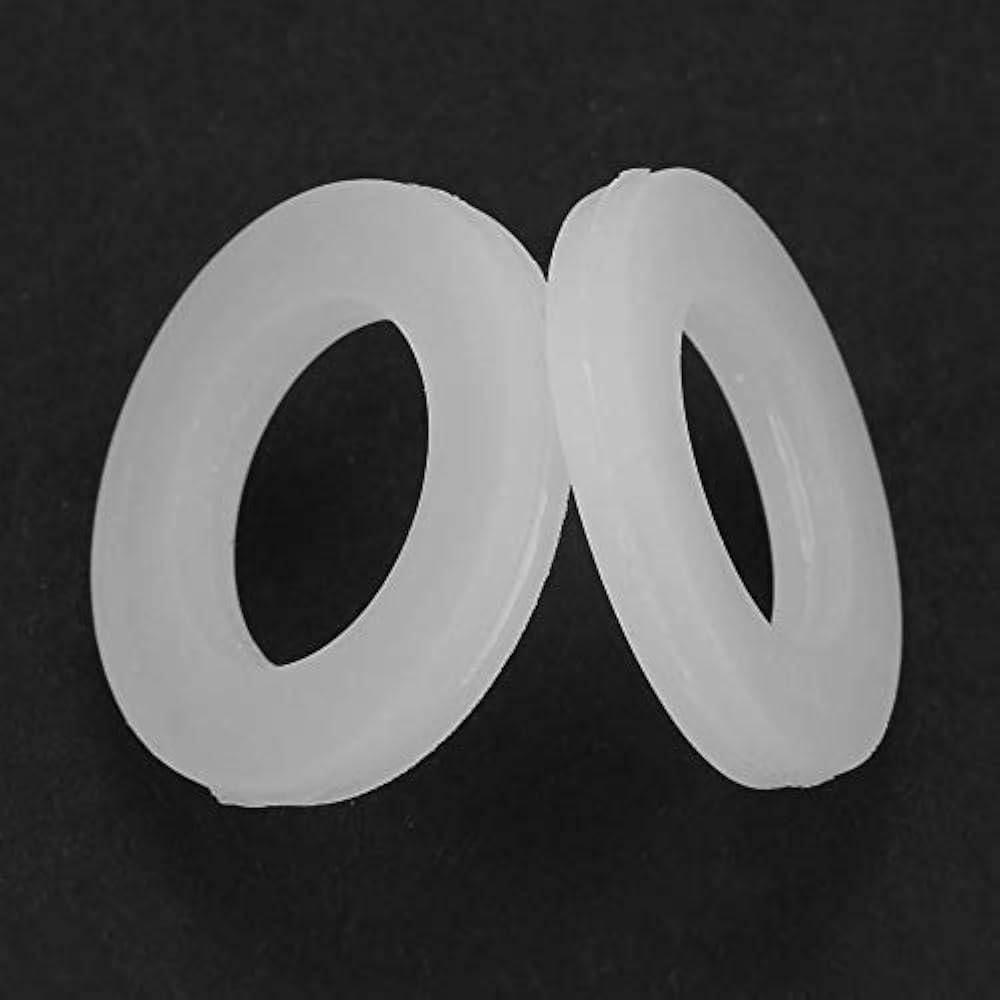
Precision Silicone Washer Solutions: Engineering Partnership with Suzhou Baoshida
Silicone washer performance hinges on exact material formulation, dimensional stability under thermal cycling, and long-term compression set resistance. At Suzhou Baoshida Trading Co., Ltd., we engineer custom silicone washers for critical sealing applications in automotive, aerospace, medical devices, and industrial hydraulics. Our ISO 9001-certified manufacturing process integrates advanced rubber compounding with precision molding, ensuring compliance with ASTM D2000 DB-2-A14-B14 and FDA 21 CFR 177.2600 standards. Unlike generic suppliers, we optimize silicone polymer architecture—balancing vinyl content, filler dispersion, and crosslink density—to achieve target properties without compromising cycle life. This scientific approach prevents premature seal failure in dynamic environments where temperature extremes (-60°C to +230°C) and chemical exposure demand uncompromising material integrity.
Our technical capabilities are validated through rigorous in-house testing, including compression set analysis per ASTM D395 Method B (70 hours at 175°C), tensile strength verification (≥8.0 MPa), and Shore A durometer control within ±2 points. The following table details our standard silicone washer specifications for immediate prototyping or volume production:
| Parameter | Standard Range | Tolerance | Test Method |
|---|---|---|---|
| Material Grade | VMQ (Vinyl Methyl) | Customizable | ASTM D2000 |
| Hardness (Shore A) | 30–80 | ±2 | ASTM D2240 |
| Inner Diameter (ID) | 3.0–150.0 mm | ±0.05 mm | ISO 3302-1 |
| Outer Diameter (OD) | 6.0–200.0 mm | ±0.08 mm | ISO 3302-1 |
| Thickness | 0.5–10.0 mm | ±0.03 mm | ISO 3302-1 |
| Compression Set (70h/175°C) | ≤25% | Max. 30% | ASTM D395 B |
| Operating Temperature | -60°C to +230°C | Continuous | ISO 188 |
OEMs partner with us to resolve complex sealing challenges where off-the-shelf washers fail. We translate your functional requirements—such as fluid resistance to Skydrol hydraulic fluid or biocompatibility for implantable devices—into tailored silicone formulations. Our engineering team collaborates from CAD optimization through DFM analysis, reducing assembly friction and leakage risks in high-vibration assemblies. With 15+ years of OEM support, we maintain zero-defect production runs exceeding 500,000 units monthly through automated molding cells and real-time SPC monitoring.
Initiate your precision sealing project by contacting Mr. Boyce, our dedicated OEM Technical Manager. He will coordinate material selection, rapid prototyping (7–10 days), and scalable production scheduling aligned with your JIT or VMI requirements. Provide your dimensional drawings, environmental specifications, and volume targets for a formal quotation with technical validation data. Mr. Boyce ensures seamless integration of our washers into your supply chain while addressing regulatory documentation needs for global markets.
Contact Mr. Boyce for Engineering Support
Direct Email: [email protected]
Response Time: Within 4 business hours for technical inquiries
Required Information: Application context, performance criteria, and target quantities
Suzhou Baoshida Trading Co., Ltd. delivers not just components, but engineered sealing integrity. Engage our formulation expertise to eliminate field failures and reduce total cost of ownership. Your next-generation silicone washer solution begins with a technical dialogue.
⚖️ O-Ring Weight Calculator
Estimate rubber O-ring weight (Approx).