
Technical Contents
Engineering Guide: Slippery Exterior Wood Steps
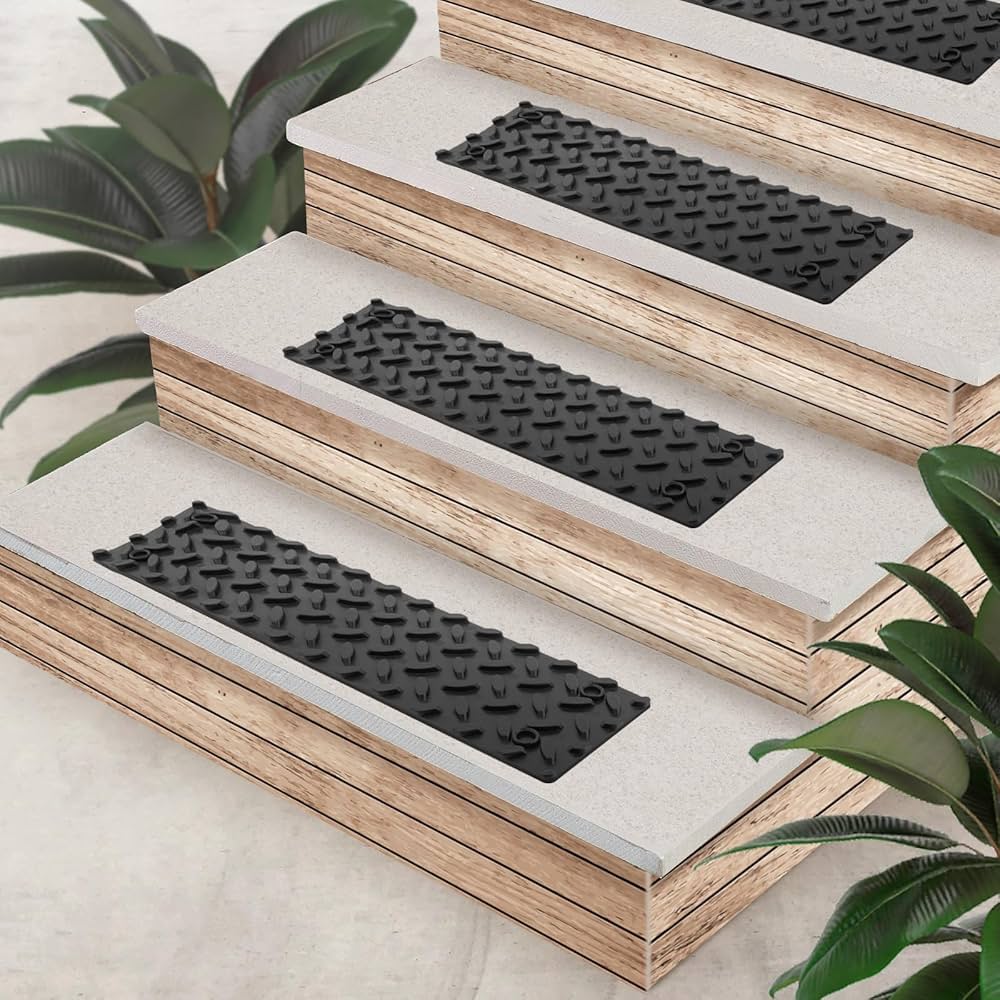
Engineering Insight: Addressing Slip Resistance in Exterior Wood Steps
Exterior wood steps present a persistent challenge in architectural and industrial design due to their inherent susceptibility to surface degradation under environmental stress. While aesthetically pleasing, untreated or improperly protected wooden treads become dangerously slippery when exposed to moisture, algae, or temperature fluctuations. The failure of conventional off-the-shelf anti-slip solutions stems not from design intent, but from inadequate material science alignment with real-world conditions. At Suzhou Baoshida Trading Co., Ltd., our focus on industrial rubber solutions emphasizes engineered performance over generic application.
Most commercially available anti-slip tapes or adhesive grit strips utilize thermoplastic polymers or low-grade rubber composites with poor UV resistance, limited cold flexibility, and minimal adhesion longevity. These materials often delaminate within 6–12 months in outdoor environments, leaving behind residue and exposed, hazardous surfaces. The root cause lies in mismatched mechanical properties: coefficient of friction (COF) degradation, insufficient tensile strength, and poor interfacial adhesion to porous wood substrates.
In contrast, high-performance rubber formulations—specifically hydrogenated nitrile butadiene rubber (HNBR) and chloroprene (CR)—offer superior durability and consistent slip resistance. These elastomers maintain structural integrity across a wide temperature range (–40°C to +120°C), resist hydrolytic breakdown, and exhibit excellent resistance to microbial growth. When compounded with engineered abrasive fillers such as silicon carbide or aluminum oxide, the resulting tread interface achieves a dynamic COF >0.6 on wet surfaces, meeting ADA and ISO 13287 safety standards.
Adhesion technology is equally critical. Two-part polyurethane primers combined with pressure-sensitive rubber adhesives ensure long-term bond stability to treated and untreated wood, even under thermal cycling and moisture ingress. Surface preparation—sanding, degreasing, and moisture testing—is non-negotiable in field installation protocols.
The table below compares key performance metrics of standard versus engineered rubber solutions for exterior wood step applications.
| Property | Off-the-Shelf Tapes (PVC/TPU) | Engineered Rubber (HNBR/CR) | Test Standard |
|---|---|---|---|
| Static COF (wet) | 0.45 | 0.72 | ASTM D2047 |
| Tensile Strength | 12 MPa | 28 MPa | ASTM D412 |
| Elongation at Break | 250% | 450% | ASTM D412 |
| Operating Temperature | –10°C to 60°C | –40°C to 120°C | ASTM D1329 |
| UV Resistance (2,000 hrs) | Severe cracking, fading | Minimal degradation | ASTM G154 |
| Adhesion to Wood (peel strength) | 1.8 kN/m | 4.6 kN/m | ASTM D903 |
Material selection is not a cost-driven compromise—it is a safety imperative. Off-the-shelf products fail because they are designed for temporary or indoor use, not the dynamic load and environmental exposure of exterior steps. Suzhou Baoshida Trading Co., Ltd. delivers industrial-grade rubber solutions where formulation precision, substrate compatibility, and long-term performance converge to eliminate slip hazards at their source.
Material Specifications
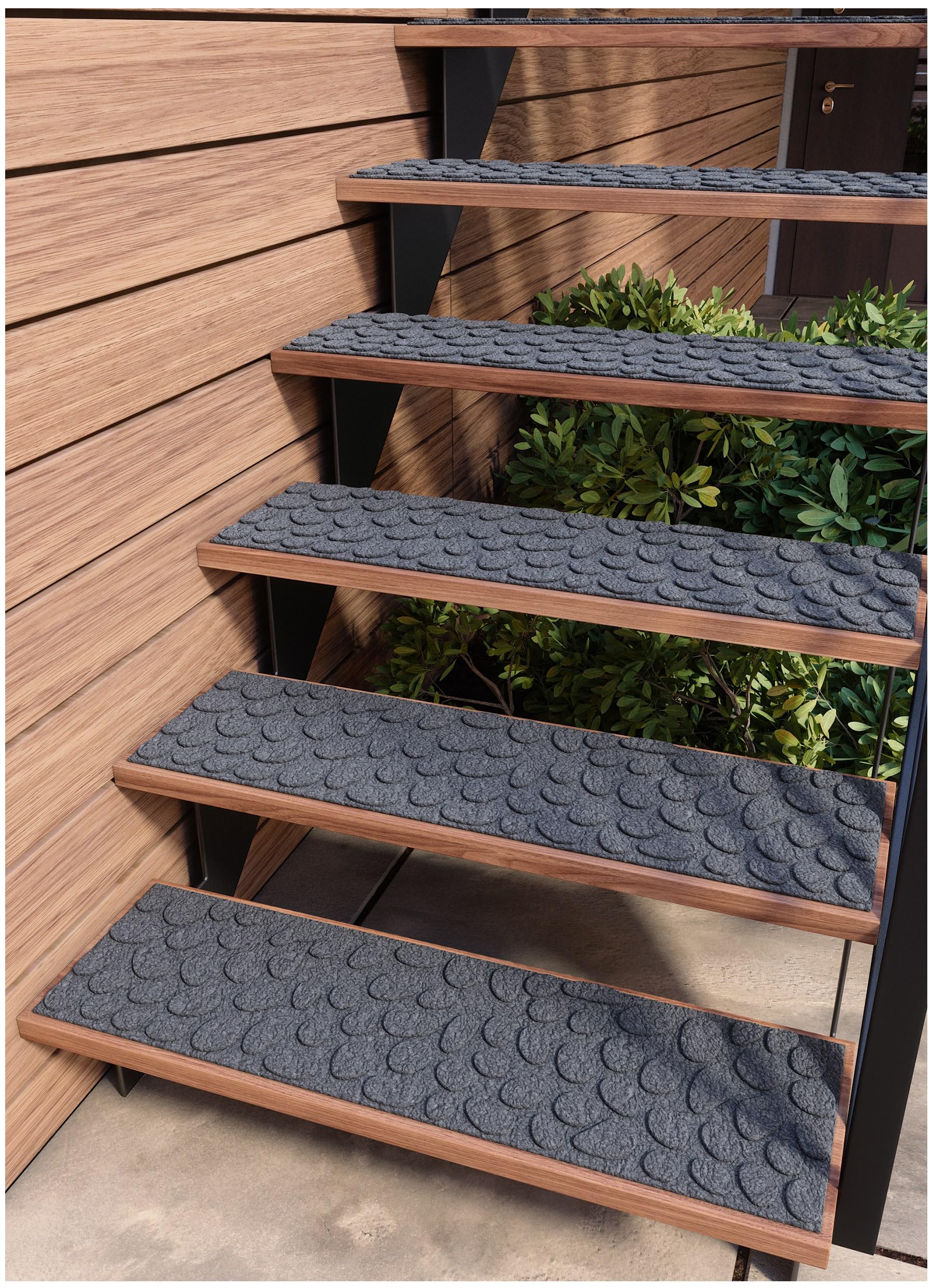
Material Specifications for Exterior Wood Step Safety Treads
Slip hazards on exterior wood steps present critical safety risks in commercial and industrial environments, demanding engineered rubber solutions that balance adhesion, durability, and environmental resilience. At Suzhou Baoshida Trading Co., Ltd., our OEM formulations for step treads prioritize consistent slip resistance under dynamic loads, moisture exposure, and thermal cycling. Wood substrates require materials accommodating dimensional instability from humidity fluctuations while maintaining bond integrity. We rigorously qualify Viton (FKM), Nitrile (NBR), and Silicone (VMQ) compounds against ASTM F2913-23 slip resistance standards, targeting a dynamic coefficient of friction ≥0.8 on wet surfaces. Each material is compounded with specialized fillers and bonding agents to ensure adhesion to pressure-treated or composite wood without delamination under freeze-thaw stress.
Viton excels in extreme environments where steps face chemical splashes (e.g., industrial walkways near maintenance zones), offering unparalleled resistance to oils, fuels, and ozone. Its operational range spans -20°C to +230°C, though higher cost necessitates targeted application. Nitrile provides optimal cost-performance for general outdoor use, with robust resistance to aliphatic hydrocarbons and water absorption below 1.5%. Its standard formulation (60–80A durometer) delivers reliable grip on wet wood but requires UV stabilizers for prolonged sun exposure. Silicone remains the premier choice for thermal extremes and aesthetic integration, maintaining flexibility from -60°C to +200°C with inherent UV/ozone resistance. Its non-marking properties suit high-traffic architectural settings, though tensile strength is lower than NBR. All compounds incorporate anti-slip textures (e.g., pyramid or grit patterns) molded to ISO 1303:2009 standards for consistent tread performance.
Critical performance parameters for exterior wood step applications are summarized below. Suzhou Baoshida tailors Shore A hardness (55–85A), filler content, and adhesive primers to substrate-specific requirements, ensuring compliance with ISO 9001:2015 manufacturing protocols.
| Property | Viton (FKM) | Nitrile (NBR) | Silicone (VMQ) | Key Relevance for Wood Steps |
|---|---|---|---|---|
| Temperature Range (°C) | -20 to +230 | -30 to +120 | -60 to +200 | Accommodates thermal expansion of wood |
| Durometer Range (Shore A) | 65–85 | 55–80 | 40–70 | Balances grip comfort and wear resistance |
| Water Absorption (%) | <0.5 | 1.0–1.8 | <0.3 | Prevents swelling-induced delamination |
| Tensile Strength (MPa) | 10–15 | 15–25 | 6–10 | Resists cracking from wood movement |
| Weathering Resistance | Excellent | Moderate* | Excellent | *Requires UV additives for long-term use |
Suzhou Baoshida’s OEM process mandates accelerated aging tests per ASTM G154 for UV exposure and ASTM D2240 for hardness retention over 5,000 cycles. We prioritize non-staining formulations to avoid tannin reactions with wood finishes. For optimal performance, NBR is recommended for cost-sensitive projects in temperate climates, while Silicone suits premium architectural installations requiring color stability. Viton remains reserved for specialized industrial sites with aggressive chemical exposure. All materials undergo substrate-specific adhesion validation using ASTM D429 Method B peel tests, ensuring 90° peel strength ≥5 kN/m on sanded wood substrates. Partner with our engineering team to select the precise compound for your step geometry, load profile, and environmental stressors.
Manufacturing Capabilities
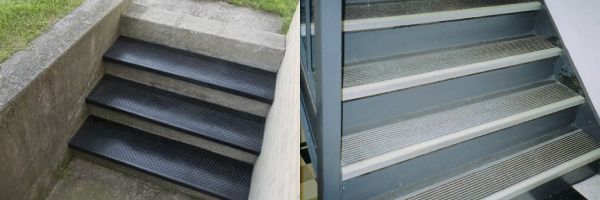
Suzhou Baoshida Trading Co., Ltd. operates at the forefront of industrial rubber solutions, delivering engineered performance for demanding applications such as slippery exterior wood steps. Our engineering capability is anchored in a dedicated team of five certified mould engineers and two specialized rubber formula engineers, enabling us to provide fully integrated OEM solutions from concept to production. This technical synergy ensures that every rubber component we produce meets exact functional, environmental, and durability requirements.
Our mould engineering team specializes in precision tooling design for complex rubber-to-wood and rubber-to-substrate bonding applications. With extensive experience in compression, transfer, and injection moulding processes, they develop robust tooling systems that ensure consistent part geometry, optimal flash control, and long service life. Each mould is designed using advanced CAD/CAM software and validated through finite element analysis (FEA) to predict stress distribution and deformation under operational loads. This proactive engineering approach minimizes trial iterations and accelerates time-to-market for custom OEM projects.
Complementing our tooling expertise, our two in-house rubber formula engineers focus on material science optimization tailored to outdoor applications. For slippery exterior wood steps, this involves developing non-slip rubber treads with controlled Shore A hardness, superior abrasion resistance, and enhanced wet-traction performance. Our formulations are engineered to resist UV degradation, thermal cycling, moisture ingress, and microbial growth—critical factors in outdoor environments. We utilize a range of synthetic and natural rubber compounds, including EPDM, SBR, and NBR, modified with functional additives to achieve targeted grip coefficients and weathering resistance.
Our OEM capabilities extend beyond design and formulation to full-scale manufacturing integration. We support low-volume prototyping through high-volume production runs, maintaining strict quality control via ISO-compliant processes. All rubber components undergo rigorous performance testing, including adhesion strength, coefficient of friction (CoF) measurement under wet/dry conditions, and accelerated aging cycles.
The following table outlines key technical specifications achievable for rubber treads used in exterior wood step applications:
| Property | Typical Value | Test Standard |
|---|---|---|
| Shore A Hardness | 55–75 | ASTM D2240 |
| Static Coefficient of Friction (wet) | ≥ 0.6 | ASTM C1028 |
| Tensile Strength | 12–18 MPa | ASTM D412 |
| Elongation at Break | 250–400% | ASTM D412 |
| Abrasion Loss (Taber, 1000 cycles) | ≤ 80 mg | ASTM D1044 |
| Operating Temperature Range | -40°C to +100°C | Internal |
| Adhesion Strength (to wood substrate) | ≥ 0.8 MPa | ASTM D4541 |
By combining advanced rubber chemistry with precision mould engineering, Suzhou Baoshida delivers high-performance, application-specific solutions that enhance safety and longevity in exterior step systems. Our OEM partnerships are built on technical transparency, iterative development, and scalable manufacturing—ensuring reliable, slip-resistant outcomes for architects, builders, and industrial designers.
Customization Process
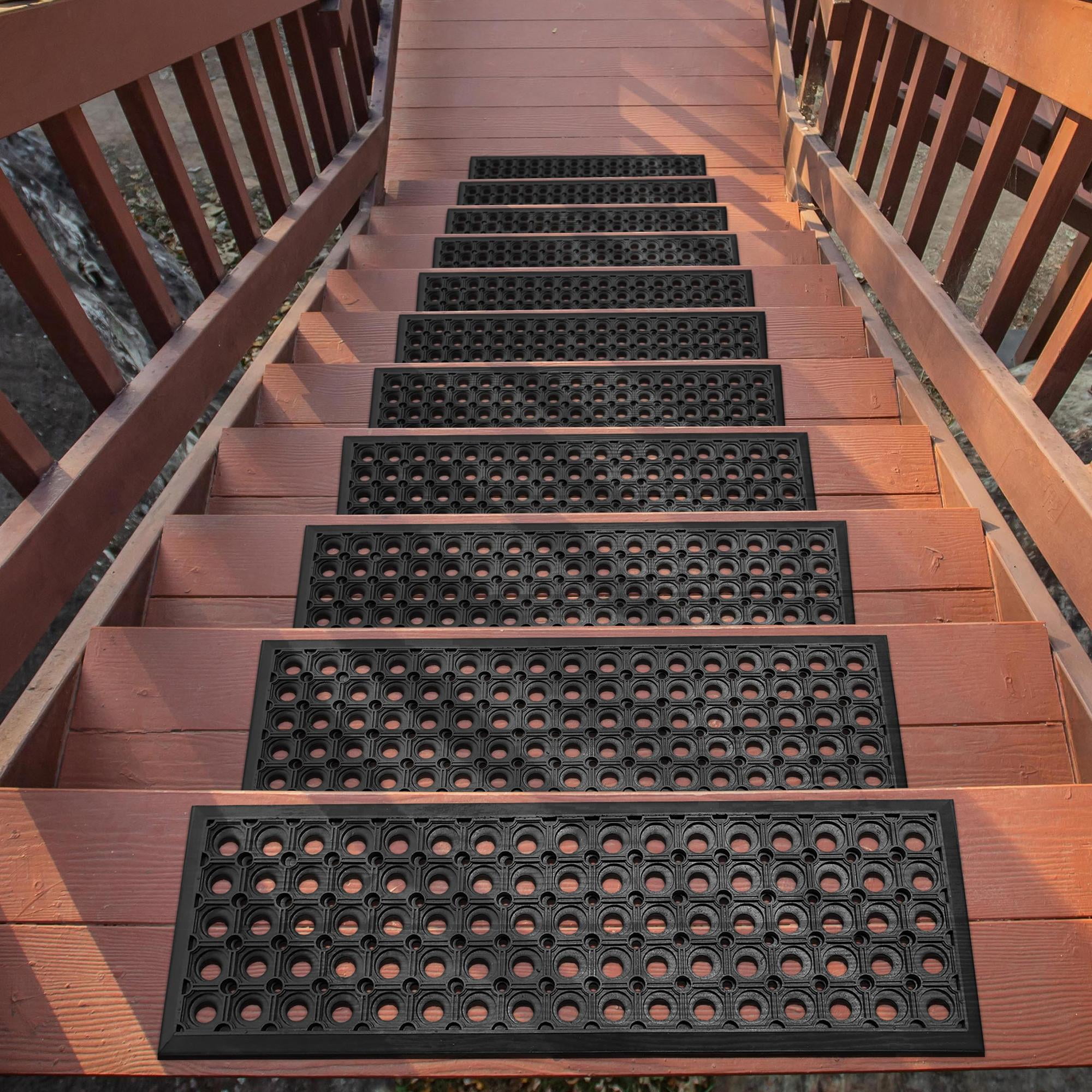
Customization Process for Exterior Wood Step Traction Solutions
Suzhou Baoshida Trading Co., Ltd. addresses hazardous slippery conditions on exterior wood steps through a rigorously controlled rubber customization workflow. Our industrial-grade solutions prioritize longevity, all-weather grip, and seamless integration with wooden substrates. The process begins with comprehensive drawing analysis, where engineering teams dissect client-provided CAD files or physical samples. Critical parameters assessed include step dimensions, load-bearing requirements, environmental exposure (UV, moisture, temperature extremes), and substrate adhesion challenges. This phase identifies geometric constraints and operational stress points, ensuring the rubber profile design accommodates thermal expansion coefficients of both wood and elastomer without delamination.
Formulation development follows, leveraging our proprietary compound library and accelerated aging data. We engineer non-marking, hydrophobic polymer matrices with embedded high-abrasion silica and ceramic particles to maximize wet/dry coefficient of friction (CoF). Key material properties are optimized for wood step applications, as detailed below.
| Property | Target Value | Test Standard | Significance for Wood Steps |
|---|---|---|---|
| Shore A Hardness | 55 ± 5 | ASTM D2240 | Balances grip without damaging wood grain |
| Static CoF (Wet) | ≥ 0.85 | ASTM F2913 | Prevents slips on moisture-exposed surfaces |
| Tensile Strength | ≥ 12 MPa | ASTM D412 | Resists tearing under foot traffic |
| UV Resistance (3k hrs) | ΔE < 3.0 | ISO 4892-2 | Prevents surface cracking/chalking |
| Adhesion to Wood | ≥ 4.5 kN/m | ASTM D903 | Ensures long-term bond integrity |
Prototyping utilizes CNC-machined molds to produce 3–5 functional units for client validation. Each prototype undergoes accelerated lifecycle testing: 50,000+ simulated foot cycles on inclined wet oak planks, thermal cycling (-30°C to 80°C), and salt fog exposure. Client feedback on ergonomics, aesthetics, and installation is incorporated within 72 hours, with material adjustments made at the molecular level if adhesion or wear metrics fall short.
Mass production commences only after formal sign-off, employing closed-mixing systems to eliminate batch variance. All rubber extrusions are monitored via inline spectrometers verifying compound homogeneity, while laser micrometers ensure profile tolerances within ±0.15 mm. Every production run includes destructive testing of 3 random units against the specifications table, with full traceability from raw material lot to finished part. Suzhou Baoshida’s process guarantees that each rubber step tread delivers 10+ years of maintenance-free performance in demanding outdoor environments, directly mitigating slip-fall liabilities for commercial and residential clients. Final shipments include material certification dossiers and installation validation protocols to support compliance with ISO 14122 safety standards.
Contact Engineering Team
Contact Suzhou Baoshida for Industrial Rubber Solutions to Prevent Slip Hazards on Exterior Wood Steps
Slippery exterior wood steps present a critical safety challenge in industrial, commercial, and public access environments. Moisture, algae growth, temperature fluctuations, and foot traffic degrade wood surfaces, reducing traction and increasing slip risk. At Suzhou Baoshida Trading Co., Ltd., we specialize in engineered rubber solutions designed to enhance surface grip, extend material life, and meet rigorous safety standards. Our proprietary rubber compounds are formulated for outdoor adhesion, UV resistance, and long-term performance under dynamic load and environmental stress.
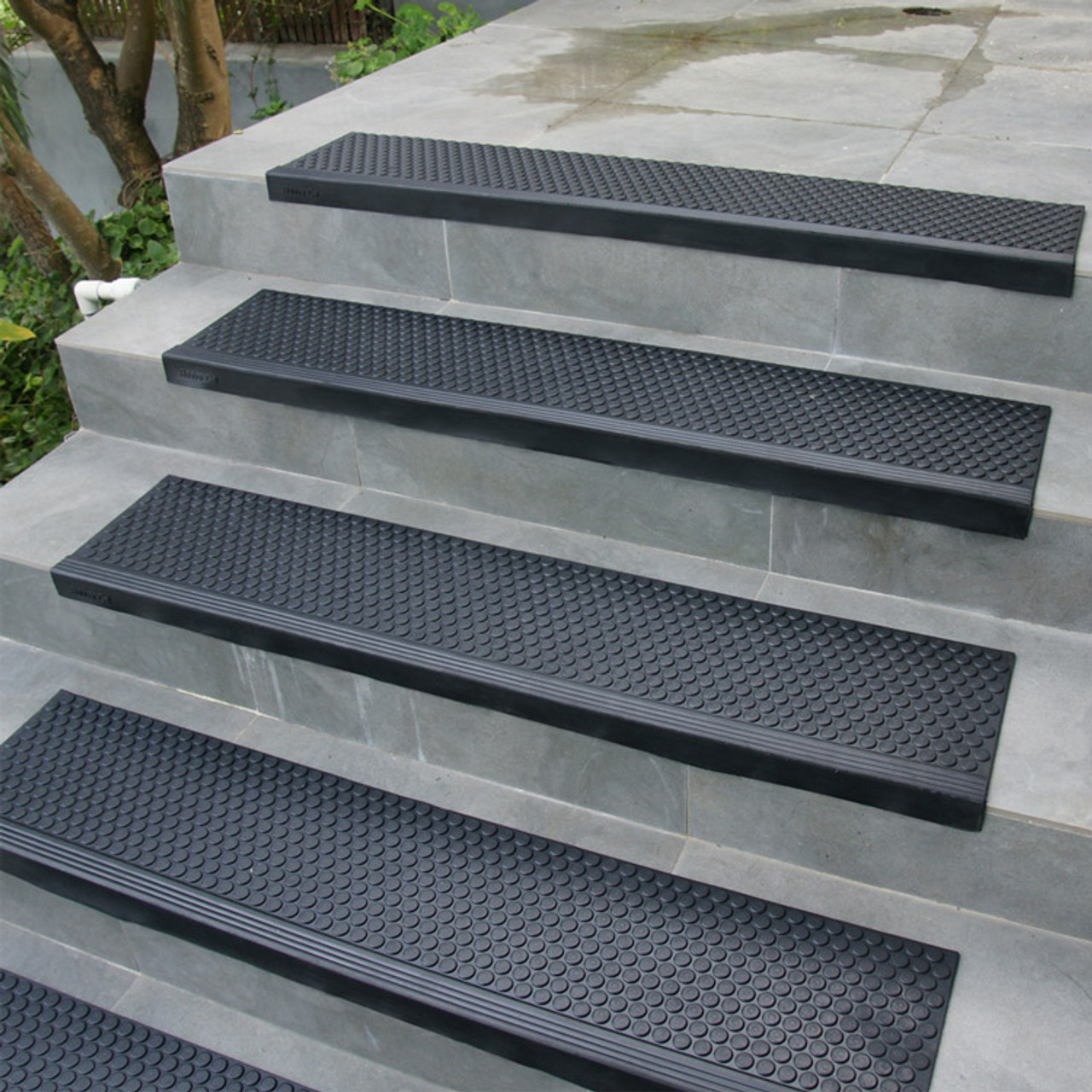
We provide custom-tailored anti-slip rubber profiles, treads, and surface coatings specifically developed for wooden stair applications exposed to rain, frost, and high pedestrian use. Unlike generic non-slip tapes or metal inserts, our rubber-based systems bond securely to treated and untreated wood substrates, maintaining flexibility across temperature ranges from -40°C to +85°C. These solutions are widely deployed in industrial walkways, marine access points, public parks, and logistics facilities where safety and durability are non-negotiable.
Our team works directly with architects, facility managers, and OEM partners to assess tread wear patterns, load requirements, and environmental exposure conditions. Based on this analysis, we recommend or design rubber products that integrate seamlessly with existing wood step structures. Installation is straightforward, utilizing industrial-grade adhesives or mechanical fastening systems compatible with outdoor wood integrity.
The following table outlines key specifications of our standard anti-slip rubber treads for exterior wood steps:
| Property | Specification | Test Method |
|---|---|---|
| Material Composition | SBR/NR Blend (Custom Compounding Available) | ASTM D412 |
| Shore A Hardness | 60 ± 5 | ASTM D2240 |
| Tensile Strength | ≥12 MPa | ASTM D412 |
| Elongation at Break | ≥300% | ASTM D412 |
| Coefficient of Friction (Wet, ASTM C1028) | ≥0.75 | ASTM C1028 |
| Temperature Resistance | -40°C to +85°C | ISO 188 |
| UV and Ozone Resistance | Excellent (No Cracking After 720h QUV) | ASTM G154 |
| Flame Resistance | Self-Extinguishing (UL94 HF-1) | UL 94 |
| Installation Method | Adhesive Bonding or Mechanical Fasteners | Field Protocol |
All products are manufactured under ISO 9001-certified processes and can be customized in color, profile geometry, and surface texture (e.g., diamond plate, grit finish, or directional ribs). We support low-volume prototyping and high-volume production with consistent quality control.
For technical consultation or product sampling, contact Mr. Boyce, Rubber Formula Engineer and OEM Manager at Suzhou Baoshida Trading Co., Ltd. He will assist in selecting or developing the optimal rubber solution for your specific wood step application. Reach Mr. Boyce directly at [email protected]. Include project details such as step dimensions, expected foot traffic, environmental exposure, and compliance requirements to expedite technical evaluation. We respond to all inquiries within 24 business hours. Partner with Suzhou Baoshida to transform hazardous wood steps into safe, durable, code-compliant access points.
⚖️ O-Ring Weight Calculator
Estimate rubber O-ring weight (Approx).