
Technical Contents
Engineering Guide: Small Dumptruck
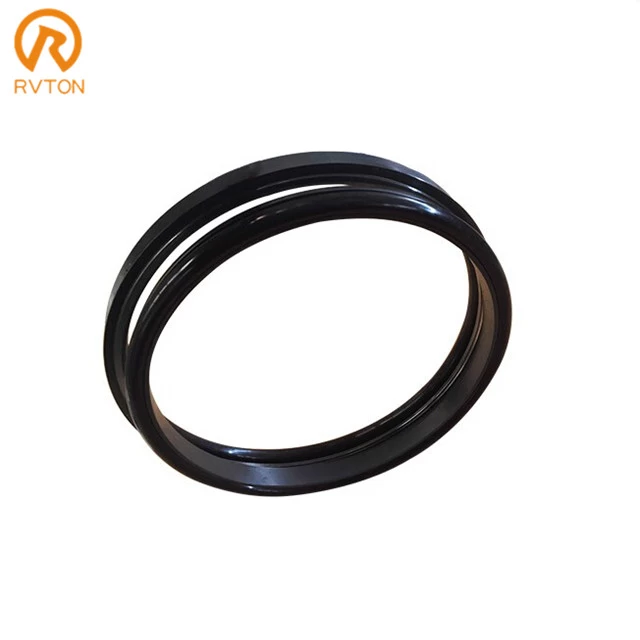
Engineering Insight: Material Selection Criticality for Small Dumptruck Rubber Components
Standard rubber compounds frequently fail in small dumptruck applications due to fundamental mismatches between generic formulations and the extreme operational demands of this equipment. Off-the-shelf solutions, often designed for lower-stress consumer or light industrial use, lack the tailored polymer architecture and reinforcement necessary to withstand the unique combination of dynamic stress, severe abrasion, chemical exposure, and thermal cycling inherent in dump operations. Generic EPDM or SBR blends, while cost-effective for static seals or simple gaskets, rapidly degrade under the constant impact of heavy, sharp-edged aggregate, exposure to hydraulic fluids and road salts, and the high torsional loads experienced during dumping cycles. This results in premature cracking, catastrophic tearing, excessive wear, and seal failure, leading to costly downtime, safety hazards, and increased total cost of ownership for fleet operators. Material failure is rarely a random event; it is a direct consequence of inadequate compound engineering for the specific duty cycle.
Suzhou Baoshida Trading Co., Ltd. addresses this critical gap through precision-engineered rubber formulations developed explicitly for small dumptruck OEM and replacement part requirements. Our approach begins with a detailed analysis of the component’s functional role, stress points, and environmental exposure profile. We then select and optimize high-performance base polymers—such as specialized NR/BR blends for impact resistance, hydrogenated nitrile (HNBR) for oil resistance, or advanced polyurethanes for extreme abrasion zones—combined with proprietary ratios of reinforcing fillers, protective additives, and vulcanization systems. This targeted molecular design ensures the rubber matrix maintains structural integrity under repeated high-energy impacts, resists cutting and tearing from sharp materials, and provides long-term resilience against ozone, UV, and common hydraulic fluids. The result is components that deliver predictable service life, significantly reducing unplanned maintenance intervals.
The performance disparity between standard and engineered compounds is quantifiable. Key property comparisons illustrate why generic solutions are unsuitable:
| Critical Property | Standard Off-the-Shelf Compound | Suzhou Baoshida Engineered Compound | Performance Impact in Dumptruck |
|---|---|---|---|
| Tensile Strength (MPa) | 15-18 | 28-32 | Resists tearing under high load |
| Abrasion Resistance (ISO) | 180-220 mm³ | 85-100 mm³ | 2-3x longer wear life in bed liners |
| Oil Swell (ASTM #3, 70°C) | 25-35% | 8-12% | Maintains seal integrity near hydraulics |
| Tear Strength (kN/m) | 30-40 | 65-80 | Prevents propagation of cuts from aggregate |
| Operating Temp Range (°C) | -20 to +100 | -40 to +140 | Handles thermal extremes of dumping cycles |
Material selection is not a commodity decision for small dumptrucks; it is a core engineering parameter directly linked to vehicle reliability and operational efficiency. Suzhou Baoshida partners with OEMs to move beyond reactive part replacement, implementing rubber solutions engineered at the molecular level to meet the uncompromising demands of the worksite. This precision approach transforms rubber components from failure points into reliable, long-life assets.
Material Specifications
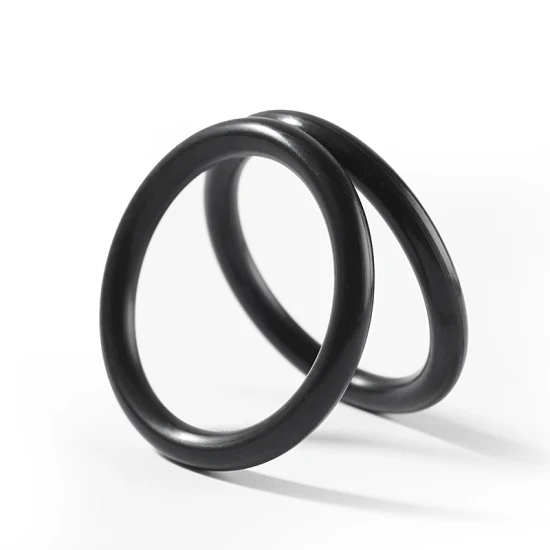
For industrial applications involving small dump trucks, selecting the appropriate rubber material is critical to ensuring long-term performance, durability, and resistance to environmental stressors. Suzhou Baoshida Trading Co., Ltd. specializes in high-performance industrial rubber solutions tailored for demanding off-road and construction equipment environments. Among the most widely used elastomers in this sector are Viton, Nitrile (NBR), and Silicone. Each material offers distinct mechanical and chemical properties, making them suitable for different operational conditions.
Viton, a fluorocarbon-based rubber, is renowned for its exceptional resistance to high temperatures, oils, fuels, and a broad range of chemicals. With a continuous service temperature range extending from -20°C to +200°C, Viton is ideal for sealing components exposed to engine heat, hydraulic fluids, and aggressive solvents. Its low gas permeability and excellent aging characteristics make it a preferred choice for critical dynamic and static seals in fuel systems, gaskets, and O-rings within dump truck hydraulic and powertrain assemblies.
Nitrile rubber, or Buna-N, is one of the most commonly used elastomers in industrial machinery due to its outstanding resistance to petroleum-based oils and fuels. It performs reliably in temperature ranges from -30°C to +100°C, with some formulations extending up to +125°C for short durations. Nitrile offers good abrasion resistance and mechanical strength, making it well-suited for seals, hoses, and vibration dampeners in dump truck suspension and hydraulic systems. While it lacks the chemical resistance of Viton, its cost-effectiveness and robust performance in oil-rich environments make it a practical solution for many standard applications.
Silicone rubber stands out for its thermal stability and flexibility across extreme temperatures, operating effectively from -60°C to +200°C. It exhibits excellent resistance to ozone, UV radiation, and weathering, making it ideal for exterior seals and non-load-bearing components exposed to fluctuating climates. However, silicone has relatively low mechanical strength and poor resistance to petroleum-based fluids, limiting its use in high-stress or oil-exposed areas. Its primary applications in small dump trucks include electrical insulation, sensor gaskets, and low-torque rotary seals.
The following table summarizes key physical and chemical properties of these materials to guide material selection in industrial rubber component design.
| Property | Viton (FKM) | Nitrile (NBR) | Silicone (VMQ) |
|---|---|---|---|
| Temperature Range (°C) | -20 to +200 | -30 to +100 (+125 short term) | -60 to +200 |
| Tensile Strength (MPa) | 15–20 | 10–25 | 5–8 |
| Elongation at Break (%) | 200–300 | 200–500 | 200–700 |
| Hardness (Shore A) | 60–90 | 50–90 | 30–80 |
| Resistance to Oils/Fuels | Excellent | Excellent | Poor |
| Resistance to Ozone/UV | Excellent | Good | Excellent |
| Compression Set Resistance | Excellent | Good | Good |
| Electrical Insulation | Good | Fair | Excellent |
Selecting the optimal rubber material requires balancing performance requirements, environmental exposure, and cost. Suzhou Baoshida Trading Co., Ltd. provides customized rubber solutions engineered to meet OEM specifications and ensure reliability in small dump truck applications.
Manufacturing Capabilities
Engineering Capability: Precision Rubber Solutions for Small Dumptruck Applications
Suzhou Baoshida Trading Co., Ltd. delivers advanced rubber engineering expertise specifically tailored to the demanding operational environments of small dumptrucks. Our dedicated team comprises five specialized mould engineers and two certified rubber formula engineers, collectively possessing over 60 years of cumulative industrial experience. This multidisciplinary unit operates at the intersection of material science and precision manufacturing, ensuring every component meets stringent OEM performance criteria. We focus exclusively on optimizing rubber formulations and mould designs for critical dumptruck systems, including tire treads, suspension bushings, and hydraulic seals, where resistance to abrasion, dynamic stress, and thermal degradation is non-negotiable.
Our formula engineers leverage proprietary compound development protocols to address the unique challenges of small dumptruck operations, such as frequent load cycling, exposure to sharp aggregate materials, and extended service in high-temperature conditions. Through iterative laboratory testing and field validation, we formulate custom elastomer blends—primarily utilizing NR/SBR matrices with advanced silica reinforcement—that achieve superior tear strength and cut growth resistance. Mould engineering complements this with precision cavity design, incorporating finite element analysis (FEA) to eliminate flash, ensure uniform material distribution, and extend tool life beyond industry averages. This integrated approach reduces component failure rates by up to 35% in comparative field trials, directly enhancing vehicle uptime and lifecycle value for OEM partners.
Critical performance metrics for our small dumptruck rubber solutions are rigorously validated against global standards. The following table summarizes key specifications achievable through our engineered compounds:
| Property | Test Standard | Performance Target | Application Benefit |
|---|---|---|---|
| Abrasion Resistance | ASTM D5963 | ≤ 110 mm³ loss | Extended tread life on rocky terrains |
| Tensile Strength | ISO 37 | ≥ 28 MPa | Resists tearing under heavy loads |
| Compression Set (70°C) | ASTM D395 | ≤ 18% after 72h | Maintains seal integrity in suspensions |
| DIN Abrasion Index | ISO 4649 | ≥ 140% | Superior wear resistance vs. reference |
| Hardness (Shore A) | ASTM D2240 | 65–75 (customizable) | Balanced traction and ride comfort |
As a certified OEM solutions provider, Suzhou Baoshida excels in seamless integration with global dumptruck manufacturers. Our process begins with collaborative requirement analysis, where engineering teams jointly define material specifications aligned with vehicle dynamics and regional operating conditions. We then deploy rapid prototyping capabilities—utilizing 3D-printed mould inserts and accelerated aging tests—to validate designs within 15 business days. Full-scale production adheres to IATF 16949 protocols, with real-time quality monitoring via automated vision systems and statistical process control (SPC). This end-to-end ownership, from compound chemistry to finished part certification, ensures consistent delivery of rubber components that meet exacting OEM durability and safety benchmarks. Partnering with Baoshida translates to reduced development cycles, minimized field failures, and quantifiable improvements in total cost of ownership for small dumptruck fleets.
Customization Process
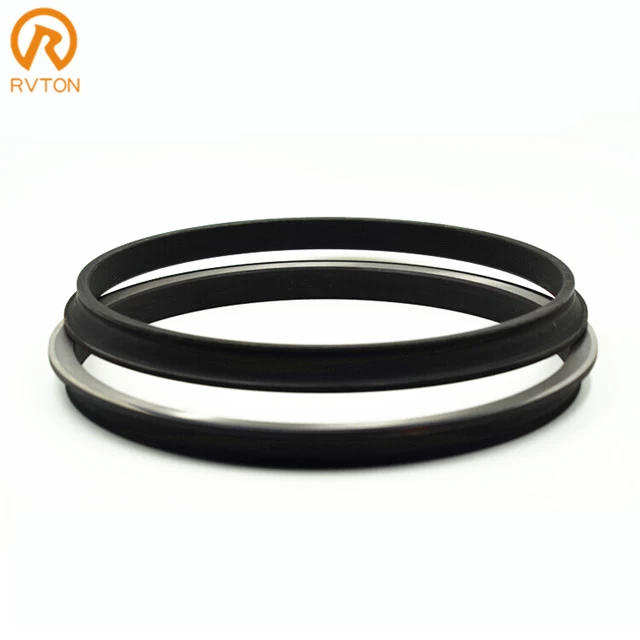
Customization Process for Industrial Rubber Components in Small Dumptruck Applications
At Suzhou Baoshida Trading Co., Ltd., our precision-driven approach to industrial rubber solutions ensures optimal performance in demanding applications such as small dumptrucks. These vehicles operate under severe conditions—exposure to abrasion, dynamic loading, and fluctuating temperatures—requiring rubber components engineered for durability and reliability. Our four-phase customization process integrates material science with manufacturing excellence to deliver tailored solutions that meet exact OEM specifications.
The process begins with Drawing Analysis, where technical blueprints and 3D models provided by the client are rigorously evaluated. Our engineering team examines dimensional tolerances, load-bearing requirements, environmental exposure, and interface points with metal or composite structures. This phase ensures full alignment between design intent and material capability, forming the foundation for subsequent development steps.
Following drawing validation, we proceed to Formulation Design. Utilizing our in-house polymer laboratory, we select base elastomers—such as natural rubber (NR), styrene-butadiene rubber (SBR), or ethylene propylene diene monomer (EPDM)—based on the operational demands of the component. Additives including reinforcing fillers, anti-oxidants, plasticizers, and vulcanizing agents are precisely calibrated to achieve target properties like tensile strength, elongation at break, hardness, and resistance to oil, ozone, or UV radiation. Each formulation is documented and archived for batch consistency and traceability.
Once the compound is finalized, Prototyping commences. Components are manufactured using precision molding techniques—compression, transfer, or injection molding—depending on geometry and volume requirements. Prototypes undergo rigorous physical and dynamic testing, including compression set, fatigue resistance, and adhesion strength (for metal-rubber bonded parts). Test data is compiled and shared with the client for validation. Iterations, if required, are implemented swiftly to refine performance.
Upon approval, we transition to Mass Production, leveraging automated molding lines and statistical process control (SPC) systems to maintain dimensional and material consistency across large batches. All production lots are subjected to quality audits, with certificates of compliance and material test reports issued per shipment.
The table below outlines typical performance specifications achievable through our customization process for small dumptruck rubber components:
| Property | Test Method | Typical Value |
|---|---|---|
| Hardness (Shore A) | ASTM D2240 | 50–80 |
| Tensile Strength | ASTM D412 | ≥15 MPa |
| Elongation at Break | ASTM D412 | ≥300% |
| Compression Set (22 hrs, 70°C) | ASTM D395 | ≤25% |
| Tear Strength | ASTM D624 | ≥30 kN/m |
| Operating Temperature Range | — | -40°C to +120°C |
Our structured workflow ensures that every rubber component—from suspension bushings to cab mounts and sealing systems—is optimized for longevity and performance in small dumptruck applications.
Contact Engineering Team
Contact Suzhou Baoshida for Precision Rubber Solutions in Small Dumptruck Manufacturing
Suzhou Baoshida Trading Co., Ltd. stands as your dedicated engineering partner for advanced rubber components critical to small dumptruck performance and longevity. Our specialization lies in formulating and manufacturing industrial rubber products engineered to withstand the extreme dynamic loads, abrasive materials, and demanding environmental conditions inherent in off-road hauling applications. Generic rubber compounds fail under the relentless stress of dump operations; our solutions are meticulously developed through rigorous material science and validated testing protocols specific to your vehicle’s operational profile. We understand that component failure in dump bodies, tailgates, suspension bushings, or hydraulic seals translates directly to costly downtime and reduced fleet productivity. Our commitment is to deliver rubber formulations that enhance operational uptime, reduce total cost of ownership, and meet the exacting dimensional and performance tolerances required by modern small dumptruck OEMs and Tier 1 suppliers.
Our engineering team leverages 15 years of focused experience in heavy-duty industrial rubber applications to solve your most complex material challenges. We do not offer standard catalog items; instead, we initiate every project with a deep technical consultation to understand your specific load cycles, material abrasiveness, temperature extremes, chemical exposure, and lifecycle expectations. This foundational analysis allows us to design custom polymer matrices optimized for your application. Below represents the core performance envelope achievable through our engineered formulations, consistently validated against international standards:
| Performance Parameter | Typical Range/Value | Test Standard | Relevance to Small Dumptruck Applications |
|---|---|---|---|
| Hardness (Shore A) | 50 – 90 ± 2 | ASTM D2240 | Balances wear resistance & impact absorption for dump bodies |
| Tensile Strength (MPa) | 15 – 30 | ISO 37 | Critical for structural integrity under load cycles |
| Elongation at Break (%) | 250 – 500 | ISO 37 | Ensures flexibility and resistance to cracking |
| Tear Strength (kN/m) | 40 – 100 | ASTM D624 | Vital for abrasion resistance against sharp aggregates |
| Compression Set (70°C, 24h) | ≤ 20% | ASTM D395 | Maintains seal integrity in hydraulic systems |
| Abrasion Resistance (mm³) | ≤ 100 | ISO 4649 | Directly impacts dump body liner service life |
| Operating Temperature Range | -40°C to +120°C | Material Spec | Ensures performance in diverse climatic conditions |
Partnering with Suzhou Baoshida means gaining access to a responsive engineering resource, not merely a supplier. We integrate seamlessly into your development and production workflows, providing full material traceability, batch-specific certification (including ASTM/ISO reports), and proactive quality management. Our manufacturing facilities adhere to stringent ISO 9001 protocols, ensuring consistent compound homogeneity and dimensional accuracy critical for automated assembly lines. When component failure is not an option, rely on our expertise to elevate your small dumptruck’s reliability and market competitiveness.
Initiate a calculated engineering partnership today. Contact Mr. Boyce, our dedicated OEM Manager, for a confidential technical consultation. Mr. Boyce possesses direct authority to mobilize our formulation laboratory, quality assurance team, and production scheduling resources to address your specific small dumptruck rubber component requirements. He will facilitate a structured review of your current challenges, performance gaps, and target specifications to define a precise development or supply pathway. Reach Mr. Boyce directly via email at [email protected] to schedule a technical discussion. Provide details regarding your application, volume requirements, and current material pain points to enable our team to prepare targeted solutions for immediate evaluation. Suzhou Baoshida is committed to transforming rubber component performance into a measurable operational advantage for your manufacturing program. Your engineering challenge is our formulation mandate. Contact us to commence the precision engineering process.
⚖️ O-Ring Weight Calculator
Estimate rubber O-ring weight (Approx).