
Technical Contents
Engineering Guide: Small Rubber Grommets
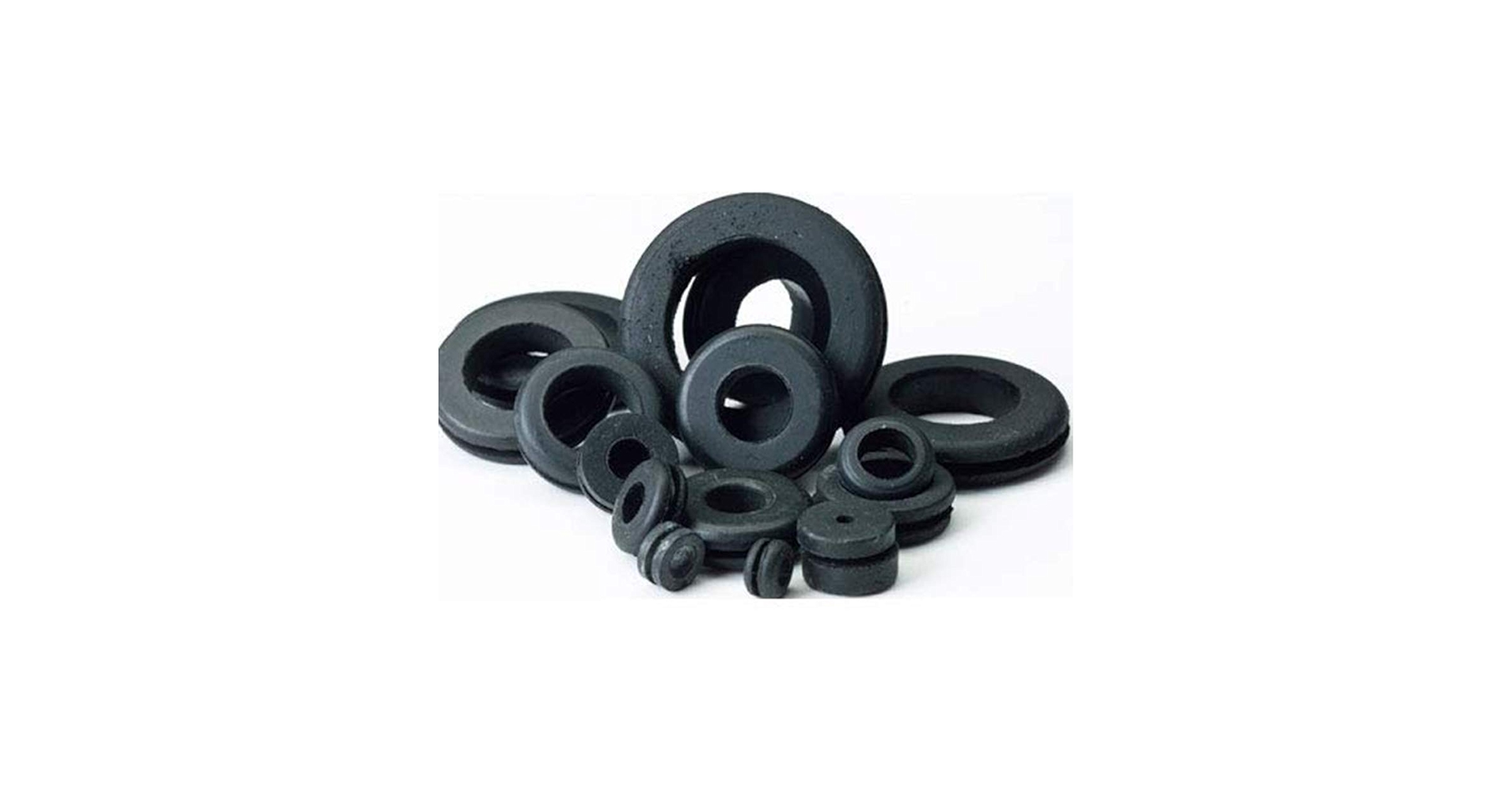
Engineering Insight: Material Selection as the Determinative Factor in Small Rubber Grommet Performance
The functional integrity of small rubber grommets in demanding industrial applications hinges overwhelmingly on precise material selection. Generic, off-the-shelf grommets frequently fail prematurely because they prioritize broad market appeal over the specific physicochemical stresses encountered in critical assemblies. This failure manifests as seal leakage, electrical short circuits, component corrosion, or mechanical dislodgement – consequences directly traceable to inadequate compound formulation. Material properties dictate performance under thermal cycling, fluid exposure, compression load, and environmental aging; a mismatch here is not merely suboptimal, it is a systemic vulnerability.
Material-Driven Failure Mechanisms
Standard grommets often utilize generic Nitrile Butadiene Rubber (NBR) or unmodified Ethylene Propylene Diene Monomer (EPDM) compounds optimized for cost and ease of molding, not engineered resilience. In hydraulic systems, generic NBR swells significantly upon contact with phosphate ester fluids, losing sealing force and dimensional stability. Conversely, in outdoor electrical enclosures, standard EPDM exhibits poor resistance to ozone cracking under UV exposure, leading to brittle fracture within months. Temperature extremes further exacerbate these flaws; silicone grommets marketed for high heat may lack the necessary tensile strength for repeated insertion cycles, while low-cost FKM alternatives often suffer from excessive compression set above 150°C, permanently losing sealing capability. Crucially, off-the-shelf solutions rarely account for synergistic stressors – such as simultaneous exposure to brake fluid, vibration, and -40°C temperatures in automotive harnesses – where compound interactions dictate survival.
Critical Material Properties for Industrial Grommets
The table below outlines key performance differentiators between standard and engineered compounds under specific stressors. Catalog durometer values alone are insufficient; compound formulation determines real-world behavior.
| Material Type | Critical Stressor | Standard Off-the-Shelf Performance | Engineered Compound Performance | Typical Failure Mode (Standard) |
|---|---|---|---|---|
| NBR | Skydrol Hydraulic Fluid | Swelling > 40%, loss of sealing | Swelling < 15%, maintained seal | Leakage, extrusion |
| EPDM | Ozone (50 ppm) @ 40°C | Cracking within 72 hours | Zero cracks after 1000 hours | Brittle fracture, ingress |
| Silicone | Dynamic Compression Set | > 35% set after 22h @ 150°C | < 15% set after 70h @ 200°C | Permanent loss of sealing force |
| FKM | Low-Temperature Flex | Brittle below -20°C | Flexible to -45°C | Shattering during installation |
Suzhou Baoshida Trading Co., Ltd. addresses this precision gap through OEM-focused compound engineering. We do not supply generic grommets; we develop application-specific elastomer formulations validated against the client’s exact operational profile. This involves rigorous testing of compression set under actual load cycles, fluid immersion per ASTM D471, and accelerated aging per ISO 188. Our process begins with a detailed analysis of the grommet’s functional environment – including fluid types, temperature transients, mating surface tolerances, and service life expectations – before selecting or customizing the base polymer, filler system, and cure package. The resulting grommets achieve predictable performance where standard solutions fail, eliminating costly field failures and warranty claims. Material selection is not a cost center; it is the foundational engineering decision determining grommet reliability in industrial systems.
Material Specifications
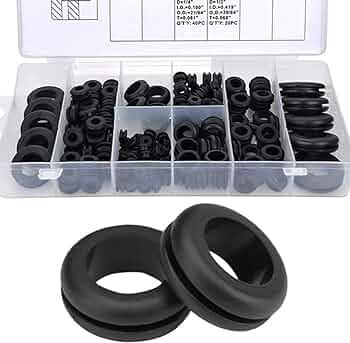
Material selection is a critical determinant in the performance and longevity of small rubber grommets used in industrial applications. At Suzhou Baoshida Trading Co., Ltd., we engineer precision rubber components to meet exacting operational demands across automotive, aerospace, electronics, and fluid handling systems. Our expertise in rubber compounding ensures that each grommet delivers optimal resistance to environmental stressors such as temperature extremes, chemical exposure, and mechanical compression. Among the most widely specified elastomers for small grommets are Viton (FKM), Nitrile (NBR), and Silicone (VMQ), each offering distinct advantages based on application parameters.
Viton, a fluorocarbon-based rubber, is renowned for its exceptional resistance to high temperatures, aggressive chemicals, and oils. Grommets made from Viton maintain structural integrity in continuous service temperatures up to 230°C, with short-term exposure tolerance exceeding 300°C. This makes Viton ideal for use in engine compartments, fuel systems, and chemical processing environments where long-term stability under extreme conditions is non-negotiable. Additionally, Viton exhibits low gas permeability and outstanding resistance to oxidation, ozone, and weathering, ensuring reliable sealing performance in demanding applications.
Nitrile rubber, or Buna-N, is a cost-effective solution for applications involving petroleum-based fluids and oils. With a typical operating temperature range of -40°C to 120°C, Nitrile grommets are widely used in hydraulic systems, fuel lines, and industrial machinery. The material’s high abrasion resistance and mechanical strength make it suitable for dynamic sealing environments. However, Nitrile is less resistant to UV exposure and ozone compared to Viton and Silicone, limiting its effectiveness in outdoor applications unless specially compounded.
Silicone rubber offers unparalleled flexibility and thermal stability across a broad temperature spectrum, from -60°C to 200°C. While it lacks the tensile strength and fluid resistance of Nitrile or Viton, Silicone excels in applications requiring biocompatibility, electrical insulation, and resistance to extreme cold. It is frequently selected for medical devices, food processing equipment, and electronic enclosures where cleanliness and thermal cycling are primary concerns. Silicone grommets also demonstrate excellent resistance to aging and UV radiation, making them suitable for long-term outdoor deployment.
The following table summarizes key performance characteristics of these materials to guide optimal selection for small rubber grommets.
| Property | Viton (FKM) | Nitrile (NBR) | Silicone (VMQ) |
|---|---|---|---|
| Temperature Range (°C) | -20 to 230 (up to 300 short-term) | -40 to 120 | -60 to 200 |
| Tensile Strength (MPa) | 12–20 | 10–25 | 5–10 |
| Elongation at Break (%) | 150–300 | 200–500 | 200–700 |
| Hardness (Shore A) | 60–90 | 50–90 | 30–80 |
| Fluid Resistance (Oil/Fuel) | Excellent | Excellent | Poor to Fair |
| Chemical Resistance | Excellent | Good | Good |
| Ozone/UV Resistance | Excellent | Poor | Excellent |
| Compression Set Resistance | Excellent | Good | Good |
| Electrical Insulation | Good | Fair | Excellent |
Understanding these material properties enables precise alignment between grommet performance and operational requirements. Suzhou Baoshida Trading Co., Ltd. supports OEMs with custom formulation, rigorous testing, and scalable production to ensure consistent quality across all industrial rubber solutions.
Manufacturing Capabilities
Engineering Excellence in Precision Rubber Grommet Manufacturing
Suzhou Baoshida Trading Co., Ltd. leverages deep technical expertise to deliver mission-critical small rubber grommets for demanding industrial applications. Our core strength resides in a dedicated engineering team comprising five specialized Mould Engineers and two advanced Formula Engineers, operating within an ISO 9001-certified facility. This integrated structure ensures seamless translation of client specifications into high-performance, defect-free components, even at microscopic scales where tolerances are unforgiving.
Our Formula Engineers possess mastery in polymer science, developing bespoke rubber compounds tailored to extreme operational environments. We optimize formulations for specific requirements including chemical resistance (fuels, acids, solvents), thermal stability (-50°C to +250°C), compression set, and electrical insulation. Rigorous laboratory testing validates each compound against ASTM D2000 standards, ensuring molecular integrity and long-term functional reliability. Concurrently, our Mould Engineers focus on precision tooling for micro-components. Specializing in multi-cavity molds with sub-0.1mm tolerances, they employ advanced flow simulation software to eliminate knit lines, sink marks, and flash—critical defects in grommets requiring hermetic seals or precise fitment in aerospace, medical devices, and automotive electronics.
This synergy between material science and precision molding underpins our OEM capabilities. We engage clients early in the co-engineering phase, transforming conceptual sketches or functional requirements into manufacturable designs. Our process includes DFM analysis, rapid prototyping with client-approved materials, and iterative validation through SPC-monitored trial runs. Unlike commodity suppliers, we solve complex challenges such as integrating secondary features (e.g., metal inserts), achieving ultra-low durometer seals (Shore A 30), or ensuring biocompatibility for medical grommets—all while maintaining cost efficiency through optimized cycle times and minimal scrap rates.
The table below summarizes our standard and custom grommet specifications, reflecting our technical scope:
| Parameter | Standard Production Range | Custom OEM Capability |
|---|---|---|
| Material Types | NBR, EPDM, Silicone, FKM | All standard + HNBR, ACM, AEM, blends |
| Hardness (Shore A) | 40–90 | 30–95 (±2 points) |
| Inner Diameter | 1.0–25.0 mm | 0.5–30.0 mm (±0.05 mm) |
| Tolerance (ID/OD) | ±0.10 mm | ±0.02 mm (critical zones) |
| Max. Part Size | Ø 30 mm | Ø 50 mm |
Our commitment extends beyond production to lifecycle support. Formula Engineers continuously refine compounds based on field feedback, while Mould Engineers implement tooling enhancements to address wear or performance drift. For OEM partners, this means grommets that consistently exceed functional expectations, reduce assembly failures, and lower total cost of ownership. Suzhou Baoshida does not merely manufacture rubber grommets; we engineer reliability at the molecular and mechanical level, ensuring every component meets the exacting demands of modern industrial systems. Partner with us to transform precision sealing challenges into engineered solutions.
Customization Process
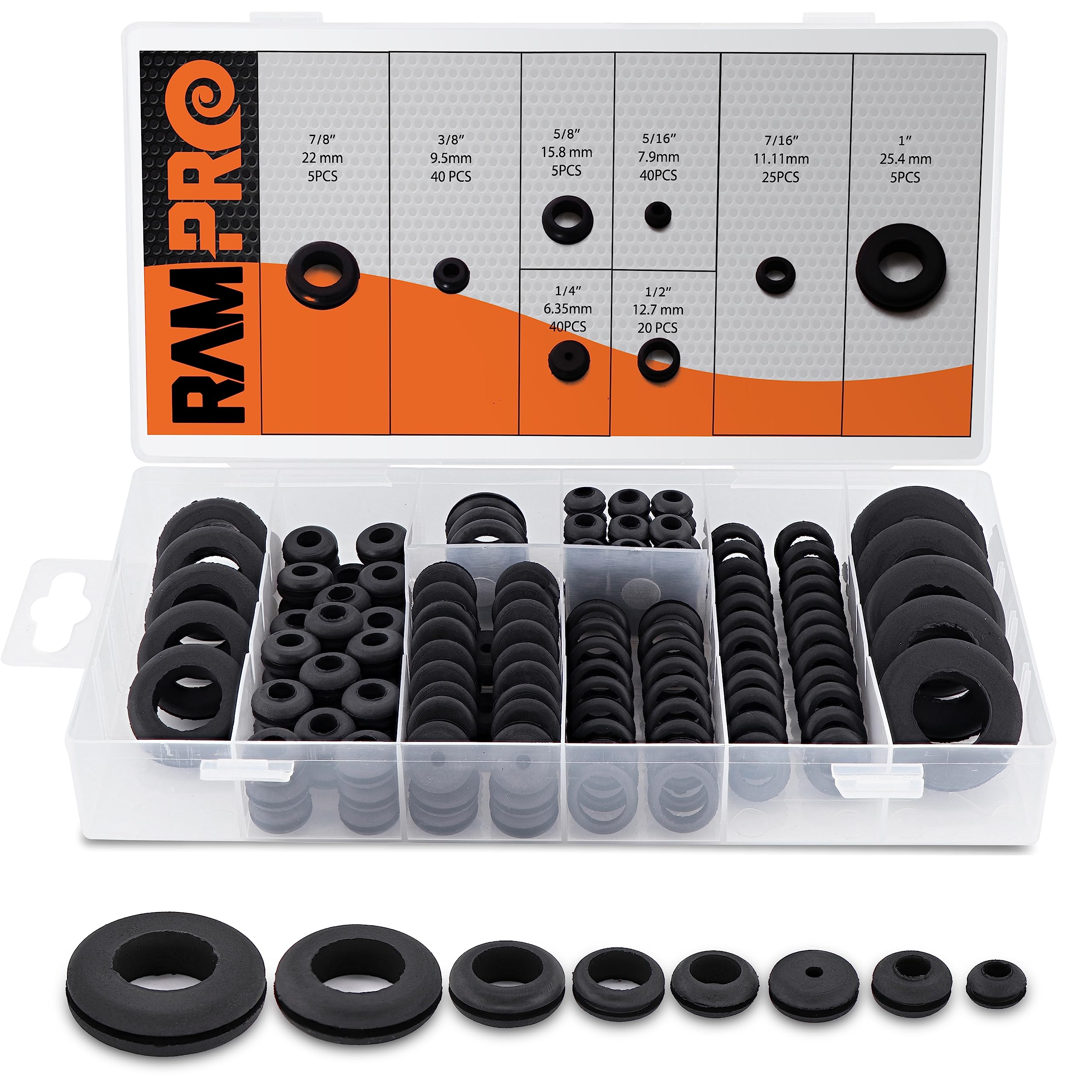
Customization Process for Small Rubber Grommets at Suzhou Baoshida Trading Co., Ltd.
At Suzhou Baoshida Trading Co., Ltd., our customization process for small rubber grommets is engineered for precision, performance, and scalability. Each project follows a structured workflow—Drawing Analysis, Formulation Development, Prototyping, and Mass Production—ensuring that final components meet exact OEM and industrial specifications.
The process begins with Drawing Analysis, where engineering teams evaluate technical blueprints provided by the client. Critical dimensions, tolerance ranges, installation environment, and functional load conditions are assessed. Part geometry, including inner diameter, outer diameter, thickness, and edge profile, is cross-referenced with material compatibility requirements. This stage ensures design-for-manufacturability and identifies potential stress points or sealing challenges early in development.
Following drawing validation, our Rubber Formula Engineers initiate Formulation Development. Based on the operational environment—temperature range, chemical exposure, compression set resistance, and electrical insulation needs—we select the optimal elastomer base. Common materials include Nitrile (NBR) for oil resistance, EPDM for weather and UV stability, Silicone for extreme temperatures, and Neoprene for balanced mechanical properties. Hardness is tuned within the 40 to 90 Shore A range, and additives such as antioxidants, plasticizers, or reinforcing fillers are incorporated to meet performance targets. Each compound is documented under controlled batch records for traceability.
Once the formulation is finalized, we proceed to Prototyping. Using precision steel molds or CNC-machined prototype tooling, initial samples are produced under near-production conditions. These prototypes undergo rigorous in-house testing, including dimensional inspection, compression deflection analysis, and environmental exposure trials. Clients receive samples with full material certification and test reports for validation. Feedback is integrated swiftly, with mold or compound adjustments completed within 7–10 days for rapid iteration.
Upon client approval, we transition to Mass Production. Our manufacturing lines operate under ISO 9001-certified quality management protocols. Small grommets are produced via injection molding, compression molding, or transfer molding, depending on volume and complexity. Automated vision systems and statistical process control (SPC) ensure consistency across batches. Production cycles are scalable from 1,000 to over 500,000 units per month, with lead times optimized through lean inventory practices.
All grommets are packaged per client specifications—bulk, tray, or tape-and-reel—and shipped globally with full documentation, including CoA (Certificate of Analysis) and RoHS/REACH compliance.
Typical Specifications for Custom Small Rubber Grommets
| Parameter | Standard Range |
|---|---|
| Outer Diameter (OD) | 6.0 mm – 25.0 mm |
| Inner Diameter (ID) | 2.0 mm – 12.0 mm |
| Thickness | 3.0 mm – 10.0 mm |
| Material Options | NBR, EPDM, Silicone, Neoprene, SBR |
| Hardness Range | 40 – 90 Shore A |
| Temperature Resistance | -40°C to +150°C (varies by material) |
| Tolerance (Dimensional) | ±0.1 mm to ±0.3 mm (based on ISO 3302) |
| Production Volume | 1,000 – 500,000+ units/month |
This systematic approach ensures that every custom grommet delivers reliable sealing, vibration damping, and environmental protection in demanding industrial applications.
Contact Engineering Team
Technical Partnership for Precision Small Rubber Grommets: Engage Suzhou Baoshida
Achieving optimal performance and longevity in small rubber grommet applications demands more than standard off-the-shelf components. It requires a strategic partnership grounded in material science expertise, rigorous process control, and deep understanding of the specific environmental and mechanical stresses encountered within your assembly. At Suzhou Baoshida Trading Co., Ltd., we operate at the intersection of advanced rubber compounding and precision manufacturing, specifically engineered to solve the critical sealing, insulation, and vibration-damping challenges inherent in miniature grommet applications across aerospace, medical devices, automotive electronics, and industrial instrumentation. Generic solutions often fail under demanding conditions like thermal cycling, chemical exposure, or sustained compression, leading to premature failure, costly leaks, or system downtime. Our value lies in translating your precise functional requirements into a scientifically validated rubber formulation and manufacturing process, ensuring dimensional stability, consistent durometer, and long-term resilience.
Material selection is paramount for small grommets where minimal cross-sections amplify the impact of compound properties. The table below outlines core elastomer options we specialize in, each tailored for specific operational envelopes. Understanding the interplay between hardness, temperature limits, and chemical compatibility is non-negotiable for success in constrained spaces.
| Material | Hardness Range (Shore A) | Temperature Range (°C) | Key Properties | Typical Small Grommet Applications |
|---|---|---|---|---|
| Nitrile (NBR) | 50 – 90 | -30 to +120 | Excellent oil/fuel resistance, good abrasion | Automotive fluid lines, hydraulic fittings |
| EPDM | 40 – 80 | -50 to +150 | Superior ozone/weather resistance, steam tolerant | HVAC systems, outdoor electrical enclosures |
| Silicone (VMQ) | 30 – 80 | -60 to +230 | Extreme temp range, biocompatible, high purity | Medical devices, semiconductor equipment |
| FKM (Viton®) | 60 – 90 | -20 to +250 | Exceptional chemical resistance, low gas permeation | Aerospace fuel systems, aggressive chemicals |
Beyond material science, our manufacturing rigor addresses the unique challenges of small grommets. Tight tolerances (±0.05mm achievable), controlled flash, and consistent molecular cross-linking density are enforced through in-process metrology and statistical process control. We mitigate common failure modes like extrusion under pressure, compression set in confined spaces, and fluid ingress through optimized cavity design and material selection. Our OEM management process integrates seamlessly with your engineering team, facilitating rapid prototyping, PPAP documentation, and scalable production runs that maintain batch-to-batch uniformity critical for high-reliability assemblies.
Do not compromise your product’s integrity with grommets that merely fit, but fail to function reliably under real-world stress. Suzhou Baoshida provides the technical partnership necessary to transform your grommet specifications from a component requirement into a verified engineering solution. Submit your dimensional drawings, environmental requirements, and performance targets directly to our dedicated OEM Manager. Mr. Boyce possesses the authority and technical acumen to initiate a confidential review, provide material recommendations within 48 hours, and establish a development timeline aligned with your project milestones. Contact Mr. Boyce immediately at [email protected] with the subject line Technical Inquiry: Small Grommet OEM Solution to receive a comprehensive capability statement and schedule a focused engineering consultation. Precision sealing for miniature applications begins with the right technical dialogue. Initiate yours today.
⚖️ O-Ring Weight Calculator
Estimate rubber O-ring weight (Approx).