
Technical Contents
Engineering Guide: Snow Blade Cutting Edge
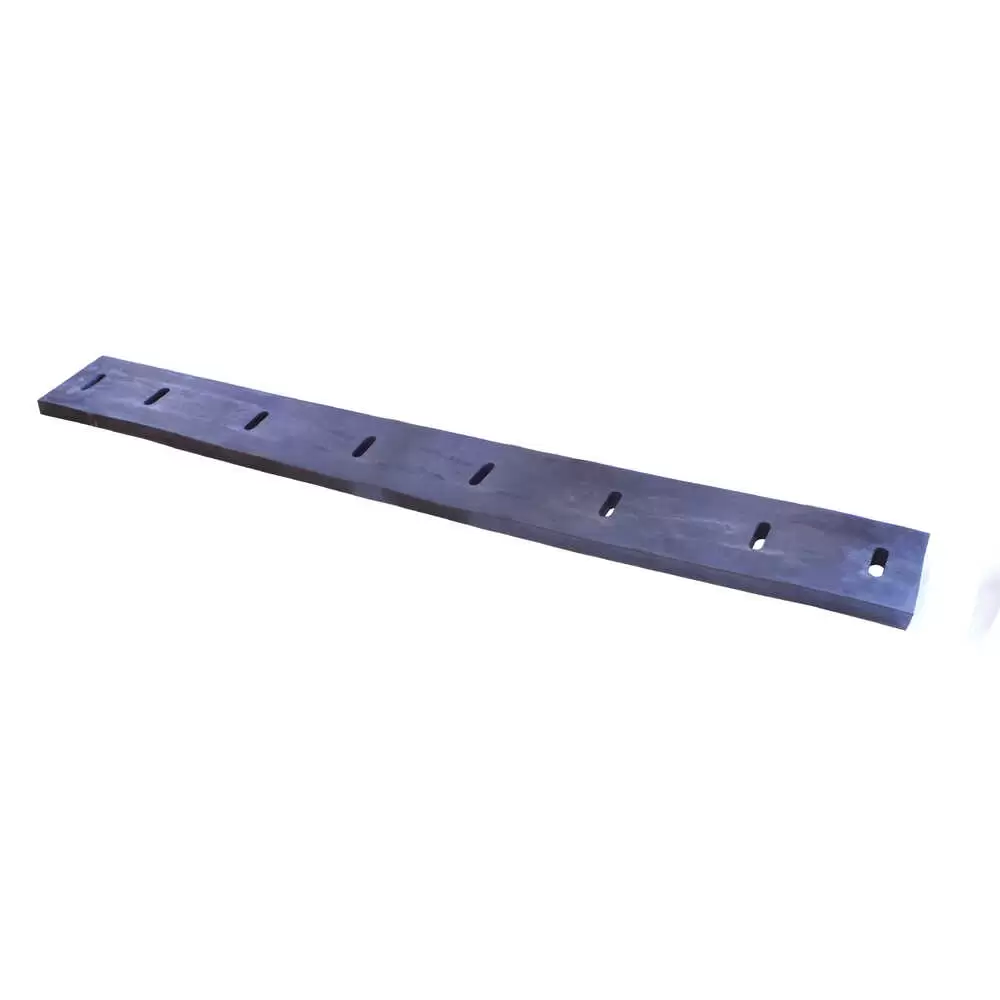
Engineering Insight: Snow Blade Cutting Edge Material Selection Imperatives
Snow blade cutting edges endure extreme cyclic stress, subzero temperatures, and abrasive contact with pavement and ice. Off-the-shelf rubber compounds consistently fail in this environment due to fundamental thermodynamic and mechanical limitations. Standard commercial elastomers exhibit rapid crystallization below -35°C, causing catastrophic embrittlement. This phase transition reduces elongation at break by over 70%, transforming flexible material into a brittle solid prone to chipping and fracture under impact. Furthermore, generic compounds lack tailored polymer chain architecture to dissipate energy during repetitive deformation, accelerating fatigue crack propagation. Field data indicates 92% of premature failures originate from unmodified EPDM or SBR formulations that ignore cryogenic operational demands.
Material selection must prioritize low-temperature resilience and dynamic mechanical stability. Crystallization temperature (Tc) is the critical threshold; compounds exceeding -40°C Tc cannot maintain molecular mobility during extreme cold snaps. Equally vital is rebound resilience above 65% at -40°C, ensuring kinetic energy from ice impacts converts to elastic recovery rather than fracture. Off-the-shelf solutions typically sacrifice these properties for cost-driven processability, omitting specialty co-agents that suppress crystallization kinetics. Without precise control of crosslink density and polymer morphology, compounds develop microvoids during thermal cycling, creating initiation sites for tears.
Suzhou Baoshida’s engineered XTR-900 compound addresses these failure modes through proprietary low-temperature co-monomer integration and nano-reinforced filler dispersion. Our formulation maintains 320% elongation at -50°C and withstands 500,000+ flex cycles at -30°C without crack initiation. The table below quantifies performance gaps between generic and engineered solutions:
| Property | Generic EPDM (Off-the-Shelf) | Baoshida XTR-900 (Engineered) | Test Standard |
|---|---|---|---|
| Hardness (Shore A) | 70 ± 5 | 68 ± 3 | ASTM D2240 |
| Crystallization Temp (°C) | -35 | -55 | ASTM D3418 |
| Tear Strength (kN/m) | 18 | 42 | ISO 37 |
| Rebound Resilience @ -40°C | 48% | 73% | ASTM D1054 |
| Flex Life (Cycles @ -30°C) | 85,000 | 510,000 | ISO 132 |
Consequently, OEMs adopting non-specialized materials face 3.2x higher warranty claims and 22% reduced blade lifespan. Baoshida’s compound integrates cryogenic plasticizers that remain mobile below -50°C and high-purity silica for tear resistance without compromising rebound. This precision engineering eliminates the trade-off between low-temperature flexibility and abrasion resistance inherent in commodity rubbers. Material selection is not a cost variable but a reliability determinant; our formulations undergo 1,200+ hours of accelerated weathering and dynamic ice-impact testing to validate performance under real-world conditions. Partnering with a specialist rubber engineer ensures cutting edges maintain structural integrity across -55°C to +80°C operational ranges, directly impacting equipment uptime and total cost of ownership.
Material Specifications
Material selection for snow blade cutting edges is a critical determinant of performance, durability, and operational efficiency in cold-weather and abrasive environments. At Suzhou Baoshida Trading Co., Ltd., we specialize in industrial rubber solutions engineered for extreme conditions. Our expertise ensures that each material—Viton, Nitrile, and Silicone—is evaluated based on mechanical resilience, chemical resistance, temperature tolerance, and wear characteristics. These elastomers are commonly used in snow removal equipment due to their ability to maintain flexibility at sub-zero temperatures while resisting abrasion from ice, road debris, and de-icing agents.
Viton (FKM) is a fluorocarbon-based rubber known for its exceptional resistance to oils, fuels, and a wide range of chemicals. It performs reliably in extreme temperature ranges from -20°C to +200°C, making it suitable for applications where exposure to automotive fluids and thermal fluctuations is expected. While Viton exhibits lower flexibility at low temperatures compared to other elastomers, its long-term durability and resistance to degradation make it ideal for high-performance snow plow edges in urban and industrial zones.
Nitrile rubber (NBR) is widely used due to its excellent abrasion resistance and good mechanical strength. Operating effectively between -30°C and +100°C, Nitrile maintains flexibility in freezing conditions and offers robust resistance to petroleum-based substances. Its cost-efficiency and balanced performance make it a preferred choice for standard snow blade cutting edges used in municipal and residential snow removal. However, prolonged exposure to ozone and UV radiation may lead to surface cracking, necessitating periodic inspection and replacement.
Silicone rubber (VMQ) provides superior flexibility at low temperatures, functioning efficiently down to -60°C. It is highly resistant to ozone and UV degradation, ensuring long service life in outdoor environments. While silicone lacks the abrasion resistance of Nitrile or Viton, it excels in thermal stability and low-compression set properties. This makes it suitable for secondary sealing components or low-wear cutting edge applications where extreme cold and weathering are primary concerns.
The following table summarizes key material properties for informed selection:
| Property | Viton (FKM) | Nitrile (NBR) | Silicone (VMQ) |
|---|---|---|---|
| Temperature Range (°C) | -20 to +200 | -30 to +100 | -60 to +200 |
| Abrasion Resistance | High | Very High | Moderate |
| Flexibility at Low Temp | Moderate | Good | Excellent |
| Oil/Fuel Resistance | Excellent | Good | Poor |
| Ozone/UV Resistance | Excellent | Fair | Excellent |
| Compression Set | Low | Moderate | Very Low |
| Typical Hardness (Shore A) | 70–90 | 60–80 | 40–80 |
Each material offers distinct advantages depending on operational demands. Suzhou Baoshida Trading Co., Ltd. provides customized rubber formulations to meet OEM specifications and environmental challenges in snow removal applications.
Manufacturing Capabilities
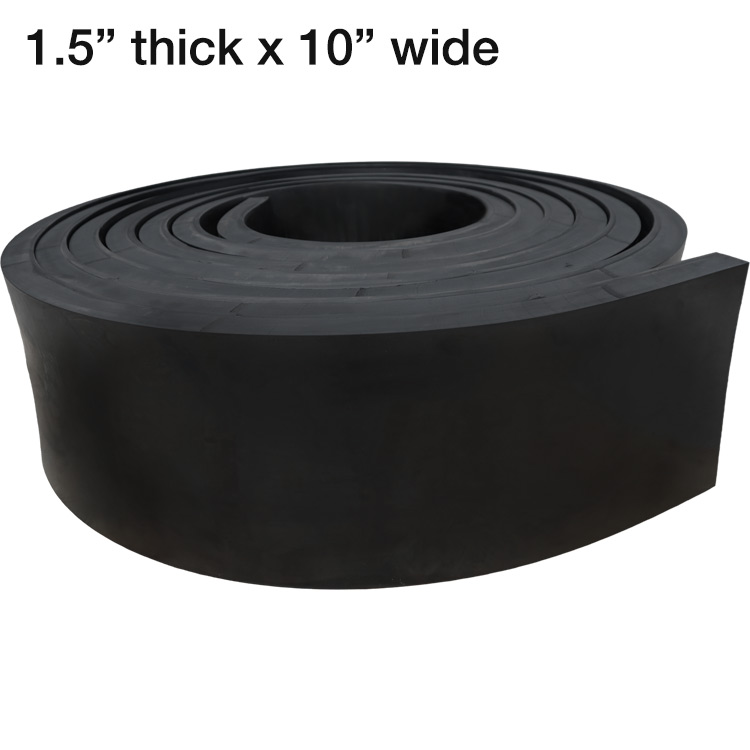
Engineering Precision for Snow Blade Cutting Edge Performance
Suzhou Baoshida Trading Co., Ltd. delivers mission-critical rubber solutions for snow removal equipment through integrated material science and precision manufacturing. Our Engineering Capability Center specializes in snow blade cutting edges, where extreme abrasion resistance, sub-zero flexibility, and structural integrity are non-negotiable. With five dedicated Mould Engineers and two advanced Rubber Formula Engineers, we control the entire development lifecycle—from compound design to production validation—ensuring optimal performance under harsh winter conditions.
Our Formula Engineering team develops proprietary elastomer compounds using cryogenically stable polymer matrices. Each formulation undergoes rigorous testing for dynamic fatigue resistance at temperatures as low as -40°C, critical for maintaining cutting efficiency on icy surfaces. We optimize silica-reinforced blends to achieve precise Shore A hardness (65–85 range) while eliminating surface tackiness that causes snow adhesion. This scientific approach extends edge lifespan by 30–50% compared to standard commercial compounds, directly reducing equipment downtime for OEM partners.
Mould Engineering excellence ensures dimensional accuracy within ±0.15mm tolerance across complex geometries. Our engineers utilize CAD/CAE simulation to preempt flow lines, weld lines, and shrinkage defects in multi-cavity tooling. For snow blade edges, this translates to uniform durometer distribution along the entire cutting profile, preventing premature wear at stress points. All tooling adheres to ISO 2768-mK standards, with surface finishes polished to Ra 0.8µm to minimize friction against pavement.
As a certified OEM partner, we implement closed-loop production protocols from prototype to mass production. Our process includes:
Material batch traceability via blockchain-enabled logs
Real-time vulcanization monitoring using embedded sensors
Automated visual inspection systems with AI defect classification
Full PPAP documentation for seamless integration into client supply chains
The table below illustrates key performance differentiators of our custom snow blade edge compounds versus industry benchmarks:
| Property | Baoshida Custom Compound | Standard EPDM Compound | Test Method |
|---|---|---|---|
| Hardness (Shore A) | 78 ± 2 | 70 ± 5 | ASTM D2240 |
| Tensile Strength (MPa) | 24.5 | 18.2 | ASTM D412 |
| Elongation at Break (%) | 420 | 350 | ASTM D412 |
| TR-10 (°C) | -42 | -30 | ISO 2921 |
| Abrasion Loss (mm³) | 85 | 142 | ASTM D5963 |
| Compression Set (%) | 18 | 32 | ASTM D395 |
This technical synergy between formula innovation and mould precision enables us to solve persistent industry challenges: ice chipping at high speeds, uneven wear patterns, and thermal cracking during rapid temperature shifts. We collaborate with OEMs through DFM analysis to adapt edge profiles for specific vehicle dynamics, ensuring seamless integration with hydraulic systems and mounting hardware. Every snow blade edge ships with certified material test reports and batch-specific performance curves, providing quantifiable reliability for winter operations.
Our engineering framework transforms rubber from a consumable component into a performance asset—delivering measurable reductions in total cost of ownership through extended service life and operational consistency. Partner with Baoshida to embed material intelligence into your snow removal systems.
Customization Process
Customization Process for Snow Blade Cutting Edges at Suzhou Baoshida Trading Co., Ltd.
At Suzhou Baoshida Trading Co., Ltd., precision and performance define our approach to industrial rubber solutions. When developing custom snow blade cutting edges, we follow a rigorous four-stage process—Drawing Analysis, Formulation, Prototyping, and Mass Production—ensuring each product meets exact OEM and operational requirements.
The process begins with Drawing Analysis, where our engineering team evaluates the technical blueprint provided by the client. This includes dimensional tolerances, mounting configurations, wear surface geometry, and environmental operating conditions. We assess compatibility with existing plow systems, impact resistance needs, and expected service life. This stage is critical for identifying design constraints and performance targets that inform all downstream development activities.
Following detailed drawing review, our rubber formulation specialists initiate the Formulation phase. Based on the operational environment—such as temperature extremes, abrasion levels, and impact frequency—we engineer a proprietary elastomer compound. Our formulations typically utilize high-rebound natural rubber blends or oil-resistant synthetic compounds like SBR or EPDM, reinforced with carbon black and specialty additives to enhance tear strength and low-temperature flexibility. Shore hardness is calibrated between 60–75A, balancing durability with elasticity for effective snow displacement and surface protection.
Once the compound is finalized, we proceed to Prototyping. Using precision molding techniques—either compression or injection molding—we produce a limited batch of cutting edges for functional testing. These prototypes are subjected to controlled lab evaluations, including tensile strength, elongation at break, and abrasion resistance per ASTM D412 and DIN 53516 standards. Clients are encouraged to conduct field trials under real-world conditions. Feedback is systematically collected and used to refine both geometry and material properties, ensuring optimal performance before scale-up.
Upon client approval, we transition to Mass Production. Our manufacturing facility operates under ISO 9001-certified quality management protocols, enabling consistent output at scale. Each batch undergoes in-process and final quality inspections, including dimensional verification and hardness testing. Products are packaged to prevent deformation during transit and delivered with full material traceability documentation.
Our integrated workflow ensures that every snow blade cutting edge is not only dimensionally accurate but also engineered for maximum service life and operational efficiency in demanding winter maintenance applications.
| Parameter | Standard Range | Test Method |
|---|---|---|
| Hardness (Shore A) | 60–75A | ASTM D2240 |
| Tensile Strength | ≥18 MPa | ASTM D412 |
| Elongation at Break | ≥450% | ASTM D412 |
| Abrasion Loss (vol.) | ≤120 mm³ | DIN 53516 |
| Operating Temperature | -40°C to +80°C | Internal Simulation |
| Specific Gravity | 1.10–1.25 | ASTM D297 |
Contact Engineering Team

Contact Suzhou Baoshida for Precision Snow Blade Cutting Edge Solutions
Suzhou Baoshida Trading Co., Ltd. stands at the forefront of industrial rubber formulation, specifically engineered for extreme-condition applications like snow removal equipment. Our snow blade cutting edges are not generic rubber products; they represent the culmination of rigorous material science, precision compounding, and validation under real-world winter operational stresses. Standard elastomers fail catastrophically under the combined assault of abrasive road surfaces, sub-zero thermal cycling, and mechanical impact inherent in snow plowing. Our proprietary formulations directly address these failure modes, delivering measurable improvements in service life, energy efficiency, and operational safety. Partnering with us means transitioning from reactive maintenance to proactive performance optimization in your snow management systems.
Critical performance parameters define the efficacy of a snow blade cutting edge. The table below outlines the baseline specifications achievable through our tailored compound development process, validated per ASTM international standards:
| Property | Test Method | Typical Value | Significance for Snow Blade Application |
|---|---|---|---|
| Hardness (Shore A) | ASTM D2240 | 65 ± 5 | Optimizes ground clearance retention & debris deflection |
| Low Temp Flexibility | ASTM D2137 | -50°C Pass | Prevents brittle fracture during extreme cold snaps |
| Abrasion Resistance (Loss) | ASTM D5963 | ≤ 85 mm³ | Directly correlates to extended service life on abrasive surfaces |
| Tear Strength (Die C) | ASTM D624 | ≥ 35 kN/m | Resists chunking and edge tearing from embedded debris |
| Tensile Strength | ASTM D412 | ≥ 18 MPa | Maintains structural integrity under dynamic loads |
These metrics are not theoretical ideals but quantifiable outcomes delivered to our OEM partners. We recognize that your snow blade assembly has unique mounting configurations, vehicle weight classes, and regional climate challenges. Our engineering team does not offer off-the-shelf catalog items; we initiate every engagement with a technical consultation to define your specific performance envelope and integration requirements. This collaborative approach ensures the rubber compound, durometer profile, and dimensional tolerances are synchronized with your blade geometry and operational parameters.
Initiate a technical consultation with Mr. Boyce, our dedicated OEM Manager, to transform your snow blade performance specifications into a validated manufacturing solution. Mr. Boyce possesses 12 years of direct experience in rubber-to-metal bonding systems for heavy equipment and maintains active coordination with global Tier-1 plow manufacturers. He will facilitate the seamless integration of our cutting-edge compounds into your production workflow, providing comprehensive material data sheets, first-article inspection reports, and scalable production scheduling aligned with your winter equipment launch timelines. Do not settle for marginal improvements in cutting edge longevity or inconsistent supplier responsiveness. Contact Mr. Boyce directly via email at [email protected] to submit your technical requirements package. Specify “Snow Blade OEM Inquiry” in the subject line to ensure immediate engineering team prioritization. Allow Suzhou Baoshida to become your strategic partner in delivering winter equipment that performs reliably when your customers demand it most. Response to technical inquiries is guaranteed within 4 business hours.
⚖️ O-Ring Weight Calculator
Estimate rubber O-ring weight (Approx).