
Technical Contents
Engineering Guide: Soft Polyurethane Foam
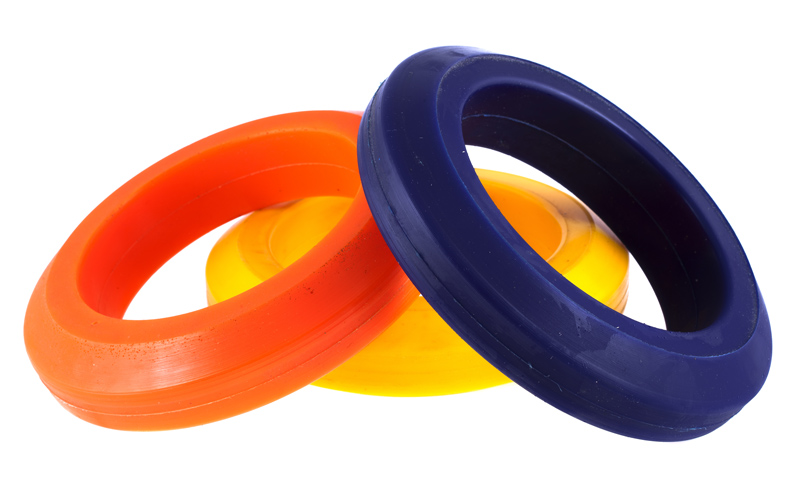
Engineering Insight: The Critical Role of Material Selection in Soft Polyurethane Foam Applications
In industrial rubber solutions, soft polyurethane (PU) foam is frequently selected for its compressibility, resilience, and energy absorption characteristics. However, despite its widespread availability and apparent uniformity, the performance of soft PU foam in demanding applications is highly dependent on precise material formulation and processing parameters. Off-the-shelf foam products, while cost-effective and readily accessible, often fail to meet the functional requirements of engineered systems due to inconsistencies in cell structure, density, and long-term environmental resistance.
The primary limitation of generic soft PU foams lies in their standardized manufacturing process, which prioritizes volume over performance. These foams are typically formulated for broad consumer applications such as bedding or packaging, where mechanical precision and durability under cyclic loading are secondary concerns. In contrast, industrial environments—such as automotive sealing, vibration damping, or medical device cushioning—demand foams with tightly controlled physical properties, including compression set, tensile strength, and thermal stability. Off-the-shelf foams frequently exhibit high compression set values, leading to permanent deformation after repeated stress cycles, which compromises sealing integrity and functional lifespan.
Moreover, environmental exposure presents another critical challenge. Standard soft PU foams are susceptible to degradation from UV radiation, ozone, elevated temperatures, and exposure to oils or solvents. Without tailored additive packages—such as UV stabilizers, antioxidants, or hydrolysis-resistant polyols—these materials rapidly degrade, resulting in embrittlement, cracking, or loss of elasticity. Industrial applications often operate under such conditions, making material compatibility non-negotiable.
At Suzhou Baoshida Trading Co., Ltd., we emphasize engineered material selection over generic substitution. Our soft PU foam solutions are developed in collaboration with OEMs to match application-specific requirements, including load-deflection behavior, aging resistance, and regulatory compliance (e.g., ISO 10993 for medical use or FMVSS 302 for automotive flammability). Custom formulations allow control over open-cell versus closed-cell content, density gradients, and surface skin formation—parameters that directly influence performance but are unmodifiable in commercial-grade foams.
The following table outlines key performance specifications comparing standard off-the-shelf soft PU foam with engineered industrial-grade formulations:
| Property | Off-the-Shelf Soft PU Foam | Engineered Industrial Soft PU Foam |
|---|---|---|
| Density (kg/m³) | 20–30 | 30–120 (customizable) |
| Tensile Strength (kPa) | 80–120 | 150–300 |
| Elongation at Break (%) | 150–200 | 250–400 |
| Compression Set (50%, 22h) | 25–40% | <15% |
| Operating Temperature Range | -10°C to 80°C | -40°C to 120°C |
| Flame Resistance (UL94) | HB (slow burning) | V-0 or V-1 (self-extinguishing) |
| Hydrolysis Resistance | Low | High (with modified polyols) |
Material selection is not merely a cost-driven decision—it is a foundational engineering imperative. By moving beyond off-the-shelf solutions and adopting purpose-built soft polyurethane foams, manufacturers ensure reliability, longevity, and compliance in mission-critical applications.
Material Specifications
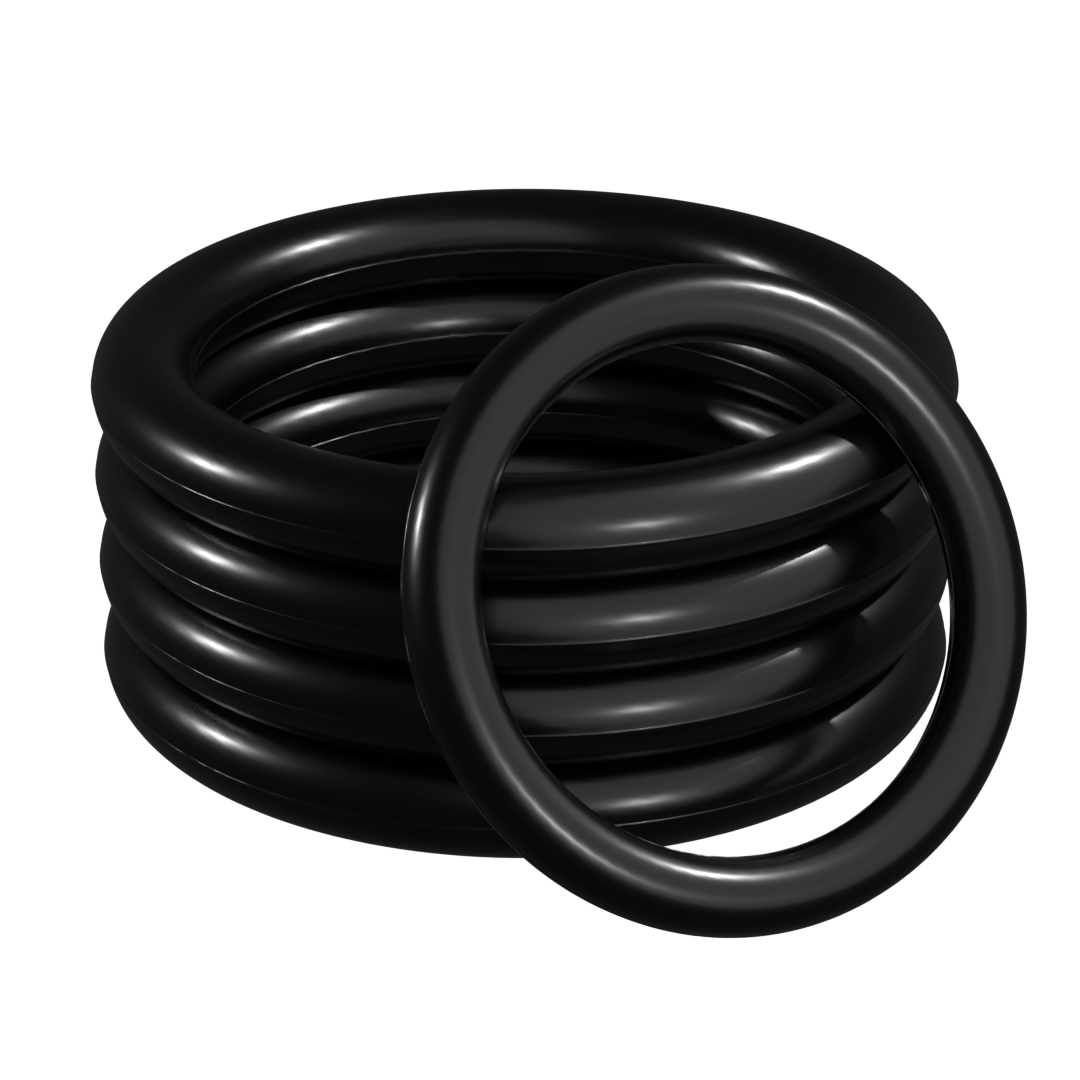
Material Specifications for Critical Elastomeric Sealing Solutions
Suzhou Baoshida Trading Co., Ltd. clarifies a critical distinction for technical accuracy: soft polyurethane foam constitutes a distinct polymer category primarily used in cushioning and insulation applications. This section instead details specifications for high-performance elastomeric sealing materials—Viton (fluoroelastomer), Nitrile (NBR), and Silicone (VMQ)—which are fundamental to industrial fluid and gas containment systems. These materials undergo rigorous compound formulation to meet OEM demands for resilience under extreme thermal, chemical, and mechanical stress. Each elastomer exhibits unique molecular properties dictating its operational envelope, directly influencing seal longevity and system reliability in automotive, aerospace, and chemical processing environments.
Viton fluoroelastomers deliver exceptional resistance to thermal degradation and aggressive chemicals, including fuels, oils, and acids. Standard compounds achieve continuous service temperatures up to 250°C with short-term excursions to 300°C. Their saturated carbon-fluorine backbone minimizes swelling in hydrocarbon derivatives, making them indispensable for fuel injection systems and refinery equipment. Viton formulations typically target Shore A hardness of 70–90, tensile strength of 10–15 MPa, and elongation at break of 150–300%, balancing flexibility with structural integrity.
Nitrile rubber (NBR) remains the industry standard for cost-effective hydrocarbon resistance, particularly in automotive transmission and hydraulic systems. Optimized acrylonitrile content (34% typical) governs oil swell resistance, with low-swell grades exhibiting <15% volume change in ASTM #3 oil. NBR operates effectively between -40°C and 125°C, with specialized hydrogenated variants (HNBR) extending upper limits to 150°C. Standard physical properties include Shore A 60–90 hardness, 15–20 MPa tensile strength, and 250–400% elongation, accommodating dynamic sealing requirements under moderate thermal cycling.
Silicone (VMQ) excels in extreme temperature applications requiring biocompatibility and electrical insulation. Its silicon-oxygen backbone enables continuous use from -60°C to 200°C, with some formulations stable to 230°C. While susceptible to퀵 mechanical abrasion and non-polar solvents, silicone offers unparalleled resistance to ozone, UV, and steam. Medical and food-grade variants comply with USP Class VI and FDA 21 CFR 177.2600. Typical properties include Shore A 30–80 hardness, 5–8 MPa tensile strength, and 400–800% elongation, ideal for static seals in pharmaceutical and semiconductor manufacturing.
Comparative Material Specifications
| Property | Viton (FKM) | Nitrile (NBR) | Silicone (VMQ) |
|---|---|---|---|
| Continuous Temp Range | -20°C to +250°C | -40°C to +125°C | -60°C to +200°C |
| Tensile Strength (MPa) | 10–15 | 15–20 | 5–8 |
| Elongation at Break (%) | 150–300 | 250–400 | 400–800 |
| Shore A Hardness Range | 70–90 | 60–90 | 30–80 |
| ASTM Fuel B Swell (%) | <10 | 15–30 | >100 |
| Compression Set (22h/150°C) | 15–25% | 20–40% | 20–35% |
| Key Chemical Resistance | Acids, fuels, oils | Hydrocarbons, water | Ozone, steam, water |
Suzhou Baoshida Trading Co., Ltd. implements ISO 9001-certified compound validation protocols, including ASTM D2000 line callouts and OEM-specific dynamic testing. Our engineering team tailors formulations to mitigate trade-offs—such as enhancing NBR’s low-temperature flexibility via plasticizer selection or optimizing Viton’s compression set through peroxide curing. All materials undergo batch-specific certification per SAE AS568 and ISO 3601 standards, ensuring dimensional stability and functional reliability in mission-critical sealing applications. Partner with us for OEM-compliant solutions engineered for precision performance under operational extremes.
Manufacturing Capabilities
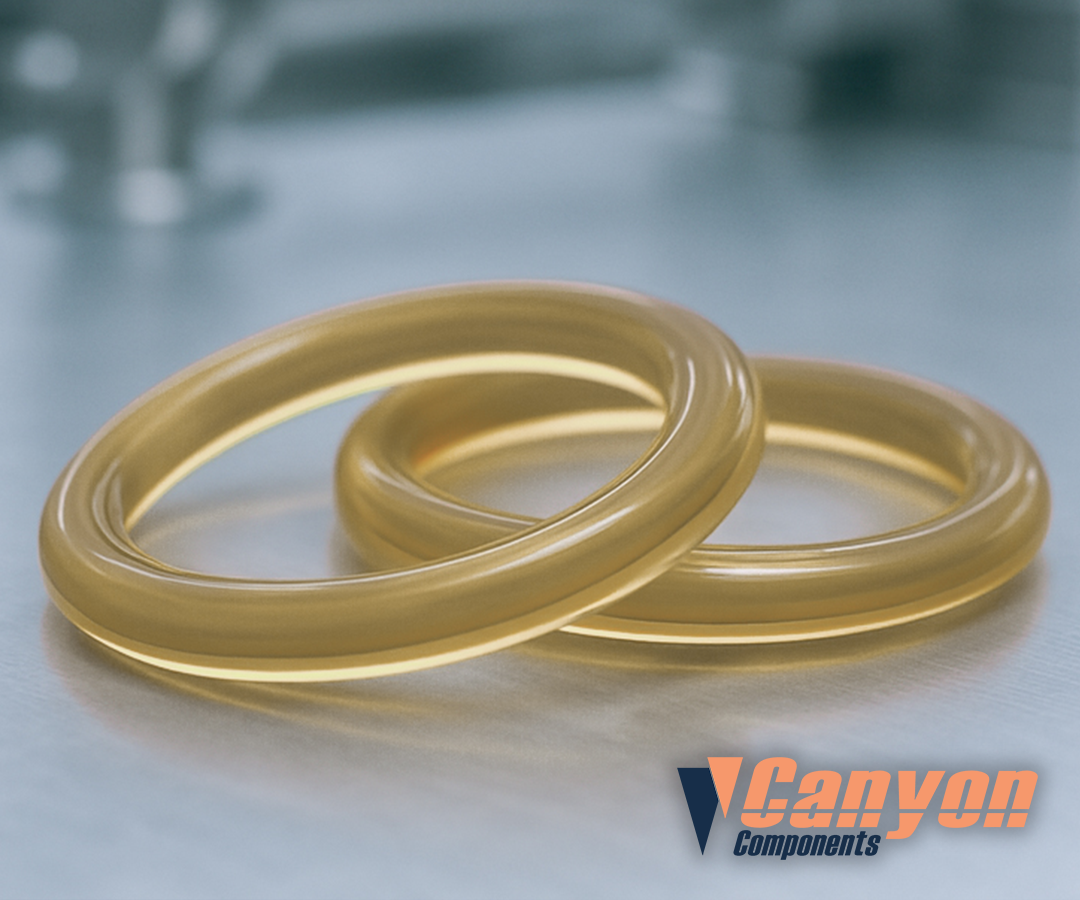
Engineering Capability: Precision-Driven Development for Soft Polyurethane Foam Solutions
At Suzhou Baoshida Trading Co., Ltd., our engineering capability is anchored in deep technical expertise and a rigorous, science-based approach to industrial rubber solutions. With a dedicated team comprising five specialized mould engineers and two advanced formula engineers, we deliver fully integrated development services tailored to the precise demands of soft polyurethane foam manufacturing. Our engineers operate at the intersection of material science and industrial design, ensuring every product meets exact performance, durability, and dimensional requirements.
Our formula engineers possess extensive experience in polyurethane chemistry, specializing in adjusting hardness, density, compression set, and cell structure to achieve optimal physical properties. They conduct systematic evaluations of isocyanate and polyol systems, catalysts, surfactants, and blowing agents to formulate custom soft foam grades. These formulations are validated through controlled lab-scale trials and accelerated aging tests, ensuring long-term stability under diverse environmental conditions. This scientific methodology enables us to support clients across automotive, medical, and consumer goods sectors with application-specific foam performance.
Complementing our formulation expertise, our five in-house mould engineers bring precision to every stage of tooling development. From initial 3D CAD modeling to CNC machining and final validation, they ensure tight tolerances, optimal venting, and uniform flow dynamics critical for consistent foam expansion and demolding. Our team leverages mold-flow simulation software to anticipate and resolve potential defects such as voids, shrinkage, or surface imperfections before production begins. This proactive engineering reduces time-to-market and minimizes costly iterations during scale-up.
As an OEM manufacturing partner, Suzhou Baoshida offers end-to-end control over the production lifecycle. We manage raw material sourcing, formulation development, mold design, pilot trials, and high-volume manufacturing under one roof. This vertical integration ensures consistency, traceability, and rapid response to design changes. Our facility adheres to ISO 9001 standards, with documented process validation and statistical process control (SPC) protocols in place for every product line.
The synergy between our formula and mould engineering teams enables us to solve complex challenges—such as achieving low-density foams with high resilience or integrating multi-density zones within a single part. Our OEM clients benefit from reduced development risk, faster prototyping cycles, and scalable production with guaranteed repeatability.
The following table outlines key technical parameters we routinely engineer and control in soft polyurethane foam production:
| Parameter | Typical Range | Control Method |
|---|---|---|
| Density | 20–100 kg/m³ | Raw material ratio adjustment |
| Hardness (Shore 00) | 10–80 | Polyol/isocyanate index optimization |
| Tensile Strength | 80–250 kPa | Crosslink density and polymer backbone |
| Elongation at Break | 150–400% | Elastomeric phase distribution |
| Compression Set (50%) | <10% (22 hrs, 70°C) | Additive package and cure profile |
| Cell Structure | Open-cell (>90%) | Surfactant and blowing agent tuning |
| Mould Tolerance | ±0.2 mm | CNC machining and GD&T compliance |
This level of technical control defines our engineering advantage—delivering reliable, high-performance soft polyurethane foam components customized to our clients’ exact specifications.
Customization Process
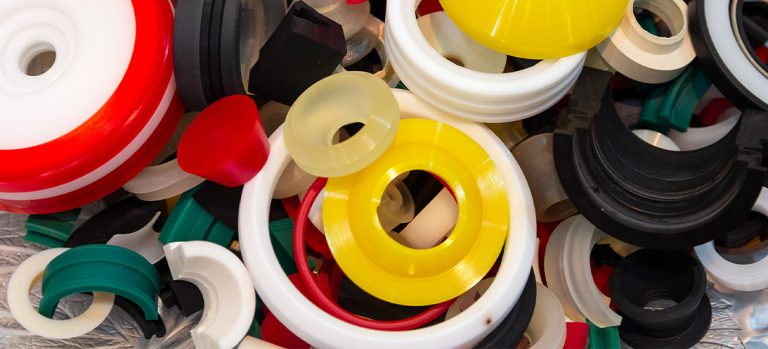
Customization Process for Soft Polyurethane Foam Solutions
Suzhou Baoshida Trading Co., Ltd. implements a rigorous, science-driven customization pathway for soft polyurethane foam, ensuring precise alignment with industrial client specifications and application demands. This structured process eliminates ambiguity and guarantees manufacturability from concept to volume output.
The engagement commences with comprehensive Drawing Analysis. Our engineering team meticulously dissects client-provided technical drawings, CAD models, and performance requirements. Critical parameters under scrutiny include dimensional tolerances, required density gradients, compression set limits, flame retardancy classifications (e.g., UL 94 HF-1), and environmental exposure conditions. This phase identifies potential manufacturability conflicts or specification ambiguities early, preventing costly iterations downstream. Material compatibility with adjacent components and regulatory compliance (REACH, RoHS) are verified against international standards.
Subsequently, the Formulation Development stage leverages our proprietary compound database and rheological modeling. Based on the validated requirements, our rubber formula engineers select specific polyol types (e.g., polyether vs. polyester), isocyanate indices, catalyst systems (amine/tin balance), surfactants, and functional additives (fillers, flame retardants, antimicrobials). Precise stoichiometric calculations govern the NCO:OH ratio, while catalyst selection critically influences cream time, gel time, and final cell structure. Formulations are optimized computationally for target physical properties before lab-scale synthesis, minimizing raw material waste.
Prototyping follows, utilizing client-approved formulations in controlled pilot-scale production. Multiple iterations are produced under simulated manufacturing conditions. Each prototype batch undergoes stringent validation per ASTM D3574 and client-specific test protocols. This includes physical property verification (tensile strength, elongation, tear resistance), dynamic mechanical analysis (DMA) for viscoelastic behavior, and application-specific functional testing (e.g., seal force measurement, acoustic absorption). Client feedback on prototype performance directly informs final formulation fine-tuning.
Upon prototype sign-off, seamless transition to Mass Production occurs within our ISO 9001-certified facility. Production parameters derived from prototyping are locked into our automated metering/mixing systems. In-line process monitoring tracks temperature, pressure, and flow rates in real-time. Every production batch undergoes rigorous first-article inspection and statistical process control (SPC) sampling. Full traceability of raw material lots and process parameters is maintained, ensuring batch-to-batch consistency essential for OEM integration. Final shipment includes comprehensive material test reports (MTRs) validating all contractual specifications.
The following table summarizes key customizable parameters and achievable ranges within our industrial soft PU foam portfolio:
| Parameter | Test Standard | Typical Range | Precision Control |
|---|---|---|---|
| Density | ASTM D3574, Method A | 20 – 150 kg/m³ | ± 2% |
| Indentation Force Deflection (IFD) | ASTM D3574, Method B | 50 – 500 N @ 25% | ± 5% |
| Tensile Strength | ASTM D3574, Method E | 50 – 250 kPa | ± 8% |
| Elongation at Break | ASTM D3574, Method E | 100% – 400% | ± 10% |
| Compression Set (50%) | ASTM D3574, Method F | 5% – 25% (22h, 70°C) | ± 3% |
| Flame Resistance | UL 94, FMVSS 302 | HB to V-0 | Pass/Fail Verified |
This systematic approach, grounded in polymer science and industrial engineering, ensures Suzhou Baoshida delivers soft polyurethane foam solutions that meet exacting performance criteria with unwavering reliability for demanding B2B applications.
Contact Engineering Team
For industrial manufacturers seeking precision-engineered soft polyurethane foam solutions, Suzhou Baoshida Trading Co., Ltd. stands as a trusted partner in advanced rubber material supply and technical support. Our expertise lies in delivering high-performance polyurethane foams tailored to meet the rigorous demands of automotive, medical, consumer electronics, and industrial equipment sectors. With a commitment to material consistency, performance reliability, and responsive service, we provide not just materials—but engineered solutions.
Soft polyurethane foam is a critical component in applications requiring cushioning, vibration damping, thermal insulation, and acoustic absorption. At Suzhou Baoshida, we understand that each application imposes unique requirements on density, compression set, tensile strength, and cell structure. Our formulations are developed in collaboration with leading OEMs and material scientists to ensure optimal performance under real-world operating conditions. Whether you require open-cell foams for sound absorption or closed-cell variants for moisture resistance and structural support, our product portfolio is designed for adaptability and long-term durability.
We offer a full range of soft PU foam grades, from low-density comfort foams (as low as 20 kg/m³) to high-resilience formulations engineered for dynamic loading environments. All materials are produced under strict quality control protocols, ensuring batch-to-batch uniformity and compliance with international standards, including ISO 9001 and RoHS. Our technical team supports clients through material selection, prototyping, and production scaling, ensuring seamless integration into existing manufacturing workflows.
For precise technical specifications, the following table outlines key properties of our standard soft polyurethane foam series:
| Property | Test Method | Typical Value Range |
|---|---|---|
| Density | ISO 845 | 20–80 kg/m³ |
| Tensile Strength | ISO 1798 | 80–250 kPa |
| Elongation at Break | ISO 1798 | 100–300% |
| Compression Set (50%, 22h) | ISO 1856 | ≤10% |
| Compression Force Deflection (CFD 40%) | ISO 3385 | 1.2–4.5 N |
| Hardness (Shore 00) | ISO 7619-1 | 25–60 |
| Cell Structure | Microscopic | Open-cell / Semi-closed |
| Operating Temperature Range | — | -30°C to +90°C |
| Flame Resistance | UL 94 HF-1, FMVSS 302 | Available on request |
To initiate a technical consultation or request customized samples, contact Mr. Boyce, OEM Manager at Suzhou Baoshida Trading Co., Ltd. With extensive experience in industrial rubber solutions and polyurethane formulation, Mr. Boyce provides direct, expert-level engagement to ensure your material requirements are met with precision and efficiency. We prioritize technical clarity, responsive communication, and supply chain reliability—key factors in maintaining competitive advantage in high-volume manufacturing environments.
Reach out today to discuss your application needs, request technical datasheets, or schedule a material evaluation. Partner with Suzhou Baoshida for engineered soft polyurethane foam solutions that deliver performance, consistency, and value.
Contact: Mr. Boyce
Email: [email protected]
Company: Suzhou Baoshida Trading Co., Ltd.
Specialization: Industrial Rubber Solutions and High-Performance Polyurethane Materials
⚖️ O-Ring Weight Calculator
Estimate rubber O-ring weight (Approx).