
Technical Contents
Engineering Guide: Solid Rubber Grommets
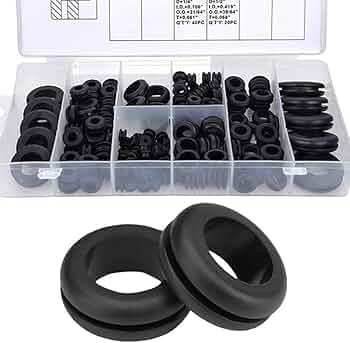
Engineering Insight: The Critical Role of Material Selection in Solid Rubber Grommets
In industrial applications, solid rubber grommets serve as essential components for sealing, vibration damping, and protection against environmental exposure. While they may appear simple in design, their performance is deeply dependent on precise material selection. Off-the-shelf grommets, often manufactured from generic rubber compounds, frequently fail under real-world operational conditions due to inadequate resistance to temperature extremes, chemical exposure, compression set, and mechanical stress. This underscores the necessity of engineered material solutions tailored to specific application demands.
Standard grommets typically utilize materials such as natural rubber or low-grade EPDM, which offer cost advantages but limited durability in aggressive environments. For example, natural rubber degrades rapidly when exposed to ozone, UV radiation, or petroleum-based fluids. Similarly, generic EPDM formulations may resist water and steam but fail under prolonged exposure to hydraulic fluids or polar solvents. In contrast, purpose-engineered grommets leverage advanced elastomers such as fluorocarbon (FKM), silicone (VMQ), or high-performance nitrile (HNBR), selected based on the operational profile of the end-use environment.
Material selection directly influences key performance parameters including compression deflection, tensile strength, elongation at break, and resistance to aging. A grommet installed in an automotive engine bay must withstand continuous exposure to elevated temperatures (up to 200°C), engine oils, and fuel vapors—conditions that demand FKM or HNBR. Conversely, a grommet used in outdoor electrical enclosures requires superior UV and ozone resistance, making premium-grade EPDM the optimal choice. Failure to match material properties with service conditions results in premature cracking, seal leakage, and system failure.
Furthermore, compression set resistance is a critical factor in maintaining sealing force over time. Low-quality materials exhibit high compression set values, meaning they do not recover their original shape after prolonged deformation, leading to loss of sealing integrity. High-performance elastomers maintain dimensional stability and elastic recovery, ensuring long-term reliability even under continuous load.
At Suzhou Baoshida Trading Co., Ltd., we specialize in custom-formulated solid rubber grommets engineered for exact industrial requirements. Our material selection process integrates application data, environmental exposure profiles, and mechanical load analysis to ensure optimal performance and service life.
The following table outlines common elastomers used in solid rubber grommets and their comparative performance characteristics:
| Material | Temperature Range (°C) | Fluid Resistance | Compression Set | Typical Applications |
|---|---|---|---|---|
| Nitrile (NBR) | -40 to +105 | Good (oils, fuels) | Moderate | Automotive, hydraulics |
| Hydrogenated Nitrile (HNBR) | -40 to +150 | Excellent (oils, hot water) | Low | Industrial machinery, oil & gas |
| EPDM | -50 to +150 | Excellent (water, steam, brake fluid) | Low | HVAC, electrical enclosures |
| Fluorocarbon (FKM) | -20 to +200 | Outstanding (fuels, acids, solvents) | Very Low | Aerospace, chemical processing |
| Silicone (VMQ) | -60 to +200 | Fair (water, oils) | Moderate | Medical, food processing, electronics |
Material Specifications
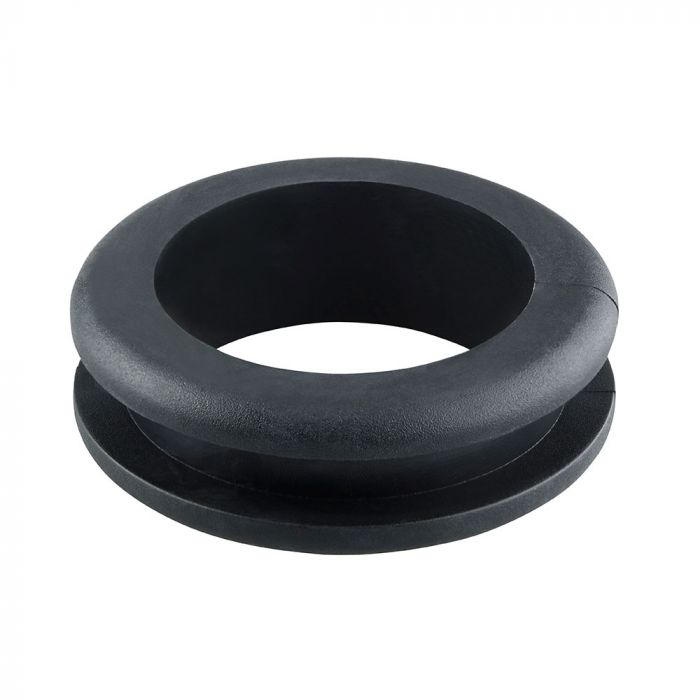
Material selection constitutes the foundational determinant of solid rubber grommet performance in demanding industrial sealing and isolation applications. At Suzhou Baoshida Trading Co., Ltd., we prioritize precise elastomer specification to ensure grommets withstand operational stresses including compression set, chemical exposure, temperature extremes, and mechanical fatigue. Our core materials—Viton, Nitrile, and Silicone—each offer distinct polymer chemistries optimized for specific environmental challenges. Understanding their intrinsic properties is critical for OEMs designing reliable assemblies.
Viton fluoroelastomers (FKM) deliver exceptional resistance to high temperatures, aggressive chemicals, and hydrocarbon derivatives. With a continuous service range spanning -20°C to +230°C and intermittent peaks near 300°C, Viton excels in aerospace fuel systems, semiconductor manufacturing equipment, and chemical processing seals where exposure to oils, acids, and solvents is severe. Its high fluorine content provides superior resistance to swelling and degradation compared to other elastomers, though it commands a premium cost. Nitrile rubber (NBR), a copolymer of acrylonitrile and butadiene, remains the dominant choice for cost-sensitive applications involving petroleum-based fluids. Standard grades operate effectively from -30°C to +100°C, with specialized high-acrylonitrile variants extending low-temperature flexibility to -50°C while enhancing resistance to oils, greases, and aliphatic hydrocarbons. NBR offers excellent abrasion resistance and tensile strength, making it ideal for automotive transmission seals, hydraulic fittings, and general industrial grommets. Silicone rubber (VMQ) provides unmatched thermal stability across an extreme range of -60°C to +200°C, coupled with exceptional resistance to ozone, UV radiation, and weathering. Its biocompatibility and low toxicity meet stringent medical and food-grade requirements (FDA, USP Class VI). While silicone exhibits lower tensile strength and abrasion resistance than NBR or Viton, its flexibility retention at cryogenic temperatures and electrical insulation properties are superior, suiting it for medical device components, food processing equipment, and outdoor electronics enclosures.
The comparative performance characteristics of these key materials are summarized below for rapid OEM reference.
| Material Property | Viton (FKM) | Nitrile (NBR) | Silicone (VMQ) |
|---|---|---|---|
| Shore A Hardness Range | 50-90 | 40-90 | 30-80 |
| Tensile Strength (MPa) | 10-20 | 10-30 | 4-12 |
| Elongation at Break (%) | 150-300 | 200-500 | 200-700 |
| Continuous Temp Range | -20°C to +230°C | -30°C to +100°C | -60°C to +200°C |
| Key Chemical Resistance | Fuels, oils, acids, solvents | Petroleum oils, greases | Ozone, UV, water, mild chemicals |
| Key Limitations | Poor low-temp flexibility, high cost | Poor resistance to ozone, polar solvents, brake fluids | Poor tear/abrasion resistance, susceptible to hydrocarbons |
| Typical Grommet Applications | Jet engine seals, chemical pumps | Automotive fuel lines, hydraulic systems | Medical devices, food processing, outdoor electronics |
Suzhou Baoshida Trading Co., Ltd. leverages decades of compound formulation expertise to source and supply grommets meeting exact ASTM D2000 or OEM-specific material callouts. We rigorously validate all elastomer batches against critical parameters including compression set (ASTM D395), fluid resistance (ASTM D471), and thermal aging (ASTM D573). Our technical team collaborates directly with OEM design engineers to select the optimal elastomer formulation—balancing performance requirements, regulatory compliance, and total cost of ownership—ensuring seamless integration into your manufacturing process and end-product longevity. Supply chain reliability and consistent material traceability underpin our commitment to industrial rubber solutions.
Manufacturing Capabilities
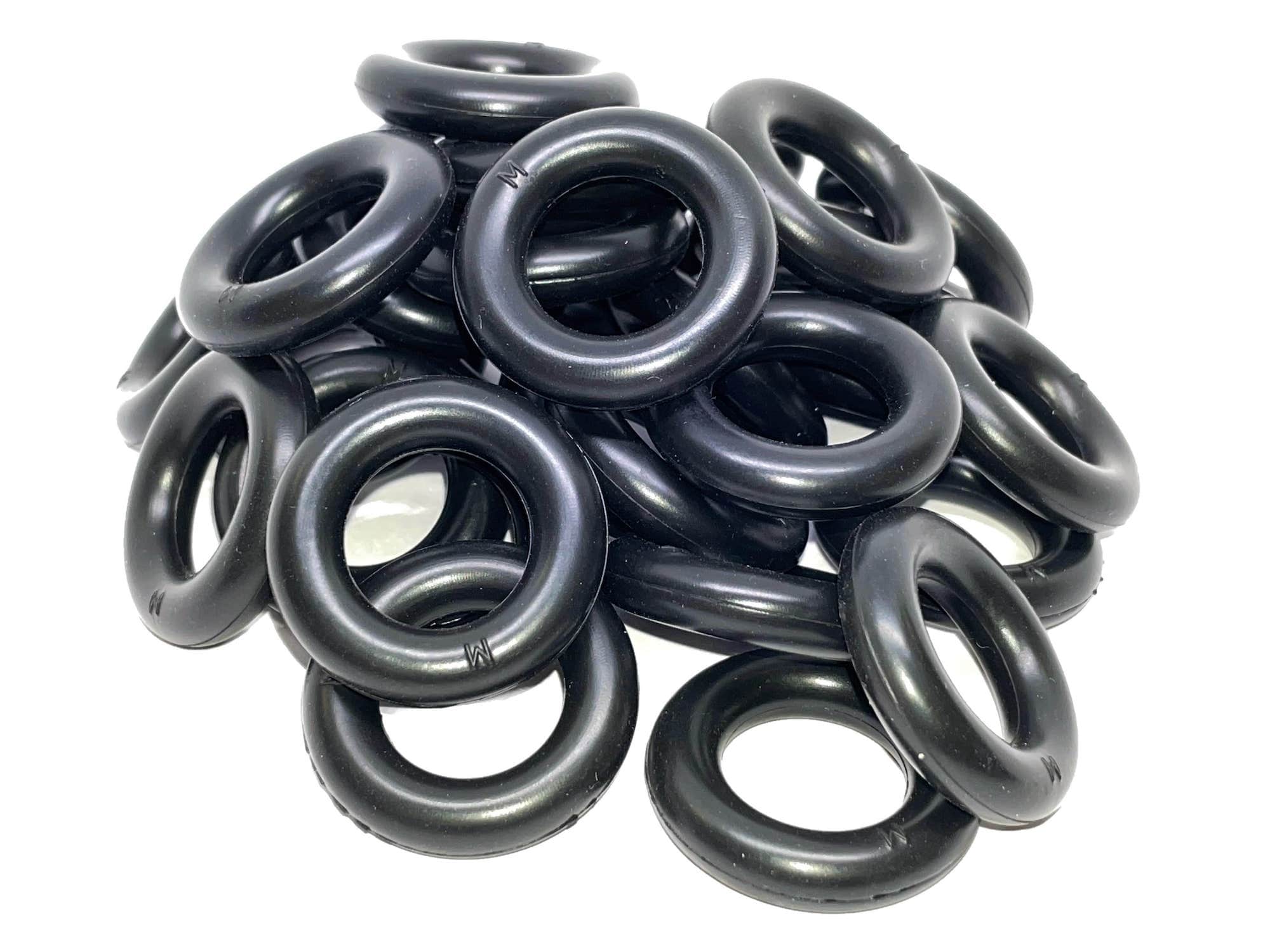
Suzhou Baoshida Trading Co., Ltd. maintains a core engineering infrastructure specifically tailored for the precision development and scalable production of solid rubber grommets. Our in-house technical team comprises five dedicated mould engineers and two specialized rubber formulation engineers, enabling full vertical control from concept to final product. This integrated engineering capability ensures that every component meets exact functional, environmental, and durability requirements specific to industrial applications.
The mould engineering team specializes in the design and optimization of high-tolerance tooling for solid rubber grommets used in demanding mechanical and sealing environments. Utilizing advanced CAD/CAM software and precision CNC machining, our engineers develop robust steel and aluminum moulds capable of withstanding high-volume production cycles. Each design undergoes rigorous simulation for flow dynamics, pressure distribution, and thermal stability to minimize defects and maximize part consistency. Our engineers also implement modular cavity systems to support rapid changeovers and multi-cavity production, reducing lead times and improving cost efficiency for OEM clients.
Complementing the mould engineering expertise, our two rubber formulation engineers focus on material science tailored to application-specific performance criteria. Solid rubber grommets often operate under compression, abrasion, and exposure to oils, ozone, or temperature extremes. Our formula development process begins with a detailed assessment of operating conditions, followed by the precise blending of base polymers, reinforcing fillers, vulcanizing agents, and protective additives. We routinely formulate compounds using NBR, EPDM, silicone, and neoprene, adjusting durometer (Shore A 40–90), compression set resistance, and thermal stability to meet customer specifications. All formulations are validated through accelerated aging, dynamic testing, and chemical resistance protocols in our on-site laboratory.
Our OEM capabilities are structured to support custom design, prototyping, and serial production under strict confidentiality and quality control. Clients provide application parameters or physical samples, and our engineering team delivers optimized solutions with full traceability. We support low-volume pilot runs and scale seamlessly to high-volume manufacturing, maintaining consistent material and dimensional integrity across batches.
The following table outlines typical technical specifications for our solid rubber grommets:
| Parameter | Standard Range | Test Method |
|---|---|---|
| Material Options | NBR, EPDM, Silicone, Neoprene, CR | ASTM D2000 |
| Durometer (Shore A) | 40 – 90 ±5 | ASTM D2240 |
| Temperature Range | -40°C to +150°C (varies by compound) | ASTM D1329 |
| Tensile Strength | 8 – 18 MPa | ASTM D412 |
| Elongation at Break | 150% – 400% | ASTM D412 |
| Compression Set (22h, 70°C) | ≤25% | ASTM D395 Method B |
| Tolerance (Dimensional) | ±0.1 mm to ±0.3 mm (based on size) | ISO 3302-1 |
Through the synergy of precision mould engineering and advanced rubber formulation, Suzhou Baoshida delivers technically robust, application-optimized solid rubber grommets for global industrial OEMs.
Customization Process
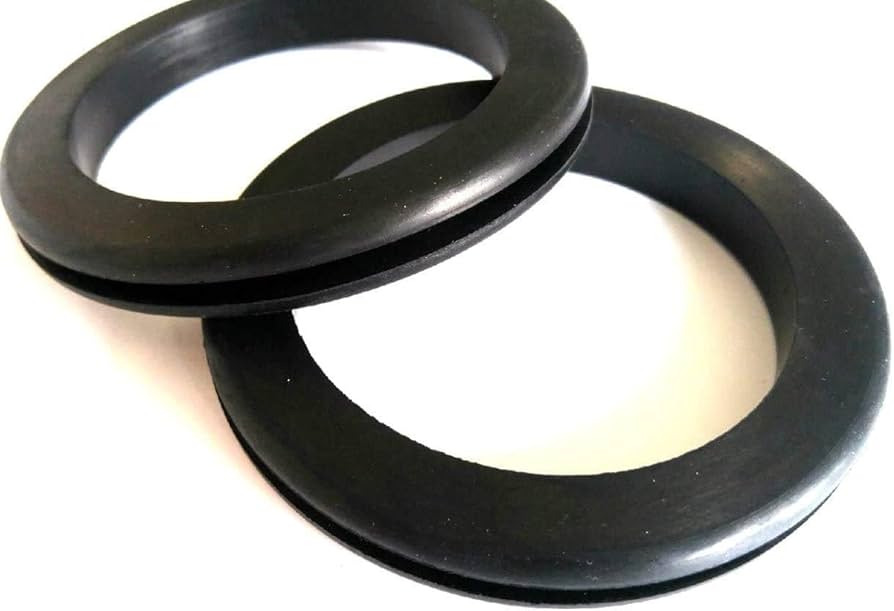
Solid Rubber Grommet Customization Process: Precision Engineering from Concept to Volume
At Suzhou Baoshida Trading Co., Ltd., our solid rubber grommet customization process is engineered for industrial reliability, translating client specifications into high-performance sealing and vibration control solutions. This systematic approach ensures dimensional accuracy, material integrity, and functional longevity under demanding operational conditions. The process initiates with rigorous Drawing Analysis. Every client-provided technical drawing undergoes comprehensive engineering review against ASME Y14.5 GD&T standards. Critical focus areas include tolerance stack-up analysis for interference fits, assessment of sealing surface geometries, identification of potential flash traps in mold design, and verification of critical dimensions impacting compression set resistance. This phase mitigates downstream risks by resolving ambiguities and optimizing the design for manufacturability prior to material selection.
Material Formulation constitutes the scientific core of customization. Leveraging our in-house polymer laboratory and extensive compound database, we select base elastomers—primarily EPDM for weather/ozone resistance, NBR for fuel/oil exposure, or silicone for extreme temperature ranges—based on the grommet’s operational environment. Precise compounding follows, adjusting sulfur, peroxide, or polyol cure systems alongside reinforcing fillers, plasticizers, and specialty additives to achieve the exact Shore A hardness, tensile strength, elongation, and compression set targets. Vulcanization kinetics are meticulously modeled to ensure optimal cross-link density, directly influencing resilience and fatigue life. All formulations are validated against ASTM D2000 material classification requirements.
Prototyping utilizes precision CNC-machined or 3D-printed molds for rapid physical validation. Prototypes undergo stringent first-article inspection per AS9102 standards, verifying all critical dimensions via CMM. Material properties are confirmed through accelerated aging tests (heat, fluid immersion) and functional trials simulating installation force and dynamic sealing performance. Client feedback on prototype fit and function triggers immediate compound or geometry refinements, typically within a 3-5 day iteration cycle, ensuring zero surprises before tooling commitment.
Mass Production commences only after formal client approval of the qualified prototype. Production occurs in our ISO 9001-certified facility using dedicated hydraulic presses with precise temperature and pressure control. Real-time Statistical Process Control (SPC) monitors key parameters like cure time and mold temperature. Every production batch undergoes 100% visual inspection for defects and抽样 testing per AQL 1.0 for critical physical properties. Full traceability is maintained via batch coding linking raw material certificates, process logs, and test reports. This disciplined transition guarantees consistent output meeting the exact performance criteria established during the engineering phases.
Critical Performance Specifications for Solid Rubber Grommets
| Parameter | Standard Range | Testing Method | Acceptance Criteria |
|---|---|---|---|
| Hardness (Shore A) | 40 – 90 | ASTM D2240 | ±5 points of target |
| Tensile Strength | 8.0 – 25.0 MPa | ASTM D412 | Minimum 12.0 MPa (NBR) |
| Elongation at Break | 150% – 600% | ASTM D412 | Minimum 200% |
| Compression Set (B) | 10% – 40% (22h/70°C) | ASTM D395 Method B | Maximum 25% (EPDM) |
| Fluid Resistance | Volume Swell | ASTM D471 | < 20% in IRM 903 |
| Operating Temp | -50°C to +150°C | Material Dependent | Per compound specification |
Contact Engineering Team
Contact Suzhou Baoshida for Premium Solid Rubber Grommets – Engineered for Industrial Performance
Suzhou Baoshida Trading Co., Ltd. is a trusted partner in the field of industrial rubber solutions, delivering high-performance solid rubber grommets tailored to meet the demanding requirements of modern manufacturing, automotive, aerospace, and electrical systems. Our engineering expertise ensures that every grommet is designed for durability, vibration resistance, and long-term sealing integrity under extreme environmental conditions. As a global supplier, we specialize in precision-molded rubber components that conform to international quality standards, including ISO 9001 and RoHS compliance.
Our solid rubber grommets are manufactured using advanced compounding techniques, ensuring optimal resistance to oils, ozone, UV exposure, and temperature fluctuations. Whether you require standard configurations or custom-engineered solutions, Suzhou Baoshida provides end-to-end support—from material selection and mold design to production and logistics. We work closely with OEMs and industrial procurement teams to deliver components that enhance system reliability and reduce maintenance costs.
For technical inquiries, custom quotation requests, or material compatibility assessments, we invite you to contact Mr. Boyce, our dedicated OEM Manager and Rubber Formula Engineer. With over 15 years of experience in elastomer formulation and industrial application engineering, Mr. Boyce leads our technical engagement with global clients, ensuring that every solution is scientifically validated and production-ready. His team specializes in NBR, EPDM, silicone, and neoprene-based grommets, each formulated for specific performance parameters such as compression set, tensile strength, and Shore A hardness.
To initiate a technical discussion or request sample submissions, please reach out directly via email at [email protected]. We respond to all inquiries within 12 business hours and offer virtual technical consultations for international clients. Our production facility in Suzhou is equipped with ISO-certified cleanrooms and in-house testing labs, enabling rapid prototyping and batch validation. Lead times for standard items range from 7–15 days, with expedited options available for urgent projects.
Below are typical specifications for our most commonly supplied solid rubber grommets. Custom dimensions and materials are available upon request.
| Parameter | Standard Value Range | Notes |
|---|---|---|
| Material Options | NBR, EPDM, Silicone, Neoprene | Custom compounds available |
| Hardness (Shore A) | 40–90 | Tolerances ±5 |
| Temperature Resistance | -40°C to +150°C (varies by material) | Up to +200°C for silicone |
| Tensile Strength | 8–18 MPa | ASTM D412 compliant |
| Elongation at Break | 200–500% | Based on compound |
| Compression Set (24h) | ≤25% at 70°C | ASTM D395 Method B |
| Color Options | Black, Red, Green, Custom | Pantone matching available |
| Tolerance (ID/OD) | ±0.1 mm to ±0.3 mm | Based on ISO 3302-1 class M2–M3 |
Partner with Suzhou Baoshida to integrate scientifically engineered rubber components into your next-generation industrial systems. Contact Mr. Boyce today at [email protected] to discuss your application requirements and receive a detailed technical proposal.
⚖️ O-Ring Weight Calculator
Estimate rubber O-ring weight (Approx).