
Technical Contents
Engineering Guide: Specialty Rubber Conversions
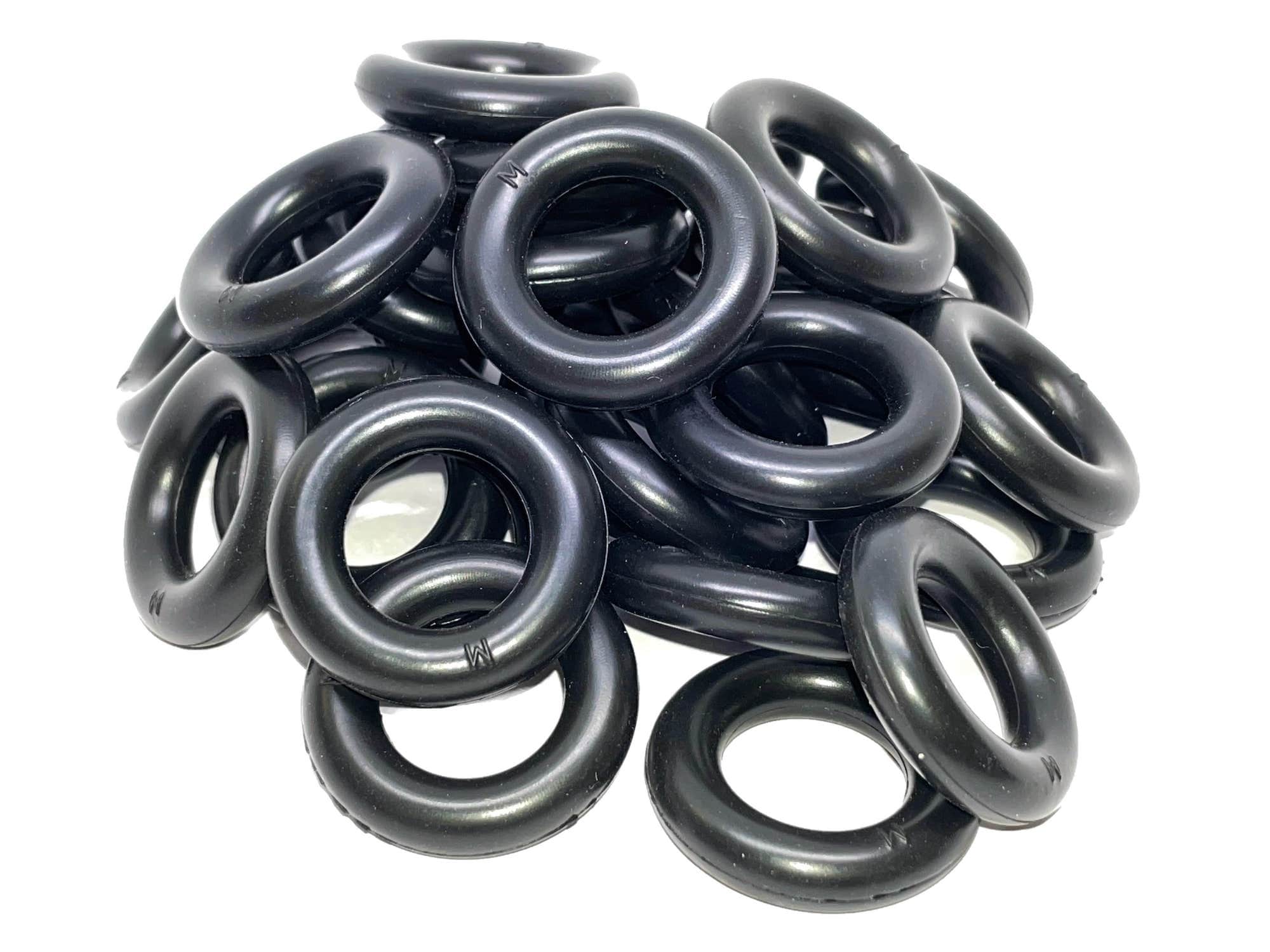
Engineering Insight: Material Selection in Specialty Rubber Conversions
Off-the-shelf rubber components frequently underperform in demanding industrial applications due to fundamental mismatches between generic material formulations and operational realities. Standard elastomers—such as basic nitrile (NBR) or ethylene propylene diene monomer (EPDM)—lack the tailored molecular architecture required to withstand combined stressors like extreme temperatures, aggressive chemicals, dynamic loading, or prolonged compression. For instance, a generic NBR seal exposed to biodiesel blends may swell irreversibly above 15% volume gain, compromising sealing integrity within weeks. Similarly, standard EPDM gaskets in ozone-rich environments often develop surface cracks at strain levels below 5%, leading to premature leakage. These failures stem from unmodified polymer backbones and filler systems optimized for cost, not resilience.
Specialty rubber conversions address these limitations through precision engineering of polymer chemistry, crosslink density, and additive packages. By modifying base monomers—such as fluorinating NBR to create hydrogenated nitrile (HNBR) or incorporating perfluoroalkyl vinyl ethers into FKM—we achieve molecular stability against specific threats. A custom-formulated FKM compound, for example, resists jet fuel at 200°C while maintaining 85% tensile retention after 1,000 hours, whereas standard FKM degrades by 40% under identical conditions. This level of performance requires rigorous analysis of fluid compatibility, thermal aging kinetics, and dynamic mechanical behavior during the design phase.
The cost of inadequate material selection extends beyond component replacement. Unplanned downtime from a failed diaphragm in a chemical pump can incur losses exceeding $50,000 per hour in continuous-process industries. Conversely, engineered conversions deliver lifecycle cost advantages through extended service life and reduced maintenance frequency. Below is a comparative analysis of generic versus specialty rubber performance in critical metrics:
| Property | Generic NBR | Specialty HNBR | Performance Delta |
|---|---|---|---|
| Heat Resistance (°C) | 100 | 150 | +50% |
| Compression Set (70h/100°C) | 35% | 12% | -66% |
| Biodiesel Swell (ASTM D471) | 28% | 8% | -71% |
| Tensile Retention (150°C/72h) | 55% | 88% | +60% |
Material selection must align with application-specific failure modes, not nominal specifications. A hydraulic accumulator bladder operating at 70 MPa requires ultra-high resilience (≥85%) and low compression set (<10%), achievable only through peroxide-cured ACM with nano-silica reinforcement. Standard sulfur-cured ACM would fracture under cyclic stress due to inferior crosslink homogeneity. Similarly, semiconductor wafer handling seals demand ultra-low particle generation (<0.1 mg/cm²), necessitating platinum-cured silicone with purified fillers—a feature absent in commercial-grade variants.
At Suzhou Baoshida, we initiate conversions with fluid immersion testing per ASTM D471, followed by dynamic mechanical analysis (DMA) to map viscoelastic behavior across the operational temperature spectrum. This data-driven approach prevents the “spec sheet trap” where nominal durometer or tensile strength misleads procurement teams. True reliability emerges from understanding how molecular interactions manifest in real-world stress scenarios. Investing in engineered rubber conversions isn’t a cost—it’s risk mitigation for critical systems.
Material Specifications
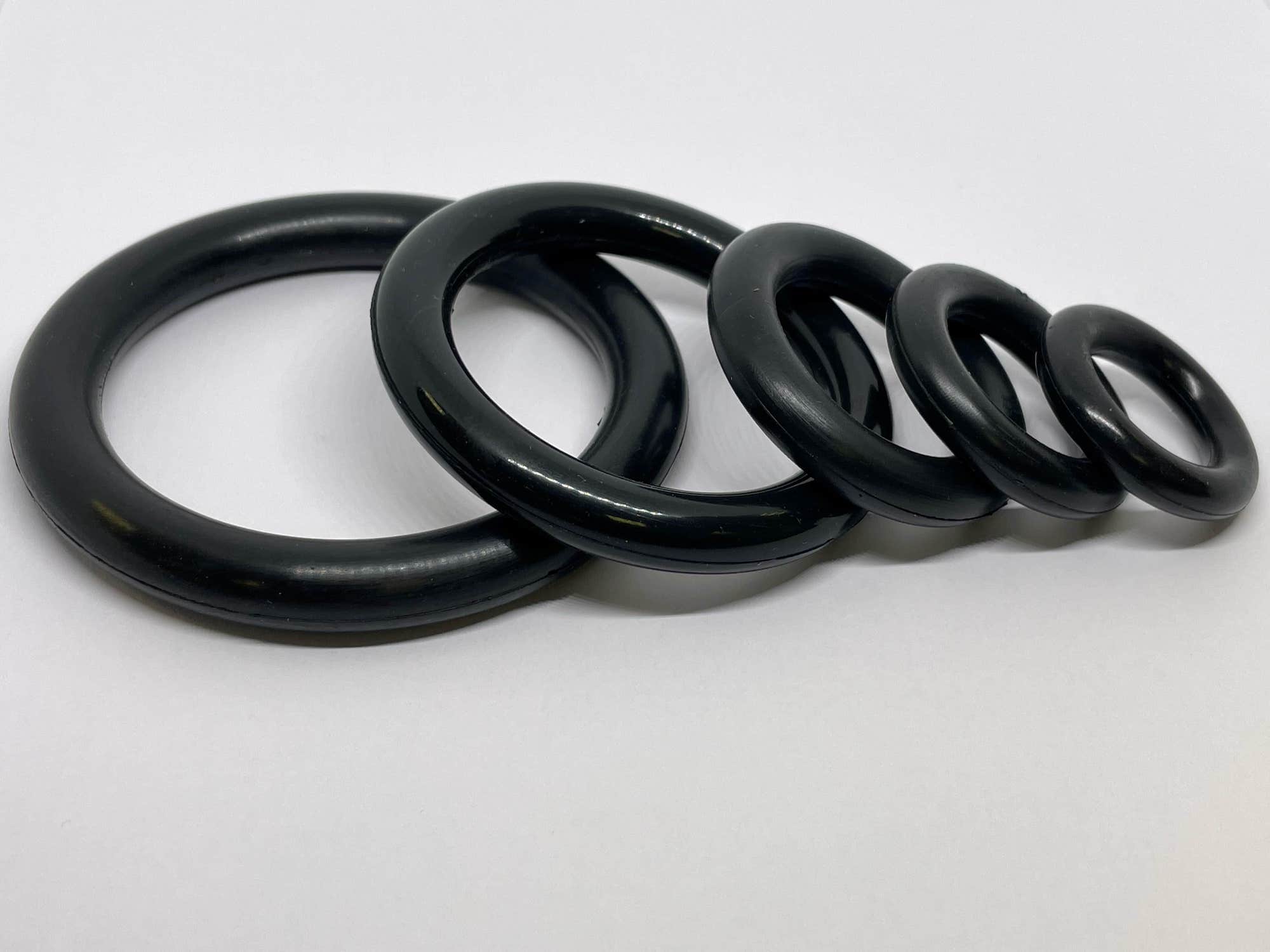
Suzhou Baoshida Trading Co., Ltd. provides precision-engineered specialty rubber conversion solutions tailored for demanding industrial environments. Our expertise lies in transforming high-performance elastomers into custom seals, gaskets, diaphragms, and other critical components through advanced die-cutting, water jet cutting, and molding techniques. Material selection is paramount in ensuring long-term reliability under extreme thermal, chemical, and mechanical stress. Among the most widely specified elastomers in industrial applications are Viton, Nitrile (NBR), and Silicone, each offering distinct performance characteristics suited to specific operational conditions.
Viton, a fluorocarbon-based rubber (FKM), delivers exceptional resistance to high temperatures, aggressive chemicals, and hydrocarbon fuels. It maintains integrity in continuous service up to 230°C (446°F) and exhibits outstanding performance in aerospace, automotive, and oil & gas sectors where exposure to oils, acids, and chlorinated hydrocarbons is common. Its low gas permeability and excellent aging characteristics further enhance reliability in dynamic sealing applications.
Nitrile rubber, or Buna-N, is a cost-effective solution for applications involving petroleum-based fluids and aliphatic hydrocarbons. With a standard operating temperature range of -30°C to 105°C (-22°F to 221°F), Nitrile provides strong abrasion resistance and compressive strength. It is widely used in hydraulic systems, fuel handling equipment, and industrial machinery requiring reliable performance in oil-rich environments. However, its performance degrades under exposure to ozone, UV radiation, and polar solvents.
Silicone rubber (VMQ) excels in extreme temperature applications, functioning effectively from -60°C to 200°C (-76°F to 392°F). It offers excellent resistance to UV, ozone, and weathering, making it ideal for outdoor and medical-grade applications. While silicone demonstrates good electrical insulation properties and low toxicity, it has lower tensile strength and abrasion resistance compared to Viton and Nitrile. It is frequently selected for food processing, pharmaceutical, and electrical insulation components where purity and thermal stability are critical.
The following table summarizes key physical and chemical properties of these materials to guide optimal selection for specialty rubber conversions.
| Property | Viton (FKM) | Nitrile (NBR) | Silicone (VMQ) |
|---|---|---|---|
| Temperature Range (°C) | -20 to 230 | -30 to 105 | -60 to 200 |
| Temperature Range (°F) | -4 to 446 | -22 to 221 | -76 to 392 |
| Tensile Strength (MPa) | 15–20 | 10–25 | 5–8 |
| Elongation at Break (%) | 200–300 | 200–500 | 200–600 |
| Hardness (Shore A) | 60–90 | 50–90 | 30–80 |
| Resistance to Oils & Fuels | Excellent | Excellent | Poor |
| Resistance to Ozone/UV | Excellent | Fair | Excellent |
| Resistance to Acids/Bases | Excellent | Moderate | Moderate |
| Gas Permeability | Low | Moderate | High |
| Typical Applications | Aerospace seals, chemical valves | Fuel hoses, O-rings, gaskets | Medical devices, electrical insulation, food-grade seals |
Material selection directly impacts service life, safety, and system efficiency. At Suzhou Baoshida Trading Co., Ltd., we support OEMs and industrial partners with data-driven material recommendations and high-precision conversion processes to meet exacting performance standards.
Manufacturing Capabilities
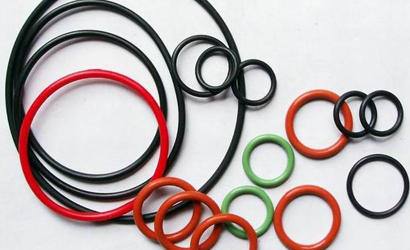
Engineering Capability: Precision-Driven Rubber Conversion Solutions
At Suzhou Baoshida Trading Co., Ltd., our specialty rubber conversion services are anchored in rigorous engineering discipline and deep material science expertise. As a China-based leader in industrial rubber solutions, we deploy a dedicated team of 5 Mold Design Engineers and 2 Rubber Formulation Engineers to transform complex client specifications into high-performance, production-ready components. This integrated approach ensures every conversion—from initial concept to final tooling—adheres to uncompromising standards of dimensional accuracy, material integrity, and functional reliability.
Our mold engineers leverage advanced CAD/CAM systems (SolidWorks, AutoForm) to optimize cavity design, gating, and venting for challenging geometries, minimizing flash, knit lines, and vulcanization inconsistencies. Concurrently, our formula engineers dissect application demands—chemical exposure, thermal cycling, dynamic stress—to architect custom polymer compounds. By manipulating filler dispersion, crosslink density, and additive synergies at the molecular level, we achieve tailored properties such as low compression set for sealing integrity or enhanced abrasion resistance for mechanical parts. This dual-engineering synergy eliminates iterative trial-and-error, accelerating time-to-market while guaranteeing first-article compliance.
As a certified OEM partner, we operate under strict ISO 9001 protocols with full traceability from raw material lot codes to finished goods. Our facility supports end-to-end conversions: compound mixing (internal Banbury mills), precision molding (25–2000T presses), post-cure optimization, and 100% automated visual inspection. Critical to our OEM value is proactive risk mitigation—we conduct Design Failure Mode and Effects Analysis (DFMEA) early in the process and validate tooling via Moldflow simulation, ensuring zero defects in high-volume runs. Clients benefit from seamless scalability, with dedicated production cells maintaining consistent part-to-part repeatability (CpK ≥ 1.67) across batches of 1,000 to 1,000,000 units.
Material selection is foundational to conversion success. Below are key properties of our most deployed engineered elastomers for industrial applications:
| Material Type | Shore A Hardness Range | Temperature Resistance (°C) | Key Performance Attributes |
|---|---|---|---|
| Hydrogenated Nitrile (HNBR) | 50–90 | -40 to +150 | Superior oil/fuel resistance, low gas permeability, high tensile strength |
| Fluorocarbon (FKM) | 60–80 | -20 to +230 | Exceptional chemical inertness, vacuum compatibility, low outgassing |
| Ethylene Acrylic (AEM) | 55–75 | -40 to +175 | Balanced ozone/heat aging resistance, excellent flex fatigue life |
We excel in converting mission-critical components for automotive powertrains, semiconductor handling, and hydraulic systems—where failure is not an option. By embedding engineering rigor into every conversion step, Suzhou Baoshida delivers not just parts, but validated performance solutions that meet Tier-1 OEM specifications globally. Partner with us to transform material science into manufacturing certainty.
Customization Process
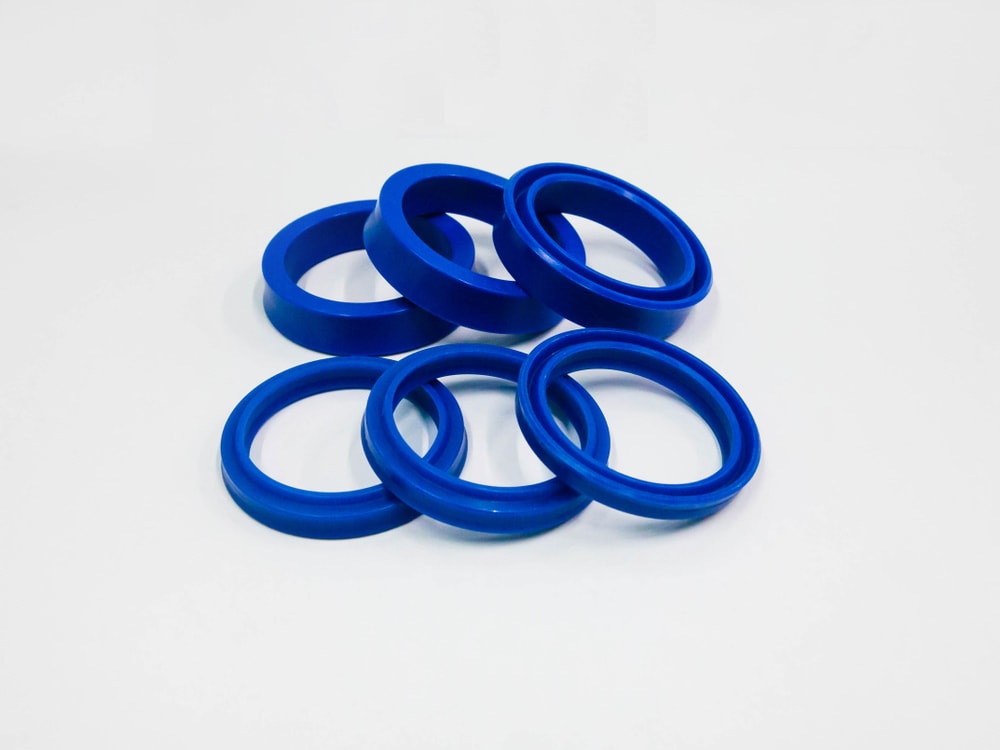
Drawing Analysis: The Foundation of Precision Conversion
At Suzhou Baoshida Trading Co., Ltd., the customization process for specialty rubber conversions begins with rigorous drawing analysis. This initial phase is critical to ensuring dimensional accuracy, functional compatibility, and long-term performance. Our engineering team evaluates technical drawings provided by OEM partners, focusing on critical tolerances, geometric complexity, material thickness, and environmental exposure requirements. We assess seal interfaces, compression set zones, and dynamic stress points to anticipate performance under operational conditions. Using advanced CAD cross-checking tools and GD&T (Geometric Dimensioning and Tolerancing) standards, we validate feasibility and identify potential design risks early. This collaborative review phase often includes feedback loops with the client to refine specifications and ensure manufacturability without compromising function.
Formulation: Tailoring Material Properties to Application Demands
Once design parameters are confirmed, our rubber formula engineers develop a bespoke compound formulation. Unlike commodity rubber products, specialty conversions require precise control over polymer selection, filler content, vulcanization systems, and additive packages. We match base elastomers—such as NBR, EPDM, FKM, VMQ, or ACM—to the application’s temperature range, chemical exposure, and mechanical stress profile. For example, fluorocarbon (FKM) formulations are engineered for high-temperature resistance in automotive turbocharger hoses, while hydrogenated nitrile (HNBR) is optimized for oil and abrasion resistance in industrial seals. Our formulation process includes dynamic mechanical analysis (DMA) and thermogravimetric analysis (TGA) to predict performance under real-world conditions. Each compound is documented with full traceability, ensuring consistency from prototype to mass production.
Prototyping: Validating Design and Material Synergy
Prototyping serves as the practical validation stage, where design and formulation converge. We produce small-batch samples using precision compression, transfer, or injection molding techniques, depending on part geometry and volume requirements. These prototypes undergo comprehensive testing, including tensile strength, compression set, hardness, and fluid resistance per ASTM and ISO standards. Functional testing in simulated operating environments—such as elevated temperatures, pressure cycling, or chemical immersion—ensures reliability. Feedback from this phase informs final adjustments to both the rubber compound and mold design, guaranteeing optimal performance prior to scale-up.
Mass Production: Consistency, Quality, and Scalability
Upon client approval of prototypes, we transition to mass production using automated molding lines and in-line quality monitoring systems. Our facility maintains ISO 9001-certified processes, with real-time batch tracking and statistical process control (SPC) to minimize variance. Every production run is accompanied by a full material certification and test report.
Below is a representative specification comparison for common specialty rubber formulations:
| Property | NBR (Standard) | EPDM (High Sat.) | FKM (Type 26) | HNBR (Peroxide Cured) |
|---|---|---|---|---|
| Temperature Range (°C) | -30 to +100 | -50 to +150 | -20 to +200 | -40 to +170 |
| Tensile Strength (MPa) | 15–20 | 10–16 | 12–18 | 20–28 |
| Elongation at Break (%) | 250–350 | 200–300 | 150–250 | 200–260 |
| Hardness (Shore A) | 60–90 | 50–80 | 65–85 | 70–90 |
| Fluid Resistance | Oil, Fuel | Water, Steam | Acids, Oils | Oil, Ozone, Abrasion |
This structured approach ensures that every specialty rubber conversion delivered by Suzhou Baoshida meets the highest standards of industrial performance and reliability.
Contact Engineering Team
Contact Suzhou Baoshida for Precision Rubber Conversion Engineering
Specialty rubber conversions demand exacting material science and process control to ensure performance under extreme industrial conditions. Generic solutions risk premature failure, contamination, or operational inefficiency—costs no OEM can afford. At Suzhou Baoshida Trading Co., Ltd., we engineer bespoke rubber formulations and conversions where standard compounds fall short. Our team operates at the intersection of polymer chemistry and precision manufacturing, translating your operational challenges into validated elastomeric solutions. We do not sell catalog products; we solve material integrity problems through data-driven development and rigorous validation protocols.
Our engineering process begins with deep technical interrogation of your application environment: dynamic stress profiles, chemical exposure, thermal cycling limits, and regulatory constraints. This informs proprietary compound design, leveraging our database of 1,200+ polymer formulations and additive synergies. Each conversion undergoes multi-stage validation, including ASTM D2000 compliance testing, compression set analysis per ISO 815, and real-world simulation in our Suzhou pilot facility. This methodology ensures dimensional stability, longevity, and repeatability—critical for automotive seals, semiconductor handling components, or chemical processing diaphragms.
Below details our core technical capabilities for specialty conversions. These parameters reflect minimum validated performance; custom enhancements are developed per project requirements.
| Parameter | Standard Range | High-Performance Option | Testing Standard |
|---|---|---|---|
| Polymer Types | NBR, EPDM, FKM, VMQ, ACM, HNBR | Custom perfluoroelastomers | ASTM D1418 |
| Hardness (Shore A) | 30–90 | 20–95 (±2 tolerance) | ASTM D2240 |
| Temp Resistance | -40°C to +150°C | -65°C to +325°C | ASTM D573 |
| Tensile Strength | 10–25 MPa | 30+ MPa | ASTM D412 |
| Elongation at Break | 200–600% | 150–700% | ASTM D412 |
| Compression Set (70h/70°C) | ≤25% | ≤12% | ISO 815 |
| Fluid Resistance | Oil, water, acids, bases | Custom plasma-resistant | ASTM D471 |
Initiating collaboration with Suzhou Baoshida eliminates the guesswork in critical elastomer applications. Mr. Boyce, our dedicated OEM Engineering Manager, serves as your single point of technical accountability from feasibility assessment through量产 ramp. With 18 years in rubber formulation for Tier-1 automotive and semiconductor OEMs, he ensures your conversion specifications translate into zero-defect production runs. His team provides full material traceability, PPAP documentation, and rapid failure mode analysis—reducing your time-to-resolution by 60% versus industry averages.
Do not compromise on material performance when system reliability is non-negotiable. Contact Mr. Boyce directly to commence a technical dialogue grounded in engineering rigor, not sales rhetoric. Email [email protected] with your application parameters, failure history, and performance targets. Include dimensional drawings or ASTM D2000 classification codes where available. Expect a detailed technical response within 4 business hours, including preliminary compound recommendations and validation roadmap. Suzhou Baoshida operates under ISO 9001:2015 and IATF 16949 certification—your assurance that every conversion meets the uncompromising standards of global industrial leadership. Partner with us to transform material limitations into competitive advantage.
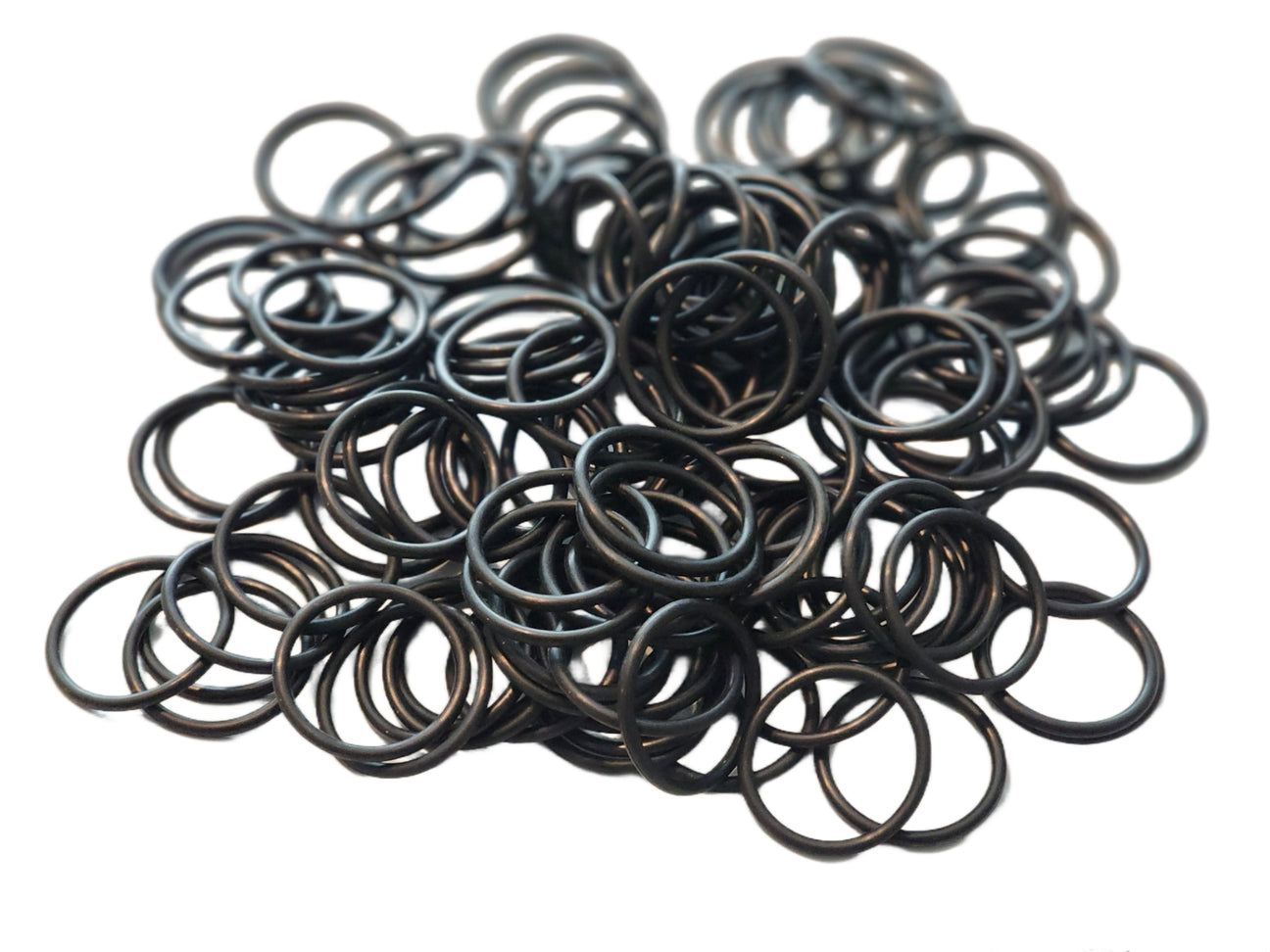
⚖️ O-Ring Weight Calculator
Estimate rubber O-ring weight (Approx).