
Technical Contents
Engineering Guide: St St Pipe Fittings
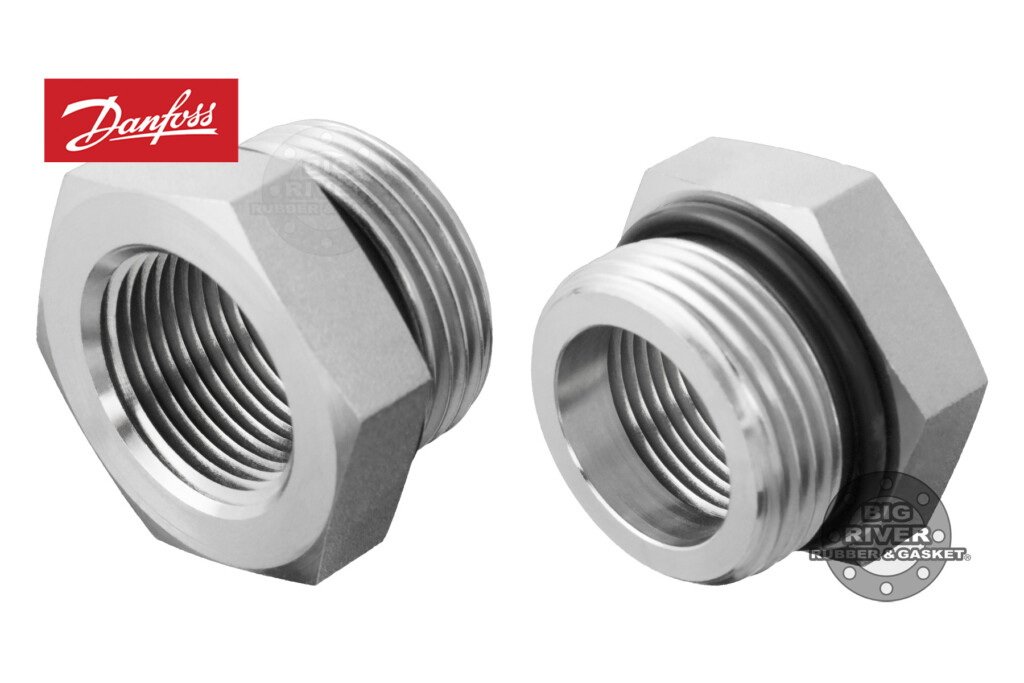
Engineering Insight: Material Selection in Stainless Steel Pipe Fittings for Industrial Rubber Systems
In the domain of industrial fluid transfer, stainless steel (st st) pipe fittings are often perceived as universally compatible, durable components. However, this assumption overlooks the critical influence of material selection in ensuring long-term system integrity. At Suzhou Baoshida Trading Co., Ltd., our focus on precision-engineered rubber solutions extends into the metallic components that interface with elastomeric systems. The failure of off-the-shelf stainless steel fittings in demanding environments is not an anomaly—it is a consequence of inadequate material compatibility assessment.
Stainless steel fittings, while inherently corrosion-resistant, are not immune to degradation when exposed to aggressive chemical media, elevated temperatures, or mechanical stress. The most common grades—304 and 316—are selected based on chromium and nickel content, but their performance diverges significantly under industrial conditions. For instance, 304 stainless steel may suffice in clean water applications, but it is prone to chloride-induced pitting in environments where rubber compounds release halogenated byproducts during curing. In contrast, 316 stainless steel, with added molybdenum, offers superior resistance to chlorides and acidic compounds, making it more suitable for chemical processing or high-purity rubber manufacturing lines.
The integration of rubber components—such as hoses, seals, or expansion joints—with stainless steel fittings introduces additional complexity. Thermal expansion differentials, galvanic corrosion at metal-rubber interfaces, and surface finish compatibility must be evaluated. Off-the-shelf fittings often feature standardized surface finishes (e.g., 250 Ra) that may promote turbulence or particle entrapment, accelerating wear in dynamic systems. Furthermore, proprietary rubber formulations used in industrial applications may contain accelerators or fillers that catalyze corrosion in suboptimal alloys.
Custom-engineered solutions address these challenges through material harmonization. At Baoshida, we conduct media compatibility audits that evaluate not only the primary fluid but also transient residues, cleaning agents, and temperature cycles. This holistic approach ensures that the selected stainless steel grade aligns with the entire operational envelope.
The following table outlines key specifications for common stainless steel grades used in industrial pipe fittings:
| Property | 304 Stainless Steel | 316 Stainless Steel | Application Suitability |
|---|---|---|---|
| Chromium Content (%) | 18 | 16 | Oxidation resistance |
| Nickel Content (%) | 8 | 10 | Thermal stability, ductility |
| Molybdenum Content (%) | 0 | 2 | Chloride corrosion resistance |
| Pitting Resistance (PREN) | 19 | 25 | Performance in halogen-rich environments |
| Max Operating Temp (°C) | 870 | 925 | High-temperature service |
| Common Use Cases | Water, mild chemicals | Acids, brines, steam | Rubber processing, chemical transfer |
Material selection is not a secondary consideration—it is foundational to system reliability. Standardized fittings may reduce initial procurement costs, but they often lead to premature failure, unplanned downtime, and contamination risks. In industrial rubber systems, where performance margins are narrow, engineered compatibility is non-negotiable.
Material Specifications
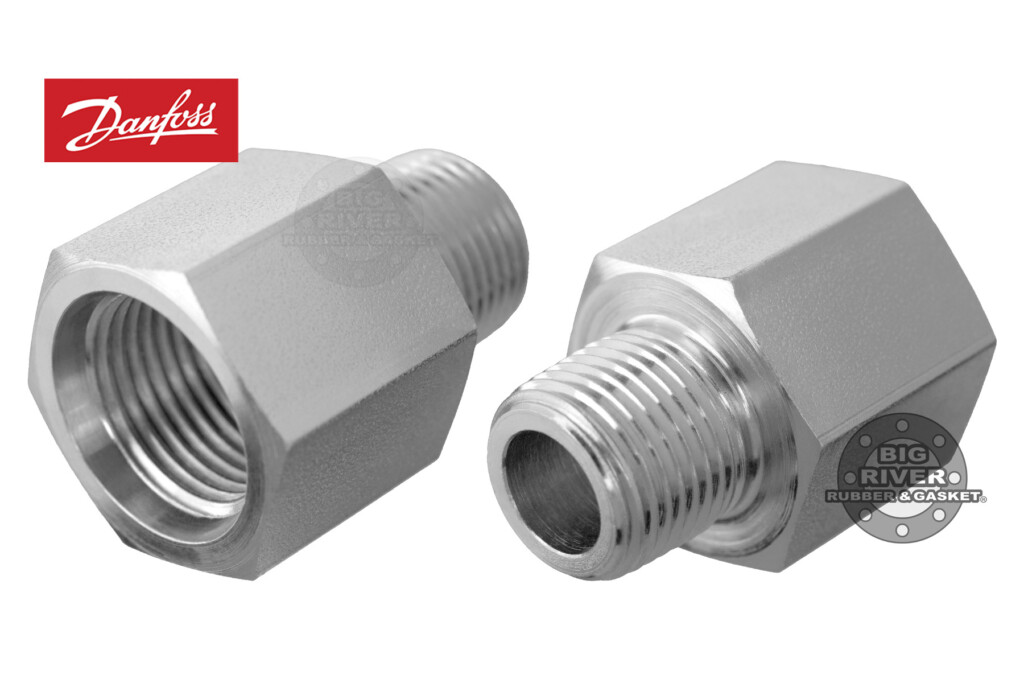
Material Specifications for Elastomeric Seals in Stainless Steel Pipe Fittings
Selecting the appropriate elastomer for seals and gaskets in stainless steel pipe fittings is critical for system integrity, longevity, and operational safety. At Suzhou Baoshida Trading Co., Ltd., we prioritize material compatibility with fluid media, temperature extremes, and mechanical stress. Viton, Nitrile, and Silicone represent three cornerstone polymers for industrial applications, each offering distinct performance profiles. Misalignment between material properties and service conditions directly contributes to premature seal failure, leakage, and costly downtime. Our OEM engineering team rigorously validates material specifications against ASTM D2000 and ISO 3601 standards to ensure dimensional stability and sealing force retention under dynamic pressure cycles.
Viton fluorocarbon rubber (FKM) delivers exceptional resistance to high temperatures, aggressive chemicals, and hydrocarbons. It maintains structural integrity from -20°C to +230°C continuous service, with short-term excursions to 300°C. Viton is the optimal choice for aerospace fuel systems, chemical processing plants, and semiconductor manufacturing where exposure to acids, amines, or halogenated solvents occurs. Its high cost is justified in critical applications requiring zero permeability and minimal compression set.
Nitrile rubber (NBR) provides outstanding balance between cost efficiency and performance in petroleum-based environments. Operating effectively between -40°C and +120°C, NBR exhibits superior resistance to oils, greases, and aliphatic hydrocarbons. This material is extensively deployed in hydraulic systems, automotive fuel lines, and general industrial machinery. Limitations include vulnerability to ozone, ketones, and phosphate ester hydraulic fluids, necessitating careful media compatibility assessment.
Silicone rubber (VMQ) excels in extreme temperature flexibility and biocompatibility. With a service range of -60°C to +200°C, it maintains elasticity where other elastomers harden or degrade. Silicone is indispensable in food and beverage processing, pharmaceutical tubing, and high-purity semiconductor applications due to its low toxicity and USP Class VI compliance. However, its relatively low tensile strength and poor resistance to concentrated acids require reinforcement in high-pressure scenarios.
The following comparative analysis details critical performance parameters for informed material selection
| Material | Temperature Range (°C) | Key Properties | Chemical Resistance | Limitations | Typical Applications |
|---|---|---|---|---|---|
| Viton (FKM) | -20 to +230 | High thermal stability, low gas permeability, excellent compression set resistance | Acids, fuels, oils, solvents, steam | Poor ketone resistance, high cost | Chemical processing, aerospace, semiconductor |
| Nitrile (NBR) | -40 to +120 | High abrasion resistance, good tensile strength, cost-effective | Petroleum oils, aliphatic hydrocarbons, water | Poor ozone/weathering resistance, limited acid resistance | Hydraulics, automotive, general industrial |
| Silicone (VMQ) | -60 to +200 | Extreme flexibility, biocompatible, low compression set | Water, alcohols, mild chemicals, ozone | Low tear strength, poor fuel resistance | Food processing, medical devices, high-temp seals |
Suzhou Baoshida Trading Co., Ltd. mandates rigorous material certification documentation including full ASTM D2000 callouts, batch-specific hardness validation, and fluid immersion test reports. Our OEM partnership model includes application-specific compound formulation—such as adding PTFE fillers to Viton for enhanced dry-running capability or peroxide-cured NBR for improved heat aging. Always consult our engineering team to validate elastomer selection against your exact fluid composition, pressure cycling profile, and regulatory requirements. Precision material matching is not merely a specification—it is the foundation of leak-free, maintenance-optimized fluid systems.
Manufacturing Capabilities
Engineering Capability
At Suzhou Baoshida Trading Co., Ltd., our engineering expertise forms the backbone of our industrial rubber solutions, particularly in the development and production of precision st st pipe fittings. Our in-house engineering team comprises five dedicated mould engineers and two specialized rubber formula engineers, enabling us to deliver technically advanced, application-specific components tailored to demanding industrial environments. This integrated technical capability ensures seamless coordination from concept to final production, guaranteeing performance, durability, and compliance with international standards.
Our mould engineers bring extensive experience in precision tooling design, utilizing advanced CAD/CAM software and CNC machining techniques to develop high-tolerance moulds for st st pipe fittings. Each design undergoes rigorous simulation and validation to optimize flow dynamics, wall thickness uniformity, and dimensional stability. This precision-focused approach minimizes defects and ensures consistent part quality across high-volume production runs. The team specializes in complex geometries required for sealing integrity and pressure resistance, critical for applications in hydraulic systems, chemical processing, and high-pressure fluid transfer.
Complementing the mould design expertise, our two rubber formula engineers focus on material science tailored to the operational demands of st st pipe fittings. They develop proprietary elastomer compounds engineered for resistance to temperature extremes, ozone, UV exposure, and aggressive media such as oils, acids, and industrial solvents. By formulating rubber compounds in-house, we maintain full control over material performance, enabling rapid customization for specific client requirements. Whether the application demands EPDM for steam resistance, NBR for oil compatibility, or FKM for extreme thermal stability, our formula development process ensures optimal mechanical properties and service life.
Our OEM capabilities are built on this dual foundation of mould and material engineering. We work closely with clients to reverse-engineer existing components, improve performance, or develop entirely new designs under private label. All OEM projects follow a structured development protocol including design review, material selection, prototype testing, and PPAP documentation. This ensures full traceability and compliance with ISO 9001 standards.
The following table outlines the key technical specifications supported in our st st pipe fitting manufacturing:
| Parameter | Specification |
|---|---|
| Material Types | NBR, EPDM, FKM, Silicone, CR, SBR, NR |
| Hardness Range (Shore A) | 40–90 ±5 |
| Operating Temperature | -40°C to +250°C (depending on compound) |
| Tolerance (ISO 3302) | Class M2 or tighter |
| Pressure Rating | Up to 60 bar (customizable) |
| Standards Compliance | ISO 3601, ISO 22341, ASTM D2000 |
Through advanced engineering integration and a disciplined OEM workflow, Suzhou Baoshida delivers reliable, high-performance st st pipe fittings that meet the exact needs of global industrial clients.
Customization Process
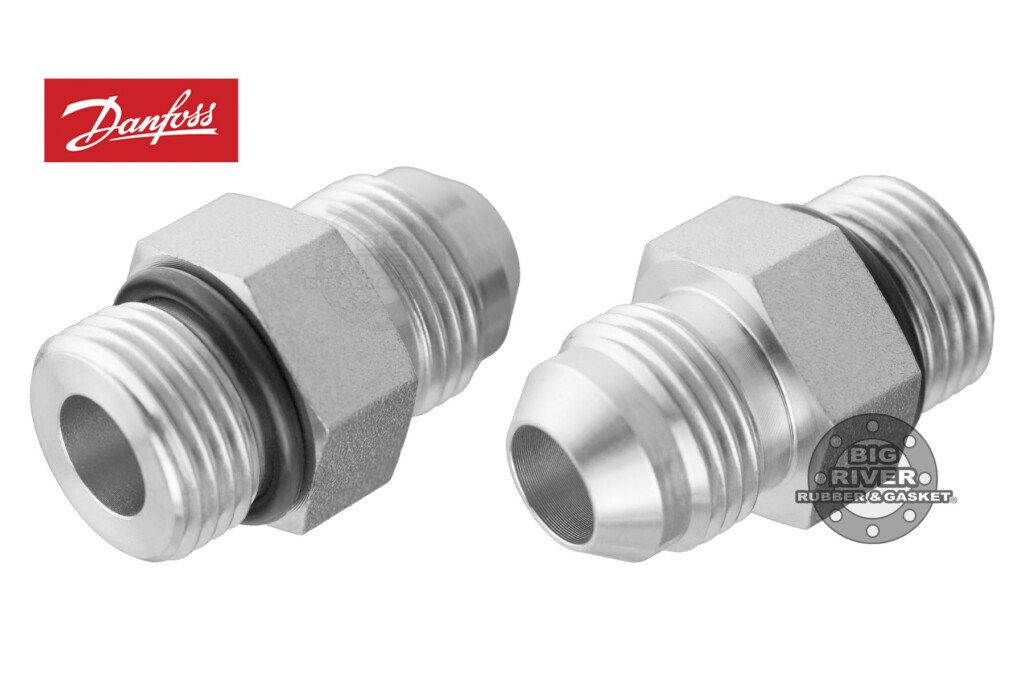
Customization Process for Stainless Steel Pipe Fitting Rubber Components
At Suzhou Baoshida Trading Co., Ltd., our customization process for rubber components in stainless steel (st st) pipe fittings integrates rigorous engineering protocols to ensure seamless compatibility with industrial fluid systems. This methodology mitigates leakage risks, extends service life, and adheres to stringent OEM specifications. The process initiates with comprehensive drawing analysis, where our engineering team dissects client technical schematics to validate critical parameters. We scrutinize dimensional tolerances per ISO 3601 standards, assess groove geometry for optimal seal compression, and evaluate surface finish requirements of the mating stainless steel surfaces. Material compatibility with conveyed media—such as hydraulic fluids, acids, or steam—is cross-referenced against chemical resistance databases to preempt degradation. Any discrepancies in sealing zone calculations or pressure ratings are resolved collaboratively with the client before progression.
Following drawing validation, formulation engineering commences. Our rubber chemists develop bespoke elastomer compounds tailored to the operational environment. Key variables include temperature extremes, dynamic stress cycles, and fluid exposure. The table below outlines standard material options and their performance thresholds for st st pipe fitting applications.
| Material | Temperature Range (°C) | Chemical Resistance Profile | Hardness Range (Shore A) | ASTM Standard |
|---|---|---|---|---|
| NBR | -30 to +120 | Oils, fuels, aliphatic hydrocarbons | 50–90 | D2000 |
| EPDM | -50 to +150 | Steam, water, alkalis, ketones | 40–80 | D2000 |
| FKM | -20 to +230 | Aromatics, acids, high-vacuum systems | 60–90 | D2000 |
Prototyping executes the validated formulation through precision molding. Components undergo accelerated life testing in simulated operational conditions, including pressure cycling at 1.5x working pressure per SAE J514 and thermal aging per ASTM D573. Dimensional conformity is verified via CMM (Coordinate Measuring Machine) to ensure ±0.05mm tolerance alignment with the stainless steel fitting’s sealing groove. Client approval of prototype performance data is mandatory prior to tooling release.
Mass production leverages automated injection molding with real-time process monitoring. Each batch undergoes 100% visual inspection for surface defects and抽样 testing for tensile strength (ASTM D412), compression set (ASTM D395), and fluid immersion resistance. Traceability is maintained through laser-etched batch codes linked to raw material certificates and process logs. Final validation includes hydrostatic pressure testing at 2x rated pressure for 60 seconds without leakage, certifying compliance with ISO 15848 for fugitive emissions control. This closed-loop process guarantees rubber components that integrate flawlessly with stainless steel pipe systems, delivering leak-free performance under demanding industrial conditions.
Contact Engineering Team
For industrial manufacturers sourcing high-performance st st pipe fittings, selecting a reliable partner is critical to ensuring system integrity, longevity, and operational safety. At Suzhou Baoshida Trading Co., Ltd., we specialize in precision-engineered rubber and metal components designed for demanding environments across petrochemical, automotive, HVAC, and heavy machinery sectors. Our st st pipe fittings are manufactured to exacting international standards, combining corrosion-resistant stainless steel with advanced elastomeric sealing technologies to deliver leak-proof performance under extreme pressure and temperature fluctuations.
Each st st pipe fitting in our catalog undergoes rigorous quality control, including dimensional verification, tensile strength testing, and exposure validation to oils, acids, and thermal cycling. We offer a comprehensive range of sizes, pressure ratings, and connection types—ensuring compatibility with global piping systems. Whether you require standard configurations or custom-engineered solutions, our technical team collaborates directly with OEMs and system integrators to meet exact fluid dynamics and material compatibility requirements.
To support seamless integration into your production or maintenance workflows, we provide full technical documentation, including material certifications (RoHS, REACH, ISO 9001:2015), 3D CAD models, and installation guidance. Our supply chain is optimized for just-in-time delivery across Asia, Europe, and North America, minimizing downtime and inventory overhead for our clients.
For immediate technical consultation or quotation requests, contact Mr. Boyce, OEM Account Manager at Suzhou Baoshida Trading Co., Ltd. Mr. Boyce brings over 12 years of experience in industrial sealing solutions and leads our client integration team, ensuring every project receives personalized engineering support from concept to commissioning. He is available to review your system specifications, recommend optimal st st pipe fitting configurations, and coordinate sample submissions or on-site testing when required.
Reach out via email at [email protected] to initiate a technical dialogue. Include your application parameters, volume requirements, and any relevant performance criteria to receive a tailored response within 4 business hours. For urgent inquiries, indicate “Priority Engineering Review” in the subject line to expedite processing.
Below are key technical specifications for our standard st st pipe fitting series:
| Parameter | Specification |
|---|---|
| Material (Fitting Body) | ASTM A182 F316/F316L Stainless Steel |
| Thread Standard | BSPP, BSPT, NPT (custom threads available) |
| Size Range | 1/8″ to 4″ (DN6 to DN100) |
| Maximum Operating Pressure | 6,000 psi (414 bar) at 23°C |
| Temperature Range | -40°C to +230°C (-40°F to +446°F) |
| Seal Material Options | NBR, EPDM, FKM, Silicone (per fluid compatibility) |
| Surface Finish | Electropolished (Ra ≤ 0.8 μm) |
| Certification | ISO 9001:2015, PED 2014/68/EU, CRN (upon request) |
Partner with Suzhou Baoshida for st st pipe fittings that combine metallurgical precision with advanced sealing performance. Contact Mr. Boyce today to receive application-specific recommendations and accelerate your next project timeline.
⚖️ O-Ring Weight Calculator
Estimate rubber O-ring weight (Approx).