
Technical Contents
Engineering Guide: Stainless Steel Flanges
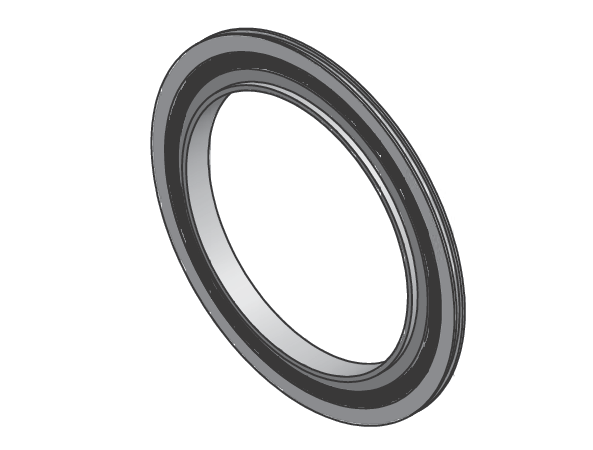
Engineering Insight: Material Selection in Stainless Steel Flanges
In industrial fluid handling systems, the integrity of a connection hinges on the compatibility between components, particularly at the interface of stainless steel flanges and sealing elements. While stainless steel flanges are widely perceived as universally corrosion-resistant and durable, their performance is highly dependent on precise material selection tailored to operational conditions. Off-the-shelf flange solutions often fail not due to inherent design flaws, but because of mismatched metallurgy and environmental exposure. Understanding the nuances of stainless steel grades and their interaction with elastomeric seals is essential for ensuring long-term system reliability.
Stainless steel flanges are commonly fabricated from austenitic grades such as 304/304L and 316/316L. While both offer good general corrosion resistance, 316L’s inclusion of molybdenum significantly enhances resistance to chlorides and acidic environments. In applications involving seawater, chemical processing, or high-chloride water systems, using 304L flanges can result in premature pitting and stress corrosion cracking. These failure modes are exacerbated when coupled with inappropriate gasket materials that outgas or degrade under thermal cycling, introducing localized corrosive agents at the flange face.
Moreover, the misconception that “stainless steel” equates to maintenance-free performance leads to the widespread use of generic flanges in aggressive media. For instance, in high-temperature steam applications, sensitization in the heat-affected zone (HAZ) of welded 304 flanges can promote intergranular corrosion. Low-carbon variants like 304L mitigate this risk, but only when properly passivated and matched with compatible sealing solutions. The use of standard EPDM or NBR gaskets in such environments may lead to compression set, extrusion, or chemical attack—compromising the seal and accelerating flange degradation.
A systems-engineering approach is required: flange material must be evaluated in concert with gasket chemistry, pressure-temperature profiles, and fluid compatibility. At Suzhou Baoshida Trading Co., Ltd., we integrate elastomer expertise with metallurgical analysis to recommend flange-seal pairings that prevent galvanic coupling, thermal mismatch, and chemical incompatibility. Our industrial rubber solutions are engineered to complement specific stainless steel grades, ensuring cohesive performance under dynamic service conditions.
The following table outlines common stainless steel flange materials and their recommended application envelopes:
| Material Grade | Key Alloying Elements | Corrosion Resistance | Typical Applications | Compatible Elastomers |
|---|---|---|---|---|
| 304/304L | 18% Cr, 8% Ni | Moderate; good in mild environments | Water systems, food processing | EPDM, Silicone, FKM |
| 316/316L | 16% Cr, 10% Ni, 2% Mo | High; resists chlorides and acids | Marine, chemical processing, pharmaceuticals | FKM, PTFE, EPDM |
| 316Ti | 316L + Titanium stabilization | Enhanced high-temp stability | High-temperature process lines | FFKM, PTFE encapsulated |
Standardized flange assemblies frequently overlook these material synergies, resulting in field failures that manifest as leaks, downtime, or safety hazards. Precision in material pairing is not an incremental improvement—it is a foundational requirement for industrial system integrity.
Material Specifications
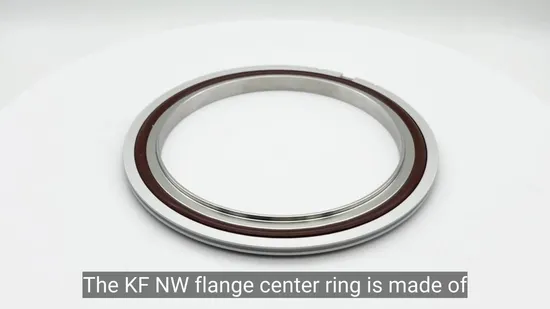
Material Specifications for Stainless Steel Flange Sealing Applications
Selecting the appropriate elastomer for stainless steel flange gaskets is critical for ensuring leak-tight integrity under operational stress. At Suzhou Baoshida Trading Co., Ltd., we prioritize material compatibility with media, temperature, pressure, and environmental exposure. Viton (FKM), Nitrile (NBR), and Silicone (VMQ) represent industry-standard solutions, each engineered for distinct industrial scenarios. Understanding their precise specifications prevents premature failure and optimizes lifecycle costs in demanding flange assemblies.
Viton fluorocarbon rubber delivers exceptional resistance to aggressive chemicals, including hydrocarbons, acids, and ozone. Its operational temperature range spans -20°C to +230°C, making it ideal for high-temperature chemical processing, aerospace, and semiconductor manufacturing flanges. Viton maintains seal integrity under prolonged exposure to jet fuels, hydraulic fluids, and aromatic solvents where other elastomers degrade. However, its higher cost and limited flexibility at sub-zero temperatures necessitate careful application assessment.
Nitrile butadiene rubber (NBR) offers optimal balance for oil and fuel exposure at economical cost. With a functional range of -40°C to +120°C (extended variants reach +150°C), it excels in hydraulic systems, marine fuel lines, and general industrial piping. NBR provides robust abrasion resistance and compression set performance in mineral oil-based media but exhibits vulnerability to ozone, ketones, and phosphate esters. This material remains the default choice for cost-sensitive applications involving petroleum derivatives.
Silicone rubber (VMQ) dominates extreme temperature environments, functioning reliably from -60°C to +200°C. Its inert composition ensures biocompatibility and resistance to UV/weathering, suiting pharmaceutical, food-grade, and outdoor flange systems. Silicone maintains flexibility in cryogenic conditions and resists steam sterilization cycles. However, it possesses lower tensile strength and poor resistance to concentrated acids, alkalis, and hydrocarbon fuels, limiting use in chemical processing.
The following table summarizes critical performance parameters per ASTM D2000 and ISO 3601 standards for flange sealing applications
| Material | Temperature Range (°C) | Key Strengths | Primary Limitations | Typical Flange Applications |
|---|---|---|---|---|
| Viton (FKM) | -20 to +230 | Superior chemical/oil resistance, low gas permeability, excellent heat aging | High cost, poor low-temp flexibility, limited steam resistance | Chemical reactors, fuel systems, semiconductor tooling |
| Nitrile (NBR) | -40 to +120 (+150 ext.) | High abrasion resistance, cost-effective, strong petroleum compatibility | Vulnerable to ozone, ketones, and polar solvents | Hydraulic manifolds, marine fuel lines, general industrial piping |
| Silicone (VMQ) | -60 to +200 | Exceptional low/high temp stability, biocompatible, UV resistant | Low tensile strength, poor fuel/hydrocarbon resistance | Pharmaceutical processing, food-grade lines, outdoor HVAC systems |
OEM selection must align material properties with fluid dynamics, pressure cycling, and regulatory requirements. Suzhou Baoshida Trading Co., Ltd. validates all formulations against ISO 9001 protocols and provides custom compound engineering for specialized flange interfaces. Incorrect elastomer specification directly correlates with gasket extrusion, compression set, or chemical attack—resulting in costly downtime. Partner with our technical team to conduct media compatibility testing and finite element analysis for critical sealing surfaces, ensuring optimal performance in your stainless steel flange assemblies.
Manufacturing Capabilities
Engineering Capability
At Suzhou Baoshida Trading Co., Ltd., our engineering division is built on a foundation of technical precision, material science expertise, and deep manufacturing insight. As a specialist in industrial rubber solutions, we recognize that the performance of components such as stainless steel flanges depends not only on metal integrity but also on the compatibility and resilience of sealing materials. Our in-house engineering team comprises five dedicated mould engineers and two certified rubber formula engineers, enabling us to deliver fully integrated OEM solutions tailored to the most demanding industrial environments.
Our mould engineers bring over 15 years of cumulative experience in precision tooling design for rubber-to-metal bonded components. They utilize advanced CAD/CAM software, including SolidWorks and AutoCAD, to develop flange gasket moulds with micron-level tolerances. This ensures consistent compression profiles, optimal sealing geometry, and flawless integration with stainless steel flange interfaces. Finite element analysis (FEA) is routinely applied to simulate stress distribution and thermal expansion behavior, allowing for proactive design optimization before tooling fabrication.
Complementing our mould design strength is our proprietary rubber formulation capability. Our two formula engineers specialize in developing custom elastomer compounds engineered to withstand extreme temperatures, aggressive chemicals, and prolonged mechanical stress. By controlling the polymer base, filler systems, cross-linking agents, and aging inhibitors, we produce rubber materials that meet exact OEM performance criteria. Whether the application demands resistance to chlorinated hydrocarbons, steam sterilization, or offshore saltwater exposure, our formulations are validated through ASTM and ISO-certified testing protocols.
This dual expertise—mould engineering and rubber chemistry—positions Suzhou Baoshida as a true OEM partner. We do not merely manufacture to print; we co-engineer solutions from concept to mass production. Our clients benefit from rapid prototyping, design-for-manufacturability feedback, and full documentation traceability, including material batch records and dimensional inspection reports.
The following table outlines key engineering specifications and capabilities relevant to stainless steel flange sealing applications:
| Parameter | Specification |
|---|---|
| Mould Design Tolerance | ±0.05 mm |
| Rubber Hardness Range (Shore A) | 40–90 |
| Operating Temperature Range | -40°C to +250°C (compound-dependent) |
| Bonding Strength (Rubber-to-Metal) | ≥12 MPa |
| Standard Elastomers | NBR, EPDM, FKM, Silicone, CR |
| Custom Compounds | Available (per ASTM D2000 or OEM spec) |
| CAD Software | SolidWorks, AutoCAD, UG NX |
| Testing Standards | ASTM D412, ASTM D573, ISO 37, ISO 1817 |
Through the synergy of advanced tooling design and scientific rubber formulation, Suzhou Baoshida delivers engineered sealing systems that enhance the reliability and service life of stainless steel flange assemblies across oil & gas, chemical processing, and marine industries.
Customization Process
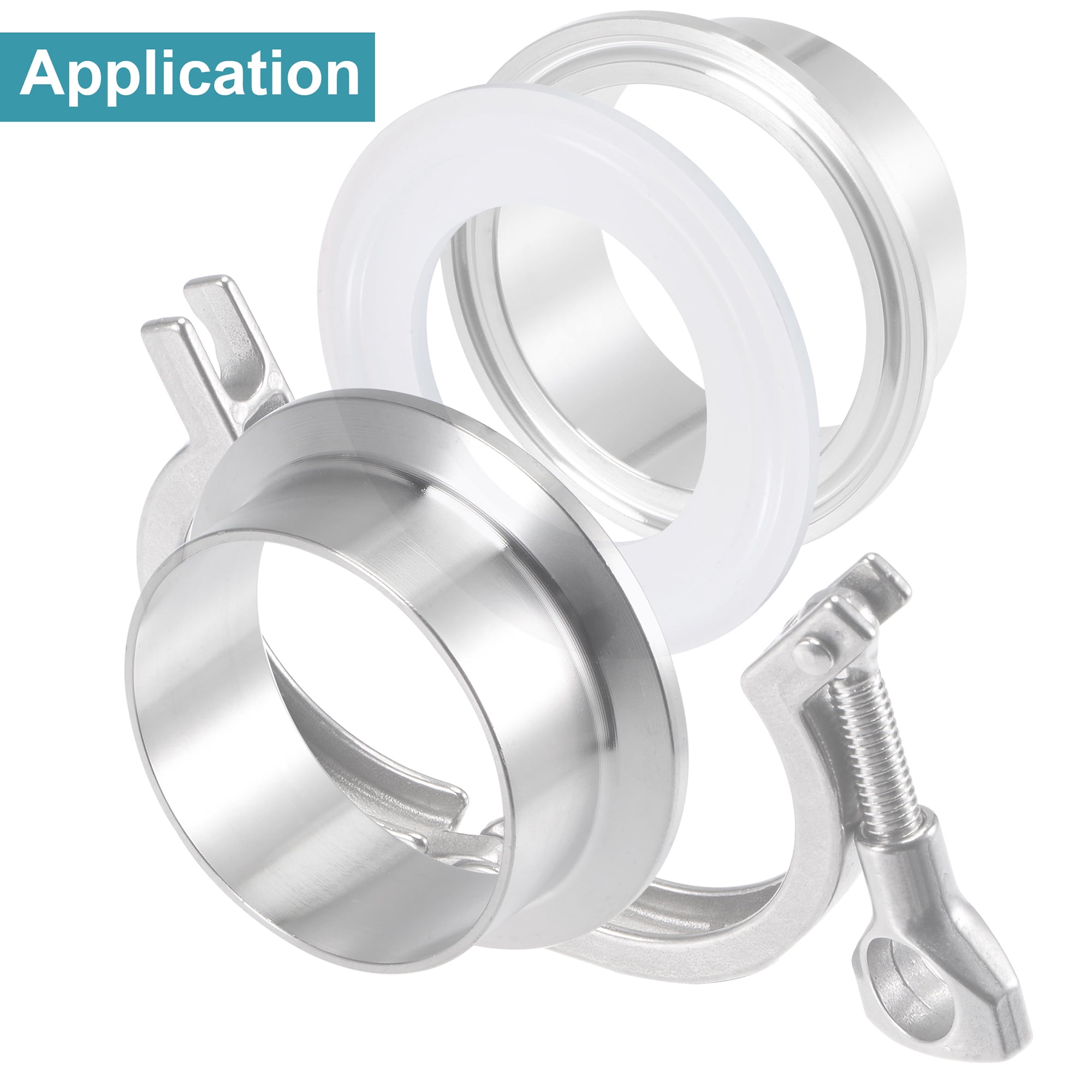
Customization Process for Stainless Steel Flange Sealing Systems
As OEM specialists bridging metal components and elastomeric sealing systems, Suzhou Baoshida Trading Co., Ltd. implements a rigorous four-phase customization workflow for stainless steel flange applications. This process ensures rubber formulations precisely interface with flange geometries under operational stress, eliminating leakage risks in critical industrial environments.
Drawing Analysis initiates the sequence, where engineering teams dissect client-provided flange schematics per ASME B16.5 or EN 1092-1 standards. We verify dimensional tolerances, pressure ratings, surface finish (Ra ≤ 3.2 μm for optimal seal adhesion), and bolt-hole patterns. Crucially, we assess thermal expansion differentials between stainless steel (e.g., 304/316L) and proposed elastomers to preempt gasket extrusion or compression set failure. Any discrepancies in flange face type (RF, FF, RTJ) trigger immediate client consultation before progression.
Formulation follows, leveraging our 15-year compound database to engineer rubber solutions matching flange service conditions. Engineers select base polymers—EPDM for chemical resistance, FKM for high-temperature steam, or NBR for oil exposure—then calibrate filler ratios, curatives, and anti-degradants. Key parameters include Shore A hardness (60–90 range), compression set (<25% per ASTM D395), and fluid compatibility with media like sulfuric acid or hydraulic oil. Finite element analysis simulates elastomer behavior under bolt torque loads to optimize cross-section design.
Prototyping validates the formulation-flange synergy. CNC-machined rubber gaskets undergo accelerated life testing against actual flange pairs under cyclic pressure (up to 414 bar) and temperature extremes (-50°C to +300°C). We measure leakage rates via helium mass spectrometry (detection limit 1×10⁻⁹ atm·cm³/s) and inspect for permanent set after 72-hour compression. Client approval requires ≤0.1 mg/min leakage across three test cycles.
Mass Production commences only after prototype sign-off, with statistical process control governing every stage. Raw materials undergo spectrometric verification, while molding presses maintain ±1°C thermal uniformity. Final gaskets are 100% inspected for flash, voids, and dimensional conformance via automated optical comparators. Batch traceability links each shipment to compound certificates and flange-specific validation reports.
Critical specification interdependencies are summarized below:
| Parameter | Flange Specification | Rubber Compound Specification |
|---|---|---|
| Material Standard | ASTM A182 F316L | ASTM D2000 M2BG714 |
| Pressure Class | ASME 150–2500# | Sustained 1.5× rated pressure |
| Temperature Range | -196°C to +815°C (base) | -50°C to +300°C (operational) |
| Surface Finish | Ra 1.6–6.3 μm (machined) | Durometer tolerance ±5 Shore A |
| Critical Test | Hydrostatic proof test | Compression set ≤20% @ 24h/150°C |
This closed-loop methodology guarantees sealing integrity across oil/gas, pharmaceutical, and marine flange assemblies. All production adheres to ISO 9001:2015 with PPAP Level 3 documentation, ensuring Suzhou Baoshida delivers zero-defect rubber solutions calibrated to stainless steel flange performance envelopes.
Contact Engineering Team
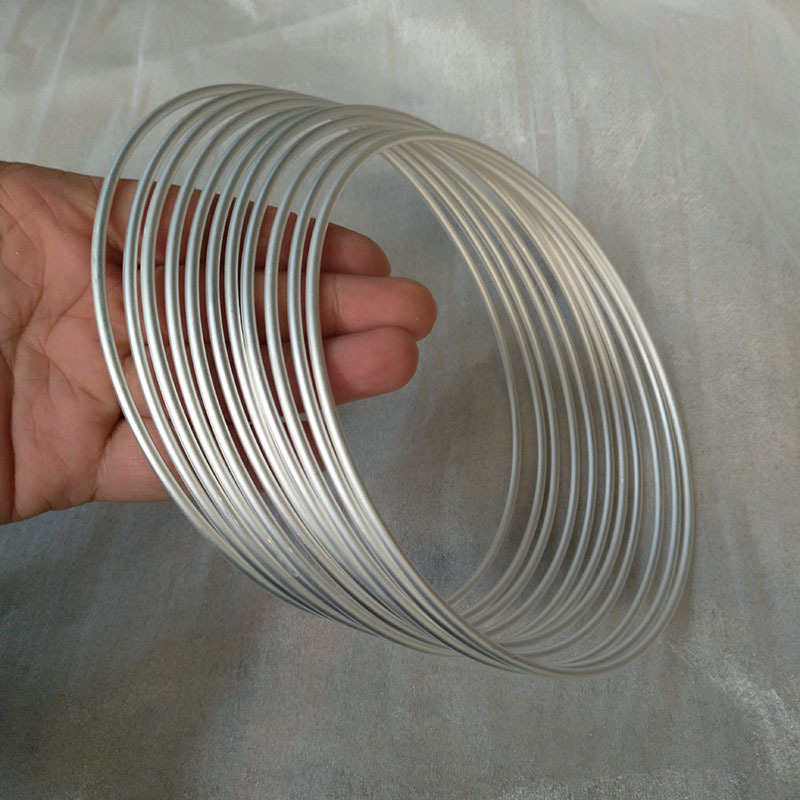
Contact Suzhou Baoshida for Premium Stainless Steel Flange Solutions
At Suzhou Baoshida Trading Co., Ltd., we specialize in delivering high-performance industrial rubber solutions integrated with precision-engineered stainless steel components, including flanges designed for demanding environments. Our expertise bridges the gap between elastomeric sealing technologies and robust metal fabrication, ensuring system integrity across oil & gas, chemical processing, marine, and power generation industries. When you require flanges that meet exacting standards for corrosion resistance, mechanical strength, and long-term reliability, our team provides engineered support from material selection to final delivery.
Stainless steel flanges are critical components in pipeline systems where leak-free connections and durability under pressure and temperature extremes are non-negotiable. We supply a full range of flange types—including weld neck, slip-on, blind, socket weld, and threaded—manufactured to international standards such as ASME B16.5, B16.47, and EN 1092-1. Each product is precision-machined from high-grade stainless steel alloys, including 304/L, 316/L, 321, 310S, and duplex/super duplex grades, ensuring compatibility with aggressive media and harsh operating conditions.
Our technical team ensures seamless integration between rubber sealing elements—such as gaskets, O-rings, and custom molded parts—and the metallic flange assembly. This holistic approach minimizes failure risks due to misalignment, thermal cycling, or chemical attack. Whether your application demands FDA compliance for sanitary systems or high-pressure ratings for offshore platforms, we offer tailored solutions backed by rigorous quality control and material traceability (MTR-certified).
To support global procurement needs, we maintain strategic inventory levels and partner with certified manufacturing facilities equipped with CNC machining, forging, and non-destructive testing capabilities. Lead times are optimized without compromising on dimensional accuracy or surface finish requirements.
For technical inquiries, custom drawings, or material certifications, contact Mr. Boyce, OEM Manager and Rubber Formula Engineer at Suzhou Baoshida Trading Co., Ltd. Mr. Boyce leads our industrial solutions division with over 12 years of experience in polymer-metal interface engineering and supply chain coordination for mission-critical components. He is available to review your project specifications, recommend optimal flange and sealing configurations, and provide competitive pricing with reliable delivery schedules.
Reach out directly via email at [email protected] to initiate a technical consultation. Include your required flange dimensions, pressure class, operating environment, and any applicable drawings or standards for prompt evaluation. We respond to all inquiries within 4 business hours and offer sample provisioning for qualified projects.
| Parameter | Specification |
|---|---|
| Material Grades | SS304/L, SS316/L, SS321, SS310S, 2205 Duplex, 2507 Super Duplex |
| Standards | ASME B16.5, B16.47, EN 1092-1, JIS B2220 |
| Pressure Classes | Class 150 to 2500 (ASME), PN6 to PN400 (EN) |
| Face Types | Raised Face (RF), Flat Face (FF), Ring Type Joint (RTJ) |
| Finishes | Stock, Machined, Anti-Corrosion Coated |
| Sealing Integration | Custom rubber gaskets, spiral wound, jacketed, O-ring groove machining |
⚖️ O-Ring Weight Calculator
Estimate rubber O-ring weight (Approx).