
Technical Contents
Engineering Guide: Stainless Steel Reducer Pipe
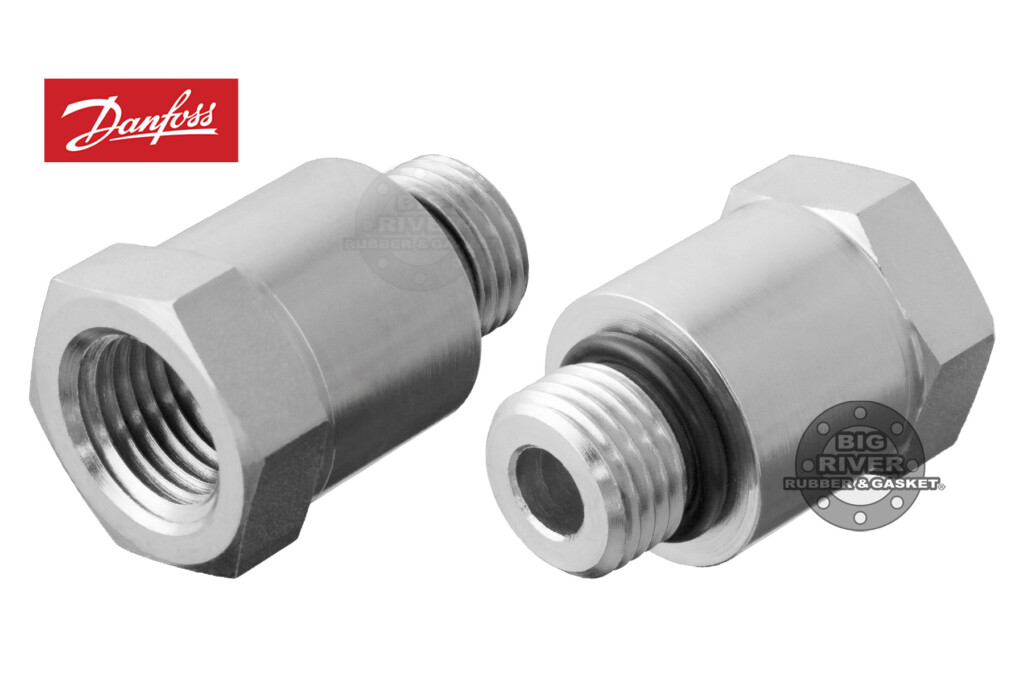
Engineering Insight: Material Selection Criticality in Stainless Steel Reducer Pipes
Material selection for stainless steel reducer pipes transcends basic dimensional compliance; it is a fundamental determinant of system longevity and operational safety in demanding industrial fluid handling applications. Off-the-shelf reducers frequently fail because they prioritize generic dimensional standards over the specific chemical, thermal, and mechanical realities of the end-use environment. Crucially, the interaction between the stainless steel reducer and adjacent elastomeric components—such as seals, gaskets, or hose liners—creates a critical interface often overlooked in standard catalog offerings. Incompatible material pairings here initiate rapid degradation pathways. Galvanic incompatibility between certain stainless grades and embedded metallic reinforcements in rubber compounds accelerates localized corrosion. Mismatched thermal expansion coefficients induce cyclic stress at the metal-rubber bond line during temperature fluctuations, leading to seal extrusion or separation. Furthermore, standard reducers rarely account for the precise surface finish requirements needed for optimal elastomer adhesion and sealing performance under dynamic pressure conditions. These oversights manifest as premature leaks, catastrophic joint failures, or contamination of sensitive process media, incurring significant downtime and remediation costs far exceeding the initial savings of a non-engineered solution.
The failure of generic reducers becomes evident when subjected to real-world operational stresses beyond nominal pressure ratings. Common failure modes include pitting corrosion in chloride-rich environments due to insufficient molybdenum content in lower-grade stainless steels, fatigue cracking at the reducer shoulder from inadequate ductility, and seal blowout caused by dimensional tolerances exceeding ASME B16.9 limits that compromise gasket compression. Crucially, the rubber formulation in connected components must be chemically resistant not only to the process fluid but also to potential corrosion byproducts leaching from an incompatible reducer. An off-the-shelf 304 SS reducer in a pulp and paper application, for instance, will succumb to chloride stress corrosion cracking, contaminating the system with iron oxides that aggressively degrade standard NBR seals. This systemic interdependence necessitates a holistic material compatibility assessment, not merely a pipe specification check.
Key performance differentiators between standard and engineered reducer solutions are quantifiable:
| Parameter | Standard Off-the-Shelf Reducer | Suzhou Baoshida Engineered Solution |
|---|---|---|
| Base Material Grade | Typically 304/304L (Limited corrosion resistance) | 316L, 904L, or Duplex (2205) based on fluid analysis |
| Surface Roughness (Ra) | 3.2 – 6.3 µm (Inconsistent) | Controlled 0.8 – 1.6 µm (Optimized for seal adhesion) |
| Dimensional Tolerance | ASME B16.9 Standard (±1.5mm OD) | Tightened to ±0.3mm OD (Ensures uniform gasket load) |
| Galvanic Compatibility | Not assessed for elastomer systems | Verified against specified rubber compound (e.g., EPDM, FKM) |
| Traceability | Mill certs only | Full material certification including intergranular corrosion test (ASTM A262) |
Suzhou Baoshida Trading Co., Ltd. addresses these critical gaps through OEM-level engineering collaboration. We mandate comprehensive fluid composition, temperature profile, and connected elastomer specifications before finalizing reducer material grade, surface treatment, and dimensional tolerancing. This integrated approach ensures the stainless steel reducer functions as a reliable, compatible component within the total fluid system, eliminating the hidden costs and risks inherent in generic off-the-shelf alternatives. Precise material science application at the metal-elastomer interface is non-negotiable for mission-critical performance.
Material Specifications
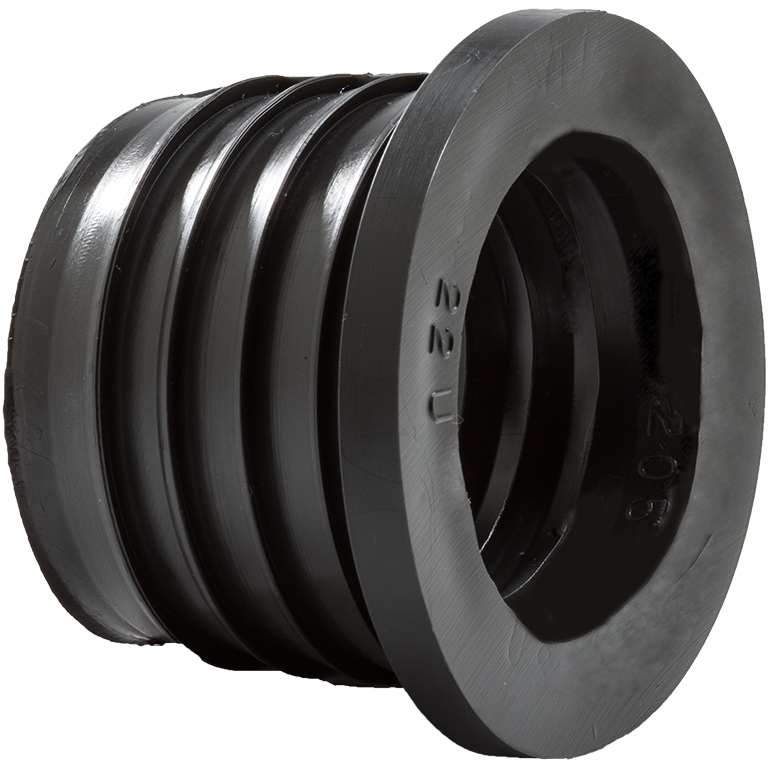
Material Specifications for Stainless Steel Reducer Pipes in Industrial Rubber Applications
When integrating stainless steel reducer pipes into industrial rubber systems, material compatibility is critical for ensuring long-term reliability, chemical resistance, and thermal stability. At Suzhou Baoshida Trading Co., Ltd., we specialize in engineered solutions that align elastomeric sealing materials with high-performance metal components. For applications involving stainless steel reducer pipes, the selection of the appropriate rubber compound—whether Viton, Nitrile (NBR), or Silicone—directly impacts system integrity under pressure, temperature extremes, and exposure to aggressive media.
Viton (FKM) is a fluorocarbon-based elastomer renowned for its exceptional resistance to high temperatures, oils, fuels, and a broad spectrum of chemicals. With a continuous service temperature range up to 230°C, Viton is ideal for high-performance industrial environments where exposure to aromatic hydrocarbons, chlorinated solvents, and acidic compounds is common. Its low gas permeability and outstanding aging characteristics make it a preferred choice for critical sealing applications in petrochemical, aerospace, and semiconductor industries. When paired with stainless steel reducer pipes in high-pressure transfer systems, Viton ensures minimal degradation and extended service life.
Nitrile rubber (NBR) offers a cost-effective solution for applications involving petroleum-based oils and hydraulic fluids. It exhibits excellent abrasion resistance and tensile strength, with a typical operating temperature range of -30°C to 120°C. While not as chemically resistant as Viton, NBR performs reliably in standard industrial environments such as hydraulic systems, fuel handling, and pneumatic equipment. Its compatibility with stainless steel components makes it suitable for reducer pipe assemblies in medium-duty applications where cost efficiency and mechanical durability are prioritized.
Silicone rubber (VMQ) delivers superior performance in extreme temperature conditions, functioning effectively from -60°C to 200°C. It demonstrates excellent resistance to ozone and UV radiation, making it well-suited for outdoor or high-temperature environments. However, silicone has limited resistance to petroleum-based fluids and lower mechanical strength compared to Viton and NBR. Its primary use in stainless steel reducer pipe systems is in non-oil environments such as food processing, medical equipment, and thermal insulation housings where purity and temperature stability are paramount.
The following table summarizes key physical and chemical properties of these elastomers in relation to stainless steel reducer pipe integration:
| Property | Viton (FKM) | Nitrile (NBR) | Silicone (VMQ) |
|---|---|---|---|
| Temperature Range (°C) | -20 to 230 | -30 to 120 | -60 to 200 |
| Tensile Strength (MPa) | 15–20 | 10–25 | 5–8 |
| Elongation at Break (%) | 200–300 | 250–400 | 200–600 |
| Hardness (Shore A) | 60–90 | 50–90 | 30–80 |
| Fluid Resistance (Oil/Fuel) | Excellent | Good | Poor |
| Chemical Resistance | Excellent | Moderate | Moderate |
| Ozone/UV Resistance | Excellent | Good | Excellent |
| Common Applications | Petrochemical, Aerospace | Hydraulics, Automotive | Medical, Food Processing |
Selection of the appropriate elastomer must consider fluid type, operating temperature, pressure conditions, and regulatory requirements. Suzhou Baoshida Trading Co., Ltd. provides tailored material recommendations to ensure optimal performance of stainless steel reducer pipe assemblies in diverse industrial rubber systems.
Manufacturing Capabilities
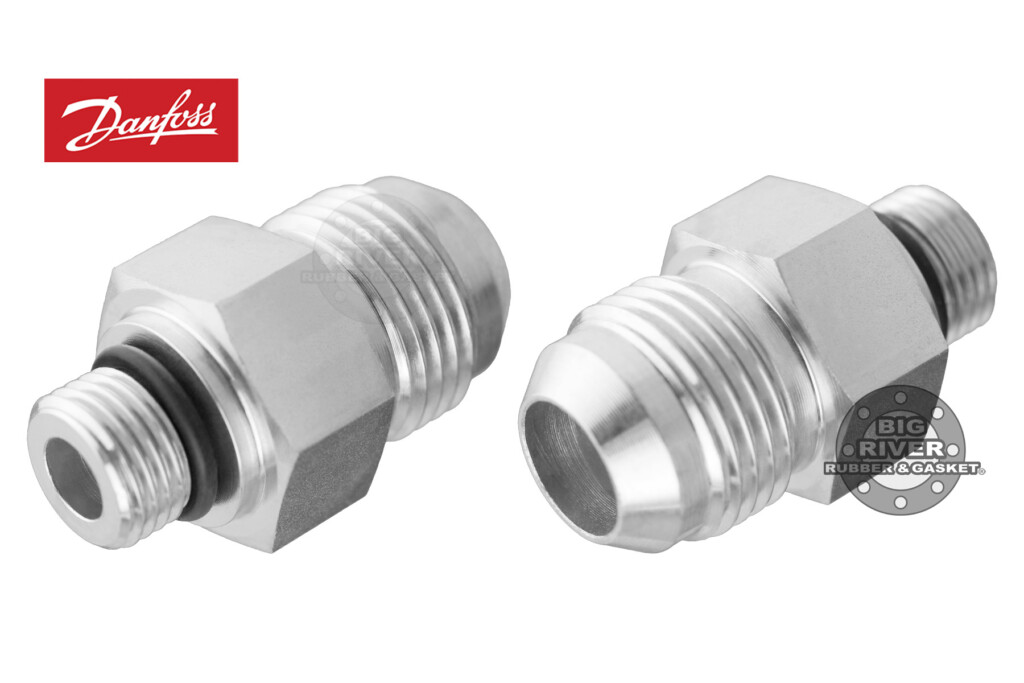
Engineering Capability: Precision Integration for Stainless Steel Reducer Pipe Systems
Suzhou Baoshida Trading Co., Ltd. leverages specialized engineering resources to deliver technically rigorous stainless steel reducer pipe solutions, with critical integration of rubber sealing components. Our team comprises five dedicated Mold Engineers and two Rubber Formula Engineers, collectively possessing 47 years of cumulative experience in industrial fluid system integrity. This multidisciplinary structure ensures seamless compatibility between metal piping and elastomeric sealing elements under extreme operational conditions. Our engineers apply finite element analysis (FEA) to model thermal expansion differentials, pressure-induced stress concentrations, and fluid dynamics at reducer junctions, directly informing both metal fabrication tolerances and rubber compound selection.
The Rubber Formula Engineering team develops thermoset elastomer matrices specifically engineered to withstand aggressive media—such as high-temperature steam, hydraulic fluids, and corrosive chemicals—common in reducer applications. Through accelerated aging protocols and dynamic compression testing, we formulate compounds achieving Shore A hardness ranges of 60–90, tensile strengths exceeding 15 MPa, and compression set values below 25% after 72 hours at 150°C. These properties are non-negotiable for maintaining seal integrity during thermal cycling in reducer assemblies, where dimensional shifts between dissimilar materials (e.g., 304 stainless steel and rubber) can compromise joint reliability. Our mold engineers then translate these material specifications into precision tooling, utilizing CNC-machined cavity inserts with tolerances held to ±0.02 mm to ensure concentricity and surface finish compliance per ISO 4287 Ra ≤ 0.8 μm.
As an OEM partner, we execute end-to-end manufacturing under strict AS9100 and IATF 16949 frameworks. Our process begins with client-specified dimensional requirements and service conditions, followed by joint design reviews to optimize reducer geometry and sealing interface parameters. We manage all stages—from stainless steel forging and precision turning to rubber compounding, molding, and final assembly—within our Suzhou facility, eliminating third-party quality variables. Critical to our OEM value proposition is the ability to co-engineer custom rubber formulations that address unique client challenges, such as cryogenic service down to -60°C or resistance to amine-based solvents.
The following table details our standard reducer pipe capabilities and customization thresholds:
| Parameter | Standard Offering | Customization Extent | Testing Protocol |
|---|---|---|---|
| Nominal Diameter Range | DN15–DN600 | DN10–DN1000 | Hydrostatic @ 1.5x MAWP |
| Material Grades | ASTM A312 TP304/316L | Duplex 2205, 904L | Intergranular Corrosion ASTM A262 |
| Pressure Rating | PN16–PN100 | PN160 (custom flanges) | Burst Test @ 4x MAWP |
| Rubber Seal Compatibility | NBR, EPDM, FKM | Perfluoroelastomer (FFKM) | ASTM D2000 Classification |
| Tolerance Compliance | ASME B16.9 | Client-specific GD&T | CMM Verification (ISO 10360) |
This integrated engineering approach—merging metallurgical precision with advanced polymer science—enables Suzhou Baoshida to resolve complex sealing challenges inherent in reducer pipe systems. We provide OEM clients with validated performance data, including finite element stress reports and material traceability dossiers, ensuring compliance with sector-specific regulations across energy, chemical processing, and marine industries. Partner with us for technically validated solutions where dimensional accuracy and elastomeric resilience converge. Technical consultation is available for application-specific compound development and reducer geometry optimization.
Customization Process
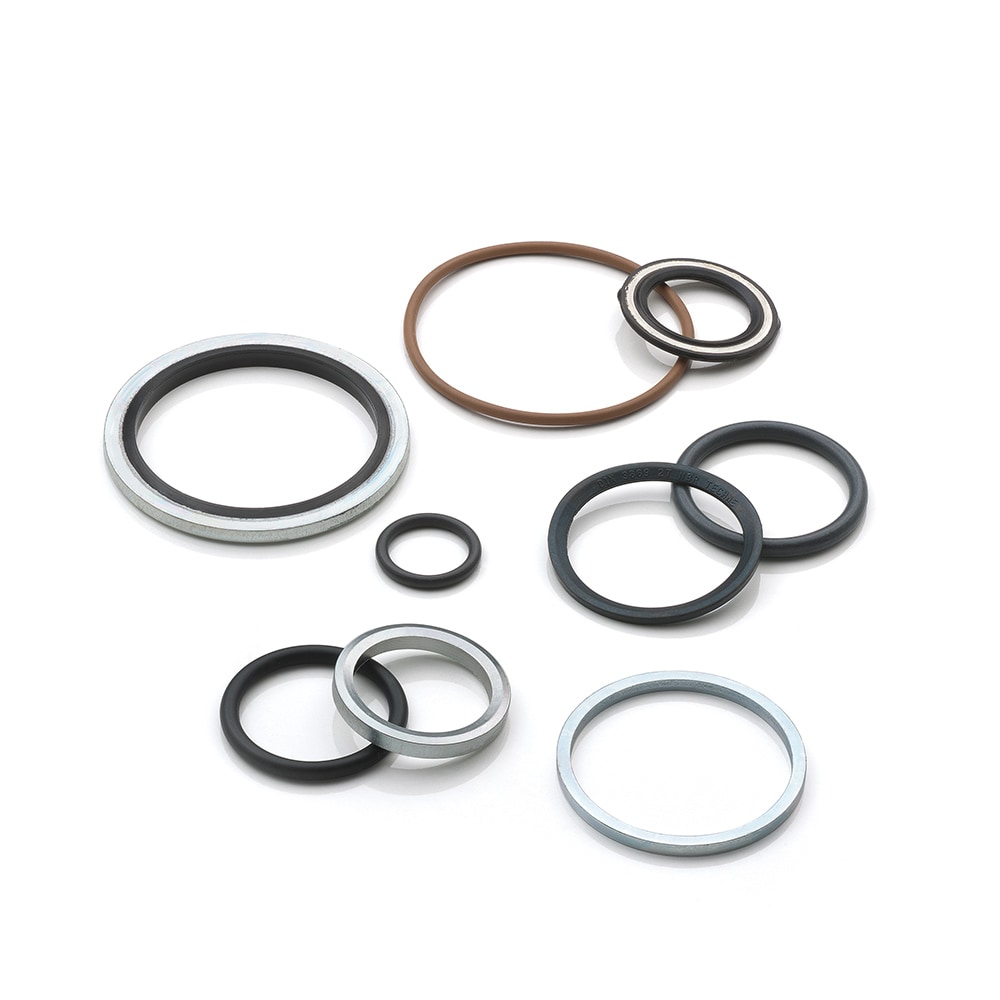
Drawing Analysis
The customization process for stainless steel reducer pipes at Suzhou Baoshida Trading Co., Ltd. begins with a rigorous Drawing Analysis phase. This step ensures that all dimensional, geometric, and material specifications provided by the client are fully understood and technically feasible. Our engineering team reviews CAD drawings, ISO standards, and ASME compliance requirements to verify tolerances, concentricity, end connections (butt-weld, threaded, or flanged), and surface finish parameters. Critical attributes such as outer diameter transitions, wall thickness gradients, and reduction ratios are cross-referenced with applicable industrial standards, including ASTM A312 and ASTM A790 for seamless and welded stainless steel grades. Any discrepancies or optimization opportunities—such as stress concentration zones or weld joint accessibility—are flagged for client consultation. This stage establishes the technical foundation for downstream development and ensures alignment with OEM requirements.
Formulation
Following drawing validation, the Formulation phase integrates material science with application-specific performance demands. While the primary structure is stainless steel (typically 304/L or 316/L), our expertise in Industrial Rubber Solutions comes into play when elastomeric linings, sealing elements, or vibration-damping overmolds are required—common in chemical processing, marine, or high-vibration environments. Our rubber formulation engineers select elastomer types (e.g., EPDM, NBR, or FKM) based on media compatibility, temperature range, and pressure resistance. Shore hardness, elongation at break, and compression set values are optimized to complement the mechanical behavior of the stainless steel substrate. Finite Element Analysis (FEA) is used to model thermal expansion differentials and interface integrity under cyclic loading. The resulting hybrid specification ensures long-term performance in aggressive environments, such as offshore platforms or pharmaceutical fluid transfer systems.
Prototyping
A functional prototype is manufactured upon finalization of design and material specifications. Utilizing CNC precision machining and orbital welding techniques, we produce one to three prototype units that reflect the exact geometry and fabrication methods intended for mass production. These units undergo non-destructive testing (NDT), including hydrostatic pressure testing, dye penetrant inspection, and ultrasonic wall thickness verification. If elastomeric components are involved, adhesion strength and thermal cycling tests are performed. Dimensional reports and material traceability documentation are compiled and submitted for client approval. This phase allows for empirical validation and minor design refinements before tooling and production line setup.
Mass Production
After prototype approval, the project transitions into Mass Production. We deploy automated welding cells, laser dimensional monitoring, and batch traceability systems to maintain consistency across large volumes. Each stainless steel reducer pipe is serialized, inspected per ISO 9001 protocols, and delivered with full Material Test Certificates (MTCs) per EN 10204 3.1.
| Parameter | Specification |
|---|---|
| Material Grades | SS304/L, SS316/L, Duplex 2205 (on request) |
| Size Range | DN15 – DN600 (½” – 24″) |
| Standards | ASTM A312, ASTM A790, ASME B16.9, ISO 14341 |
| Pressure Rating | Up to 100 bar (dependent on size & schedule) |
| Surface Finish | Ra ≤ 0.8 µm (electropolished available) |
| Elastomer Options | EPDM, NBR, FKM, Silicone |
| Lead Time (Mass Prod.) | 4–6 weeks after prototype approval |
Contact Engineering Team
Contact Suzhou Baoshida for Precision Rubber Solutions in Stainless Steel Reducer Pipe Systems
Suzhou Baoshida Trading Co., Ltd. operates at the critical intersection of advanced elastomer science and demanding industrial fluid transfer applications. While stainless steel reducer pipes form the structural backbone of countless piping systems, the integrity, longevity, and leak-proof performance of these assemblies fundamentally depend on the precision-engineered rubber components interfacing with them. Our core expertise lies not in the metal fabrication itself, but in developing and supplying the high-performance rubber seals, gaskets, expansion joints, and custom molded elastomer solutions specifically engineered to ensure optimal function, pressure containment, and chemical resistance within reducer pipe configurations. We understand that the transition point created by a reducer represents a significant stress concentration and potential failure zone; our materials and designs directly address these challenges through rigorous material science protocols and application-specific engineering.
Our technical team, led by experienced Rubber Formula Engineers, leverages deep knowledge of polymer chemistry and OEM manufacturing processes to create elastomer compounds capable of withstanding the unique thermal cycling, pressure differentials, and aggressive media encountered in reducer pipe service. We move beyond standard catalog offerings, engaging in collaborative development to match rubber properties precisely to your reducer pipe’s operational parameters, flange specifications, and the specific chemical environment. This includes optimizing compression set resistance for long-term sealing force retention, tailoring durometer for optimal flange load distribution, and ensuring compatibility with acids, solvents, steam, or high-purity fluids common in chemical processing, pharmaceutical, semiconductor, and food & beverage industries. Every solution undergoes stringent empirical validation against industry standards to guarantee performance under real-world conditions.
The following table outlines key rubber material specifications relevant to sealing and connecting stainless steel reducer pipe assemblies, demonstrating our focus on critical performance metrics:
| Material Grade | Temperature Range (°C) | Key Chemical Resistances | Typical Durometer (Shore A) | Compression Set (B, 22h, 150°C) % Max |
|---|---|---|---|---|
| FKM (Viton™ Type) | -20 to +230 | Acids, Fuels, Oils, Aromatics, Steam | 70, 75, 80 | 25 |
| EPDM (High Purity) | -50 to +150 | Steam, Hot Water, Alkalis, Ketones, Alcohols | 60, 70 | 20 |
| FFKM (Perfluoroelastomer) | -15 to +325 | Virtually all chemicals, Plasma, Ultra-High Purity | 75, 85 | 15 |
| Silicone (Pharma) | -60 to +200 | Steam, Ozone, Water, Moderate Chemicals | 40, 50, 60 | 30 |
Initiating a technical consultation with Suzhou Baoshida is the definitive step towards eliminating reducer pipe interface failures and enhancing system reliability. Mr. Boyce, our dedicated Technical Sales Manager, possesses the specialized engineering background required to translate your specific reducer pipe application challenges—whether involving exotic alloys, extreme temperatures, or ultra-pure media—into a validated rubber solution. He will facilitate direct engagement with our formulation chemists and OEM production team to ensure seamless integration and performance validation. Do not settle for generic elastomer components that compromise the integrity of your precision stainless steel piping system.
Contact Mr. Boyce immediately at [email protected] to schedule a technical discussion. Provide details regarding your reducer pipe dimensions (e.g., ASME B16.9 standards), operating pressure, media composition, temperature profile, and flange type. Our commitment is to deliver not just a part, but a precision-engineered elastomer solution that becomes an invisible, reliable component of your critical fluid transfer infrastructure, backed by Suzhou Baoshida’s rigorous quality management system and global supply chain capabilities. Partner with us for engineered reliability at the point of transition.
⚖️ O-Ring Weight Calculator
Estimate rubber O-ring weight (Approx).