
Technical Contents
Engineering Guide: Stall Pads

Engineering Insight: The Critical Role of Material Selection in Stall Pad Performance
In industrial applications, stall pads serve as essential components for load stabilization, vibration damping, and structural isolation. Despite their seemingly simple function, the performance and longevity of these components are heavily dependent on precise material selection. Off-the-shelf stall pads often fail to meet operational demands due to a one-size-fits-all approach that neglects application-specific variables such as dynamic loading, environmental exposure, and chemical compatibility.
Standard rubber compounds used in generic stall pads—typically based on natural rubber (NR) or low-grade styrene-butadiene rubber (SBR)—exhibit limited resistance to ozone, UV radiation, and temperature extremes. When deployed in harsh industrial environments, these materials degrade rapidly, leading to cracking, hardening, or loss of elasticity. Such degradation compromises load-bearing integrity and increases maintenance frequency and downtime. Additionally, many commercial-grade pads lack the reinforcement necessary to resist compression set under sustained loads, resulting in permanent deformation and reduced service life.
At Suzhou Baoshida Trading Co., Ltd., we emphasize engineered material solutions tailored to the operational profile of the application. Our approach begins with a thorough assessment of mechanical stress factors, including static and dynamic load ranges, shear forces, and deflection requirements. Equally critical is the evaluation of environmental conditions—such as exposure to oils, solvents, moisture, or extreme temperatures—each of which dictates the optimal elastomer formulation.
For instance, in high-temperature environments exceeding 100°C, ethylene propylene diene monomer (EPDM) or silicone rubber (VMQ) provide superior thermal stability compared to conventional SBR. In oil-rich settings, nitrile rubber (NBR) or hydrogenated nitrile (HNBR) offer enhanced resistance to swelling and chemical breakdown. Furthermore, incorporating fabric or steel reinforcement layers within the rubber matrix significantly improves tensile strength and dimensional stability under prolonged compression.
The following table outlines key material properties and their suitability across common industrial conditions:
| Material | Hardness (Shore A) | Temp Range (°C) | Oil Resistance | Compression Set | Typical Use Case |
|---|---|---|---|---|---|
| Natural Rubber (NR) | 40–70 | -20 to +70 | Low | Moderate | Light-duty indoor applications |
| SBR | 50–80 | -30 to +90 | Low | Moderate | General industrial use |
| NBR | 50–90 | -30 to +100 | High | Good | Oil-exposed machinery mounts |
| EPDM | 50–85 | -50 to +150 | Moderate | Excellent | Outdoor, high-temp environments |
| HNBR | 60–90 | -40 to +170 | Very High | Excellent | High-performance industrial systems |
Selecting the correct material is not merely a matter of durability—it directly impacts system safety, efficiency, and total cost of ownership. Generic stall pads may offer short-term cost savings, but their premature failure often leads to unplanned maintenance, equipment damage, and production losses. By contrast, engineered rubber solutions from Baoshida ensure reliable performance under real-world conditions, delivering long-term value through precision formulation and rigorous quality control.
Material Specifications
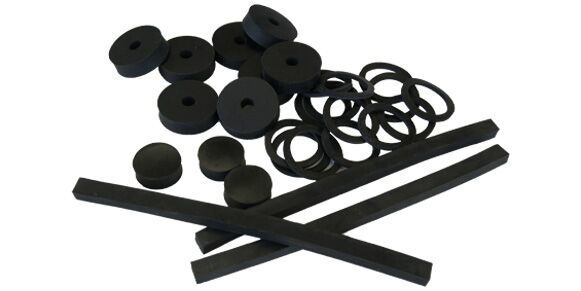
Material Specifications for Industrial Stall Pads
Selecting the optimal elastomer compound is critical for stall pad performance in demanding industrial environments. Stall pads absorb mechanical shock, dampen vibration, and maintain structural integrity under continuous load and exposure to harsh media. At Suzhou Baoshida Trading Co., Ltd., our engineered rubber solutions leverage advanced polymer science to ensure longevity and reliability. This section details three primary materials—Viton, Nitrile, and Silicone—formulated to meet stringent OEM requirements for stall pad applications across automotive, aerospace, and heavy machinery sectors. Each compound undergoes rigorous testing per ASTM D2000 and ISO 37 standards to validate mechanical properties and environmental resistance.
Viton (FKM) fluorocarbon rubber excels in extreme conditions, particularly where exposure to aggressive chemicals, fuels, and high temperatures occurs. Our proprietary Viton blends achieve continuous service temperatures up to 230°C and short-term peaks at 300°C. These compounds demonstrate exceptional resistance to oxygenated fuels, hydraulic fluids, and aromatic hydrocarbons, making them ideal for engine compartment stall pads in high-performance vehicles. Standard formulations deliver 15–20 MPa tensile strength, 150–250% elongation, and 60–90 Shore A hardness. Viton’s low compression set (<25% at 200°C) ensures consistent sealing force over extended cycles, though material costs are higher than alternatives.
Nitrile (NBR) butadiene-acrylonitrile rubber remains the industry standard for cost-effective oil and fuel resistance. Baoshida’s high-acrylonitrile NBR compounds (45–50% ACN content) withstand prolonged contact with mineral oils, greases, and aliphatic hydrocarbons while operating reliably from -40°C to 120°C. With tensile strengths of 18–25 MPa and elongation exceeding 300%, these formulations balance flexibility and durability for dynamic stall pad applications. Standard hardness ranges from 50–90 Shore A, with low-temperature variants maintaining flexibility down to -50°C. NBR’s abrasion resistance and moderate compression set (20–35% at 100°C) support long service life in hydraulic systems and industrial machinery.
Silicone (VMQ) rubber provides unmatched thermal stability across extreme ranges (-60°C to 200°C continuous) and superior resistance to ozone and weathering. Our platinum-cured silicone formulations offer excellent electrical insulation and biocompatibility, suiting them for specialized stall pads in medical equipment or outdoor installations. While tensile strength (6–10 MPa) and tear resistance are lower than Viton or NBR, silicone’s consistent performance under thermal cycling and minimal outgassing are critical for precision applications. Hardness options span 30–80 Shore A, with compression set values of 15–25% at 200°C.
The following table summarizes key comparative specifications for Baoshida’s stall pad materials:
| Material | Temperature Range (°C) | Key Fluid Resistance | Tensile Strength (MPa) | Elongation (%) | Hardness (Shore A) | Typical Applications |
|---|---|---|---|---|---|---|
| Viton (FKM) | -20 to 230 | Fuels, oils, acids, hydraulic fluids | 15–20 | 150–250 | 60–90 | Aerospace actuators, chemical processing equipment |
| Nitrile (NBR) | -40 to 120 | Mineral oils, greases, aliphatic hydrocarbons | 18–25 | 300–450 | 50–90 | Automotive transmissions, hydraulic machinery |
| Silicone (VMQ) | -60 to 200 | Water, ozone, weathering, some acids | 6–10 | 300–600 | 30–80 | Medical devices, outdoor electrical enclosures |
Material selection must align with operational stressors, including fluid exposure, temperature extremes, and mechanical load profiles. Suzhou Baoshida Trading Co., Ltd. provides customized compound development and technical validation to ensure stall pads meet exact OEM performance criteria. Contact our engineering team for application-specific formulation support and accelerated lifecycle testing data.
Manufacturing Capabilities

Engineering Capability
At Suzhou Baoshida Trading Co., Ltd., our engineering capability in industrial rubber solutions is anchored in a specialized team of technical experts and a robust OEM development framework. Our in-house engineering department comprises five dedicated mould engineers and two advanced rubber formulation scientists, enabling us to deliver precision-engineered stall pads tailored to the functional, environmental, and performance demands of modern agricultural and industrial facilities.
Our mould engineers bring extensive experience in designing high-tolerance, durable moulds for complex rubber components. Utilizing advanced CAD/CAM software and finite element analysis (FEA), they optimize geometries for uniform material distribution, structural integrity, and long-term fatigue resistance. Each mould is engineered for high-cycle production efficiency, ensuring dimensional consistency and surface quality across large-volume manufacturing runs. This precision directly translates into stall pads with consistent durometer, edge definition, and load-bearing performance.
Complementing our mould design expertise, our two rubber formulation engineers specialize in custom elastomer development. They formulate compounds based on natural rubber, SBR, EPDM, and nitrile blends, adjusting polymer ratios, filler systems, vulcanization agents, and additives to meet specific requirements such as abrasion resistance, UV stability, oil resistance, and low-temperature flexibility. This in-house formulation capability allows us to tailor stall pad performance to regional climates, livestock types, and facility maintenance protocols—ensuring optimal grip, shock absorption, and service life.
As an OEM partner, Suzhou Baoshida offers full design-to-production support. We collaborate directly with clients to interpret technical specifications, conduct material testing under simulated operational conditions, and iterate prototypes rapidly. Our engineering team manages tolerance analysis, draft angle optimization, gate placement, and curing cycle calibration to ensure manufacturability and performance alignment. This integrated approach reduces time-to-market and minimizes production risks for custom stall pad solutions.
We maintain strict quality control throughout development and production, adhering to ISO 9001 standards. All formulations undergo accelerated aging tests, compression set analysis, and slip resistance evaluation to validate long-term performance. Our facility supports small-batch prototyping and large-scale production, providing scalability without compromising consistency.
The following table outlines key engineering specifications and capabilities relevant to our stall pad manufacturing:
| Parameter | Specification / Capability |
|---|---|
| Mould Design Software | SolidWorks, AutoCAD, Moldflow |
| Material Development | Natural rubber, SBR, EPDM, Nitrile, Reclaimed rubber |
| Hardness Range (Shore A) | 40–90 |
| Operating Temperature Range | -40°C to +120°C (depending on compound) |
| Tensile Strength | Up to 25 MPa |
| Elongation at Break | 300–600% |
| Compression Set (70°C, 22h) | ≤25% |
| Custom Tooling Lead Time | 15–25 days |
| Prototype Turnaround | 7–14 days |
| OEM Design Support | Full CAD, FEA, Material Datasheets, Compliance Testing |
This technical foundation enables Suzhou Baoshida to deliver engineered stall pads that meet the exact functional and durability needs of global agricultural and industrial clients.
Customization Process
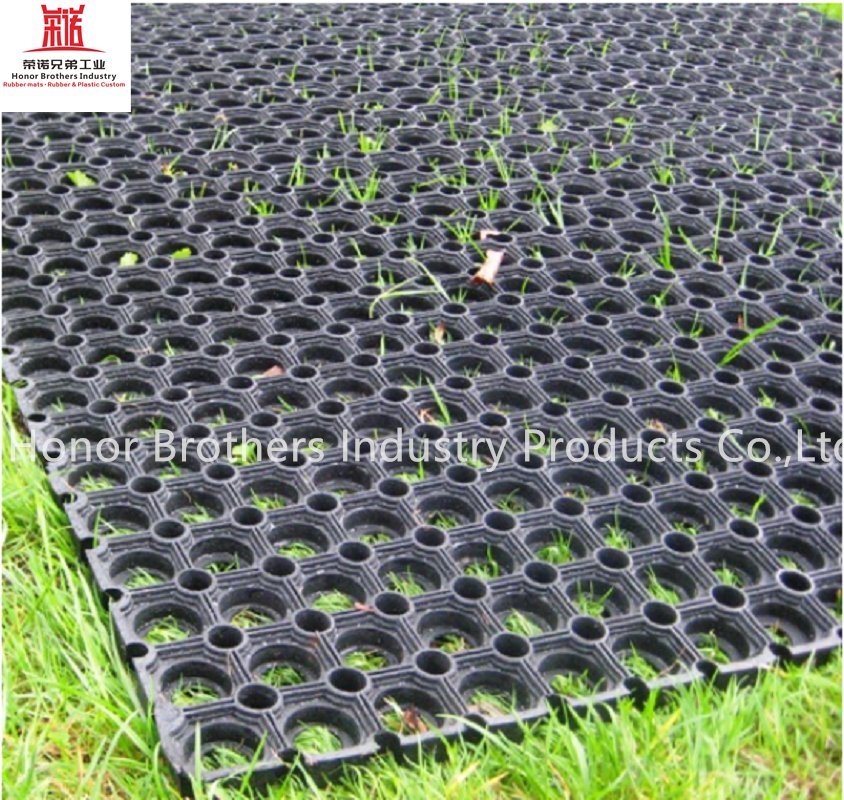
Customization Process for Industrial Stall Pad Manufacturing
At Suzhou Baoshida Trading Co., Ltd., our stall pad customization workflow integrates precision engineering with rubber science to deliver livestock flooring solutions meeting exact operational demands. This four-phase process ensures optimal performance in high-moisture, high-impact agricultural environments while adhering to OEM quality standards.
Drawing Analysis initiates the workflow. Our engineering team rigorously evaluates client-provided CAD files or sketches against ISO 2768-mK geometric tolerancing standards. Critical parameters assessed include dimensional stability under load (±0.5 mm tolerance), drainage channel geometry, and edge contour specifications. We verify compatibility with concrete substrates and identify potential stress concentration zones requiring reinforcement. Material compatibility with common farm disinfectants (e.g., 5% sodium hypochlorite solutions) is cross-referenced against our chemical resistance database. Any deviations from manufacturable design principles trigger collaborative redesign sessions with the client.
Formulation Development follows, where our rubber chemists translate mechanical requirements into compound architecture. Base polymers are selected from SBR, BR, or EPDM families based on required Shore A hardness (60–85 range), with reinforcing fillers like N330 carbon black adjusted for abrasion resistance. Critical additives include zinc oxide for vulcanization control and proprietary anti-aging packages to withstand UV exposure and ammonia degradation. Each formulation undergoes virtual simulation via Moldex3D to predict flow behavior and cure kinetics before physical batching.
Prototyping employs client-approved molds for 3–5 sample units. These undergo accelerated aging tests per ASTM D573 (70°C for 72 hours) and compression set analysis per ASTM D395 (25% deflection, 22 hrs at 70°C). Traction coefficients are measured on wet steel surfaces using a pendulum tester (minimum 0.45 required). Client validation includes on-farm trials under actual livestock loading, with feedback loops for iterative adjustments to durometer or surface texture.
Mass Production commences only after prototype sign-off. We implement statistical process control with real-time monitoring of cure temperature (±2°C tolerance) and press cycle times. Every 500th unit undergoes destructive testing for tensile strength and elongation consistency. Final inspection includes visual checks for porosity (zero tolerance per ISO 4661-3) and dimensional verification via CMM. All batches ship with full traceability documentation including raw material certificates and test reports.
The table below summarizes critical specification parameters for standard versus custom stall pads:
| Parameter | Standard Specification | Customizable Range | Test Standard |
|---|---|---|---|
| Shore A Hardness | 70 ± 5 | 60–85 | ASTM D2240 |
| Tensile Strength | ≥12 MPa | 10–18 MPa | ASTM D412 |
| Elongation at Break | ≥300% | 250–450% | ASTM D412 |
| Compression Set (22h) | ≤25% | ≤20% (premium grade) | ASTM D395 |
| Abrasion Loss | ≤120 mm³ | ≤90 mm³ | ASTM D5963 |
| Ammonia Resistance | 10% weight gain max | 5% weight gain max | ISO 1817 |
This systematic approach ensures stall pads deliver 8+ years of service life under 1,000+ daily hoof impacts while maintaining slip resistance on wet surfaces. Our OEM partnership model guarantees seamless scalability from prototype to 50,000-unit production runs with zero quality deviations.
Contact Engineering Team
For industrial manufacturers seeking high-performance stall pads engineered for durability, safety, and long-term value, Suzhou Baoshida Trading Co., Ltd. stands as a trusted partner in advanced rubber solutions. With years of specialized expertise in custom-formulated elastomers, we design stall pads that meet the rigorous demands of modern livestock facilities, dairy farms, and equine centers. Our products are developed using precision compounding techniques, ensuring optimal shock absorption, slip resistance, and resistance to abrasion, oils, and microbial growth. Every stall pad produced under our supervision adheres to strict quality control protocols, guaranteeing consistency across batches and compliance with international industrial standards.
At Suzhou Baoshida, we understand that no two operations are identical. That is why we offer fully customizable formulations and dimensions tailored to specific load requirements, environmental conditions, and usage profiles. Whether you require high-rebound cushioning for equine recovery zones or dense, low-compression pads for high-traffic dairy barns, our team collaborates closely with OEMs, distributors, and facility operators to deliver engineered solutions that enhance animal welfare and operational efficiency.
To ensure seamless integration into your supply chain or construction project, we provide comprehensive technical documentation, material certifications, and physical sample kits upon request. Our in-house R&D laboratory continuously tests formulations for tensile strength, compression set, and aging resistance, allowing us to refine performance characteristics based on real-world feedback and evolving industry needs.
Below are key technical specifications for our standard stall pad formulation. Custom variants are available upon consultation.
| Property | Test Method | Typical Value |
|---|---|---|
| Hardness (Shore A) | ASTM D2240 | 65 ± 5 |
| Tensile Strength | ASTM D412 | ≥ 10 MPa |
| Elongation at Break | ASTM D412 | ≥ 250% |
| Compression Set (22h at 70°C) | ASTM D395 | ≤ 20% |
| Tear Resistance | ASTM D624 | ≥ 40 kN/m |
| Specific Gravity | ASTM D297 | 1.25 – 1.35 |
| Thickness Tolerance | ISO 3302 | ±0.5 mm |
| Operating Temperature Range | — | -30°C to +80°C |
Partnering with Suzhou Baoshida means gaining access to a vertically integrated supply model, responsive engineering support, and scalable production capacity. We serve clients across Europe, North America, and Southeast Asia, maintaining inventory hubs to ensure rapid delivery and order fulfillment.
For technical inquiries, sample requests, or to discuss a custom formulation for your next project, contact Mr. Boyce directly at [email protected]. He is available to provide material data sheets, coordinate prototype development, and assist with compliance documentation for your regional market requirements. Let us help you deliver stall pad solutions that combine industrial resilience with animal-centric design.
⚖️ O-Ring Weight Calculator
Estimate rubber O-ring weight (Approx).