
Technical Contents
Engineering Guide: Steel Elbows For Pipe
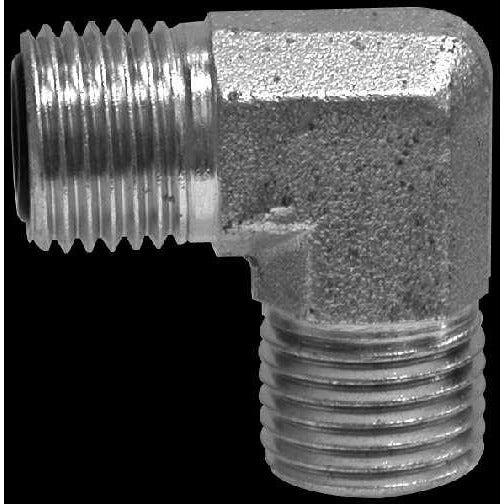
Engineering Insight Steel Elbows for Pipe Material Selection Criticality
Material selection for steel elbows represents a non-negotiable engineering decision directly impacting system integrity, longevity, and operational safety within demanding industrial fluid handling networks. Off-the-shelf elbows, while seemingly cost-effective initially, frequently precipitate premature failure due to fundamental mismatches between standardized material properties and the specific chemical, thermal, and mechanical stresses encountered in real-world applications. Generic carbon steel elbows (e.g., ASTM A234 WPB) exhibit significant vulnerability when exposed to corrosive media such as sour gas (H₂S), chlorides, or acidic process streams, leading to rapid localized pitting, stress corrosion cracking (SCC), or uniform wall thinning. This degradation often manifests catastrophically under cyclic pressure or thermal fatigue conditions inherent in many processes, where the inherent brittleness or inadequate toughness of non-specified grades cannot absorb dynamic loads. Furthermore, elevated temperature applications exceeding 400°F (204°C) can induce creep deformation or loss of mechanical strength in standard grades, while sub-zero environments risk brittle fracture if the steel’s Charpy impact energy is insufficient. The assumption that nominal pressure class (e.g., ASME B16.9 Class 150) alone guarantees suitability ignores the synergistic effects of fluid composition, flow velocity, particulate erosion, and external environmental factors like soil chemistry in buried lines. These complex interactions necessitate material properties engineered beyond baseline specifications.
The critical failure modes observed with non-optimized elbows underscore why precision material engineering is paramount. Standard elbows lack the tailored corrosion resistance, enhanced toughness, or high-temperature stability required for aggressive service. Material must be selected based on comprehensive analysis of the entire operational envelope, not merely pressure and diameter. The following comparison illustrates key differentiators between generic solutions and engineered alternatives:
| Parameter | Standard Off-the-Shelf Elbow | Engineered Application-Specific Elbow |
|---|---|---|
| Base Material Grade | ASTM A234 WPB (Carbon Steel) | ASTM A403 WP316L (Stainless) / Alloy 825 / Custom Clad |
| Corrosion Resistance | Limited; susceptible to acids, H₂S, chlorides | High; tailored for specific fluid chemistry (e.g., pitting/crevice resistance equivalent number >40) |
| Temperature Range | -20°F to 800°F (-29°C to 427°C) | -450°F to 1500°F (-268°C to 816°C) with appropriate grade |
| Pressure Rating | Meets nominal class at 100°F (38°C) | Validated for full range at max operating temp |
| Fatigue Life | Unspecified; often inadequate for cyclic service | Quantified cycles per ASME Section VIII Div 2; enhanced toughness |
Suzhou Baoshida Trading Co., Ltd. emphasizes that successful piping system design mandates moving beyond dimensional conformity. True reliability stems from elbows where the metallurgical composition, heat treatment, and manufacturing process (e.g., seamless vs. welded, post-weld heat treatment parameters) are precisely calibrated to the operational profile. This includes consideration of potential interaction with elastomeric seals or linings within the broader rubber solutions context. Partnering with a specialist capable of rigorous material analysis and custom specification—rather than accepting generic inventory—is the definitive strategy to eliminate avoidable downtime, safety hazards, and the significantly higher lifetime costs associated with elbow replacement and system remediation. Precision material science is not an optional upgrade; it is the foundation of resilient industrial infrastructure.
Material Specifications
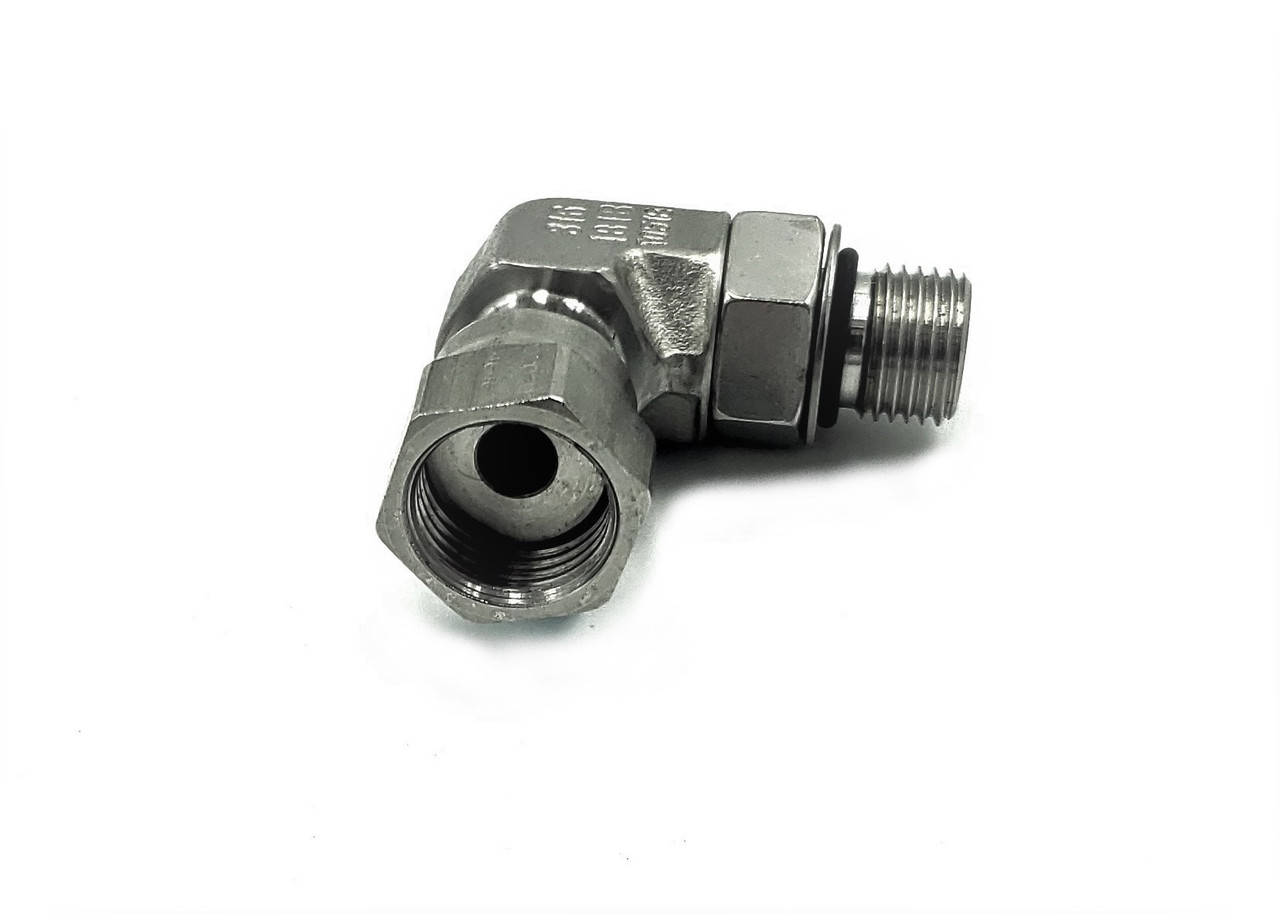
Material Specifications for Steel Elbows in Industrial Rubber Applications
In the context of industrial piping systems, steel elbows serve as critical components for directional flow management, particularly when integrated with elastomeric sealing or lining materials. At Suzhou Baoshida Trading Co., Ltd., we specialize in engineered rubber solutions that enhance the performance, durability, and chemical compatibility of steel elbow assemblies. The selection of the appropriate rubber material is paramount to ensuring operational integrity under variable thermal, chemical, and mechanical conditions. Our primary elastomers—Viton (FKM), Nitrile (NBR), and Silicone (VMQ)—are rigorously evaluated for compatibility with media, temperature extremes, and system pressures.
Viton (fluorocarbon rubber) is the premium choice for high-performance applications involving aggressive chemicals, elevated temperatures, and hydrocarbon exposure. With a continuous service temperature range of -20°C to +230°C, Viton provides exceptional resistance to oils, fuels, acids, and chlorinated hydrocarbons. Its low gas permeability and excellent aging characteristics make it ideal for critical sealing applications in petrochemical, aerospace, and high-purity industrial systems. However, Viton exhibits lower flexibility at low temperatures and higher material cost compared to alternatives.
Nitrile rubber (nitrile butadiene rubber, NBR) offers a balanced performance profile for general industrial use. It excels in resistance to aliphatic hydrocarbons, mineral oils, and water-based fluids, with a service temperature range of -30°C to +100°C (up to +120°C intermittently). Nitrile is widely used in hydraulic systems, fuel lines, and pneumatic applications due to its good abrasion resistance and cost-effectiveness. Limitations include poor resistance to ozone, UV radiation, and polar solvents such as ketones and esters, necessitating protective measures in outdoor or chemically aggressive environments.
Silicone rubber (VMQ) is selected primarily for its extreme temperature resilience and physiological inertness. Capable of operating from -60°C to +200°C, silicone maintains flexibility at cryogenic temperatures and stability under prolonged thermal cycling. It is commonly specified in food, pharmaceutical, and medical applications due to its compliance with FDA and USP Class VI standards. While silicone offers excellent resistance to oxygen, ozone, and UV degradation, it has relatively low tensile strength and poor resistance to petroleum-based oils and fuels, limiting its use in high-stress mechanical seals.
The following table summarizes key performance characteristics of these materials for application-specific selection in steel elbow systems.
| Property | Viton (FKM) | Nitrile (NBR) | Silicone (VMQ) |
|---|---|---|---|
| Temperature Range (°C) | -20 to +230 | -30 to +100 | -60 to +200 |
| Tensile Strength (MPa) | 15–25 | 10–20 | 5–8 |
| Elongation at Break (%) | 200–300 | 250–500 | 200–600 |
| Hardness (Shore A) | 60–90 | 50–90 | 30–80 |
| Resistance to Oils & Fuels | Excellent | Good to Excellent | Poor |
| Resistance to Acids | Excellent | Fair | Fair |
| Resistance to Ozone/UV | Excellent | Poor | Excellent |
| Compression Set Resistance | Excellent | Good | Good |
| FDA Compliance | Limited Grades | No | Yes |
Selection of the appropriate elastomer must be based on a comprehensive assessment of system requirements, including fluid type, operating temperature, pressure cycles, and regulatory standards. Suzhou Baoshida Trading Co., Ltd. supports OEMs and industrial clients with material testing, custom formulation, and technical validation to ensure optimal integration of rubber components within steel elbow assemblies.
Manufacturing Capabilities
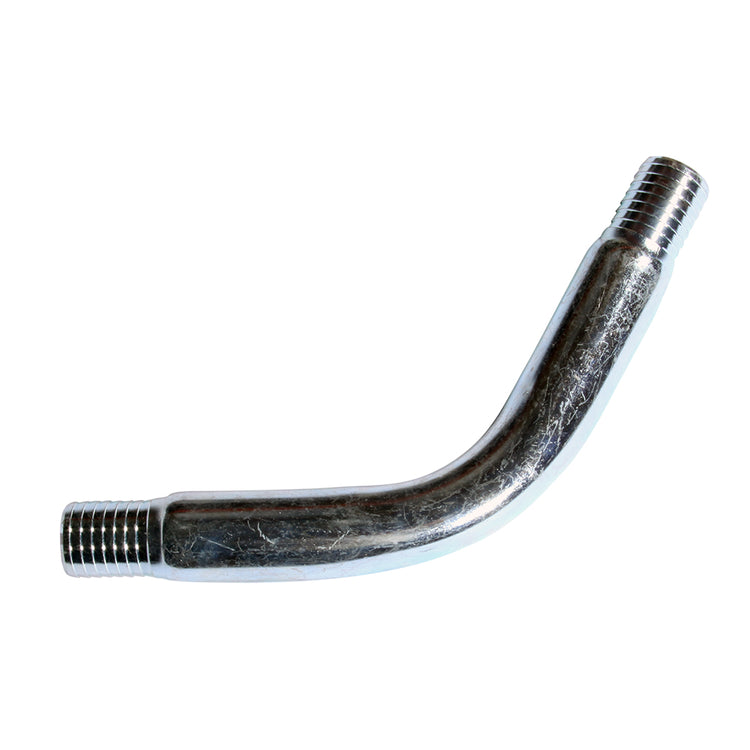
Engineering Capability
Suzhou Baoshida Trading Co., Ltd. integrates advanced rubber compounding expertise with precision metal fabrication to deliver high-performance steel elbows for critical pipe systems. Our engineering team comprises seven dedicated specialists: five Mould Engineers and two Rubber Formula Engineers, collectively addressing the complex interface between elastomeric sealing elements and structural steel substrates. This synergy ensures optimal adhesion, thermal expansion compatibility, and fatigue resistance in demanding industrial environments. Our Formula Engineers focus on molecular crosslink density optimization, filler dispersion, and polymer selection to achieve target durometer, compression set, and chemical resistance. Concurrently, Mould Engineers translate these formulations into production-ready tooling, utilizing finite element analysis (FEA) to mitigate flow-induced stresses and cure heterogeneity during overmoulding or lining processes.
OEM collaboration forms the cornerstone of our value proposition. We manage end-to-end development from initial concept to serial production, maintaining strict confidentiality protocols for client IP. Our engineers conduct joint tolerance stack-up analysis with customer design teams, ensuring seamless integration of rubber-enhanced steel elbows into existing piping architectures. This includes validating dimensional conformity per ASME B16.9 standards while accommodating client-specific flange configurations or surface finish requirements. Prototyping leverages rapid tooling iterations with real-time rheological monitoring to refine cure kinetics and adhesion parameters before full-scale manufacturing.
Critical performance specifications for our rubber-lined steel elbows are rigorously validated through in-house testing. The table below summarizes key parameters achievable through our engineered solutions:
| Parameter | Specification | Testing Standard |
|---|---|---|
| Rubber Durometer | 50–80 Shore A (customizable) | ASTM D2240 |
| Temperature Range | -40°C to +150°C (standard EPDM) | ISO 188 |
| Pressure Rating | Up to 40 bar @ 100°C | ISO 1402 |
| Fluid Resistance | Oil, acid, ozone (per formulation) | ISO 1817 |
| Adhesion Strength | ≥ 8 kN/m (rubber-to-steel) | ASTM D429 Method B |
| Compression Set | ≤ 25% (after 70h @ 100°C) | ASTM D395 |
Our OEM workflow includes comprehensive failure mode analysis using accelerated life testing rigs that simulate thermal cycling, pulsating pressure, and chemical exposure. This proactive validation minimizes field failures in applications ranging from petrochemical transfer lines to semiconductor coolant systems. By controlling both material science and tooling precision, Baoshida eliminates interface delamination risks inherent in third-party assembly models. Clients receive certified material traceability, process capability data (CpK ≥ 1.67), and ongoing formulation refinement support throughout product lifecycles. This integrated engineering approach delivers steel elbows with demonstrably superior service life in abrasive, corrosive, or high-vibration service conditions.
Customization Process
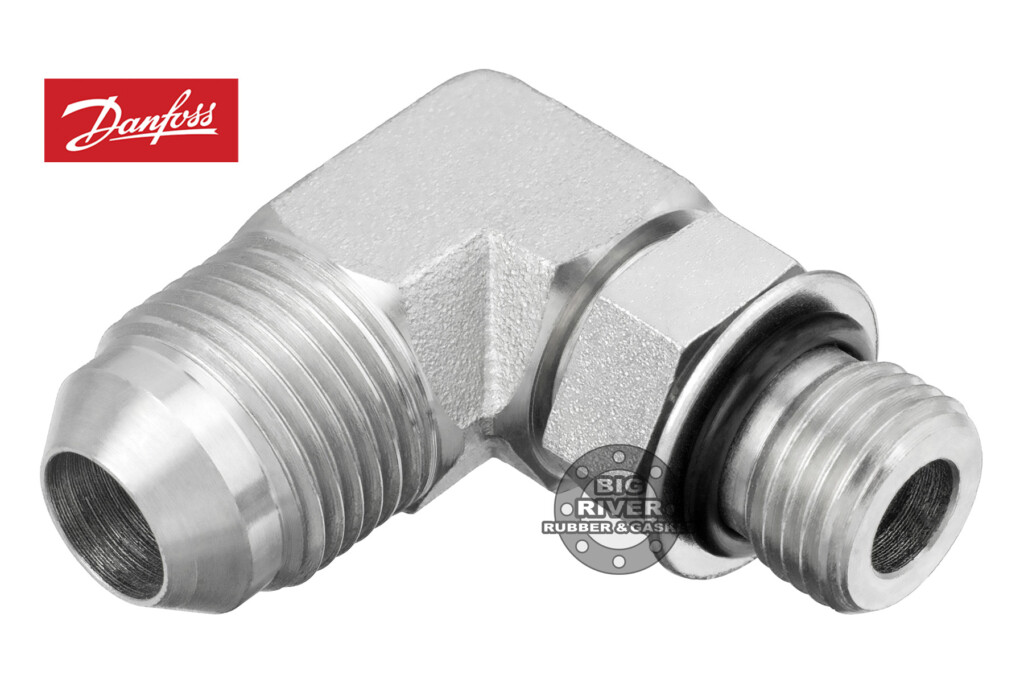
Drawing Analysis
Upon receipt of client-provided technical drawings for steel elbows used in pipe systems, our engineering team at Suzhou Baoshida Trading Co., Ltd. initiates a comprehensive dimensional and functional review. This phase ensures that all geometric specifications, including bend radius, wall thickness, outer diameter, and end configurations (beveled, threaded, etc.), align with international standards such as ASME B16.9, MSS SP-75, or client-specific OEM requirements. Critical attention is given to tolerance bands, surface finish parameters, and material grade callouts (e.g., ASTM A234 WPB, WPC, or high-yield alloys). Through CAD-based validation using SolidWorks and AutoCAD, we cross-verify angular deviation, center-to-end distances, and alignment with mating components. Any discrepancies or optimization opportunities are flagged for technical clarification prior to material sourcing.
Formulation and Material Selection
Although our core expertise lies in industrial rubber solutions, we integrate elastomeric performance criteria when steel elbows are part of composite systems involving rubber-lined piping, vibration dampening mounts, or expansion joints. In such hybrid applications, our rubber formulation engineers collaborate with metallurgical suppliers to ensure compatibility between the steel substrate and adjacent elastomeric components. Key considerations include thermal expansion differentials, chemical resistance at interface zones, and long-term fatigue under cyclic pressure. For instance, when an elbow connects to an NBR or EPDM-lined pipeline, we validate that surface treatment (e.g., sandblasting grade Sa 2.5) supports adhesion integrity. Material certifications, including MTRs (Material Test Reports) and PMI (Positive Material Identification), are compiled to support traceability and compliance with ISO 9001 and API 5L frameworks.
Prototyping and Validation
A pre-series prototype is manufactured under controlled workshop conditions for dimensional verification and functional testing. Each prototype undergoes hydrostatic pressure testing at 1.5× the rated working pressure, radiographic inspection (RT) for weld integrity (if applicable), and roundness assessment via coordinate measuring machines (CMM). When integrated into rubber-flexible systems, we simulate dynamic stress conditions using pulsation rigs to evaluate joint durability. Client feedback is incorporated iteratively, with updated GD&T (Geometric Dimensioning and Tolerancing) reports issued for approval. Only after formal sign-off does the design transition to full-scale production.
Mass Production and Quality Assurance
Serial manufacturing follows a documented process control plan, with in-line inspections at every stage: raw material intake, bending, welding (if required), heat treatment, surface coating, and final assembly. Each batch is traceable via laser marking and supported by third-party inspection reports upon request.
| Parameter | Specification |
|---|---|
| Standard Compliance | ASME B16.9, MSS SP-75, ISO 3419 |
| Material Grades | ASTM A234 WPB, WPC, WP11, WP22, WP91 |
| Diameter Range | DN15 – DN1200 (½” – 48″) |
| Bend Angles | 30°, 45°, 60°, 90°, 180° |
| Bend Radius | 1D, 1.5D, 2D, 3D, 5D |
| Tolerance (Radius) | ±1% for 1.5D and above |
| Surface Finish | Sandblasted, coated upon request |
| Testing | Hydrotest, PMI, RT, PMI, Hardness |
Contact Engineering Team
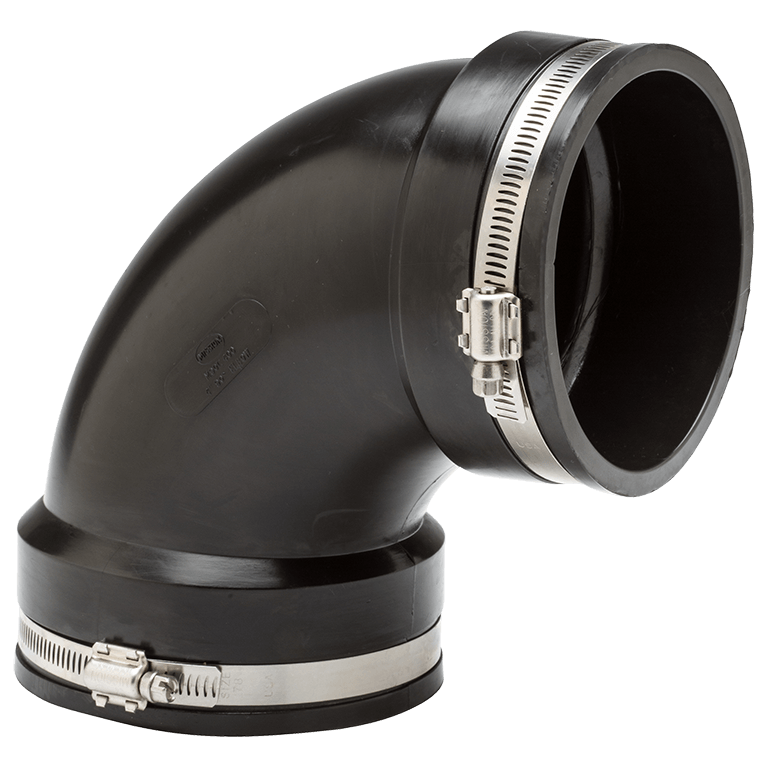
Precision Engineering for Critical Pipeline Transitions: Your Steel Elbow Solution
Suzhou Baoshida Trading Co., Ltd. delivers engineered steel elbows where metallurgical integrity meets advanced rubber integration for demanding industrial fluid handling systems. Our OEM-managed production chain ensures every elbow conforms to ASME B16.9 and ISO 3419 standards while incorporating proprietary rubber sealing or lining solutions where required. This synergy between high-strength steel substrates and precision-formulated elastomers mitigates vibration fatigue, thermal stress, and chemical degradation in oil & gas, chemical processing, and power generation applications. We recognize that dimensional tolerances within ±0.5mm and pressure retention consistency are non-negotiable in your pipeline integrity management protocols.
The following technical specifications reflect our baseline manufacturing capabilities for carbon steel and stainless steel elbows. All parameters are validated through hydrostatic testing per API 5L and include optional fluoropolymer or EPDM rubber lining integration for corrosive media handling.
| Parameter | Carbon Steel (A234 WPB) | Stainless Steel (A403 WP316) | Rubber Lining Option (EPDM) |
|---|---|---|---|
| Nominal Diameter Range | 1/2″ – 48″ | 1/2″ – 36″ | 1″ – 24″ |
| Pressure Class | SCH40 – XXS | SCH10 – SCH80 | Up to 1500 PSI |
| Bend Radius | 1.5D, 3D, 5D | 1.5D, 3D | 1.5D Standard |
| Temperature Range | -29°C to 425°C | -196°C to 815°C | -40°C to 135°C |
| Surface Finish (ID) | Mill Standard | 250 Ra max | 125 Ra max |
| Test Certification | PMI, Hydro, NDT Reports | PMI, Hydro, PMI, NDT | Adhesion & Compression Set |
Customization is not an add-on but a core engineering function at Baoshida. When your project requires elbows with dual-certified materials for sour service (NACE MR0175 compliance), cryogenic impact testing at -196°C, or integrated rubber expansion joints for seismic zones, our technical team executes seamless design-for-manufacturability reviews. We provide full material traceability from mill test reports through final assembly documentation, ensuring audit readiness for API 6A or PED 2014/68/EU compliance. Our production facilities maintain IATF 16949-certified processes with real-time dimensional monitoring via CMM systems, eliminating batch variance risks in critical radius and bevel angle specifications.
Engage directly with our engineering leadership to resolve complex interface challenges between steel piping and elastomeric components. Mr. Boyce, our dedicated OEM Technical Manager, possesses 14 years of experience in rubber-to-metal bonded system design for high-pressure industrial applications. He will coordinate metallurgical analysis, finite element stress simulations, and prototype validation specific to your fluid dynamics profile. Contact him immediately to initiate a technical consultation:
Mr. Boyce
OEM Technical Manager | Suzhou Baoshida Trading Co., Ltd.
Email: [email protected]
Subject Line Requirement: “Steel Elbow Technical Query – [Your Project ID]”
Include your ASME class requirements, media composition, and cyclic load parameters for expedited engineering feedback. We respond to technical inquiries within 4 business hours with actionable data—not generic sales propositions. For urgent pipeline integrity concerns, request our 72-hour rapid prototyping service with certified test data. Your system’s reliability begins with elbows engineered at the intersection of metallurgy and polymer science. Initiate your precision solution today.
⚖️ O-Ring Weight Calculator
Estimate rubber O-ring weight (Approx).