
Technical Contents
Engineering Guide: Stretchable Rubber Tubing
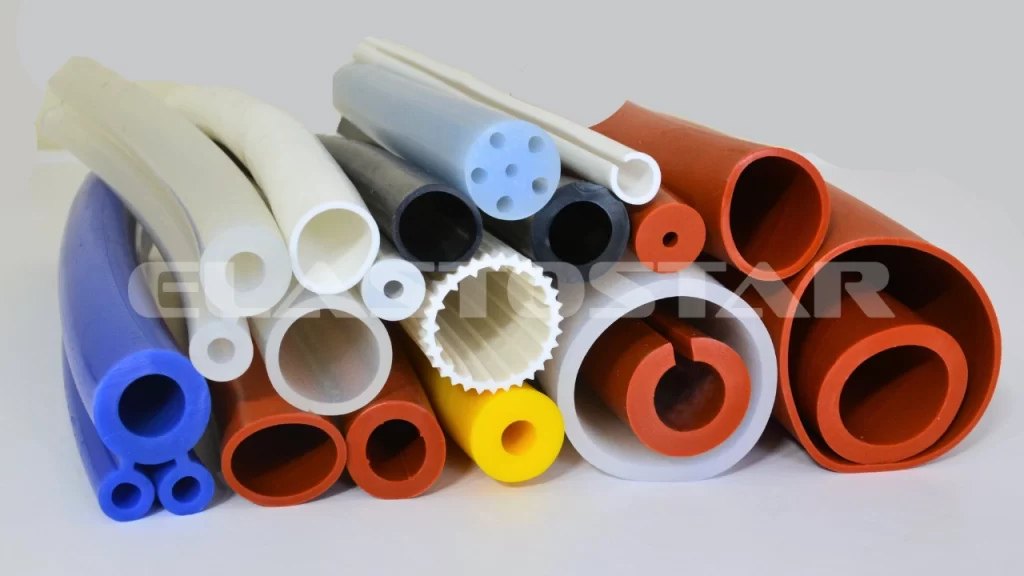
Engineering Insight Stretchable Rubber Tubing Material Selection Fundamentals
The operational integrity of stretchable rubber tubing in industrial applications hinges entirely on precise material selection. Generic off-the-shelf solutions frequently fail under dynamic conditions due to fundamental mismatches between standardized formulations and application-specific demands. These failures manifest as premature cracking, permanent deformation, fluid leakage, or catastrophic extrusion through glands—costly outcomes directly traceable to inadequate polymer science considerations.
Standard commercial tubing often utilizes cost-optimized EPDM or SBR compounds with high filler loading and minimal crosslink density control. While sufficient for static, low-stress environments, these materials lack the molecular architecture required for reliable cyclic stretching. Critical deficiencies include insufficient elongation at break, poor elastic recovery, and inadequate resistance to compression set. When subjected to repeated flexing or sustained elongation, generic tubing experiences irreversible polymer chain slippage and filler network breakdown. This results in permanent set exceeding 20%, drastically reducing sealing force and creating pathways for fluid ingress or egress. Furthermore, off-the-shelf grades typically ignore application-specific chemical exposure profiles, leading to rapid swelling or degradation when contacting oils, solvents, or process media not anticipated in their base formulation.
Material selection must prioritize four interdependent parameters: ultimate elongation, recovery rate, compression set resistance, and media compatibility. Achieving >500% elongation alone is insufficient; rebound resilience must exceed 60% to ensure energy return during retraction. Crucially, the compound must maintain these properties across the full operational temperature range, as thermal excursions accelerate viscoelastic failure. The table below illustrates why generic solutions fail against engineered alternatives.
| Parameter | Critical Threshold | Generic Tubing Value | Primary Failure Mode | Custom Engineered Value |
|---|---|---|---|---|
| Elongation at Break | >450% | 300-400% | Splitting during installation | 550-700% |
| 25% Compression Set (70°C/24h) | <15% | 25-35% | Loss of sealing force | 8-12% |
| Rebound Resilience | >60% | 40-50% | Slow retraction/kinking | 65-75% |
| Fluid Resistance (IRMOG) | Swell <15% | Swell 25-40% | Permeation & wall weakening | Swell 5-10% |
| Temperature Range | Application-Specific | -20°C to +100°C | Brittleness or softening | Custom (-55°C to +150°C) |
Suzhou Baoshida Trading Co., Ltd. addresses these challenges through OEM-centric compound development. We analyze fluid dynamics, cyclic strain profiles, and environmental stressors to formulate bespoke silicone, FKM, or specialty TPE compounds. Our process begins with polymer base selection—prioritizing high-purity VMQ for extreme flexibility or FFKM for aggressive chemical resistance—then optimizes peroxide curing systems and nano-reinforced fillers to maximize chain entanglement. This eliminates the guesswork of off-the-shelf procurement, where hidden compromises in raw material quality or cure kinetics inevitably manifest as field failures.
True stretchable performance requires moving beyond dimensional specifications to molecular-level engineering. Collaborating with an OEM partner who controls the entire formulation-to-extrusion chain ensures tubing that withstands the cumulative stresses of real-world operation, transforming a common failure point into a reliable system component. The upfront investment in material science expertise delivers exponential returns through extended service life and eliminated downtime.
Material Specifications
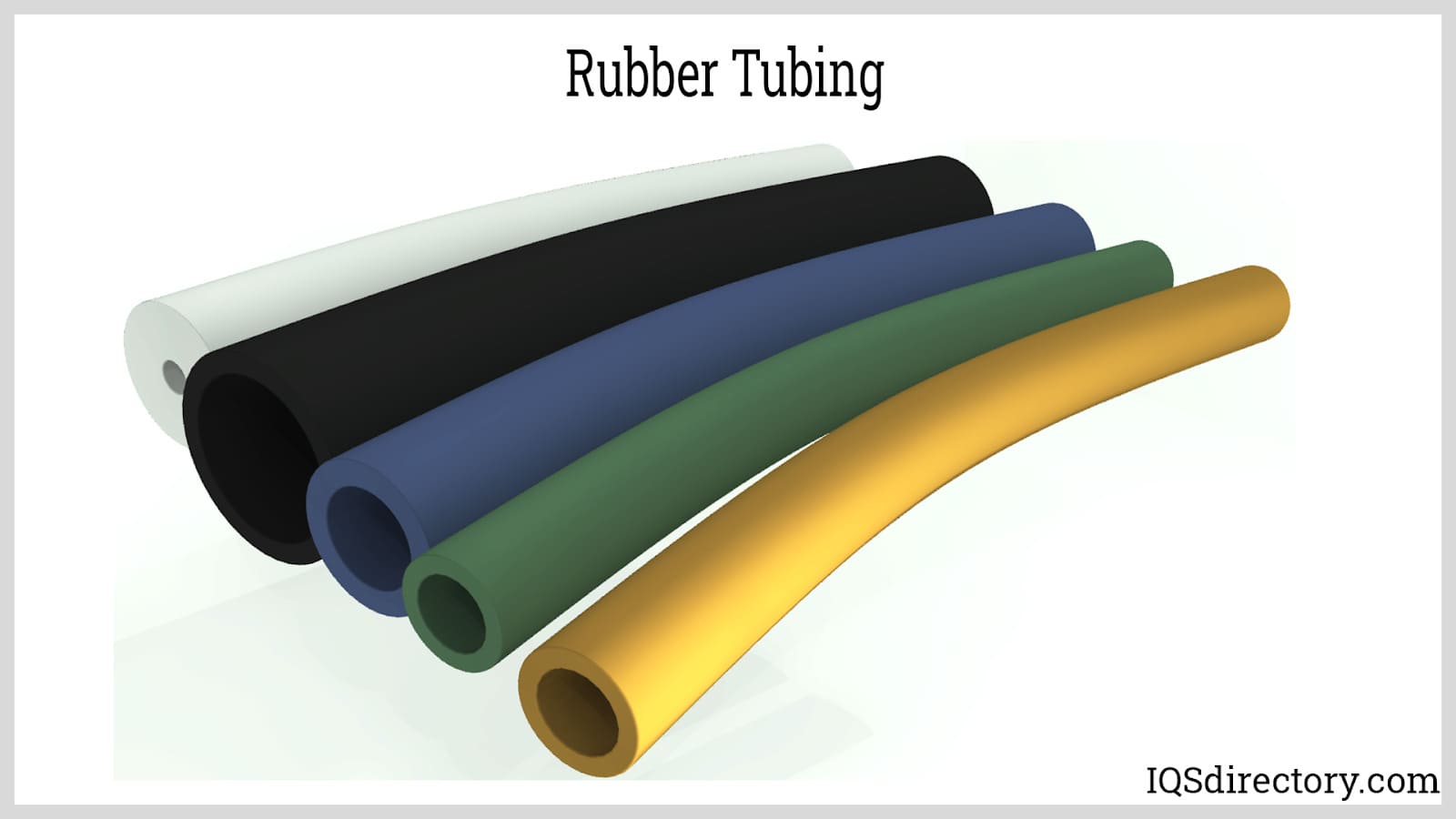
Material Specifications for Stretchable Rubber Tubing
Stretchable rubber tubing is a critical component in industrial fluid transfer, chemical handling, and high-performance sealing applications. At Suzhou Baoshida Trading Co., Ltd., we engineer tubing solutions with precision-grade elastomers to meet rigorous operational demands. The performance of stretchable tubing is fundamentally determined by the base polymer used in its construction. Among the most widely specified materials are Viton (FKM), Nitrile (NBR), and Silicone (VMQ), each offering distinct advantages based on chemical resistance, temperature stability, mechanical strength, and flexibility.
Viton, a fluorocarbon-based elastomer, delivers exceptional resistance to oils, fuels, aromatic hydrocarbons, and high-temperature environments. It is the preferred choice for aerospace, automotive, and chemical processing industries where exposure to aggressive media is common. Tubing made from Viton maintains integrity from -20°C to +200°C, with short-term excursions up to 250°C. Its low gas permeability and excellent aging characteristics ensure long service life in demanding conditions, although it exhibits lower elasticity compared to silicone and higher cost than nitrile.
Nitrile rubber is a cost-effective solution for applications involving aliphatic hydrocarbons, oils, and fuels. It offers good abrasion resistance and tensile strength, making it suitable for hydraulic systems, fuel lines, and industrial machinery. Nitrile tubing performs reliably within a temperature range of -30°C to +100°C, with some formulations extending to +125°C. While it provides moderate flexibility, it is less resistant to ozone, UV exposure, and polar solvents compared to Viton and silicone.
Silicone rubber stands out for its outstanding thermal stability and biocompatibility. It operates effectively from -60°C to +200°C, making it ideal for extreme temperature cycling and food, pharmaceutical, and medical applications. Silicone tubing exhibits high elasticity and low compression set, allowing repeated stretching and recovery without degradation. It is resistant to water, ozone, and UV radiation but has limited resistance to petroleum-based fluids and organic solvents.
The selection of material depends on the operational environment, media compatibility, and lifecycle requirements. Suzhou Baoshida Trading Co., Ltd. ensures all stretchable rubber tubing meets international quality standards, with precise dimensional control and batch traceability.
Comparison of Key Elastomer Properties
| Property | Viton (FKM) | Nitrile (NBR) | Silicone (VMQ) |
|---|---|---|---|
| Temperature Range (°C) | -20 to +200 (up to 250 short-term) | -30 to +100 (up to 125 short-term) | -60 to +200 |
| Tensile Strength (MPa) | 15–25 | 10–20 | 6–12 |
| Elongation at Break (%) | 200–300 | 250–400 | 400–800 |
| Hardness (Shore A) | 60–80 | 50–75 | 30–80 |
| Resistance to Oils & Fuels | Excellent | Good to Excellent | Poor |
| Resistance to Ozone/UV | Excellent | Fair | Excellent |
| Resistance to Polar Solvents | Good | Poor | Fair |
| Gas Permeability | Low | Moderate | High |
| Biocompatibility | Limited | Limited | Excellent |
This comparative framework enables engineers and procurement specialists to select the optimal material for performance-critical applications.
Manufacturing Capabilities
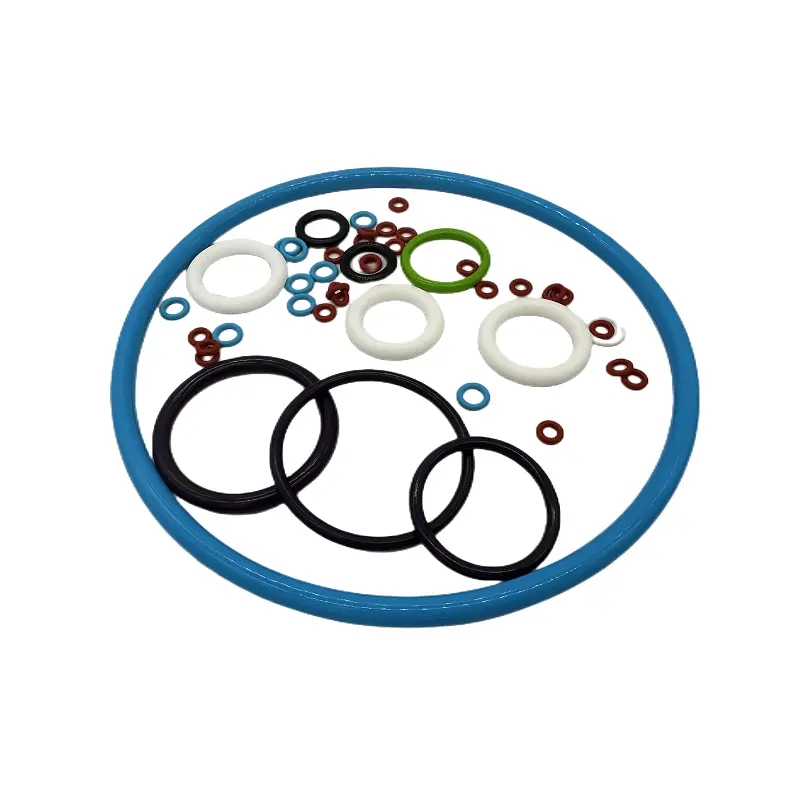
Engineering Excellence in Stretchable Rubber Tubing Manufacturing
Suzhou Baoshida Trading Co., Ltd. leverages deep technical expertise to deliver precision-engineered stretchable rubber tubing solutions for demanding industrial applications. Our core strength resides in a dedicated engineering team comprising five specialized mold designers and two advanced formula chemists, working in unison to optimize material performance and manufacturability. This integrated approach ensures every tubing specification is met with scientific rigor and production efficiency, directly addressing client challenges in fluid handling, sealing, and dynamic flex environments.
Our formula engineers possess mastery in polymer science, focusing on custom elastomer compounding for superior elongation, resilience, and environmental resistance. By manipulating molecular architecture and filler systems—utilizing EPDM, silicone, NBR, and specialty blends—we achieve consistent elongation at break exceeding 600% while maintaining critical properties like compression set resistance and low-temperature flexibility. Each formulation undergoes iterative laboratory validation for curing kinetics, thermal stability, and fluid compatibility, ensuring the rubber compound performs reliably under operational stress. This precision in material science directly translates to tubing that withstands repeated stretching without permanent deformation or failure.
Complementing this, our five mold engineering specialists utilize advanced CAD/CAM and mold flow simulation to design tooling that guarantees dimensional accuracy and repeatability. Complex geometries, tight tolerances (±0.1 mm), and seamless surface finishes are achieved through meticulous attention to gate design, cooling channels, and material flow dynamics. This capability is critical for producing tubing with uniform wall thickness and consistent stretch characteristics across high-volume production runs.
As a certified OEM partner, Suzhou Baoshida manages the entire product lifecycle—from initial concept and material selection through prototyping, validation, and full-scale manufacturing. We implement rigorous in-process quality controls aligned with ISO 9001 standards, including real-time monitoring of durometer, tensile strength, and elongation during extrusion and vulcanization. Client-specific requirements, such as FDA compliance, UL recognition, or custom color matching, are seamlessly integrated into our production protocols. Our closed-loop feedback system between formula development and mold engineering minimizes time-to-market while guaranteeing end-product reliability.
The following table summarizes key performance specifications achievable with our engineered stretchable rubber tubing:
| Property | Typical Value | Test Standard |
|---|---|---|
| Elongation at Break | 600% – 800% | ASTM D412 |
| Tensile Strength | 10 MPa – 15 MPa | ASTM D412 |
| Shore A Hardness | 50 – 70 | ASTM D2240 |
| Temperature Range | -50°C to +150°C | ISO 188 |
| Fluid Resistance (Oil) | Excellent | ASTM D471 |
| Compression Set (70°C) | ≤ 25% (22h) | ASTM D395 |
This engineering synergy—combining advanced material formulation with precision mold design and disciplined OEM execution—positions Suzhou Baoshida as a strategic partner for industrial clients requiring stretchable rubber tubing that performs flawlessly in critical applications. We transform complex technical requirements into robust, scalable manufacturing solutions.
Customization Process
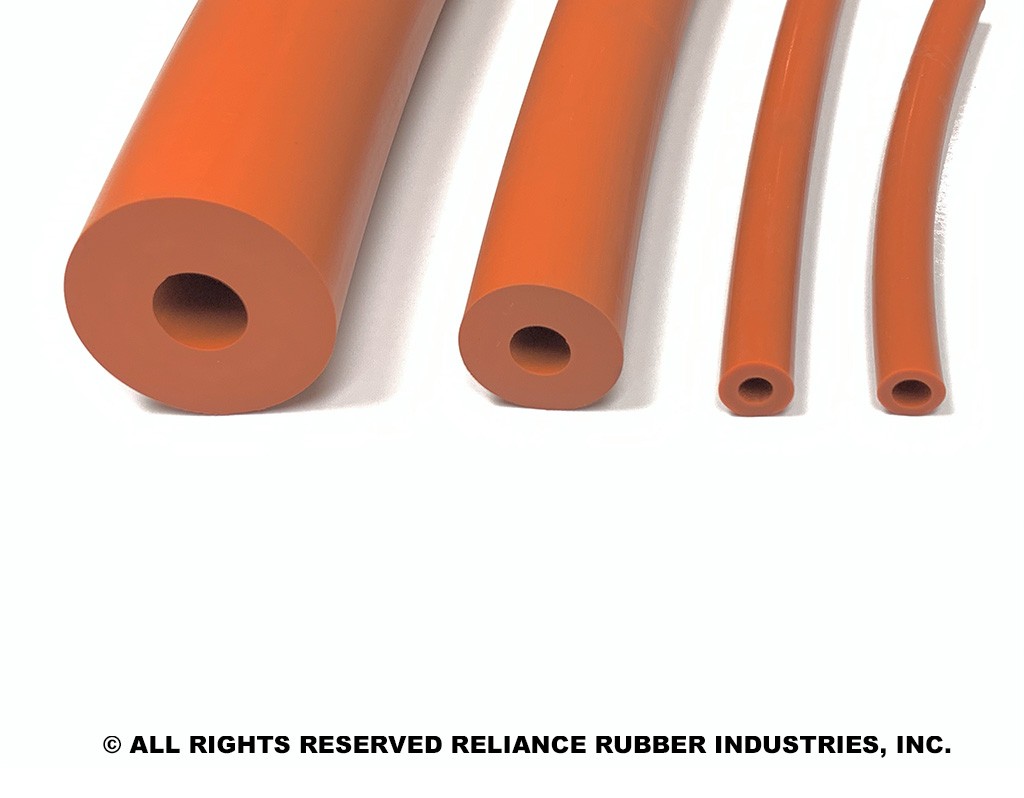
Customization Process for Stretchable Rubber Tubing at Suzhou Baoshida Trading Co., Ltd.
At Suzhou Baoshida Trading Co., Ltd., our approach to manufacturing stretchable rubber tubing is rooted in precision engineering and material science. We specialize in delivering customized industrial rubber solutions tailored to exact client specifications. Our systematic process ensures optimal performance, durability, and consistency across all production phases, from initial design to full-scale manufacturing.
The first step in our customization workflow is Drawing Analysis. Upon receiving technical drawings or CAD models from the client, our engineering team conducts a comprehensive review. This includes evaluating dimensional tolerances, durometer requirements, elongation ratios, and environmental exposure conditions such as temperature range, chemical resistance, and dynamic stress factors. We assess wall thickness, inner and outer diameter consistency, and surface finish requirements to ensure the design is manufacturable and functionally viable. Any discrepancies or optimization opportunities are communicated directly to the client for alignment before proceeding.
Following drawing validation, we initiate the Formulation Development phase. Our rubber formulation laboratory leverages advanced polymer chemistry to design a compound that meets the mechanical and environmental demands of the application. We primarily utilize silicone, EPDM, nitrile (NBR), or thermoplastic elastomers (TPE), depending on the required flexibility, thermal stability, and chemical resistance. Key performance indicators such as tensile strength, elongation at break, compression set, and Shore A hardness are precisely calibrated. Each formulation is documented and batch-tested to ensure repeatability and compliance with international standards, including ISO 3601 and ASTM D2000.
Once the formulation is finalized, we proceed to Prototyping. Using precision extrusion and vulcanization techniques, we produce a small batch of sample tubing for functional testing. These prototypes undergo rigorous evaluation, including stretch-recovery cycles, burst pressure tests, and environmental aging. Clients receive physical samples along with test reports for verification. Feedback is incorporated into any necessary design or material adjustments, ensuring final product conformity.
After client approval, we transition into Mass Production. Our automated extrusion lines and in-line quality monitoring systems ensure high-volume output with minimal variance. Each batch is subject to statistical process control (SPC), with routine sampling for dimensional checks and physical property validation. Packaging and labeling are customized per client logistics requirements.
The table below outlines typical performance specifications achievable with our stretchable rubber tubing:
| Property | Test Method | Typical Value Range |
|---|---|---|
| Inner Diameter | ISO 3601 | 2 – 50 mm |
| Wall Thickness | ISO 3601 | 1 – 8 mm |
| Hardness (Shore A) | ASTM D2240 | 30 – 80 |
| Elongation at Break | ASTM D412 | 300% – 800% |
| Temperature Range | ASTM D1329 | -60°C to +250°C (silicone) |
| Tensile Strength | ASTM D412 | 8 – 18 MPa |
Our end-to-end customization process ensures that every meter of stretchable rubber tubing meets the highest standards of industrial performance and reliability.
Contact Engineering Team
Technical Engagement for Stretchable Rubber Tubing Solutions
Suzhou Baoshida Trading Co., Ltd. operates at the forefront of industrial rubber innovation, specializing in precision-engineered stretchable tubing for demanding manufacturing environments. Our formulations integrate advanced polymer science with rigorous OEM validation protocols, ensuring tubing performance aligns with exact operational parameters. Unlike commodity suppliers, we engineer compounds at the molecular level—optimizing crosslink density, filler dispersion, and polymer backbone architecture to achieve repeatable elongation, recovery, and chemical resistance. This scientific approach eliminates field failures caused by inconsistent material behavior under cyclic stress, temperature extremes, or exposure to aggressive media.
For mission-critical applications in fluid transfer, pneumatic systems, or medical device integration, generic tubing specifications are insufficient. Our engineering team collaborates directly with your R&D and production departments to define compound requirements through ASTM D2000 classification, custom durometer profiling, and accelerated lifecycle testing. We validate every batch against your unique stress-strain curves, ensuring dimensional stability beyond 300% elongation without permanent set. This precision reduces scrap rates, extends service life, and complies with ISO 13485, FDA 21 CFR 177.2600, and REACH standards where applicable.
Below is a comparative specification framework for our standard high-elongation EPDM and custom silicone compounds. These values represent baseline performance; all formulations are tailored to client-specific torque, pressure, and environmental thresholds.
| Property | High-Elongation EPDM (Std. Grade) | Custom Silicone (OEM Grade) | Test Method |
|---|---|---|---|
| Ultimate Elongation (%) | 550–650 | 800–1000 | ASTM D412 |
| Tensile Strength (MPa) | 12–15 | 8–10 | ASTM D412 |
| Temperature Range (°C) | -50 to +150 | -60 to +230 | ISO 37 |
| Compression Set (22h/70°C) (%) | ≤20 | ≤15 | ASTM D395 |
| Durometer Shore A | 40–70 (customizable) | 30–80 (customizable) | ASTM D2240 |
| Fluid Resistance (Ozone, Water) | Excellent | Exceptional | ISO 1817 |
Contacting Suzhou Baoshida initiates a technical dialogue—not a transactional inquiry. Provide your application’s stress profiles, media compatibility requirements, and lifecycle expectations. Our engineers will respond within 24 hours with a compound roadmap, including finite element analysis (FEA) predictions for deformation under load. We supply prototypes with traceable lot certification for validation in your assembly process, ensuring zero integration delays.
For immediate technical consultation, direct all engineering specifications, drawings, or failure analysis reports to Mr. Boyce, our dedicated OEM Account Manager. His expertise in rubber-to-metal bonding and dynamic sealing applications ensures your tubing solution meets mechanical and regulatory benchmarks without iterative redesigns. Reach Mr. Boyce at [email protected] with subject line “Stretchable Tubing CTA: [Your Company Name]”. Include target elongation cycles, media exposure details, and dimensional tolerances for accelerated solution mapping. Suzhou Baoshida guarantees confidential data handling and IP protection under signed NDA frameworks. Partner with us to transform material limitations into competitive engineering advantages.
⚖️ O-Ring Weight Calculator
Estimate rubber O-ring weight (Approx).