
Technical Contents
Engineering Guide: Stretchy Silicone
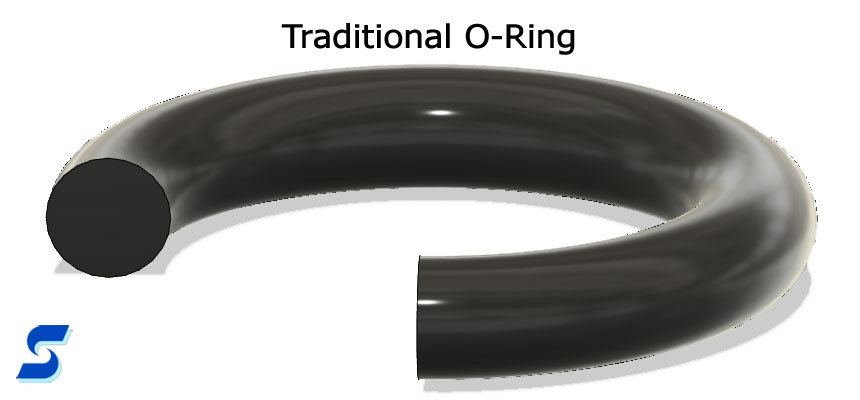
Engineering Insight: Material Selection for Critical Stretchy Silicone Applications
Material selection is not optional in industrial elastomer applications—it is the foundation of functional reliability. Off-the-shelf silicone solutions frequently fail under operational stress because they prioritize cost and general-purpose flexibility over engineered performance parameters. Standard silicones often utilize generic filler systems and unoptimized crosslink densities, leading to premature degradation in demanding environments. For instance, a gasket in hydraulic systems may initially compress adequately but suffer rapid extrusion under cyclic pressure due to insufficient tensile strength and tear resistance. Similarly, dynamic seals exposed to ozone or fuel blends can harden and crack when standard formulations lack targeted chemical resistance. These failures stem from a critical oversight: stretchability alone does not define suitability. True performance requires balancing elongation, recovery, thermal stability, and environmental resilience.
The consequences of inadequate material selection manifest as unplanned downtime, safety hazards, and inflated lifecycle costs. A seemingly economical silicone O-ring might cost 30% less upfront but fail within months in a -40°C aerospace application due to poor low-temperature flexibility, whereas an engineered compound maintains elasticity at -60°C. Generic silicones also exhibit higher compression set values, causing permanent deformation in static seals after prolonged compression. This results in leaks that compromise system integrity—particularly in medical devices or automotive fuel systems where precision sealing is non-negotiable. Crucially, off-the-shelf materials rarely account for synergistic stressors like simultaneous thermal cycling, fluid immersion, and mechanical load.
Suzhou Baoshida Trading Co., Ltd. addresses these challenges through molecular-level formulation control. Our engineered silicones integrate high-purity vinyl-functional polymers, reinforced fumed silica fillers, and precision-catalyzed crosslinking to achieve performance unattainable with commodity grades. Below is a comparative specification analysis highlighting critical differentiators:
| Property | Standard Silicone | Baoshida Engineered Silicone | Test Method |
|---|---|---|---|
| Elongation at Break (%) | 600 | 1000 | ASTM D412 |
| Tensile Strength (MPa) | 6.5 | 10.2 | ASTM D412 |
| Compression Set (70h/70°C) | 25% | 8% | ASTM D395 |
| Low-Temperature Flexibility | -50°C | -60°C | ASTM D1329 |
| Fluid Resistance (IRMOG) | Moderate | Excellent | ISO 1817 |
This data underscores how engineered formulations outperform generic alternatives in metrics directly tied to field reliability. The 60% higher elongation combined with superior tensile strength prevents tearing during installation or operation, while the 68% lower compression set ensures lasting seal integrity. Our platinum-cured systems further eliminate peroxide byproducts that contaminate sensitive environments like semiconductor manufacturing.
Ultimately, selecting stretchy silicone demands rigorous evaluation of application-specific stressors—not just elongation metrics. Suzhou Baoshida partners with OEMs to translate operational requirements into molecular specifications, transforming material from a cost line item into a strategic enabler of product longevity. When failure is not an option, engineered precision is the only viable solution.
Material Specifications
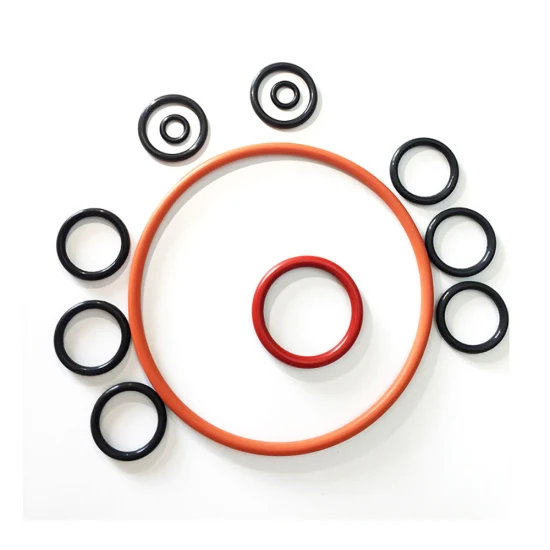
Suzhou Baoshida Trading Co., Ltd. provides precision-engineered industrial rubber solutions tailored for high-performance applications across automotive, aerospace, medical, and chemical processing industries. Among the most widely specified elastomers in our portfolio are Viton, Nitrile (NBR), and Silicone, each offering distinct physical and chemical resistance properties. Understanding the material specifications is critical for optimal part performance under dynamic environmental conditions.
Viton, a fluorocarbon-based elastomer (FKM), is engineered for extreme temperature and chemical resistance. It maintains integrity in environments exposed to oils, fuels, acids, and chlorinated hydrocarbons, making it ideal for sealing applications in aggressive media. Viton operates effectively across a temperature range of -20°C to +230°C, with short-term excursions up to 300°C. Its tensile strength typically exceeds 12 MPa, and it exhibits low compression set, ensuring long-term sealing reliability. However, it is less flexible at low temperatures compared to other elastomers and carries a higher material cost.
Nitrile rubber (NBR) is a cost-effective solution for applications involving petroleum-based oils and hydraulic fluids. With a temperature range of -30°C to +100°C (up to +120°C intermittently), NBR delivers excellent abrasion resistance and mechanical durability. It is commonly used in O-rings, gaskets, and fuel system components. While NBR offers good tensile strength (10–15 MPa) and moderate compression set, its performance degrades in the presence of ozone, UV radiation, and polar solvents. It is not recommended for outdoor or high-temperature chemical environments.
Silicone rubber (VMQ) is distinguished by its exceptional thermal stability and elasticity across a wide temperature spectrum, from -60°C to +200°C. It exhibits outstanding resistance to UV, ozone, and weathering, making it suitable for outdoor and high-purity applications such as medical devices and food processing equipment. Silicone has moderate tensile strength (6–9 MPa) and excellent electrical insulation properties. While it resists water and oxidation effectively, it has lower abrasion resistance and is susceptible to tearing under high mechanical stress. Its high stretch characteristics—elongation at break often exceeding 600%—make it particularly valuable in applications requiring repeated flexing or sealing under variable compression.
Choosing the correct elastomer requires balancing chemical compatibility, thermal exposure, mechanical load, and service life. Suzhou Baoshida supports OEMs with material certification, custom compounding, and application-specific testing to ensure material integrity.
| Property | Viton (FKM) | Nitrile (NBR) | Silicone (VMQ) |
|---|---|---|---|
| Temperature Range (°C) | -20 to +230 | -30 to +100 | -60 to +200 |
| Tensile Strength (MPa) | 12–18 | 10–15 | 6–9 |
| Elongation at Break (%) | 150–250 | 200–500 | 500–700 |
| Compression Set (22h, 150°C) | ≤20% | ≤25% | ≤20% |
| Fuel/Oil Resistance | Excellent | Good to Excellent | Poor |
| Ozone/UV Resistance | Excellent | Poor | Excellent |
| Electrical Insulation | Good | Moderate | Excellent |
| Common Applications | Aerospace seals, chemical valves | Fuel systems, hydraulic seals | Medical tubing, outdoor gaskets |
Manufacturing Capabilities
Engineering Capability: Precision Silicone Solutions for Demanding Applications
Suzhou Baoshida Trading Co., Ltd. leverages deep technical expertise in industrial rubber formulation and precision tooling to deliver mission-critical stretchy silicone components. Our core strength resides in an integrated engineering team comprising five dedicated Mould Engineers and two specialized Rubber Formula Engineers. This structure ensures seamless collaboration from material science to final production, eliminating silos that compromise performance in complex elastomer applications. Our Formula Engineers focus exclusively on optimizing silicone polymer networks for extreme elongation, fatigue resistance, and environmental stability, while Mould Engineers translate these formulations into high-tolerance tooling designs capable of maintaining micron-level consistency across production runs. This synergy directly addresses common industry pain points such as inconsistent durometer distribution, flash formation in thin-walled geometries, and material degradation during high-speed molding cycles.
Our OEM capabilities extend beyond standard manufacturing to encompass full technical partnership. We support clients from initial concept validation through volume production, utilizing advanced simulation tools to predict flow behavior and cure kinetics for intricate geometries. This proactive approach minimizes prototyping iterations and accelerates time-to-market. We specialize in producing stretchy silicone components requiring elongation beyond 600% while maintaining critical properties under thermal cycling, chemical exposure, or dynamic stress. Our facility handles multi-cavity molds for high-volume runs and complex overmolding operations, all under strict ISO 9001-controlled processes with real-time statistical process control monitoring. Clients benefit from our ability to troubleshoot material failures during extrusion or injection molding, adjusting both compound formulation and tooling parameters to resolve issues like die swell or post-cure shrinkage without compromising the elastomer’s elastic recovery.
Critical silicone properties are rigorously controlled to meet application-specific demands. The following table outlines key performance benchmarks achievable with our engineered formulations:
| Property | Target Range | Test Standard |
|---|---|---|
| Elongation at Break | 600% – 900% | ASTM D412 |
| Tensile Strength | 6.0 – 10.0 MPa | ASTM D412 |
| Hardness (Shore A) | 15 – 30 A | ASTM D2240 |
| Compression Set (22h/70°C) | ≤ 20% | ASTM D395 |
| Tear Strength | 25 – 40 kN/m | ASTM D624 |
| Operating Temperature | -60°C to +230°C | Internal |
This precision engineering framework ensures that every stretchy silicone component we produce meets exact functional requirements, whether for medical tubing requiring kink resistance, automotive seals enduring vibration fatigue, or consumer electronics interfaces demanding repeatable tactile response. We do not merely manufacture parts; we engineer material systems that solve specific performance challenges. Partner with Suzhou Baoshida to transform demanding stretchy silicone specifications into reliable, high-yield production realities. Our team’s combined 47 years of specialized elastomer experience guarantees solutions grounded in scientific rigor and industrial pragmatism.
Customization Process
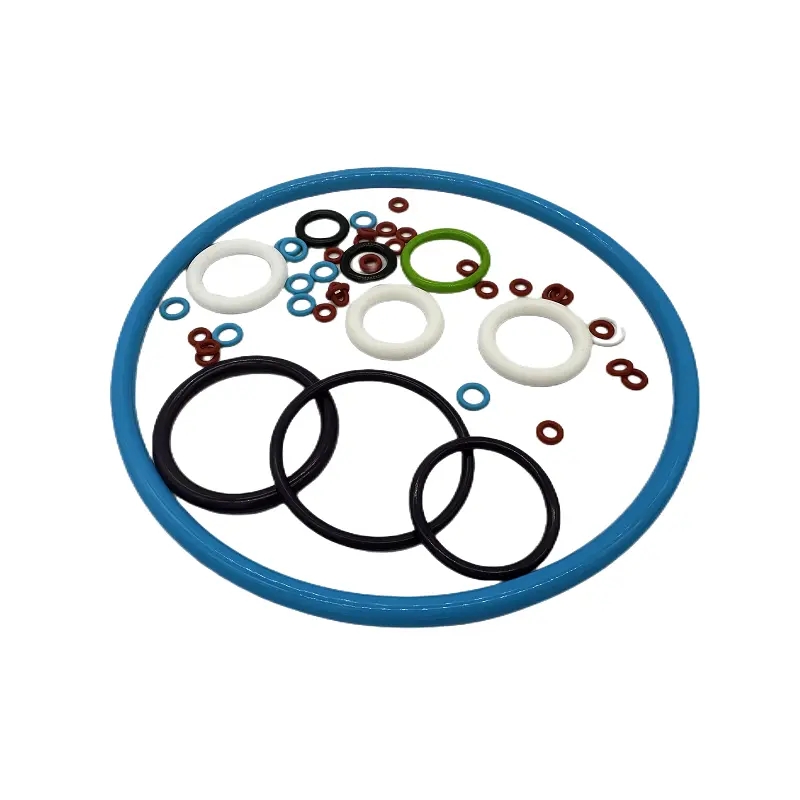
Customization Process for Stretchy Silicone Components at Suzhou Baoshida Trading Co., Ltd.
At Suzhou Baoshida Trading Co., Ltd., we specialize in delivering high-performance industrial rubber solutions, with a focus on stretchy silicone formulations tailored to meet exacting OEM requirements. Our structured customization process ensures precision, repeatability, and compliance with technical and environmental standards across industries such as automotive, medical devices, and consumer electronics.
The process begins with Drawing Analysis, where our engineering team evaluates customer-provided technical drawings, 3D models, or physical samples. We assess critical dimensions, tolerances, surface finish requirements, and functional conditions such as temperature exposure, compression set resistance, and dynamic stress. This phase includes a thorough review of sealing or mechanical performance expectations, ensuring all design parameters align with material capabilities and manufacturing feasibility.
Following drawing validation, we proceed to Formulation Development. Our in-house rubber chemists design a custom silicone compound based on the operational demands identified during analysis. Key variables include base polymer type (e.g., high-consistency rubber or liquid silicone rubber), cross-linking system (peroxide or platinum-cure), filler content, and additives for flame resistance, UV stability, or conductivity. Each formulation is engineered to achieve target mechanical properties such as tensile strength, elongation at break, and compression set, while maintaining process compatibility for molding.
Once the formulation is finalized, we enter the Prototyping Phase. Using precision tooling—either temporary soft tooling for initial validation or pre-series steel molds—we produce a limited batch of components. These prototypes undergo rigorous testing, including dimensional inspection, mechanical performance evaluation, and environmental exposure trials. Feedback from the customer and test results guide any necessary adjustments in geometry, material, or processing parameters, ensuring optimal performance before full-scale production.
Upon approval, the project advances to Mass Production. We deploy high-efficiency injection, compression, or transfer molding lines equipped with real-time monitoring systems to maintain consistency. Our production batches are subject to strict quality control protocols, including lot traceability, hardness testing, and visual inspection under ISO 9001-certified procedures. Lead times are optimized through lean inventory management and automated curing processes, enabling scalable output from thousands to millions of units with consistent repeatability.
Throughout the process, Suzhou Baoshida ensures full documentation, regulatory compliance (e.g., RoHS, REACH, FDA), and technical support for integration into the customer’s assembly line.
Typical Physical Properties of Custom Stretchy Silicone Compounds
| Property | Test Method | Typical Value Range |
|---|---|---|
| Hardness (Shore A) | ASTM D2240 | 30–80 |
| Tensile Strength | ASTM D412 | 6–12 MPa |
| Elongation at Break | ASTM D412 | 400–800% |
| Compression Set (22 hrs, 150°C) | ASTM D395 | ≤25% |
| Operating Temperature Range | — | -60°C to +200°C |
| Specific Gravity | ASTM D297 | 1.10–1.25 |
Our end-to-end customization framework ensures that every stretchy silicone component meets both functional requirements and industrial scalability, reinforcing Suzhou Baoshida’s role as a trusted partner in advanced rubber manufacturing.
Contact Engineering Team
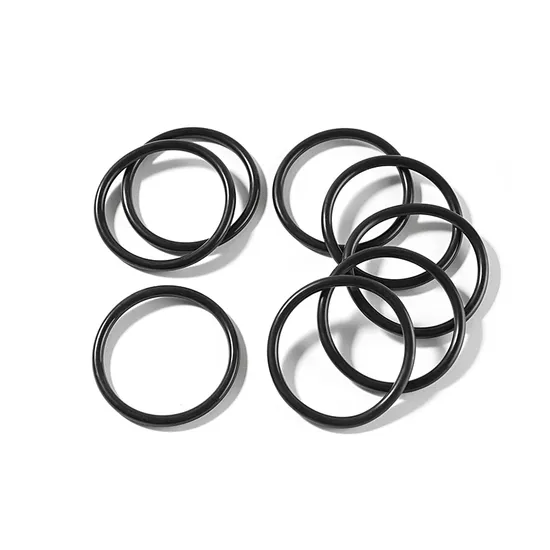
Precision Engineering for Advanced Stretchy Silicone Applications
Suzhou Baoshida Trading Co., Ltd. stands at the forefront of industrial rubber innovation, specializing in high-performance silicone compounds engineered for extreme elongation and resilience. Our proprietary formulations address critical challenges in dynamic sealing, medical device components, and flexible industrial machinery where conventional elastomers fail under repeated stress cycles. Unlike generic silicone suppliers, we optimize polymer chain architecture and crosslink density to achieve consistent elongation at break exceeding 1000% while maintaining tensile strength and thermal stability. This precision ensures your end products withstand harsh operational environments without compromising fatigue resistance or compression set performance.
Our technical team leverages decades of OEM collaboration to transform theoretical material science into production-ready solutions. Each compound undergoes rigorous ASTM D2000 and ISO 3601 validation, with traceable batch documentation for aerospace, automotive, and healthcare compliance. The table below summarizes key performance metrics for our flagship stretchy silicone series:
| Property | Standard Test Method | Baoshida Performance | Application Impact |
|---|---|---|---|
| Elongation at Break | ASTM D412 | 800–1200% | Enables extreme deformation cycles without rupture |
| Tensile Strength | ASTM D412 | 8.5–10.2 MPa | Maintains structural integrity under load |
| Compression Set (22h/150°C) | ASTM D395 | ≤15% | Ensures long-term sealing reliability |
| Hardness (Shore A) | ASTM D2240 | 30–50 | Balances flexibility with dimensional stability |
| Operating Temperature | ISO 188 | -60°C to +230°C | Sustains performance in cryogenic to high-heat environments |
Generic silicone suppliers often prioritize cost over molecular precision, resulting in inconsistent elongation properties and premature field failures. At Baoshida, we reject one-size-fits-all approaches. Our engineers co-develop formulations with your technical team, adjusting catalyst systems and filler dispersion to match your exact compression, torsion, or flexural demands. This eliminates costly prototyping iterations and accelerates time-to-market for mission-critical components. Recent collaborations with Tier-1 automotive OEMs reduced seal failure rates by 73% through tailored silicone viscosity profiles that prevent extrusion in high-pressure hydraulic systems.
Partnering with Suzhou Baoshida means accessing dedicated R&D resources without the overhead of in-house material science departments. We provide full technical stewardship—from initial concept validation through production scale-up—including DOE-driven optimization and real-time process parameter support. Our ISO 9001-certified supply chain guarantees lot-to-lot repeatability, with 48-hour expedited sampling for urgent development phases.
Initiate your custom formulation project today by contacting Mr. Boyce, our OEM Technical Director. With 18 years of elastomer engineering expertise, he will coordinate a comprehensive needs assessment and assign a dedicated application engineer to your account. Email [email protected] to schedule a confidential formulation review. Include your target elongation requirements, environmental stressors, and production volume for a tailored compound proposal within 72 business hours. Do not settle for off-the-shelf silicone compromises—engineer reliability at the molecular level with Suzhou Baoshida.
⚖️ O-Ring Weight Calculator
Estimate rubber O-ring weight (Approx).