
Technical Contents
Engineering Guide: Suction Hoses
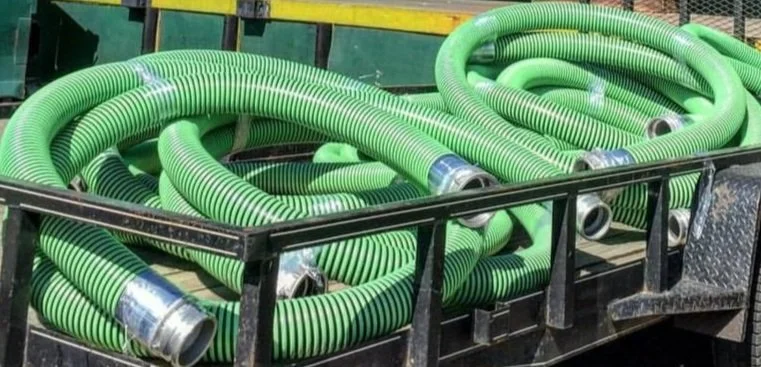
Engineering Insight: The Critical Role of Material Selection in Suction Hoses
In industrial fluid transfer applications, suction hoses serve as critical conduits for moving liquids, slurries, gases, and abrasive media under vacuum conditions. While often perceived as commodity components, their performance is deeply influenced by material selection—a factor frequently overlooked in favor of cost or availability. Off-the-shelf suction hoses, though convenient, are typically engineered for generalized use and fail to address the specific chemical, thermal, and mechanical demands of specialized operations. This mismatch leads to premature degradation, unplanned downtime, and increased total cost of ownership.
Material compatibility is the cornerstone of reliable hose performance. Standard hoses commonly utilize general-purpose synthetic rubbers such as SBR (Styrene-Butadiene Rubber) or low-grade NBR (Nitrile Butadiene Rubber), which exhibit limited resistance to oils, solvents, and aggressive chemicals. In environments involving petroleum distillates, aromatic hydrocarbons, or strong acids, these materials rapidly deteriorate through swelling, cracking, or delamination. Conversely, engineered solutions employ high-performance elastomers like EPDM, high-acrylonitrile NBR, or fluororubber (FKM), selected based on precise fluid composition and concentration.
Thermal stability is another dimension where off-the-shelf hoses fall short. Many standard products are rated only for ambient to moderately elevated temperatures (up to 80°C), whereas industrial processes often exceed this range. Prolonged exposure to high temperatures accelerates oxidative aging, reducing tensile strength and flexibility. For applications involving hot water, steam, or heated oils, materials such as EPDM (rated up to 150°C) or silicone rubber (up to 200°C) are essential to maintain structural integrity and service life.
Mechanical resilience under vacuum conditions is equally critical. Suction hoses must resist collapse, kinking, and abrasion while maintaining internal smoothness to minimize flow resistance. The reinforcement layer—typically braided or spiral-wound textile or wire—must be matched to the elastomer’s elongation and strength characteristics. Mismatched materials lead to delamination or burst failure, especially during cyclic vacuum operations.
At Suzhou Baoshida Trading Co., Ltd., we prioritize application-specific engineering. Our industrial rubber solutions are developed through rigorous fluid compatibility testing, thermal profiling, and pressure cycling to ensure reliability under real-world conditions.
Below is a comparative overview of common elastomer materials used in suction hose construction:
| Material | Temperature Range (°C) | Key Chemical Resistances | Typical Applications |
|---|---|---|---|
| SBR | -20 to +80 | Water, mild alkalis | General-purpose water transfer |
| NBR (Standard) | -30 to +100 | Aliphatic oils, fuels | Fuel lines, hydraulic systems |
| NBR (High ACN) | -20 to +120 | Aromatic oils, hydraulic fluids | Petrochemical transfer |
| EPDM | -50 to +150 | Steam, hot water, acids, alkalis | Industrial cooling, chemical processing |
| FKM | -20 to +200 | Solvents, fuels, strong acids | High-performance chemical and aerospace systems |
| Silicone | -60 to +200 | Heat, ozone, UV | High-temperature food and pharma transfer |
Selecting the appropriate material is not optional—it is a fundamental engineering requirement. Standard hoses may appear cost-effective initially, but their failure in demanding environments results in higher operational risks and replacement costs. Precision-engineered suction hoses, tailored to the operational profile, deliver longevity, safety, and efficiency.
Material Specifications
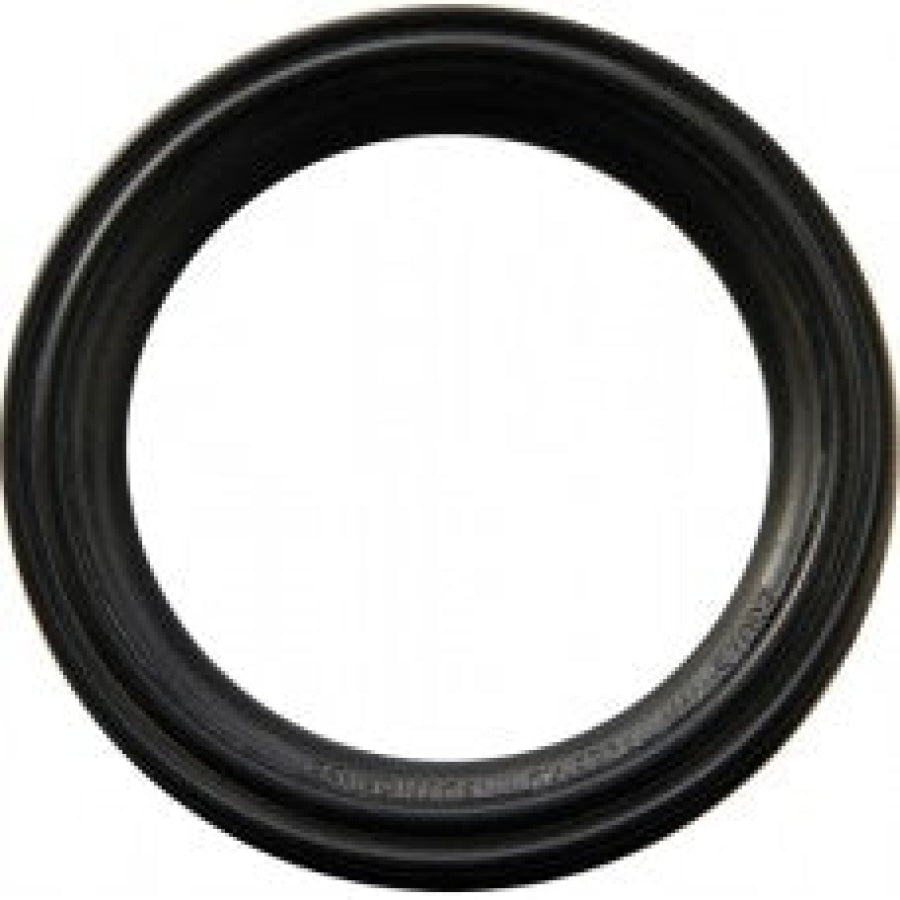
Material Specifications for Industrial Suction Hoses
Material selection constitutes a critical parameter in suction hose performance, directly influencing operational safety, service life, and compatibility with conveyed media. At Suzhou Baoshida Trading Co., Ltd., our engineered formulations adhere strictly to ISO 1307 and SAE J517 standards, ensuring dimensional stability and pressure integrity under dynamic vacuum conditions. Each elastomer system undergoes rigorous validation for abrasion resistance per ASTM D5963, tensile strength per ISO 37, and vacuum collapse resistance at 29 inHg for 5 minutes.
Viton (FKM) fluorocarbon rubber represents the premium solution for aggressive chemical and high-temperature applications. Our proprietary FKM blends withstand continuous exposure to aromatic hydrocarbons, ketones, and acids at temperatures ranging from -20°C to +200°C. These hoses exhibit exceptional resistance to ozone and plasma degradation, making them indispensable in semiconductor manufacturing and chemical transfer systems. However, cost implications necessitate careful application analysis, as FKM demonstrates limited flexibility below -15°C and incompatibility with ketones like acetone.
Nitrile (NBR) butadiene-acrylonitrile rubber provides optimal cost-performance balance for petroleum-based fluid handling. With acrylonitrile content precisely calibrated between 34% and 45%, our NBR compounds achieve superior resistance to oils, fuels, and hydraulic fluids while maintaining flexibility down to -30°C. Standard formulations operate reliably within -40°C to +100°C ranges, with specialized grades extending to +125°C. NBR’s inherent abrasion resistance and low compression set ensure longevity in mobile hydraulic and automotive fuel suction lines, though ester-based lubricants and polar solvents require alternative materials.
Silicone (VMQ) methyl-vinyl polysiloxane rubber delivers unmatched thermal stability for food, pharmaceutical, and extreme-temperature applications. Our platinum-cured VMQ compounds function continuously from -60°C to +200°C with minimal property drift, meeting FDA 21 CFR 177.2600 and EC 1935/2004 compliance. Excellent resistance to steam sterilization and non-polar fluids makes silicone ideal for biopharmaceutical suction processes. Structural limitations include lower tensile strength versus NBR and susceptibility to tearing under high abrasion, necessitating careful reinforcement design.
The following comparative analysis details critical performance metrics for informed material selection:
| Property | Viton (FKM) | Nitrile (NBR) | Silicone (VMQ) |
|---|---|---|---|
| Temperature Range (°C) | -20 to +200 | -40 to +125 | -60 to +200 |
| Tensile Strength (MPa) | 15-20 | 18-25 | 6-10 |
| Fluid Resistance | Acids, Fuels, Oils | Oils, Fuels, Water | Water, Steam, Alcohols |
| Key Limitations | Ketones, Cost | Ozone, Esters | Abrasion, Tearing |
| Standard Hardness (ShA) | 70-80 | 60-75 | 40-60 |
| Primary Applications | Chemical Transfer | Automotive Hydraulics | Food & Pharma Processing |
Suzhou Baoshida Trading Co., Ltd. leverages decades of OEM partnership experience to tailor material formulations meeting exacting vacuum duty cycles. Our technical team collaborates with clients to analyze fluid composition, temperature profiles, and mechanical stresses—ensuring optimal elastomer selection that prevents premature hose failure while maximizing cost efficiency in industrial suction systems.
Manufacturing Capabilities
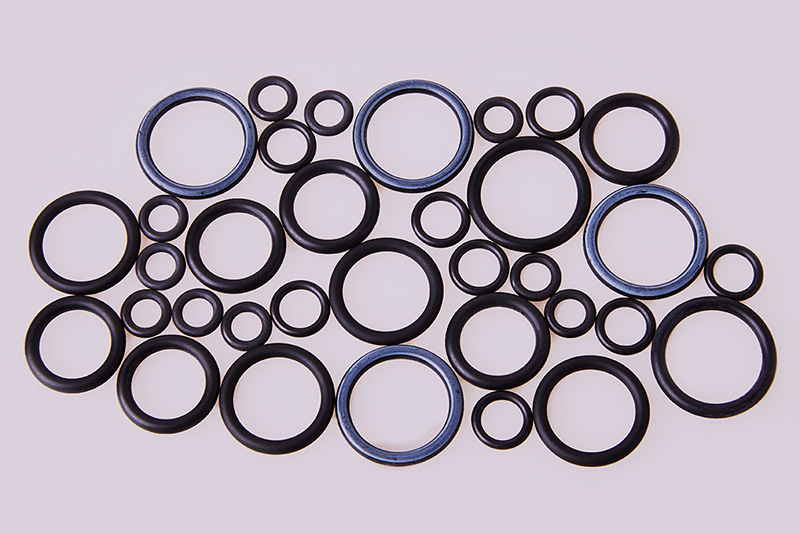
Engineering Excellence in Suction Hose Development
At Suzhou Baoshida Trading Co., Ltd., our engineering capability forms the backbone of our industrial rubber solutions, particularly in the design and production of high-performance suction hoses. With a dedicated team of five specialized mould engineers and two advanced rubber formula engineers, we deliver precision-engineered products that meet the rigorous demands of diverse industrial applications. Our integrated approach combines material science with precision tooling to ensure every hose meets exacting standards for durability, flexibility, and operational safety.
Our formula engineers possess deep expertise in elastomer chemistry, enabling the development of custom rubber compounds tailored to specific performance requirements. Whether the application demands resistance to abrasion, oil, ozone, or extreme temperatures, our team formulates compounds using NR (Natural Rubber), SBR (Styrene-Butadiene Rubber), NBR (Nitrile Butadiene Rubber), EPDM (Ethylene Propylene Diene Monomer), or specialized blends. These formulations are rigorously tested for tensile strength, elongation, hardness, and aging characteristics to ensure long-term reliability under dynamic operating conditions.
Complementing our material expertise, our five mould engineers bring precision to the manufacturing process. They are responsible for the design, validation, and optimization of mandrels, cores, and curing tooling used in hose production. Utilizing CAD/CAM software and CNC machining, they ensure dimensional accuracy and repeatability across production runs. Their work is critical in achieving consistent inner diameter tolerances, wall thickness control, and reinforcement layer alignment—key factors in maintaining flow efficiency and pressure integrity in suction service.
We offer full OEM (Original Equipment Manufacturer) capabilities, enabling partners to co-develop suction hoses that align precisely with their equipment specifications and operational environments. From concept to prototype to mass production, our engineering team collaborates closely with clients to refine designs, validate performance, and ensure compliance with international standards such as ISO 1436, SAE J246, or DIN 2822. This end-to-end support includes material selection, 3D modelling, prototype testing, and production ramp-up.
Our technical agility allows us to manufacture suction hoses in diameters ranging from 12 mm to 300 mm, with working pressures from 0.6 MPa to 2.5 MPa, depending on construction and reinforcement. We offer single and multi-ply designs with textile braid, spiral steel wire, or helical reinforcement to prevent collapse under full vacuum conditions.
| Parameter | Range / Specification |
|---|---|
| Inner Diameter | 12 mm – 300 mm |
| Working Pressure | 0.6 MPa – 2.5 MPa |
| Vacuum Resistance | Full vacuum (up to 99.9 kPa) |
| Temperature Range | -40°C to +120°C (varies by compound) |
| Reinforcement Types | Spiral steel wire, textile braid, helical ply |
| Standard Compliance | ISO 1436, SAE J246, DIN 2822 |
| Custom Compounds Available | NBR, EPDM, SBR, NR, and blends |
This robust engineering infrastructure positions Suzhou Baoshida as a trusted partner in industrial hose innovation, delivering technically superior suction hose solutions through scientific precision and manufacturing excellence.
Customization Process
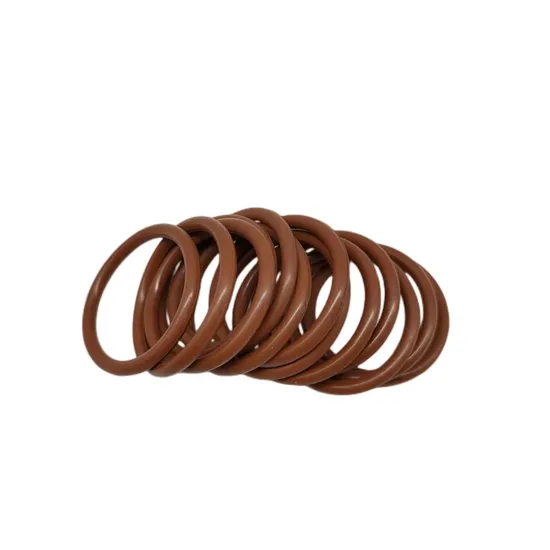
Suction Hose Customization Process: Engineering Precision from Concept to Production
Suzhou Baoshida Trading Co., Ltd. executes a rigorously defined customization workflow for industrial suction hoses, ensuring technical compliance and performance reliability. Our four-phase methodology integrates material science with OEM manufacturing standards, eliminating design-to-production gaps.
Drawing Analysis initiates the process, where engineering teams dissect client-provided technical schematics. Critical parameters including inner/outer diameters, bend radius tolerances, reinforcement layer configuration, and end-fitting interfaces undergo dimensional validation against ISO 1307 and SAE J517 standards. We identify material compatibility risks—such as fluid resistance requirements for hydraulic oils or chemical slurries—and cross-reference elastomer limitations. Any ambiguities in tolerancing or specification callouts trigger immediate client consultation to prevent downstream deviations.
Formulation Development follows, translating geometric and functional requirements into proprietary rubber compounds. Our laboratory selects base polymers—typically NBR for petroleum resistance or EPDM for ozone/steam exposure—then optimizes filler ratios, vulcanization systems, and additive packages to meet pressure, temperature, and abrasion thresholds. Key performance metrics are codified in the specification table below, which serves as the formulation benchmark.
| Parameter | Standard Value | Customization Range | Test Method |
|---|---|---|---|
| Working Pressure | 1.0 MPa | 0.5–3.0 MPa | ISO 1402 |
| Temperature Range | -30°C to +80°C | -40°C to +120°C | ASTM D573 |
| Vacuum Resistance | 0.08 MPa | 0.095 MPa (max) | ISO 10362 |
| Bend Radius | 4× ID | 2.5× to 6× ID | SAE J517 |
| Abrasion Loss | ≤ 120 mm³ | ≤ 80 mm³ (reinforced) | DIN 53516 |
Prototyping validates the formulation under real-world conditions. Three functional prototypes are manufactured using production-intent tooling. Each undergoes cyclic pressure testing at 150% of rated working pressure, vacuum collapse trials, and fluid compatibility immersion per ASTM D471. Dimensional accuracy is verified via CMM scanning against the original drawing. Client feedback on prototype performance triggers iterative compound or structural refinements until all KPIs are consistently achieved.
Mass Production commences only after formal client sign-off on prototypes. Our Suzhou facility employs automated calendaring and extrusion lines with inline laser gauging to maintain ±0.3 mm dimensional control. Every production batch undergoes rigorous QC: 100% visual inspection, hydrostatic pressure testing at 1.5× working pressure for 5 minutes, and random sample validation for tensile strength (ASTM D412) and elongation. Traceability is maintained via serialized batch logs, with full material certifications provided.
This closed-loop process ensures suction hoses consistently achieve operational safety margins while meeting client-specific application demands. Suzhou Baoshida’s integration of formulation science and precision manufacturing guarantees zero-compromise performance in demanding industrial environments.
Contact Engineering Team
For industrial operations requiring high-performance suction hoses, Suzhou Baoshida Trading Co., Ltd. stands as a trusted partner in the development and supply of engineered rubber solutions. With years of specialized expertise in industrial hose manufacturing and material science, we deliver products designed to meet the rigorous demands of fluid transfer, abrasive media handling, and high-pressure environments. Our suction hoses are built for durability, flexibility, and resistance to wear, ensuring operational continuity across mining, construction, wastewater management, and chemical processing sectors.
At Suzhou Baoshida, we understand that each industrial application presents unique challenges. Whether you require hoses for slurry transport, vacuum service, or corrosive fluid conveyance, our engineering team works closely with clients to customize solutions based on pressure ratings, temperature ranges, chemical compatibility, and mechanical stress factors. Our production process integrates advanced rubber compounding, high-tensile reinforcement layers, and precision curing techniques to guarantee consistent quality and extended service life.
We invite procurement managers, engineering teams, and OEM partners to contact Mr. Boyce, our dedicated OEM and Technical Sales Manager, to discuss your specific suction hose requirements. Mr. Boyce brings deep technical knowledge in rubber formulation and industrial hose performance, enabling him to guide clients through material selection, regulatory compliance, and application-specific design optimization. By initiating a direct technical dialogue, we ensure that the delivered solution aligns precisely with your operational parameters and performance expectations.
To facilitate informed decision-making, below is a representative specification table for our standard industrial suction hose series. These values serve as a baseline; all parameters can be adjusted to meet custom engineering drawings or international standards (e.g., ISO 1436, EN 12114, or SAE J517).
| Parameter | Value |
|---|---|
| Inner Diameter Range | 25 mm – 300 mm |
| Working Pressure (Max) | 16 bar @ 20°C |
| Vacuum Resistance | Up to 0.9 bar (full vacuum capable) |
| Temperature Range | -30°C to +90°C (standard NBR/EPDM) |
| Tube Material | Oil-resistant NBR or acid-resistant EPDM |
| Reinforcement Layer | High-tensile synthetic fabric + spiral steel wire |
| Cover Material | Weather, ozone, and abrasion-resistant synthetic rubber |
| Bend Radius (Minimum) | 6x outer diameter (flexible grade) |
| Standards Compliance | REACH, RoHS, ISO 9001:2015 |
| Custom Lengths | 10 m – 100 m (or per OEM request) |
All hoses undergo rigorous quality control, including burst testing, vacuum integrity checks, and adhesion strength validation. We support bulk OEM supply, private labeling, and technical documentation packages upon request.
For technical consultation, sample requests, or quotation submissions, contact Mr. Boyce directly at [email protected]. Our team responds to all inquiries within 12 business hours and supports multilingual communication to serve global clients efficiently. Partner with Suzhou Baoshida to integrate robust, precision-engineered suction hoses into your industrial systems.
⚖️ O-Ring Weight Calculator
Estimate rubber O-ring weight (Approx).