
Technical Contents
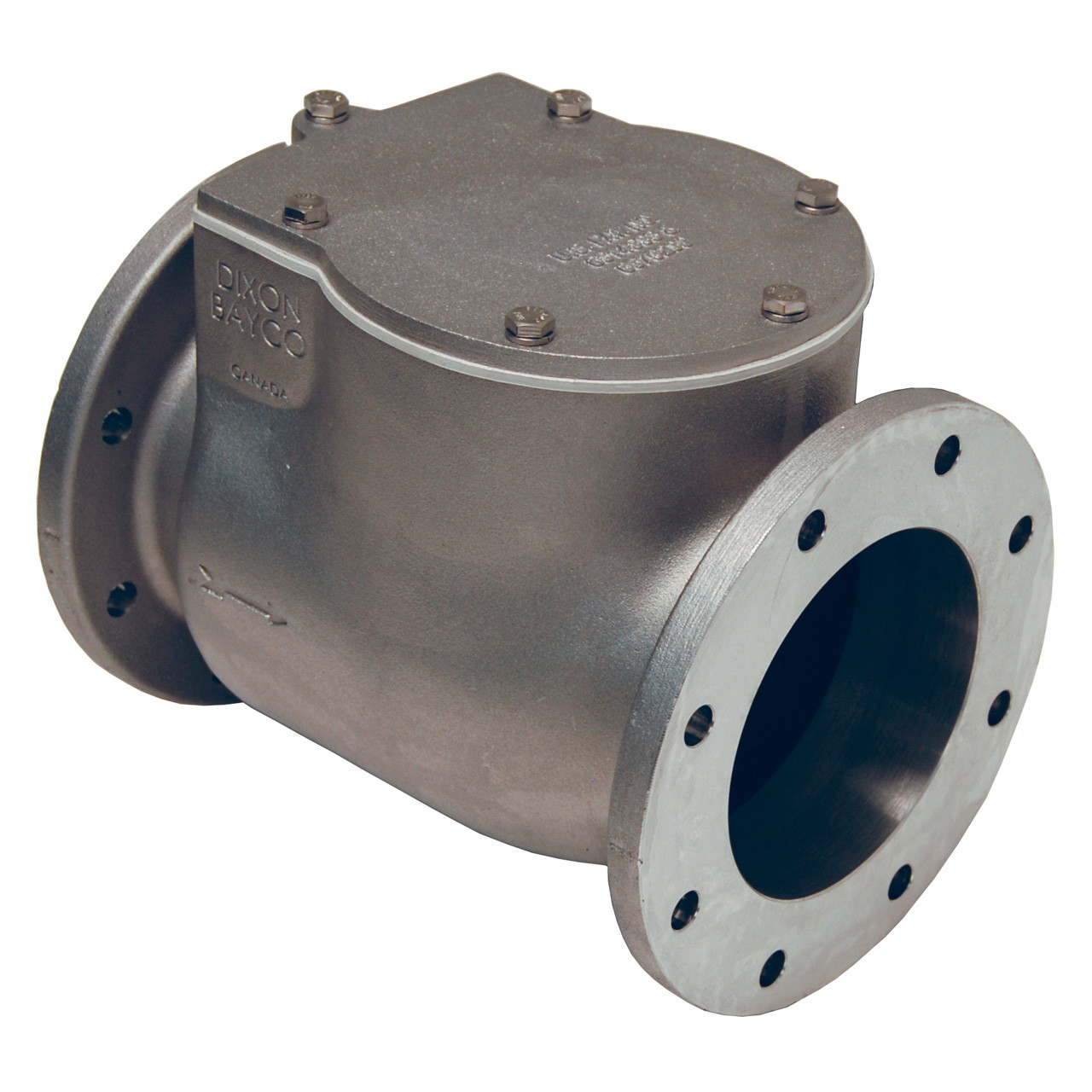
Engineering Guide: Swing Check Valve
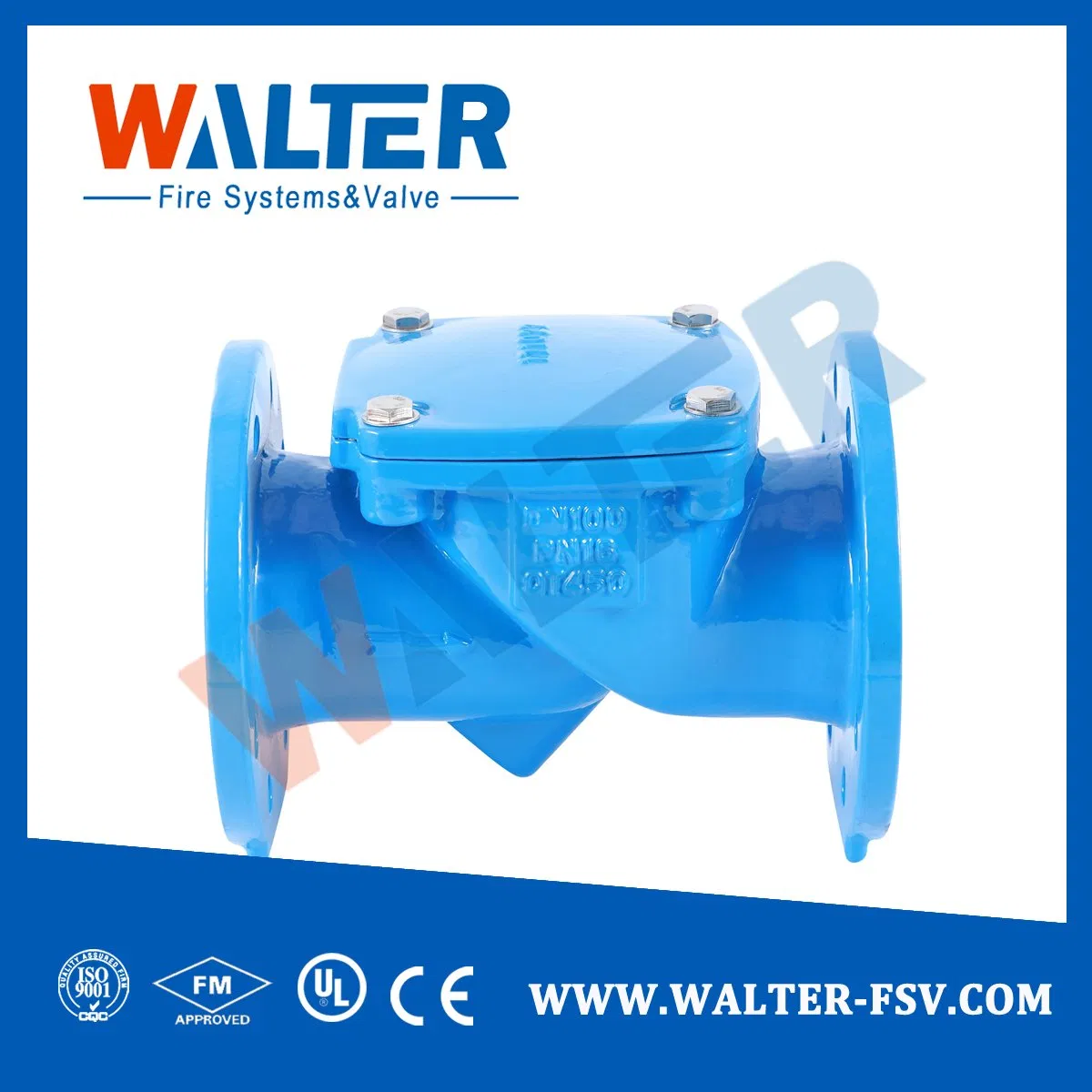
Engineering Insight: Material Selection Criticality in Swing Check Valve Performance
Swing check valves serve as fundamental components in fluid control systems, preventing backflow through a simple hinged disc mechanism. While seemingly straightforward, their operational reliability under diverse industrial conditions is overwhelmingly dictated by precise elastomer selection for the sealing element. Off-the-shelf valve solutions frequently utilize generic rubber compounds optimized for cost and broad applicability, not the specific chemical, thermal, and mechanical stresses encountered in demanding applications. This compromises longevity and system integrity, leading to premature failure modes such as extrusion, hardening, cracking, or permanent set. Understanding the interplay between fluid media, operating parameters, and polymer chemistry is non-negotiable for sustained performance.
Generic NBR or EPDM seals often fail when exposed to aggressive chemicals like ozone, amines, or specific solvents, causing rapid degradation through swelling, loss of tensile strength, or surface crazing. Temperature excursions beyond the compound’s designed range accelerate thermal aging, resulting in embrittlement or excessive softening. Cyclic pressure surges and continuous hydrodynamic forces exert significant dynamic stress on the seal lip; inadequate resilience or fatigue resistance leads to permanent deformation (compression set), destroying the critical sealing interface. Standard compounds lack the tailored reinforcement, antioxidant packages, and polymer backbone stability required for these challenges. Material failure manifests as internal leakage, increased maintenance cycles, unplanned downtime, and potential system contamination – costs far exceeding the initial valve price.
Suzhou Baoshida Trading Co., Ltd. addresses these failure points through engineered rubber solutions. We formulate proprietary compounds specifically for swing check valve service, leveraging deep OEM collaboration to match material properties to the exact application profile. This involves rigorous analysis of fluid composition, temperature extremes, pressure dynamics, and expected service life. Our approach transcends catalog specifications, focusing on molecular-level performance under real-world stress.
The table below illustrates critical performance differentiators between standard off-the-shelf compounds and Baoshida-engineered solutions for swing check valve seals:
| Performance Parameter | Standard Off-the-Shelf Compound | Baoshida Engineered Compound |
|---|---|---|
| Temperature Range (°C) | -20 to +100 | -50 to +150 |
| Compression Set (70h @ 100°C) | 35-45% | < 15% |
| Ozone Resistance (100pphm, 50°C) | Poor (Cracking evident) | Excellent (No cracking) |
| Fluid Resistance (Hydraulic Oil ISO VG 46) | Moderate Swelling (15-25%) | Low Swelling (< 8%) |
| Tensile Strength Retention (After Aging) | 60-70% | > 85% |
| Dynamic Fatigue Life | Low (10⁵ cycles typical) | High (10⁷+ cycles achievable) |
Material selection is not a secondary consideration but the core engineering determinant for swing check valve reliability. Generic solutions represent a significant risk in critical fluid systems. Suzhou Baoshida Trading Co., Ltd. provides the material science expertise and OEM partnership necessary to eliminate this risk. We transform the valve seal from a potential failure point into a robust, long-life component through precision rubber formulation, ensuring operational continuity and reducing total cost of ownership. Consult our engineering team to define the optimal compound for your specific application demands.
Material Specifications
Material selection is a critical engineering decision in the design and manufacturing of swing check valves, particularly in industrial applications where chemical compatibility, temperature resistance, and mechanical durability directly impact system performance and safety. At Suzhou Baoshida Trading Co., Ltd., we specialize in high-performance rubber solutions tailored to meet the demanding requirements of fluid control systems. For swing check valves, three elastomers stand out due to their balanced properties: Viton (FKM), Nitrile (NBR), and Silicone (VMQ). Each material offers distinct advantages depending on the operating environment, media type, and service conditions.
Viton is widely regarded as the premium choice for aggressive chemical environments and high-temperature applications. With continuous service capabilities up to 200°C and intermittent resistance up to 250°C, Viton exhibits exceptional resistance to oils, fuels, aromatic hydrocarbons, and many acids. This makes it ideal for use in petrochemical, aerospace, and high-performance industrial systems where exposure to harsh media is expected. Additionally, Viton maintains its sealing integrity under prolonged thermal cycling, minimizing the risk of valve failure due to elastomer degradation.
Nitrile rubber, or Buna-N, is a cost-effective and reliable material for applications involving petroleum-based fluids, hydraulic oils, and aliphatic hydrocarbons. It performs well within a temperature range of -30°C to 100°C, with short-term peaks up to 120°C. Nitrile offers excellent abrasion resistance and tensile strength, making it suitable for dynamic sealing applications in swing check valves used in industrial hydraulics, fuel systems, and general-purpose machinery. While it lacks the chemical breadth of Viton, its performance-to-cost ratio makes it a preferred option in non-extreme environments.
Silicone rubber provides superior flexibility and thermal stability across a wide temperature spectrum, from -60°C to 200°C. It is particularly valued in applications requiring low-temperature flexibility or high-purity conditions, such as food and beverage, pharmaceutical, and certain HVAC systems. However, silicone exhibits lower mechanical strength and poor resistance to petroleum-based fluids, limiting its use in high-pressure or oil-exposed environments. Its excellent resistance to ozone and UV radiation also makes it suitable for outdoor applications where environmental aging is a concern.
The following table summarizes the key physical and chemical properties of these materials as they relate to swing check valve performance:
| Property | Viton (FKM) | Nitrile (NBR) | Silicone (VMQ) |
|---|---|---|---|
| Temperature Range (°C) | -20 to 200 (up to 250 intermittent) | -30 to 100 (120 intermittent) | -60 to 200 |
| Tensile Strength (MPa) | 15–20 | 10–25 | 5–8 |
| Elongation at Break (%) | 150–250 | 200–500 | 200–600 |
| Hardness (Shore A) | 70–90 | 50–90 | 30–80 |
| Fluid Resistance (Oils/Fuels) | Excellent | Good to Excellent | Poor |
| Chemical Resistance | Excellent | Moderate | Moderate |
| Low-Temperature Flexibility | Fair | Good | Excellent |
| Compression Set Resistance | Excellent | Good | Good |
Selecting the appropriate elastomer requires a comprehensive understanding of the operational parameters. Suzhou Baoshida Trading Co., Ltd. provides engineered rubber solutions with precise formulation control to ensure optimal performance in swing check valve applications across diverse industrial sectors.
Manufacturing Capabilities
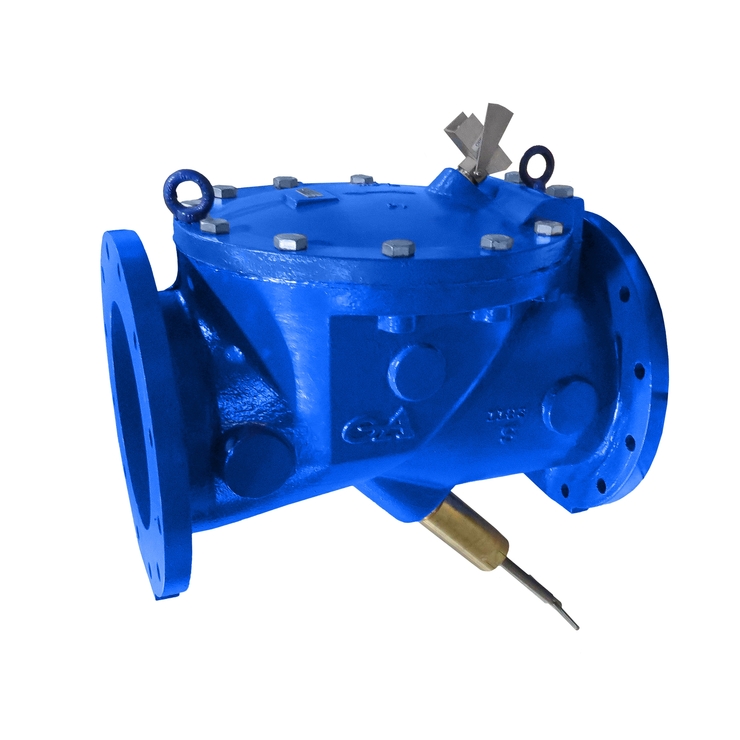
Engineering Capability: Precision Rubber Solutions for Swing Check Valve Performance
Suzhou Baoshida Trading Co., Ltd. leverages deep technical expertise in elastomer science and precision manufacturing to deliver superior swing check valve components meeting rigorous industrial demands. Our core strength resides in an integrated engineering team comprising five dedicated Mold Design Engineers and two specialized Rubber Formula Engineers. This structure ensures seamless collaboration from material conception through to final production, directly addressing the critical sealing and fatigue resistance requirements inherent in swing check valve operation. We function as a true OEM partner, not merely a supplier, embedding ourselves within client development cycles to co-engineer solutions that solve specific application challenges.
Our Rubber Formula Engineers possess advanced proficiency in polymer chemistry and compounding, focusing exclusively on optimizing elastomeric materials for dynamic sealing applications like swing check valves. They systematically develop and refine proprietary rubber formulations—primarily Nitrile (NBR), EPDM, and Fluorocarbon (FKM)—to achieve the precise balance of hardness, resilience, compression set resistance, and fluid compatibility required. This scientific approach directly combats common valve failure modes such as seal extrusion under pressure surges, premature wear from disc slamming, and degradation from aggressive media. By tailoring compound chemistry at the molecular level, we ensure consistent elastomeric integrity across millions of operational cycles, significantly extending service life and reducing system downtime for end-users.
Material performance is non-negotiable in critical flow control. Our formulations undergo stringent validation against industry standards to guarantee reliability under real-world conditions. Key properties are meticulously controlled and verified, as demonstrated in the following critical performance specifications for our standard swing check valve sealing compounds:
| Property | Test Standard | Target Value | Valve Performance Impact |
|---|---|---|---|
| Hardness (Shore A) | ASTM D2240 | 65 ± 5 | Optimizes seal conformity & resistance to extrusion |
| Compression Set (70h/100°C) | ASTM D395 | ≤ 25% | Ensures long-term sealing force retention |
| Tensile Strength | ASTM D412 | ≥ 15 MPa | Resists tearing during disc impact cycles |
| Elongation at Break | ASTM D412 | ≥ 300% | Provides necessary flexibility & resilience |
| Fluid Resistance (IRM 903) | ASTM D471 | Volume Swell ≤ 15% | Maintains dimensional stability in oils/fuels |
| Low Temp Flexibility | ASTM D1329 | Pass at -40°C | Prevents seal brittleness in cold starts |
OEM collaboration is fundamental to our process. We actively engage with client engineering teams during the valve design phase, providing material selection guidance and prototyping support based on specific operating parameters—pressure ranges, media composition, temperature profiles, and cycle rates. Our engineers translate these requirements into bespoke rubber formulations and precision-molded geometries, utilizing advanced simulation tools to predict seal behavior before tooling commitment. This proactive partnership minimizes development risk, accelerates time-to-market, and guarantees the final valve assembly achieves optimal flow dynamics and leak-tight performance. Suzhou Baoshida delivers not just components, but engineered material solutions that form the reliable heart of industrial swing check valve systems.
Customization Process
Customization Process for Swing Check Valve Rubber Components
At Suzhou Baoshida Trading Co., Ltd., our approach to customizing rubber components for swing check valves follows a rigorous, science-driven methodology. This ensures optimal performance under specific industrial conditions, including variable pressure, temperature, and media exposure. Our four-stage process—Drawing Analysis, Formulation, Prototyping, and Mass Production—guarantees precision, durability, and compliance with OEM standards.
Drawing Analysis
The process begins with a comprehensive evaluation of technical drawings provided by the client. We examine dimensional tolerances, sealing surface geometry, flange interface specifications, and installation constraints. Special attention is given to the valve’s hinge mechanism and disc travel path, as these directly influence the elastomer’s dynamic stress profile. Our engineering team verifies material callouts, identifies potential failure points, and confirms compatibility with operating environments such as water, steam, oil, or corrosive fluids.
Formulation
Based on the drawing analysis, we develop a tailored rubber compound using our in-house polymer science expertise. The selection of base polymer—such as EPDM, NBR, FKM, or CR—is determined by chemical resistance, temperature range, and mechanical strength requirements. Additives including reinforcing fillers, antioxidants, and vulcanizing agents are precisely dosed to achieve target hardness (Shore A), tensile strength, elongation at break, and compression set. For swing check valves, low compression set and high resilience are prioritized to ensure consistent sealing force over repeated cycling.
Prototyping
Once the formulation is finalized, we produce functional prototypes using precision molding techniques. These prototypes undergo dimensional inspection via coordinate measuring machines (CMM) and are tested for fitment within the valve body. Performance validation includes cyclic operation testing, leak rate measurement under differential pressure, and exposure to simulated service conditions. Feedback from this phase is used to refine the design or compound if necessary, ensuring reliability before scale-up.
Mass Production
After client approval of the prototype, we transition to high-volume manufacturing under ISO 9001-certified quality control protocols. Each batch is subject to real-time process monitoring, with regular sampling for physical and chemical property verification. All rubber components are traceable by batch number, and material certifications (e.g., FDA, WRAS, or ATEX, if applicable) are provided upon request.
Below are typical rubber material specifications used in swing check valve applications:
| Property | EPDM | NBR | FKM | CR |
|---|---|---|---|---|
| Temperature Range (°C) | -50 to +150 | -30 to +120 | -20 to +200 | -40 to +120 |
| Hardness (Shore A) | 50–80 | 55–90 | 60–90 | 50–80 |
| Tensile Strength (MPa) | ≥10 | ≥12 | ≥10 | ≥10 |
| Elongation at Break (%) | ≥250 | ≥200 | ≥150 | ≥250 |
| Fluid Resistance | Excellent in water, steam | Good in oil, fuel | Excellent in oils, acids | Good in ozone, flame |
This systematic customization ensures that every rubber component we deliver meets the exact functional demands of swing check valve systems across industries including water treatment, petrochemical, and power generation.
Contact Engineering Team
Precision Engineering for Swing Check Valve Performance
Suzhou Baoshida Trading Co., Ltd. delivers mission-critical rubber compound solutions for swing check valves operating under extreme industrial conditions. Our engineered elastomers directly address the core failure points in valve sealing: compression set degradation, chemical attack, and thermal fatigue. Standard off-the-shelf rubber formulations cannot sustain the hydrodynamic sealing integrity required in high-cycle, high-pressure applications across oil and gas, chemical processing, and power generation sectors. We specialize in custom compound development where molecular crosslink density, filler dispersion, and polymer backbone stability are calibrated to your specific media, temperature profile, and dynamic stress parameters.
Material selection dictates valve longevity and system safety. The table below outlines our core compound families optimized for swing check valve hinge seals, disc seats, and body gaskets. Each formulation undergoes rigorous ASTM D2000 verification and application-specific dynamic testing protocols.
| Compound Type | Temperature Range (°C) | Key Media Resistance | Hardness (Shore A) | Critical Application Advantage |
|---|---|---|---|---|
| High-Purity EPDM | -50 to +150 | Steam, Alkalis, Oxygenated Fuels | 60–90 | Zero extractables for potable water/food-grade systems |
| Hydrogenated NBR (HNBR) | -40 to +175 | Mineral Oils, H2S, Amine Solutions | 70–95 | 50% higher compression set resistance vs. standard NBR at 150°C |
| Perfluoroelastomer (FFKM) | -15 to +327 | Hot Aromatics, Chlorine, Strong Acids | 65–85 | Near-zero swelling in aggressive solvents; 10x life vs. FKM |
Our OEM partnership model integrates rubber science with precision manufacturing. We collaborate from initial failure analysis through to volume production, utilizing in-house mixing, molding, and QC labs accredited to ISO 9001:2015. Every batch undergoes Fourier-transform infrared spectroscopy (FTIR) validation to ensure batch-to-batch compound consistency. For swing check valves, this translates to predictable torque characteristics, elimination of chatter-induced wear, and compliance with API 598 seat leakage standards.
Do not compromise valve performance with generic elastomer solutions. Suzhou Baoshida provides the material science expertise to solve your specific sealing challenges. Contact Mr. Boyce, our dedicated OEM Technical Manager, to initiate a failure mode assessment or request compound validation data for your swing check valve application. Provide your operational parameters including media composition, pressure cycles, and temperature extremes for a targeted formulation proposal.
Mr. Boyce is available for direct technical consultation at [email protected]. Include your company name, valve specifications (ANSI/DIN class, size range), and critical performance pain points in your inquiry. We respond to all technical requests within 4 business hours with actionable data—not generic sales literature. Partner with an engineering-led supplier where rubber formulation is treated as a precision science, not a commodity transaction. Your valve’s sealing integrity depends on molecular-level accuracy; Suzhou Baoshida delivers it.
⚖️ O-Ring Weight Calculator
Estimate rubber O-ring weight (Approx).