
Technical Contents
Engineering Guide: Synthetic Rubber Advantages And Disadvantages
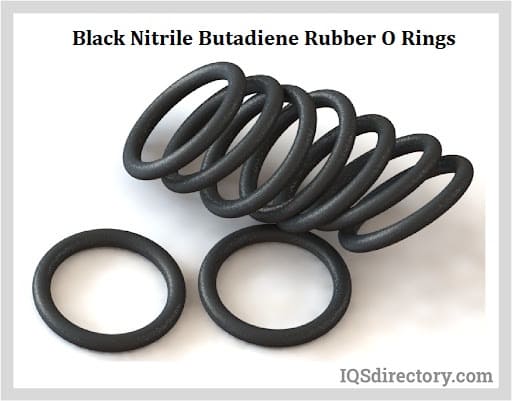
Engineering Insight: Synthetic Rubber Advantages and Disadvantages in Critical Applications
Material selection for synthetic rubber components is a decisive engineering factor, not a procurement convenience. Off-the-shelf compounds frequently fail in demanding industrial environments because standardized formulations cannot address the unique interplay of stress, temperature, chemical exposure, and lifecycle requirements inherent to specific OEM applications. Generic solutions prioritize cost and availability over performance validation under actual operating conditions, leading to premature seal extrusion, accelerated compression set, or catastrophic chemical degradation. This necessitates a rigorous, application-specific approach to compound design where advantages must be balanced against inherent limitations through scientific formulation.
Synthetic rubbers offer significant advantages over natural rubber, including superior resistance to oils, ozone, and extreme temperatures. Nitrile Butadiene Rubber (NBR) provides exceptional fuel and hydraulic fluid resistance critical for automotive seals, while Ethylene Propylene Diene Monomer (EPDM) delivers unmatched weathering and steam resistance for construction gaskets. Fluoroelastomers (FKM) withstand aggressive chemicals and temperatures exceeding 200°C in semiconductor manufacturing. These properties enable performance in environments where natural rubber would rapidly deteriorate. However, these advantages come with critical trade-offs. NBR suffers from poor low-temperature flexibility below -30°C, EPDM exhibits weak resistance to hydrocarbons, and FKM incurs high material costs and challenging processability. Styrene-Butadiene Rubber (SBR), though cost-effective for tires, lacks the resilience required for dynamic sealing applications under continuous stress.
The core disadvantage of synthetic rubbers lies in their formulation sensitivity. Minor variations in polymer structure, filler type, or cure system drastically alter performance. A compound optimized for static sealing may fail under dynamic motion due to inadequate tear strength. Similarly, a grade resistant to aliphatic hydrocarbons might degrade when exposed to aromatic solvents. This complexity renders off-the-shelf materials inherently risky; they lack validation against the precise chemical cocktails, pressure cycles, or thermal profiles of the end application. Field failures often trace to unanticipated interactions—such as plasticizer migration in PVC blends or zinc oxide depletion in acidic environments—that generic datasheets omit.
Critical synthetic rubber properties must be evaluated holistically for OEM applications. The following table outlines key trade-offs:
| Rubber Type | Glass Transition (°C) | Continuous Temp Range (°C) | Key Chemical Resistance | Critical Limitation |
|---|---|---|---|---|
| NBR | -15 to -50 | -30 to +120 | Oils, Fuels, Hydraulic Fluids | Poor ozone/weathering; Limited low-temp flexibility |
| EPDM | -60 to -50 | -50 to +150 | Steam, Water, Alkalis, Oxygen | Weak against oils, fuels, and hydrocarbons |
| FKM | -20 to -15 | -20 to +230 | Acids, Aromatics, Jet Fuels | High cost; Poor low-temp performance; Difficult processing |
| SBR | -50 to -60 | -50 to +100 | Water, Alcohols | Low abrasion resistance; Poor oil/fuel resistance |
Material selection directly impacts product reliability and total cost of ownership. Relying on catalog compounds ignores the necessity for OEM-specific validation under real-world conditions. At Suzhou Baoshida, we engineer formulations where advantages are maximized and disadvantages mitigated through tailored polymer blends, additive systems, and cure kinetics—ensuring components survive the exact stresses they will encounter. Collaborative formulation, not off-the-shelf procurement, is the only path to eliminating field failures in critical industrial systems.
Material Specifications
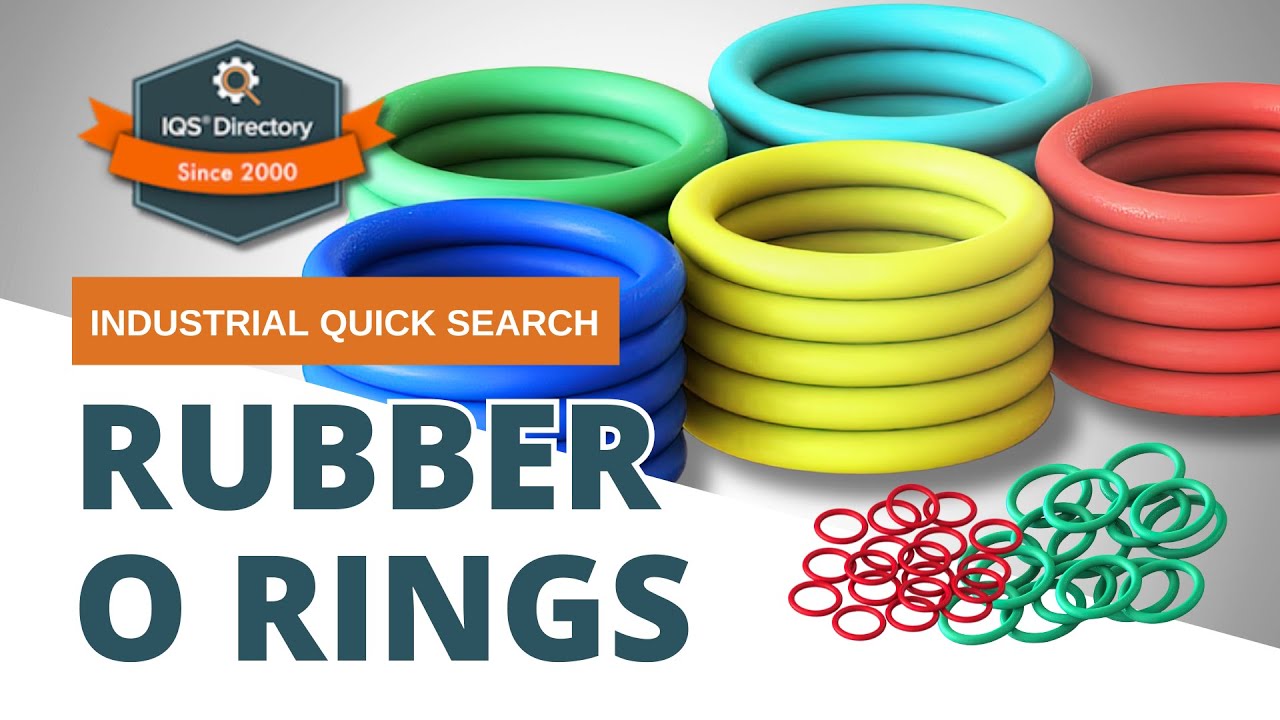
Synthetic rubber materials are essential in industrial applications where performance under extreme conditions is required. At Suzhou Baoshida Trading Co., Ltd., we specialize in high-performance elastomers tailored for sealing, gasketing, and dynamic mechanical systems across automotive, aerospace, oil & gas, and medical industries. Our core synthetic rubber offerings—Viton (FKM), Nitrile (NBR), and Silicone (VMQ)—each exhibit unique chemical, thermal, and mechanical properties that determine their suitability for specific operational environments. Understanding these material specifications is critical for OEMs and industrial buyers to ensure long-term reliability and cost-efficiency.
Viton, a fluorocarbon-based rubber, is renowned for its exceptional resistance to high temperatures, oils, fuels, and a broad range of chemicals. With a continuous service temperature range up to 230°C, Viton is ideal for applications exposed to aggressive media such as aromatic hydrocarbons, chlorinated solvents, and aviation fuels. Its low gas permeability and excellent aging characteristics make it a preferred choice in aerospace and chemical processing equipment. However, Viton has limited flexibility at low temperatures and is more expensive than other elastomers, which may restrict its use in cost-sensitive or cryogenic applications.
Nitrile rubber, or Buna-N, is one of the most widely used synthetic rubbers due to its excellent resistance to petroleum-based oils and fuels. It performs reliably in temperature ranges from -40°C to 120°C, making it suitable for hydraulic systems, fuel hoses, and O-rings in automotive and industrial machinery. Nitrile also offers good abrasion resistance and mechanical strength. However, it exhibits poor resistance to ozone, UV radiation, and polar solvents, which limits its outdoor or high-oxidation environments unless specially compounded.
Silicone rubber stands out for its outstanding thermal stability and flexibility across a wide temperature range, typically from -60°C to 200°C. It maintains elastic properties at extreme cold and resists degradation under prolonged heat exposure. Silicone is also biocompatible, transparent to gases, and exhibits excellent electrical insulation properties, making it ideal for medical devices, food-grade seals, and electronic encapsulation. However, silicone has relatively low tensile and tear strength compared to Viton and Nitrile, and it swells significantly in hydrocarbon oils, limiting its use in fuel and oil-handling systems.
The following table summarizes key performance characteristics of these materials to assist in material selection:
| Property | Viton (FKM) | Nitrile (NBR) | Silicone (VMQ) |
|---|---|---|---|
| Temperature Range (°C) | -20 to 230 | -40 to 120 | -60 to 200 |
| Tensile Strength (MPa) | 15–20 | 10–25 | 5–10 |
| Elongation at Break (%) | 200–300 | 250–500 | 200–700 |
| Hardness (Shore A) | 60–90 | 50–90 | 30–80 |
| Resistance to Oils/Fuels | Excellent | Excellent | Poor |
| Resistance to Ozone/UV | Excellent | Fair | Excellent |
| Compression Set Resistance | Excellent | Good | Good |
| Electrical Insulation | Good | Fair | Excellent |
| Biocompatibility | Moderate | Poor | Excellent |
Selecting the appropriate synthetic rubber requires a balance between environmental exposure, mechanical demands, and regulatory compliance. At Suzhou Baoshida Trading Co., Ltd., we support engineers and procurement teams with precise material data and application-specific recommendations to optimize performance and lifecycle costs.
Manufacturing Capabilities
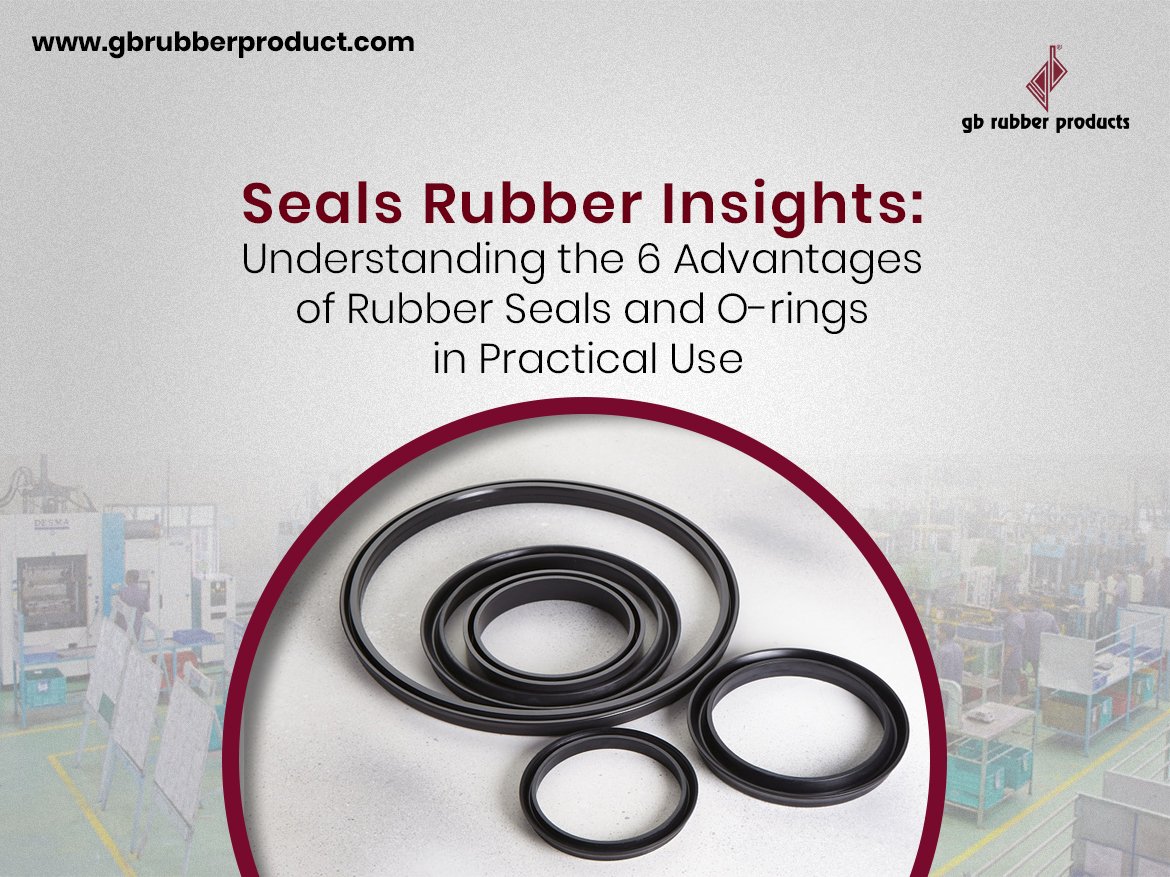
Engineering Capability: Precision in Synthetic Rubber Solutions
Synthetic rubber formulations present complex trade-offs between performance parameters, demanding rigorous scientific oversight to balance advantages against inherent limitations. At Suzhou Baoshida Trading Co., Ltd., our engineering team directly addresses these challenges through integrated material science and manufacturing expertise. We deploy a dedicated unit of five Mould Engineers and two Formula Engineers, ensuring seamless translation of theoretical polymer chemistry into defect-free production. This structure eliminates siloed workflows common in the industry, where formulation adjustments often lag behind tooling constraints or vice versa. Our Formula Engineers specialize in polymer chain modification to enhance thermal stability and chemical resistance—critical advantages of synthetics—while systematically mitigating disadvantages like higher raw material costs through optimized compounding.
The core strength lies in preemptive problem-solving. For instance, synthetic rubbers such as SBR or EPDM offer superior ozone and oil resistance over natural rubber but face challenges in low-temperature flexibility and processing consistency. Our Formula Engineers counter this by tailoring plasticizer systems and crosslink densities, ensuring operational reliability down to -50°C without sacrificing compression set performance. Concurrently, Mould Engineers refine cavity geometry and venting protocols to prevent flow-induced defects like voids or knit lines—common pitfalls when processing high-viscosity synthetic compounds. This dual-engineering approach guarantees dimensional accuracy within ±0.15mm tolerances, even for intricate geometries requiring multi-cavity tooling.
OEM collaboration is embedded in our workflow from Day 1. Clients receive co-engineering support during prototyping, where we simulate material behavior under real-world stressors using finite element analysis (FEA). This prevents costly rework by aligning compound selection with part function early in development. Below is a comparative overview of key synthetic rubber properties versus natural rubber, reflecting our optimization focus:
| Property | Natural Rubber | Synthetic Rubber (SBR Example) | Advantage Context for Industrial Use |
|---|---|---|---|
| Temperature Range | -50°C to +80°C | -50°C to +120°C | Wider operational envelope for automotive seals |
| Oil Resistance | Poor | Excellent | Critical for hydraulic systems and fuel lines |
| Ozone Resistance | Very Poor | Good to Excellent | Prevents cracking in outdoor electrical gaskets |
| Compression Set (70°C) | 25-30% | 15-20% | Longer service life in dynamic sealing applications |
| Raw Material Cost | Lower | Higher | Offset by extended lifespan and reduced failure rates |
Our OEM capabilities extend beyond standard manufacturing. We manage end-to-end traceability via digital batch records, allowing clients to audit compound formulations and curing parameters for compliance-critical sectors like medical devices or aerospace. By harmonizing formula science with precision moulding, Suzhou Baoshida transforms synthetic rubber’s theoretical benefits into field-proven reliability—turning material limitations into engineered advantages. This integrated methodology ensures clients achieve optimal lifecycle value, not just component supply.
Customization Process
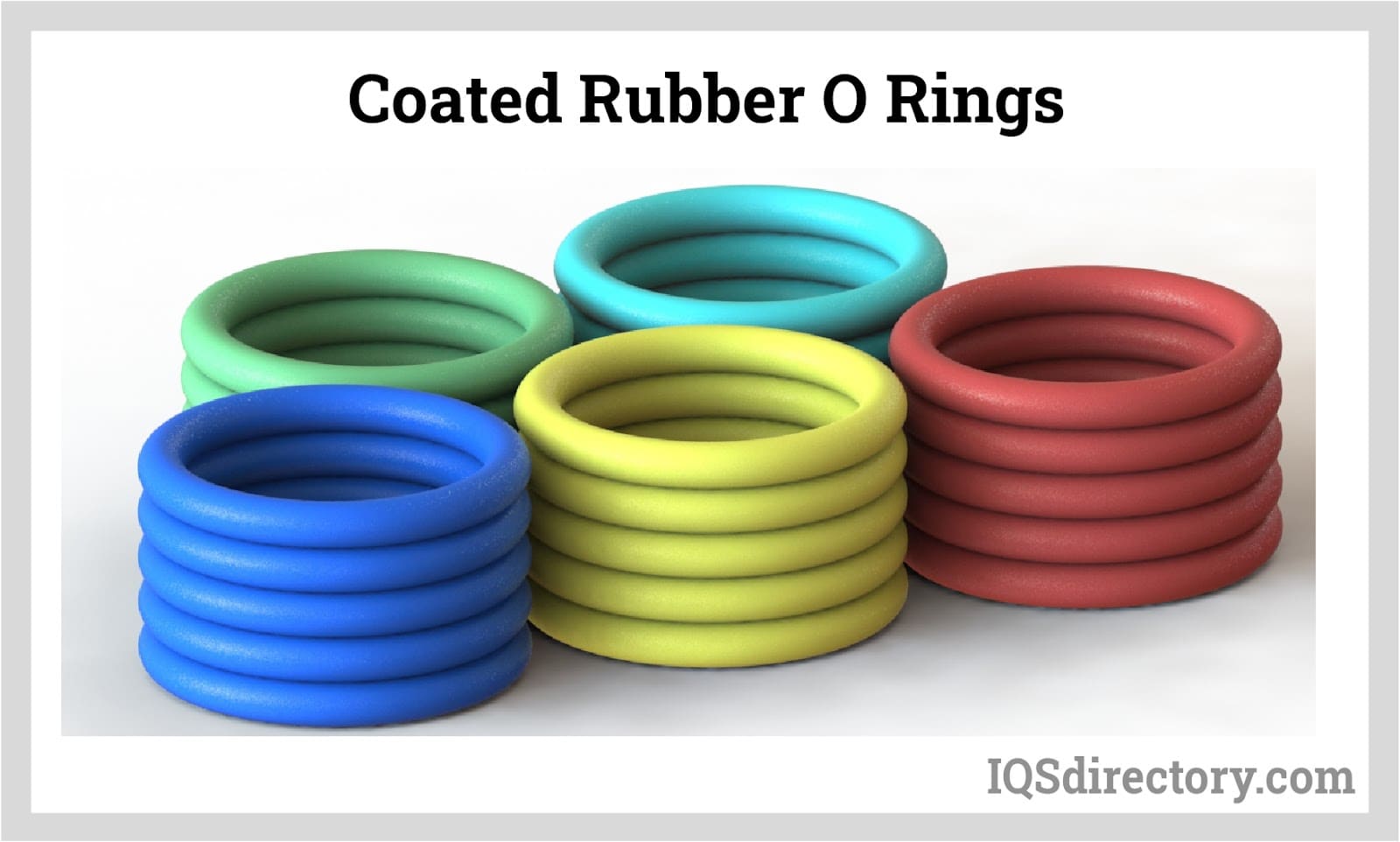
Technical B2B Manufacturing Guide: Synthetic Rubber Advantages and Disadvantages
Customization Process: From Drawing Analysis to Mass Production
At Suzhou Baoshida Trading Co., Ltd., our industrial rubber solutions are engineered for precision, durability, and performance under demanding operational conditions. The customization process for synthetic rubber components follows a structured workflow that ensures alignment with OEM specifications, environmental requirements, and functional expectations. This process begins with drawing analysis and progresses through formulation, prototyping, and finally mass production.
The first phase, Drawing Analysis, involves a detailed technical review of client-provided engineering drawings. Our engineering team evaluates dimensional tolerances, surface finish requirements, mating components, and application environment data such as temperature range, chemical exposure, and mechanical stress. This step is critical to identify potential design challenges early and recommend modifications for manufacturability without compromising performance.
Following drawing validation, the Formulation stage begins. Based on the operational parameters identified, our rubber formula engineers select the appropriate synthetic elastomer—such as NBR, EPDM, FKM, or silicone—and develop a custom compound. Key formulation variables include polymer base, filler type (e.g., carbon black or silica), plasticizers, vulcanizing agents, and protective additives. Each compound is optimized for specific properties such as compression set resistance, abrasion resistance, or low-temperature flexibility. The formulation is documented and archived for consistency across production batches.
Once the compound is finalized, we proceed to Prototyping. Using precision molding techniques—compression, transfer, or injection molding—we produce a limited run of sample parts. These prototypes undergo rigorous in-house testing, including hardness (Shore A), tensile strength, elongation at break, and volume swell in relevant media. Clients are encouraged to perform field trials under actual operating conditions. Feedback from testing is used to fine-tune the design or compound before approval for full-scale production.
The final stage is Mass Production, executed in certified manufacturing facilities equipped with automated molding lines and real-time quality monitoring systems. Every batch is subject to statistical process control (SPC) and 100% visual inspection, with random samples tested against the original specification. Traceability is maintained through batch coding and material certifications (e.g., RoHS, REACH, FDA where applicable).
The table below summarizes typical performance characteristics of common synthetic rubbers used in our customization process:
| Elastomer | Temperature Range (°C) | Key Advantages | Common Limitations |
|---|---|---|---|
| NBR (Nitrile) | -30 to +100 (+120 short-term) | Excellent oil and fuel resistance, high abrasion resistance | Poor ozone and UV resistance, limited low-temp performance |
| EPDM | -50 to +150 | Outstanding weather, ozone, and steam resistance | Poor oil and hydrocarbon resistance |
| FKM (Viton®) | -20 to +200 (+250 short-term) | Exceptional heat, chemical, and oil resistance | High cost, lower elasticity |
| Silicone (VMQ) | -60 to +200 | Superior thermal stability, excellent electrical insulation | Low tensile strength, poor abrasion resistance |
This systematic approach ensures that every custom rubber component we deliver meets the exact functional and regulatory demands of modern industrial applications.
Contact Engineering Team
Technical Material Selection Imperatives for Industrial Synthetic Rubber Applications
Selecting the optimal synthetic rubber compound requires rigorous evaluation of performance trade-offs against specific operational demands. While natural rubber offers elasticity and low-heat buildup, its vulnerability to ozone, oils, and temperature extremes renders it unsuitable for modern industrial systems. Synthetic alternatives provide engineered solutions but introduce nuanced compromises in cost, processability, and long-term durability. At Suzhou Baoshida Trading Co., Ltd., we specialize in de-risking this selection process through data-driven formulation and OEM-tailored compounding. Our engineering team quantifies variables like compression set retention at 100°C, fluid swell in ASTM #3 oil, and fatigue resistance under cyclic stress—factors directly impacting product lifecycle costs in automotive seals, hydraulic components, and industrial conveyor systems.
Critical performance differentiators across common synthetic rubbers are summarized below:
| Material Type | Hardness Range (Shore A) | Max Continuous Temp (°C) | Tensile Strength (MPa) | Key Limitation |
|---|---|---|---|---|
| NBR (Nitrile) | 40–90 | 100–120 | 10–25 | Poor ozone/weathering resistance |
| EPDM | 30–90 | 130–150 | 7–20 | Limited oil/fuel resistance |
| FKM (Viton®) | 50–90 | 200–230 | 7–15 | High raw material cost; poor low-temp flexibility |
| CR (Neoprene) | 40–80 | 100–120 | 10–18 | Moderate heat aging stability |
| HNBR | 50–90 | 150–170 | 20–30 | Complex curing kinetics; higher processing cost |
These specifications underscore why blanket material recommendations fail in precision manufacturing. An automotive fuel injector seal demanding FKM’s chemical inertness may suffer premature failure if low-temperature flexibility is miscalculated below -20°C. Conversely, over-specifying FKM for a water-pump gasket escalates costs by 300–400% versus optimized EPDM—without functional benefit. Our OEM partnership model eliminates such inefficiencies through collaborative development cycles. We initiate with your fluid exposure profiles, dynamic load requirements, and regulatory constraints (e.g., FDA 21 CFR 177.2600, ISO 3601) to derive cost-optimized formulations. Recent projects include reducing compression set by 22% in EPDM diaphragm valves through peroxide curing system refinement and achieving 15% weight savings in NBR conveyor belts via nano-silica reinforcement.
Suzhou Baoshida integrates material science with scalable production readiness. We validate prototypes through accelerated aging per ASTM D573 and dynamic mechanical analysis (DMA), ensuring lab results translate to factory-floor performance. Our ISO 9001-certified manufacturing partners maintain traceability from raw monomer batches to finished components, critical for aerospace and medical device compliance.
Initiate Your Precision Rubber Solution
Contact Mr. Boyce, our dedicated OEM Engineering Manager, to resolve your synthetic rubber selection challenges. Provide your application parameters—including operating temperature range, fluid exposure, mechanical stress profile, and volume requirements—and we will deliver a technical proposal with material certification data within 72 hours. Email [email protected] with subject line “OEM Technical Query: [Your Application]” to commence collaborative engineering. Suzhou Baoshida Trading Co., Ltd. transforms material limitations into competitive advantages through science-led compounding and responsive OEM partnership. Specify your requirements; we deliver engineered resilience.
⚖️ O-Ring Weight Calculator
Estimate rubber O-ring weight (Approx).