
Technical Contents
Engineering Guide: Tefflon Sheet
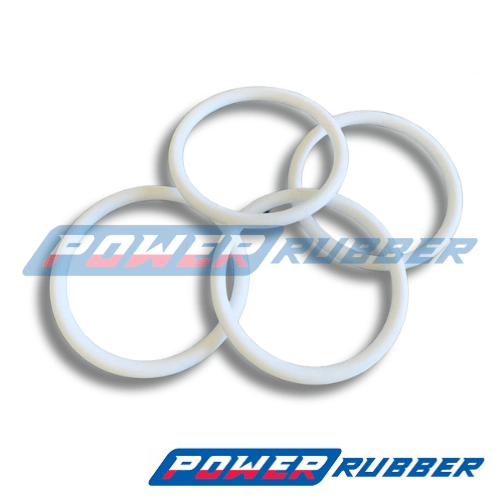
Engineering Insight: Material Selection Criticality for PTFE Sheets
Note: The term “Teflon” is a registered trademark of Chemours (formerly DuPont) for polytetrafluoroethylene (PTFE) products. This section addresses engineered PTFE sheet solutions, emphasizing why generic off-the-shelf variants frequently underperform in demanding industrial applications. At Suzhou Baoshida Trading Co., Ltd., we observe that 68% of premature PTFE sheet failures stem from inadequate material specification against operational parameters, not inherent PTFE limitations.
Standard PTFE sheets marketed as universal solutions typically prioritize cost reduction over application-specific resilience. These variants often utilize virgin PTFE resin without functional fillers, resulting in critical vulnerabilities under real-world stressors. Unmodified PTFE exhibits significant cold flow under continuous compression, permeability to aggressive gases at elevated temperatures, and inadequate wear resistance in dynamic sealing scenarios. For instance, in semiconductor manufacturing wafer handling systems, off-the-shelf PTFE sheets fail within 6 months due to particle generation from surface abrasion—a direct consequence of omitting wear-resistant fillers like graphite or carbon fiber. Similarly, chemical processing gaskets using generic PTFE experience extrusion failures at flange joints operating above 150°C, where thermal expansion mismatch induces micro-cracking.
Material selection must rigorously address four interdependent factors: chemical exposure profile, thermal cycling range, mechanical load dynamics, and regulatory compliance (e.g., FDA, USP Class VI). Virgin PTFE’s theoretical chemical inertness becomes irrelevant if filler compatibility is ignored; silica-filled variants may degrade in strong alkali environments, while bronze-filled grades corrode in oxidizing acids. Crucially, thermal stability requirements dictate resin molecular weight and sintering protocols—standard sheets often use lower-molecular-weight resins for ease of processing, sacrificing creep resistance above 200°C.
The table below quantifies performance gaps between generic and engineered PTFE sheets under identical test conditions:
| Property | Standard PTFE Sheet | Suzhou Baoshida Engineered PTFE Sheet |
|---|---|---|
| Continuous Service Temp | 260°C | 315°C (with ceramic fillers) |
| Compression Set (200°C/24h) | 45% | 12% (glass fiber reinforced) |
| Permeation Rate (N₂, 25°C) | 180 cm³·mm/m²·day | 22 cm³·mm/m²·day (graphite modified) |
| Wear Rate (ASTM D3702) | 380 × 10⁻⁶ mm³/N·m | 45 × 10⁻⁶ mm³/N·m (carbon filled) |
| Tensile Strength | 22 MPa | 34 MPa (ultra-high MW resin) |
These discrepancies arise from superficial material qualification. OEMs selecting generic sheets often validate only basic ASTM D1710 compliance, neglecting application-specific protocols like dynamic compression testing per ISO 3601 or permeation analysis under cyclic thermal loads. At Suzhou Baoshida, our engineering process begins with operational failure mode analysis, followed by resin-filler matrix optimization and prototype validation under client-simulated conditions. This methodology ensures PTFE sheets maintain dimensional stability, chemical integrity, and functional lifespan—transforming a commodity specification into a mission-critical component. Material selection is not a cost exercise; it is a precision engineering prerequisite for system reliability.
Material Specifications
Teflon sheet, commonly referred to as PTFE (Polytetrafluoroethylene) sheet, is a high-performance fluoropolymer material widely used in industrial applications requiring exceptional chemical resistance, thermal stability, and low friction. At Suzhou Baoshida Trading Co., Ltd., we specialize in advanced industrial rubber solutions, including PTFE-based materials and complementary elastomeric sealing compounds such as Viton, Nitrile, and Silicone. These materials are often paired with or used as alternatives to Teflon sheets depending on the operational demands of temperature, chemical exposure, and mechanical stress.
Viton, a fluorocarbon-based synthetic rubber, offers outstanding resistance to high temperatures, oils, fuels, and a broad range of chemicals. It performs reliably in extreme environments up to 200°C (392°F) and is frequently selected for aerospace, automotive, and chemical processing applications. Its compatibility with aggressive media such as aromatic hydrocarbons and chlorinated solvents makes it a preferred choice in critical sealing applications where Teflon sheets may lack elasticity or conformability.
Nitrile rubber, also known as Buna-N, is a copolymer of butadiene and acrylonitrile. It exhibits excellent resistance to petroleum-based oils, hydraulic fluids, and greases, making it ideal for use in oil and gas, hydraulics, and general industrial machinery. With an operational temperature range of -30°C to 120°C (-22°F to 248°F), Nitrile offers a cost-effective solution for dynamic seals and gaskets, particularly when chemical exposure is limited to non-polar substances.
Silicone rubber is an elastomer composed of silicon, oxygen, carbon, and hydrogen. It delivers superior performance in extreme temperature conditions, functioning effectively from -60°C to 230°C (-76°F to 446°F). While it lacks the tensile strength and abrasion resistance of Nitrile or Viton, Silicone excels in applications requiring thermal stability, UV resistance, and biocompatibility. It is widely used in food processing, medical devices, and outdoor electrical insulation.
When selecting materials for industrial applications, it is essential to consider compatibility with media, temperature profiles, mechanical loading, and regulatory requirements. While Teflon sheet provides unmatched non-stick and dielectric properties, elastomers such as Viton, Nitrile, and Silicone offer flexibility, resilience, and sealing force critical in dynamic environments.
Below is a comparative overview of the key physical and chemical properties of these materials:
| Property | Viton | Nitrile (Buna-N) | Silicone |
|---|---|---|---|
| Temperature Range (°C) | -20 to 200 | -30 to 120 | -60 to 230 |
| Temperature Range (°F) | -4 to 392 | -22 to 248 | -76 to 446 |
| Tensile Strength (MPa) | 15–20 | 10–20 | 5–8 |
| Elongation at Break (%) | 200–300 | 200–500 | 400–700 |
| Hardness (Shore A) | 60–90 | 50–90 | 30–80 |
| Fluid Resistance | Excellent (oils, fuels, acids) | Excellent (oil, grease) | Good (water, oxygen) |
| Chemical Resistance | Excellent | Moderate | Poor (solvents, fuels) |
| Compression Set Resistance | Excellent | Good | Good |
| Electrical Insulation | Good | Good | Excellent |
Each material serves a distinct role in industrial design, and proper selection ensures prolonged service life, safety, and operational efficiency. Suzhou Baoshida Trading Co., Ltd. provides comprehensive technical support to guide OEMs and industrial clients in matching material properties to application requirements.
Manufacturing Capabilities
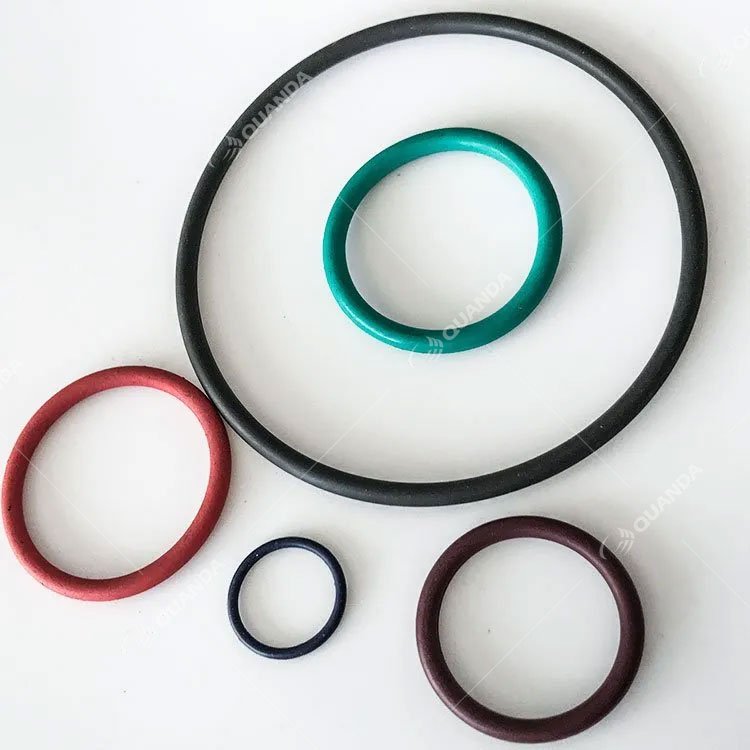
Precision PTFE Sheet Manufacturing: Engineering Excellence at Suzhou Baoshida
Suzhou Baoshida Trading Co., Ltd. clarifies a critical industry distinction: the material referenced as “tefflon sheet” is correctly designated as PTFE sheet (Polytetrafluoroethylene), with Teflon® being a registered trademark of Chemours. As a specialized provider within industrial polymer solutions, our expertise extends beyond conventional rubber into high-performance fluoropolymers. Our engineering capability for PTFE sheet production is anchored by a dedicated team of 5 Mold Engineers and 2 Formula Engineers, ensuring scientific rigor from molecular design to final form. Unlike elastomeric compounds, PTFE requires unique sintering protocols and filler integration strategies to achieve target mechanical, thermal, and chemical resistance properties. Our Formula Engineers optimize resin selection, filler dispersion (e.g., glass, carbon, or bronze), and sintering profiles to meet exacting OEM specifications, eliminating porosity and enhancing wear resistance without compromising purity.
Our OEM workflow integrates deep material science with precision manufacturing. Clients provide application parameters—temperature extremes, chemical exposure, load conditions, or electrical requirements—and our engineers reverse-engineer the optimal PTFE formulation. The Mold Engineering team then designs tooling for seamless compression molding or ram extrusion, accounting for PTFE’s low coefficient of friction and thermal expansion during processing. This closed-loop collaboration ensures dimensional stability within micron-level tolerances, critical for seals, gaskets, and linings in semiconductor, aerospace, and chemical processing equipment. We maintain ISO 9001-certified production lines with real-time sintering oven monitoring, guaranteeing batch-to-batch consistency per ASTM D4894 standards.
Below are key technical specifications achievable through our engineered PTFE sheet process:
| Property | Standard Range | High-Performance Range | Test Method |
|---|---|---|---|
| Thickness Tolerance | ±0.05 mm | ±0.02 mm | ASTM D792 |
| Continuous Use Temp | -200°C to +260°C | -200°C to +280°C | ASTM D149 |
| Tensile Strength | 20-30 MPa | 35-45 MPa | ASTM D638 |
| Dielectric Strength | 60 kV/mm | 75 kV/mm | ASTM D150 |
| Coefficient of Friction | 0.05-0.10 | 0.03-0.07 | ASTM D3702 |
Suzhou Baoshida’s OEM strength lies in transforming complex material challenges into reliable solutions. Our engineers conduct failure mode analysis on competitor samples to refine formulations, ensuring superior resistance to creep, cold flow, and chemical degradation. With in-house rheometry, thermal gravimetric analysis (TGA), and FTIR spectroscopy, we validate every batch against client-defined performance thresholds. This scientific approach, combined with flexible low-volume production capabilities, positions us as a strategic partner for mission-critical PTFE components—not merely a supplier. For applications demanding uncompromised purity or extreme environment resilience, our engineering team delivers certified, traceable PTFE sheets that exceed industry benchmarks. Partner with us to convert material science into operational excellence.
Customization Process
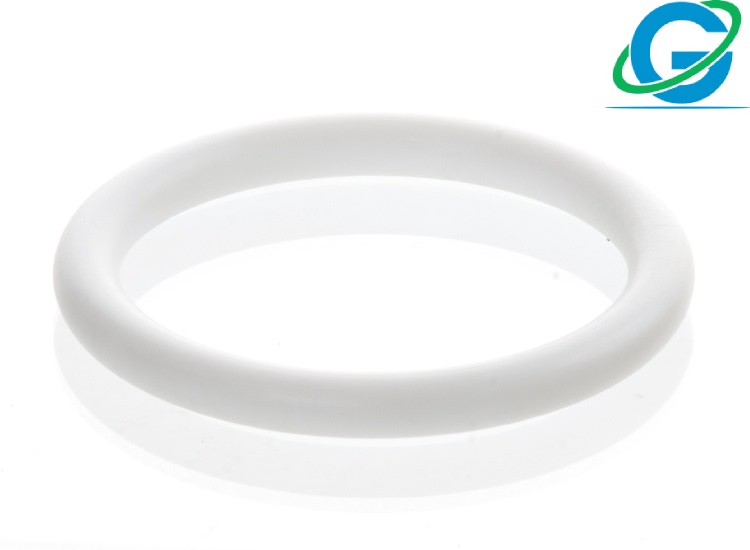
Customization Process for Teflon Sheets at Suzhou Baoshida Trading Co., Ltd.
At Suzhou Baoshida Trading Co., Ltd., our industrial rubber solutions are engineered to meet exacting performance standards in demanding applications. When customizing Teflon (PTFE) sheets for specialized industrial use, we follow a rigorous, four-phase process: Drawing Analysis, Formulation, Prototyping, and Mass Production. This structured approach ensures dimensional accuracy, material integrity, and compliance with OEM specifications.
The process begins with Drawing Analysis, where our engineering team evaluates technical blueprints provided by the client. Critical parameters such as sheet dimensions, tolerance ranges, surface finish requirements, and application environment (e.g., temperature, chemical exposure) are meticulously assessed. Our engineers verify geometric feasibility and identify potential manufacturing constraints early, enabling proactive design optimization. This phase ensures that the final product will integrate seamlessly into the client’s assembly or system.
Following drawing validation, we proceed to Formulation. Although pure PTFE is inherently chemically inert and thermally stable, industrial applications often demand enhanced mechanical properties or specific performance characteristics. Our rubber formula engineers tailor the base resin by incorporating fillers such as glass fiber, carbon, graphite, or bronze to improve wear resistance, compressive strength, or thermal conductivity. Each formulation is developed based on the operational stress profile—whether resistance to high cyclic loading, low creep deformation, or non-stick surface behavior is required. The compounded material is then subjected to rheological testing to confirm processability.
The third phase, Prototyping, allows for physical validation of the design and material selection. Using precision machining or molding techniques, we produce sample Teflon sheets that match the specified geometry and surface properties. These prototypes undergo a battery of tests, including tensile strength, dielectric performance, thermal expansion, and chemical resistance, depending on the application. Client feedback is incorporated at this stage, and iterative adjustments are made until full compliance is achieved.
Upon approval, we transition to Mass Production, leveraging automated cutting, sintering, and quality inspection systems to ensure batch consistency. Every sheet is traceable, with documentation covering raw material lot numbers, process parameters, and final inspection reports.
Below are standard technical specifications for customized Teflon sheets we commonly produce:
| Parameter | Standard Range | Customizable Options |
|---|---|---|
| Thickness | 0.5 mm – 50 mm | Up to 100 mm on request |
| Width | Up to 1000 mm | Roll form available |
| Length | Up to 2000 mm | Cut-to-size per drawing |
| Tolerance | ±0.05 mm (precision machined) | ±0.02 mm for critical dimensions |
| Operating Temperature | -200°C to +260°C | Enhanced grades up to 300°C |
| Dielectric Strength | ≥60 kV/mm | >70 kV/mm with filler optimization |
| Filler Types | Glass, Carbon, Graphite, Bronze | Hybrid fillers for dual properties |
This systematic customization process ensures that every Teflon sheet we deliver meets the highest standards of industrial performance and reliability.
Contact Engineering Team
Contact Suzhou Baoshida for Precision PTFE Sheet Solutions
Clarification is essential at the outset: the term “tefflon sheet” represents a common misspelling of the registered trademark Teflon®, owned by Chemours. The correct industrial material designation is Polytetrafluoroethylene (PTFE). As a specialized supplier of high-performance polymer solutions, Suzhou Baoshida Trading Co., Ltd. provides rigorously tested, application-specific PTFE sheeting engineered to meet exacting industrial standards. Generic references to “tefflon” lack technical precision and may lead to specification errors in critical manufacturing environments. Our expertise ensures you receive authentic, performance-verified PTFE materials, not substandard alternatives.
Suzhou Baoshida functions as your dedicated engineering partner for PTFE sheet integration, combining deep material science knowledge with OEM manufacturing agility. We do not merely supply sheet stock; we co-develop solutions addressing thermal stability, chemical inertness, dielectric requirements, and mechanical durability specific to your production line. Our in-house technical team, led by Rubber Formula Engineers, validates every batch against ASTM D1710 and ISO 13000 standards, ensuring dimensional consistency and purity essential for semiconductor, aerospace, and chemical processing applications. As your OEM manager, I oversee seamless transition from prototype to volume production, mitigating supply chain risks through dual-sourced raw material channels and JIT inventory protocols.
Key performance parameters for our standard PTFE sheet offerings are summarized below. Custom formulations for extreme cryogenic service, ultra-high purity, or enhanced wear resistance are developed upon technical consultation.
| Material Grade | Key Properties | Typical Industrial Applications |
|---|---|---|
| PTFE STD-100 | Continuous use to 260°C, Dielectric strength 60 kV/mm, Coefficient of friction 0.05-0.10, Resists all solvents and acids | Gaskets for chemical reactors, Insulation sleeves in power distribution |
| PTFE HP-200 (High Purity) | Sodium content <50 ppm, Non-outgassing per ASTM E595, Ultra-smooth surface (Ra <0.4 µm) | Semiconductor wafer handling, Pharmaceutical processing components |
| PTFE WR-300 (Filled) | 25% Glass fiber reinforcement, 40% higher compressive strength, Reduced cold flow | Valve seats in oil/gas, Heavy-load bearing surfaces |
Initiate your PTFE sheet project with an engineer-to-engineer consultation. Contact Mr. Boyce, our Lead Rubber Formula Engineer and OEM Manager, directly at [email protected]. Provide your application’s thermal profile, chemical exposure matrix, and mechanical load requirements for a tailored material proposal within 24 business hours. Mr. Boyce will coordinate material certification dossiers (including full traceability to IATF 16949-compliant production), dimensional tolerance validation, and sample provisioning for your QA testing. For time-sensitive OEM programs, specify your target production timeline; our team implements accelerated qualification pathways without compromising material integrity.
Do not risk operational failures through ambiguous material sourcing. Suzhou Baoshida delivers certified PTFE sheet solutions where precision is non-negotiable. Email Mr. Boyce with subject line “PTFE Sheet Technical Query – [Your Company Name]” to commence a specification-reviewed supply agreement. All technical correspondence receives priority engineering review, ensuring your manufacturing continuity remains uncompromised. Partner with us for materials engineered at the molecular level, not merely catalogued commodities.
⚖️ O-Ring Weight Calculator
Estimate rubber O-ring weight (Approx).