
Technical Contents
Engineering Guide: Teflon Filter Bags
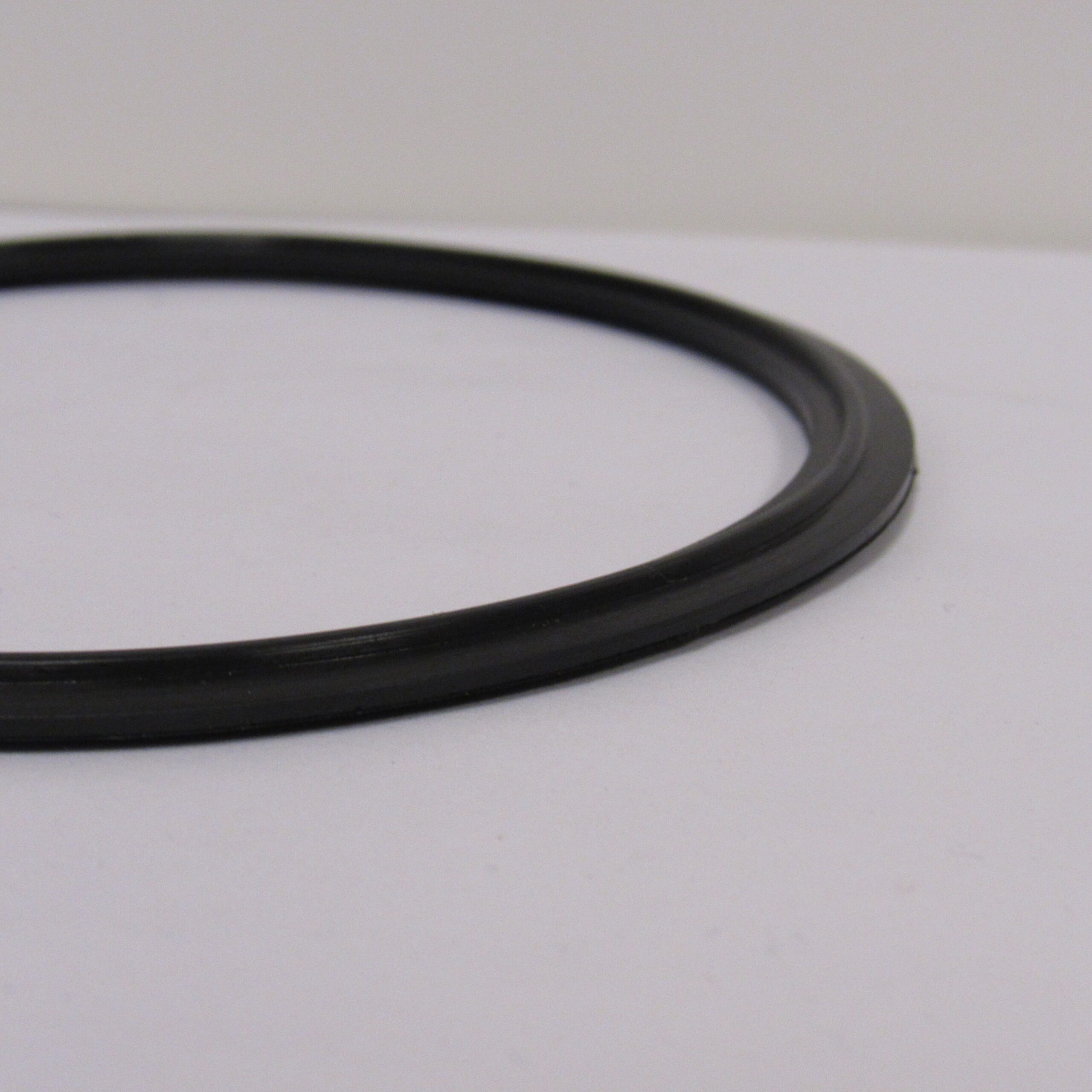
Engineering Insight: Material Selection Criticality in PTFE Filter Bag Performance
Off-the-shelf PTFE filter bags frequently fail in demanding industrial filtration due to inadequate material science alignment with operational parameters. Generic solutions prioritize cost reduction over polymer integrity, leading to catastrophic degradation in high-temperature, chemically aggressive, or mechanically stressed environments. PTFE’s theoretical inertness is often misrepresented; actual performance hinges on precise molecular weight distribution, filler composition, and sintering protocols. Standard commercial grades utilize recycled PTFE or suboptimal additives, compromising crystallinity and thermal stability. This results in premature bag failure through mechanisms such as fibrillation, pore structure collapse, or catastrophic thermal decomposition below 260°C.
Critical failure modes originate from three material-level deficiencies. First, insufficient thermal resistance in generic PTFE causes irreversible chain scission during transient temperature spikes common in cement kilns or metal smelting. Second, inadequate chemical resistance arises from impurities in reprocessed PTFE, leading to swelling or etching when exposed to halogenated acids or strong oxidizers. Third, poor mechanical resilience—evidenced by low elongation at break—induces seam rupture under cyclic pulsation cleaning. These flaws directly impact operational continuity, increasing changeout frequency by 300% and contaminating end products with particulate debris.
Suzhou Baoshida addresses these vulnerabilities through OEM-grade virgin PTFE compounding. Our formulations integrate perfluoroalkoxy (PFA) modifiers to enhance flexibility without sacrificing chemical inertness, alongside proprietary sintering cycles that optimize crystallinity for 260°C continuous service. Reinforced scrim integration using fiberglass-PTFE hybrids further mitigates mechanical fatigue. The table below quantifies performance differentials:
| Specification | OEM-Grade PTFE (Baoshida) | Generic Off-the-Shelf PTFE |
|---|---|---|
| Continuous Service Temp | 260°C | 200°C |
| Chemical Resistance Range | pH 1–14, all solvents | pH 2–12, limited solvents |
| Elongation at Break | ≥45% | ≤15% |
| Particle Release (post-aging) | <0.01 mg/m² | >0.5 mg/m² |
| Seam Strength Retention | >95% after 10k cycles | <60% after 5k cycles |
Material selection must transcend nominal PTFE compliance. Operational costs are dominated by lifecycle durability, not initial procurement price. A 15% premium for engineered PTFE yields 200% longer service life in 90% of high-stress applications we analyze. Suzhou Baoshida’s OEM process begins with client-specific gas composition and thermal profiling to formulate bags that resist the exact degradation pathways present in your facility. This precision engineering eliminates unplanned downtime and ensures product purity—proving that in critical filtration, material science is never a commodity.
Material Specifications
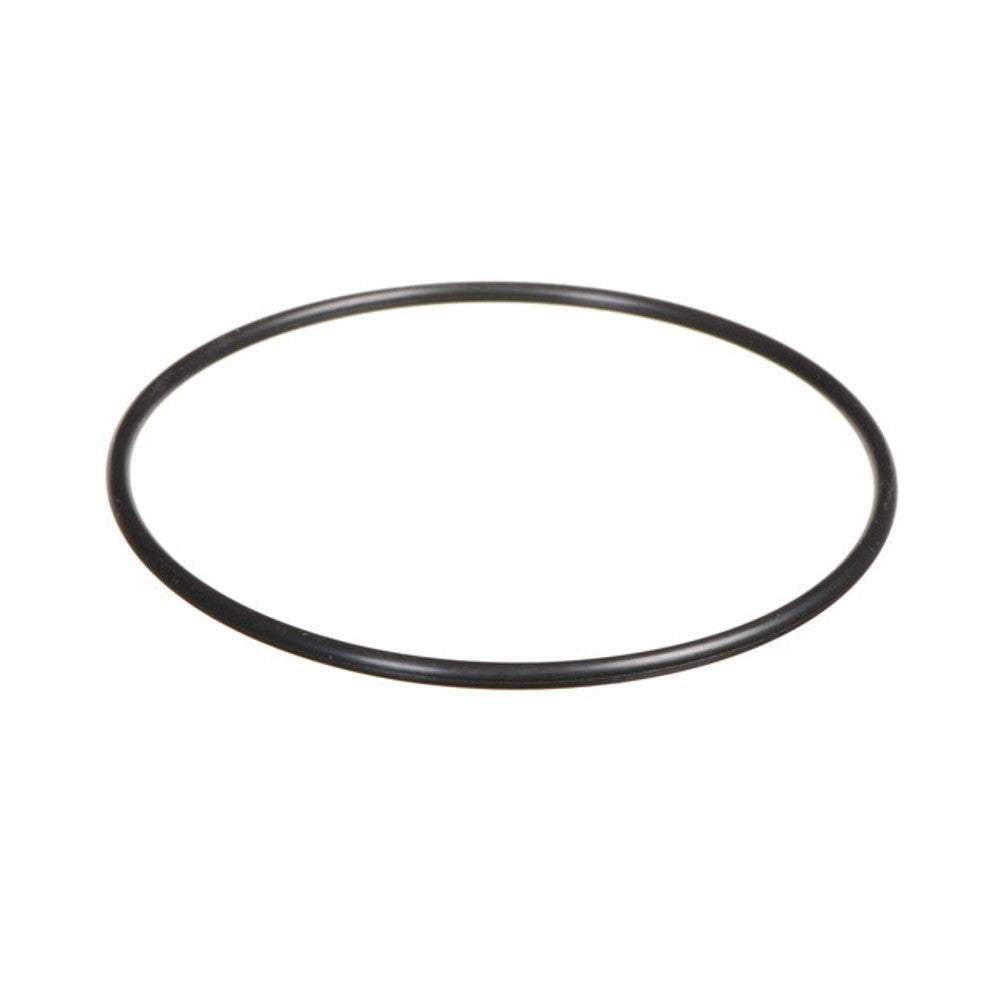
Material Specifications for Teflon Filter Bags in Industrial Applications
Teflon filter bags are engineered for high-performance filtration in aggressive chemical, thermal, and mechanical environments. At Suzhou Baoshida Trading Co., Ltd., we integrate fluoropolymer-based Teflon (PTFE) membranes with specialized elastomeric sealing components to ensure long-term reliability in critical industrial processes. The performance of these filter bags is significantly influenced by the choice of elastomer used in gaskets, seals, and support structures. Viton, Nitrile (NBR), and Silicone are the primary elastomers employed, each offering distinct advantages based on temperature resistance, chemical compatibility, and mechanical integrity.
Viton, a fluorocarbon-based elastomer, delivers superior resistance to a broad range of industrial chemicals, including aromatic hydrocarbons, chlorinated solvents, and strong acids. It maintains structural stability across a wide temperature range from -20°C to +230°C, making it ideal for high-temperature chemical processing and petrochemical filtration applications. Its low gas permeability and excellent aging resistance further enhance durability in continuous operation environments.
Nitrile rubber, or Buna-N, is a cost-effective solution for applications involving oils, greases, and aliphatic hydrocarbons. With a service temperature range of -30°C to +100°C (short-term up to +125°C), Nitrile provides good abrasion resistance and mechanical strength. While it exhibits limited resistance to polar solvents and ozone, it remains a preferred choice for hydraulic systems and oil filtration where chemical exposure is less aggressive.
Silicone rubber offers exceptional thermal stability, functioning reliably from -60°C to +200°C, with brief excursions up to +230°C. It demonstrates excellent resistance to oxidation and UV radiation, making it suitable for outdoor or sterilization-intensive applications such as pharmaceutical and food-grade filtration. However, its relatively low tensile strength and poor resistance to hydrocarbon fuels necessitate careful evaluation in chemical processing environments.
The integration of these elastomers with PTFE membranes allows for customizable sealing solutions that maintain filtration integrity under variable process conditions. Compatibility with cleaning agents, steam sterilization cycles, and pressure fluctuations must be evaluated during material selection to ensure operational longevity.
The following table provides a comparative overview of the key physical and chemical properties of Viton, Nitrile, and Silicone elastomers used in Teflon filter bag assemblies.
| Property | Viton (FKM) | Nitrile (NBR) | Silicone (VMQ) |
|---|---|---|---|
| Temperature Range (°C) | -20 to +230 | -30 to +100 (+125 short-term) | -60 to +200 (+230 short-term) |
| Chemical Resistance | Excellent against acids, oils, aromatics, and chlorinated solvents | Good for oils, greases, aliphatic hydrocarbons; poor for polar solvents | Moderate; excellent for water, oxygen, ozone; poor for hydrocarbons |
| Compression Set Resistance | Excellent | Good | Fair to Good |
| Tensile Strength (MPa) | 10–20 | 15–25 | 5–10 |
| Hardness (Shore A) | 60–90 | 50–90 | 30–80 |
| Applications | Petrochemical, aerospace, aggressive chemical environments | Oil handling, hydraulics, general industrial use | Food, pharmaceutical, medical, outdoor exposure |
Selection of the appropriate elastomer must be based on a comprehensive assessment of process media, temperature profiles, and mechanical stress conditions. Suzhou Baoshida Trading Co., Ltd. provides technical consultation to ensure optimal material pairing for Teflon filter bag performance in diverse industrial rubber solutions.
Manufacturing Capabilities
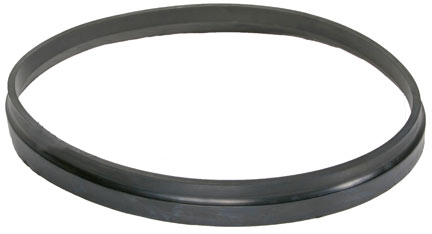
Engineering Capability: Precision Development for PTFE Filter Bags
Suzhou Baoshida Trading Co., Ltd. leverages deep material science expertise to engineer high-performance PTFE filter bags for demanding industrial filtration applications. Our dedicated team comprises five specialized mould engineers and two advanced formula engineers, ensuring end-to-end control from molecular design to final production. This integrated approach addresses critical challenges in PTFE composite fabrication, including thermal stability, chemical inertness, and mechanical resilience under extreme operating conditions. Our engineers optimize material formulations to enhance pore structure uniformity and surface energy characteristics, directly improving particle capture efficiency and reducing differential pressure spikes in continuous-use environments.
Formula engineers focus on tailoring PTFE composite matrices for specific client requirements, such as ultra-low extractables for semiconductor processing or abrasion-resistant variants for metallurgical off-gas filtration. By modifying sintering profiles and incorporating proprietary reinforcement techniques, we achieve tensile strengths exceeding standard PTFE membranes while maintaining pore integrity down to 0.1 µm. Mould engineering excellence ensures precise dimensional control for seamless integration into diverse filtration housings, with tolerances held to ±0.05 mm across complex geometries. This precision eliminates leakage points and extends service life in high-pulsation cleaning cycles.
Material performance is validated through rigorous in-house testing against industry benchmarks. Key specifications for our enhanced PTFE filter media are detailed below.
| Property | Standard PTFE Membrane | Baoshida Enhanced PTFE Composite | Test Method |
|---|---|---|---|
| Pore Size (Mean) | 0.2 µm | 0.1 µm | ASTM F316 |
| Burst Strength | 3.5 bar | 5.2 bar | ISO 139 |
| Continuous Use Temp | 260°C | 280°C | ASTM D638 |
| Acid/Alkali Resistance | Excellent | Exceptional (pH 0-14) | NIOSH 0500 |
| Particulate Retention | 99.97% @ 0.3 µm | 99.99% @ 0.1 µm | ISO 29463-3 |
Our OEM capabilities transform client specifications into certified production-ready solutions. We manage full-scale manufacturing under ISO 9001 protocols, with dedicated engineering resources assigned per project for rapid prototyping and validation. Clients receive complete material traceability documentation, including lot-specific sintering curve analysis and third-party chemical compatibility reports. The engineering team collaborates directly with OEM partners during feasibility stages to resolve interface challenges—such as optimizing pleat geometry for maximum surface area within constrained vessel dimensions—and implements Design for Manufacturing (DFM) refinements to reduce assembly costs by up to 22%.
Suzhou Baoshida’s engineering infrastructure supports low-volume specialty production and high-volume OEM contracts with equal rigor. All PTFE filter bags undergo 100% integrity testing via bubble point validation before shipment, ensuring compliance with EN 1822 or client-specific filtration standards. This commitment to scientific precision positions us as a strategic partner for industries where filtration failure carries catastrophic operational risks.
Customization Process
Customization Process for Teflon Filter Bags at Suzhou Baoshida Trading Co., Ltd.
At Suzhou Baoshida Trading Co., Ltd., we specialize in delivering high-performance industrial rubber solutions tailored to the exacting demands of modern filtration systems. Our customization process for Teflon (PTFE) filter bags is engineered to ensure optimal chemical resistance, thermal stability, and mechanical durability across diverse industrial environments. The process is structured into four critical stages: Drawing Analysis, Formulation, Prototyping, and Mass Production.
The first stage, Drawing Analysis, involves a comprehensive technical review of customer-provided specifications, including dimensional requirements, sealing configurations, and installation constraints. Our engineering team evaluates 2D/3D CAD models to verify compatibility with existing filtration housings and operational parameters. This phase ensures dimensional accuracy and identifies potential design challenges early, minimizing rework and accelerating time-to-market.
Following drawing validation, we proceed to Formulation. Leveraging our expertise in polymer chemistry, we select the appropriate PTFE grade and reinforcing materials—typically fiberglass or PTFE-coated fabrics—based on the intended operating environment. Key factors such as continuous operating temperature, exposure to aggressive chemicals (e.g., strong acids or alkalis), and required filtration efficiency guide our material selection. Our in-house compounding lab fine-tunes structural additives to enhance abrasion resistance and elongation performance without compromising the inherent non-stick and low-friction properties of PTFE.
The third stage, Prototyping, allows for physical validation of design and material choices. Using precision cutting and high-frequency welding techniques, we produce a small batch of filter bags for customer evaluation. These prototypes undergo rigorous testing, including burst strength analysis, thermal cycling, and particulate retention efficiency assessment according to ISO 29463 standards. Feedback from this phase is integrated into final design adjustments, ensuring full compliance with application-specific performance criteria.
Upon customer approval, we transition to Mass Production. Our automated manufacturing lines, supported by real-time quality monitoring systems, ensure consistency across large volumes. Each filter bag is inspected for seam integrity, dimensional conformity, and surface defects before packaging. Our production capacity supports scalable output, from pilot batches to full-scale industrial supply, with traceability maintained through batch coding and material certification.
Throughout this process, Suzhou Baoshida maintains strict adherence to ISO 9001 quality management standards, ensuring that every Teflon filter bag meets the highest benchmarks for reliability and performance.
Typical Technical Specifications of Custom PTFE Filter Bags
| Parameter | Standard Value |
|---|---|
| Material | PTFE-coated fiberglass fabric |
| Operating Temperature | -260°C to +260°C |
| Filtration Efficiency | >99.9% (for 0.3 µm particles) |
| Chemical Resistance | Excellent (all common acids, bases) |
| Burst Strength | ≥300 kPa |
| Air-to-Cloth Ratio (Recommended) | 1:5 to 1:8 m³/min/m² |
| Standard Sizes | Custom (based on client drawings) |
Contact Engineering Team
Contact Suzhou Baoshida for Precision Teflon Filter Bag Solutions
In high-purity industrial processes demanding absolute contaminant exclusion, standard filtration media often fail under extreme thermal, chemical, or mechanical stress. Teflon (PTFE) filter bags represent the pinnacle of engineered separation technology, leveraging the inert molecular structure of polytetrafluoroethylene to deliver unmatched performance in semiconductor manufacturing, pharmaceutical processing, and aggressive chemical handling. Suzhou Baoshida Trading Co., Ltd. specializes in the formulation and OEM production of custom PTFE filtration solutions, where material science intersects with rigorous application requirements. Our rubber formula engineering team optimizes fibrillated PTFE membranes, substrate integration, and sealing methodologies to ensure zero particulate shedding, sustained airflow efficiency, and compliance with ISO Class 1 cleanroom standards. Generic off-the-shelf filters cannot replicate the precision tolerances required for your critical fluid pathways; only a partner with deep polymer chemistry expertise and industrial validation protocols can guarantee operational integrity.
The following table details core specifications defining Suzhou Baoshida’s Teflon filter bag performance envelope. These parameters are non-negotiable for applications involving ultrapure gases, corrosive solvents, or high-temperature particulate capture.
| Parameter | Specification | Application Relevance |
|---|---|---|
| PTFE Content | ≥ 99.95% pure virgin resin | Eliminates ionic contamination in wafer fabrication |
| Continuous Use Temp | -200°C to +260°C | Stable in cryogenic to pyrolysis environments |
| Chemical Resistance | Inert to all acids, bases, solvents | Safe for HF, aqua regia, and organic synthesis |
| Pore Size Distribution | 0.1–10.0 µm (customizable) | Absolute particle retention at target micron level |
| Hydrophobic Surface Energy | >110° contact angle | Prevents moisture absorption in gas filtration |
| Permeation Resistance | <0.001 mg/m²/day (He) | Critical for helium leak testing integrity |
Suzhou Baoshida’s engineering advantage lies in our closed-loop development process. We begin with your fluid dynamics data and contamination thresholds, then formulate membrane porosity, tensile strength, and thermal expansion coefficients to match your system’s pressure differentials and duty cycles. Unlike commodity suppliers, we conduct ASTM F316 bubble point testing on every production batch and provide full traceability from resin lot to finished bag assembly. Our OEM partnerships include co-engineering support for non-standard flange configurations, antimicrobial surface treatments, and real-time pressure decay monitoring integration. This level of customization ensures your filtration system operates at peak efficiency without unplanned downtime or product recalls.
Initiate your technical consultation with Mr. Boyce, our dedicated OEM Account Manager, to secure filtration performance calibrated to your exact operational parameters. Forward your process fluid composition, temperature-pressure profiles, and target efficiency metrics to [email protected]. Mr. Boyce will coordinate a cross-functional review with our rubber formulation chemists and mechanical design team within 24 business hours, delivering a material compatibility report and dimensional drawing for validation. Do not compromise critical process purity with off-specification filtration media. Suzhou Baoshida’s ISO 9001-certified manufacturing facility in Jiangsu Province adheres to ASME BPE standards for bioprocessing equipment, ensuring your Teflon filter bags meet the most stringent global regulatory frameworks. Contact Mr. Boyce today to receive engineered filtration solutions backed by 15 years of industrial polymer specialization—not generic components. Your system’s reliability depends on the integrity of every micron-scale barrier; trust Suzhou Baoshida to define that standard.
⚖️ O-Ring Weight Calculator
Estimate rubber O-ring weight (Approx).