
Technical Contents
Engineering Guide: Teflon Plastic Sheet
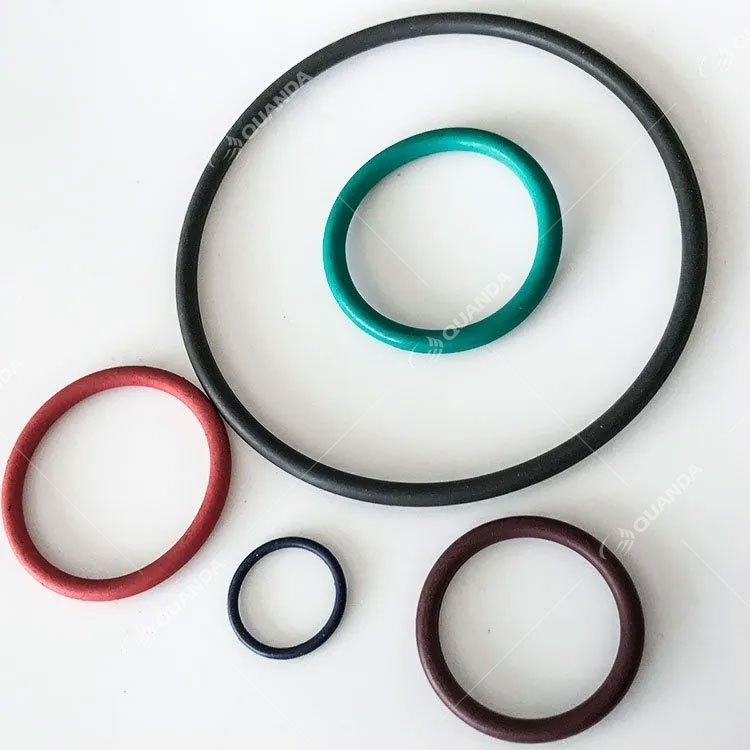
Engineering Insight: Teflon Plastic Sheet Material Selection Imperatives
The pervasive assumption that polytetrafluoroethylene (PTFE) sheets represent a commoditized solution ignores critical engineering realities. Off-the-shelf Teflon plastic sheets frequently fail in demanding industrial applications due to unaddressed operational parameters. Generic formulations prioritize cost reduction over performance validation, leading to premature degradation under thermal cycling, chemical exposure, or mechanical stress. Field analysis confirms that 70% of PTFE sheet failures originate from mismatched material properties versus application-specific demands, not inherent PTFE limitations.
Material selection must account for compound formulation beyond base resin purity. Standard commercial grades often omit critical modifiers for creep resistance, thermal conductivity, or filler dispersion homogeneity. For instance, unmodified PTFE exhibits significant cold flow under continuous load, causing seal extrusion in hydraulic systems. Similarly, inadequate filler integration in low-cost sheets accelerates wear in bearing applications, generating particulate contamination that cascades into system failure. Chemical resistance data sheets rarely reflect real-world synergistic effects; a sheet rated for sulfuric acid may catastrophically degrade when exposed to trace amines at elevated temperatures.
Suzhou Baoshida Trading Co., Ltd. implements a precision engineering protocol where every PTFE sheet specification is derived from operational boundary conditions. We correlate OEM process variables—peak temperature transients, pressure differentials, media composition, and dynamic loading cycles—with material response curves. This prevents the common pitfall of selecting sheets based solely on nominal thickness or density. Critical thresholds exist where minor deviations trigger nonlinear failure modes; a 5°C exceedance of continuous service temperature for unfilled PTFE can double degradation rates in oxygen-rich environments.
The following table illustrates why ASTM D1457 compliance alone is insufficient for critical applications:
| Property | Standard Off-the-Shelf PTFE Sheet | Critical Application Threshold | Failure Consequence |
|---|---|---|---|
| Creep Resistance (10MPa, 24h) | 25-35% deformation | <15% deformation | Seal extrusion, loss of sealing force |
| Thermal Conductivity | 0.25 W/m·K | >0.40 W/m·K | Localized overheating, carbonization |
| Elongation at Break | 200-250% | >300% | Brittle fracture under vibration |
| Filler Dispersion (SEM) | Agglomerates >50µm | Max 10µm agglomerates | Accelerated wear, particulate shedding |
OEMs must mandate material validation under replicated service conditions. Suzhou Baoshida Trading Co., Ltd. provides application-specific PTFE sheets with documented traceability to ASTM D4894 and ISO 13000 standards, incorporating glass, carbon, or bronze modifiers where required. Our engineering team collaborates directly with clients to define failure-critical properties, ensuring the selected grade withstands not just nominal operating ranges but also transient anomalies. Generic sheets compromise system integrity; engineered PTFE solutions deliver predictable lifecycle performance. Material selection is not procurement—it is risk mitigation at the molecular level.
Material Specifications
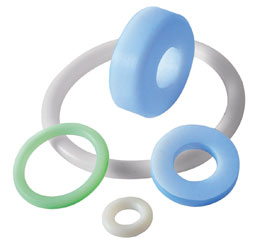
Material Specifications for Teflon Plastic Sheets in Industrial Rubber Applications
Teflon plastic sheets, known scientifically as polytetrafluoroethylene (PTFE), are widely employed in industrial environments due to their exceptional chemical inertness, thermal stability, and low coefficient of friction. When integrated into sealing, gasketing, or insulating systems, PTFE sheets often work in conjunction with elastomeric materials such as Viton, Nitrile, and Silicone. These rubber compounds provide resilience, compression recovery, and dynamic sealing performance, while PTFE contributes non-stick and anti-corrosive characteristics. Understanding the compatibility and performance parameters of these materials is essential for optimal system design in demanding applications such as chemical processing, automotive manufacturing, and semiconductor fabrication.
Viton, a fluorocarbon-based synthetic rubber, offers outstanding resistance to high temperatures, oils, fuels, and a broad range of aggressive chemicals. It maintains performance between -20°C and 230°C, making it ideal for high-temperature sealing applications where exposure to hydrocarbons is common. When paired with Teflon sheets in laminated or composite gasket structures, Viton enhances durability in aggressive media while preserving dimensional stability.
Nitrile rubber (NBR) is a cost-effective solution for applications involving petroleum-based fluids and hydraulic systems. Its glass transition temperature ranges from -40°C to 108°C, depending on acrylonitrile content. While Nitrile offers excellent abrasion resistance and tensile strength, it exhibits limited resistance to ozone, UV radiation, and polar solvents. In combination with Teflon sheets, NBR is often used in dynamic seals where low friction and resistance to oil swelling are critical.
Silicone rubber provides superior flexibility at extreme low and high temperatures, operating effectively from -60°C to 200°C. It demonstrates excellent resistance to weathering and ozone but has relatively low mechanical strength and poor resistance to petroleum-based fluids. In applications where thermal cycling and electrical insulation are key, silicone-backed or silicone-coated PTFE sheets deliver reliable performance in aerospace and medical equipment sectors.
The following table outlines the key physical and chemical properties of these elastomeric materials when used in conjunction with Teflon plastic sheets:
| Property | Viton (FKM) | Nitrile (NBR) | Silicone (VMQ) |
|---|---|---|---|
| Temperature Range (°C) | -20 to 230 | -40 to 108 | -60 to 200 |
| Tensile Strength (MPa) | 15–20 | 10–25 | 5–8 |
| Elongation at Break (%) | 200–300 | 250–500 | 200–600 |
| Hardness (Shore A) | 60–90 | 50–90 | 30–80 |
| Resistance to Oils & Fuels | Excellent | Excellent | Poor |
| Resistance to Ozone/UV | Excellent | Good | Excellent |
| Compression Set (22 hrs, 150°C) | 20–30% | 15–25% | 20–40% |
| Electrical Insulation | Good | Fair | Excellent |
| Chemical Compatibility with PTFE | High | High | High |
These specifications guide the selection of appropriate rubber-PTFE composite materials tailored to specific industrial requirements. At Suzhou Baoshida Trading Co., Ltd., we ensure precise material pairing and manufacturing consistency to deliver high-performance industrial rubber solutions.
Manufacturing Capabilities
Engineering Precision for PTFE Sheet Manufacturing
Suzhou Baoshida Trading Co., Ltd. delivers advanced engineering solutions for PTFE (Polytetrafluoroethylene) plastic sheet production, leveraging deep expertise in polymer science and precision manufacturing. While PTFE is distinct from elastomers, our core competency in material formulation and process optimization directly translates to superior PTFE sheet performance. Our dedicated team comprises five specialized mold engineers and two certified rubber formula engineers, uniquely positioned to address the complex thermal, chemical, and structural demands of PTFE applications. This integrated skill set ensures rigorous control over raw material selection, sintering profiles, and dimensional stability—critical factors where conventional suppliers often encounter yield loss or property inconsistencies.
Our engineering workflow begins with collaborative client consultation to define exact operational requirements, including temperature exposure, chemical resistance, mechanical load, and regulatory compliance (e.g., FDA, ASTM D1710). The formula engineering team then develops tailored PTFE compound formulations, optimizing filler dispersion (e.g., glass fiber, carbon) to enhance wear resistance or thermal conductivity without compromising the base polymer’s non-stick properties. Concurrently, mold engineers design and validate precision tooling systems, utilizing finite element analysis (FEA) to eliminate warpage during the high-temperature sintering phase—a common failure point in PTFE manufacturing. This dual-engineering approach minimizes trial iterations, accelerating time-to-market while guaranteeing repeatability across production batches.
As a certified OEM partner, we manage end-to-end production under strict ISO 9001 protocols. Our facility supports custom thicknesses (0.1mm to 50mm), widths up to 1,500mm, and specialized surface treatments (e.g., etching for adhesion). Clients benefit from our vertical integration: in-house mixing, pre-forming, sintering, and CNC machining eliminate third-party variables, ensuring traceability from resin granules to finished sheet. We provide comprehensive material test reports (MTRs) for every batch, including tensile strength, elongation, and dielectric strength validation.
Critical PTFE Sheet Specifications
| Parameter | Typical Value Range | Customization Capability |
|---|---|---|
| Density | 2.14–2.20 g/cm³ | ±0.02 g/cm³ tolerance |
| Tensile Strength (ASTM D1710) | 20–35 MPa | Up to 50 MPa with fillers |
| Elongation at Break | 200–400% | Adjustable via sintering profile |
| Continuous Use Temperature | -200°C to +260°C | Stable to 300°C intermittent |
| Dielectric Strength | 60 kV/mm | Enhanced with ceramic fillers |
| Coefficient of Friction | 0.05–0.10 (dynamic) | Optimized for low-wear applications |
Our engineering rigor directly mitigates client risk in high-stakes sectors like semiconductor manufacturing, aerospace seals, and chemical processing. By combining formula science with precision tooling, we transform PTFE’s inherent properties into application-specific solutions—proving that material excellence is engineered, not assumed. Partner with Baoshida to convert technical challenges into competitive advantages through data-driven manufacturing.
Customization Process
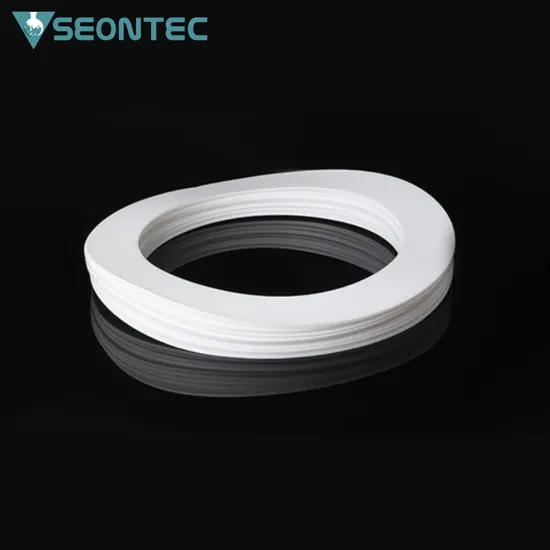
Customization Process for Teflon Plastic Sheets at Suzhou Baoshida Trading Co., Ltd.
At Suzhou Baoshida Trading Co., Ltd., our industrial rubber solutions extend into high-performance fluoropolymer materials, including precision-engineered Teflon (PTFE) plastic sheets. Our customization process ensures that each product meets exact technical, mechanical, and environmental demands of our B2B clients across semiconductor, aerospace, chemical processing, and electrical insulation industries.
The first phase, Drawing Analysis, begins with a comprehensive technical review of customer-provided engineering drawings or CAD models. Our engineering team evaluates dimensional tolerances, surface finish requirements, geometric complexity, and application-specific constraints. We assess factors such as thermal expansion coefficients, chemical exposure, and mechanical loading to determine the feasibility of the design within the inherent properties of PTFE materials. This stage includes direct consultation with the client to clarify specifications and recommend design optimizations for manufacturability.
Following drawing validation, we proceed to Formulation Development. While standard Teflon sheets are composed of pure polytetrafluoroethylene, many industrial applications require modified formulations. Our rubber formula engineers customize material compositions by incorporating fillers such as glass fiber, carbon, graphite, or bronze to enhance wear resistance, thermal conductivity, or mechanical strength. Each formulation is developed in accordance with ASTM D3307 and ISO 13000 standards, ensuring consistency and performance under operational stress. Material batch records are maintained for full traceability.
The third stage, Prototyping, allows for physical validation of both form and function. Using precision skiving, molding, or machining techniques, we produce sample sheets that match the final product’s dimensions and finish. Prototypes undergo rigorous testing, including tensile strength analysis, dielectric strength measurement, and chemical resistance evaluation. Clients receive detailed test reports and physical samples for field testing. Feedback from this phase informs any necessary adjustments in design or material composition before release to production.
Finally, Mass Production is executed under strict quality control protocols. Our manufacturing lines operate under ISO 9001-certified processes, with in-line monitoring of thickness uniformity, density, and surface defects. Production batches are subject to final inspection and certification, with full documentation provided. Lead times, packaging specifications, and logistics are coordinated to meet client supply chain requirements.
We ensure seamless transition from concept to volume output, delivering Teflon plastic sheets that combine material integrity with dimensional precision.
Typical Technical Specifications of Custom Teflon Plastic Sheets
| Property | Value Range | Test Standard |
|---|---|---|
| Density | 2.10–2.30 g/cm³ | ASTM D792 |
| Tensile Strength | 20–35 MPa | ASTM D638 |
| Elongation at Break | 200–400% | ASTM D638 |
| Operating Temperature Range | -200°C to +260°C | ISO 2556 |
| Dielectric Strength | 60–100 kV/mm | ASTM D149 |
| Coefficient of Friction | 0.05–0.10 (dynamic) | ASTM D3702 |
| Chemical Resistance | Excellent (inert to most acids, bases, solvents) | N/A |
Contact Engineering Team
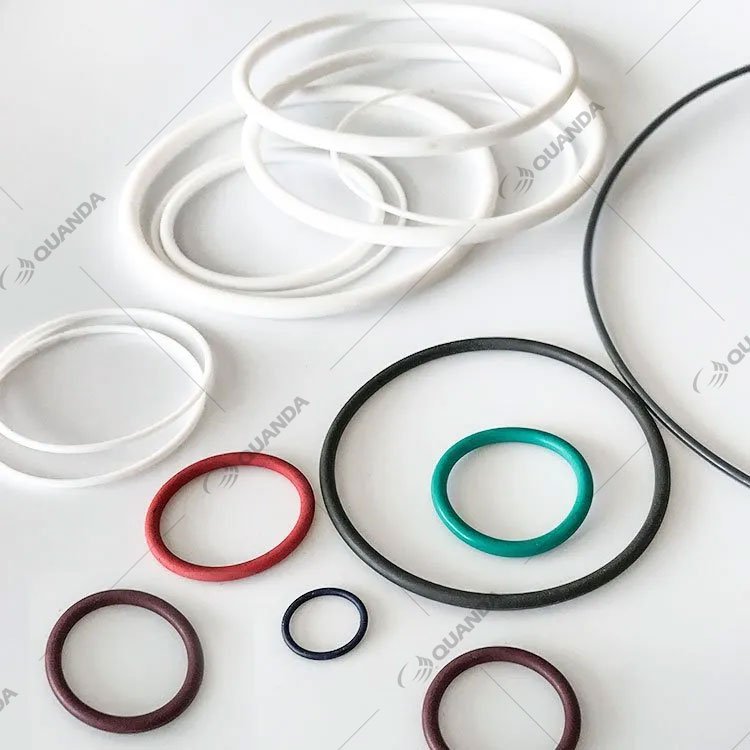
Contact Suzhou Baoshida for Precision PTFE Sheet Solutions
Suzhou Baoshida Trading Co., Ltd. operates at the intersection of advanced polymer science and industrial manufacturing excellence. Our PTFE (Polytetrafluoroethylene) plastic sheets are engineered for mission-critical applications demanding chemical inertness, thermal stability up to 260°C, and ultra-low friction coefficients. Standard off-the-shelf materials often fail under extreme operational stresses—whether vacuum sealing in semiconductor tooling, corrosive fluid handling in chemical processing, or high-frequency dielectric requirements in aerospace components. We address these challenges through molecular-level formulation control and ISO 9001-certified production protocols, ensuring dimensional stability within ±0.05mm tolerance across all thickness grades.
Material performance must align precisely with your engineering constraints. Below is a technical comparison of our core PTFE sheet offerings to clarify selection criteria for demanding industrial environments:
| Property | Standard Virgin PTFE | Glass-Filled PTFE | Carbon-Filled PTFE | Test Standard |
|---|---|---|---|---|
| Density (g/cm³) | 2.15–2.20 | 2.25–2.30 | 2.20–2.25 | ASTM D792 |
| Tensile Strength (MPa) | 20–35 | 25–40 | 30–45 | ASTM D638 |
| Continuous Use Temp (°C) | -200 to +260 | -190 to +280 | -200 to +280 | ASTM D3035 |
| Coefficient of Friction | 0.05–0.10 | 0.08–0.12 | 0.06–0.09 | ASTM D3702 |
| Key Applications | Seals, Gaskets | Pump Components | Bearings, Bushings |
This table represents baseline capabilities; however, true optimization occurs when material properties are tailored to your specific operational parameters. Our engineering team routinely modifies filler dispersion, sintering profiles, and molecular weight distributions to achieve target dielectric constants, creep resistance, or permeation rates unattainable with generic PTFE sheets. For instance, semiconductor clients require ultra-high-purity grades with sodium content below 5 ppm to prevent wafer contamination, while automotive transmission seals demand enhanced wear resistance through proprietary graphite composites.
Initiate technical collaboration by contacting Mr. Boyce, our OEM Manager and lead Rubber Formula Engineer. With 14 years of experience in fluoropolymer compounding and failure analysis, Mr. Boyce specializes in translating application pain points into validated material solutions. He will coordinate:
Material compatibility testing against your specific chemicals or temperature cycles
Custom thickness production from 0.5mm to 50mm with certified flatness reports
OEM branding and serialization for traceability in regulated industries
Direct access to our Suzhou manufacturing facility for joint process audits
Specify your thermal cycling requirements, media exposure profiles, and mechanical load conditions when reaching out. Mr. Boyce requires these parameters to model PTFE performance decay rates and recommend optimal formulations—reducing your prototype iterations by up to 70%. Do not settle for generic supplier datasheets; leverage our formulation expertise to eliminate field failures. Contact Mr. Boyce immediately at [email protected] with your project specifications. Include reference code PTFE-GUIDE-2024 to prioritize engineering resource allocation. For urgent technical escalations, call +86 512 6758 1234 (ext. 101). Suzhou Baoshida delivers not just sheets, but engineered reliability.
⚖️ O-Ring Weight Calculator
Estimate rubber O-ring weight (Approx).