
Technical Contents
Engineering Guide: Teflon Tubes
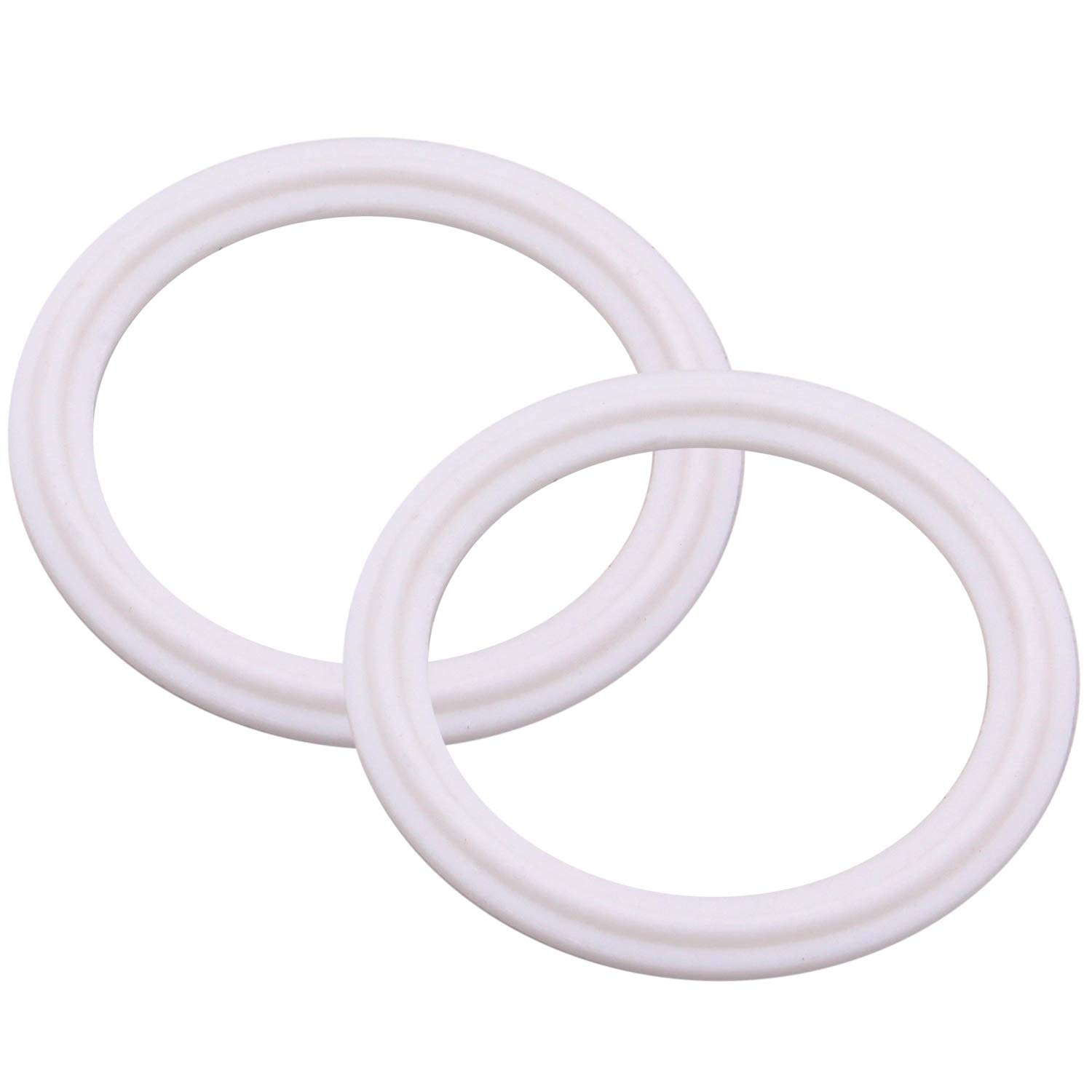
Engineering Insight: The Critical Role of Material Selection in Teflon Tube Performance
In industrial fluid handling systems, Teflon tubes are often selected for their exceptional chemical resistance, thermal stability, and low friction properties. However, despite their reputation for durability, premature failure remains a common issue—particularly when off-the-shelf solutions are implemented without rigorous material evaluation. At Suzhou Baoshida Trading Co., Ltd., we emphasize that performance is not guaranteed by material class alone; it is determined by precise alignment between tube specifications and operational demands.
Teflon, or polytetrafluoroethylene (PTFE), is inherently inert and capable of withstanding extreme temperatures and aggressive media. Yet, not all PTFE formulations are identical. Variations in molecular weight, resin purity, and processing methods significantly influence mechanical strength, permeation rates, and long-term creep resistance. Standard-grade tubes may suffice in benign environments, but in high-pressure, high-purity, or cyclic thermal applications, these generic solutions often degrade rapidly due to micro-cracking, extrusion under pressure, or chemical infiltration at weld seams.
Moreover, the distinction between virgin PTFE, filled PTFE (e.g., with glass, carbon, or bronze), and co-polymer variants such as FEP or PFA is not merely academic—it is operational. Virgin PTFE offers maximum chemical compatibility but limited structural resilience. In contrast, filled compounds enhance wear resistance and dimensional stability, making them suitable for dynamic sealing or mechanical loading, though potentially at the cost of reduced flexibility or biocompatibility.
The failure of off-the-shelf tubes frequently stems from overlooking application-specific variables such as pulsating pressure, vacuum conditions, or exposure to halogenated solvents at elevated temperatures. For example, a standard PTFE tube may appear compatible with a solvent at room temperature, yet exhibit swelling or embrittlement when operated continuously at 180°C. Similarly, permeation rates—often neglected in catalog specifications—can compromise system integrity in ultra-high-purity or gas delivery applications.
Custom-engineered Teflon tubes address these challenges through tailored resin selection, controlled sintering profiles, and reinforcement strategies such as braided stainless steel or thermoplastic liners. At Baoshida, we integrate OEM requirements directly into the material design phase, ensuring compatibility with pressure cycles, regulatory standards (e.g., FDA, USP Class VI), and service life expectations.
The following table outlines key performance parameters across common Teflon tube types:
| Property | Virgin PTFE | Glass-Filled PTFE | PFA | FEP |
|---|---|---|---|---|
| Continuous Use Temperature | 260°C | 280°C | 260°C | 205°C |
| Tensile Strength (MPa) | 20–35 | 15–25 | 23–30 | 20–25 |
| Elongation at Break (%) | 300–400 | 100–200 | 300–350 | 200–300 |
| Chemical Resistance | Excellent | Very Good | Excellent | Excellent |
| Permeation Resistance | Moderate | Improved | High | Moderate |
| Flexibility | High | Reduced | High | High |
Ultimately, material selection is not a one-size-fits-all decision. Success lies in understanding the interplay between chemistry, mechanics, and environment—a principle central to our engineering approach at Suzhou Baoshida Trading Co., Ltd.
Material Specifications
Material Specifications for PTFE-Lined Rubber Composite Tubes
Suzhou Baoshida Trading Co., Ltd. specifies PTFE-lined composite tubes for critical fluid transfer applications where chemical inertness and thermal stability are non-negotiable. It is essential to clarify that “Teflon tubes” in industrial contexts typically denote rubber hoses with a seamless PTFE (polytetrafluoroethylene) inner liner, not solid extruded PTFE. The outer rubber layer provides mechanical resilience, flexibility, and pressure containment, while the PTFE liner ensures absolute chemical compatibility. Material selection for the rubber component—Viton, Nitrile (NBR), or Silicone—directly impacts operational safety and service life. Below is a technical comparison of these elastomers when integrated into PTFE-lined tube assemblies per ASTM D2000 and ISO 3601 standards.
Material Performance Characteristics
| Material | Temperature Range (°C) | Key Chemical Resistance | Pressure Rating (Bar) | Primary Industrial Applications |
|---|---|---|---|---|
| Viton (FKM) | -20 to +200 | Exceptional against oils, fuels, acids, halogens, and aromatic hydrocarbons | 300-450 | Aerospace fuel systems, chemical processing reactors, semiconductor manufacturing |
| Nitrile (NBR) | -30 to +120 | High resistance to aliphatic hydrocarbons, lubricants, and water-based fluids | 250-400 | Hydraulic systems, automotive transmission lines, general industrial oil transfer |
| Silicone (VMQ) | -60 to +180 | Limited oil/fuel resistance; excellent for water, steam, oxygen, and mild chemicals | 150-250 | Biopharmaceutical tubing, food-grade transfer, medical device fluid paths, high-purity steam |
Viton-based composites deliver the highest performance in aggressive chemical environments. Its fluoropolymer structure maintains integrity when exposed to jet fuels, concentrated acids, and chlorinated solvents, making it indispensable for OEMs in petrochemical and defense sectors. The upper continuous service temperature of 200°C accommodates high-heat processes without degradation. However, Viton exhibits higher material costs and reduced flexibility at sub-zero temperatures compared to alternatives.
Nitrile remains the cost-optimized solution for hydrocarbon-rich applications below 120°C. Its acrylonitrile content directly correlates with oil resistance—higher grades (e.g., 40% ACN) withstand biodiesel and synthetic esters. NBR’s tensile strength and abrasion resistance ensure durability in mobile hydraulic equipment, though ozone exposure requires protective additives. Crucially, NBR fails catastrophically when exposed to ketones or chlorinated solvents; PTFE lining mitigates this risk for the fluid path but not the outer cover.
Silicone prioritizes biocompatibility and extreme low-temperature flexibility. Its oxygen-permeable structure suits sterile transfer in pharmaceuticals but prohibits use with non-polar solvents. Silicone’s low durometer enables kink resistance in tight-radius installations, though pressure ratings are inherently lower due to reduced tensile strength. All silicone formulations must pass USP Class VI or FDA 21 CFR 177.2600 validation for regulated industries.
OEMs must validate material selection against three criteria: fluid chemistry, temperature excursions, and mechanical stress. Viton is mandatory for aromatic solvents above 100°C, NBR for cost-sensitive oil hydraulics under 120°C, and Silicone exclusively for aqueous/steam systems requiring ultra-pure compliance. Suzhou Baoshida rigorously tests all composite tubes to ISO 1307 dimensional standards and SAE J514 pressure cycling protocols, ensuring zero permeation through the PTFE barrier. Consult our engineering team for application-specific validation data sheets.
Manufacturing Capabilities
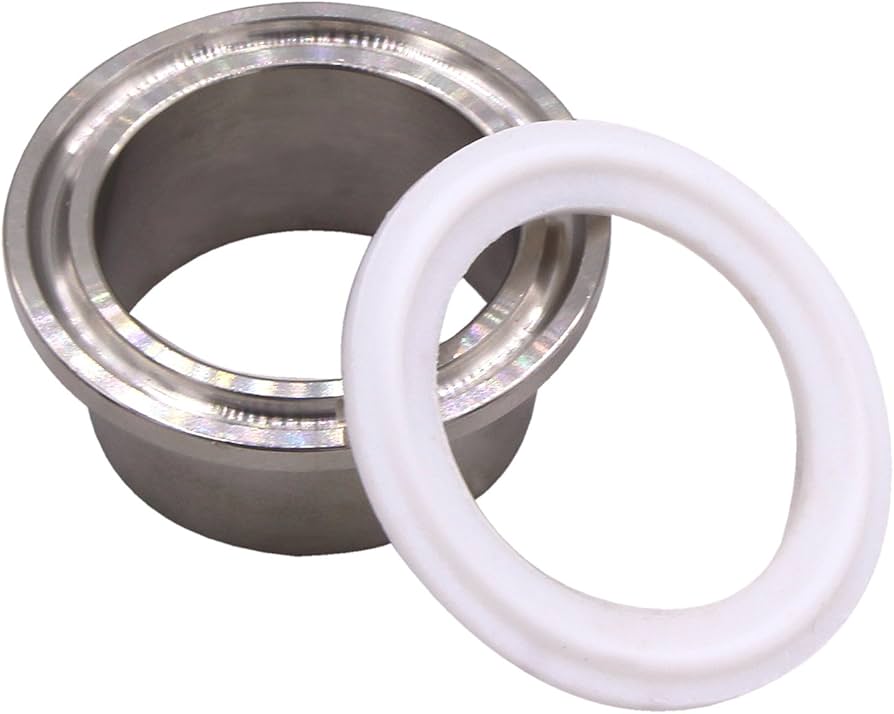
Engineering Capability: Precision-Driven Development for Teflon Tubes
At Suzhou Baoshida Trading Co., Ltd., our engineering capability forms the backbone of our industrial rubber solutions, particularly in the specialized domain of Teflon (PTFE) tube manufacturing. With a dedicated team of five mould engineers and two rubber formula engineers, we maintain full in-house control over the design, material development, and production processes. This integrated approach ensures that every Teflon tube we produce meets exacting performance standards for chemical resistance, thermal stability, and mechanical durability across demanding industrial environments.
Our mould engineers specialize in high-precision tooling design, leveraging advanced CAD/CAM systems and finite element analysis (FEA) to optimize flow dynamics, wall thickness uniformity, and dimensional accuracy. This expertise is critical in producing Teflon tubes with consistent inner diameter (ID) and outer diameter (OD) tolerances, especially for applications in semiconductor processing, pharmaceutical transfer systems, and high-purity fluid handling. Each mould is engineered for longevity and repeatability, supporting both small-batch prototyping and high-volume OEM production.
Complementing our tooling expertise, our two rubber formula engineers focus on material science innovation, particularly in enhancing the performance of elastomeric components used in conjunction with PTFE liners or in hybrid sealing systems. They develop custom rubber compounds—such as FKM, EPDM, and silicone—that are chemically compatible with Teflon and engineered to withstand extreme temperatures (-60°C to +260°C) and aggressive media including acids, solvents, and steam. These formulations are rigorously tested for compression set, tensile strength, and extrusion resistance to ensure long-term sealing integrity in dynamic applications.
Our OEM capabilities are built on a foundation of collaborative engineering. We work directly with clients to translate technical specifications into manufacturable designs, offering full design for manufacturing (DFM) feedback, rapid prototyping, and iterative testing. From initial concept to final validation, our team supports customers through every phase, ensuring regulatory compliance (e.g., FDA, USP Class VI, REACH) and performance reliability under real-world conditions.
The following table outlines key technical specifications achievable in our Teflon tube production:
| Parameter | Standard Range | Precision Tolerance | Application Example |
|---|---|---|---|
| Inner Diameter (ID) | 1.0 mm – 50.0 mm | ±0.05 mm | Laboratory fluid transfer |
| Outer Diameter (OD) | 2.0 mm – 60.0 mm | ±0.10 mm | Hydraulic line insulation |
| Wall Thickness | 0.5 mm – 10.0 mm | ±0.08 mm | High-pressure chemical delivery |
| Length | 1 m – 100 m (continuous spool) | ±10 mm | Industrial process lines |
| Operating Temperature | -200°C to +260°C | Stable performance | Cryogenic to high-heat environments |
| Flexibility (Bend Radius) | 2x OD minimum | Custom reinforcement | Tight-space routing in machinery |
| Material Compliance | ASTM D4894, ISO 13000, FDA 21 CFR 177.1550 | Available on request | Food, medical, semiconductor use |
By combining deep materials expertise with precision engineering, Suzhou Baoshida delivers Teflon tube solutions that exceed industrial performance expectations. Our OEM framework is designed for scalability, quality consistency, and technical partnership—ensuring clients receive not just components, but engineered system solutions.
Customization Process
Customization Process for Precision PTFE Tubing Solutions
At Suzhou Baoshida Trading Co., Ltd., our PTFE tubing customization follows a rigorously controlled engineering pathway to ensure absolute compliance with industrial application demands. This process eliminates design ambiguities and material-performance mismatches through sequential technical validation.
Drawing Analysis
Initial engagement requires comprehensive client engineering drawings per ISO 10208 standards. Our team verifies dimensional tolerances, surface finish requirements (Ra ≤ 0.8 μm), and geometric criticalities against ASME Y14.5. We cross-reference fluid compatibility, pressure cycles, and thermal exposure data to preempt material selection errors. Any deviation from manufacturable parameters triggers collaborative redesign with the client’s engineering team, documented via revision-controlled CAD markups.
Formulation Engineering
Material specification transitions to our rubber compounding laboratory, where virgin PTFE resin (ASTM D4894 Grade) is modified for application-specific performance. Key adjustments include filler integration (e.g., 15-25% glass fiber for tensile strength ≥ 28 MPa) and thermal stabilizers for continuous service up to 260°C. All formulations undergo Durometer testing (Shore D 55-65) and melt viscosity validation per ASTM D1238. Critical chemical resistance profiles against solvents, acids, or hydraulic fluids are simulated using ASTM D471 protocols prior to prototyping.
Prototyping & Validation
Three functional prototypes are produced under controlled cleanroom conditions (ISO Class 8). Each undergoes destructive and non-destructive testing: burst pressure verification (1.5x operational rating), dimensional recheck via CMM, and permeation rate analysis. Results are compiled in a FAI report per PPAP Level 3 requirements. Client approval mandates documented sign-off on all test deviations before progression.
Mass Production Execution
Approved designs enter serial production with embedded quality gates. Every production lot includes: in-process OD/ID verification via laser micrometers (±0.05mm tolerance), 100% visual inspection for surface defects, and batch-traceable material certifications. Final packaging adheres to ESD-safe protocols with humidity indicators for moisture-sensitive applications. Statistical process control (SPC) charts monitor extrusion parameters in real-time to maintain CpK ≥ 1.67.
Critical PTFE Tubing Specifications
| Parameter | Standard Range | Testing Standard | Tolerance/Condition |
|————————–|———————-|——————|—————————|
| Inner Diameter (ID) | 1.0 – 50.0 mm | ASTM D374 | ±0.05 mm |
| Outer Diameter (OD) | 2.0 – 60.0 mm | ASTM D374 | ±0.08 mm |
| Continuous Service Temp | -200°C to +260°C | ASTM D1457 | Non-pressurized |
| Burst Pressure (6mm ID) | ≥ 45 MPa | ISO 1402 | @ 23°C |
| Color Options | Natural, Black, Blue | Custom Pigments | FDA 21 CFR 178.3297 compliant |
This end-to-end workflow ensures Suzhou Baoshida delivers PTFE tubing that achieves zero field failures in critical industrial systems, from semiconductor fluid handling to aerospace hydraulics. All stages are supported by our IATF 16949-certified quality management system, providing full traceability from resin pellet to finished component.
Contact Engineering Team
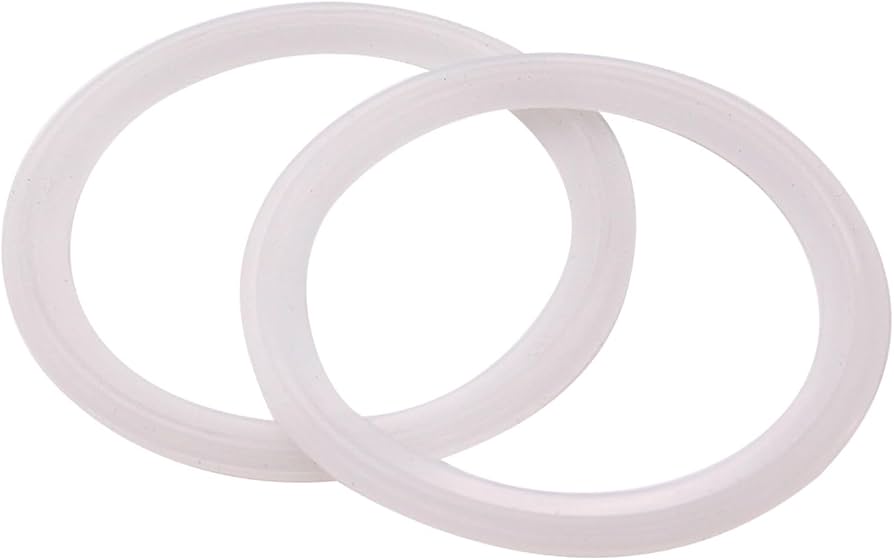
For precision-critical industrial applications, selecting the right supplier for high-performance components such as PTFE (Teflon) tubes is essential to ensuring system reliability, chemical resistance, and long-term operational efficiency. At Suzhou Baoshida Trading Co., Ltd., we specialize in delivering engineered rubber and fluoropolymer solutions tailored to the demanding requirements of industries including semiconductor manufacturing, pharmaceuticals, automotive, and chemical processing.
Our PTFE tubing products are manufactured under stringent quality controls to meet international standards, offering exceptional thermal stability, low friction coefficients, and near-universal chemical inertness. Whether you require standard dimensions or custom configurations—including reinforced variants, multi-layer constructions, or specific FDA-compliant grades—our technical team ensures every product meets your exact application parameters.
We understand that sourcing the right material solution is not just about product availability—it’s about technical alignment, supply chain consistency, and responsive engineering support. Our team combines deep materials science expertise with hands-on industrial experience to guide you from specification to delivery, minimizing downtime and reducing total cost of ownership.
For immediate technical consultation or customized quotation, we invite you to contact Mr. Boyce, our dedicated OEM and Engineering Manager. With over 15 years of experience in industrial polymer applications, Mr. Boyce leads client engagements with a focus on precision engineering and long-term partnership development. He is available to discuss your project requirements, review technical drawings, or recommend material alternatives based on real-world performance data.
Reach out directly via email at [email protected] to initiate a technical dialogue. When contacting, please include details such as operating temperature range, media exposure, pressure conditions, dimensional requirements, and any relevant compliance standards (e.g., ASTM, ISO, USP Class VI). This enables us to provide a technically accurate and commercially competitive proposal without delay.
Below are representative specifications for our standard PTFE tube offerings. Custom parameters outside this range are available upon request.
| Parameter | Value | Units |
|---|---|---|
| Inner Diameter Range | 1.0 – 25.0 | mm |
| Wall Thickness | 0.5 – 3.0 | mm |
| Operating Temperature | -200 to +260 | °C |
| Tensile Strength (min) | 15 | MPa |
| Elongation at Break (min) | 300 | % |
| Dielectric Strength | 60 | kV/mm |
| Chemical Resistance | Excellent against acids, bases, solvents | — |
| Compliance | FDA, RoHS, REACH (upon request) | — |
All products undergo rigorous batch testing, with full traceability and material certification available. At Suzhou Baoshida Trading Co., Ltd., we are committed to being more than a supplier—we are your technical partner in industrial innovation. Contact Mr. Boyce today to ensure your next application integrates the highest-grade PTFE tubing engineered for performance and reliability.
⚖️ O-Ring Weight Calculator
Estimate rubber O-ring weight (Approx).