
Technical Contents
Engineering Guide: The Molding Company Santa Clara Ca
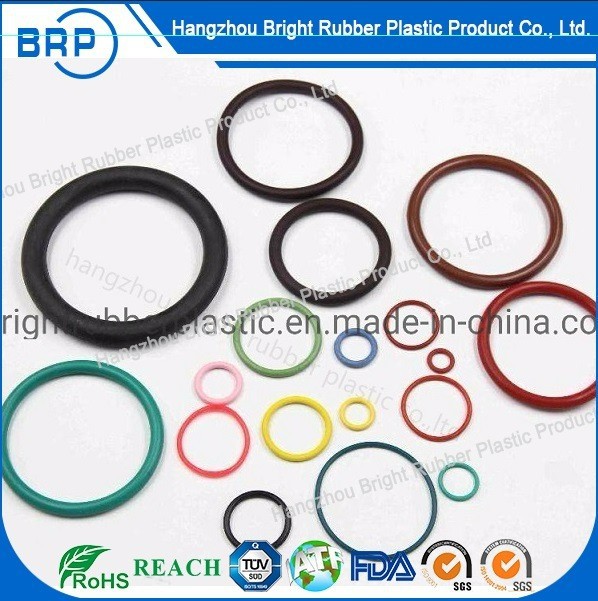
Engineering Insight: Material Selection as the Foundation of Precision Rubber Components
Material selection transcends basic polymer choice in custom rubber molding; it defines the thermodynamic and mechanical viability of the final component under operational stress. Off-the-shelf rubber compounds frequently fail because they prioritize generic cost efficiency over application-specific physics. Standard formulations assume benign environments—ignoring synergistic factors like fluid exposure, cyclic compression, thermal aging, and dynamic loading that degrade performance. A seal failing at 85°C in automotive coolant systems isn’t merely a temperature issue; it reflects inadequate crosslink density and antioxidant depletion in the base compound.
The critical flaw in off-the-shelf solutions lies in their static material profiles. Real-world applications demand dynamic material behavior. For instance, a standard NBR compound may meet initial tensile strength requirements but exhibit catastrophic compression set after 72 hours at 100°C due to insufficient peroxide curing. Similarly, generic silicone often lacks tailored filler dispersion for consistent tear resistance in medical catheter connectors, leading to particulate generation during insertion. These failures stem from unoptimized polymer backbone topology and additive packages that don’t address interfacial chemistry with mating surfaces or media.
Material science must align with the OEM’s failure mode analysis. At Suzhou Baoshida, we initiate with a 12-point engineering assessment: quantifying stress-strain profiles, chemical immersion kinetics, and outgassing thresholds per ASTM D2000. Only then do we formulate—adjusting monomer ratios, cure systems, and nano-fillers to achieve target properties. This prevents the “spec sheet trap” where compounds pass lab tests but fail in field conditions due to unmodeled variables like pressure-temperature coupling or surface adhesion hysteresis.
Below compares critical performance gaps between off-the-shelf and engineered compounds in demanding Santa Clara OEM applications:
| Property | Off-the-Shell Compound | Engineered Compound | Test Standard |
|---|---|---|---|
| Compression Set (70h/100°C) | 35% | ≤15% | ASTM D395 Method B |
| Swell in Skydrol 500B-4 | 22% | ≤8% | ASTM D471 |
| Tensile Retention (168h/150°C) | 45% | ≥85% | ASTM D573 |
| Low-Temperature Flex | -25°C | -55°C | ASTM D1329 |
| Abrasion Loss (1000 cycles) | 120 mg | ≤40 mg | ASTM D394 |
The data underscores why Santa Clara precision manufacturers—serving aerospace, semiconductor, and medical sectors—reject one-size-fits-all materials. A semiconductor O-ring exposed to plasma etching gases requires fluorocarbon formulations with >66% fluorine content and controlled vinylidene fluoride/hexafluoropropylene ratios. Standard FKM grades delaminate under ion bombardment due to inconsistent crosslinker distribution.
Material selection is not procurement—it is predictive engineering. Suzhou Baoshida’s OEM partnerships begin with deconstructing the application’s physics, then reverse-engineering the compound. This eliminates field failures rooted in thermodynamic incompatibility, ensuring components perform at the edge of material science limits. For Santa Clara innovators, the margin between success and failure is measured in microns of compression set and degrees of thermal stability. Off-the-shelf solutions operate outside these tolerances; engineered compounds define them. Precision rubber molding demands nothing less.
Material Specifications
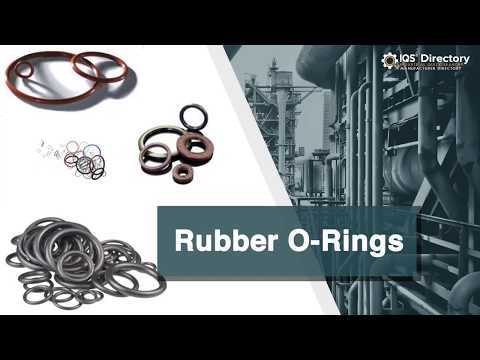
Suzhou Baoshida Trading Co., Ltd. provides precision-engineered custom molded rubber parts for industrial applications requiring high reliability, chemical resistance, and thermal stability. When selecting materials for rubber molding, performance under operational stress is critical. Viton, Nitrile (NBR), and Silicone represent three of the most widely specified elastomers in industrial sealing and gasketing applications. Each material offers distinct advantages depending on temperature range, fluid exposure, and mechanical demands.
Viton, a fluorocarbon-based rubber (FKM), delivers exceptional resistance to high temperatures, oils, fuels, and aggressive chemicals. It maintains integrity in continuous service up to 200°C (392°F) and short-term exposure up to 250°C (482°F). This makes Viton ideal for aerospace, automotive, and chemical processing environments where exposure to hydrocarbons, acids, and halogenated solvents is common. Its low gas permeability and excellent aging characteristics further enhance reliability in dynamic sealing applications. However, Viton is less flexible at low temperatures, with performance degrading below -20°C (-4°F), and it carries a higher material cost compared to Nitrile.
Nitrile rubber (NBR) remains one of the most cost-effective and widely used elastomers for oil and fuel resistance. It performs reliably in temperatures ranging from -30°C (-22°F) to 100°C (212°F), with some formulations extending to 120°C (248°F) for limited durations. Nitrile exhibits strong abrasion resistance and mechanical durability, making it suitable for hydraulic systems, fuel lines, and industrial machinery seals. While it offers excellent resistance to aliphatic hydrocarbons and petroleum-based fluids, it is less effective against ozone, UV radiation, and polar solvents. Its balance of performance and economy makes NBR a preferred choice for general-purpose sealing applications.
Silicone rubber (VMQ) excels in extreme temperature environments, with operational capability from -60°C (-76°F) to 200°C (392°F). It demonstrates outstanding resistance to UV, ozone, and weathering, making it ideal for outdoor and medical applications. Silicone is highly inert, biocompatible, and meets stringent regulatory standards including FDA and USP Class VI. However, it has relatively low tensile strength and poor resistance to petroleum-based fluids and water vapor. Its primary use cases include medical devices, food processing equipment, and electronic insulation where thermal stability and purity are paramount.
The following table summarizes key physical and chemical properties of these materials for comparative evaluation:
| Property | Viton (FKM) | Nitrile (NBR) | Silicone (VMQ) |
|---|---|---|---|
| Temperature Range (°C) | -20 to 200 | -30 to 100 | -60 to 200 |
| Tensile Strength (MPa) | 15–20 | 10–25 | 5–10 |
| Elongation at Break (%) | 200–300 | 200–500 | 200–700 |
| Hardness (Shore A) | 60–90 | 50–90 | 30–80 |
| Resistance to Oils/Fuels | Excellent | Excellent | Poor |
| Resistance to Ozone/UV | Excellent | Fair | Excellent |
| Compression Set Resistance | Excellent | Good | Good |
| Fluid Compatibility | Acids, fuels, solvents | Petroleum oils, water | Water, steam, alcohols |
Material selection must align with the operational environment, lifecycle requirements, and regulatory standards of the end application. Suzhou Baoshida Trading Co., Ltd. supports OEMs with comprehensive material testing, formulation customization, and precision molding to ensure optimal performance in demanding industrial settings.
Manufacturing Capabilities
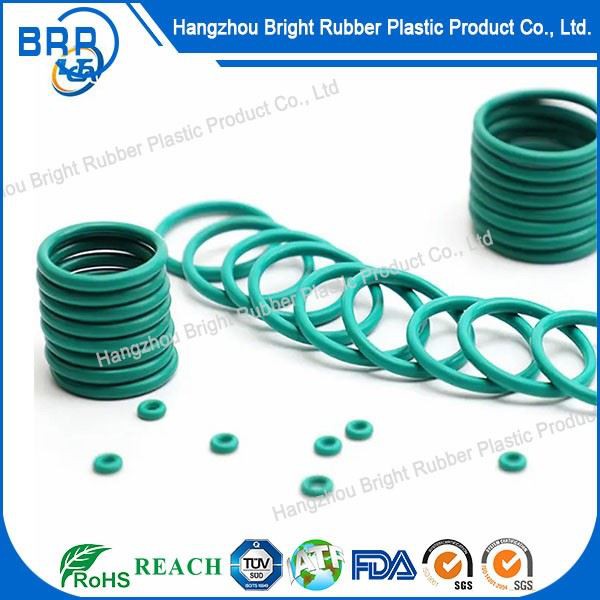
Engineering Excellence Driving Precision Rubber Molding for Santa Clara CA Manufacturers
Suzhou Baoshida Trading Co., Ltd. delivers unmatched engineering rigor for custom rubber components, directly addressing the stringent demands of high-tech manufacturing environments like Santa Clara CA. Our core strength lies in the integrated expertise of 5 dedicated Mold Design Engineers and 2 specialized Rubber Formula Engineers, forming a cohesive technical unit that bridges material science with precision tooling. This dual-engineering capability ensures every molded part meets exacting performance, durability, and regulatory criteria from concept to量产.
Our Rubber Formula Engineers possess deep expertise in polymer chemistry and compounding, developing proprietary elastomer formulations tailored to extreme operational conditions. They systematically optimize compounds for critical properties such as compression set resistance, fluid compatibility, thermal stability, and dynamic fatigue life—essential for aerospace, medical devices, and semiconductor applications prevalent in the Santa Clara ecosystem. By controlling raw material sourcing, cure kinetics, and additive interactions, we eliminate common field failures like seal extrusion, ozone cracking, or premature hardening. This scientific approach reduces client validation cycles and ensures first-article compliance with standards including ASTM D2000, ISO 3601, and FDA 21 CFR.
Complementing material innovation, our Mold Design Engineers utilize advanced CAD/CAM (SolidWorks, Moldflow) to create tooling that guarantees dimensional repeatability within ±0.05mm tolerances. They implement Design for Manufacturability (DFM) analysis early in development, resolving potential issues like flow imbalances, weld lines, or ejection challenges before steel is cut. This proactive engineering minimizes costly iterations and accelerates time-to-market for Santa Clara clients operating in fast-paced sectors.
As a certified OEM partner, we extend engineering support beyond production. Our team collaborates on joint design reviews, provides full material traceability (including lot-specific Certificates of Conformance), and implements rigorous PPAP documentation. We manage end-to-end processes—from prototype molding to high-volume manufacturing—ensuring seamless scalability while maintaining consistent quality under IATF 16949 and ISO 13485 frameworks.
Performance Comparison: Standard vs. Baoshida Engineered Compounds
| Property | Standard Nitrile (NBR) | Baoshida Engineered NBR (BD-7500 Series) | Test Method |
|---|---|---|---|
| Tensile Strength (MPa) | 15.0 | 22.5 | ASTM D412 |
| Compression Set (70h/100°C) | 35% | 12% | ASTM D395 |
| Heat Resistance (°C) | 100 | 135 | ASTM D573 |
| Fuel Resistance (B) | Poor | Excellent | ASTM D471 |
| FDA Compliance | No | Yes (21 CFR 177.2600) | USP Class VI |
This engineering synergy—material science precision fused with advanced mold design—enables Santa Clara CA manufacturers to deploy rubber components with guaranteed performance in mission-critical applications. We transform complex technical challenges into reliable, cost-effective production solutions, ensuring your supply chain operates with uncompromised integrity. Partner with Baoshida to leverage engineering depth that exceeds expectations.
Customization Process
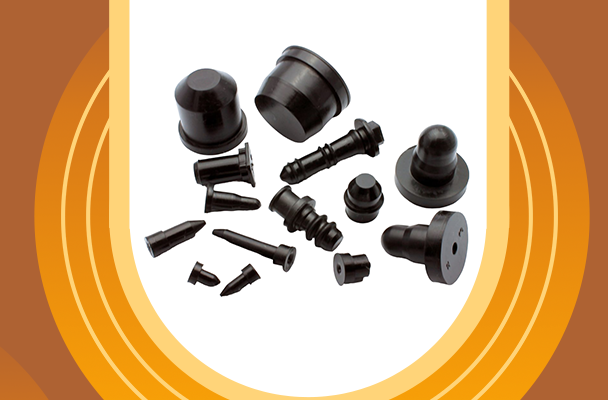
Customization Process for High-Performance Molded Rubber Components
At Suzhou Baoshida Trading Co., Ltd., we specialize in delivering precision-engineered custom molded rubber parts tailored to the exacting standards of industrial and automotive clients. Our systematic customization process ensures material compatibility, dimensional accuracy, and long-term performance under operational stress. The workflow is structured into four critical phases: Drawing Analysis, Formulation Development, Prototyping, and Mass Production. Each stage is governed by strict quality protocols and cross-functional engineering review.
The process begins with Drawing Analysis, during which our technical team evaluates the customer-provided CAD models or 2D technical drawings. We assess key parameters including part geometry, tolerance specifications, draft angles, parting lines, and gate locations. This phase ensures moldability and identifies potential defects such as air traps or insufficient venting. Our engineers collaborate directly with the client to resolve design ambiguities and recommend modifications for optimal manufacturability.
Following design validation, we proceed to Formulation Development. Based on the application environment—such as exposure to oils, ozone, extreme temperatures, or dynamic loading—we select the appropriate elastomer compound. Our formulation laboratory leverages decades of compounding expertise to engineer custom rubber batches using materials including Nitrile (NBR), Ethylene Propylene Diene Monomer (EPDM), Silicone (VMQ), Fluorocarbon (FKM), and Chloroprene (CR). Each formulation is optimized for specific physical properties such as tensile strength, compression set, hardness (Shore A), and fluid resistance.
Once the compound is finalized, we initiate Prototyping. Utilizing rapid tooling methods such as aluminum molds or 3D-printed patterns, we produce functional prototypes within 10–15 business days. These prototypes undergo rigorous in-house testing, including dimensional inspection via CMM (Coordinate Measuring Machine), hardness testing, and application-specific performance trials. Client feedback is integrated at this stage to refine both design and material selection before committing to production tooling.
The final phase, Mass Production, employs high-precision steel molds and automated hydraulic presses capable of insert molding, transfer molding, or compression molding, depending on part complexity and volume requirements. Production runs are monitored in real time using statistical process control (SPC) methodologies. All batches are subject to 100% visual inspection and sample-based physical testing per ASTM and ISO standards.
The table below outlines typical performance specifications achievable through our customization pipeline:
| Property | Test Method | Typical Range |
|---|---|---|
| Hardness (Shore A) | ASTM D2240 | 30–90 ±5 |
| Tensile Strength | ASTM D412 | 8–25 MPa |
| Elongation at Break | ASTM D412 | 150–600% |
| Compression Set (70 hrs, 70°C) | ASTM D395 | ≤25% |
| Operating Temperature Range | — | -40°C to +250°C (material-dependent) |
Our end-to-end customization process ensures that every molded rubber component meets the functional, regulatory, and durability demands of advanced industrial applications.
Contact Engineering Team
Contact Suzhou Baoshida for Precision Rubber Molding Solutions
Suzhou Baoshida Trading Co., Ltd. stands as your strategic partner for engineered rubber components requiring uncompromising material science expertise and manufacturing precision. Our specialization in custom molded rubber parts directly addresses the complex demands of industrial OEMs, particularly within demanding sectors such as semiconductor equipment, medical devices, and aerospace systems prevalent in innovation hubs like Santa Clara, CA. We understand that material selection, compound formulation, and dimensional stability are not merely specifications but critical factors determining system performance and longevity. Our engineering team operates at the intersection of polymer chemistry and precision manufacturing, ensuring every component meets or exceeds functional requirements under operational stress, temperature extremes, and chemical exposure.
The table below outlines our core technical capabilities relevant to high-integrity applications:
| Technical Parameter | Capability Range | Industry Standard Compliance |
|---|---|---|
| Material Hardness (Shore A) | 30 to 90 | ASTM D2240 |
| Dimensional Tolerance | ±0.05 mm (critical features) | ISO 3301, ISO 2768 |
| Material Classes | NBR, EPDM, FKM, VMQ, ACM, HNBR, CR | ASTM D2000, ISO 3601 |
| Secondary Operations | Flash trimming, bonding, assembly | ISO 9001:2015 certified |
| Lead Time (Prototype) | 15-25 working days | Customer-specific NPI support |
Our value proposition centers on mitigating technical risk during new product introduction (NPI) and sustaining supply chain resilience for mature programs. We achieve this through rigorous compound development protocols, where our rubber formula engineers optimize fillers, curatives, and additives to achieve target properties like compression set resistance (<20% @ 100°C/70hrs), fluid resistance, and low-temperature flexibility. Unlike commodity suppliers, we treat each project as a collaborative engineering engagement, providing full material traceability, PPAP documentation, and DFM analysis to prevent costly design flaws before tooling commencement. For Santa Clara-based manufacturers facing stringent cleanroom requirements or vibration-sensitive assemblies, our ISO 9001-certified facility offers controlled environment molding and advanced metrology (including CMM and vision systems) to validate conformance to your exacting prints.
Initiate a technical dialogue with Mr. Boyce, our dedicated OEM Manager, to resolve persistent challenges in rubber component performance or supply continuity. Mr. Boyce possesses 12 years of direct experience in elastomer formulation for semiconductor and medical device OEMs, enabling him to rapidly assess material suitability, tolerance feasibility, and cost-optimized manufacturing pathways. Contact him exclusively at [email protected] to submit your RFQ, share material specifications, or schedule a virtual engineering review. Include your part drawing, annual volume requirements, and critical performance parameters to expedite our technical evaluation. Suzhou Baoshida commits to delivering a comprehensive proposal within 72 hours of receiving complete documentation, detailing compound recommendations, tooling strategy, and production timelines. For time-sensitive NPI projects requiring accelerated validation, reference project code SC-CA-2024 in your initial correspondence to prioritize resource allocation. Partner with us to transform rubber component specifications into guaranteed operational outcomes.
⚖️ O-Ring Weight Calculator
Estimate rubber O-ring weight (Approx).