
Technical Contents
Engineering Guide: Thermal Foam
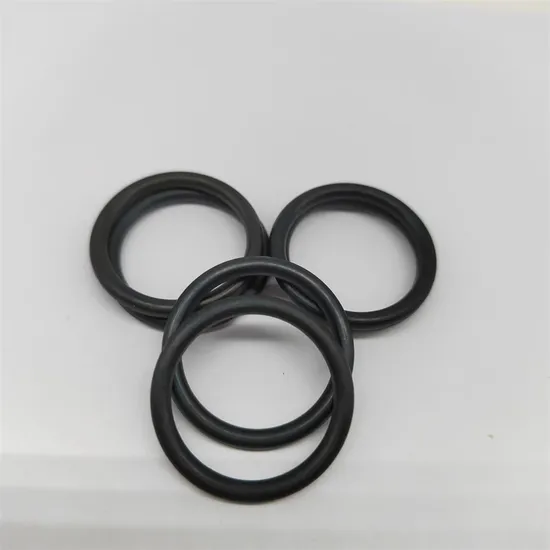
Engineering Insight: Material Selection Imperatives for Thermal Foam Performance
Thermal foam applications in industrial settings demand rigorous material science oversight. Off-the-shelf elastomeric foams frequently fail under operational stress due to inadequate polymer architecture and unoptimized formulation chemistry. These failures manifest as premature thermal degradation, compression set loss, and dimensional instability—directly impacting OEM product lifecycle and safety compliance. Generic solutions prioritize cost over performance, neglecting the interplay between base polymer selection, crosslink density, and additive synergies critical for thermal management.
The core failure mechanism lies in insufficient thermal stability. Standard EPDM or EVA foams degrade rapidly above 100°C, suffering polymer chain scission that compromises cell structure integrity. This accelerates gas diffusion through the matrix, collapsing insulation efficacy. Simultaneously, inadequate antioxidant packages fail to mitigate oxidative aging during thermal cycling, leading to surface cracking and loss of rebound resilience. Crucially, off-the-shelf foams often ignore compression set requirements under sustained heat load; poor crosslink reformation causes permanent deformation, breaking environmental seals in enclosures or gaskets. Such failures trigger cascading production downtime for OEM clients, with replacement costs exceeding initial material savings by 300%.
Material selection must address three non-negotiable parameters: thermal operating range, compression recovery, and chemical resistance. Below is a comparative analysis of critical specifications between engineered thermal foams and generic alternatives:
| Parameter | Custom Formulation (Baoshida OEM Grade) | Off-the-Shelf Standard Foam |
|---|---|---|
| Continuous Use Temp | -50°C to +150°C | -20°C to +100°C |
| Compression Set (70°C/22h) | ≤15% | ≥35% |
| Closed-Cell Integrity | >95% (ASTM D2856) | 70-85% |
| Fluid Resistance (IRMOG) | Grade 1 (No swelling) | Grade 3 (20% swell) |
These metrics underscore why generic foams fail in demanding applications. A 50°C deficit in thermal stability limits viability in automotive under-hood or industrial HVAC systems, while high compression set values directly correlate with seal leakage after 6 months of service. The closed-cell integrity gap further explains moisture ingress in outdoor electronics enclosures, causing corrosion failures.
Suzhou Baoshida Trading Co., Ltd. engineers thermal foams through iterative DOE (Design of Experiments) protocols, tailoring base polymers like specialty silicones or halogenated butyl to client-specific thermal profiles. Our formulations integrate synergistic antioxidant systems and controlled cell nucleation to maintain structural coherence under thermal cycling. This precision prevents the microcracking that plagues commodity foams, ensuring dimensional stability across 10,000+ thermal cycles. For OEMs, this translates to validated reliability in end products—eliminating field failures tied to material inadequacy. Partnering with a technical supplier for application-specific foam development is not an incremental cost but a strategic investment against systemic risk. Contact our engineering team to audit your thermal management requirements against failure mode data.
Material Specifications
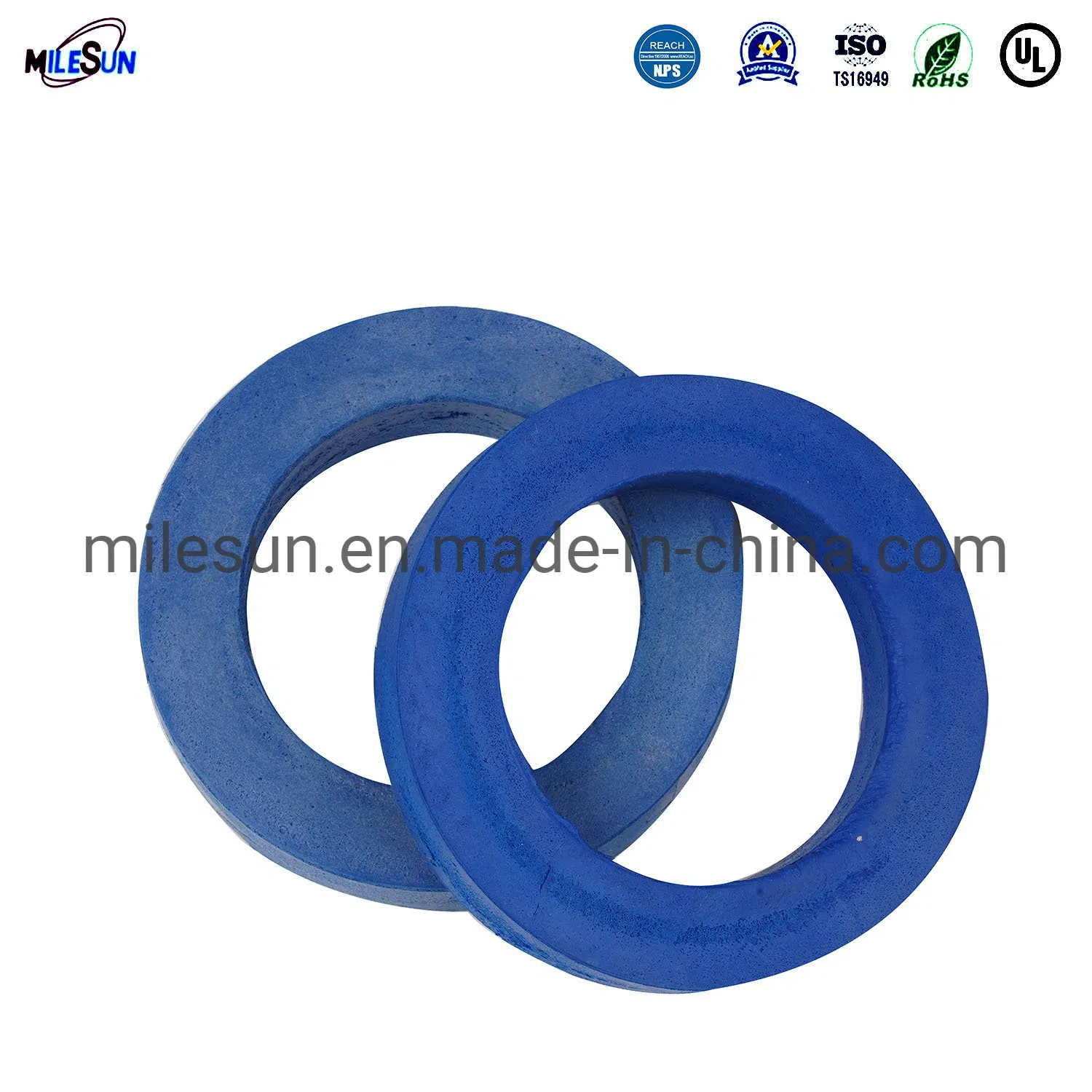
Thermal foam materials play a critical role in industrial sealing, insulation, and vibration damping applications where temperature resistance, chemical compatibility, and long-term durability are paramount. At Suzhou Baoshida Trading Co., Ltd., we specialize in high-performance rubber solutions engineered for demanding environments. Our thermal foam portfolio includes formulations based on Viton (FKM), Nitrile (NBR), and Silicone (VMQ), each offering distinct advantages depending on operational conditions. These closed-cell or open-cell foamed elastomers are designed to maintain structural integrity under thermal cycling, compression, and exposure to oils, fuels, and atmospheric agents.
Viton-based thermal foam delivers superior resistance to high temperatures and aggressive chemicals, making it ideal for aerospace, automotive, and semiconductor manufacturing applications. With continuous service capabilities up to 230°C and intermittent exposure tolerance to 260°C, Viton foam maintains sealing performance in extreme environments. Its inherent resistance to oxygen, ozone, and a wide range of hydrocarbons ensures longevity in fuel systems and high-temperature gasketing.
Nitrile thermal foam is widely used in industrial and automotive sectors due to its excellent resistance to oils, greases, and aliphatic hydrocarbons. While its upper temperature limit is lower than Viton, NBR foam performs reliably up to 120°C and offers strong abrasion resistance and mechanical strength. This material is particularly suitable for dynamic sealing applications and environments involving frequent contact with hydraulic fluids or lubricants.
Silicone foam stands out for its exceptional thermal stability across a broad range, functioning effectively from -60°C to 200°C. It exhibits outstanding resistance to UV radiation, ozone, and weathering, making it a preferred choice for outdoor enclosures, telecommunications, and electrical insulation. Silicone foam also meets stringent flame, smoke, and toxicity (FST) requirements, supporting use in mass transit and building infrastructure.
Each material is available in varying densities, hardness levels, and cell structures to meet specific design and performance criteria. Custom formulations can include flame retardants, conductive fillers, or enhanced compression set resistance based on OEM requirements.
The following table summarizes key physical and thermal properties of our standard thermal foam materials:
| Property | Viton (FKM) Foam | Nitrile (NBR) Foam | Silicone (VMQ) Foam |
|---|---|---|---|
| Temperature Range (°C) | -20 to 230 (260 peak) | -30 to 120 | -60 to 200 |
| Density (kg/m³) | 300–600 | 250–500 | 200–450 |
| Hardness (Shore A) | 40–80 | 30–70 | 35–65 |
| Tensile Strength (MPa) | 2.5–5.0 | 1.8–4.0 | 2.0–4.5 |
| Elongation at Break (%) | 150–300 | 200–350 | 200–400 |
| Compression Set (22h, 150°C) | ≤30% | ≤40% | ≤35% |
| Fluid Resistance | Excellent (oils, fuels) | Good to Excellent (oils) | Fair (water, ozone) |
| Flame Resistance | Very High | Moderate | High |
Selection of the appropriate thermal foam requires a comprehensive understanding of the application environment, including thermal profile, chemical exposure, mechanical loading, and regulatory standards. Our engineering team at Suzhou Baoshida supports OEMs with material testing, prototyping, and compliance documentation to ensure optimal performance and supply chain reliability.
Manufacturing Capabilities
Engineering Capability: Precision Thermal Foam Development and OEM Execution
Suzhou Baoshida Trading Co., Ltd. delivers exceptional value in industrial thermal foam solutions through deep, integrated engineering expertise. Our core strength resides in a dedicated team of seven specialized engineers: five focused on advanced mould design and manufacturing, and two highly experienced rubber formula scientists. This combined capability ensures thermal foam components meet the most stringent performance, dimensional, and reliability requirements demanded by demanding industrial applications, from automotive sealing to electronics thermal management.
Our Formula Engineering team possesses profound knowledge of elastomer chemistry and thermal dynamics. They meticulously develop and optimize proprietary foam formulations, precisely balancing critical parameters such as cell structure uniformity, thermal conductivity/resistivity, compression set resistance, and long-term thermal stability. This scientific approach enables us to create custom foams that maintain structural integrity and sealing performance across extreme temperature cycles (-50°C to +180°C+), resist thermal degradation, and achieve target density and resilience characteristics. We systematically address client-specific challenges, such as minimizing outgassing in vacuum environments or enhancing flame retardancy without compromising flexibility, moving beyond standard off-the-shelf compounds to engineered solutions.
Complementing formulation excellence, our Mould Engineering team ensures flawless component realization. They leverage advanced CAD/CAM software and deep understanding of foam expansion dynamics to design precision moulds that guarantee consistent cell structure, minimal flash, and exact dimensional tolerances critical for sealing efficacy. This expertise directly translates to reduced scrap rates, optimized cycle times, and superior part-to-part consistency in high-volume production. Their focus on thermal management within the mould itself is paramount for achieving the uniform curing necessary for reliable thermal foam performance.
This integrated engineering foundation underpins our robust OEM capabilities. We function as a true extension of your R&D and production teams. Our process begins with collaborative technical review of your sealing or thermal management challenge, progressing through iterative design refinement, rigorous material qualification testing, and seamless transition to production. We manage the entire lifecycle – from initial concept and tooling fabrication to validated manufacturing and stringent quality control – all under strict confidentiality agreements. Our facility supports low-volume prototyping through high-volume automated production, offering the flexibility required for diverse industrial supply chains without compromising on the precision demanded by thermal applications.
The table below outlines key thermal foam performance characteristics achievable through our engineered approach, demonstrating the tangible outcomes of our combined formula and mould expertise.
| Technical Parameter | Typical Performance Range | Measurement Standard | Significance for Industrial Applications |
|---|---|---|---|
| Density | 0.25 – 0.80 g/cm³ | ASTM D3574 | Balances weight, cost, compression force, and insulation |
| Compression Deflection Force | 0.5 – 5.0 N (at 25% def) | ASTM D575 | Critical for seal force and gap filling capability |
| Compression Set (22h, 70°C) | ≤ 15% | ASTM D395 | Ensures long-term sealing integrity after compression |
| Operating Temperature Range | -50°C to +180°C | Material Specific | Defines application envelope for thermal stability |
| Thermal Conductivity | 0.035 – 0.12 W/m·K | ASTM C177 | Tailored for insulation or controlled heat transfer |
This level of performance consistency and customization is not accidental; it is the direct result of Suzhou Baoshida’s commitment to deploying deep scientific and industrial engineering talent at every stage of thermal foam development and manufacturing. We transform complex thermal management requirements into reliable, high-performance components.
Customization Process

Customization Process for Thermal Foam Manufacturing at Suzhou Baoshida Trading Co., Ltd.
At Suzhou Baoshida Trading Co., Ltd., precision and performance define our approach to industrial rubber solutions. Our thermal foam customization process is engineered to meet the exact thermal, mechanical, and environmental demands of diverse industrial applications. We follow a structured four-phase workflow: Drawing Analysis, Formulation Development, Prototyping, and Mass Production. This ensures seamless transition from concept to consistent, high-volume output.
The process begins with Drawing Analysis, where our engineering team evaluates the client’s technical drawings, dimensional tolerances, and application environment. We assess critical parameters such as operating temperature range, compression requirements, sealing needs, and exposure to chemicals or UV radiation. This phase includes material compatibility mapping and finite element analysis (FEA) when required, ensuring the design supports both functional performance and manufacturability.
Based on the analysis, we initiate Formulation Development, a core competency in our industrial rubber expertise. Our rubber chemists design a proprietary elastomeric compound tailored to the thermal conductivity, density, compression set, and flame resistance specifications. We primarily utilize silicone, EPDM, or neoprene-based systems, modified with functional fillers such as ceramic microspheres or carbon derivatives to achieve targeted thermal insulation or dissipation. The formulation is optimized for foaming behavior, cell structure uniformity, and long-term aging resistance under thermal cycling.
Once the compound is finalized, we proceed to Prototyping. Using precision-controlled foaming presses and CNC cutting, we produce sample batches that replicate the intended production method. These prototypes undergo rigorous in-house testing, including thermal conductivity (measured per ASTM C518), compression deflection (ASTM D575), and aging per ASTM D573. Clients receive physical samples along with full material test reports for validation. Feedback is incorporated into iterative adjustments, ensuring complete alignment with performance expectations.
Upon approval, we transition to Mass Production. Our automated foaming lines and continuous quality monitoring systems ensure batch-to-batch consistency. Every production run is subject to real-time QC checks, including density profiling and dimensional verification. We support both roll stock and die-cut part supply, with packaging and labeling customized to OEM logistics requirements.
The following table outlines typical performance specifications achievable with our custom thermal foam solutions:
| Property | Test Method | Typical Range |
|---|---|---|
| Density | ASTM D3574 | 0.3 – 0.8 g/cm³ |
| Thermal Conductivity | ASTM C518 | 0.035 – 0.065 W/m·K |
| Compression Set (22h, 70°C) | ASTM D3574 | ≤ 15% |
| Operating Temperature Range | — | -60°C to +250°C (Silicone) |
| Flame Resistance | UL 94 | V-0 or HF-1 available |
| Closed Cell Content | ASTM D2471 | > 85% |
Our integrated process ensures that every thermal foam product delivers engineered performance, reliability, and scalability for demanding industrial environments.
Contact Engineering Team
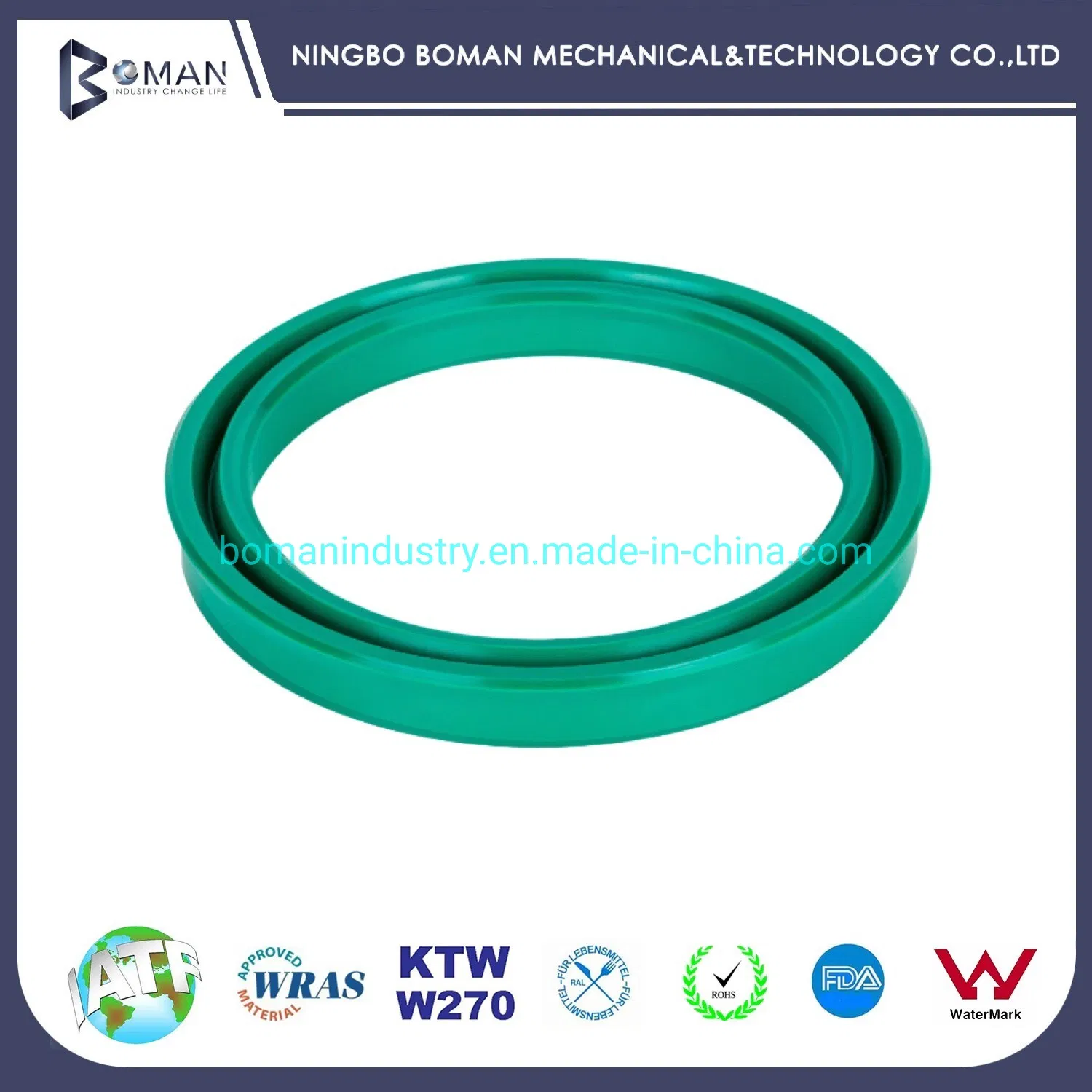
Initiate Your Thermal Foam Project with Precision Engineering Expertise
Suzhou Baoshida Trading Co., Ltd. stands at the forefront of industrial rubber innovation, delivering rigorously engineered thermal foam solutions for demanding B2B manufacturing environments. Our specialization in closed-cell elastomeric foams ensures optimal thermal insulation, vibration damping, and environmental resilience across automotive, aerospace, and industrial equipment applications. Unlike generic suppliers, we integrate molecular-level formulation control with OEM production scalability, guaranteeing materials meet exacting performance thresholds under extreme operational conditions. Thermal management failures incur significant downstream costs; partnering with our technical team mitigates risk through proactive material science collaboration.
Our engineering process begins with deep-dive application analysis. We assess thermal conductivity requirements, compression set resistance, fluid exposure, and regulatory compliance (e.g., UL 94, ISO 1183) to develop proprietary compounds. Utilizing advanced compounding techniques and in-house testing facilities, we validate formulations against real-world stressors—ensuring consistent cellular structure integrity from -50°C to +150°C. This precision eliminates field failures caused by inadequate cell stabilization or thermal aging, directly enhancing your product lifespan and reliability.
Critical Thermal Foam Specifications for Industrial Applications
| Property | Value Range | Test Standard |
|---|---|---|
| Density | 80–250 kg/m³ | ASTM D3574 |
| Thermal Conductivity | 0.032–0.042 W/m·K | ASTM C518 |
| Compression Set (22h/70°C) | ≤15% | ASTM D3574 |
| Temperature Range | -50°C to +150°C | ISO 188 |
| Tensile Strength | ≥0.8 MPa | ASTM D412 |
| Flame Resistance | UL 94 HF-1 | UL 94 |
OEM integration requires more than material supply—it demands collaborative engineering. Our team provides full lifecycle support: from CAD-based mold design validation and DFM optimization to batch traceability via blockchain-enabled QC logs. We maintain strategic partnerships with tier-1 automotive manufacturers, adhering to IATF 16949 protocols for defect prevention and continuous improvement. Whether scaling production for EV battery insulation or custom gasketing systems, our vertically integrated supply chain ensures on-time delivery of ±0.1mm tolerance components with zero non-conformance history.
Do not compromise thermal performance with off-the-shelf materials. Contact Mr. Boyce, our dedicated OEM Relationship Manager, to initiate a technical consultation. He will coordinate our formulation chemists and process engineers to develop a tailored thermal foam solution aligned with your production timelines and performance KPIs. Provide your application parameters, volume requirements, and target cost structure for a comprehensive feasibility assessment within 72 hours.
Act Now to Secure Engineering Support
Reach Mr. Boyce directly at [email protected] with subject line: Thermal Foam OEM Project Inquiry – [Your Company Name]. Include critical specifications such as operating environment, dimensional tolerances, and regulatory mandates. Suzhou Baoshida commits to responding with a preliminary technical proposal within one business day, detailing material formulation pathways, tooling recommendations, and scalability roadmap. Elevate your thermal management systems with engineered certainty—contact us to transform specifications into certified performance.
⚖️ O-Ring Weight Calculator
Estimate rubber O-ring weight (Approx).