
Technical Contents
Engineering Guide: Thermal Insulating Board
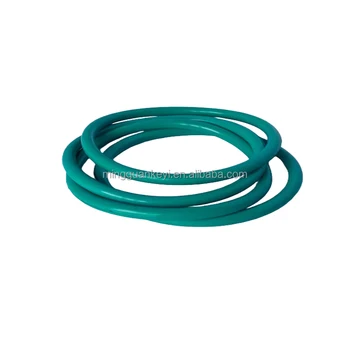
Engineering Insight: Material Selection in Thermal Insulating Boards
In industrial applications involving extreme temperatures, mechanical stress, and chemical exposure, the performance of thermal insulating boards hinges critically on precise material selection. Off-the-shelf insulating solutions often fail because they are engineered for generalized conditions rather than the specific thermal, mechanical, and environmental demands of advanced manufacturing environments. At Suzhou Baoshida Trading Co., Ltd., we emphasize that effective thermal insulation is not a commodity—it is a precision-engineered system where polymer chemistry, filler composition, and crosslinking architecture determine functional longevity.
Standard insulating boards typically utilize generic elastomers such as reclaimed rubber or low-grade EPDM, which exhibit poor resistance to thermal aging and compression set. These materials may provide acceptable insulation at room temperature but degrade rapidly under sustained heat, leading to dimensional instability, loss of compressive strength, and premature failure. In dynamic systems such as industrial ovens, exhaust manifolds, or high-temperature sealing applications, such degradation compromises both safety and efficiency.
The root cause of failure in generic solutions lies in their inability to maintain structural integrity across thermal cycles. Repeated expansion and contraction induce microcracking, especially in materials with high thermal expansion coefficients. Moreover, many commercial boards lack resistance to oils, solvents, or oxidative environments, further accelerating deterioration. For mission-critical applications, these shortcomings are unacceptable.
In contrast, engineered rubber compounds—such as high-purity silicone, fluorosilicone, or peroxide-cured EPDM—deliver superior thermal stability, low compression set, and exceptional resistance to environmental attack. These materials are formulated with controlled crosslink densities and reinforced with thermally stable fillers like silica or ceramic microspheres, enhancing both insulation performance and mechanical resilience. The result is a thermal insulating board capable of operating continuously at temperatures exceeding 300°C while maintaining dimensional accuracy and sealing force.
Material selection must also consider application-specific variables: thermal conductivity, compressive modulus, dielectric strength, and flame resistance. A board designed for electrical insulation in high-heat enclosures demands different properties than one used in mechanical gasketing for turbine housings. Custom compounding allows optimization across these parameters, ensuring that the insulating board performs reliably under real-world conditions.
At Suzhou Baoshida Trading Co., Ltd., we collaborate with OEMs to develop application-specific formulations, avoiding the pitfalls of one-size-fits-all solutions. By integrating material science with operational requirements, we deliver thermal insulating boards that enhance system reliability, reduce maintenance cycles, and extend service life.
Typical Performance Specifications of Engineered vs. Standard Insulating Boards
| Property | Engineered Silicone Board | Standard EPDM Board | Units |
|---|---|---|---|
| Continuous Use Temperature | 300 | 120 | °C |
| Thermal Conductivity | 0.18 | 0.25 | W/m·K |
| Compression Set (22 hrs, 150°C) | ≤20 | ≥45 | % |
| Tensile Strength | 8.5 | 5.0 | MPa |
| Dielectric Strength | 18 | 12 | kV/mm |
| Flame Resistance (UL 94) | V-0 | HB | Rating |
| Density | 1.4 | 1.2 | g/cm³ |
Material Specifications
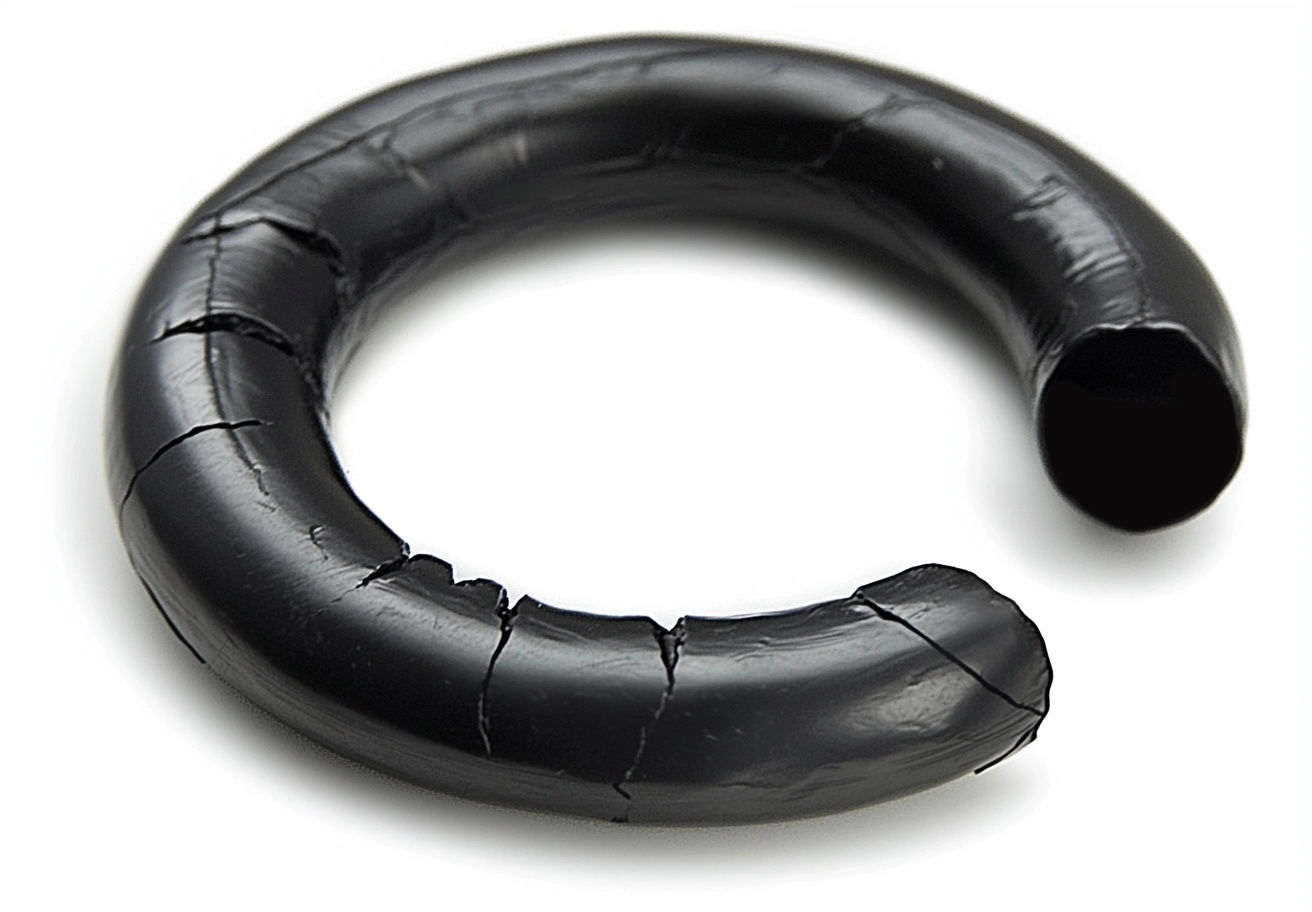
Material Specifications for Thermal Insulating Board Applications
Selecting the optimal elastomer for thermal insulating boards requires rigorous evaluation of thermal stability, mechanical resilience, and chemical compatibility. At Suzhou Baoshida Trading Co., Ltd., we engineer rubber compounds to meet exacting OEM performance criteria under extreme thermal cycling. Viton (FKM fluoroelastomer), Nitrile (NBR), and Silicone (VMQ) represent three critical material classes, each offering distinct advantages for insulation systems operating in demanding industrial environments. Understanding their fundamental properties ensures longevity and safety in applications ranging from automotive exhaust systems to semiconductor manufacturing equipment.
Viton excels in high-temperature resilience and broad chemical resistance, making it indispensable for aerospace and chemical processing insulation where exposure to fuels, oils, and aggressive solvents occurs. Its molecular structure maintains integrity up to 250°C continuously, with short-term spikes to 300°C. Nitrile provides cost-effective performance for moderate-temperature oil and fuel resistance, commonly used in automotive underhood insulation up to 120°C. Silicone delivers exceptional flexibility across extreme cold to 200°C heat, ideal for electrical insulation and medical device applications requiring biocompatibility and low compression set. All materials undergo stringent compression set testing per ASTM D395 to guarantee dimensional stability under prolonged thermal load, a non-negotiable factor for maintaining insulating air gaps.
Critical material properties are quantified below for direct comparison. Values reflect standard commercial grades; Suzhou Baoshida offers customized formulations to enhance specific attributes like flame resistance (UL 94 V-0) or thermal conductivity reduction.
| Material Property | Viton (FKM) | Nitrile (NBR) | Silicone (VMQ) |
|---|---|---|---|
| Continuous Service Temp | -20°C to +250°C | -30°C to +120°C | -60°C to +200°C |
| Tensile Strength (MPa) | 10–15 | 15–20 | 6–9 |
| Elongation at Break (%) | 150–250 | 200–400 | 300–700 |
| Compression Set (22h/150°C) | ≤25% | ≤35% | ≤20% |
| Key Chemical Resistances | Fuels, oils, acids, ozone | Aliphatic hydrocarbons, water, hydraulic fluids | Water, ozone, oxygen, mild chemicals |
| Primary Insulation Applications | Jet engine ducting, chemical reactor linings | Transmission gaskets, fuel line insulation | Medical device seals, LED lighting housings |
Thermal conductivity values remain consistently low across all three materials (0.15–0.25 W/m·K), but long-term performance hinges on compression set resistance. Viton’s superior retention of elastic recovery after thermal exposure prevents gap formation in critical high-heat zones. Nitrile’s economic viability suits mass-produced components with moderate thermal demands, while Silicone’s ultra-wide flexibility range is unmatched for cryogenic-to-200°C transitions. Suzhou Baoshida’s OEM engineering team validates material selection through accelerated aging tests per ISO 188, ensuring insulating boards maintain thermal barrier efficacy throughout their operational lifecycle. Partner with us to specify compounds that balance performance, regulatory compliance, and total cost of ownership for your thermal management systems.
Manufacturing Capabilities
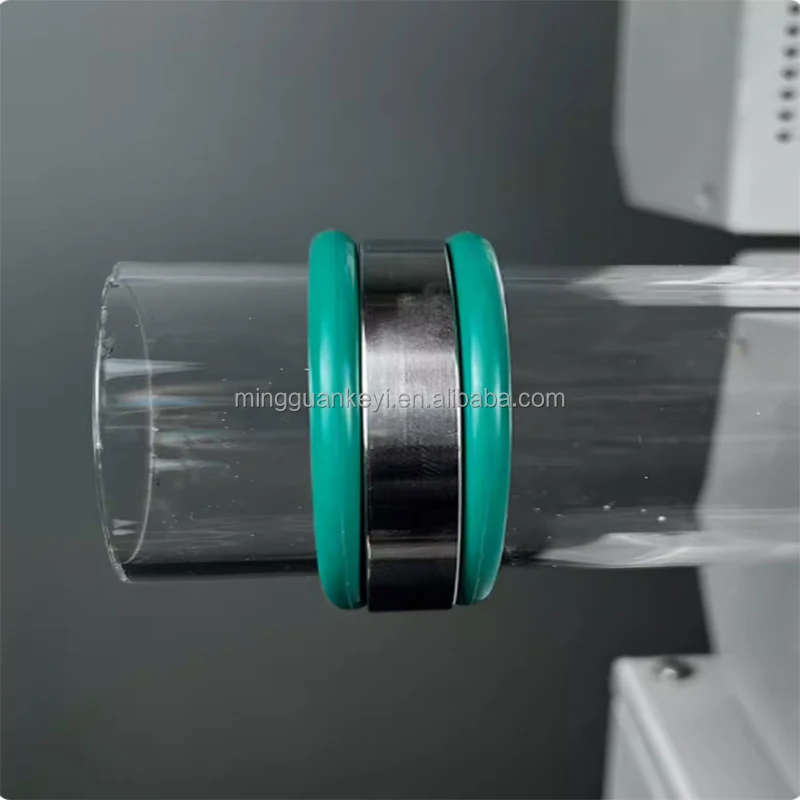
Suzhou Baoshida Trading Co., Ltd. operates at the forefront of industrial rubber solutions, delivering high-performance thermal insulating boards tailored to the exacting demands of modern manufacturing. Our engineering capability is anchored in a dedicated team of technical specialists, including five experienced mould engineers and two advanced formula engineers, who work in close integration to ensure optimal product performance, durability, and manufacturability. This multidisciplinary approach enables us to control every phase of development—from concept and material formulation to mould design and final production—ensuring seamless execution of OEM projects.
Our formula engineers specialize in custom elastomer development, focusing on rubber compounds that deliver superior thermal resistance, mechanical stability, and long-term aging performance. By precisely adjusting polymer base selection, filler composition, cross-linking systems, and additives, we engineer materials that maintain structural integrity across extreme temperature ranges. These formulations are specifically designed to minimize thermal conductivity while retaining essential mechanical properties such as compression set resistance and dimensional stability—critical for effective insulation in industrial enclosures, HVAC systems, and high-temperature processing equipment.
Complementing material innovation, our five mould engineers bring extensive expertise in precision tooling for complex rubber components. Utilizing advanced CAD/CAM software and collaborating directly with clients during the design-for-manufacturability (DFM) phase, they ensure that every thermal insulating board is produced with tight dimensional tolerances and consistent repeatability. Their proficiency spans multi-cavity moulds, insert moulding, and overmoulding techniques, enabling cost-effective, high-volume production without compromising quality.
As an OEM partner, Suzhou Baoshida provides full vertical integration, allowing us to respond rapidly to custom specifications and technical challenges. We support clients from prototype development through mass production, offering material certification, batch traceability, and rigorous quality control under ISO 9001 standards. Our facility is equipped with state-of-the-art curing presses, environmental testing chambers, and precision measurement systems to validate both material and dimensional performance.
The following table outlines key technical specifications achievable with our engineered thermal insulating boards:
| Property | Typical Value | Test Method |
|---|---|---|
| Thermal Conductivity | 0.18 – 0.25 W/(m·K) | ASTM C518 |
| Hardness (Shore A) | 40 – 80 | ASTM D2240 |
| Compression Set (22 hrs, 70°C) | ≤ 20% | ASTM D395 |
| Operating Temperature Range | -40°C to +150°C (up to +200°C intermittent) | Internal |
| Tensile Strength | ≥ 7.0 MPa | ASTM D412 |
| Elongation at Break | ≥ 200% | ASTM D412 |
With deep expertise in both rubber chemistry and precision manufacturing, Suzhou Baoshida delivers engineered thermal solutions that meet the functional, regulatory, and production needs of global industrial clients.
Customization Process
Customization Process for Thermal Insulating Board Manufacturing
At Suzhou Baoshida Trading Co., Ltd., our thermal insulating board customization follows a rigorously defined engineering workflow to ensure optimal performance under extreme thermal and mechanical conditions. This process begins with comprehensive Drawing Analysis, where our technical team dissects client-provided CAD files and specifications. We evaluate dimensional tolerances, thermal conductivity targets, compression set requirements, and environmental exposure parameters. Critical attention is given to interface geometry, load-bearing zones, and material compatibility with adjacent components. Any ambiguities in thermal expansion coefficients or surface finish specifications are resolved through direct engineering consultation, ensuring the design aligns with rubber’s inherent viscoelastic properties and manufacturability constraints.
Subsequent Formulation development leverages our proprietary polymer science database. Based on the thermal profile (e.g., continuous exposure range of -50°C to +200°C) and mechanical demands, we select base elastomers such as silicone, EPDM, or specialized fluorocarbon compounds. Additive systems are precisely engineered to achieve target thermal resistance without compromising compression recovery. For instance, nano-silica fillers may be incorporated to reduce thermal conductivity while maintaining tensile strength. Each formulation undergoes computational simulation for crosslink density prediction and thermal degradation modeling, minimizing trial iterations. All raw materials adhere to ISO 9001-certified supply chains with traceable batch documentation.
Prototyping utilizes CNC-machined molds and controlled vulcanization cycles to produce ISO-standard test plaques and functional samples. These undergo accelerated aging, thermal cycling per ASTM D573, and thermal conductivity validation via guarded hot plate (ASTM C177). Compression set is measured at maximum operational temperature after 72 hours (ASTM D395 Method B). Client feedback on physical samples triggers micro-adjustments to the cure kinetics or filler dispersion, with full material property re-verification before approval.
Mass Production deployment activates our integrated quality management system. Real-time monitoring of injection molding parameters—temperature uniformity, pressure profiles, and cure time—is enforced via IoT-enabled machinery. Every production batch undergoes 100% visual inspection and statistical sampling for thermal conductivity, hardness (Shore A), and density. Final boards are serialized and shipped with full material test reports (MTRs) including RoHS/REACH compliance documentation.
Key Performance Specifications Across Process Stages
| Parameter | Target Value | Testing Standard | Process Stage |
|---|---|---|---|
| Thermal Conductivity | ≤ 0.12 W/m·K | ASTM C177 | Formulation/Prototyping |
| Compression Set (22h/150°C) | ≤ 25% | ASTM D395 B | Prototyping/Mass Production |
| Temperature Range | -60°C to +220°C | ISO 188 | Drawing Analysis |
| Tensile Strength | ≥ 7.0 MPa | ASTM D412 | Mass Production |
| Density | 1.25 ± 0.05 g/cm³ | ASTM D297 | Formulation |
This sequenced methodology ensures Suzhou Baoshida delivers thermally stable, dimensionally reliable insulating boards that meet exacting OEM performance criteria while minimizing time-to-market. Our closed-loop engineering process guarantees repeatability across volumes from 500 to 500,000 units annually.
Contact Engineering Team
Contact Suzhou Baoshida for Advanced Thermal Insulating Board Solutions
At Suzhou Baoshida Trading Co., Ltd., we specialize in high-performance industrial rubber solutions tailored for demanding thermal management applications. Our thermal insulating boards are engineered to deliver exceptional heat resistance, dimensional stability, and long-term durability across a wide range of industrial environments. Whether you are operating in automotive manufacturing, heavy machinery, or high-temperature processing, our products are designed to meet the exacting standards of modern engineering.
We understand that every industrial application has unique thermal and mechanical requirements. That is why our team of rubber formulation engineers works closely with OEM partners to customize material compositions that align precisely with operational demands. From optimizing thermal conductivity to enhancing compression set resistance, our technical expertise ensures that the final product performs reliably under sustained thermal load.
Our thermal insulating boards are manufactured using precision compounding techniques and high-purity elastomeric materials, including silicone, EPDM, and specialized fluororubbers. These materials are selected not only for their inherent thermal insulation properties but also for their resistance to oxidation, ozone, and chemical exposure—critical factors in maintaining performance over time.
To support our clients in selecting the optimal solution, we provide comprehensive technical data sheets and application guidance. Below is a representative specification table for one of our standard high-temperature insulating board formulations:
| Property | Test Method | Value |
|---|---|---|
| Material Type | — | Silicone Rubber Composite |
| Density | ASTM D297 | 1.45 g/cm³ |
| Hardness (Shore A) | ASTM D2240 | 65 ± 5 |
| Tensile Strength | ASTM D412 | ≥8.0 MPa |
| Elongation at Break | ASTM D412 | ≥200% |
| Compression Set (22 hrs at 200°C) | ASTM D395 | ≤25% |
| Thermal Conductivity | ASTM C168 | 0.18 W/(m·K) |
| Continuous Operating Temperature | — | -60°C to +250°C |
| Dielectric Strength | ASTM D149 | ≥18 kV/mm |
These values are indicative of standard production batches; custom formulations can be developed to achieve lower thermal conductivity, higher temperature resistance, or improved mechanical resilience based on client specifications.
If your operation requires a reliable, high-efficiency thermal barrier that maintains integrity under extreme conditions, we invite you to contact Mr. Boyce, our dedicated OEM Manager. With extensive experience in rubber material science and industrial supply chain coordination, Mr. Boyce serves as the primary technical liaison for all custom development projects and volume manufacturing agreements.
For technical inquiries, sample requests, or to discuss your specific application requirements, please reach out directly via email at [email protected]. We respond to all inquiries within 24 business hours and offer virtual consultations to streamline the evaluation process. Suzhou Baoshida Trading Co., Ltd. is committed to delivering precision-engineered rubber solutions that enhance performance, safety, and efficiency in your manufacturing systems. Partner with us to develop a thermal insulating board that meets your exact operational needs.
⚖️ O-Ring Weight Calculator
Estimate rubber O-ring weight (Approx).