
Technical Contents
Engineering Guide: Thermal Insulation Sheet
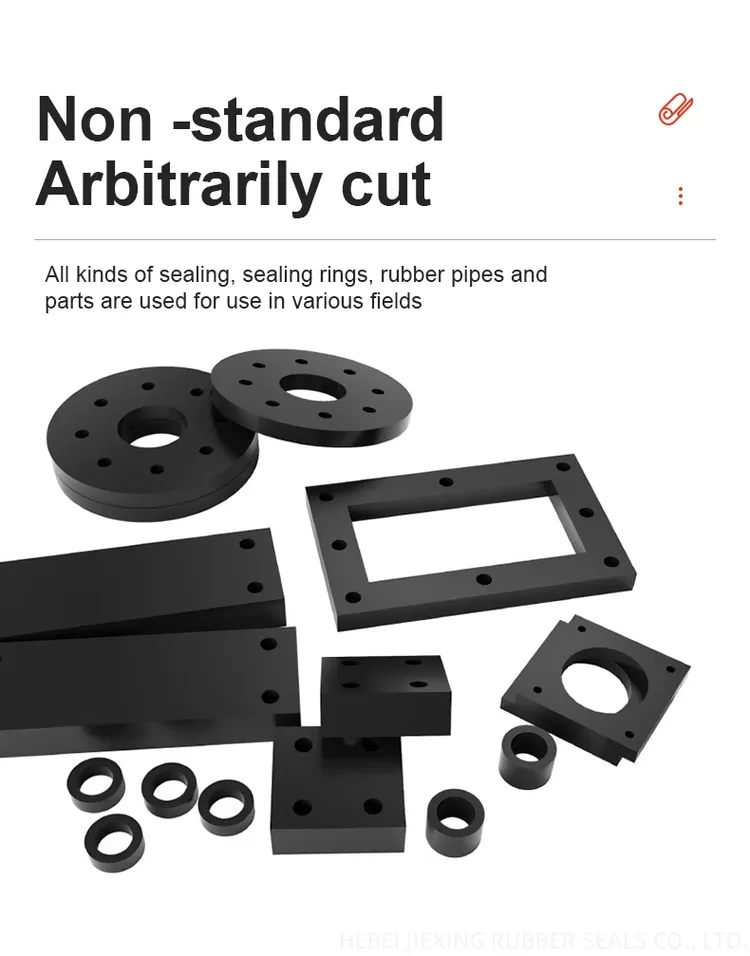
Engineering Insight: Material Selection in Thermal Insulation Sheets
In industrial applications, thermal insulation sheets are not merely passive barriers to heat transfer—they are engineered components critical to system integrity, safety, and longevity. At Suzhou Baoshida Trading Co., Ltd., we emphasize that material selection is the cornerstone of effective thermal management. Off-the-shelf insulation products often fail because they are designed for generalized conditions, not the specific thermal, mechanical, and chemical environments encountered in real-world operations.
Standard insulation sheets typically utilize generic elastomers such as EPDM or low-density silicone foam. While cost-effective, these materials lack the resilience required in demanding environments. For instance, exposure to continuous high temperatures above 200°C can cause thermal degradation, leading to cracking, hardening, or loss of compressibility. Similarly, in dynamic applications involving vibration or cyclic loading, poor tensile strength and compression set resistance result in premature failure.
The root cause of these failures lies in inadequate material formulation. High-performance thermal insulation requires a balanced compound that integrates thermal stability, mechanical durability, and environmental resistance. Silicone rubber, particularly high-consistency rubber (HCR) grades, offers superior performance due to its stable Si-O backbone, which resists oxidation and maintains elasticity across a broad temperature range. Fluorosilicone variants further enhance resistance to fuels and oils, making them suitable for automotive and aerospace applications.
Equally important is the reinforcement and filler system. The inclusion of ceramic microspheres or silica not only reduces thermal conductivity but also improves char formation under extreme heat, acting as a passive fire barrier. Conversely, low-cost alternatives often use calcium carbonate or untreated fillers, which degrade rapidly under thermal cycling and contribute to increased thermal conductivity over time.
Another frequently overlooked factor is compression set. In gasketing or sealing applications, an insulation sheet must maintain its thickness and resilience after prolonged compression. Materials with poor compression set resistance will permanently deform, leading to gaps, heat leakage, and potential system failure. This is particularly critical in engine compartments or industrial ovens where dimensional stability directly impacts performance.
Custom formulation allows for precise tuning of material properties to match operational demands. At Baoshida, we collaborate with OEMs to analyze service conditions—temperature profiles, exposure to fluids, mechanical stress—and develop insulation solutions that exceed standard specifications.
The following table outlines key material properties for common insulation sheet types used in industrial applications:
| Material Type | Continuous Use Temp (°C) | Thermal Conductivity (W/m·K) | Tensile Strength (MPa) | Compression Set (%) | Fluid Resistance |
|---|---|---|---|---|---|
| Standard EPDM | -40 to 135 | 0.25 | 7.0 | 25 | Moderate |
| General Silicone | -60 to 200 | 0.20 | 6.5 | 20 | Good |
| High-Performance HCR | -60 to 260 | 0.18 | 9.0 | 12 | Excellent |
| Fluorosilicone | -50 to 230 | 0.19 | 8.0 | 15 | Outstanding (fuels/oils) |
Material selection is not a one-size-fits-all proposition. Precision engineering begins with understanding the operational envelope and selecting a compound that performs reliably under stress. Off-the-shelf solutions compromise this principle—custom-engineered thermal insulation sheets do not.
Material Specifications
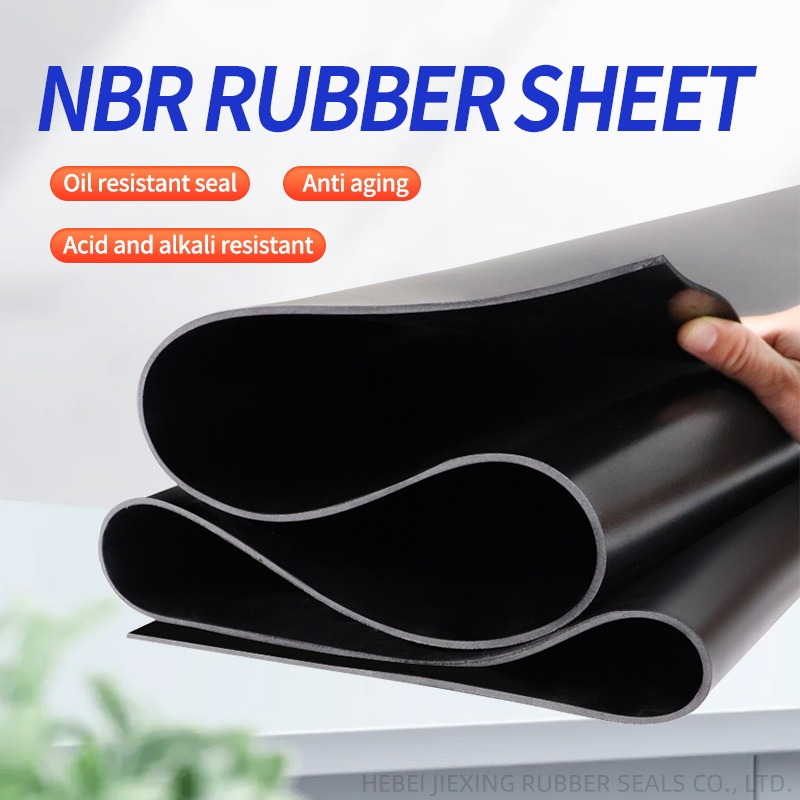
Material Specifications for Industrial Thermal Insulation Sheets
Suzhou Baoshida Trading Co., Ltd. delivers precision-engineered thermal insulation sheets for critical industrial applications. Material selection directly dictates performance under thermal stress, chemical exposure, and mechanical load. Our formulations—Viton® (FKM), Nitrile (NBR), and Silicone (VMQ)—are rigorously tested per ASTM D2000 and ISO 37 standards to ensure dimensional stability, thermal resilience, and longevity. Each polymer offers distinct advantages based on operational parameters, requiring strategic alignment with end-use environments.
Viton® excels in extreme high-temperature scenarios and aggressive chemical resistance, particularly against oils, fuels, and acids. Its fluorocarbon backbone maintains integrity where hydrocarbon-based elastomers fail. Nitrile provides optimal cost-performance balance for moderate-temperature oil and fuel exposure but exhibits limitations in ozone resistance and low-temperature flexibility. Silicone delivers unparalleled thermal stability across wide ranges and exceptional electrical insulation properties, though its mechanical strength is lower than hydrocarbon rubbers. Understanding these trade-offs is essential for maximizing service life and safety.
The comparative analysis below details critical specifications for informed material selection. All values represent typical performance under controlled laboratory conditions; real-world variables may necessitate application-specific validation.
| Property | Viton® (FKM) | Nitrile (NBR) | Silicone (VMQ) |
|---|---|---|---|
| Continuous Service Temperature | -20°C to +250°C | -30°C to +120°C | -60°C to +230°C |
| Peak Short-Term Temperature | +300°C | +150°C | +260°C |
| Thermal Conductivity (W/m·K) | 0.21 | 0.15 | 0.18 |
| Tensile Strength (MPa) | 12–18 | 15–25 | 6–10 |
| Elongation at Break (%) | 150–300 | 200–500 | 200–600 |
| Compression Set @ 70°C (22h) | ≤20% | ≤30% | ≤25% |
| Key Chemical Resistance | Fuels, Acids, Ozone | Oils, Aliphatic Hydrocarbons | Water, Steam, Oxygen |
| Critical Limitation | Poor Low-Temp Flex | Swells in Polar Solvents | Low Tear Strength |
Viton®’s molecular architecture (66–70% fluorine content) enables superior resistance to thermal degradation, validated through ASTM D573 aging tests. Nitrile formulations (34–50% acrylonitrile) balance acrylonitrile content to optimize oil resistance versus low-temperature performance. Silicone’s siloxane bonds provide inherent thermal oxidation stability but require reinforcement for high-pressure applications. All materials undergo Baoshida’s proprietary post-curing process to minimize outgassing and enhance thermal cycling endurance.
For OEMs, aligning material properties with operational thresholds prevents premature failure. Viton® is non-negotiable for aerospace fuel systems exceeding 200°C. NBR remains the economic choice for automotive gaskets in engine compartments below 120°C. Silicone is indispensable for medical or food-grade insulation requiring biocompatibility and steam sterilization. Suzhou Baoshida provides full material traceability and custom compound development to meet stringent OEM thermal management requirements. Consult our engineering team for application-specific validation testing per ASTM C177 or ISO 8301 protocols.
Manufacturing Capabilities
Engineering Capability
At Suzhou Baoshida Trading Co., Ltd., our technical foundation in industrial rubber solutions is anchored in deep material science expertise and precision engineering. With a dedicated team of five mould engineers and two specialized rubber formula engineers, we deliver fully integrated development and production capabilities for thermal insulation sheets tailored to demanding industrial applications. Our engineering team operates at the intersection of material performance, dimensional accuracy, and manufacturing efficiency, ensuring that every product meets exacting OEM specifications.
Our formula engineers possess advanced knowledge in polymer chemistry and elastomer compounding, enabling precise control over thermal conductivity, compression set resistance, aging stability, and environmental durability. By formulating custom rubber compounds—primarily based on silicone, EPDM, and nitrile rubber—we optimize thermal insulation performance across a wide temperature range, from -60°C to +300°C, depending on the application. These formulations are rigorously tested under simulated operational conditions to validate long-term performance in real-world environments.
Complementing our material expertise, our five in-house mould engineers bring extensive experience in precision tooling design and process optimization. They manage the complete mould lifecycle—from CAD-based design and finite element analysis (FEA) to prototype validation and high-volume production support. This vertical integration ensures tight tolerances, consistent part geometry, and minimized cycle times, which are critical for complex thermal insulation profiles used in automotive, aerospace, and industrial equipment sectors.
We specialize in OEM manufacturing, offering full-service development from technical drawings to finished product. Our clients benefit from collaborative engineering support, rapid prototyping, and scalable production runs. Whether the requirement is for custom thicknesses, adhesive backing integration, or flame-retardant properties, our team delivers engineered solutions that align with functional, regulatory, and cost objectives.
The following table outlines key technical specifications achievable with our thermal insulation sheet manufacturing platform:
| Property | Typical Value | Test Standard |
|---|---|---|
| Temperature Resistance | -60°C to +300°C | ASTM D1329 / ISO 188 |
| Thermal Conductivity | 0.18 – 0.25 W/m·K | ASTM C168 |
| Hardness (Shore A) | 30 – 80 | ASTM D2240 |
| Tensile Strength | ≥ 4.5 MPa | ASTM D412 |
| Elongation at Break | ≥ 150% | ASTM D412 |
| Compression Set (22 hrs, 150°C) | ≤ 25% | ASTM D395 |
| Dielectric Strength | ≥ 15 kV/mm | ASTM D149 |
All materials and processes are developed in compliance with ISO 9001 quality management standards, and we maintain full traceability across batches. Our engineering team works directly with OEM partners to optimize designs for manufacturability, ensuring seamless integration into final assemblies. This combination of formula intelligence, precision tooling, and OEM-focused service defines our competitive advantage in advanced thermal insulation solutions.
Customization Process
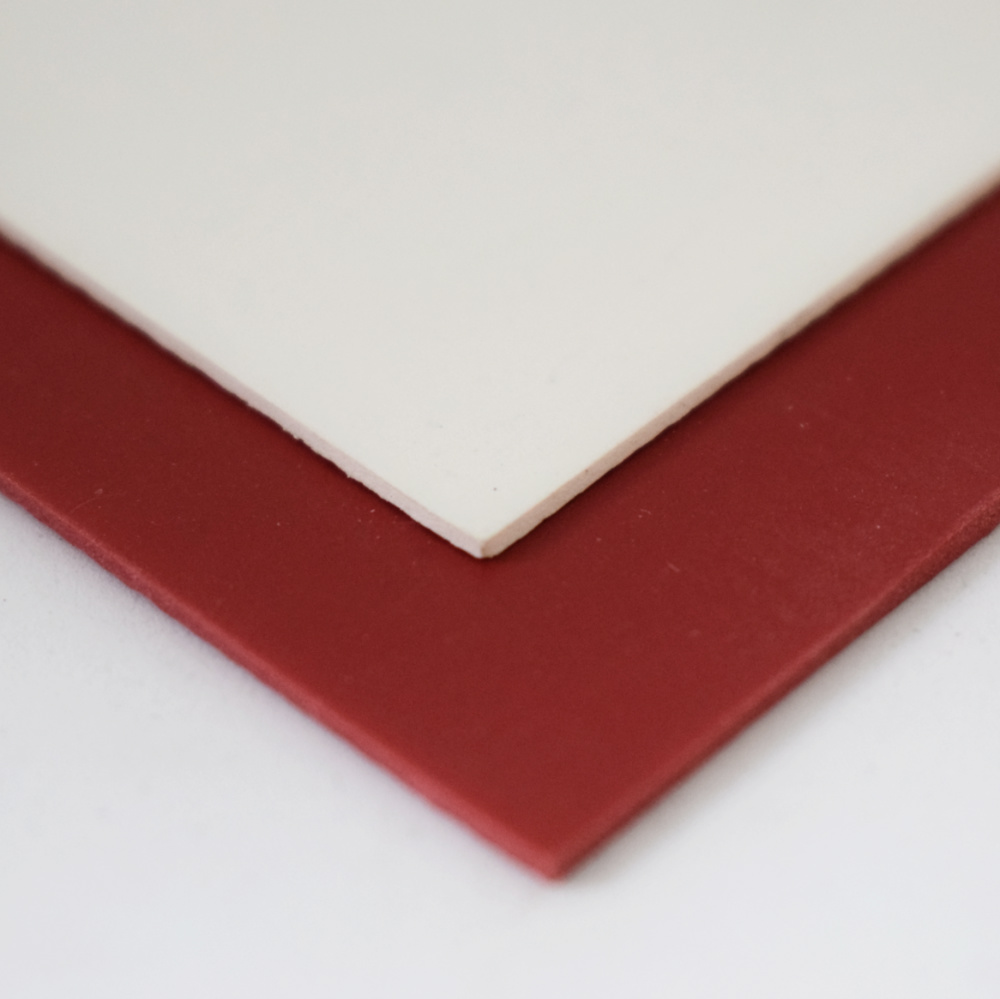
Thermal Insulation Sheet Customization Process: Engineering Precision from Concept to Volume
At Suzhou Baoshida Trading Co., Ltd., our industrial rubber solutions prioritize engineered reliability for thermal insulation sheets. Customization begins with rigorous Drawing Analysis, where our engineering team dissects client CAD files and technical schematics. We identify critical dimensions, tolerance stacks, and interface requirements while cross-referencing ISO 2768-mK geometric standards. This phase ensures manufacturability alignment, flagging potential thermal bridging risks or material stress points early. Non-conformities are resolved via collaborative engineering change proposals (ECPs), preventing downstream rework.
Formulation follows, leveraging our proprietary rubber compounding database. Based on the thermal profile (e.g., -40°C to +150°C continuous exposure) and mechanical demands, we select base polymers—typically EPDM or silicone for high-temperature resilience—and integrate functional additives. Key considerations include optimizing thermal conductivity via hollow microspheres, enhancing flame resistance with ATH fillers, and balancing crosslink density for compression set performance. Each formulation undergoes predictive modeling using Mooney-Rivlin constants to simulate real-world behavior before physical prototyping.
Prototyping transitions theory to validation. We produce 3–5 sample batches via precision compression molding, adhering to ASTM D2000 material classification codes. Samples undergo accelerated aging per ISO 188, thermal cycling tests (IEC 60068-2-14), and thermal conductivity verification (ASTM C518). Data is compared against the client’s thermal resistance (R-value) targets and dimensional stability thresholds. Iterations focus on eliminating anisotropy in thermal expansion—common in multi-layer sheets—until all parameters meet the agreed-upon specification sheet.
Mass Production integrates lessons from prototyping into controlled volume manufacturing. Our Suzhou facility employs SPC (Statistical Process Control) with real-time monitoring of vulcanization temperature (±2°C accuracy) and cure time. Every batch undergoes first-article inspection (FAI) against the final drawing, with thermal conductivity spot-checked hourly. Traceability is maintained via laser-etched batch codes linked to raw material lot histories, ensuring full compliance with ISO 9001 and automotive OEM standards like VDA 6.3.
Critical Thermal Insulation Sheet Specifications & Tolerances
| Parameter | Prototype Target | Production Tolerance | Test Standard |
|---|---|---|---|
| Thermal Conductivity | ≤0.045 W/m·K | ±0.005 W/m·K | ASTM C518 |
| Continuous Temp Range | -40°C to +150°C | ±5°C | ISO 188 |
| Density | 450 kg/m³ | ±25 kg/m³ | ASTM D297 |
| Compression Set (22h/70°C) | ≤15% | ≤20% | ASTM D395 Method B |
| Thickness Tolerance | ±0.1 mm | ±0.15 mm | ISO 2768-mK |
This structured workflow eliminates guesswork, transforming client thermal management challenges into validated, scalable solutions. Suzhou Baoshida’s commitment to data-driven iteration ensures your insulation sheets perform predictably under operational stress, reducing field failure risks by up to 70% versus non-customized alternatives. All stages are documented per AS9100 traceability requirements, providing auditable confidence from drawing approval to shipment.
Contact Engineering Team
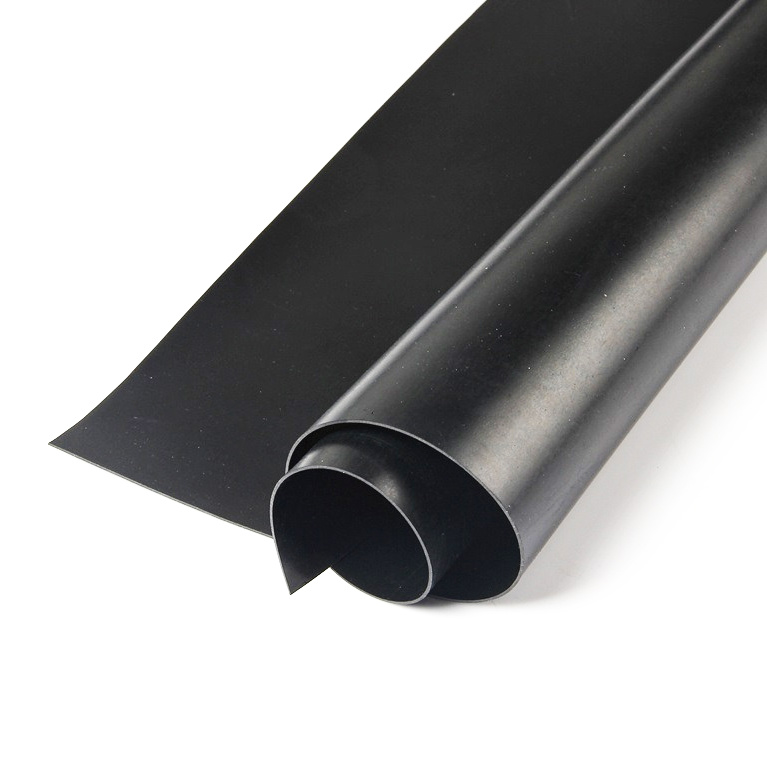
For industrial manufacturers seeking high-performance thermal insulation sheet solutions, Suzhou Baoshida Trading Co., Ltd. stands as a trusted partner in advanced rubber-based materials. Specializing in engineered industrial rubber solutions, we deliver precision-crafted thermal insulation sheets designed to meet the rigorous demands of automotive, aerospace, energy, and heavy manufacturing sectors. Our products are formulated for optimal thermal resistance, mechanical durability, and long-term stability under extreme operational conditions.
Our thermal insulation sheets are manufactured using proprietary rubber compounds, including silicone, EPDM, and nitrile blends, each selected for specific thermal and environmental performance characteristics. These materials are reinforced with high-density fiber or closed-cell foam structures to minimize heat transfer while maintaining flexibility and ease of installation. Whether the application involves engine compartment shielding, pipeline insulation, or heat barrier integration in electronic enclosures, our sheets provide consistent thermal management and protection against thermal degradation.
We understand that industrial clients require not only superior material performance but also reliable supply chains and technical support. At Suzhou Baoshida, we combine advanced R&D with strict quality control protocols to ensure every batch meets international standards, including ASTM E84, ISO 1182, and UL 94 flame ratings. Our production facilities are equipped for both standard and custom formulations, allowing us to tailor thickness, density, thermal conductivity, and surface finish to exact customer specifications.
To facilitate seamless integration into your manufacturing process, we offer comprehensive technical documentation, material test reports, and on-demand engineering consultation. Our team works directly with OEMs and system integrators to validate material performance through real-world testing and accelerated aging cycles.
For immediate technical support or custom quotation requests, contact Mr. Boyce, OEM Manager and Rubber Formula Engineer at Suzhou Baoshida Trading Co., Ltd. Mr. Boyce leads our industrial rubber solutions division and is responsible for material formulation, application engineering, and client technical onboarding. He is available to review project requirements, recommend optimal material configurations, and coordinate sample delivery for qualification testing.
Technical Specifications Overview – Standard Thermal Insulation Sheet Series
| Property | Value | Test Standard |
|---|---|---|
| Material Base | Silicone Rubber / EPDM Blended | ASTM D412 |
| Thickness Range | 1.0 mm – 10.0 mm | ASTM D374 |
| Density | 1.25 g/cm³ | ASTM D297 |
| Thermal Conductivity | 0.18 – 0.23 W/(m·K) | ASTM C518 |
| Operating Temperature Range | -60°C to +260°C | ISO 34-1 |
| Tensile Strength | ≥ 8.5 MPa | ASTM D412 |
| Elongation at Break | ≥ 250% | ASTM D412 |
| Flame Resistance | Self-Extinguishing, UL 94 V-0 | UL 94 |
| Compression Set (22 hrs, 150°C) | ≤ 25% | ASTM D395 |
To initiate collaboration or request material samples, contact Mr. Boyce directly at [email protected]. Include your technical specifications, volume requirements, and application environment for a targeted response within 24 business hours.
⚖️ O-Ring Weight Calculator
Estimate rubber O-ring weight (Approx).