
Technical Contents
Engineering Guide: Thermal Sleeve
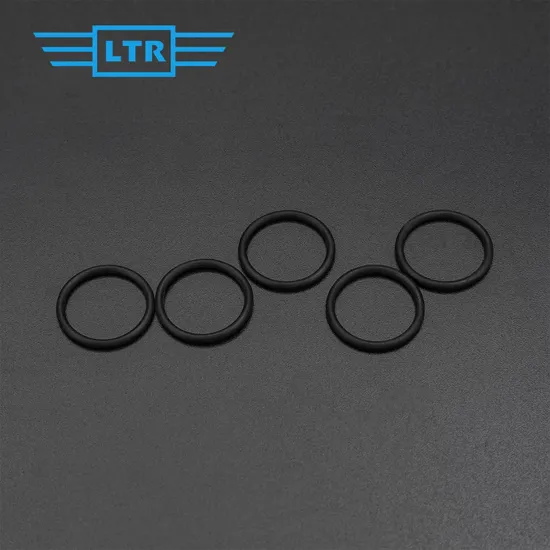
Engineering Insight: Material Selection Criticality in Thermal Sleeve Performance
Thermal sleeves represent a fundamental component in industrial thermal management systems, yet their consistent failure under demanding operational conditions frequently traces back to inadequate material selection. Off-the-shelf solutions, while appealing for initial cost savings, often prove detrimental due to a fundamental mismatch between generic polymer formulations and the specific, complex thermal, chemical, and mechanical stresses encountered in real-world applications. The critical error lies in treating thermal management as a one-dimensional challenge solely focused on nominal temperature ratings, neglecting the synergistic degradation kinetics inherent in dynamic industrial environments.
Generic thermal sleeves typically utilize standard elastomer grades like basic EPDM or silicone, optimized for broad market appeal rather than engineered resilience. These materials frequently lack the necessary balance of properties required for sustained performance. For instance, a sleeve rated for 150°C continuous use may catastrophically fail when subjected to intermittent spikes beyond 180°C, common in hydraulic or exhaust systems, due to insufficient thermal oxidative stability. Simultaneously, exposure to lubricants, hydraulic fluids, or cleaning agents can cause severe swelling or extraction of plasticizers in non-formulated compounds, leading to rapid loss of mechanical integrity, compression set, and compromised thermal insulation. Abrasion resistance is another common casualty in off-the-shelf products; insufficient reinforcement leaves sleeves vulnerable to wear from vibration or contact, creating pathways for heat ingress and premature system failure. The consequence is unplanned downtime, safety hazards, and significantly higher total cost of ownership compared to a correctly specified solution.
Suzhou Baoshida Trading Co., Ltd. addresses this critical gap through precision rubber formulation science. We recognize that effective thermal sleeves demand a holistic understanding of the operational envelope: peak temperatures, cycling frequency, chemical exposures, mechanical loads, and required service life. Our engineered compounds utilize advanced silicone, fluorosilicone (FVMQ), or specialty fluoroelastomer (FKM) bases, meticulously compounded with proprietary fillers, stabilizers, and reinforcing agents. This tailored approach ensures optimal thermal conductivity management, exceptional resistance to fluid degradation, high tensile and tear strength, and long-term flexibility across extreme temperature ranges – properties unattainable with commoditized materials.
The following table illustrates key performance differentiators between common material classes, highlighting why generic solutions fall short:
| Material Class | Continuous Use Temperature (°C) | Tensile Strength (MPa) | Key Chemical Resistance Limitation | Primary Failure Mode in Demanding Apps |
|---|---|---|---|---|
| Standard Silicone | 180-200 | 6.0-8.0 | Poor resistance to concentrated acids, some solvents | Swelling, strength loss in chemical exposure |
| Generic EPDM | 135-150 | 7.0-10.0 | Poor resistance to oils, fuels, ozone | Severe swelling, cracking in oil/fuel environments |
| Basic Fluorosilicone | 180-200 | 5.0-7.0 | Moderate resistance to oils/fuels; poor to ketones | Swelling in ketones, lower mechanical strength |
| Baoshida Engineered FVMQ/FKM | 230-260 | 9.0-12.0 | Excellent resistance to oils, fuels, many acids | Optimized for minimal degradation under combined stress |
Material selection is not a procurement decision but an engineering imperative. Suzhou Baoshida’s OEM partnership model leverages deep formulation expertise to transform thermal sleeves from a point-of-failure into a reliable, long-life component. We move beyond catalog specifications to deliver compounds engineered for the precise interplay of stresses within your application, ensuring thermal management integrity and operational continuity. Preventative engineering at the molecular level is the only sustainable path to eliminating sleeve-related downtime.
Material Specifications
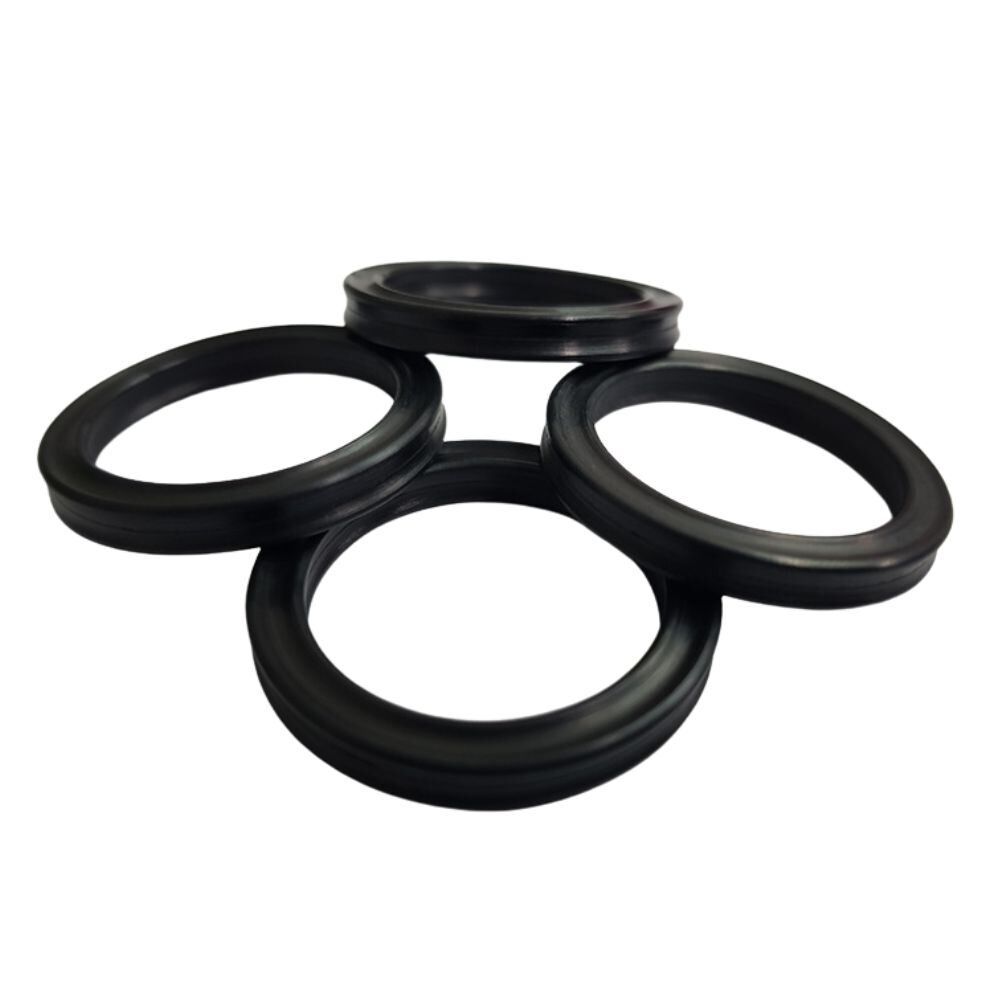
Material Specifications for Thermal Sleeves: Viton, Nitrile, and Silicone
Thermal sleeves are critical components in industrial applications where protection against extreme temperatures, chemical exposure, and mechanical stress is required. At Suzhou Baoshida Trading Co., Ltd., we specialize in high-performance rubber solutions engineered for durability and precision. Our thermal sleeves utilize three primary elastomers: Viton (FKM), Nitrile (NBR), and Silicone (VMQ). Each material offers distinct advantages depending on the operational environment, and selecting the appropriate compound is essential for optimal performance and longevity.
Viton is a fluorocarbon-based rubber renowned for its exceptional resistance to high temperatures, oils, fuels, and a broad range of aggressive chemicals. With continuous service capabilities up to 250°C and intermittent exposure tolerance to 300°C, Viton is ideal for aerospace, automotive, and chemical processing industries. Its low gas permeability and excellent aging characteristics make it a preferred choice for sealing applications under harsh conditions. However, Viton exhibits lower flexibility at low temperatures and higher material cost compared to alternatives.
Nitrile rubber, or Buna-N, is a copolymer of butadiene and acrylonitrile, offering outstanding resistance to petroleum-based oils, greases, and fuels. It performs reliably in temperature ranges from -40°C to 120°C, making it suitable for hydraulic systems, fuel lines, and industrial machinery. Nitrile provides good abrasion resistance and mechanical strength, with performance varying based on acrylonitrile content—higher content increases oil resistance but reduces low-temperature flexibility. While cost-effective and widely used, Nitrile is not recommended for exposure to ozone, UV radiation, or polar solvents.
Silicone rubber stands out for its exceptional thermal stability and flexibility across a wide temperature spectrum, from -60°C to 230°C. It maintains elastic properties at both extremes and offers good resistance to ozone and UV degradation. Silicone is commonly used in food-grade, medical, and electrical insulation applications due to its inert nature and low toxicity. However, it has lower tensile strength and abrasion resistance compared to Viton and Nitrile, and it swells in the presence of hydrocarbons.
Selection of the appropriate material must balance temperature range, chemical compatibility, mechanical demands, and cost considerations. Our engineering team at Suzhou Baoshida supports OEMs with material testing and customization to meet exacting application requirements.
| Property | Viton (FKM) | Nitrile (NBR) | Silicone (VMQ) |
|---|---|---|---|
| Temperature Range (°C) | -20 to 250 (up to 300 intermittent) | -40 to 120 | -60 to 230 |
| Oil & Fuel Resistance | Excellent | Excellent | Poor |
| Chemical Resistance | Excellent | Good (limited) | Fair |
| Ozone/UV Resistance | Excellent | Poor | Excellent |
| Tensile Strength | High | High | Moderate |
| Flexibility at Low Temp | Moderate | Good | Excellent |
| Abrasion Resistance | Good | Excellent | Fair |
| Common Applications | Aerospace, Chemical, Automotive | Hydraulic, Fuel Systems | Electrical, Medical, Food |
Manufacturing Capabilities
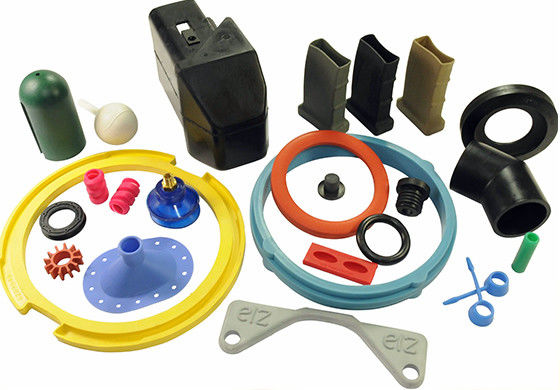
Engineering Capability: Precision Thermal Sleeve Development at Suzhou Baoshida
Suzhou Baoshida Trading Co., Ltd. leverages deep engineering expertise to deliver thermally optimized rubber sleeves meeting the stringent demands of global industrial applications. Our core strength resides in a dedicated technical team comprising five specialized Mold Engineers and two advanced Rubber Formula Engineers. This integrated structure ensures seamless translation of complex thermal management requirements into high-performance, manufacturable products. The Mold Engineering team focuses on precision cavity design, advanced cooling channel optimization, and rigorous tolerance control for complex geometries, directly impacting sleeve dimensional stability and thermal transfer efficiency under operational stress. Concurrently, our Formula Engineering specialists pioneer material science solutions, developing proprietary elastomeric compounds tailored to specific thermal conductivity, expansion coefficient, and environmental resistance profiles. This dual-engineering approach eliminates siloed development, guaranteeing the final product’s material properties and physical form are intrinsically aligned with the thermal challenge.
Material science is central to our thermal sleeve performance. Our Formula Engineers meticulously optimize the polymer matrix, filler systems, and curing kinetics to achieve precise thermal conductivity ranges while maintaining critical mechanical properties like compression set resistance and flexibility across extreme temperature cycles. We systematically evaluate and select base polymers—primarily high-purity silicone and specialty EPDM—then enhance them with thermally conductive fillers such as aluminum oxide or boron nitride. Rigorous laboratory testing under simulated operational conditions validates compound stability from cryogenic lows to continuous high-heat exposure, ensuring long-term reliability in demanding environments like automotive exhaust systems, industrial machinery, and energy infrastructure. This scientific formulation process directly enables sleeves that actively manage heat flux, protect sensitive components, and extend equipment service life.
Our OEM capability is engineered for true partnership and scalability. We engage clients at the earliest conceptual stage, utilizing CAE simulation for thermal modeling and structural analysis to de-risk design. Prototyping utilizes our in-house tooling expertise for rapid iteration, with physical validation against client-specific thermal and mechanical benchmarks. Full-scale production benefits from our vertically integrated quality control, featuring real-time process monitoring and material traceability. We manage the entire lifecycle—from custom compound development and precision molding to final validation testing—ensuring consistent delivery of engineering-grade solutions that meet exact OEM specifications and global regulatory standards. Suzhou Baoshida functions as an extension of your engineering team, providing the technical depth required for mission-critical thermal management.
Standard Thermal Sleeve Material Specifications
| Parameter | Standard Range/Value | Test Method | Customization Capability |
|---|---|---|---|
| Base Material | Silicone, EPDM | ASTM D2000 | Extensive Polymer Selection |
| Temperature Range | -40°C to +250°C Continuous | ASTM D573 | Up to +300°C Specialized |
| Thermal Conductivity | 0.8 – 2.5 W/m·K | ASTM D5470 | Tunable via Filler System |
| Durometer (Shore A) | 50 – 80 | ASTM D2240 | Precise ±3 Point Control |
| Tensile Strength | ≥ 8.0 MPa | ASTM D412 | Enhanced to ≥ 12.0 MPa |
| Elongation at Break | ≥ 200% | ASTM D412 | Optimized for Flex Life |
| Compression Set (22h/150°C) | ≤ 25% | ASTM D395 | ≤ 15% High-Performance |
| Wall Thickness Tolerance | ± 0.1 mm | ISO 3302 | Tighter Tolerances Available |
Customization Process
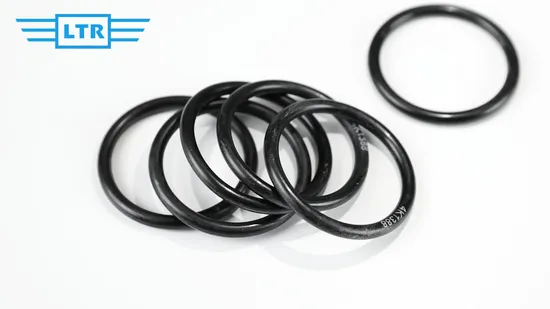
Drawing Analysis
The customization process for thermal sleeves begins with a comprehensive drawing analysis, where engineering specifications are evaluated for dimensional accuracy, tolerance requirements, and application environment. At Suzhou Baoshida Trading Co., Ltd., our technical team reviews client-provided CAD drawings or technical schematics to verify critical parameters such as inner diameter, outer diameter, wall thickness, axial length, and bend radius. Special attention is given to sealing surfaces, flange interfaces, and any non-standard geometries that may influence performance under thermal cycling or mechanical stress. Material compatibility with operating media—such as oils, coolants, or exhaust gases—is cross-referenced at this stage to ensure long-term durability. Any discrepancies or optimization opportunities are communicated directly to the client for validation before proceeding.
Formulation Development
Based on the operational conditions identified during drawing analysis, our rubber formulation engineers develop a compound tailored to the thermal, chemical, and mechanical demands of the application. Key performance indicators include continuous and peak temperature resistance, compression set, ozone and UV stability, and flame retardancy. We utilize high-performance elastomers such as silicone rubber (VMQ), fluorosilicone (FVMQ), EPDM, or FKM, depending on the required balance of flexibility, resilience, and thermal insulation. Fillers, reinforcing agents, and pigments are precisely metered to achieve the target hardness (Shore A), tensile strength, and thermal conductivity. All formulations are documented under strict quality control protocols and are traceable to international standards such as ASTM D2000 and ISO 1817.
Prototyping and Validation
Once the compound is finalized, a prototype batch is produced using precision molding techniques, including compression, transfer, or injection molding, depending on part complexity. Prototypes undergo rigorous in-house testing for dimensional conformity, thermal cycling (from -60°C to +300°C depending on material), burst pressure resistance, and long-term aging performance. Clients receive physical samples along with test reports for functional evaluation in real-world assemblies. Feedback is integrated into a final design verification loop, ensuring full alignment with OEM integration requirements.
Mass Production and Quality Assurance
After client approval, the project transitions to mass production. Our manufacturing facility operates under ISO 9001-certified processes, with automated mixing, molding, and post-curing systems ensuring batch-to-batch consistency. Each production lot undergoes 100% visual inspection and statistical sampling for mechanical and thermal performance. Traceability is maintained through batch coding and material certification.
| Property | Silicone (VMQ) | Fluorosilicone (FVMQ) | EPDM | FKM |
|---|---|---|---|---|
| Temperature Range (°C) | -60 to +250 | -55 to +200 | -50 to +150 | -20 to +200 |
| Hardness Range (Shore A) | 40–80 | 50–80 | 50–85 | 60–90 |
| Thermal Conductivity (W/m·K) | 0.18–0.22 | 0.19–0.23 | 0.20–0.25 | 0.22–0.26 |
| Fluid Resistance | Good | Excellent | Excellent | Outstanding |
| Standard Compliance | ROHS, REACH, UL | ROHS, MIL-R-25988 | ASTM D2000, ISO 1817 | ASTM D2000, SAE AS555 |
This systematic approach ensures that every thermal sleeve meets the exacting demands of industrial and automotive OEMs.
Contact Engineering Team
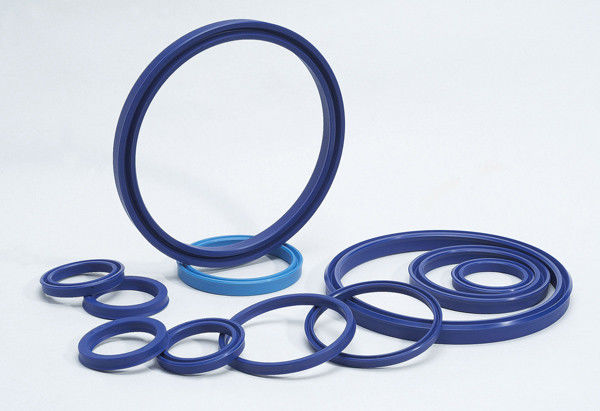
Contact Suzhou Baoshida for Precision Thermal Sleeve Engineering Solutions
Suzhou Baoshida Trading Co., Ltd. stands at the forefront of advanced industrial rubber solutions, specifically engineered to meet the demanding thermal management challenges inherent in modern manufacturing and heavy machinery operations. Our thermal sleeves are not merely protective coverings; they represent the culmination of rigorous material science research, precise compound formulation, and stringent quality control protocols. As your dedicated Rubber Formula Engineer and OEM Manager, we understand that thermal efficiency, operational safety, and component longevity are non-negotiable requirements within your production environment. Generic solutions often fail under extreme thermal cycling, chemical exposure, or mechanical stress, leading to unplanned downtime and increased total cost of ownership. Our approach transcends standard supply; we function as an integrated engineering partner, developing bespoke thermal sleeves calibrated precisely to your machinery’s thermal profile, environmental conditions, and performance lifecycle targets.
The technical specifications below illustrate the core capabilities achievable through our proprietary rubber compounding and manufacturing processes. These values represent standard benchmarks; true optimization occurs through collaborative engineering to address your specific application parameters.
| Parameter | Standard Specification | Customization Range |
|---|---|---|
| Continuous Use Temp | -60°C to +260°C | -75°C to +315°C achievable |
| Peak Short-Term Temp | +315°C | Up to +350°C possible |
| Material Base | Silicone Rubber | Fluorosilicone, EPDM variants |
| Dielectric Strength | ≥ 18 kV/mm | Tailored for specific voltages |
| Flame Resistance | UL 94 V-0 | Custom formulations available |
| Compression Set (22h/200°C) | ≤ 25% | Optimized for critical seals |
Achieving these performance metrics requires deep expertise in polymer chemistry, filler dispersion, and vulcanization kinetics – areas where Suzhou Baoshida’s engineering team excels. We do not merely select off-the-shelf compounds; we formulate and validate each batch to ensure consistent thermal conductivity, thermal expansion coefficients, and resilience against degradation mechanisms like oxidation or fluid ingress. This precision engineering directly translates to extended service life for hydraulic lines, exhaust components, sensors, and wiring harnesses operating within high-heat zones. Our sleeves maintain structural integrity under thermal shock, resist abrasion from vibration, and provide critical electrical insulation where mandated, forming an essential barrier against catastrophic failure points.
Initiating a technical consultation with Suzhou Baoshida is the critical first step toward eliminating thermal-related inefficiencies in your equipment. Direct engagement with our engineering leadership ensures your unique thermal challenges are analyzed at the molecular level, not just the surface level. For immediate discussion regarding material selection, performance validation testing, or OEM integration pathways for your thermal sleeve requirements, contact Mr. Boyce, our designated Technical Solutions Manager. Mr. Boyce possesses direct oversight of our formulation laboratory and production engineering teams, enabling him to facilitate rapid prototyping, specification refinement, and seamless transition from technical inquiry to qualified production. Provide your specific operating parameters, failure mode history, and performance expectations to receive a targeted engineering assessment. Reach Mr. Boyce directly via email at [email protected] to schedule a technical review. Include relevant application details such as target component diagrams, temperature profiles, and environmental exposure factors to expedite the solution development process. Partner with Suzhou Baoshida to transform thermal management from a vulnerability into a competitive operational advantage.
⚖️ O-Ring Weight Calculator
Estimate rubber O-ring weight (Approx).