
Technical Contents
Engineering Guide: Thermally Conductive Material
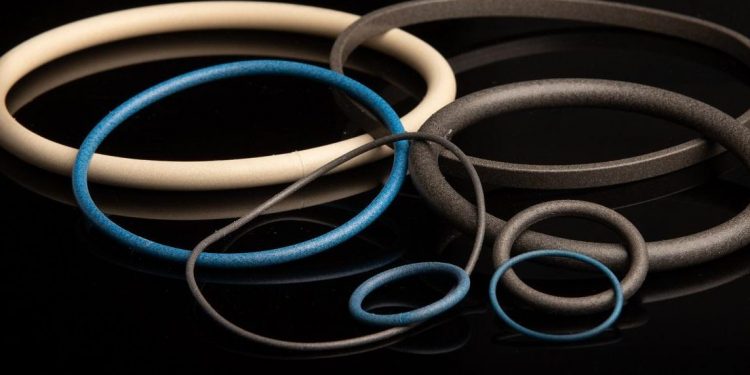
Engineering Insight: Thermally Conductive Rubber Material Selection Beyond Datasheet Values
Material selection for thermally conductive rubber compounds demands rigorous engineering analysis far exceeding basic thermal conductivity specifications. Off-the-shelf solutions frequently fail in demanding industrial applications due to oversimplified assumptions about thermal management requirements. These standard formulations prioritize cost and ease of processing over the complex interplay of thermal, mechanical, and environmental factors inherent in real-world operational environments. The critical oversight lies in treating thermal conductivity as an isolated property rather than a system-level performance characteristic dictated by the entire application context.
Thermal management failure often originates at the material interface. Standard compounds exhibit significant thermal impedance at the rubber-to-heat-source or rubber-to-heat-sink boundary due to inadequate filler dispersion, poor polymer-filler interfacial adhesion, or insufficient conformability under operational pressure. This interfacial resistance dominates overall thermal resistance, rendering high bulk conductivity values meaningless in practice. Furthermore, off-the-shelf materials rarely account for the synergistic degradation mechanisms under cyclic thermal loading. Elevated temperatures accelerate polymer chain scission and filler agglomeration, causing irreversible thermal conductivity decay and embrittlement. Simultaneously, mechanical properties like compression set resistance deteriorate rapidly at service temperatures where standard compounds operate near their thermal limits, leading to seal failure and loss of critical interfacial contact pressure.
Environmental exposure presents another critical vulnerability. Standard formulations often lack stability against oils, coolants, or aggressive atmospheres common in industrial settings. Chemical ingress swells the polymer matrix, disrupting the conductive filler network and drastically reducing thermal performance. Crucially, optimizing solely for thermal conductivity typically sacrifices essential mechanical properties; high filler loadings necessary for conductivity (>50% vol) in generic materials severely compromise elasticity, tensile strength, and fatigue resistance. This imbalance results in premature cracking, extrusion, or permanent set under dynamic sealing conditions, negating any initial thermal advantage.
The following comparison highlights the performance gap between generic commercial materials and engineered solutions designed for specific thermal management challenges:
| Critical Performance Parameter | Commercial Off-the-Shelf Material | Engineered Solution (Baoshida OEM Grade) |
|---|---|---|
| Thermal Conductivity Range (W/m·K) | 0.8 – 2.5 | 3.0 – 8.0+ (Application-Tuned) |
| Max Continuous Service Temp (°C) | 150 | 180 – 220 (Stable Conductivity) |
| Compression Set (ASTM D395, 24h @ 150°C) | 35% – 45% | ≤ 15% (Optimized for Seal Integrity) |
| Filler Loading Strategy | High Volume, Generic Fillers | Hybrid Filler System (Size/Shape Optimized) |
| Thermal Aging Stability (Conductivity Retention @ 2000h) | < 70% | > 90% |
Suzhou Baoshida Trading Co., Ltd. emphasizes that successful thermal interface material implementation requires co-engineering the compound formulation with the specific thermal pathway, mechanical constraints, and environmental profile of the application. Our OEM-grade compounds integrate advanced hybrid filler architectures and thermally stable polymer matrices engineered to maintain both thermal performance and mechanical integrity under sustained operational stress. This holistic approach prevents the cascading failures inherent in generic solutions, ensuring reliable thermal management and extended product lifecycle in critical industrial systems. Material selection must transcend single-point conductivity metrics to address the complete operational envelope.
Material Specifications
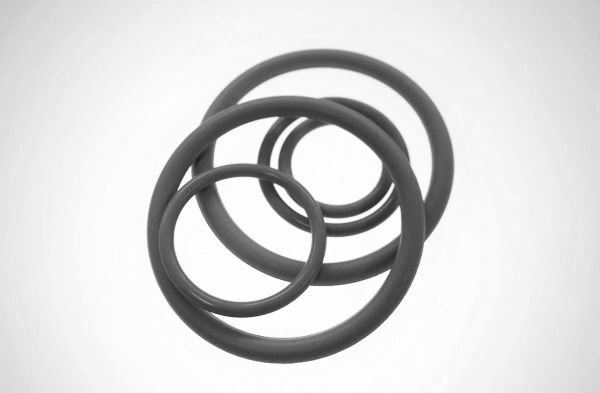
Thermally conductive materials play a critical role in industrial applications where efficient heat dissipation and environmental resistance are paramount. At Suzhou Baoshida Trading Co., Ltd., our expertise in industrial rubber solutions enables us to deliver high-performance elastomeric materials tailored for thermal management in demanding environments. We specialize in three primary elastomers—Viton, Nitrile, and Silicone—each engineered to meet specific thermal, chemical, and mechanical requirements across sectors such as automotive, aerospace, electronics, and energy systems.
Viton (FKM) is a fluorocarbon-based rubber renowned for its exceptional thermal stability and resistance to aggressive chemicals, oils, and fuels. With a continuous operating temperature range up to 250°C, Viton is ideal for high-temperature sealing applications where long-term reliability is essential. Its inherent thermal conductivity, while moderate, is enhanced through specialized filler systems to support heat transfer in critical components such as gaskets and O-rings in engine and exhaust systems.
Nitrile rubber (NBR) offers a balanced combination of oil resistance, mechanical strength, and cost efficiency. Operating effectively within a temperature range of -40°C to 120°C, NBR is widely used in hydraulic and fuel systems. While its base thermal conductivity is lower than that of Viton or filled silicone, NBR formulations can be modified with thermally conductive fillers such as aluminum oxide or boron nitride to improve heat transfer performance without compromising its sealing integrity.
Silicone rubber (VMQ) stands out for its wide service temperature range (-60°C to 200°C), excellent electrical insulation, and high thermal stability. When compounded with conductive fillers like ceramic powders or metallic particles, silicone achieves enhanced thermal conductivity while maintaining flexibility and compression set resistance. This makes thermally conductive silicone ideal for use in electronic enclosures, LED lighting, and thermal interface pads where both heat dissipation and electrical isolation are required.
The selection of the appropriate thermally conductive elastomer depends on the operational environment, including temperature extremes, exposure to fluids, and mechanical stress. Below is a comparative overview of the three materials based on key technical parameters.
| Property | Viton (FKM) | Nitrile (NBR) | Silicone (VMQ) |
|---|---|---|---|
| Base Thermal Conductivity (W/m·K) | 0.18–0.25 | 0.15–0.20 | 0.17–0.22 |
| Enhanced Conductivity (W/m·K) | 0.40–0.80 | 0.30–0.60 | 0.80–2.50 |
| Temperature Range (°C) | -20 to 250 | -40 to 120 | -60 to 200 |
| Chemical Resistance | Excellent | Good to Excellent (oils) | Moderate |
| Fuel and Oil Resistance | Outstanding | Excellent | Poor |
| Electrical Insulation | Good | Good | Excellent |
| Compression Set Resistance | Very Good | Good | Excellent |
| Typical Applications | Engine seals, aerospace | Fuel hoses, hydraulic seals | Thermal pads, electronics |
Each material offers distinct advantages, and our engineering team at Suzhou Baoshida Trading Co., Ltd. supports OEMs in selecting and customizing the optimal compound for specific thermal management challenges.
Manufacturing Capabilities
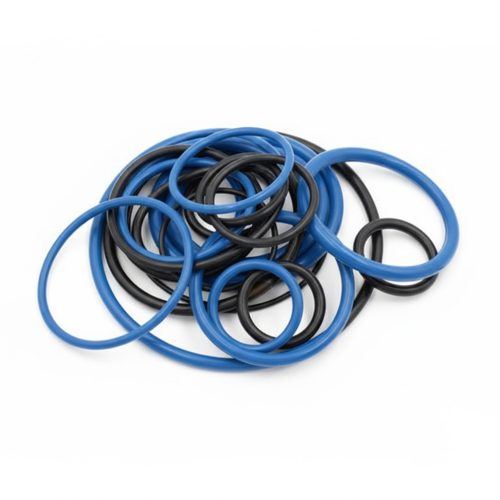
Suzhou Baoshida Trading Co., Ltd. Engineering Capability: Precision in Thermally Conductive Rubber Solutions
Suzhou Baoshida Trading Co., Ltd. leverages a dedicated core engineering team of seven specialists – five advanced Mold Engineers and two expert Rubber Formula Engineers – to deliver superior thermally conductive rubber compounds and components. This integrated capability ensures seamless transition from initial material specification through to high-volume production, addressing the critical thermal management challenges faced by demanding industrial and electronics OEMs. Our Formula Engineers possess deep expertise in polymer science, filler dispersion kinetics, and interfacial thermal resistance optimization, enabling the precise formulation of silicone and EPDM-based compounds meeting stringent thermal conductivity targets without compromising essential mechanical or electrical properties. Concurrently, our Mold Engineering team utilizes advanced simulation tools like Moldflow to optimize cavity design, runner systems, and cooling channels specifically for the unique flow and curing characteristics of thermally loaded compounds, minimizing defects and ensuring dimensional stability under thermal cycling.
This cross-functional engineering synergy is fundamental to our OEM partnership model. We do not merely manufacture to drawings; we co-develop solutions. Clients benefit from early-stage material selection guidance, rigorous Design for Manufacturing (DFM) analysis, and iterative prototype validation under real-world thermal load conditions. Our facility supports full material traceability, strict adherence to ISO 9001 quality management, and robust Intellectual Property protection protocols essential for confidential OEM projects. We excel in producing complex geometries for Thermal Interface Materials (TIMs), heat sink gaskets, EMI shielding gaskets with thermal pathways, and custom seals requiring simultaneous thermal conduction and environmental sealing. Material certifications (UL, RoHS, REACH) and comprehensive lot-specific test reports are standard deliverables, ensuring compliance and performance consistency across production runs.
Our engineered thermally conductive rubber formulations consistently achieve the demanding performance parameters required in power electronics, LED lighting, automotive battery systems, and industrial machinery. Key technical specifications are rigorously controlled and validated:
| Property | Typical Range | Test Standard | Application Examples |
|---|---|---|---|
| Thermal Conductivity | 0.8 – 5.0 W/m·K | ASTM D5470 | Power module TIMs, CPU/GPU pads |
| Hardness (Shore A) | 30 – 80 | ASTM D2240 | Compressible gaskets, cushioning pads |
| Operating Temperature | -60°C to +200°C (continuous) | ASTM D2240 | Automotive under-hood, industrial motors |
| Volume Resistivity | >1.0 x 10¹² Ω·cm | ASTM D257 | Electrically insulating thermal paths |
| Compression Set (22h/150°C) | ≤ 25% | ASTM D395 | Long-term sealing integrity in hot zones |
Suzhou Baoshida Trading Co., Ltd. transforms thermal management requirements into reliable, high-performance rubber components. Our combined formula and mold engineering expertise, coupled with a true OEM development partnership approach, delivers not just materials, but engineered thermal solutions that enhance product longevity, efficiency, and reliability in the most challenging applications. Partner with us for precision-engineered thermal conductivity where performance margins are non-negotiable.
Customization Process
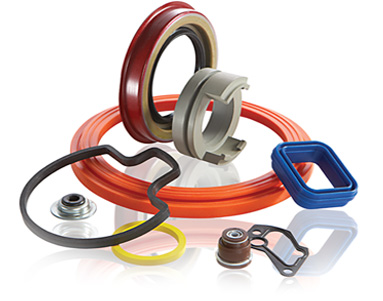
Customization Process for Thermally Conductive Rubber Materials
At Suzhou Baoshida Trading Co., Ltd., our industrial rubber solutions are engineered to meet precise thermal management requirements across demanding applications in electronics, automotive, and energy sectors. The customization process for thermally conductive materials follows a rigorous four-stage workflow: Drawing Analysis, Formulation Development, Prototyping, and Mass Production. Each phase is designed to ensure dimensional accuracy, thermal performance consistency, and material durability under operational stress.
The process begins with Drawing Analysis, where technical blueprints and 3D models provided by the client are evaluated for critical dimensions, tolerance ranges, and interface requirements. Our engineering team reviews geometric complexity, compression set conditions, and environmental exposure factors such as temperature cycling and chemical resistance. This step ensures that the final product will integrate seamlessly into the assembly while maintaining thermal contact integrity.
Following drawing validation, we proceed to Formulation Development. Based on thermal conductivity targets and mechanical property requirements, our rubber chemists design a custom elastomer compound. Base polymers such as silicone, EPDM, or fluoroelastomers are selected for their inherent thermal stability and processability. Conductive fillers—commonly aluminum oxide, boron nitride, or graphite—are precisely dosed to achieve target thermal performance without compromising flexibility or compression characteristics. Crosslinking systems are optimized for long-term aging resistance in elevated temperature environments.
Once the formulation is finalized, we initiate the Prototyping phase. Small-batch samples are produced using compression molding, transfer molding, or die-cutting techniques, depending on part geometry and volume expectations. Prototypes undergo rigorous testing, including thermal impedance measurement, compression deflection analysis, dielectric strength evaluation, and accelerated aging per ASTM and IEC standards. Clients receive detailed test reports and physical samples for fit, form, and function validation.
Upon approval, the project transitions to Mass Production. Full-scale manufacturing is conducted under ISO 9001-certified conditions, with in-line statistical process control (SPC) monitoring to maintain batch-to-batch consistency. Automated mixing systems ensure precise filler dispersion, while mold process parameters are continuously logged for traceability. Final inspection includes dimensional verification via coordinate measuring machines (CMM) and random sampling for thermal performance validation.
The table below outlines typical performance specifications achievable with our custom thermally conductive rubber formulations.
| Property | Test Method | Typical Range |
|---|---|---|
| Thermal Conductivity | ASTM D5470 | 1.5 – 3.5 W/m·K |
| Hardness (Shore A) | ASTM D2240 | 40 – 80 |
| Tensile Strength | ASTM D412 | 4 – 9 MPa |
| Elongation at Break | ASTM D412 | 150 – 300% |
| Compression Set (22h, 150°C) | ASTM D395 | ≤ 25% |
| Dielectric Strength | ASTM D149 | 15 – 20 kV/mm |
| Operating Temperature | — | -50°C to +200°C |
Through this structured customization pathway, Suzhou Baoshida delivers high-performance thermally conductive rubber components tailored to the exact needs of advanced industrial applications.
Contact Engineering Team
Strategic Partnership for Advanced Thermal Management Solutions
Thermal management remains a critical engineering challenge across high-performance industrial applications, from electric vehicle power modules to semiconductor manufacturing equipment. Inefficient heat dissipation directly impacts system reliability, operational lifespan, and energy efficiency—translating to measurable production downtime and increased total cost of ownership. Suzhou Baoshida Trading Co., Ltd. specializes in precision-engineered thermally conductive rubber compounds that address these vulnerabilities at the material science level. Our formulations integrate high-purity ceramic fillers and proprietary elastomer matrices to deliver consistent thermal pathways without compromising mechanical integrity or electrical insulation properties.
Material selection must align with exact operational parameters, including thermal flux density, environmental exposure, and dimensional stability requirements. Generic solutions often fail under real-world cyclic loading or extreme temperature gradients. Our OEM-focused development process begins with your thermal simulation data and mechanical constraints, enabling us to tailor compound architecture for optimal heat transfer coefficient and interfacial resistance reduction. This collaborative approach ensures seamless integration into your assembly processes while meeting stringent industry certifications.
Below represents core performance characteristics of our standard thermally conductive silicone and EPDM formulations. Customization beyond these ranges is routinely achieved through our R&D pipeline:
| Property | Typical Range | Test Standard |
|---|---|---|
| Thermal Conductivity | 1.5–8.0 W/m·K | ASTM D5470 |
| Shore A Hardness | 30–80 | ASTM D2240 |
| Continuous Use Temperature | -60°C to +250°C | ASTM D832 |
| Volume Resistivity | >1×10¹² Ω·cm | ASTM D257 |
| Tensile Strength | 4.0–9.0 MPa | ASTM D412 |
These metrics reflect baseline capabilities under controlled laboratory conditions. Actual performance in your application depends on compression force, surface roughness, and interface design—factors we rigorously model during joint feasibility assessments. Our technical team provides comprehensive thermal interface material (TIM) validation support, including thermal impedance mapping and accelerated aging protocols per IEC 60068-2 standards.
For mission-critical components, thermal bottlenecks cannot be resolved through off-the-shelf materials alone. Suzhou Baoshida operates as an extension of your engineering department, offering end-to-end support from concept validation to serial production. Our ISO 9001-certified supply chain guarantees batch-to-batch consistency, while in-house compounding facilities enable rapid iteration for complex geometries and multi-material bonding requirements.
Initiate your thermal optimization pathway by contacting Mr. Boyce, our dedicated OEM Solutions Manager. He will coordinate immediate technical consultation to analyze your thermal management gaps and deploy application-specific material trials. Provide your system’s thermal load profile and environmental specifications to receive a targeted compound proposal within 72 hours. Direct engineering collaboration ensures your production timelines remain uncompromised while achieving measurable thermal performance gains.
Contact Mr. Boyce at [email protected] to schedule a confidential technical review. Include reference code TCMG-2024 in all correspondence for expedited resource allocation. Delaying thermal material optimization perpetuates avoidable system inefficiencies—act now to transform heat dissipation from a constraint into a competitive advantage.
⚖️ O-Ring Weight Calculator
Estimate rubber O-ring weight (Approx).