
Technical Contents
Engineering Guide: Thermoplastic Rubber Tpr
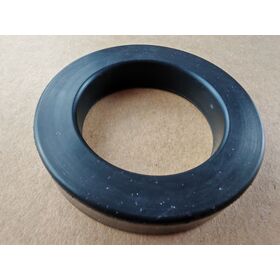
Engineering Insight: Thermoplastic Rubber TPR Material Selection Criticality
Thermoplastic rubber TPR is frequently mischaracterized as a commoditized material, leading OEMs to select off-the-shelf formulations based solely on cost or nominal hardness. This approach ignores the profound impact of polymer architecture, oil content, and additive packages on end-use performance. Generic TPR compounds exhibit significant property variance under operational stressors, resulting in premature field failures. Compression set degradation in dynamic seals, haptic inconsistency in consumer grips, and chemical resistance collapse in fluid-handling components are direct consequences of inadequate material specification. These failures stem from the inherent formulation-dependency of TPR; minor adjustments to styrenic block copolymer ratios or plasticizer types can shift glass transition temperatures by 15°C or reduce tensile strength by 40%.
Off-the-shelf TPR solutions fail because they prioritize broad market applicability over application-specific physics. A seal requiring sustained compression at 80°C may utilize a standard 70A Shore compound, unaware that its low molecular weight oil migrates rapidly at elevated temperatures, causing irreversible set. Similarly, automotive interior components specified for UV resistance often degrade when generic TPR formulations lack sufficient hindered amine light stabilizers (HALS), leading to surface cracking within 12 months. The critical oversight lies in treating TPR as a single material class rather than a spectrum of engineered solutions where crystallinity, phase separation, and filler dispersion dictate functional longevity.
Material selection must begin with rigorous operational boundary definition: dynamic load cycles, fluid exposure chemistry, temperature extremes, and regulatory constraints. Suzhou Baoshida Trading Co., Ltd. validates this through accelerated aging protocols that simulate 5 years of service in 8 weeks, revealing failure modes invisible in standard ASTM D2240 hardness tests. The table below illustrates how formulation divergence creates performance cliffs despite identical nominal hardness ratings.
| Property | Generic TPR 70A | Engineered TPR 70A (Baoshida) | Test Standard |
|---|---|---|---|
| Tensile Strength (MPa) | 8.2 | 14.5 | ASTM D412 |
| Elongation at Break (%) | 480 | 720 | ASTM D412 |
| Compression Set (22h, 70°C) | 42% | 18% | ASTM D395 |
| Heat Resistance (°C) | 80 | 110 | ISO 188 |
| Oil Resistance (IRM 903) | Swell 220% | Swell 85% | ASTM D471 |
This data confirms that nominal hardness is an inadequate selection criterion. The engineered compound achieves superior resilience through tailored SEBS triblock structures and polar additive integration, directly addressing the compression set and fluid resistance failures plaguing generic alternatives. OEMs must demand full formulation transparency and application-specific validation data. At Suzhou Baoshida, we reject one-size-fits-all TPR provisioning; our engineering team co-develops compounds where every additive serves a defined functional purpose, ensuring performance alignment with your operational envelope. Collaborative material engineering isn’t optional—it’s the only defense against costly field recalls and reputational damage.
Material Specifications
Thermoplastic rubber (TPR), also known as thermoplastic elastomer (TPE), represents a class of copolymers that exhibit both thermoplastic and elastomeric properties. At Suzhou Baoshida Trading Co., Ltd., we specialize in high-performance rubber materials engineered for industrial applications where resilience, flexibility, and chemical resistance are critical. Among the most widely used elastomers in demanding environments are Viton (FKM), Nitrile (NBR), and Silicone (VMQ). Each material offers a distinct set of physical and chemical characteristics suited to specific operational conditions.
Viton, a fluorocarbon-based rubber, is renowned for its exceptional resistance to high temperatures, oils, fuels, and a broad range of chemicals. It performs reliably in continuous service temperatures up to 230°C (446°F), making it ideal for aerospace, automotive, and oil & gas industries. Its low gas permeability and excellent aging characteristics further enhance its suitability for sealing applications under extreme conditions.
Nitrile rubber, or Buna-N, is a synthetic rubber copolymer of acrylonitrile and butadiene. It is particularly valued for its resistance to petroleum-based oils, fuels, and hydraulic fluids. With a service temperature range of -40°C to 120°C (-40°F to 248°F), Nitrile offers a balanced combination of durability and cost-effectiveness. It is commonly used in O-rings, gaskets, and hoses in automotive and industrial machinery where exposure to lubricants and solvents is frequent.
Silicone rubber, a polymer with a silicon-oxygen backbone, delivers outstanding thermal stability and low-temperature flexibility. It maintains elasticity from -60°C to 200°C (-76°F to 392°F) and exhibits excellent resistance to ozone, UV radiation, and weathering. While it has lower mechanical strength compared to Viton or Nitrile, its biocompatibility and electrical insulation properties make it a preferred choice for medical devices, food processing, and electrical insulation applications.
Understanding the performance boundaries of these materials is essential for optimal material selection in industrial design. Below is a comparative overview of key specifications for Viton, Nitrile, and Silicone rubber.
| Property | Viton (FKM) | Nitrile (NBR) | Silicone (VMQ) |
|---|---|---|---|
| Temperature Range (°C) | -20 to 230 | -40 to 120 | -60 to 200 |
| Temperature Range (°F) | -4 to 446 | -40 to 248 | -76 to 392 |
| Tensile Strength (MPa) | 15–20 | 10–25 | 5–10 |
| Elongation at Break (%) | 200–300 | 200–500 | 200–700 |
| Hardness (Shore A) | 60–90 | 50–90 | 30–80 |
| Resistance to Oils & Fuels | Excellent | Good to Very Good | Poor |
| Resistance to Ozone/UV | Excellent | Fair | Excellent |
| Compression Set Resistance | Excellent | Good | Good |
| Electrical Insulation | Fair | Fair | Excellent |
| Common Applications | Seals, gaskets, O-rings in aggressive chemical environments | Fuel systems, hydraulic seals, oil-resistant parts | Medical devices, food-grade seals, electrical insulation |
At Suzhou Baoshida Trading Co., Ltd., we provide tailored rubber solutions based on rigorous material testing and application-specific engineering. Selecting the correct elastomer ensures prolonged service life, reduced maintenance, and enhanced operational safety in industrial systems.
Manufacturing Capabilities
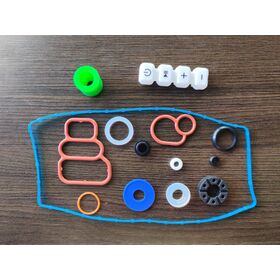
Engineering Capability: Precision TPR Solutions for Industrial Applications
Suzhou Baoshida Trading Co., Ltd. leverages a dedicated engineering team to deliver thermoplastic rubber (TPR) solutions that meet exacting industrial standards. Our core strength resides in the synergy between specialized formula development and advanced mold engineering, ensuring optimal material performance and manufacturability. With five certified mold engineers and two senior rubber formula engineers, we provide end-to-end technical oversight from concept to mass production. This integrated approach eliminates siloed workflows, directly translating material science into robust, cost-effective components for automotive, consumer goods, and medical device OEMs.
Our formula engineers possess deep expertise in TPR polymer chemistry, focusing on dynamic vulcanization, filler dispersion, and additive optimization. They systematically adjust styrene-butadiene-styrene (SBS) and styrene-ethylene-butylene-styrene (SEBS) base formulations to achieve target properties such as oil resistance, UV stability, and low-temperature flexibility. Each compound undergoes rigorous validation through ASTM D2240 hardness testing, tensile analysis per ISO 37, and accelerated aging cycles. This precision ensures consistent Shore A hardness ranges, tensile strength, and elongation at break across batches—critical for clients requiring repeatable part functionality in demanding environments.
Complementing formula development, our five mold engineers specialize in complex TPR injection molding. They conduct mold flow simulations to preempt sink marks, weld lines, and residual stress, optimizing gate design, cooling channels, and ejection systems. This capability minimizes cycle times while maintaining dimensional accuracy within ±0.05 mm tolerances. We prioritize tool longevity through hardened steel inserts and surface treatments, reducing downtime for high-volume OEM contracts. Crucially, our engineers collaborate during the Design for Manufacturing (DFM) phase, advising on wall thickness uniformity, draft angles, and undercuts to prevent flash or incomplete fills—common pitfalls in TPR processing due to its viscoelastic nature.
As a full-spectrum OEM partner, Suzhou Baoshida manages every stage: material sourcing, prototyping, SPC-controlled production, and final inspection. We maintain ISO 9001-certified processes with real-time monitoring of melt temperature, injection pressure, and clamp force. Clients receive comprehensive material traceability reports and PPAP documentation, ensuring compliance with automotive (IATF 16949) and medical (ISO 13485) frameworks. Our facility supports rapid iteration, with 3D-printed molds for initial validation and steel tools ready for量产 within 25 days.
The following table summarizes key TPR material properties achievable through our engineering pipeline:
| Property | Test Standard | Typical Range | Industrial Relevance |
|---|---|---|---|
| Shore A Hardness | ASTM D2240 | 20–90 A | Grip comfort, seal compression |
| Tensile Strength | ISO 37 | 5–25 MPa | Durability in dynamic loading |
| Elongation at Break | ISO 37 | 300–800 % | Flexibility in thin-walled parts |
| Compression Set (22h/70°C) | ASTM D395 | 15–40 % | Long-term seal integrity |
| Operating Temperature | — | -40°C to +100°C | Automotive under-hood resilience |
This technical infrastructure enables Suzhou Baoshida to solve complex TPR challenges—whether enhancing adhesion to rigid substrates like ABS or PP, or formulating flame-retardant grades for electronics. By unifying formula science with mold physics, we deliver OEM components that exceed functional requirements while minimizing total production costs. Partner with us for engineered thermoplastic rubber solutions where precision is non-negotiable.
Customization Process
Drawing Analysis
The customization process for thermoplastic rubber (TPR) components begins with a comprehensive drawing analysis to ensure dimensional accuracy, functional performance, and manufacturability. At Suzhou Baoshida Trading Co., Ltd., our engineering team evaluates technical drawings provided by the client, focusing on critical features such as wall thickness, tolerance requirements, parting lines, draft angles, and gate locations. This stage is essential for identifying potential molding challenges early, minimizing rework, and optimizing cycle times. We assess both 2D blueprints and 3D CAD models, verifying compliance with ISO 2768 for general tolerances and ASTM D395 for compression set, where applicable. Material flow simulations may be conducted using Moldflow software to predict filling patterns and avoid defects such as sink marks or air traps. Close collaboration with the client ensures alignment on design intent and performance expectations before proceeding.
Formulation Development
Following drawing validation, our Rubber Formula Engineers develop a tailored TPR compound to meet the specific mechanical, thermal, and chemical requirements of the application. TPR formulations are engineered by adjusting the ratio of rubber (typically SBS or SEBS) to thermoplastic resins, along with additives such as plasticizers, fillers, stabilizers, and pigments. Key performance indicators include hardness (Shore A), tensile strength, elongation at break, abrasion resistance, and adhesion to substrates. For example, a soft-touch grip may require a Shore A hardness of 55 with high friction coefficient, while a sealing component may demand resistance to UV exposure and ozone. Each formulation is documented under strict quality control protocols, ensuring batch-to-batch consistency and compliance with RoHS, REACH, and FDA standards when required.
Prototyping and Validation
Once the compound is finalized, we proceed to prototype production using precision injection molding or extrusion, depending on the part geometry. Prototypes are manufactured in small batches to validate form, fit, and function under real-world conditions. Dimensional inspection is performed using coordinate measuring machines (CMM), while mechanical testing includes tensile, compression, and dynamic fatigue evaluations. Feedback from this phase informs any necessary design or material refinements. Clients receive a detailed test report, including material certification and performance data.
Mass Production
After client approval of prototypes, we transition to full-scale production. Our automated production lines ensure high repeatability and efficiency, supported by in-line quality monitoring and statistical process control (SPC). Parts are packaged per client specifications, with traceability maintained through lot numbering and material data sheets.
| Property | Test Method | Typical Range for Custom TPR |
|---|---|---|
| Hardness (Shore A) | ASTM D2240 | 40–95 |
| Tensile Strength | ASTM D412 | 8–18 MPa |
| Elongation at Break | ASTM D412 | 300–800% |
| Compression Set (22h, 70°C) | ASTM D395 | 15–35% |
| Melt Flow Index (190°C/2.16kg) | ASTM D1238 | 3–15 g/10 min |
Contact Engineering Team
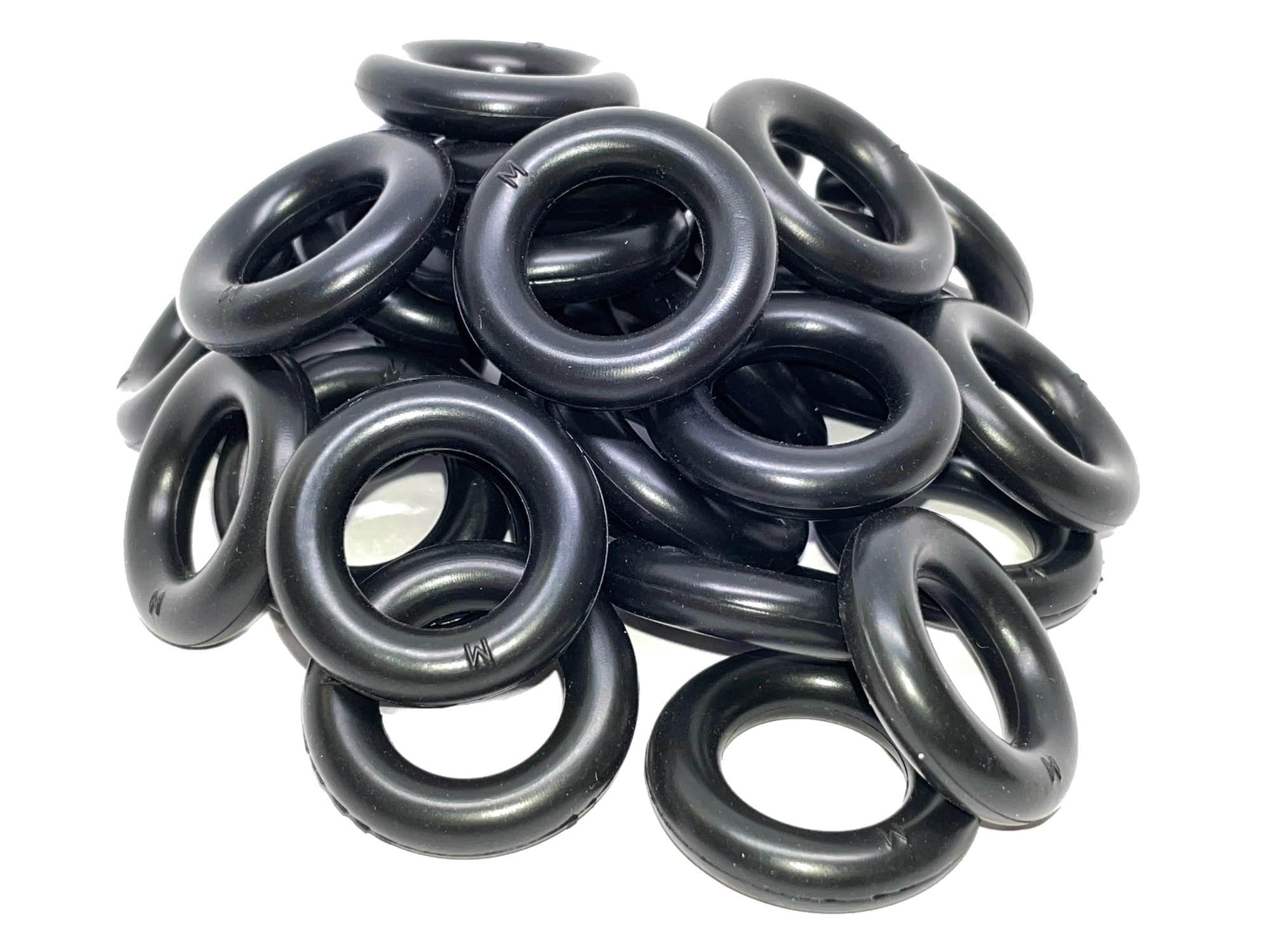
Industrial TPR Applications Demand Precision Material Engineering
Thermoplastic rubber (TPR) remains a cornerstone material for demanding industrial applications, from automotive seals to medical device components. Achieving optimal performance requires more than standard formulations; it demands rigorous polymer architecture design, precise processing parameter control, and deep application-specific validation. Suzhou Baoshida Trading Co., Ltd. operates at this critical intersection of material science and manufacturing reality. Our engineering team specializes in resolving complex challenges such as inconsistent Shore hardness across production batches, inadequate oil resistance in dynamic sealing environments, or thermal degradation during high-speed extrusion. We do not merely supply compounds—we deliver engineered solutions validated through empirical testing under conditions mirroring your operational environment.
Our commitment to technical excellence is reflected in the foundational properties of our core TPR formulations. The table below outlines key performance metrics for our standard industrial-grade series, developed specifically for OEMs requiring reliability in high-stress applications.
| Property | Test Method | Typical Value Range | Industrial Relevance |
|---|---|---|---|
| Hardness (Shore A) | ASTM D2240 | 40–95 | Critical for seal compression set and tactile feedback |
| Tensile Strength (MPa) | ASTM D412 | 8.0–18.0 | Determines durability under mechanical stress |
| Elongation at Break (%) | ASTM D412 | 450–900 | Essential for flexibility in dynamic applications |
| Compression Set (70°C, 22h) | ASTM D395 | ≤ 25% | Predicts long-term sealing integrity |
| Specific Gravity | ASTM D792 | 0.98–1.25 | Impacts part weight and material cost efficiency |
| Melt Flow Index (g/10min) | ASTM D1238 | 5–30 | Governs processability in injection molding/extrusion |
These specifications represent baseline capabilities. True value emerges when we adapt formulations to your exact requirements—enhancing UV stability for outdoor equipment, increasing flame retardancy to UL94 V-0 standards, or modifying adhesion profiles for multi-material overmolding. Our OEM partnership model begins with a technical deep dive into your application’s operational stresses, environmental exposures, and lifecycle expectations. This informs iterative compound development, prototype validation, and seamless scale-up to full production. We maintain ISO 9001-certified quality control protocols and provide full material traceability documentation, ensuring compliance with automotive (IATF 16949), medical (ISO 13485), and industrial safety standards.
Do not compromise your product’s performance due to generic material specifications or inadequate technical support. Contact Mr. Boyce, our dedicated OEM Solutions Manager, to initiate a precision engineering dialogue. He will coordinate our formulation chemists, processing engineers, and quality assurance specialists to address your specific technical hurdles. Provide your application details, performance targets, and volume requirements for a tailored compound assessment. Mr. Boyce operates within Suzhou Baoshida’s technical command center, ensuring direct access to R&D resources without intermediary delays.
Reach Mr. Boyce directly at [email protected] to schedule a confidential technical consultation. Include your project timeline, target specifications, and any current material failure points for immediate analysis. Suzhou Baoshida delivers not just TPR compounds, but engineered certainty—transforming material limitations into competitive advantages for global manufacturers. Optimize your production yield, product lifespan, and compliance posture with scientifically validated thermoplastic rubber solutions. Your next-generation application requires more than a supplier; it demands an engineering partner committed to precision at the molecular level. Initiate the process today.
⚖️ O-Ring Weight Calculator
Estimate rubber O-ring weight (Approx).