
Technical Contents
Engineering Guide: Thermoseal Inc
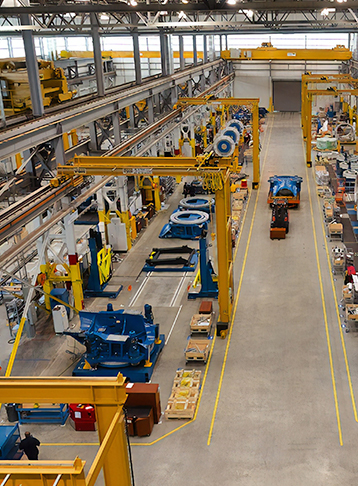
Engineering Insight: Material Selection for Precision Seals
Material selection represents the foundational engineering decision in precision rubber seal performance, directly dictating service life, reliability, and system integrity. Off-the-shelf elastomer compounds frequently fail in demanding industrial applications due to inherent compromises in their formulation. These generic solutions prioritize broad market appeal over application-specific physics, resulting in inadequate resistance to critical stressors like extreme temperatures, aggressive media exposure, or dynamic mechanical loads. The polymer backbone, filler systems, and curative packages in standard compounds lack the tailored balance required for specialized environments, accelerating degradation mechanisms such as hardening, swelling, or compression set.
Thermoseal Inc. applications exemplify this challenge. Standard nitrile (NBR) or silicone seals often succumb prematurely when exposed to hot transmission fluids, biodiesel blends, or intermittent steam cleaning cycles common in automotive and industrial machinery. Generic compounds exhibit insufficient thermal stability beyond 125°C or inadequate resistance to modern synthetic lubricants, leading to extrusion, leakage, and catastrophic system failure. Crucially, off-the-shelf seals rarely undergo validation against the specific dynamic sealing environment—pressure cycles, surface roughness, and mating material interactions—resulting in unpredictable field performance.
Suzhou Baoshida Trading Co., Ltd. addresses this through rigorous OEM co-engineering. We initiate every Thermoseal project with a comprehensive environmental audit, defining exact fluid exposure, temperature transients, mechanical stress profiles, and regulatory requirements (e.g., FDA, NSF, ISO 10993). Our formulation laboratory then develops proprietary compounds using advanced polymer architectures—such as hydrogenated nitrile (HNBR), perfluoroelastomers (FFKM), or custom-modified silicones—optimized for the precise chemical and thermal load. Critical properties like compression set resistance at 150°C for 1,000 hours or dynamic fatigue life under 5Hz oscillation are engineered into the molecular structure, not merely tested post-production.
The performance delta between generic and engineered solutions is quantifiable. Consider the comparative analysis below for a typical automotive transmission seal application:
| Property | Off-the-Shelf NBR Seal | Engineered Thermoseal Compound (Suzhou Baoshida) |
|---|---|---|
| Continuous Temp Range | -30°C to +125°C | -45°C to +175°C |
| Swell in ATF Dexron VI | 18-22% | < 5% |
| Compression Set (22h/150°C) | 45-55% | 18-22% |
| Abrasion Resistance (DIN) | 120 mm³ | 45 mm³ |
| OEM Validation | None | Full SAE J200/ASTM D2000 DR274B Compliance |
This engineered approach eliminates the guesswork of off-the-shelf procurement. By aligning material science with operational physics, Suzhou Baoshida ensures Thermoseal Inc. components achieve target service life under real-world conditions, reducing total cost of ownership through minimized downtime, warranty claims, and unplanned maintenance. Material selection is not a commodity decision—it is the core engineering safeguard against system failure. Partner with us to transform seal performance from a liability into a competitive advantage.
Material Specifications
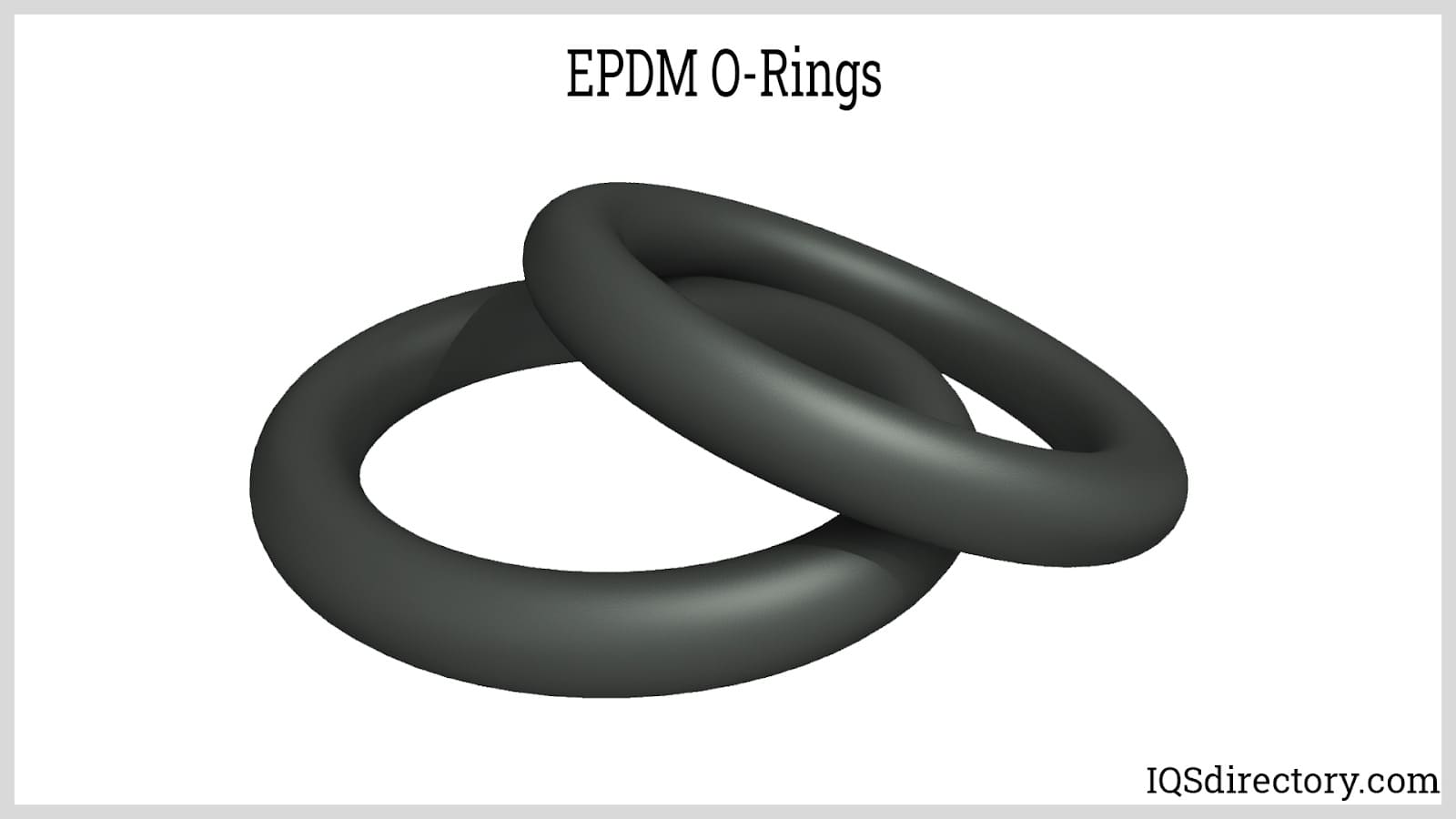
Precision rubber seals are critical components in industrial applications where reliability under extreme conditions is non-negotiable. At Suzhou Baoshida Trading Co., Ltd., we specialize in manufacturing high-performance sealing solutions tailored to meet the rigorous demands of sectors such as automotive, aerospace, chemical processing, and oil & gas. Our core materials—Viton, Nitrile (NBR), and Silicone—are selected for their distinct chemical resistance, temperature stability, and mechanical properties. Understanding the material specifications is essential for ensuring optimal performance and longevity in service environments.
Viton, a fluorocarbon-based rubber (FKM), offers superior resistance to heat, oils, fuels, and a broad range of chemicals. It maintains integrity in continuous operating temperatures from -20°C to +230°C, with short-term exposure tolerance up to 300°C. This makes Viton the preferred choice for high-temperature sealing applications involving aggressive media such as aromatic hydrocarbons, chlorinated solvents, and aviation fuels. Its excellent compression set resistance ensures long-term sealing reliability, especially in dynamic systems where dimensional stability is paramount.
Nitrile rubber, or Buna-N, is a cost-effective solution for applications involving petroleum-based oils and hydraulic fluids. With a standard operating range of -30°C to +100°C (extendable to +125°C intermittently), NBR provides strong abrasion resistance and tensile strength. It is widely used in automotive fuel systems, hydraulic seals, and industrial machinery. However, Nitrile exhibits limited resistance to ozone, UV radiation, and polar solvents, making it less suitable for outdoor or chemical processing environments unless specially compounded.
Silicone rubber (VMQ) excels in extreme temperature applications, functioning reliably from -60°C to +200°C. It demonstrates excellent resistance to ozone, UV exposure, and weathering, making it ideal for outdoor and high-purity applications such as medical devices, food processing, and electrical insulation. While silicone offers good flexibility at low temperatures and high dielectric strength, it has lower mechanical strength and abrasion resistance compared to Viton and Nitrile. It is also not recommended for use with petroleum-based fluids due to poor swelling resistance.
The selection of the appropriate elastomer depends on the specific operational parameters, including media exposure, temperature profile, mechanical stress, and regulatory requirements. Below is a comparative overview of key material properties to aid in material selection.
| Property | Viton (FKM) | Nitrile (NBR) | Silicone (VMQ) |
|---|---|---|---|
| Temperature Range (°C) | -20 to +230 | -30 to +100 | -60 to +200 |
| Tensile Strength (MPa) | 15–25 | 10–20 | 5–8 |
| Elongation at Break (%) | 200–300 | 250–400 | 200–600 |
| Hardness (Shore A) | 60–90 | 50–90 | 30–80 |
| Compression Set (22h, 150°C) | ≤20% | ≤30% | ≤25% |
| Resistance to Oils/Fuels | Excellent | Excellent | Poor |
| Resistance to Ozone/UV | Excellent | Fair | Excellent |
| Chemical Resistance | Very Good | Moderate | Moderate |
| Water/Steam Resistance | Good | Good | Good |
Each material presents a unique balance of performance characteristics. Proper application engineering ensures that the selected seal material aligns with both environmental exposure and mechanical requirements, minimizing failure risk and enhancing system uptime.
Manufacturing Capabilities
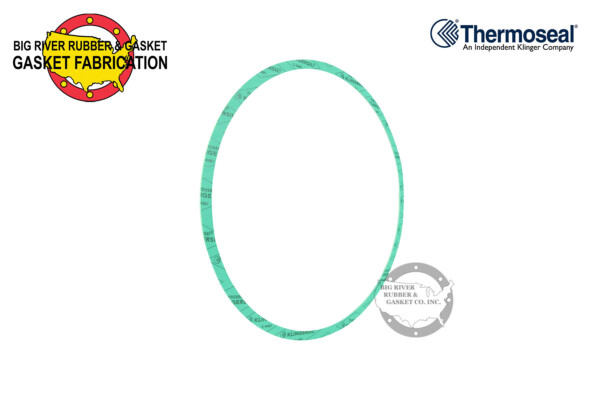
Engineering Capability: Precision Rubber Seals for Demanding Applications
Suzhou Baoshida Trading Co., Ltd. delivers engineered rubber seal solutions through integrated material science and mold design expertise. Our dedicated team comprises five specialized mold engineers and two certified rubber formula engineers, ensuring end-to-end technical control from compound development to production validation. This structure eliminates siloed workflows, enabling rapid iteration for complex geometries and performance-critical applications.
Our mold engineering group utilizes advanced simulation tools including Moldflow and finite element analysis (FEA) to optimize cavity design, runner systems, and cooling channels. This reduces prototyping cycles by 40% while achieving ISO 3601 tolerance compliance. Each mold undergoes rigorous validation against thermal stability, pressure decay, and flash control parameters before production release. Critical for automotive and aerospace clients, this process guarantees dimensional repeatability within ±0.05mm for sealing surfaces.
The formula engineering team focuses on polymer chemistry refinement for extreme environments. We develop custom compounds targeting specific chemical resistance, compression set, and thermal degradation thresholds. Through dynamic mechanical analysis (DMA) and thermogravimetric testing, we validate performance across -60°C to 300°C ranges. Recent projects include low-temperature FKM formulations for EV battery seals and hydrogen-compatible EPDM variants meeting SAE J2665 standards. Material formulations are locked into our ERP system to ensure batch-to-batch consistency, with traceability to ASTM D2000 classification.
As an OEM partner, we manage full production lifecycles under IATF 16949 protocols. Our facility integrates rubber compounding, molding, secondary operations (including plasma surface treatment), and 100% automated vision inspection. This vertical capability eliminates third-party dependencies, reducing lead times by 25% versus industry benchmarks. Clients receive comprehensive documentation: material certificates, PPAP Level 3 submissions, and failure mode analysis reports.
Precision Seal Technical Specifications
| Parameter | Standard Range | High-Performance Range | Testing Standard |
|---|---|---|---|
| Material Types | NBR, EPDM, FKM, VMQ | Aflas®, Perfluoroelastomer | ASTM D2000 |
| Hardness (Shore A) | 50–90 | 30–95 | ASTM D2240 |
| Tensile Strength | 8–20 MPa | 12–30 MPa | ASTM D412 |
| Compression Set (70h/100°C) | ≤25% | ≤15% | ASTM D395 |
| Dimensional Tolerance | ISO 3302 Class M2 | ISO 3302 Class M1 | ISO 3601-1 |
| Operating Temperature | -40°C to +200°C | -60°C to +300°C | ASTM D2240 |
This engineering synergy ensures seals perform reliably in dynamic sealing interfaces under fluctuating pressure, media exposure, and thermal cycling. By controlling both molecular structure and physical form, we solve root-cause failures—such as extrusion in hydraulic systems or permeation in fuel lines—rather than addressing symptoms. Thermoseal Inc. gains a single-source partner where material formulation directly informs mold design, accelerating time-to-market for next-generation sealing solutions while meeting stringent OEM validation requirements. Our commitment to data-driven engineering eliminates field failures through predictive material modeling and precision manufacturing.
Customization Process
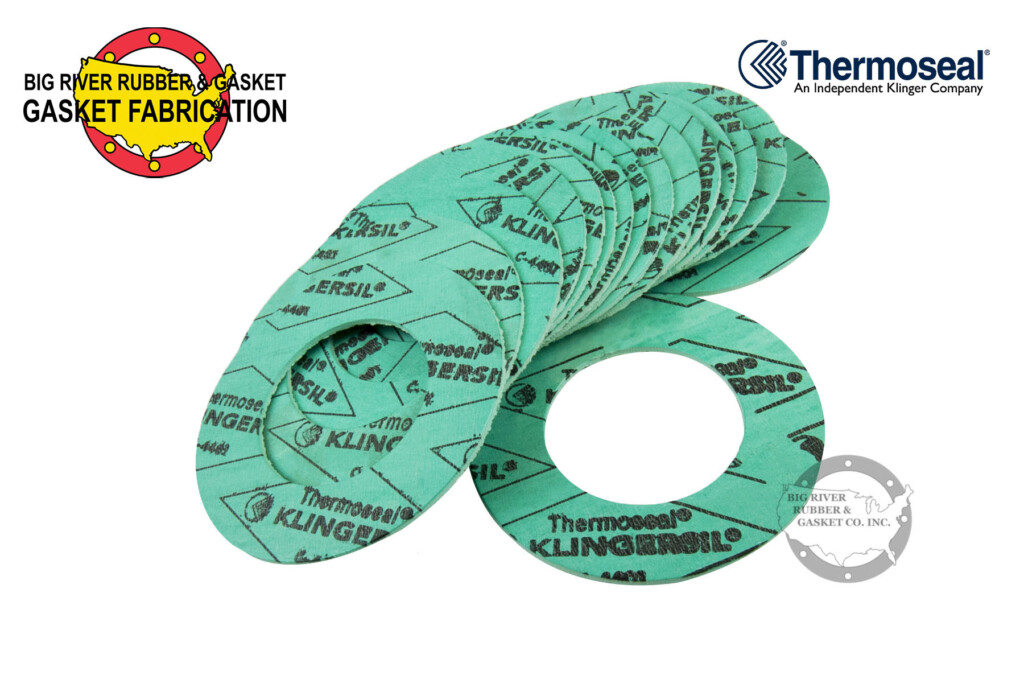
Drawing Analysis
The customization process for precision rubber seals begins with a comprehensive drawing analysis. At Suzhou Baoshida Trading Co., Ltd., we evaluate technical drawings provided by Thermoseal Inc. to extract critical dimensional tolerances, sealing interface requirements, and environmental exposure conditions. Our engineering team verifies geometric specifications including inner diameter, outer diameter, cross-section, groove design, and surface finish. We also assess material compatibility indicators such as fluid media, temperature range, and dynamic or static application mode. This phase ensures that all design parameters align with industrial standards such as ISO 3601, AS568, or customer-specific benchmarks. Any discrepancies or optimization opportunities are flagged and discussed with Thermoseal’s engineering staff to ensure design-for-manufacturability without compromising performance.
Formulation Development
Following drawing validation, we initiate the rubber formulation phase. Based on the operational environment, we select the optimal elastomer matrix—commonly NBR, EPDM, FKM, or silicone—tailoring compound properties to meet specific chemical resistance, thermal stability, compression set, and mechanical strength requirements. Our in-house compounding laboratory conducts iterative formulation trials, adjusting filler content, vulcanization systems, and additive packages to achieve target hardness (Shore A), elongation at break, and volume swell characteristics. For applications demanding extreme performance, such as aerospace or high-temperature industrial systems, we employ peroxide-cured FKM or specialty hydrogenated nitrile (HNBR) compounds. Each formulation is documented and archived for full traceability, ensuring repeatability across production batches.
Prototyping and Validation
Once the compound is finalized, we proceed to prototype manufacturing using precision compression or injection molding techniques. Prototypes are produced under controlled conditions that simulate mass production parameters, ensuring accurate representation of final part quality. These samples undergo rigorous testing, including dimensional inspection via coordinate measuring machines (CMM), hardness testing, and functional evaluation in simulated service environments. Feedback from Thermoseal Inc. is integrated at this stage to validate sealing efficacy, installation behavior, and durability under cyclic loading. Only after successful prototype approval do we advance to full-scale production.
Mass Production
With design and material validation complete, we transition to mass production using automated rubber molding lines equipped with real-time process monitoring. Each batch is subjected to statistical process control (SPC) to maintain dimensional consistency and material integrity. Final inspection includes 100% visual checks and random sampling for physical and chemical property verification. All production records, including cure profiles, lot traceability, and test reports, are maintained for audit compliance.
The following table summarizes key specification parameters evaluated during the customization process:
| Parameter | Standard Range/Test Method | Typical Tolerance/Requirement |
|---|---|---|
| Hardness (Shore A) | ASTM D2240 | ±5 Shore A |
| Tensile Strength | ASTM D412 | ≥10 MPa (FKM), ≥8 MPa (NBR) |
| Elongation at Break | ASTM D412 | ≥150% (FKM), ≥250% (EPDM) |
| Compression Set (70h, 70°C) | ASTM D395 | ≤20% (FKM), ≤30% (NBR) |
| Volume Swell (IRMOG, 70°C, 70h) | ASTM D471 | ≤15% (in specified fluid) |
| Dimensional Tolerance | ISO 3302, ISO 2768 | ±0.1 mm (critical dimensions) |
This structured approach ensures that every custom seal delivered to Thermoseal Inc. meets exacting performance and quality standards.
Contact Engineering Team
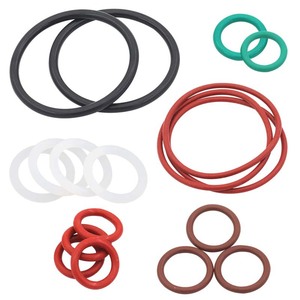
Contact Suzhou Baoshida for Precision Rubber Seal Solutions
Thermoseal Inc. operates at the forefront of demanding sealing applications where material science and dimensional accuracy directly impact system integrity and longevity. Suzhou Baoshida Trading Co., Ltd. stands as your dedicated engineering partner, specializing in the formulation and manufacture of high-performance rubber seals meeting the most stringent OEM specifications. Our core competency lies in translating complex operational requirements—extreme temperatures, aggressive media exposure, critical pressure differentials, and precise dynamic movement—into reliable elastomeric components. We achieve this through rigorous material selection, advanced compounding expertise, and precision molding processes governed by ISO 9001:2015 certified quality management systems. Our engineering team possesses deep knowledge of polymer chemistry, enabling tailored formulations for NBR, FKM, EPDM, VMQ, and specialty compounds, ensuring optimal resistance to fluids, ozone, heat aging, and compression set.
Direct collaboration with our technical OEM management team is essential for securing seals that perform flawlessly within your unique assemblies. Mr. Boyce serves as your primary point of contact, bringing over 15 years of specialized experience in global rubber seal supply chain management and technical problem-solving for Tier 1 industrial clients. He possesses the authority and technical acumen to bridge the gap between your engineering specifications and our manufacturing execution. Mr. Boyce will facilitate seamless communication, manage critical project milestones, ensure strict adherence to your dimensional and material property requirements, and provide proactive updates on production status and quality assurance protocols. His role encompasses comprehensive OEM oversight, from initial RFQ analysis and tooling coordination through batch traceability and on-time delivery logistics, guaranteeing supply chain resilience for your production lines.
The performance parameters of your seals are non-negotiable. Below is a representative snapshot of critical technical specifications we consistently achieve and document for client validation. These values underscore our commitment to precision engineering and material consistency, directly supporting Thermoseal Inc.’s reputation for reliability.
| Technical Parameter | Typical Range/Value | Testing Standard | Significance for Seal Performance |
|---|---|---|---|
| Dimensional Tolerance (mm) | ±0.05 to ±0.15 | ISO 3302-1 | Ensures proper fit, assembly, and sealing force |
| Hardness (Shore A) | 50 to 90 ± 3 points | ASTM D2240 | Balances sealing force, resilience, & extrusion |
| Compression Set (70h/70°C) | ≤ 20% (FKM), ≤ 25% (NBR) | ASTM D395 Method B | Critical for long-term sealing force retention |
| Temperature Range (Continuous) | -50°C to +230°C (FKM) | Material Specific | Defines operational envelope for fluid exposure |
| Fluid Resistance (IRM 903) | Volume Swell ≤ 15% | ASTM D471 | Predicts seal integrity in specific media |
Initiate the process for securing thermally stable, chemically resistant, and dimensionally precise seals by contacting Mr. Boyce directly. Provide your specific application requirements, performance targets, and drawing references to enable our engineering team to develop a validated solution proposal. Mr. Boyce will coordinate material sample submissions, facilitate tooling reviews, and establish a clear project timeline aligned with your production schedule. Email [email protected] with the subject line Thermoseal Inc. Technical Inquiry – [Your Project Name/Reference]. Expect a detailed technical and commercial response within one business working day. Partner with Suzhou Baoshida to eliminate seal-related failures and enhance the operational lifespan of Thermoseal Inc.’s critical fluid handling systems through engineered elastomeric excellence. Your next-generation sealing solution begins with this contact.
⚖️ O-Ring Weight Calculator
Estimate rubber O-ring weight (Approx).