
Technical Contents
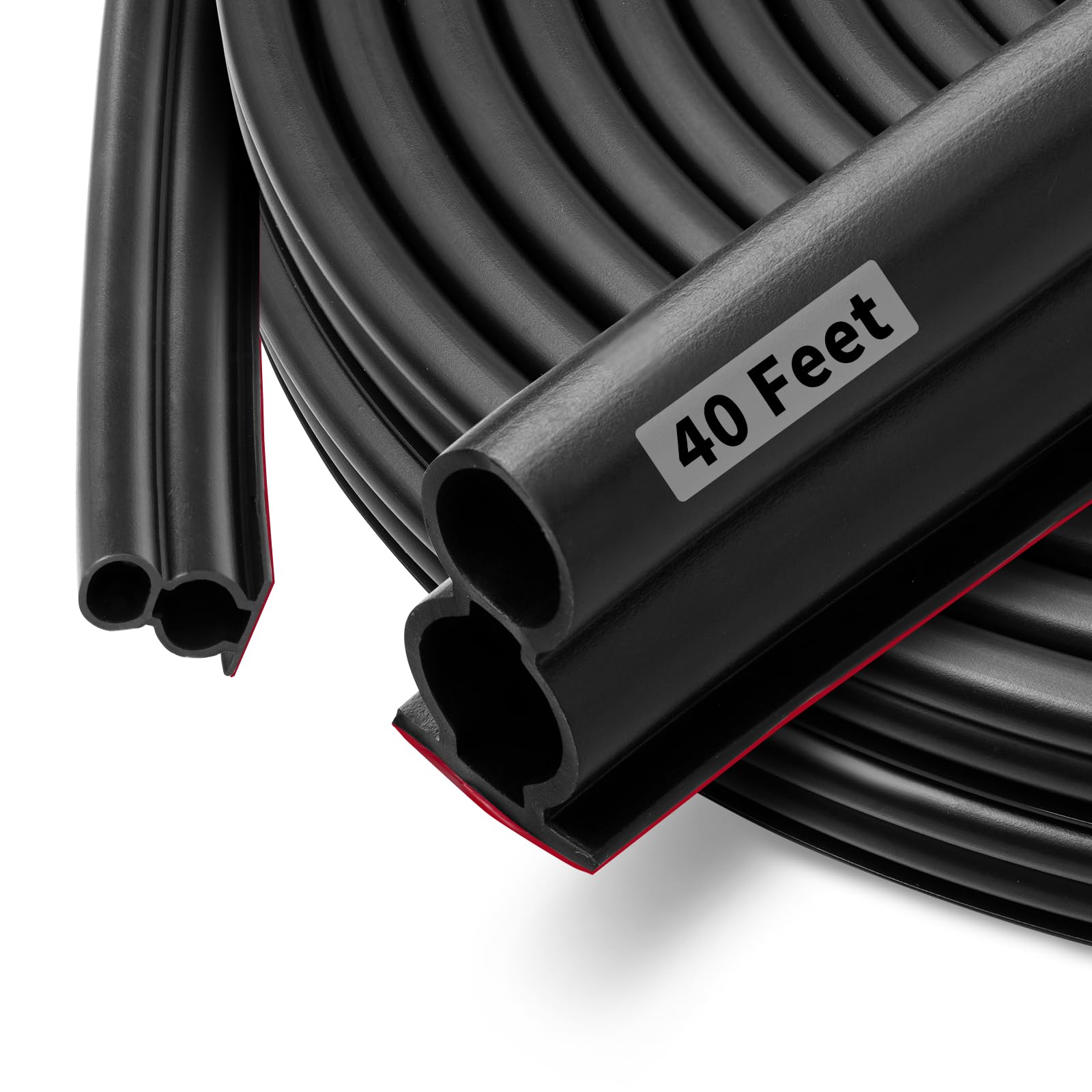
Engineering Guide: Thin Weather Stripping For Doors
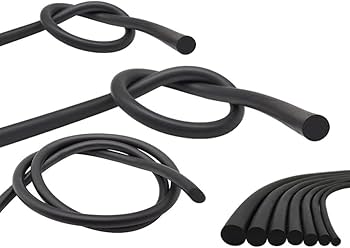
Engineering Insight: The Critical Role of Material Selection in Thin Weather Stripping for Doors
In the precision-driven domain of industrial rubber solutions, thin weather stripping for doors represents a deceptively complex engineering challenge. While often perceived as a simple sealing component, its performance directly influences energy efficiency, acoustic insulation, structural longevity, and user experience in both commercial and residential applications. A common pitfall in procurement is the reliance on off-the-shelf weather stripping solutions—products designed for generic use cases and mass-market availability. These standard profiles frequently fail in demanding environments due to inadequate material selection, underscoring the necessity for application-specific engineering.
The core issue lies in the mismatch between material properties and operational conditions. Thin weather stripping must maintain consistent compression set resistance, elasticity, and dimensional stability across fluctuating temperatures, UV exposure, moisture, and mechanical cycling. Off-the-shelf products typically utilize low-cost elastomers such as recycled EPDM or unmodified PVC, which degrade rapidly under prolonged stress or extreme climates. These materials exhibit poor recovery after compression, leading to permanent deformation and loss of sealing integrity within months of installation.
In contrast, engineered solutions from Suzhou Baoshida Trading Co., Ltd. leverage high-purity EPDM, silicone, or thermoplastic vulcanizates (TPV), selected based on environmental exposure and performance requirements. High-grade EPDM offers superior ozone and UV resistance, making it ideal for exterior door applications in temperate to hot climates. Silicone excels in extreme temperature ranges (-60°C to +200°C), rendering it suitable for specialized industrial or cold-storage environments. TPV provides a balanced profile of flexibility, durability, and processability, often used in multi-durometer co-extruded profiles for enhanced sealing performance.
Another critical factor is hardness (Shore A), which must be optimized to ensure adequate sealing force without excessive door closure resistance. Standard weather strips often fall into a one-size-fits-all hardness range (70–80 Shore A), whereas engineered solutions can be tailored between 45–75 Shore A to match the door’s weight, frame geometry, and user interface requirements.
The following table outlines key material specifications and performance characteristics relevant to thin weather stripping applications:
| Material | Temperature Range (°C) | Shore A Hardness | Compression Set (%) @ 70°C/22h | Key Advantages | Typical Use Case |
|---|---|---|---|---|---|
| High-Purity EPDM | -50 to +150 | 50–75 | ≤25 | Excellent UV/ozone resistance, long-term aging | Exterior architectural doors |
| Silicone | -60 to +200 | 45–80 | ≤20 | Extreme temp stability, low compression set | Cold storage, industrial ovens |
| TPV | -40 to +135 | 50–70 | ≤30 | Good fatigue resistance, recyclable | Interior partitions, sliding doors |
Material selection is not a secondary consideration—it is the foundation of reliable sealing performance. Off-the-shelf solutions compromise longevity and efficiency by prioritizing cost over function. At Suzhou Baoshida Trading Co., Ltd., we emphasize material science-driven design to deliver thin weather stripping that performs reliably under real-world conditions, ensuring durability, compliance, and customer satisfaction in every application.
Material Specifications
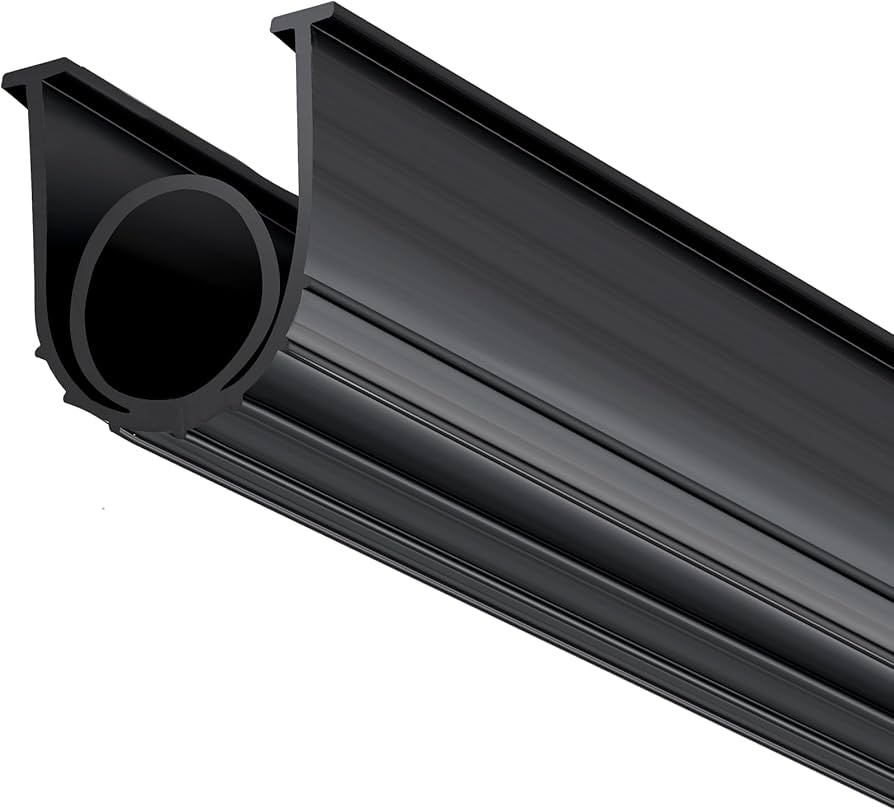
Material Specifications for Thin Door Weather Stripping
Selecting the optimal elastomer for thin-profile door weather stripping demands rigorous evaluation of environmental exposure, mechanical performance, and dimensional stability. At Suzhou Baoshida Trading Co., Ltd., our industrial rubber solutions prioritize precision engineering to ensure leak-proof seals under dynamic compression cycles. Thin cross-sections (typically 1.5–4.0 mm) intensify material sensitivity to compression set, extrusion, and thermal degradation. Viton (FKM), Nitrile (NBR), and Silicone (VMQ) represent three critical material families, each exhibiting distinct performance boundaries in demanding applications.
Viton fluorocarbon rubber delivers exceptional resistance to high temperatures, ozone, and aggressive chemicals including automotive fluids and industrial solvents. Its molecular stability ensures reliable sealing in extreme environments such as engine compartments or chemical processing facilities where continuous exposure exceeds 200°C. However, Viton’s high material cost and limited low-temperature flexibility (-20°C minimum) necessitate careful application vetting. Nitrile butadiene rubber provides cost-effective resilience against petroleum-based oils, greases, and moderate weathering. With a balanced durometer range (50–90 Shore A) and serviceability from -30°C to 120°C, NBR is ideal for commercial vehicle doors and industrial machinery housings exposed to hydraulic fluids. Its vulnerability to ozone cracking and elevated temperatures restricts use in UV-intensive outdoor settings without protective coatings. Silicone rubber excels in extreme temperature transitions (-60°C to 230°C) and maintains flexibility under repeated compression. Superior UV and ozone resistance make it indispensable for exterior architectural doors in harsh climates, though its lower tensile strength and susceptibility to撕裂 require precise profile design to prevent nip-roll damage during installation.
Critical material properties for thin-section weather stripping are quantified below per ASTM D2000 and ISO 37 standards. Compression set values reflect 22-hour tests at 70°C, simulating accelerated aging under constant deflection.
| Material | Temperature Range (°C) | Durometer Range (Shore A) | Compression Set (% Max) | Key Strengths | Primary Limitations |
|---|---|---|---|---|---|
| Viton (FKM) | -20 to 230 | 60–90 | ≤25 | Extreme chemical/thermal resistance; Low gas permeability | High cost; Poor low-temp flexibility; Limited color options |
| Nitrile (NBR) | -30 to 120 | 50–90 | ≤35 | Excellent oil/fuel resistance; High abrasion resistance | Moderate ozone resistance; Degrades above 120°C |
| Silicone (VMQ) | -60 to 230 | 40–80 | ≤20 | Outstanding UV/ozone stability; Wide temp flexibility | Lower tensile strength; Higher compression set in thin profiles |
Material selection must align with OEM operational parameters. Viton is non-negotiable for aerospace or chemical handling doors requiring solvent immunity. NBR dominates cost-sensitive automotive applications with oil exposure. Silicone remains the benchmark for architectural exteriors demanding decades of weathering resistance. At Suzhou Baoshida, we validate all formulations through ISO 1817 fluid immersion testing and dynamic seal simulation to guarantee performance in sub-3mm profiles. Consult our engineering team for compound-specific certifications and extrusion feasibility analysis tailored to your dimensional tolerances.
Manufacturing Capabilities
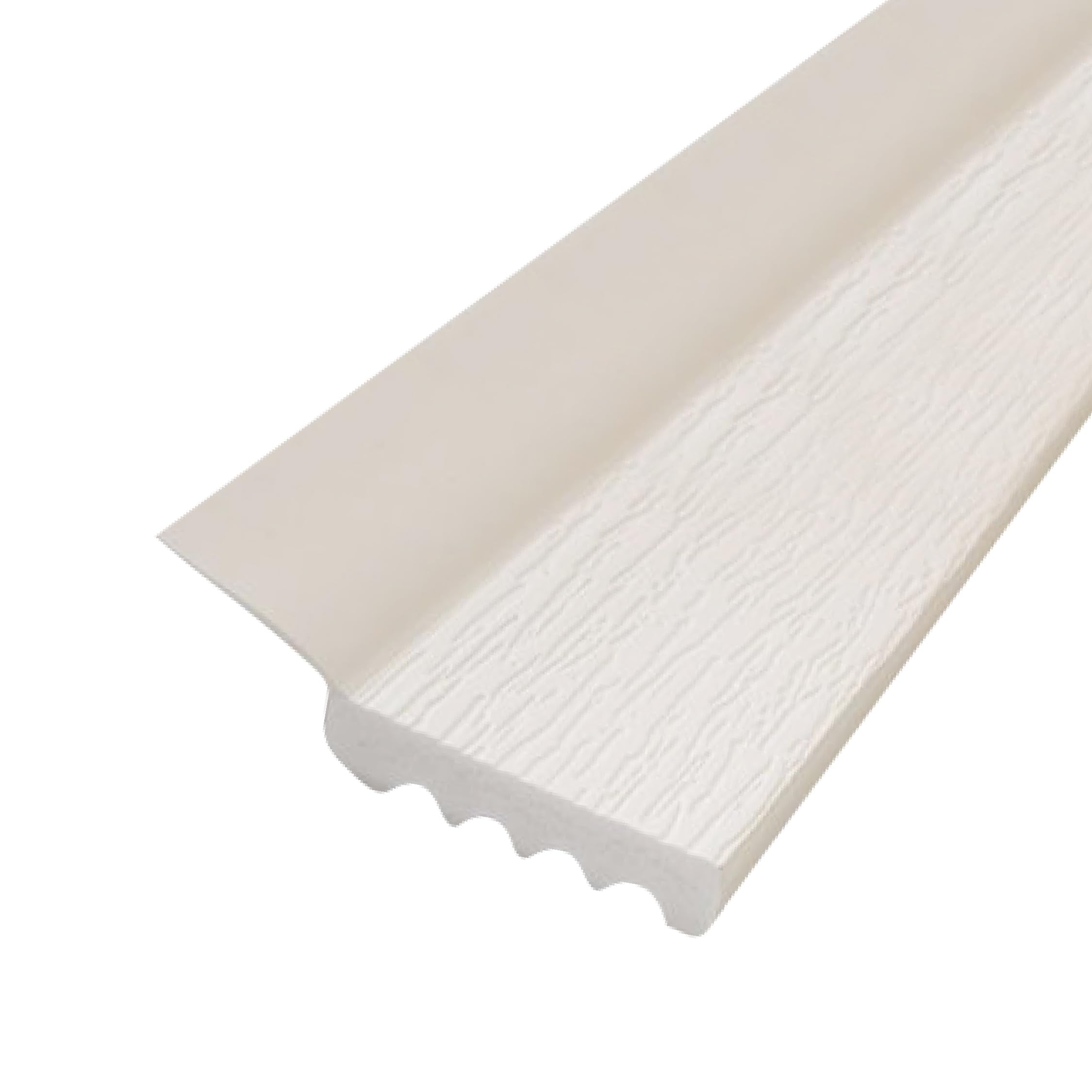
Suzhou Baoshida Trading Co., Ltd. maintains a robust engineering foundation specifically tailored to the precision demands of industrial rubber solutions, particularly in the development and production of thin weather stripping for doors. Our engineering capability is anchored by a dedicated team of five professional mould engineers and two specialized rubber formulation engineers, enabling us to deliver technically advanced, application-specific sealing products under strict OEM protocols.
Our mould engineering team possesses extensive experience in the design, simulation, and fabrication of high-precision extrusion and molding tooling. This expertise ensures dimensional accuracy, consistent cross-sectional integrity, and optimal material flow—critical factors in the performance of thin-profile weather stripping. Utilizing advanced CAD/CAM software and CNC machining, our engineers develop custom tooling solutions that accommodate complex geometries and tight tolerances, often below ±0.1 mm. This level of precision supports seamless integration into modern door systems, particularly in automotive, architectural, and high-end appliance applications where aesthetics and functional sealing are equally important.
Complementing our mould engineering strength is our in-house rubber formulation capability. The two dedicated formula engineers on staff specialize in compounding elastomers to meet exacting performance criteria, including compression set resistance, low-temperature flexibility, UV and ozone stability, and flame retardancy. We work primarily with EPDM, silicone, TPE, and neoprene compounds, tailoring each formulation to the environmental and mechanical demands of the end-use application. This control over material science allows us to develop proprietary compounds that outperform standard formulations, particularly in long-term durability and sealing efficiency.
Our OEM capabilities are fully integrated into this engineering framework. We support customers from initial concept and CAD modeling through prototyping, material validation, and full-scale production. This end-to-end service model ensures that every component meets the client’s technical specifications, regulatory requirements, and branding standards. With full traceability, process validation, and quality assurance protocols in place, we deliver consistent, high-reliability products suitable for global supply chains.
The following table outlines key technical specifications achievable in our thin weather stripping production:
| Parameter | Standard Capability | High-Precision Option | Test Method |
|---|---|---|---|
| Cross-Sectional Tolerance | ±0.2 mm | ±0.1 mm | ISO 3302-1 |
| Shore Hardness Range | 40–90 A | 50–80 A (±3) | ASTM D2240 |
| Operating Temperature | -40°C to +130°C | -55°C to +180°C (Silicone) | ISO 188 |
| Compression Set (22h, 70°C) | ≤25% | ≤15% | ASTM D395 |
| Tensile Strength | ≥6 MPa | ≥9 MPa | ASTM D412 |
| Elongation at Break | ≥200% | ≥300% | ASTM D412 |
This combination of advanced engineering talent, material science expertise, and OEM-focused manufacturing makes Suzhou Baoshida a trusted partner in the development of high-performance thin weather stripping solutions.
Customization Process
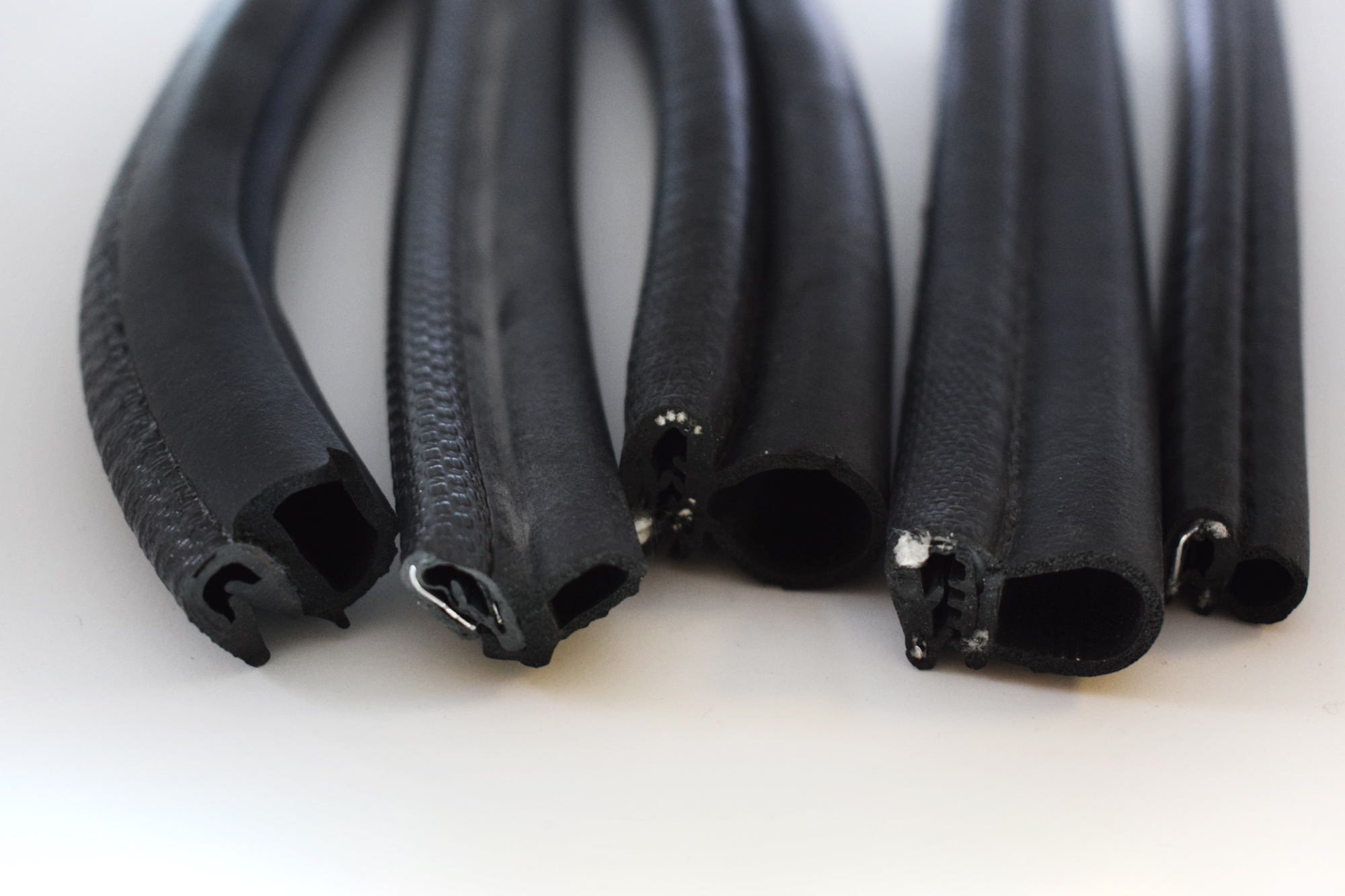
Customization Process for Thin Door Weather Stripping
At Suzhou Baoshida Trading Co., Ltd., our thin weather stripping customization adheres to a rigorously defined engineering workflow, ensuring dimensional precision, material resilience, and seamless OEM integration. This process begins with comprehensive drawing analysis, where our engineering team dissects client-provided CAD files or physical samples. Critical parameters—including cross-sectional geometry, tolerance bands (typically ±0.1 mm for sub-3mm profiles), installation groove compatibility, and dynamic deflection requirements—are validated against ISO 1307 and SAE J1402 standards. Any ambiguities in sealing force distribution or compression limits trigger immediate client consultation to prevent downstream tooling deviations.
Material formulation follows stringent performance mapping. Based on the application environment—exterior doors (UV/ozone exposure), interior partitions (low-compression set), or fire-rated assemblies (UL 94 compliance)—we select base polymers (EPDM for outdoor durability, TPE for recyclability, or silicone for extreme temperatures). Our lab then tailors the compound using proprietary additive matrices: nano-silica for tear strength enhancement, custom plasticizers for low-temperature flexibility down to -50°C, and conductive fillers for EMI shielding variants. Each formulation undergoes accelerated aging tests per ASTM D2240 and ISO 188 to predict 10+ year service life under cyclic stress.
Prototyping leverages micro-extrusion and precision die-cutting to produce functional samples within 15 working days. Samples undergo iterative validation:
Compression force-deflection (CFD) profiling per ASTM D1056
Air/water infiltration testing at 500 Pa differential pressure
5,000-cycle door operation trials simulating real-world wear
Client feedback on sealing efficacy, installation torque, and aesthetic finish directly refines the mold design before final sign-off.
Mass production initiates only after PPAP Level 3 documentation approval. Continuous inline monitoring includes laser micrometry for dimensional drift detection (<0.05 mm tolerance), IR spectroscopy for batch-to-batch compound consistency, and 100% visual inspection via AI-powered cameras. All production lots carry traceable batch codes linked to raw material certificates and process parameters, ensuring full compliance with IATF 16949 protocols.
Critical Performance Specifications for Thin Weather Stripping
| Parameter | Standard Range | Test Method | Target Performance |
|---|---|---|---|
| Shore A Hardness | 40–70 | ASTM D2240 | ±3 points batch consistency |
| Temperature Range | -50°C to +150°C | ISO 188 | No cracking at extremes |
| Compression Set (22h/70°C) | ≤15% | ASTM D395 | ≤10% for premium grades |
| Tensile Strength | 8–15 MPa | ISO 37 | Minimum 10 MPa |
| Specific Gravity | 1.15–1.35 | ASTM D297 | Consistent within 0.02 |
This structured approach guarantees weather stripping solutions that meet exacting OEM demands for longevity, energy efficiency, and acoustic insulation while minimizing total cost of ownership through zero-defect manufacturing.
Contact Engineering Team
Contact Suzhou Baoshida for Advanced Thin Weather Stripping Solutions
Suzhou Baoshida Trading Co., Ltd. stands at the forefront of industrial rubber solutions, specializing in high-performance thin weather stripping for doors used in automotive, construction, and precision equipment applications. With over a decade of engineering expertise, we deliver customized sealing products that meet exacting international standards for durability, compression set resistance, and environmental sealing. Our thin profile weather strips are engineered for seamless integration into modern door systems where space efficiency, long-term resilience, and consistent sealing performance are non-negotiable.
As a trusted OEM partner, we understand that the performance of a door assembly is only as reliable as its seal. Our thin weather stripping products are formulated using advanced EPDM, silicone, and TPE compounds, ensuring optimal resistance to UV exposure, ozone, extreme temperatures, and mechanical compression fatigue. Whether you require low-temperature flexibility down to -50°C or enhanced weatherability for tropical climates, our formulations are tailored to your operational environment.
We invite engineering managers, procurement officers, and product designers to contact Mr. Boyce, our dedicated OEM Manager and Rubber Formula Engineer, to discuss your specific application requirements. Mr. Boyce leads our technical engagement team and brings deep expertise in rubber compounding, extrusion tolerances, and sealing dynamics. He will work directly with your team to analyze performance criteria, review material specifications, and provide sample validation data to ensure compatibility with your manufacturing process and end-use conditions.
Engaging with Suzhou Baoshida means more than sourcing a component — it means establishing a technical partnership focused on precision, consistency, and long-term value. Our production lines are equipped for high-volume extrusion with tight dimensional control, supporting continuous lengths, spliced corners, and custom packaging to streamline your assembly line. We maintain full traceability, ISO-compliant quality control, and rapid turnaround for samples and production runs.
Below are representative specifications for our standard thin weather stripping profiles. All parameters can be adjusted based on client requirements.
| Property | Value | Test Standard |
|---|---|---|
| Material | EPDM, Silicone, TPE | ASTM D1418 |
| Hardness (Shore A) | 40–80 ±5 | ASTM D2240 |
| Operating Temperature Range | -50°C to +150°C | ISO 1817 |
| Tensile Strength | ≥8 MPa | ASTM D412 |
| Elongation at Break | ≥250% | ASTM D412 |
| Compression Set (22h, 70°C) | ≤25% | ASTM D395 |
| UV and Ozone Resistance | Excellent | IEC 60068-3-5 |
| Standard Thickness Range | 1.5 mm – 4.0 mm | Custom profiles available |
| Color Options | Black, Gray, White, Custom | RAL/Pantone match |
To initiate a technical consultation or request material samples, please contact Mr. Boyce directly at [email protected]. Include your application details, performance requirements, and volume estimates to expedite the evaluation process. We respond to all inquiries within 24 business hours and offer virtual or on-site technical meetings upon request. Partner with Suzhou Baoshida to integrate precision-engineered thin weather stripping into your next generation of door systems.
⚖️ O-Ring Weight Calculator
Estimate rubber O-ring weight (Approx).