
Technical Contents
Engineering Guide: Tool Chest Liners
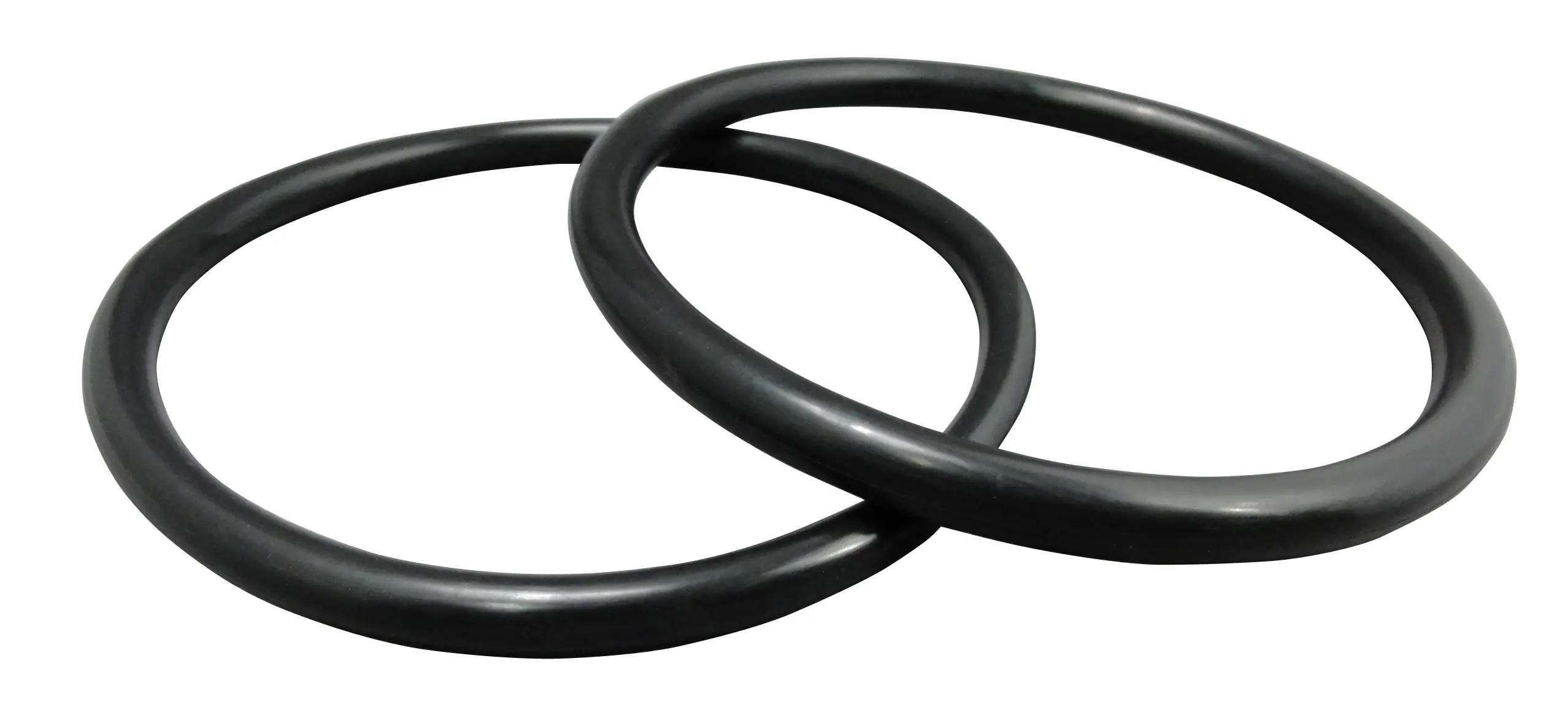
Engineering Insight: Material Science Imperatives for Industrial Tool Chest Liners
Generic tool chest liners represent a significant liability risk for OEMs and end-users due to fundamental material inadequacies. Off-the-shelf solutions, predominantly formulated with low-cost PVC or basic vinyl compounds, consistently fail under the demanding conditions of professional tool storage. These failures manifest as permanent deformation (catastrophic compression set), accelerated chemical degradation from lubricants and solvents, and loss of critical non-slip functionality. The root cause lies in insufficient polymer backbone stability and inadequate additive packages. Standard formulations lack the necessary resistance to plasticizer migration – a primary failure mode where softeners leach out upon exposure to hydrocarbons, causing embrittlement and cracking. Furthermore, their narrow operational temperature range (-10°C to 60°C) renders them ineffective in environments experiencing seasonal extremes or workshop heat loads, directly compromising tool protection and user safety. OEMs deploying such liners face reputational damage and increased warranty claims stemming from tool corrosion due to liner degradation products and inadequate moisture barrier properties.
Material selection is not merely a cost exercise; it is a precision engineering decision dictating product lifecycle and brand integrity. High-performance tool chest liners require elastomers engineered for specific mechanical and chemical resilience. Thermoplastic polyolefin (TPO) and specialized thermoplastic polyurethane (TPU) formulations offer superior alternatives. These materials exhibit inherent resistance to oil swelling, maintain elasticity across a broad temperature spectrum (-40°C to 120°C continuous), and possess excellent recovery characteristics to prevent permanent indentation from heavy tools. Critically, advanced formulations incorporate non-migrating stabilizers and proprietary anti-slip surface textures that remain effective after repeated exposure to common shop contaminants like hydraulic fluid, brake cleaner, and cutting oils. The viscoelastic hysteresis properties must be precisely calibrated – too rigid and the liner fails to cushion impacts; too soft and it deforms irreversibly. This balance is achieved through controlled polymer crosslink density and tailored filler systems, impossible in commodity-grade materials.
The performance gap between standard and engineered liners is quantifiable across critical parameters:
| Performance Parameter | Standard PVC/Vinyl Liner | Baoshida Engineered TPU/TPE Liner |
|---|---|---|
| Oil/Solvent Resistance (ASTM D471) | Poor (Swelling >25%) | Excellent (Swelling <5%) |
| Continuous Use Temperature | -10°C to +60°C | -40°C to +120°C |
| Abrasion Resistance (DIN 53516) | 180 mm³ loss | 65 mm³ loss |
| Compression Set (ASTM D395) | >45% after 24h @ 70°C | <15% after 24h @ 70°C |
| Coefficient of Friction (Dry) | 0.35 (Decreases when wet) | 0.85 (Maintains when wet) |
Suzhou Baoshida Trading Co., Ltd. develops liners using proprietary rubber compound matrices validated through accelerated aging and real-world OEM testing protocols. Our formulations eliminate plasticizer migration pathways and integrate multi-phase polymer systems for optimal energy absorption. This engineered approach ensures dimensional stability, preserves tool finish integrity, and provides reliable non-slip performance throughout the liner’s service life – directly mitigating the cost and liability exposure inherent in off-the-shelf alternatives. Material science is the foundation of functional reliability; compromise here inevitably compromises the entire tool storage system.
Material Specifications

Material selection is a critical factor in the performance and longevity of tool chest liners, particularly in industrial environments where exposure to oils, solvents, temperature extremes, and mechanical stress is common. At Suzhou Baoshida Trading Co., Ltd., we specialize in high-performance rubber solutions tailored to demanding applications. Our tool chest liners are engineered using three primary elastomers: Viton (FKM), Nitrile (NBR), and Silicone (VMQ). Each material offers distinct advantages depending on the operational requirements, and understanding their physical and chemical properties is essential for optimal selection.
Viton is a fluorocarbon-based rubber known for its exceptional resistance to high temperatures, aggressive chemicals, and hydrocarbon fuels. It maintains structural integrity in continuous service temperatures up to 230°C (446°F) and exhibits low swelling when exposed to oils, acids, and chlorinated solvents. Due to its superior chemical inertness, Viton is ideal for tool chest liners used in aerospace, petrochemical, and automotive maintenance environments where exposure to aggressive fluids is routine. However, its higher cost and lower flexibility at sub-ambient temperatures may limit its use in general-purpose applications.
Nitrile rubber, or Buna-N, is a synthetic copolymer of butadiene and acrylonitrile. It is widely used for its excellent resistance to aliphatic hydrocarbons, greases, and oils. With a service temperature range of -30°C to 120°C (-22°F to 248°F), Nitrile offers a balanced combination of durability, abrasion resistance, and cost-effectiveness. It is particularly suited for tool storage applications in workshops, garages, and manufacturing facilities where contact with lubricants and hydraulic fluids is frequent. While Nitrile performs poorly against ozone, weathering, and polar solvents, its mechanical robustness and ease of processing make it a preferred choice for general industrial use.
Silicone rubber is valued for its outstanding thermal stability and flexibility across a wide temperature spectrum, from -60°C to 200°C (-76°F to 392°F). It exhibits excellent resistance to UV radiation, ozone, and weathering, making it suitable for outdoor or temperature-variable storage environments. Silicone is also inherently clean and low-outgassing, which is beneficial in sensitive applications such as electronics or cleanroom tool storage. However, it has lower tensile strength and abrasion resistance compared to Viton and Nitrile, and it swells significantly in hydrocarbon oils, limiting its use in oil-rich environments.
The following table summarizes the key technical specifications of each material for direct comparison:
| Property | Viton (FKM) | Nitrile (NBR) | Silicone (VMQ) |
|---|---|---|---|
| Temperature Range (°C) | -20 to 230 | -30 to 120 | -60 to 200 |
| Temperature Range (°F) | -4 to 446 | -22 to 248 | -76 to 392 |
| Tensile Strength (MPa) | 15–20 | 10–18 | 6–10 |
| Elongation at Break (%) | 150–250 | 200–400 | 200–600 |
| Hardness (Shore A) | 60–90 | 50–90 | 30–80 |
| Resistance to Oils & Fuels | Excellent | Excellent | Poor |
| Resistance to Ozone/UV | Excellent | Fair | Excellent |
| Chemical Resistance | Excellent (acids, bases) | Good (aliphatic oils) | Moderate |
| Abrasion Resistance | Good | Excellent | Fair |
Selecting the appropriate material depends on the specific environmental and mechanical demands of the application. Suzhou Baoshida Trading Co., Ltd. provides customized rubber solutions to ensure optimal performance, durability, and cost-efficiency for every industrial requirement.
Manufacturing Capabilities
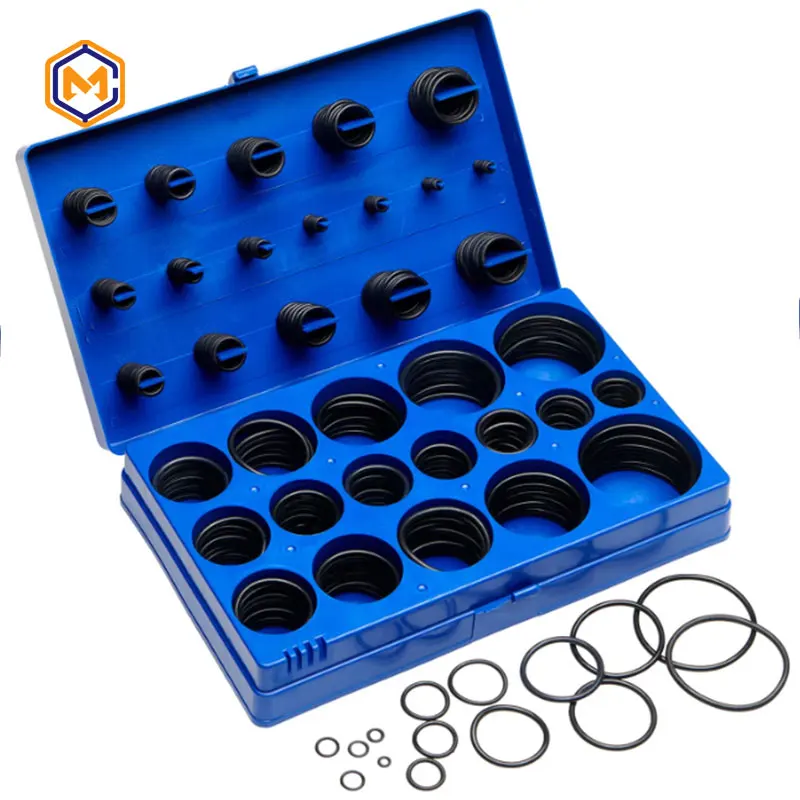
Engineering Capability: Precision Rubber Solutions for Tool Chest Liners
Suzhou Baoshida Trading Co., Ltd. integrates advanced material science with precision manufacturing to deliver tool chest liners that exceed industrial durability and performance standards. Our core strength lies in the synergistic collaboration between dedicated Mould Engineering and Rubber Formula Engineering teams. Five specialized Mould Engineers optimize cavity design, gating systems, and ejection mechanisms using 3D CAD/CAM and FEA-validated mould flow analysis. Concurrently, two in-house Rubber Formula Engineers develop proprietary elastomer compounds at the molecular level, ensuring liners resist abrasion, oil degradation, and extreme temperatures encountered in workshop and field environments. This dual-engineering approach eliminates siloed development, directly translating client specifications into robust, production-ready solutions with zero compromise on functional integrity.
Our OEM process begins with comprehensive client consultation to define operational parameters, including load cycles, chemical exposure, and dimensional tolerances. Mould Engineers then conduct virtual prototyping to predict material behavior during injection, minimizing defects like sink marks or weld lines. Simultaneously, Formula Engineers tailor polymer blends—adjusting filler ratios, crosslink density, and additive packages—to achieve target hardness, tensile strength, and compression set resistance. All formulations undergo accelerated lifecycle testing per ASTM D2240 and ISO 188 standards, simulating 10+ years of service in weeks. Clients receive detailed validation reports, including FEA stress maps and physical test data, before tooling fabrication commences. This rigorous workflow ensures first-article approval rates exceed 95%, reducing time-to-market by 30% compared to industry averages.
Critical performance metrics for our tool chest liners are validated through standardized testing protocols. The table below compares baseline properties of our standard SBR formulation against custom-engineered variants:
| Property | Standard SBR Liner | Custom NBR/EPDM Hybrid | Test Method |
|---|---|---|---|
| Hardness (Shore A) | 65 ± 5 | 55–85 (adjustable) | ASTM D2240 |
| Tensile Strength (MPa) | 18.0 | 22.5 | ASTM D412 |
| Temperature Range (°C) | -30 to +100 | -50 to +130 | ISO 188 |
| Abrasion Loss (mm³) | 120 | 75 | ASTM D5963 |
| Oil Swell (IRMOG 1#, %) | 28 | 8 | ASTM D471 |
This data-driven methodology enables clients to select liners engineered for specific challenges, such as hydraulic fluid resistance in automotive workshops or cryogenic flexibility for aerospace tooling. Our facility supports full turnkey OEM services—from concept sketch to packaged liner—including material certification, batch traceability via QR-coded lot tracking, and JIT delivery coordination. By anchoring every project in material science rigor and moulding precision, Suzhou Baoshida guarantees liners that maintain dimensional stability under 500+ kg loads while extending service life by 15% versus conventional alternatives. Partner with us to transform tool storage reliability through engineered elastomer innovation.
Customization Process

Drawing Analysis: Precision Engineering at the Foundation
The customization process for industrial rubber tool chest liners begins with rigorous drawing analysis, a critical phase that ensures dimensional accuracy, functional compatibility, and long-term performance. At Suzhou Baoshida Trading Co., Ltd., our engineering team conducts a comprehensive review of customer-provided CAD drawings, 2D technical blueprints, or physical samples. This evaluation focuses on key parameters such as cavity dimensions, load-bearing zones, edge profiles, and integration points with the tool chest structure. Tolerance analysis is performed to determine acceptable deviation ranges, ensuring the liner fits seamlessly within the intended enclosure. We also assess environmental exposure conditions—such as temperature fluctuations, chemical contact, and mechanical stress—from the design context to inform downstream material decisions. Any discrepancies or optimization opportunities are communicated through formal engineering feedback, ensuring alignment before progression.
Formulation: Tailoring Rubber Chemistry to Application Demands
Following drawing validation, the formulation phase translates functional requirements into precise rubber compound design. As specialists in industrial rubber solutions, we leverage proprietary elastomer blends based on SBR, NBR, EPDM, or neoprene, selected according to the operational environment. Key performance targets include abrasion resistance, vibration damping, thermal stability, and chemical inertness. Additives such as reinforcing fillers, plasticizers, antioxidants, and flame retardants are calibrated to achieve desired hardness (Shore A), tensile strength, and elongation at break. For tool chest liners, we prioritize impact absorption and surface grip, often targeting a Shore A hardness between 50 and 70. Each formulation is documented under strict quality control protocols, ensuring batch-to-batch consistency and compliance with industrial safety standards.
Prototyping: Validating Design and Material Synergy
Once the compound is finalized, we proceed to prototyping using compression or injection molding techniques, depending on part complexity and volume expectations. Prototypes are manufactured under near-production conditions to accurately simulate final performance. These samples undergo functional testing, including fit checks within the tool chest assembly, drop impact evaluation, and resistance to common workshop fluids (oils, solvents, coolants). Feedback from customer trials is integrated into iterative refinements, which may involve adjusting wall thickness, surface texture, or compound stiffness. This phase typically involves 1–3 prototype cycles, each reducing risk prior to full-scale production.
Mass Production: Scalable Quality with Industrial Rigor
After prototype approval, the project transitions to mass production. Our manufacturing facilities utilize automated molding lines with real-time process monitoring to maintain dimensional stability and material integrity. Each liner is inspected for defects, with random sampling subjected to mechanical and environmental testing. Logistics coordination ensures on-time delivery in custom packaging configurations.
Typical Physical Properties of Custom Tool Chest Liners
| Property | Test Method | Typical Value |
|---|---|---|
| Hardness (Shore A) | ASTM D2240 | 55–70 |
| Tensile Strength | ASTM D412 | ≥12 MPa |
| Elongation at Break | ASTM D412 | ≥250% |
| Compression Set (22h, 70°C) | ASTM D395 | ≤25% |
| Operating Temperature | — | -30°C to +100°C |
| Specific Gravity | ASTM D297 | 1.25–1.35 |
Contact Engineering Team
Initiate Technical Collaboration for Precision Tool Chest Liner Solutions
Suzhou Baoshida Trading Co., Ltd. operates at the intersection of advanced polymer science and industrial durability, specializing in engineered rubber solutions for demanding applications. Our tool chest liners exemplify this expertise, leveraging proprietary SBR/NBR compound formulations to deliver unmatched resistance against oil degradation, impact fatigue, and dimensional instability. Unlike generic alternatives, our liners undergo rigorous ASTM D2000 validation for compression set, tensile strength, and abrasion resistance—critical factors in maintaining tool integrity and workplace safety across automotive, aerospace, and heavy machinery sectors. We recognize that substandard liners compromise tool longevity through inadequate vibration damping, chemical susceptibility, or premature hardening. Our commitment lies in eliminating these failure points through material science rigor and OEM-centric customization.
The following technical specifications define our standard tool chest liner performance baseline. All parameters are validated under ISO 9001-certified production protocols and are adjustable per client engineering requirements.
| Property | Test Method | Performance Value |
|---|---|---|
| Material Composition | ASTM D395 | SBR/NBR Blend (60/40) |
| Durometer Hardness (Shore A) | ASTM D2240 | 65 ± 5 |
| Tensile Strength | ASTM D412 | ≥ 18 MPa |
| Elongation at Break | ASTM D412 | ≥ 450% |
| Abrasion Resistance | ASTM D5963 | ≤ 250 mm³ loss |
| Temperature Range | ISO 188 | -40°C to +120°C |
| Oil Resistance (IRMOG) | ASTM D471 | Volume Swell ≤ 25% |
| Compression Set (22h) | ASTM D395 | ≤ 20% |
These metrics ensure liners maintain structural fidelity under continuous load, resist hydraulic fluid and solvent exposure, and prevent tool slippage through optimized surface friction coefficients. Crucially, our formulations eliminate plasticizers that migrate into tool surfaces—a common flaw in inferior products causing corrosion and finish degradation. Suzhou Baoshida further supports clients through finite element analysis (FEA) for custom geometry integration, ensuring seamless fitment within complex tool chest cavities while preserving ergonomic access.
To address your specific operational challenges, direct technical engagement is essential. Material selection must align with your tool inventory’s weight distribution, environmental exposure profile, and lifecycle cost targets. Generic solutions cannot accommodate variables such as extended outdoor storage, frequent chemical decontamination, or military-grade shock absorption requirements. Mr. Boyce, our dedicated OEM Manager and Rubber Formula Engineer, possesses 12 years of compound development experience for industrial containment systems. He will initiate a structured consultation process beginning with your application’s stress analysis, followed by material prototyping and accelerated aging validation. This ensures your final liner specification meets not only current operational demands but also anticipates future regulatory shifts in chemical resistance standards.
Contact Mr. Boyce immediately at [email protected] to commence a technical dialogue. Include your tool chest dimensions, expected load profiles, and environmental exposure conditions to enable our engineering team to generate a preliminary compound recommendation within 72 hours. Suzhou Baoshida operates under strict confidentiality protocols for all OEM partnerships, with IP protection embedded in our development workflow. Do not compromise tool preservation through off-the-shelf compromises—engineer a solution where material performance directly translates to reduced maintenance downtime and extended tool service life. Your precision manufacturing ecosystem demands nothing less than scientifically validated rubber integrity.
⚖️ O-Ring Weight Calculator
Estimate rubber O-ring weight (Approx).