
Technical Contents
Engineering Guide: Tpe Vs Tpu
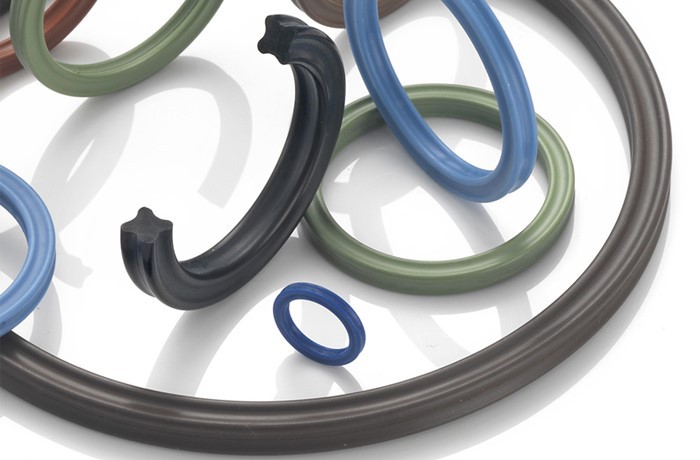
Engineering Insight: TPE vs TPU – Critical Material Selection for Industrial Reliability
Material selection between Thermoplastic Elastomers (TPE) and Thermoplastic Polyurethanes (TPU) is not a trivial substitution exercise in demanding industrial applications. Off-the-shelf solutions frequently lead to premature component failure because generic material classifications obscure critical performance differentiators. TPE encompasses a broad family of polymers (e.g., SEBS, TPO, TPV) with vastly different properties, while TPU represents a distinct chemical class. Assuming functional equivalence based solely on the “thermoplastic elastomer” label ignores fundamental differences in chemical structure, mechanical behavior under stress, and environmental resistance. This oversight manifests in field failures such as seal extrusion, gasket hardening, cable jacket cracking, or dynamic part fatigue – failures directly traceable to inadequate material-property alignment with the operational profile.
The core issue lies in the mismatch between application demands and inherent material limitations. TPE formulations, particularly softer grades, often exhibit higher compression set and lower tensile strength compared to TPU. In static sealing applications under constant load, this can lead to permanent deformation and leakage over time. Conversely, TPU, while offering superior abrasion resistance, tensile strength, and oil/fuel resistance, typically has a narrower low-temperature flexibility range and can be susceptible to hydrolysis in humid environments without specific stabilization – a critical factor for outdoor or marine components. Selecting a standard TPE for a high-abrasion cable jacket application, for instance, ignores TPU’s inherent toughness, resulting in rapid surface wear and conductor exposure. Similarly, using a general-purpose TPU in a low-temperature seal without verifying its specific low-temp grade can cause catastrophic brittleness.
Precision engineering demands understanding the specific performance envelope. The following table highlights key comparative properties relevant to industrial component design:
| Property | Typical TPE Range | Typical TPU Range | Critical Application Impact |
|---|---|---|---|
| Shore Hardness | 20A – 80D | 60A – 85D | Seal conformity vs. extrusion resistance |
| Tensile Strength (MPa) | 2 – 15 | 30 – 60 | Load-bearing capacity, tear resistance |
| Elongation at Break (%) | 100 – 1200 | 300 – 700 | Flexibility, resistance to dynamic stress |
| Compression Set (%) | 20 – 60 (70°C, 22h) | 10 – 30 (70°C, 22h) | Long-term seal integrity under compression |
| Continuous Use Temp (°C) | -50 to +100 | -40 to +80 (Std) | Suitability for extreme environments |
| Hydrolysis Resistance | Generally Good | Poor (Std), Excellent (Stabilized) | Longevity in humid/wet conditions |
| Abrasion Resistance | Moderate | Excellent | Wear life in moving parts, cable jackets |
Generic material swaps fail because they neglect the nuanced interplay of these properties within the specific mechanical, thermal, and chemical environment of the application. Suzhou Baoshida Trading Co., Ltd. emphasizes that successful industrial rubber solutions require moving beyond base polymer identification. We collaborate with OEMs to define precise operational parameters – dynamic load cycles, fluid exposure, temperature extremes, and required service life – then formulate or select the specific TPE or TPU grade engineered to meet those exact demands. This precision prevents the costly failures inherent in off-the-shelf assumptions, ensuring component reliability and longevity in your manufacturing systems. Material selection is an engineering discipline, not a procurement checkbox.
Material Specifications
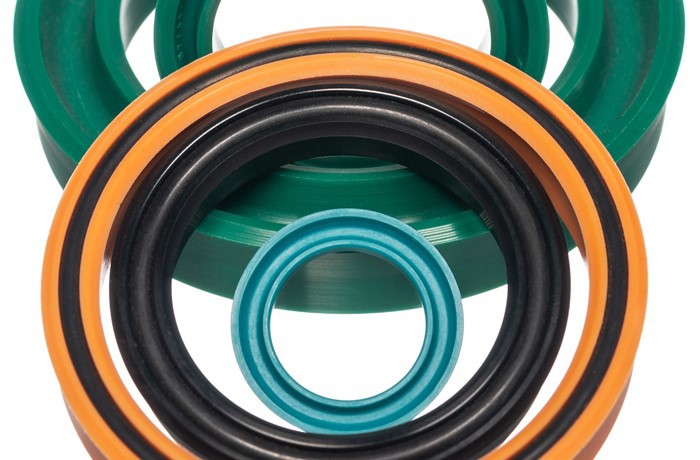
When selecting elastomeric materials for industrial applications, precision in material properties is critical to ensuring performance, longevity, and compatibility. Viton, Nitrile (NBR), and Silicone represent three of the most widely used synthetic rubbers in demanding environments. Each material offers a distinct set of physical and chemical characteristics, making them suitable for specific operational conditions. Understanding their comparative performance enables engineers and procurement specialists to make data-driven decisions aligned with application requirements.
Viton, a fluorocarbon-based rubber (FKM), is renowned for its exceptional resistance to high temperatures, aggressive chemicals, fuels, and oils. It maintains structural integrity in continuous service temperatures up to 230°C (446°F), with short-term exposure tolerance even higher. This makes Viton an optimal choice for aerospace, automotive, and chemical processing industries where exposure to hydrocarbons and extreme heat is routine. Its low gas permeability and excellent aging characteristics further enhance reliability in sealing and gasketing applications. However, Viton is less flexible at low temperatures, typically limited to -20°C (-4°F), and carries a higher material cost compared to alternatives.
Nitrile rubber, or Buna-N, is a cost-effective solution for applications involving oil, fuel, and hydraulic fluid exposure. With a service temperature range of -30°C to 120°C (-22°F to 248°F), Nitrile provides good abrasion resistance and mechanical strength. It is commonly used in O-rings, fuel hoses, and seals within automotive and industrial machinery. While Nitrile offers superior resistance to aliphatic hydrocarbons, it performs poorly when exposed to ozone, UV radiation, and polar solvents. Its moderate heat resistance and limited flexibility at low temperatures require careful evaluation in variable environments.
Silicone rubber (VMQ) excels in extreme temperature applications, functioning reliably from -60°C to 200°C (-76°F to 392°F). It exhibits excellent resistance to UV, ozone, and weathering, making it ideal for outdoor and medical applications. Silicone also offers high electrical insulation properties and biocompatibility, supporting use in electronics, healthcare, and food-grade systems. However, it has relatively low tensile strength and poor resistance to oils and fuels, necessitating protective coatings or material substitution in hydrocarbon-rich environments.
The following table summarizes key specifications for Viton, Nitrile, and Silicone to facilitate direct comparison.
| Property | Viton (FKM) | Nitrile (NBR) | Silicone (VMQ) |
|---|---|---|---|
| Temperature Range (°C) | -20 to 230 | -30 to 120 | -60 to 200 |
| Tensile Strength (MPa) | 15–20 | 10–25 | 5–10 |
| Elongation at Break (%) | 200–300 | 200–500 | 200–700 |
| Hardness (Shore A) | 60–90 | 50–90 | 30–80 |
| Resistance to Oils/Fuels | Excellent | Excellent | Poor |
| Resistance to Ozone/UV | Excellent | Fair | Excellent |
| Compression Set Resistance | Excellent | Good | Good |
| Electrical Insulation | Good | Fair | Excellent |
| Biocompatibility | Limited | No | Yes (Medical Grade) |
Selecting the appropriate elastomer requires balancing chemical exposure, thermal demands, mechanical stress, and regulatory compliance. At Suzhou Baoshida Trading Co., Ltd., we provide technical support and high-purity formulations tailored to OEM and industrial specifications.
Manufacturing Capabilities
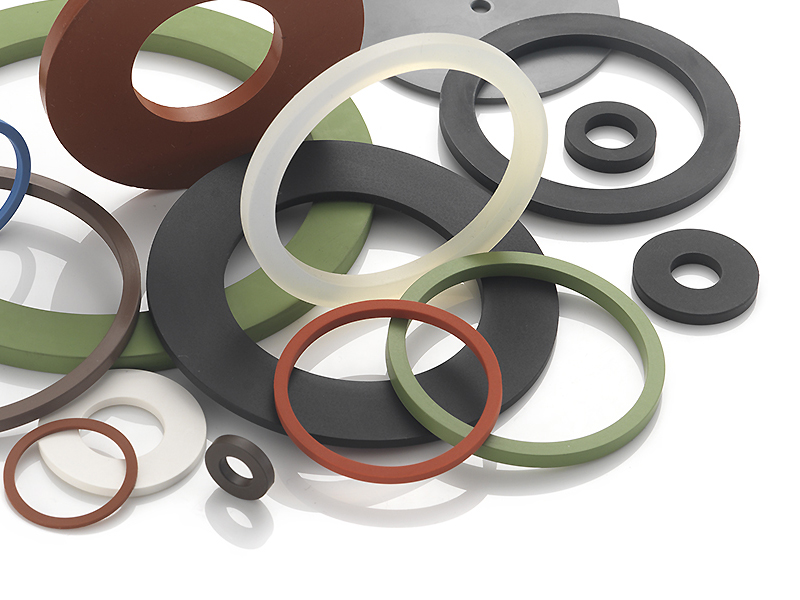
Engineering Capability: Precision Material Science for Industrial Applications
At Suzhou Baoshida Trading Co., Ltd., our engineering division integrates advanced polymer science with industrial manufacturing pragmatism to resolve complex material challenges. With five dedicated Mould Engineers and two specialized Formula Engineers, we deliver tailored rubber solutions that meet exacting OEM specifications. Our team’s expertise spans material formulation, tooling optimization, and process validation, ensuring seamless transitions from concept to high-volume production. This capability is critical when selecting between thermoplastic elastomers (TPE) and thermoplastic polyurethanes (TPU)—materials often confused but fundamentally distinct in performance and application suitability.
TPE and TPU both offer elasticity without vulcanization, yet their chemical structures dictate divergent industrial utility. TPE, typically styrenic block copolymer (TPE-S), excels in cost-sensitive, low-stress applications like soft-touch grips or consumer seals due to its broad hardness range and ease of processing. TPU, however, leverages urethane chemistry to deliver superior mechanical resilience, making it indispensable for demanding environments—automotive bushings, hydraulic seals, or medical tubing requiring abrasion resistance and load-bearing stability. Our Formula Engineers rigorously evaluate client requirements against these intrinsic properties to prevent costly material mismatches.
The following comparative analysis highlights key technical differentiators:
| Property | TPE (TPE-S) | TPU | Industrial Implication |
|---|---|---|---|
| Hardness Range (Shore A) | 25–120A | 60–95A | TPE suits ultra-soft to semi-rigid parts; TPU targets mid-range rigidity |
| Tensile Strength (MPa) | 5–15 | 30–60 | TPU withstands higher mechanical stress |
| Compression Set (%) | 25–40 (70°C/22h) | 10–25 (70°C/22h) | TPU maintains seal integrity under sustained load |
| Oil/Fuel Resistance | Poor to Moderate | Excellent | TPU essential for automotive fluid exposure |
| Processing Temperature | 160–200°C | 190–230°C | TPE reduces energy costs; TPU demands precise thermal control |
Our OEM management framework transforms this technical insight into actionable manufacturing strategy. The Mould Engineering team optimizes gate design, cooling channels, and ejection systems to counteract TPU’s higher viscosity or TPE’s shrinkage variability—reducing cycle times by 18% on average. Simultaneously, Formula Engineers develop custom polymer blends, such as adding nano-silica to TPU for enhanced tear strength or modifying TPE’s styrene ratio for improved low-temperature flexibility. This dual-engineering approach ensures material performance aligns with functional lifespan requirements, whether for a 100,000-cycle industrial gasket or a disposable medical component.
Suzhou Baoshida’s strength lies in treating material selection as a systems challenge, not a catalog exercise. We collaborate with OEM partners during prototyping to validate real-world behavior through accelerated aging, dynamic fatigue testing, and regulatory compliance checks (ISO 10993, FDA 21 CFR). Our facility’s integrated compounding lines allow rapid iteration of formulations—cutting development lead times by 30% versus industry benchmarks. For manufacturers prioritizing reliability in extreme conditions, TPU often proves optimal; for cost-driven consumer goods, TPE delivers value. Our engineers provide the data-driven clarity to choose correctly, backed by end-to-end OEM execution from tooling to certified batch production. This is how precision rubber science becomes competitive advantage.
Customization Process
Customization Process: From Drawing Analysis to Mass Production
At Suzhou Baoshida Trading Co., Ltd., our industrial rubber solutions are engineered for performance, durability, and precise application fit. When comparing TPE (Thermoplastic Elastomer) and TPU (Thermoplastic Polyurethane), understanding material behavior under real-world conditions is critical. Our customization process ensures optimal material selection and product realization through a structured four-phase approach: Drawing Analysis, Formulation, Prototyping, and Mass Production.
The process begins with Drawing Analysis, where our engineering team evaluates technical blueprints, dimensional tolerances, functional requirements, and environmental exposure conditions. This phase determines whether TPE or TPU is better suited based on flexibility, abrasion resistance, temperature range, and chemical compatibility. For dynamic seals exposed to oils and UV radiation, TPU often proves superior due to its high mechanical strength and resistance. Conversely, TPE is preferred for applications requiring softer durometers, cost-effective processing, and recyclability.
Following drawing review, we proceed to Formulation. Our in-house rubber chemists develop custom TPE or TPU compounds tailored to the application’s mechanical and environmental demands. Parameters such as hardness (Shore A/D), tensile strength, elongation at break, and compression set are precisely adjusted. Additives for UV stabilization, flame resistance, or anti-static properties are integrated as needed. This phase ensures the final compound meets OEM specifications while maintaining processability.
The third stage, Prototyping, validates both design and material performance. Using precision injection molding or extrusion, we produce functional samples for client evaluation. These prototypes undergo rigorous testing, including thermal cycling, dynamic flexing, and fluid immersion, to simulate end-use conditions. Feedback from this phase informs final adjustments to geometry or compound formulation, ensuring reliability before scale-up.
Only after client approval do we transition to Mass Production. Our automated production lines, equipped with real-time quality monitoring systems, ensure consistency across high-volume runs. Each batch is traceable, with full material certifications (e.g., RoHS, REACH) provided. We maintain strict process control over melt temperature, cooling rates, and mold pressures to eliminate defects and ensure dimensional stability.
Throughout this workflow, Suzhou Baoshida emphasizes technical transparency and collaborative engineering. Whether selecting TPE for a soft-touch automotive gasket or TPU for a high-wear industrial roller, our process ensures optimal performance, cost-efficiency, and scalability.
Material Comparison: TPE vs TPU for Industrial Applications
| Property | TPE | TPU |
|---|---|---|
| Shore Hardness Range | 20A – 95A | 60A – 85D |
| Tensile Strength | 5 – 15 MPa | 20 – 60 MPa |
| Elongation at Break | 300 – 800% | 400 – 700% |
| Abrasion Resistance | Moderate | Excellent |
| Oil & Solvent Resistance | Low to Moderate | High |
| Low-Temperature Flexibility | Excellent | Good |
| Processability | High (faster cycle times) | Moderate (requires drying) |
| Typical Applications | Seals, grips, consumer parts | Wheels, cables, hydraulic seals |
Contact Engineering Team
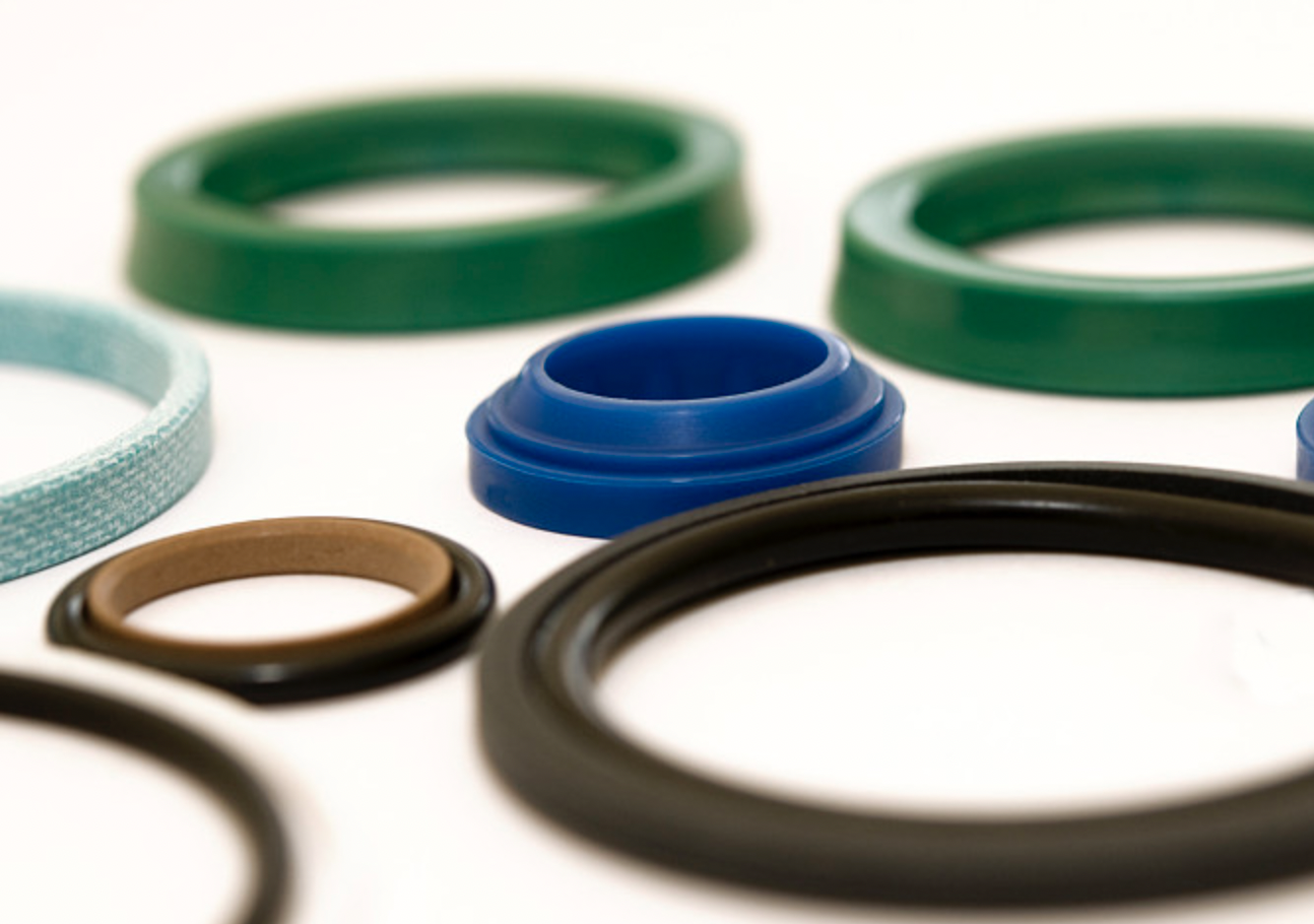
Technical Collaboration Pathway: Material Selection & Customization Support
Suzhou Baoshida Trading Co., Ltd. operates at the intersection of advanced polymer science and industrial manufacturing exigencies. Our engineering team possesses deep expertise in thermoplastic elastomer (TPE) and thermoplastic polyurethane (TPU) compounding, enabling precise material solutions for demanding applications across automotive, medical, and consumer electronics sectors. The preceding technical analysis of TPE versus TPU underscores critical performance differentiators; however, real-world implementation requires context-specific validation against your product’s mechanical, environmental, and regulatory constraints. Generic datasheets cannot address nuanced requirements such as dynamic fatigue resistance in sub-zero automotive seals or biocompatibility thresholds for wearable medical devices. This is where our OEM partnership model delivers decisive value.
We provide rigorous application engineering support, including accelerated lifecycle testing, finite element analysis (FEA) correlation, and regulatory dossier preparation (ISO 10993, UL, REACH). Our Suzhou-based R&D facility houses state-of-the-art compounding lines and analytical instrumentation (DMA, DSC, FTIR) to tailor formulations meeting exact Shore hardness, tensile retention, and hysteresis specifications. Below is a distilled technical comparison of core TPE and TPU properties to contextualize our customization capabilities:
| Property | TPE Range | TPU Range | Industrial Significance |
|---|---|---|---|
| Shore Hardness (A/D) | 10A – 95A / 30D – 70D | 60A – 75D | TPE offers broader softness; TPU excels in rigid structural components |
| Tensile Strength (MPa) | 2.0 – 15.0 | 30.0 – 60.0 | TPU provides superior load-bearing capacity |
| Elongation at Break (%) | 150 – 1200 | 300 – 700 | TPE suits high-flex applications; TPU balances elasticity and toughness |
| Continuous Use Temp (°C) | -50 to +100 | -40 to +120 | TPU maintains integrity at elevated temperatures |
| Abrasion Resistance | Moderate | Excellent | Critical for high-wear components (e.g., cable jackets, wheels) |
| Oil/Fuel Resistance | Poor to Moderate | Good to Excellent | TPU preferred for under-hood automotive parts |
Material selection transcends datasheet parameters—it demands collaborative engineering to balance performance, manufacturability, and total cost of ownership. Suzhou Baoshida’s OEM framework integrates seamlessly into your NPI process through:
Material prototyping with rapid iteration cycles leveraging our 15+ base polymer platforms
Mold flow analysis optimization to eliminate weld lines and sink marks in complex geometries
Supply chain resilience via dual-sourcing of critical monomers and JIT inventory management
Initiate a technical dialogue with our lead formulation engineer, Mr. Boyce, to transform your material challenges into engineered advantages. Mr. Boyce directs our global OEM technical service team and holds 12 years of specialized experience in elastomer failure mode analysis and regulatory pathway navigation. Contact him directly to schedule a confidential application review:
Mr. Boyce
OEM Technical Director
Suzhou Baoshida Trading Co., Ltd.
Email: [email protected]
Subject Line: TPE/TPU Technical Collaboration Request [Your Company Name]
Include your target application, performance non-negotiables, and current pain points for a prioritized response. Our team commits to delivering a preliminary material suitability assessment within 72 business hours of receiving your technical brief. Partner with precision-engineered elastomer solutions where scientific rigor meets industrial execution.
⚖️ O-Ring Weight Calculator
Estimate rubber O-ring weight (Approx).