
Technical Contents
Engineering Guide: Tpr Material Vs Silicone
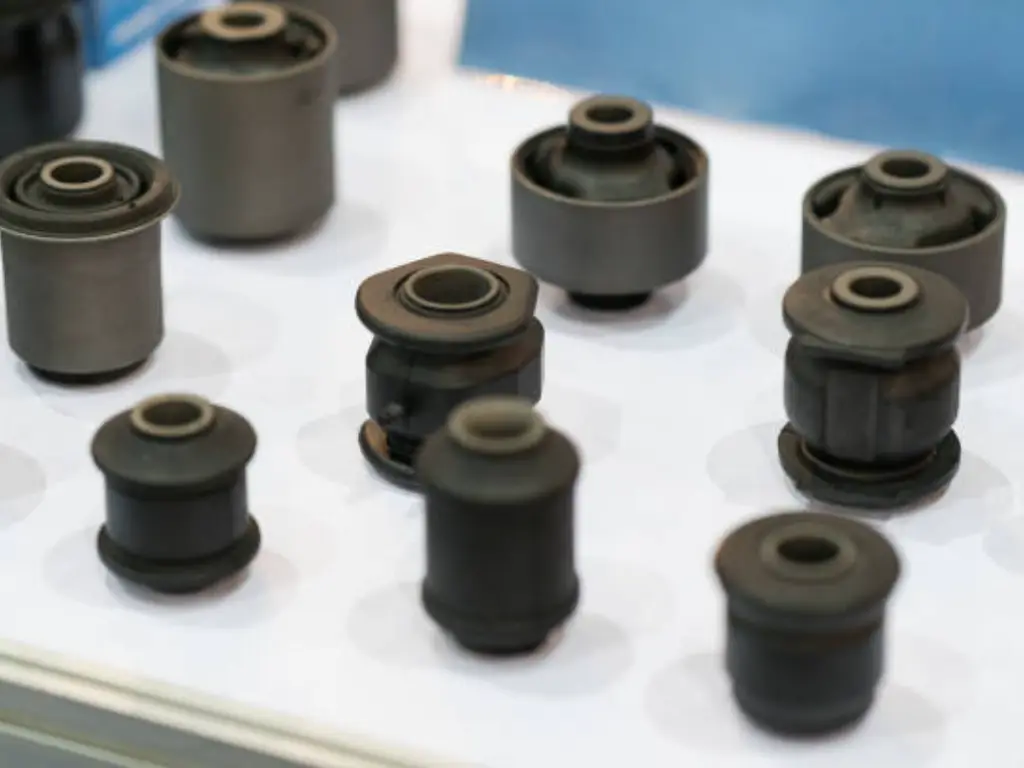
Engineering Insight: Critical Material Selection in TPR vs Silicone Applications
Material selection between Thermoplastic Rubber (TPR) and silicone is not a trivial procurement decision but a foundational engineering requirement. Off-the-shelf solutions frequently fail in demanding industrial environments due to unaddressed operational stressors, leading to premature part degradation, safety hazards, and costly downtime. Generic formulations ignore critical variables such as dynamic load cycles, chemical exposure profiles, and thermal aging thresholds, which directly dictate material performance. For instance, TPR may suffice for low-stress consumer grips but catastrophically fails in automotive under-hood seals where continuous 150°C exposure causes irreversible hardening and loss of elasticity. Similarly, silicone’s superior biocompatibility is irrelevant in high-abrasion conveyor belts where TPR’s tear resistance offers better value.
The core failure of standardized materials lies in their inability to balance multiple simultaneous requirements. A medical device OEM using catalog-grade silicone may overlook extractables in sterilization cycles, contaminating sensitive fluids. Conversely, a TPR formulated for hardness alone may exhibit poor compression set in hydraulic seals, causing leakage after 500 hours of operation. These failures stem from neglecting application-specific validation of properties like hysteresis, fluid resistance, and long-term creep. At Suzhou Baoshida, we prioritize OEM collaboration to define exact service conditions—down to fluid immersion duration or UV spectral ranges—before compounding. This prevents the “spec sheet trap” where nominal hardness or tensile strength masks critical weaknesses in real-world deployment.
Key performance differentiators are quantified below for engineering reference:
| Property | TPR (Standard Grade) | Silicone (VMQ) | Critical Implication |
|---|---|---|---|
| Continuous Use Temp | -40°C to 100°C | -60°C to 230°C | TPR degrades in engine compartments; silicone withstands autoclaving |
| Compression Set (22h/100°C) | 35-50% | 10-20% | TPR seals leak after thermal cycling; silicone maintains sealing force |
| Fluid Resistance (Oil) | Poor | Excellent | TPR swells in hydraulic systems; silicone inert to fuels |
| Hardness Range (Shore A) | 30-90 | 10-80 | TPR achieves higher rigidity; silicone excels in ultra-soft seals |
| FDA Compliance | Limited grades | Universal | TPR requires additive validation; silicone inherently meets USP Class VI |
Material substitution without rigorous application mapping inevitably compromises functional integrity. A construction equipment manufacturer once replaced silicone O-rings with TPR to reduce costs, only to face hydraulic failures within weeks due to TPR’s poor ozone resistance in outdoor UV exposure. Such cases underscore why Suzhou Baoshida mandates OEM-specific testing protocols—not datasheet comparisons—as the basis for material qualification. Precision compounding, informed by operational physics rather than nominal specs, transforms material selection from a cost center into a reliability multiplier.
Material Specifications
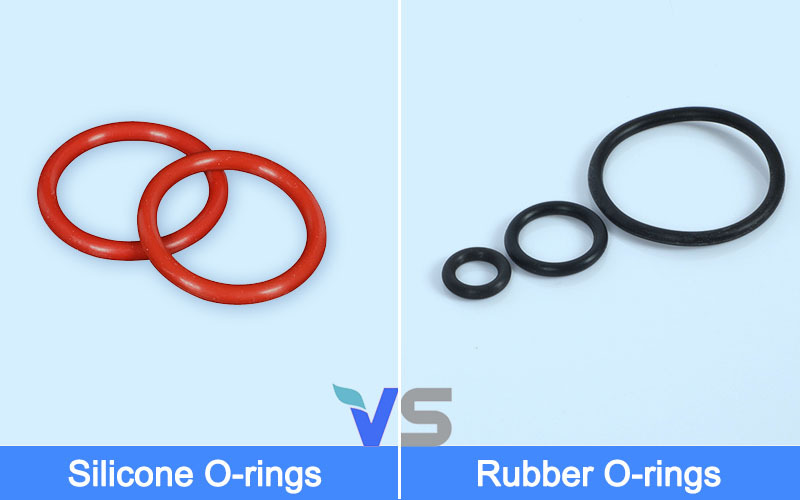
Material selection is a critical factor in industrial rubber applications, where performance under stress, temperature extremes, and chemical exposure determines product longevity and safety. At Suzhou Baoshida Trading Co., Ltd., we specialize in advanced elastomer solutions, providing engineered materials tailored to demanding environments. Among the most widely used synthetic rubbers in industrial applications are Viton (FKM), Nitrile (NBR), and Silicone (VMQ). Each material exhibits a unique set of physical and chemical properties, making them suitable for specific operational conditions.
Viton, a fluorocarbon-based elastomer, is renowned for its exceptional resistance to high temperatures, oils, fuels, and a broad range of chemicals. With a continuous service temperature range up to 230°C, Viton is ideal for aerospace, automotive, and chemical processing industries where exposure to aggressive media is common. Its low gas permeability and excellent aging characteristics further enhance reliability in sealing applications, although it tends to be more expensive than other elastomers.
Nitrile rubber, or Buna-N, offers outstanding resistance to petroleum-based oils, fuels, and hydraulic fluids. It is one of the most commonly used elastomers in industrial and automotive sealing due to its good mechanical properties, abrasion resistance, and cost-effectiveness. Nitrile performs well in temperatures ranging from -30°C to 105°C, making it suitable for dynamic applications such as O-rings, gaskets, and hoses. However, its performance degrades under prolonged exposure to ozone, UV radiation, and polar solvents.
Silicone rubber (VMQ) stands out for its extreme temperature resilience, operating effectively from -60°C to 200°C. It exhibits excellent electrical insulation properties and high biocompatibility, making it a preferred choice in medical devices, food processing, and high-temperature insulation. While silicone demonstrates good resistance to ozone and UV exposure, it has relatively low tensile strength and poor resistance to petroleum-based fluids, limiting its use in high-stress mechanical seals.
The following table provides a comparative overview of key physical and chemical properties for Viton, Nitrile, and Silicone rubber to assist in material selection.
| Property | Viton (FKM) | Nitrile (NBR) | Silicone (VMQ) |
|---|---|---|---|
| Temperature Range (°C) | -20 to 230 | -30 to 105 | -60 to 200 |
| Tensile Strength (MPa) | 15–20 | 10–25 | 5–8 |
| Elongation at Break (%) | 200–300 | 200–500 | 200–600 |
| Hardness (Shore A) | 60–90 | 50–90 | 30–80 |
| Resistance to Oils/Fuels | Excellent | Excellent | Poor |
| Resistance to Ozone/UV | Excellent | Fair | Excellent |
| Chemical Resistance | Excellent (acids, bases) | Good (limited to oils) | Moderate |
| Electrical Insulation | Good | Fair | Excellent |
| Compression Set Resistance | Excellent | Good | Good |
| Common Applications | Aerospace seals, chemical gaskets | Fuel hoses, O-rings, seals | Medical devices, insulation, food-grade seals |
Selecting the appropriate elastomer requires a thorough understanding of the application environment, including thermal exposure, media compatibility, and mechanical stress. Suzhou Baoshida Trading Co., Ltd. supports OEMs and industrial clients with precision-engineered rubber solutions, ensuring optimal performance and compliance with international standards.
Manufacturing Capabilities
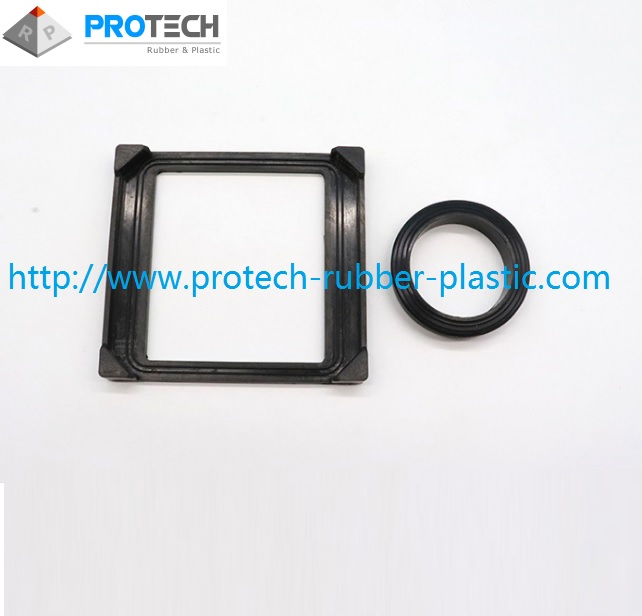
Engineering Precision in TPR and Silicone Material Selection
Material selection between thermoplastic rubber (TPR) and silicone remains a critical engineering decision for industrial applications demanding durability, chemical resistance, and thermal stability. At Suzhou Baoshida Trading Co., Ltd., our dedicated engineering team ensures optimal material pairing through rigorous scientific analysis and process validation. With five specialized Mould Engineers and two advanced Formula Engineers, we bridge molecular science with manufacturing pragmatism to eliminate performance gaps in high-stakes industrial environments.
Our Formula Engineers possess deep expertise in polymer chemistry, enabling precise customization of TPR formulations for enhanced oil resistance or silicone compounds for extreme-temperature resilience. Concurrently, Mould Engineers optimize cavity design, gating systems, and cooling channels to address material-specific flow dynamics and shrinkage behaviors. This integrated approach prevents defects like sink marks in TPR or flash in silicone, directly impacting part longevity and functional reliability.
Below is a comparative technical specification table highlighting core engineering parameters for TPR and silicone under industrial operating conditions:
| Property | TPR | Silicone |
|---|---|---|
| Hardness Range (Shore A) | 30–95 | 10–80 |
| Tensile Strength (MPa) | 8–25 | 4–12 |
| Temperature Resistance | -40°C to +100°C (short-term +135°C) | -60°C to +230°C (short-term +300°C) |
| Chemical Resistance | Moderate (poor in oils/fuels) | Excellent (superior in oils, acids, solvents) |
| Processing Method | Injection Molding (faster cycle times) | Liquid Injection Molding (LIM) or Compression Molding |
This data informs our co-engineering process with OEM partners. For instance, when automotive clients require under-hood seals exposed to engine fluids, our Formula Engineers adjust silicone’s platinum-cure system to resist glycol-based coolants while Mould Engineers implement venting strategies to prevent porosity. Conversely, for consumer goods requiring rapid production cycles, TPR formulations are modified with reinforcing fillers to maintain elasticity without sacrificing throughput.
Our OEM capabilities extend beyond material science to full project ownership. We manage tooling validation, prototype iteration, and production scaling with ISO 9001-certified protocols. Each project undergoes empirical validation via ASTM D2000 testing for rubber properties and ISO 188 for heat aging, ensuring compliance with automotive, medical, and industrial standards. Clients benefit from reduced time-to-market through concurrent engineering—where material formulation, mold design, and process parameters are refined in parallel during the NPI phase.
Suzhou Baoshida Trading Co., Ltd. mitigates production bottlenecks by aligning material behavior with manufacturing realities. Our engineers deploy finite element analysis (FEA) to simulate mold filling for both TPR and silicone, preempting warpage or incomplete cavity filling. This precision engineering framework, backed by 15+ years of OEM partnership experience, guarantees that every component meets dimensional tolerances within ±0.05mm while sustaining performance across 10,000+ operational cycles. Partner with us to transform material constraints into competitive advantages through science-led manufacturing excellence.
Customization Process
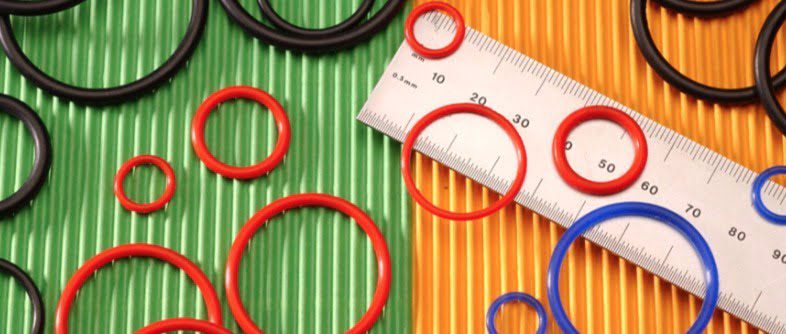
Customization Process for TPR and Silicone Material Solutions
At Suzhou Baoshida Trading Co., Ltd., our industrial rubber solutions are engineered to meet exacting performance standards across automotive, medical, consumer goods, and industrial equipment sectors. When selecting between thermoplastic rubber (TPR) and silicone, material choice is only the beginning. Our structured customization process ensures optimal functionality, durability, and cost-efficiency from concept to mass production.
The first phase, Drawing Analysis, involves a detailed technical review of client-provided CAD models or engineering drawings. We assess critical parameters such as part geometry, wall thickness, tolerance requirements, and intended application environment. This stage determines feasibility and identifies potential molding challenges, such as undercuts or thin sections. Our engineering team collaborates directly with OEMs to refine designs for manufacturability, ensuring seamless transition into material development.
Following design validation, we proceed to Formulation Engineering. This is where TPR and silicone diverge significantly in processing and performance. For TPR, we tailor the polymer blend—typically styrenic block copolymers (SBS, SEBS)—with precise ratios of oil, filler, and stabilizers to achieve desired hardness, elasticity, and adhesion to substrates. Silicone formulations are based on polydimethylsiloxane (PDMS), with additives for thermal stability, electrical insulation, or biocompatibility. Our lab conducts rheological and thermal analysis to confirm flow behavior, cure kinetics, and compatibility with processing methods.
Once the formulation is finalized, we initiate Prototyping using precision injection or compression molding. Prototypes are subjected to rigorous testing, including tensile strength, elongation at break, compression set, and environmental resistance (UV, ozone, temperature cycling). For medical or food-contact applications, biocompatibility and extractables testing are performed. This phase allows functional validation and iterative refinement before tooling investment.
The final stage is Mass Production, executed in our ISO-certified manufacturing facilities. TPR components are typically produced via high-speed injection molding with short cycle times, offering economic advantages for high-volume runs. Silicone parts are manufactured through liquid silicone rubber (LSR) injection or high-consistency rubber (HCR) compression molding, depending on complexity and volume. Real-time process monitoring and statistical process control (SPC) ensure batch-to-batch consistency and compliance with OEM quality standards.
Below is a comparative overview of key physical and processing properties for typical TPR and silicone formulations used in our production:
| Property | TPR (SEBS-based) | Silicone (VMQ) |
|---|---|---|
| Hardness Range (Shore A) | 30–95 | 30–80 |
| Tensile Strength (MPa) | 8–15 | 6–10 |
| Elongation at Break (%) | 400–800 | 400–700 |
| Continuous Use Temperature | -40°C to +100°C | -60°C to +200°C |
| Compression Set (22 hrs, 70°C) | 20–35% | 10–20% |
| Processing Method | Injection Molding | LSR/HCR Molding |
| Cycle Time | Short (15–45 sec) | Moderate (30–90 sec) |
| Adhesion to Plastics | Excellent (PP, ABS, PC) | Poor (requires primer) |
Our end-to-end customization process ensures that whether you require the cost-effective elasticity of TPR or the extreme temperature resilience of silicone, Suzhou Baoshida delivers precision-engineered rubber components tailored to your operational demands.
Contact Engineering Team
Technical Material Selection Finalization and Engineering Support
Material selection between thermoplastic rubber (TPR) and silicone remains a critical decision point for industrial OEM applications requiring precision elastomer performance. At Suzhou Baoshida Trading Co., Ltd., we recognize that factors such as dynamic mechanical behavior, chemical resistance, and lifecycle cost dictate long-term product viability. Our engineering team provides data-driven validation to ensure your chosen material aligns with operational demands, regulatory frameworks, and manufacturing efficiency. Below is a concise technical comparison of core properties to inform your final specification:
| Property | TPR (Styrenic Block Copolymer) | Silicone (VMQ) |
|---|---|---|
| Hardness Range (Shore A) | 15–95 | 10–80 |
| Continuous Use Temp (°C) | -40 to +100 | -60 to +230 |
| Tensile Strength (MPa) | 5–25 | 4–12 |
| Elongation at Break (%) | 100–1200 | 150–800 |
| Compression Set (22h/70°C) | 25–45% | 10–25% |
| Key Processing Method | Injection Molding (fast cycles) | Compression/Transfer Molding |
| Primary Cost Advantage | 30–50% lower raw material cost | Higher performance ceiling |
This comparative analysis underscores TPR’s economic efficiency for high-volume consumer goods requiring moderate thermal stability, while silicone remains indispensable for aerospace, medical, and extreme-temperature applications demanding unparalleled inertness and resilience. However, real-world implementation requires granular understanding of your specific use case—including fluid exposure, load duration, and regulatory certification pathways. Generic datasheets often fail to address nuanced interactions between material chemistry and part geometry, potentially leading to premature field failures or unnecessary over-engineering.
Suzhou Baoshida bridges this gap through OEM-centric engineering collaboration. Our laboratory in Suzhou conducts application-specific testing per ASTM D2000, ISO 37, and ISO 188 standards, validating material behavior under your exact operational parameters. We provide full traceability from raw polymer batches to finished compound formulations, ensuring consistency across production runs. For regulated industries, our technical documentation packages include biocompatibility reports (ISO 10993), food-grade certifications (FDA 21 CFR 177.2600), and UL recognition files.
Initiate Your Technical Consultation with Mr. Boyce
To resolve material ambiguities and optimize your elastomer solution, contact Mr. Boyce, our dedicated OEM Engineering Manager. With 14 years of formula development experience across automotive sealing systems and medical device components, he will coordinate:
Material compatibility trials against your fluid/media exposures
Custom compound formulation to meet unique Shore A or durometer targets
Mold flow analysis to reduce cycle times and part defects
Cost-benefit modeling for TPR versus silicone across your production volume
Direct engineering consultation eliminates procurement risks and accelerates time-to-market. Mr. Boyce operates within Suzhou Baoshida’s ISO 9001-certified technical framework, ensuring all recommendations adhere to global quality management protocols. Contact him at [email protected] with your project specifications, including required hardness, temperature profile, and regulatory standards. Include part geometry details where possible to facilitate rapid feasibility assessment.
Suzhou Baoshida maintains regional manufacturing hubs in Jiangsu Province and strategic partnerships with Tier-1 polymer producers, enabling agile material sourcing and reduced lead times. Let our engineering rigor become your competitive advantage—reach out today to transform material selection from a procurement task into a validated technical asset.
⚖️ O-Ring Weight Calculator
Estimate rubber O-ring weight (Approx).