
Technical Contents
Engineering Guide: Trampoline Enclosures
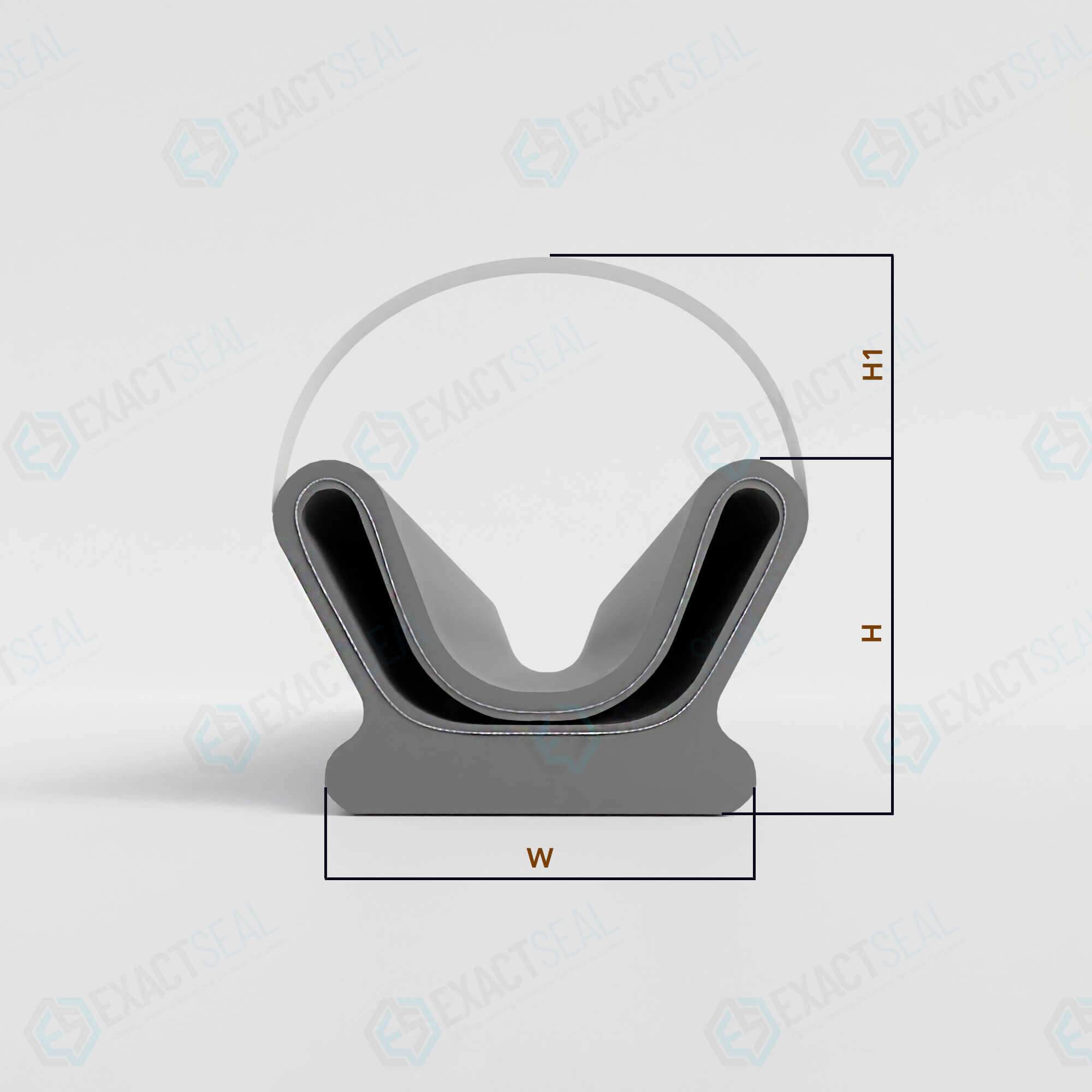
Engineering Insight: Material Selection in Trampoline Enclosures
In the industrial manufacturing of trampoline enclosures, material selection is not merely a cost-driven decision—it is a critical engineering parameter that directly influences product safety, longevity, and performance. At Suzhou Baoshida Trading Co., Ltd., we specialize in advanced rubber formulations tailored to high-stress outdoor applications, and our analysis of trampoline enclosure systems reveals consistent failure patterns in off-the-shelf solutions due to suboptimal material choices.
Most commercial trampoline enclosures utilize generic polyethylene or low-grade PVC-coated fabrics. These materials are selected for initial cost efficiency but lack the mechanical resilience required for sustained outdoor exposure. Ultraviolet (UV) degradation, thermal expansion, and mechanical fatigue from repeated impact stress lead to premature tearing, seam failure, and loss of tensile integrity. These failures compromise user safety and increase total cost of ownership due to frequent replacements.
In contrast, engineered rubber composites—such as reinforced ethylene propylene diene monomer (EPDM) with UV-stabilized polyamide scrim—deliver superior performance. These materials are formulated to resist ozone, maintain elasticity across temperature extremes (–40°C to +80°C), and retain tensile strength after 2,000+ hours of accelerated weathering. The integration of high-tenacity yarns within the rubber matrix enhances puncture resistance, a critical factor in impact-prone environments.
Another overlooked factor is dynamic load distribution. Trampoline enclosures undergo cyclical deformation during use. Standard fabrics exhibit high hysteresis, leading to energy buildup and localized stress at anchor points. Precision-engineered rubber laminates, however, offer controlled elasticity and low compression set, ensuring uniform load transfer and minimizing fatigue at connection nodes.
Below is a comparative analysis of material performance characteristics relevant to trampoline enclosure applications.
| Material Property | Standard PVC-Coated Fabric | Reinforced EPDM Composite | Test Standard |
|---|---|---|---|
| Tensile Strength (MPa) | 25 | 38 | ASTM D412 |
| Elongation at Break (%) | 180 | 420 | ASTM D412 |
| UV Resistance (1,000 hrs) | 45% strength retention | 88% strength retention | ASTM G154 |
| Abrasion Resistance (Taber) | 120 mg loss | 45 mg loss | ASTM D4060 |
| Low-Temperature Flexibility | Fails at –20°C | Flexible at –40°C | ASTM D746 |
| Ozone Resistance | Poor (cracking observed) | Excellent (no cracking) | ASTM D1149 |
The data underscores a fundamental principle: material performance must be validated under simulated operational conditions, not just nominal specifications. Off-the-shelf solutions often meet minimum consumer standards but fall short in commercial or high-usage environments.
At Suzhou Baoshida, we advocate for application-specific rubber engineering—where formulation, reinforcement architecture, and environmental resilience are co-optimized. This approach ensures trampoline enclosures perform reliably across thousands of usage cycles, reducing warranty claims and enhancing brand integrity. Material selection is not a commodity decision; it is the foundation of engineered safety.
Material Specifications
Material Specifications for Trampoline Enclosure Components
Trampoline enclosure integrity hinges on elastomer selection, directly impacting user safety, longevity, and resistance to environmental stressors. At Suzhou Baoshida Trading Co., Ltd., we engineer rubber compounds to withstand UV degradation, ozone exposure, temperature fluctuations, and mechanical fatigue inherent in outdoor recreational equipment. Viton, Nitrile, and Silicone represent three critical material families, each offering distinct performance profiles for enclosure frames, connectors, and anchor points. Selection must align with geographic deployment, cost constraints, and regulatory safety thresholds.
Viton fluorocarbon rubber (FKM) delivers unparalleled resistance to extreme temperatures (-20°C to +230°C) and aggressive chemicals, including UV-induced degradation. Its molecular stability ensures minimal compression set in high-stress anchor joints, critical for maintaining structural tension over 10,000+ usage cycles. While optimal for coastal or industrial zones with high salinity and pollution, Viton’s premium cost necessitates targeted application in high-value commercial trampolines where failure is unacceptable.
Nitrile butadiene rubber (NBR) remains the industry standard for cost-sensitive consumer enclosures, balancing oil/fuel resistance (-30°C to +100°C operational range) with robust tensile strength. Our Baoshida-formulated NBR compounds achieve 25-35 MPa tensile strength and 300-450% elongation, resisting abrasion from repeated pole insertion and removal. Limitations include moderate ozone vulnerability; thus, we incorporate proprietary anti-ozonant packages for enclosures deployed in suburban environments with moderate UV exposure.
Silicone rubber (VMQ) excels in extreme temperature resilience (-60°C to +200°C) and inherent UV stability, making it ideal for enclosures in arid or high-altitude regions. Its biocompatibility and non-toxic formulation meet stringent EU REACH standards for child-safe products. However, lower tear strength (12-18 MPa) requires strategic reinforcement at stress points. Baoshida’s platinum-cured silicone variants enhance durability for premium residential enclosures demanding flexibility across seasonal extremes.
Material performance is quantified below per ASTM D2000 standards for industrial rubber specifications.
| Material | Temperature Range (°C) | Tensile Strength (MPa) | Elongation at Break (%) | Hardness (Shore A) | Critical Properties |
|---|---|---|---|---|---|
| Viton (FKM) | -20 to +230 | 15-22 | 200-300 | 65-80 | Exceptional UV/ozone resistance; low compression set; chemical inertness |
| Nitrile (NBR) | -30 to +100 | 25-35 | 300-450 | 50-70 | High abrasion resistance; cost-effective; moderate oil resistance |
| Silicone (VMQ) | -60 to +200 | 12-18 | 400-600 | 40-60 | Superior flexibility at low temps; non-toxic; excellent UV stability |
Material choice must be validated against regional climate data and mechanical load simulations. Suzhou Baoshida Trading Co., Ltd. provides OEMs with compound-specific aging reports per ISO 188 accelerated testing protocols, ensuring enclosures maintain critical safety margins beyond 5 years of service. We recommend Viton for commercial installations in harsh environments, NBR for mass-market residential units, and Silicone for extreme-temperature deployments—each tailored through our in-house polymer chemistry lab to exceed ASTM F381-16 trampoline safety benchmarks. Final selection requires balancing performance ceilings with lifecycle cost analysis, where our engineering team offers data-driven formulation guidance.
Manufacturing Capabilities
Engineering Capability
At Suzhou Baoshida Trading Co., Ltd., our engineering capability is anchored in deep technical expertise and a precision-driven approach to industrial rubber solutions for performance-critical applications such as trampoline enclosures. Our team comprises five dedicated mould engineers and two specialized rubber formula engineers, enabling us to deliver fully integrated OEM solutions from concept to mass production. This cross-functional engineering strength ensures that both material performance and structural integrity are optimized for durability, safety, and long-term outdoor resilience.
Our mould engineers possess extensive experience in designing high-tolerance, corrosion-resistant moulds tailored for complex rubber extrusion and overmoulding processes. With advanced CAD/CAM and simulation tools, they develop precision tooling that ensures dimensional accuracy, consistent part geometry, and seamless integration with metal or polymer substrates used in trampoline enclosure frames. Each mould is rigorously tested for cycle life, thermal stability, and ejection efficiency to support high-volume manufacturing with minimal downtime.
Complementing this is our in-house rubber formulation capability, led by two senior formula engineers with over 15 combined years in elastomer science. They specialize in custom-compounding synthetic rubbers—including EPDM, SBR, and TPE—to meet specific mechanical and environmental demands. For trampoline enclosures, this translates into rubber components with superior UV resistance, ozone stability, and low-temperature flexibility—critical for outdoor consumer equipment. Our lab conducts ongoing testing for tensile strength, elongation at break, compression set, and weathering performance to validate every formulation batch.
We operate a closed-loop development process where mould design and material formulation are co-optimized. This synergy allows us to address real-world failure modes such as seal degradation, joint fatigue, and impact resistance at the design stage. Our engineers collaborate directly with OEM partners to interpret performance specifications, conduct DFMEA (Design Failure Mode and Effects Analysis), and deliver prototypes within 15–20 working days.
As an OEM manufacturer, we support full private labeling, custom packaging, and compliance documentation (including RoHS, REACH, and ASTM F1148 for youth fitness equipment). Our production lines are ISO 9001-certified, with traceability systems that track material lots, process parameters, and inspection records for every shipment.
The following table summarizes key technical capabilities relevant to trampoline enclosure rubber components:
| Parameter | Specification |
|---|---|
| Rubber Types | EPDM, SBR, TPE, NBR |
| Hardness Range (Shore A) | 50–85 ±5 |
| Temperature Resistance | -40°C to +120°C |
| UV & Ozone Resistance | ASTM G154 & ASTM D1149 compliant |
| Tensile Strength | Up to 18 MPa |
| Elongation at Break | Up to 550% |
| Mould Tolerance | ±0.1 mm |
| Production Lead Time (OEM) | 25–35 days after sample approval |
| Monthly Capacity | 800,000+ linear meters |
This integrated engineering model ensures that Suzhou Baoshida delivers not just components, but engineered solutions—enhancing product lifecycle, safety, and brand reliability for global trampoline manufacturers.
Customization Process
Customization Process for Trampoline Enclosure Rubber Components
At Suzhou Baoshida Trading Co., Ltd., our industrial rubber solutions for trampoline enclosures follow a rigorously defined customization pathway. This ensures material performance aligns precisely with structural demands, environmental exposure, and safety compliance. The process begins with Drawing Analysis, where engineering teams dissect client CAD files and technical schematics. We deconstruct geometric tolerances, load-bearing requirements, and interface points with fabric mesh and frame systems. Critical attention is paid to stress concentration zones—such as anchor points and flex joints—to preempt failure modes. Material thickness, curvature radii, and surface texture specifications are validated against ISO 9001 protocols, ensuring manufacturability without compromising design intent.
Subsequent Formulation leverages our polymer science expertise. Based on analysis outputs, we select base elastomers and compound additives to achieve target properties. Outdoor trampoline enclosures demand exceptional UV resistance, ozone stability, and tear strength—non-negotiable for consumer safety. Our chemists adjust sulfur vulcanization systems, reinforcing fillers (e.g., silica vs. carbon black ratios), and anti-degradants to balance elasticity with durability. Shore A hardness is calibrated between 60–75 to prevent excessive rigidity while maintaining recoil resilience. All formulations adhere to REACH and RoHS standards, with traceable raw material batches.
Prototyping validates theoretical models through physical iteration. Using precision CNC-machined molds, we produce small-batch samples for mechanical and environmental testing. Key metrics include tensile strength (ASTM D412), elongation at break, compression set (ASTM D395), and accelerated aging under QUV weathering (ASTM G154). Enclosure straps undergo cyclic fatigue testing to simulate 10,000+ load/unload cycles. Client feedback on fitment, color consistency, and surface finish triggers micro-adjustments to the compound or mold design. Only after passing all ASTM F1148 safety benchmarks do we approve the prototype.
Mass Production integrates validated parameters into high-volume manufacturing. We deploy closed-mold vulcanization with automated dosing systems to maintain ±0.5% compound consistency. In-process quality checks monitor cure time, temperature gradients, and dimensional stability via CMM (Coordinate Measuring Machine) verification. Every production lot undergoes batch traceability and third-party lab certification for mechanical properties. Final inspection includes visual defect screening and dynamic load testing on integrated trampoline frames. This end-to-end control guarantees rubber components that resist degradation for 5+ years in harsh UV conditions.
Critical Rubber Specifications for Trampoline Enclosures
| Property | Test Method | Target Range | Significance |
|---|---|---|---|
| Tensile Strength | ASTM D412 | ≥12 MPa | Resists tearing under dynamic loads |
| Elongation at Break | ASTM D412 | 350–500% | Ensures flexibility without fracture |
| Shore A Hardness | ASTM D2240 | 65 ± 5 | Optimizes grip and energy return |
| UV Resistance (2000h) | ASTM G154 | ΔTensile ≤15% | Prevents embrittlement in sunlight |
| Ozone Resistance | ASTM D1149 | No cracks (50pphm) | Critical for outdoor longevity |
| Compression Set (70°C) | ASTM D395 | ≤25% | Maintains seal integrity over time |
This systematic approach eliminates guesswork, transforming client specifications into certified, field-proven rubber solutions. Suzhou Baoshida’s engineering discipline ensures trampoline enclosures deliver uncompromised safety and operational lifespan.
Contact Engineering Team
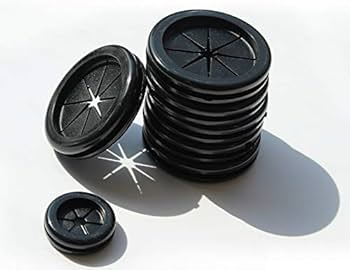
For manufacturers and OEMs seeking high-performance rubber components tailored for trampoline enclosures, Suzhou Baoshida Trading Co., Ltd. stands as a trusted partner in industrial rubber solutions. With years of specialized engineering expertise, we deliver precision-molded rubber parts that meet the rigorous demands of outdoor recreational equipment. Our focus on material science, durability testing, and customized formulation ensures every component performs under dynamic stress, UV exposure, and fluctuating environmental conditions.
Trampoline enclosures require resilient, weather-resistant rubber elements—particularly in joint connectors, spring covers, and anchoring systems. At Suzhou Baoshida, we formulate EPDM, SBR, and TPE compounds optimized for tensile strength, ozone resistance, and long-term elasticity. Each product is engineered to maintain structural integrity across temperature ranges from -40°C to +120°C, ensuring consistent performance in both extreme cold and prolonged sunlight. Our in-house R&D team works closely with clients to adjust durometer ratings, compression set resistance, and aging properties according to specific application needs.
We support global OEMs with full-service manufacturing, from prototype development to mass production. Our facility in Suzhou integrates automated molding lines with ISO-certified quality control protocols, enabling tight tolerances (±0.1 mm) and batch consistency. Whether you require custom rubber caps for enclosure poles or overmolded connectors for safety net assemblies, our engineering team provides technical drawings, material certifications, and sample validation within accelerated timelines.
Below are representative specifications for our standard rubber components used in trampoline enclosure systems:
| Property | Test Method | Typical Value |
|---|---|---|
| Material Type | — | EPDM, SBR, TPE |
| Hardness (Shore A) | ASTM D2240 | 50–80 ±5 |
| Tensile Strength | ASTM D412 | ≥12 MPa |
| Elongation at Break | ASTM D412 | ≥300% |
| Compression Set (22 hrs, 70°C) | ASTM D395 | ≤25% |
| Operating Temperature Range | — | -40°C to +120°C |
| UV and Ozone Resistance | ASTM D1149 | Excellent |
| Specific Gravity | ASTM D792 | 1.15–1.25 |
All materials comply with REACH and RoHS directives, and we provide full traceability documentation upon request. Our lean supply chain enables fast turnaround and direct container loading for international clients, minimizing lead times and logistics costs.
To discuss your next project or request a technical datasheet and sample kit, contact Mr. Boyce, OEM Account Manager at Suzhou Baoshida Trading Co., Ltd. He specializes in rubber formulation integration for outdoor fitness and recreational equipment and is available to support design reviews, cost optimization, and compliance validation.
Reach Mr. Boyce directly via email at [email protected]. Include your technical requirements, annual volume estimates, and preferred material specifications to receive a tailored engineering proposal within 48 hours. For urgent inquiries, indicate “Priority – Trampoline Enclosure Project” in the subject line to ensure expedited handling. Partner with Suzhou Baoshida for rubber solutions engineered for performance, precision, and long-term reliability.
⚖️ O-Ring Weight Calculator
Estimate rubber O-ring weight (Approx).