
Technical Contents
Engineering Guide: Translucent Silicone For Button
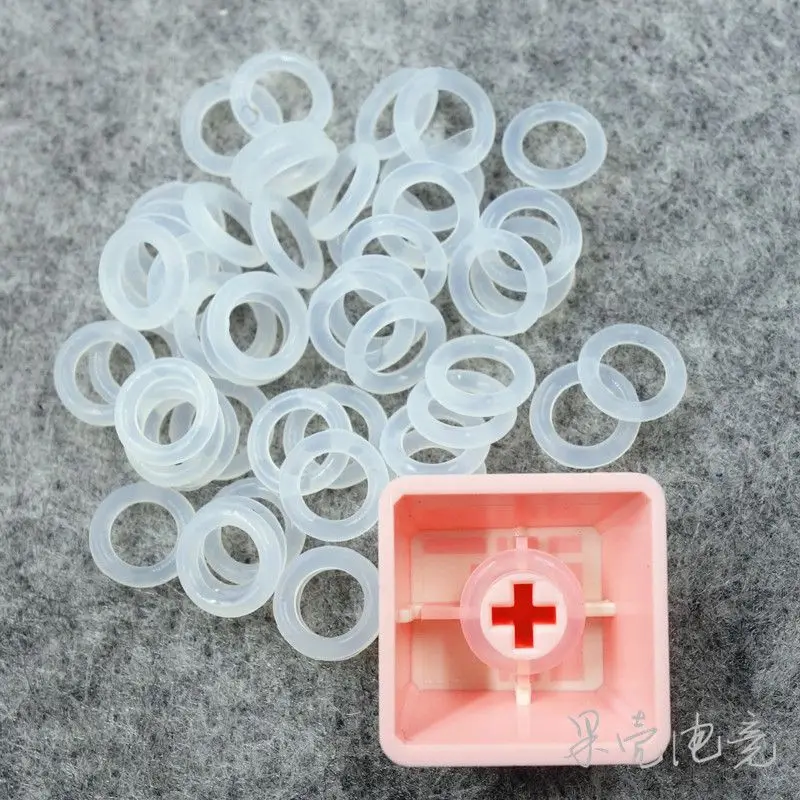
Engineering Insight: Translucent Silicone for Button Applications
Translucent silicone buttons represent a critical intersection of optical performance and mechanical reliability in human-machine interfaces. Unlike opaque rubber components, these elements demand precise photonic transmission while maintaining tactile response and environmental resilience. Off-the-shelf silicone compounds consistently fail in this application due to uncontrolled filler dispersion, inconsistent curing kinetics, and inadequate stabilization against photodegradation. Standard industrial silicones prioritize cost and general elasticity over optical fidelity, embedding silica fillers that scatter light and induce haze. This compromises button legibility under backlighting—a non-negotiable requirement for medical devices, automotive consoles, and industrial control panels.
The root cause of failure lies in the thermoset chemistry. Generic platinum-cure silicones often contain residual catalysts or impurities that catalyze yellowing under UV exposure or thermal cycling. Peroxide-cured alternatives introduce organic byproducts that cloud the matrix during vulcanization. Furthermore, unoptimized crosslink density leads to compression set failure after repeated actuation, causing permanent deformation that disrupts light pathways. OEMs selecting commodity silicones face yield losses exceeding 30% due to rejected parts exhibiting inconsistent translucency, surface tackiness, or dimensional drift post-molding. These defects originate from batch-to-batch variability in raw material sourcing—a risk mitigated only through vertically integrated polymer synthesis.
At Suzhou Baoshida, we engineer translucent silicone formulations via monomer-level customization. Our proprietary process eliminates light-scattering particulates through fractional distillation of vinyl-functionalized polydimethylsiloxane (PDMS) and employs ultra-pure platinum complexes with chelating inhibitors to prevent premature cure. Critical to optical performance is our nano-dispersed cerium oxide UV stabilizer, which absorbs 98% of harmful wavelengths below 400 nm without compromising clarity. This molecular precision ensures haze values remain below 5% after 1,000 hours of accelerated weathering—exceeding ISO 105-B02 standards. Crucially, our formulations achieve Shore A 50-60 hardness with compression set under 8% (ASTM D395 Method B), guaranteeing tactile consistency across 1 million cycles.
The table below quantifies the performance gap between generic and engineered solutions:
| Parameter | Generic Translucent Silicone | Baoshida Engineered Silicone | Test Standard |
|---|---|---|---|
| Haze (%) | 15-25 | <5 | ASTM D1003 |
| Yellowing Index (ΔYI) | >12 after 500h UV | <3 after 1,000h UV | ASTM E313 |
| Compression Set (%) | 20-35 | ≤8 | ASTM D395 Method B |
| Tensile Strength (MPa) | 5.0-7.5 | 8.2-9.0 | ASTM D412 |
| Shore A Hardness | Variable ±5 points | 55 ±2 | ASTM D2240 |
Material selection is not a cost decision but a systems-engineering imperative. Commodity silicones introduce hidden costs through assembly line stoppages, field failures, and brand-damaging user experiences. Our OEM partnerships begin with optical path modeling to align refractive index (1.40-1.43) with LED substrates, ensuring >90% luminous transmittance. This scientific rigor transforms translucent buttons from failure points into reliability benchmarks—proving that in precision interfaces, the material is the product.
Material Specifications
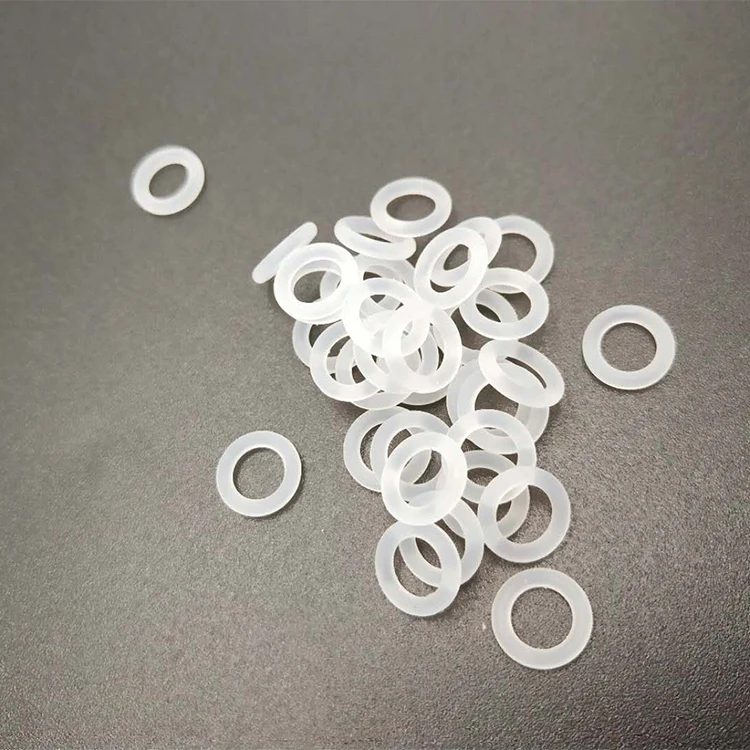
Translucent silicone for button applications represents a specialized subset of industrial elastomers designed to meet stringent aesthetic, functional, and environmental requirements. In precision devices such as medical instruments, consumer electronics, and industrial control panels, the integration of translucent silicone enables backlighting functionality while maintaining tactile responsiveness and environmental sealing. Suzhou Baoshida Trading Co., Ltd. provides engineered rubber solutions tailored to these high-performance applications, leveraging advanced compounding techniques to ensure optical clarity, consistent durometer, and long-term reliability. Among the elastomers commonly deployed in such roles, silicone stands out for its thermal stability, biocompatibility, and UV resistance, making it ideal for applications requiring both visual feedback and durability. However, depending on operational conditions, alternative materials such as Viton and nitrile may be considered for their superior chemical or oil resistance.
Silicone rubber, particularly in its high-consistency (HCR) and liquid silicone rubber (LSR) forms, offers excellent transparency and can be formulated to achieve Shore A hardness values between 30 and 80, with typical molding tolerances within ±0.1 mm. Its service temperature range spans from -60°C to +200°C, allowing reliable performance in extreme environments. Translucent grades are manufactured under strict cleanroom conditions to minimize particulate inclusion and optical defects. In contrast, Viton (FKM) exhibits superior resistance to fuels, oils, and chlorinated solvents, with a temperature tolerance up to 250°C, though it is inherently opaque and not suitable for light-transmitting buttons. Nitrile (NBR) provides excellent abrasion resistance and compression set performance in oil-rich environments but is limited by a narrower thermal window (-40°C to +120°C) and lacks optical clarity.
The selection of elastomer must be guided by application-specific demands including exposure to chemicals, operating temperature, required lifespan, and regulatory compliance. For instance, medical-grade translucent silicone must meet USP Class VI and ISO 10993 standards, while industrial controls may prioritize UL94 V-0 flammability ratings. All materials undergo rigorous quality control, including hardness testing, tensile strength analysis, and accelerated aging per ASTM and ISO protocols.
Below is a comparative summary of key material properties relevant to button applications:
| Property | Silicone (Translucent) | Viton (FKM) | Nitrile (NBR) |
|---|---|---|---|
| Hardness Range (Shore A) | 30–80 | 60–90 | 50–90 |
| Temperature Range (°C) | -60 to +200 | -20 to +250 | -40 to +120 |
| Tensile Strength (MPa) | 6–10 | 10–20 | 15–25 |
| Elongation at Break (%) | 400–700 | 200–300 | 200–500 |
| Compression Set (22h, 150°C) | 15–25% | 10–20% | 20–35% |
| Fluid Resistance | Good (water, ozone, UV) | Excellent (oils, fuels) | Good (oils, aliphatic) |
| Optical Clarity | High (translucent/clear) | Low (opaque) | Low (opaque) |
| Biocompatibility | USP Class VI available | Limited | Not applicable |
| Typical Applications | Backlit buttons, medical | Seals in harsh chemical | Oil-exposed mechanical |
| devices, consumer electronics | environments | gaskets and seals |
Suzhou Baoshida Trading Co., Ltd. supports OEMs with material selection, prototyping, and volume production of custom-molded rubber components, ensuring compliance with international quality standards and application-specific performance criteria.
Manufacturing Capabilities
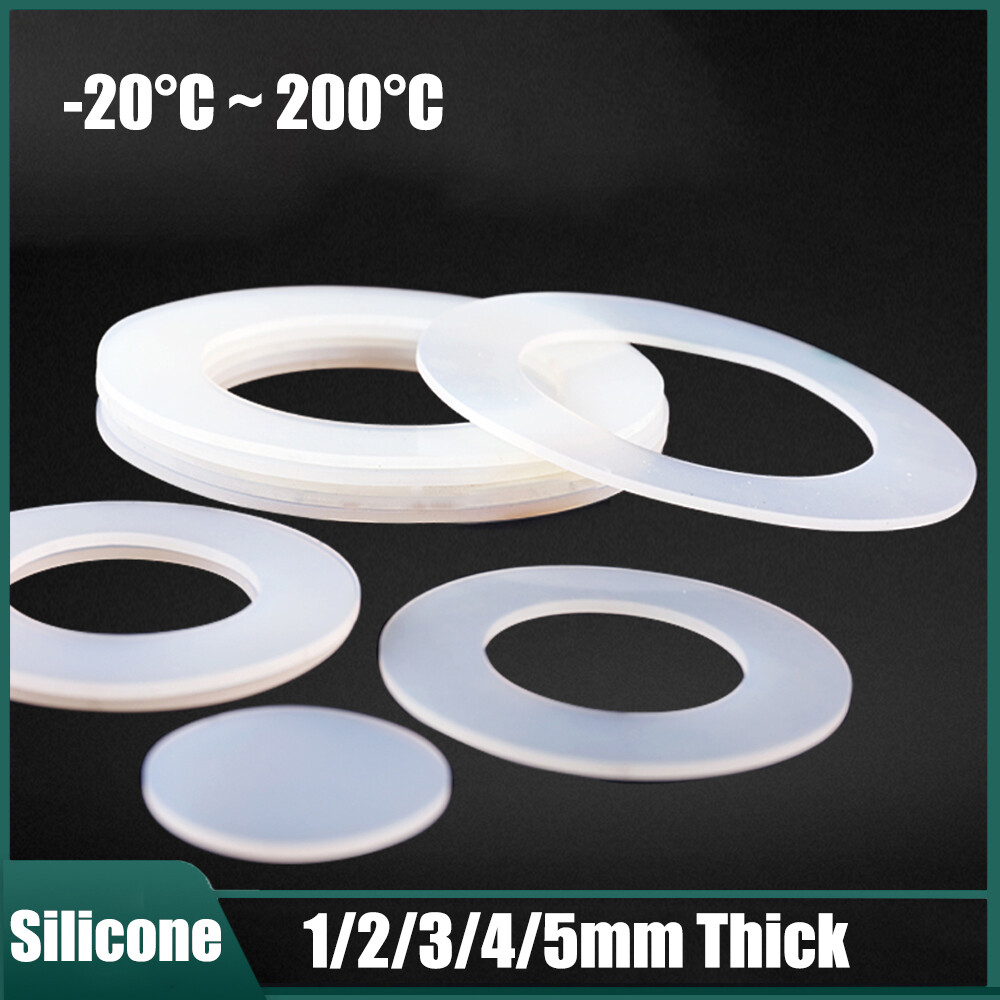
Engineering Precision for Translucent Silicone Button Manufacturing
Suzhou Baoshida Trading Co., Ltd. delivers uncompromising performance in translucent silicone button production through integrated material science and precision tooling expertise. Our dedicated engineering cohort—comprising five specialized mould designers and two advanced rubber formula chemists—ensures every component meets stringent optical, mechanical, and functional criteria demanded by consumer electronics and industrial control interfaces. This dual-discipline structure eliminates siloed development, enabling concurrent optimization of material composition and cavity geometry to resolve inherent challenges in translucent silicone applications, such as light diffusion uniformity, compression set resistance, and tactile feedback consistency.
Our formula engineers leverage proprietary platinum-cure silicone systems engineered specifically for optical clarity and stability. Rigorous in-house testing validates performance across critical parameters, including UV resistance, thermal aging (up to 150°C), and chemical exposure to common solvents. Concurrently, mould engineers deploy advanced flow simulation software to eliminate knit lines, sink marks, and internal stresses that compromise translucency. This synergy ensures dimensional accuracy within ±0.05mm tolerances and surface finishes conforming to ISO 2632 Class A standards, critical for seamless integration into membrane switch assemblies and illuminated interfaces.
Key material specifications for our standard translucent silicone formulations are detailed below:
| Property | Test Method | Value Range | Significance for Button Applications |
|---|---|---|---|
| Transmittance (2mm thick) | ASTM D1003 | 85–92% | Ensures uniform backlight diffusion |
| Shore A Hardness | ASTM D2240 | 30–70 | Balances actuation force and seal integrity |
| Tensile Strength | ASTM D412 | 8.0–12.0 MPa | Prevents deformation during repeated cycling |
| Compression Set (22h/70°C) | ASTM D395 | ≤12% | Maintains tactile response over product life |
| Thermal Stability Range | ISO 188 | -60°C to +200°C | Guarantees performance in extreme environments |
OEM partners benefit from our end-to-end engineering ownership. We initiate projects with co-development workshops to align material properties with client-specific requirements—such as custom color matching within the translucent spectrum or optimizing durometer for ergonomic actuation profiles. Our formula library includes FDA-compliant, medical-grade, and flame-retardant variants (UL 94 HB), all validated through accelerated lifecycle testing simulating 5 million+ button presses. Rapid prototyping capabilities, supported by in-house 3D-printed mould inserts, reduce time-to-market by 30% compared to conventional tooling approaches.
Suzhou Baoshida’s engineering framework transforms translucent silicone from a commodity material into a precision-engineered solution. By embedding formula science within the mould design process, we eliminate iterative trial-and-error, delivering buttons that achieve perfect optical clarity, repeatable haptics, and zero-defect manufacturability at scale. This capability positions us as a strategic engineering partner for OEMs where interface reliability directly impacts brand perception and user experience.
Customization Process
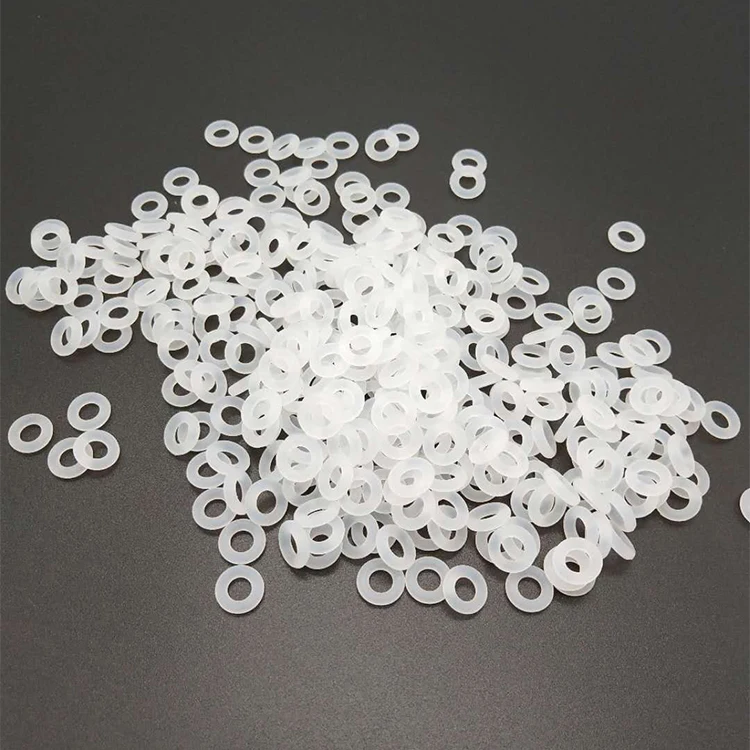
Customization Process for Translucent Silicone Buttons at Suzhou Baoshida Trading Co., Ltd.
At Suzhou Baoshida Trading Co., Ltd., we specialize in delivering high-performance industrial rubber solutions tailored to exact OEM specifications. Our systematic customization process ensures that every translucent silicone button meets stringent functional, aesthetic, and durability standards. The journey from concept to mass production is structured into four critical phases: Drawing Analysis, Formulation, Prototyping, and Mass Production.
The process begins with Drawing Analysis, where our engineering team evaluates the customer-provided technical drawings. We assess dimensional tolerances, wall thickness, sealing requirements, actuation force, and surface finish. This phase ensures compatibility with the intended housing and electronic interface. Special attention is given to draft angles, parting lines, and gate locations to prevent defects during molding. Any discrepancies or optimization opportunities are communicated for approval before proceeding.
Following drawing validation, our Rubber Formula Engineers develop a custom silicone formulation. Translucent silicone demands precise control over raw material purity and cross-linking chemistry to maintain optical clarity while achieving target mechanical properties. We use high-purity, platinum-cured liquid silicone rubber (LSR) to avoid discoloration and ensure biocompatibility where required. Hardness, elongation at break, compression set, and thermal stability are tuned to application needs—ranging from consumer electronics to medical devices. Additives are minimized to preserve translucency, and UV stabilizers may be incorporated for outdoor applications.
Once the formulation is finalized, we proceed to Prototyping. Utilizing rapid tooling techniques, we produce small-batch samples within 7–10 days. These prototypes undergo rigorous testing, including durometer verification, optical clarity assessment, cycle life testing (up to 1 million actuations), and environmental exposure (temperature cycling from -50°C to +200°C). Feedback is integrated iteratively until the sample meets all performance and aesthetic criteria.
Upon customer approval, the project transitions to Mass Production. We deploy high-precision, temperature-controlled LSR injection molding machines with automated demolding to ensure consistency. Each batch is subject to in-process quality checks and final inspection per ISO 9001 standards. Our facility supports annual volumes from 50,000 to over 10 million units, with full traceability and packaging customized to client logistics requirements.
Throughout the process, Suzhou Baoshida maintains open technical communication, ensuring alignment with OEM timelines and quality expectations.
Typical Technical Specifications for Translucent Silicone Buttons
| Property | Test Method | Typical Value |
|---|---|---|
| Hardness (Shore A) | ASTM D2240 | 30–70 |
| Tensile Strength | ASTM D412 | ≥8.0 MPa |
| Elongation at Break | ASTM D412 | ≥450% |
| Compression Set (22h, 150°C) | ASTM D395 | ≤20% |
| Operating Temperature | — | -50°C to +200°C |
| Optical Transmittance (1mm thickness) | ASTM D1003 | ≥85% (at 550 nm) |
| Cycle Life | Internal Test | 1,000,000 actuations |
| Cure System | — | Platinum-catalyzed |
Contact Engineering Team
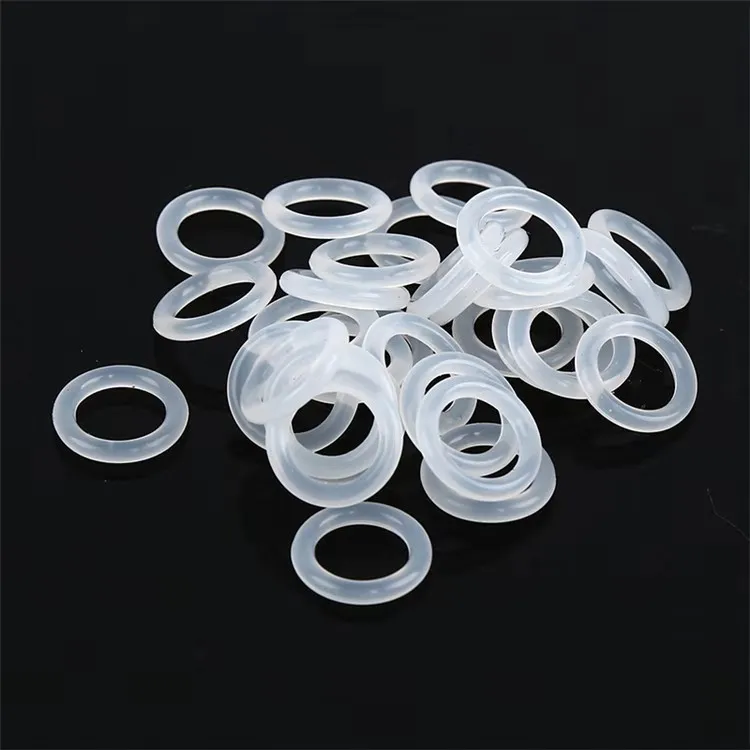
Initiate Your Translucent Silicone Button Project with Precision Engineering Expertise
Suzhou Baoshida Trading Co., Ltd. stands at the forefront of industrial rubber solutions, delivering bespoke translucent silicone compounds engineered exclusively for high-performance button applications. As your dedicated Rubber Formula Engineer and OEM Manager, I emphasize that material consistency directly impacts end-product functionality—particularly in user-interface components where optical clarity, tactile response, and environmental resilience are non-negotiable. Our formulations undergo rigorous in-house validation to ensure Shore A hardness tolerances within ±2 points, light transmission stability across thermal cycles, and zero batch-to-batch variance in critical properties. This precision eliminates field failures in consumer electronics, medical devices, and automotive controls where button integrity dictates user safety and brand reputation.
The following technical specifications reflect our standard translucent silicone grade optimized for injection-molded buttons. All values are verified per ASTM D2240, D412, and ISO 188 protocols, with customization available for UV resistance, conductivity, or accelerated aging requirements.
| Property | Test Method | Typical Value | Industrial Relevance for Buttons |
|---|---|---|---|
| Hardness (Shore A) | ASTM D2240 | 40 ± 2 | Ensures consistent tactile feedback and actuation force |
| Tensile Strength | ASTM D412 | ≥ 8.5 MPa | Prevents deformation during repeated presses |
| Elongation at Break | ASTM D412 | ≥ 450% | Accommodates flex without cracking |
| Light Transmission (1mm) | ASTM D1003 | ≥ 90% | Critical for backlit or indicator interfaces |
| Tear Resistance | ASTM D624 | ≥ 25 kN/m | Mitigates edge damage during assembly |
| Compression Set (70°C/22h) | ASTM D395 | ≤ 12% | Maintains seal integrity in enclosures |
Partnering with Suzhou Baoshida means accessing end-to-end OEM management—from raw material sourcing under ISO 9001 controls to automated molding support. We resolve common pain points like pigment migration in translucent grades or post-cure haze through proprietary additive systems, reducing your scrap rates by up to 30%. Our technical team collaborates directly with your R&D to align silicone chemistry with button geometry, ensuring optimal flow dynamics and demolding behavior in complex molds.
To secure material samples, request a full technical datasheet, or discuss volume production timelines, contact Mr. Boyce immediately. As your primary OEM liaison, he will coordinate a tailored consultation addressing your specific regulatory needs (RoHS, REACH, USP Class VI), cost-optimized compounding, and logistics planning. Initiate this process by emailing [email protected] with your project specifications, including required hardness range, color code (Pantone or RAL), and annual volume estimates. Mr. Boyce guarantees a technical response within 4 business hours, providing actionable data—not generic brochures—to accelerate your prototyping phase.
Suzhou Baoshida commits to being your engineering extension, transforming translucent silicone from a commodity material into a competitive advantage. Trust our decades of formulation science to deliver buttons that perform flawlessly across 1 million+ actuation cycles. Contact Mr. Boyce today to validate your requirements against our proven manufacturing capabilities. Your project’s success begins with a single, precise technical dialogue.
⚖️ O-Ring Weight Calculator
Estimate rubber O-ring weight (Approx).